A route-by-route guide to Patagonia buses: companies, journey times, seat classes, border crossings, where to book, and when you should just fly instead.
By Patagonia Tourism Guide · First published 19 Sep 2026 · Updated 27 Sep 2026
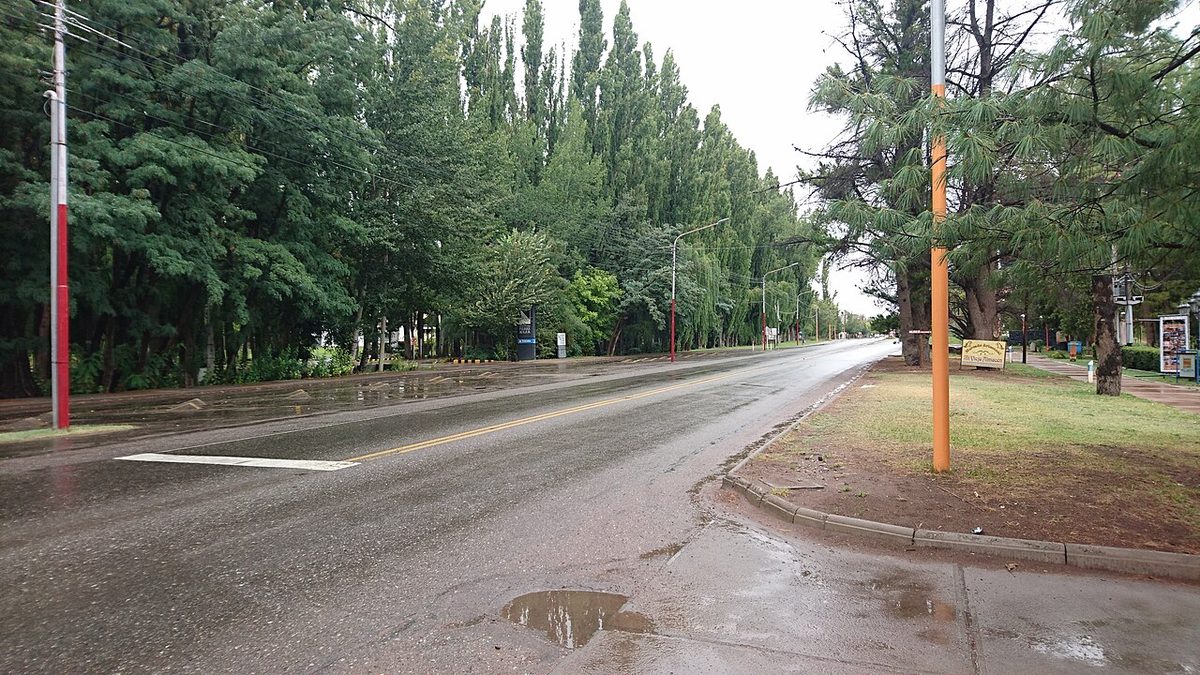
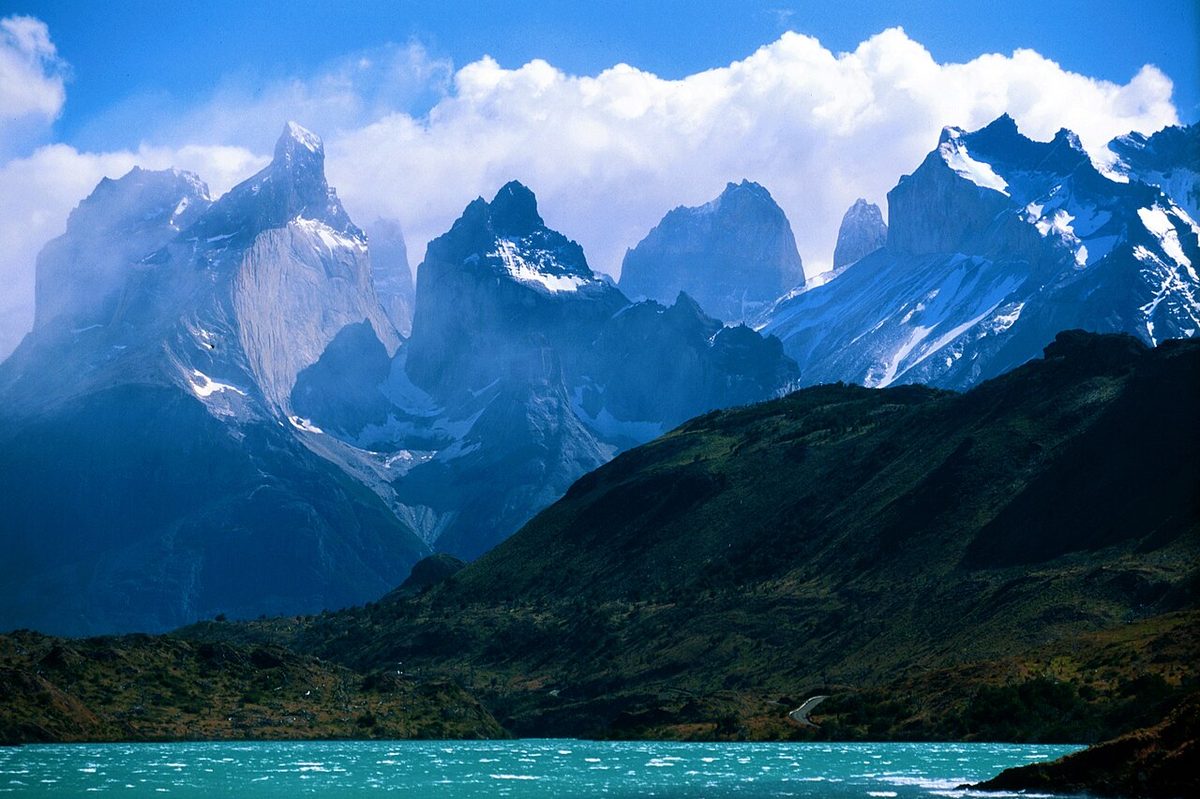
0 — 2 km Fig. 1 · Photo: Maximilian Reininghaus / CC BY-SA 4.0 via Wikimedia Commons
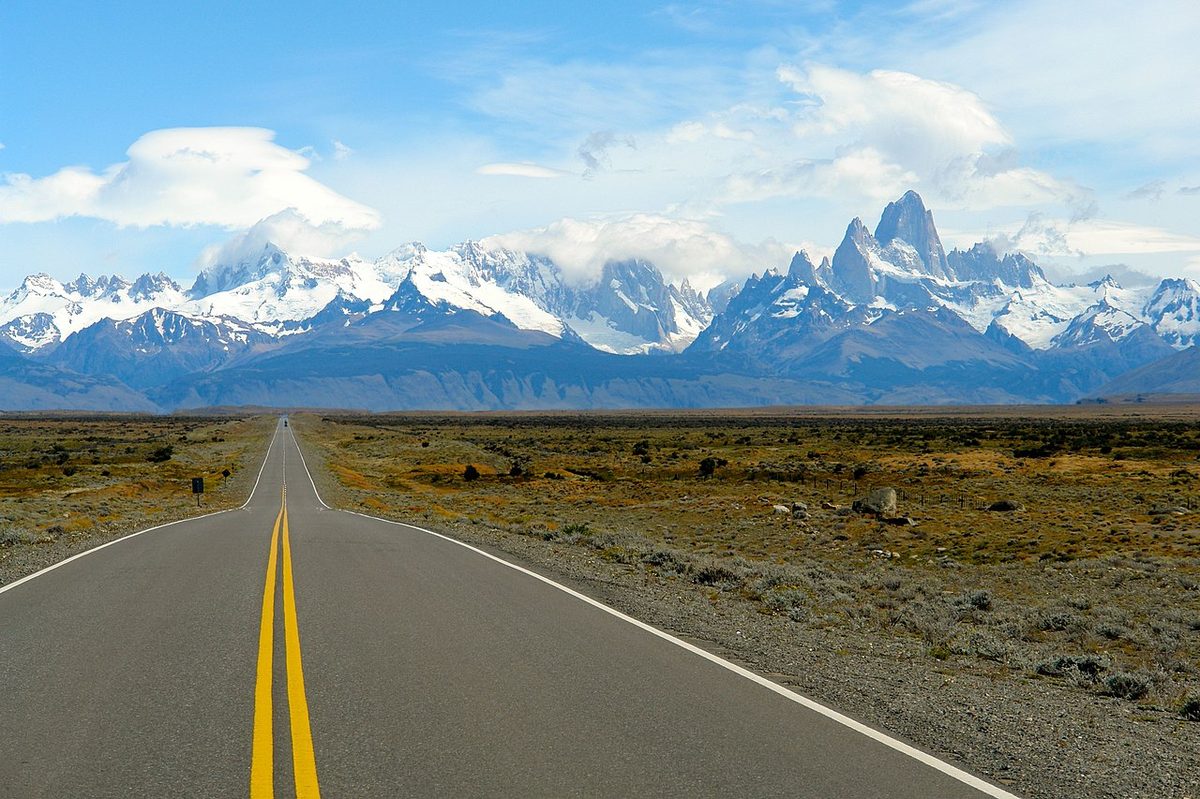
My first real lesson in Patagonia buses came on the road out of El Calafate at eight in the morning: a half-empty coach, a driver who knew every cattle grid on the route by feel, and three hours I’d happily ride again. We rolled north past Lago Argentino, then a long brown nothing, then suddenly Lago Viedma went electric blue out the left window and a German couple actually gasped. Three hours later I stepped off in El Chaltén with the Fitz Roy massif buried in cloud and the smell of woodsmoke everywhere. No timetable drama, no missed connection. Just a good seat and a road that did all the work.
Here is the honest short version. Patagonia buses are excellent for the classic short legs — El Calafate to El Chaltén, Punta Arenas to Puerto Natales, the parks runs — comfortable, cheap, and frequent in summer. They get slow and stubborn for long region-to-region hauls, where a flight often wins. Book ahead in peak season, and always verify current times.
This guide is for the traveler who has roughly settled the route and now needs to actually move between towns without losing days to bad connections. I’ll go route by route, name the companies, give you journey times and rough price bands, explain seat classes and the border-crossing services, and then tell you candidly where a bus stops being worth it and you should fly. I hedge every time and price on purpose, because schedules here drift by season and the Argentine peso makes any fare go stale fast. Treat the numbers as patterns, then reconfirm before you pay.
If you’re still deciding the overall shape of the trip — flights, cars, ferries, the lot — start with the pillar guide on how to get to Patagonia. This article zooms into the bus layer specifically.
How Patagonia buses work
Once you stop picturing one tidy network, Patagonia buses make sense. There is no single national coach system spanning the region. Instead you have Argentine companies on the Argentine side, Chilean companies on the Chilean side, a handful of cross-border operators stitching the two together, and a strong rule of thumb: the easy routes connect neighboring gateway towns with real tourist demand, and the painful ones try to leap across whole regions because someone wanted to dodge a flight.
A few traits define bus travel down here, and they matter for planning.
First, frequency follows the season. On the popular legs you’ll often find several departures a day from roughly October to April, thinning to one or two — or certain weekdays only — in winter. A route that runs daily in January might run Monday, Wednesday, Friday in June. Never copy a summer plan into a winter trip without re-checking current operating days.
Second, long-distance journeys here tend to run in daylight. In much of Argentina you can take an overnight bus and save a hotel night. Across most of Patagonia that’s rarely an option on the scenic legs — the buses go by day, partly because the scenery is the point and partly because of road and border logistics. Plan to spend the daylight in transit, not asleep.
Third, the buses themselves are generally good. Clean, safe, comfortable, with reclining seats and often a luggage hold you check bags into with a numbered tag. Argentine long-haul coaches in particular are a genuine pleasure — more on the cama classes below. This isn’t roughing it.
Fourth, borders and rest stops are baked into the timetable, and they take time. A “five hour” cross-border bus can become six once immigration and Chile’s agricultural inspection are done. That slack is normal. Build your day around it rather than fighting it.
For the bigger picture of how buses fit alongside flights, rental cars, and ferries across the whole region, the pillar’s section on getting around sets the framework. Here, let’s get specific.
Patagonia buses at a glance: the route table
This is the table I wish I’d had taped inside my notebook on the first trip. It covers the legs most travelers actually ride, with the companies you’ll see, a realistic journey time, and the catch worth knowing before you book. Every time and price is approximate and seasonal — verify current details with the operator or a booking site close to your dates.
Route
Company examples
Typical time
Notes
El Calafate → El Chaltén
Chaltén Travel, Cal-Tur, Marga Taqsa
~3 hrs
Easy, frequent in season; stops at El Calafate airport
Puerto Natales → Torres del Paine
Bus Sur, Buses Gómez, Buses Pacheco, Turismo Zaahj
~2–2.5 hrs to Laguna Amarga
Morning + midday departures; stops at park sectors
Punta Arenas → Puerto Natales
Bus Sur, Buses Fernández, Buses Pacheco
~3 hrs
Very frequent; can board at Punta Arenas airport
El Calafate ↔ Puerto Natales (border)
Bus Sur, Cootra, Marga Taqsa
~5–6 hrs incl. border
Not daily in low season; passport + SAG inspection
Ushuaia ↔ Punta Arenas (border + ferry)
Bus Sur, Marga Taqsa
~10–12 hrs
Magellan Strait ferry; often no Sunday service
El Calafate ↔ Bariloche (Ruta 40)
Chaltén Travel, Marga Taqsa
~26–28 hrs
Epic and seasonal; fly instead if short on time
Bariloche → El Bolsón / lake towns
Vía Bariloche and others
~2 hrs
Frequent; book day-of usually fine
Buenos Aires → Bariloche
Vía Bariloche, Andesmar, Chevallier
~22–24 hrs
Cama/semi-cama overnight; a comfortable long haul
Swipe to see all columns
Table 1
Use that as a map of the possible, not a guarantee. Below I go through the legs that matter most, in the order you’re likely to ride them.
El Calafate to El Chalten bus: the easy one
If there’s a Patagonia bus to fall in love with, it’s this one. The El Calafate to El Chalten bus is short, scenic, and run for hikers, with multiple companies and several daily departures in season.
El Chaltén sits about 200 to 215 km from El Calafate along the paved RN40 and RP41, and the town can only be reached by land. The drive takes around three hours, and per the official El Chaltén tourism site the daily service runs all year round, with at least a couple of frequencies each way in the morning and afternoon and several extra departures added in the October-to-April tourist season.
The companies you’ll see are Chaltén Travel, Cal-Tur, and Marga Taqsa. A genuinely useful detail: buses heading from El Calafate to El Chaltén pick up at the Armando Tola International Airport on the way out, and drop there on the return. That means you can fly in and connect straight to El Chaltén without overnighting in El Calafate first — though I usually wouldn’t, because El Calafate and Perito Moreno deserve their own days.
On price, recent fares have sat in the rough region of USD 35 to 45 one way; the El Chaltén site has listed a one-way ticket around AR$50,000 plus a small municipal bus terminal tax (around AR$2,000) paid at a window in the terminal. Argentine pesos being what they are, treat both as ballpark and confirm when you book.
A couple of honest tips. El Chaltén is reached only by land, so the bus, a transfer, or a rental car are your only options — there’s no airport. And because the town’s whole appeal is the weather lottery of Fitz Roy, don’t make it a one-night transfer stop; the transport is easy but the views aren’t. For the hiking side of that decision, our El Calafate to El Chaltén route guide goes deeper.
Puerto Natales to Torres del Paine bus: getting into the park
This is the leg that trips up first-time trekkers, because it has its own rhythm. The Puerto Natales to Torres del Paine bus isn’t one drop-off — it’s a shuttle that calls at several points inside the park, timed around the trailheads and the catamaran.
Puerto Natales is the staging town for Torres del Paine: it’s roughly 80 to 115 km and about two to two and a half hours to the park’s entrances, and it’s where most people sleep, rent gear, buy food, and confirm trek logistics the night before. Buses typically leave in a morning wave and a midday departure, with the earliest aimed at day hikers who want a full day on the trail. Companies working this route include Bus Sur, Buses Gómez, Buses Pacheco, and Turismo Zaahj, and in high season there can be well over twenty departures a day across all operators, per route data aggregated on Busbud.
The key thing to understand is the in-park stops. Buses generally call at Laguna Amarga (the main ranger station and the gateway for the Las Torres base trek), then Pudeto (where the catamaran across Lago Pehoé departs, its sailings timed to the buses), and finally the Administración centre. Which stop you want depends entirely on your hike, so know your first day’s plan before you board.
Fares have recently run in the rough range of USD 16 to 22 one way. One piece of hard-won advice from the Switchback Travel transport guide: companies push round-trip tickets, but a one-way ticket in can be smarter, because finishing a multi-day trek to a fixed return-bus time is stressful, and splitting a van out with other hikers often gets you back to Puerto Natales hours earlier. Buy the return once you know when you’ll actually walk out.
Punta Arenas to Puerto Natales bus: the gateway transfer
If your flights land at Punta Arenas — and they often will, because it’s the workhorse southern-Chile airport with far more service than tiny Puerto Natales — this is your next move. It’s one of the most frequent and painless Patagonia buses going.
The run is about 250 km and roughly three hours, on good paved road with no border. The dominant operators are Bus Sur and Buses Fernández, with Buses Pacheco also on the route, and between them they run a near-hourly daytime spread; route aggregators show on the order of twenty-plus departures a day in season. Fares are low by Patagonia standards, often in the USD 9 to 15 band.
Here’s the airport trick worth knowing. If you’re heading straight from Punta Arenas airport to Puerto Natales, drivers will nudge you onto a shuttle into the Punta Arenas downtown terminal first — but the airport is actually a stop on the way out of town, so some buses pass it with seats free and you can board there, saving the backtrack and the shuttle fare. Contact the company ahead to reserve an airport pickup if you want certainty. Switchback’s guide makes the same point.
Booking same-day at the terminal is usually fine on this leg given the frequency, though in the busiest summer weeks I’d reserve a day ahead. For how this connects onward toward Argentina, see Punta Arenas to Puerto Natales, and for the reverse Chile-to-Argentina hop, how the cerro castillo crossing works.
Border-crossing buses between Argentina and Chile
This is where Patagonia buses earn their keep, because the alternative — a cross-border rental car with its own permit paperwork — is a lot more friction. On a bus, the border process is handled as a group: everyone files off, gets stamped out of one country and into the other, the bus is sometimes inspected, and you re-board. It works. It just takes time.
El Calafate to Puerto Natales (and back)
The classic first-timer crossing links Argentina’s glacier hub with Chile’s Torres del Paine gateway. It’s roughly 270 km and, on paper, three to four hours of driving — but allow five to six hours total because of the frontier. The crossing is usually at Paso Río Don Guillermo / Cancha Carrera, near Cerro Castillo. Operators include Bus Sur, Cootra, and Marga Taqsa.
The big caveat: this route is not daily outside high season. Reports place morning departures on only certain weekdays in the quieter months — think a few set days a week — with more frequency and afternoon options layered in from around November to February. Because of the trekking demand on both ends, seats go fast, so book ahead and verify the operating days for your exact dates.
Ushuaia to Punta Arenas
If you’re moving the far south overland, this is the leg, and it’s one of the most logistically heavy Patagonia buses. It runs around 10 to 12 hours, crosses the Argentina–Chile border, and includes a ferry across the Strait of Magellan near the end. Per the Career Gappers Patagonia bus guide, the operators are Bus Sur and Marga Taqsa, services don’t run every day, and there’s typically no Sunday departure. It’s doable and even atmospheric, but it’s a full travel day with several moving parts — exactly the kind of leg I’d weigh against a flight.
The universal border rules
Whichever crossing you take, the same rules apply, and Chile enforces them seriously:
Do not bring fresh fruit, vegetables, meat, dairy, seeds, or honey into Chile. The SAG agricultural inspection is real and items get confiscated; declare anything you’re unsure about.
Expect the quoted time to stretch in peak season when queues build at the post.
Don’t schedule anything tight — a trek start, an expensive tour, a same-day flight — immediately after a border bus.
For the full cross-border picture including the road-trip and permit angle, our rental car guide covers why many people leave the driving to the bus on these specific legs.
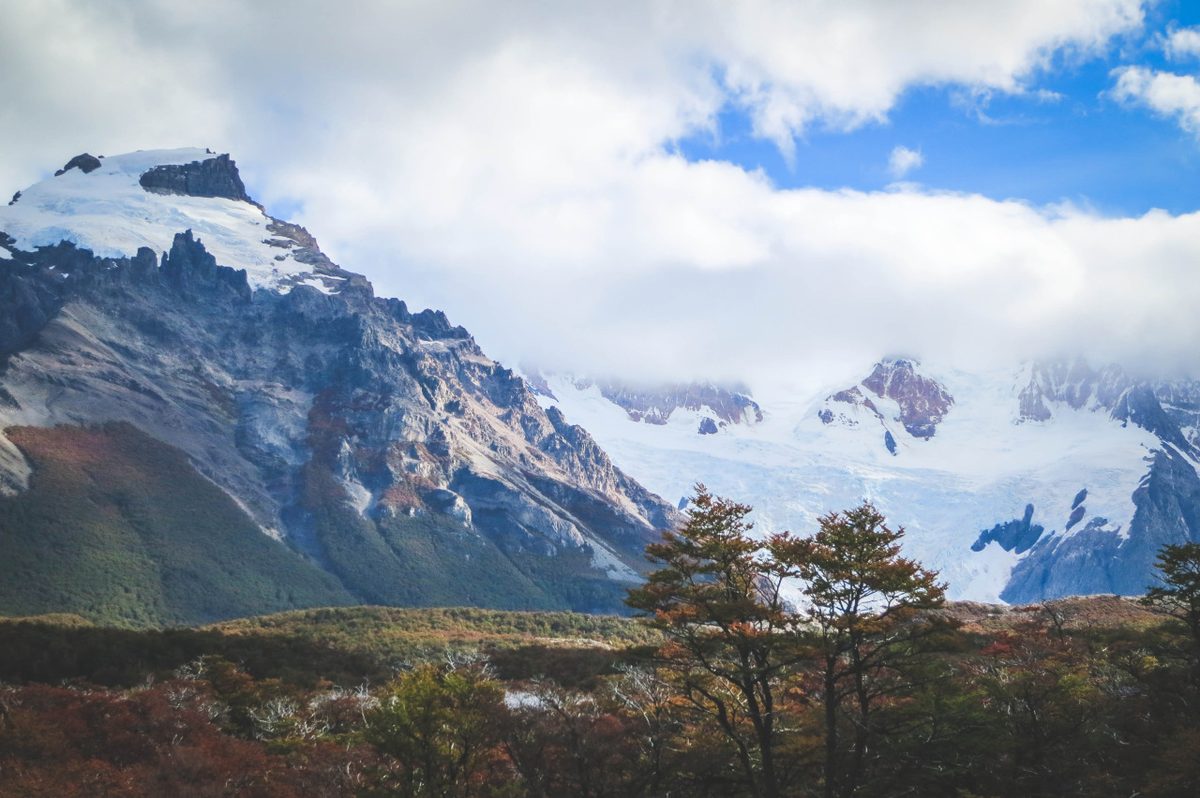
Fig. 3 · Photo: Gordon Leggett / CC BY 4.0 via Wikimedia Commons
Bus seat classes: semi-cama, cama and beyond
On the short Patagonia legs you mostly get a standard tourist coach and that’s fine — you’re on it for two or three hours. It’s on the long Argentine hauls that seat class becomes a real decision, and it’s worth understanding the ladder before you book a fourteen- or twenty-four-hour ride.
Argentine long-distance buses are sold by comfort tier, and the names are fairly consistent across companies like Andesmar, Vía Bariloche, and Chevallier:
Semi-cama — a wide seat that reclines partway, with decent legroom. Good value for daytime or shorter overnights. The workhorse class.
Cama — a bigger seat reclining close to flat, often on the lower deck of a double-decker, more space all round. The sweet spot for a long overnight; the extra cost is usually worth it.
Cama suite / cama ejecutivo / “full cama” — near-180-degree lie-flat seats, fewer per row, sometimes with more service. The premium tier for the truly long hauls.
For any journey over about twelve hours, I’d pay up to at least cama. On the legendary 24-hour Buenos Aires to Bariloche run, the difference between dozing in semi-cama and actually sleeping in a lie-flat is the difference between arriving wrecked and arriving ready. Service on these coaches can include a snack or simple meal and sometimes onboard Wi-Fi, though I’d never count on the Wi-Fi holding across the steppe.
On the Chilean side and on the short tourist legs everywhere, you’ll see fewer of these gradations — it’s mostly a single comfortable class — but the same booking sites will show you what each service offers before you pay.
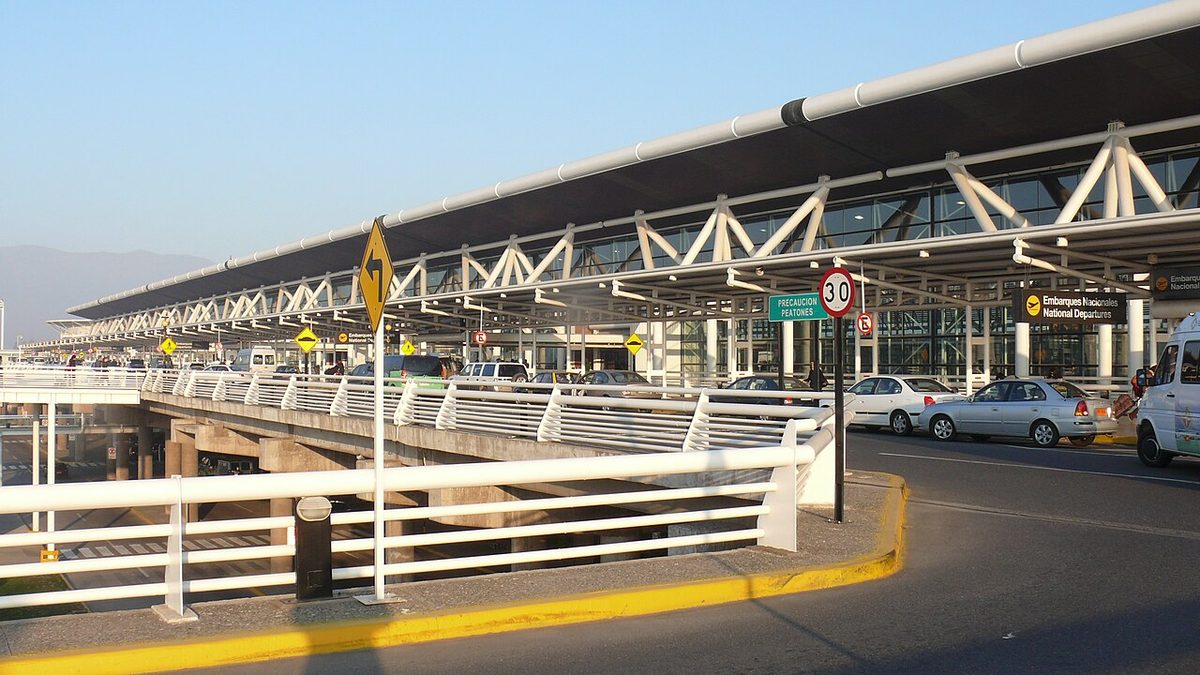
Fig. 4 · Photo: Zinnsoldat / CC BY-SA 4.0 via Wikimedia Commons
Where and how to book buses in Patagonia
Booking buses Patagonia-style is less centralized than Europe, but it’s gotten much easier online. Here’s how I actually do it, and when each method wins.
Online aggregators are the simplest for most travelers:
Busbud — the most useful single tool for the region, covering both Argentine and Chilean routes in English with card payment. It’s the one I reach for first to compare companies and times on a given leg. (Busbud also owns Recorrido, the big Chilean platform.)
Recorrido.cl — Chile-focused, strong for Bus Sur and other Chilean operators; handy when you want the native Chilean inventory.
Plataforma10, Central de Pasajes, and Pasaje.bus — Argentina-focused platforms covering Andesmar, Vía Bariloche, Chevallier and the like for the long domestic hauls.
Direct with the company — most operators (Chaltén Travel, Cal-Tur, Bus Sur, Marga Taqsa) sell on their own sites or via WhatsApp, which is sometimes the only way to see the very latest seasonal timetable, since schedules are often only released a few months ahead.
In person or through your accommodation — at the terminal window, or by asking your hostel to book it. On high-frequency legs (Punta Arenas–Puerto Natales, Bariloche–El Bolsón) buying a day or even hours ahead is usually fine. Hostels often have the local know-how and can save you a trip to the terminal.
A few booking habits that have saved me grief, echoing the Career Gappers guide:
Book ahead for the scarce legs in peak season — the cross-border buses, the parks runs, and anything that only goes a few times a week fill up. November to February especially.
Check which terminal and whether it stops at the airport. Some legs board at the airport; some only in town.
Confirm the operating days, not just the time — many routes skip certain weekdays off-season.
Note your arrival hour. Landing late in a small town can mean no taxi and a closed reception; I’d rather take a slightly worse time and arrive in daylight before a big hike.
For where all this fits in the wider plan — and which airport you’re connecting from — keep the Patagonia airports guide handy alongside this one.
When to fly instead of taking the bus
Here’s the candid part the booking sites won’t tell you: there’s a point where a Patagonia bus stops being the smart choice and becomes a way to donate a day of your trip to the steppe. Buses are brilliant for the short, scenic, high-demand legs. They’re a poor use of limited time for the big region-to-region leaps. Knowing the line is most of the skill.
Take the bus when:
It’s a short, established leg — El Calafate to El Chaltén, Punta Arenas to Puerto Natales, the Torres del Paine park runs, Bariloche to the nearby lake towns. These are cheap, frequent, comfortable, and often more convenient than the airport rigmarole.
The cross-border route saves you the rental-car permit hassle — El Calafate to Puerto Natales is a case where I’d happily let the bus handle the border.
You’re on a backpacker budget and have the days to spend, and the scenery is genuinely part of the experience.
Fly instead when:
The leg is a multi-region marathon. The standout example is El Calafate to Bariloche: by bus that’s a roughly 26-to-28-hour haul up Ruta 40 through mostly desert, and it only runs daily in the main hiking season. A flight covers it in under two hours and can cost little more than the bus. Per Career Gappers, this is exactly the leg where flying makes sense.
You’re adding Ushuaia to anything short. The far south is reachable overland, but it’s a long, ferry-and-border-laden journey; for most 10-to-14-day trips, treat Ushuaia as a flight leg, not a bus add-on.
The alternative is backtracking through Buenos Aires or Santiago for a short connection, or a bus whose timing would cost you a weather-buffer day in El Chaltén or before a trek.
The clock matters more than the cost. There’s no prize for spending an extra day in transit when that day could be insurance against Patagonian weather.
My rule of thumb: under about six hours and on a popular tourist leg, bus it. Over roughly a half-day haul across regions, price the flight seriously. For the full multi-mode comparison — flights, cars, ferries, the works — the how to get to Patagonia pillar lays it all out, and you can cross-check distances on the layout of the region.
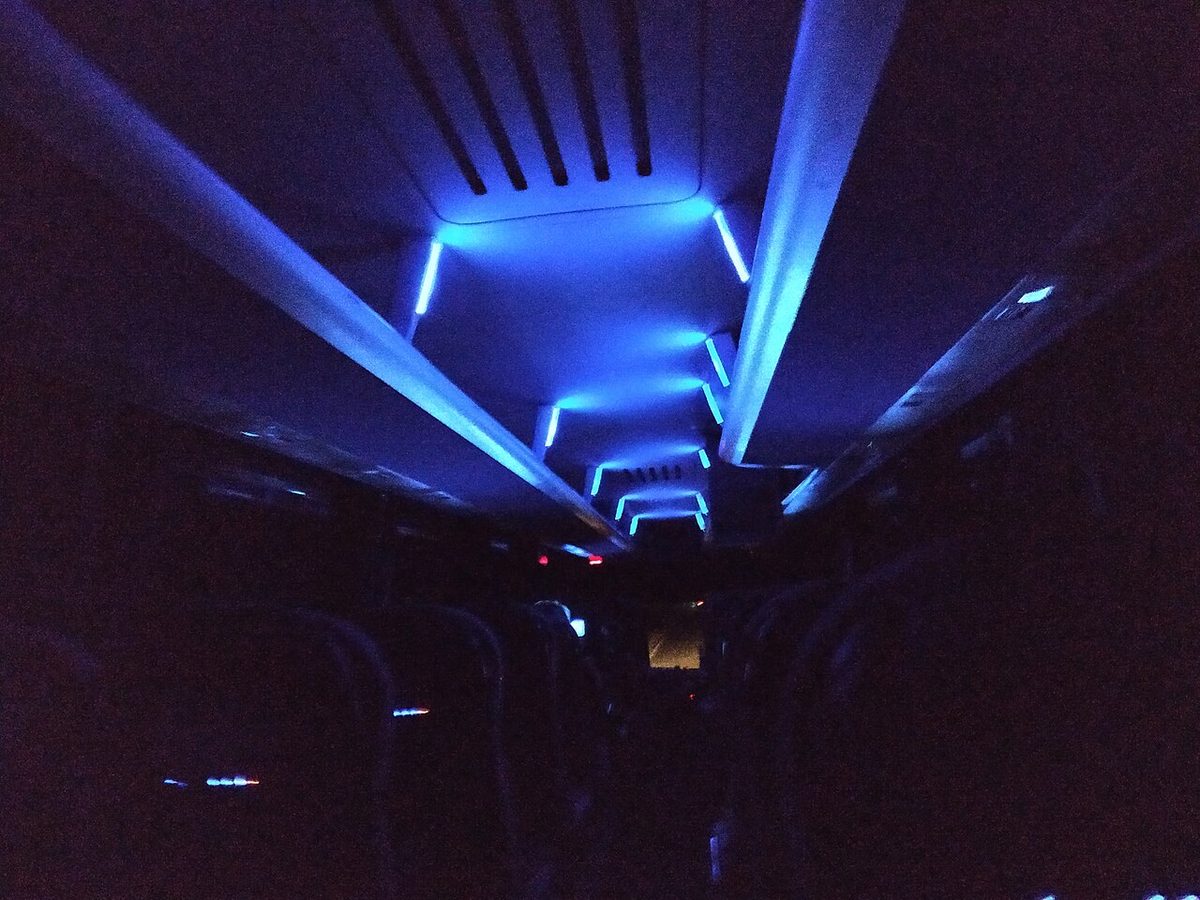
Fig. 5 · Photo: Winky from Oxford, UK / CC BY 2.0 via Wikimedia Commons
A few seasonal and reliability caveats
Two more things before the questions, because they catch people out.
Winter and shoulder seasons rewrite the timetable. Routes that run several times daily in January can drop to a few days a week — or pause entirely — from roughly May to September. Park access buses in particular shrink off-season. Always re-verify current operating days for your travel dates rather than trusting any schedule you read months earlier, including the patterns in this guide.
Buses run on Patagonian time, and that’s usually fine. They occasionally arrive a little early or a little late, rest stops are built into the schedule, and the cross-border legs can stretch. None of that is a failure of the system; it’s the system. Build a small buffer on either end of each journey, especially before a flight or a trek, and the whole thing flows. The travelers who struggle are the ones who plan as if the bus were a Swiss train.
For the wider trip-planning context, the overview of Argentine and Chilean Patagonia ties the transport decisions to everything else — when to go, where to base, how long to stay.
Frequently asked questions
Are buses in Patagonia safe and comfortable?
Yes. Tourist and long-distance buses in Patagonia are generally clean, safe, and comfortable, with reclining seats and a checked luggage hold. The Argentine long-haul coaches are especially good, with semi-cama and cama classes that recline far back for overnight trips. Standards are high; this is not a region where bus travel feels like roughing it.
How do I book buses in Patagonia?
The easiest way is online through Busbud, which covers both Argentine and Chilean routes in English. Recorrido.cl is strong for Chilean operators, while Plataforma10 and similar Argentine sites handle the long domestic hauls. You can also book directly with companies like Chaltén Travel or Bus Sur, or buy at the terminal or through your accommodation, which is usually fine on high-frequency legs.
How long is the bus from El Calafate to El Chaltén?
About three hours, covering roughly 200 to 215 km on paved road. El Chaltén can only be reached by land, and several companies — Chaltén Travel, Cal-Tur, and Marga Taqsa — run multiple daily departures in season, with services picking up at El Calafate’s airport on the way. Verify current times and the small terminal tax before you travel.
How do I get from Puerto Natales to Torres del Paine by bus?
Buses run from Puerto Natales into the park in a morning wave and a midday departure, taking about two to two and a half hours and stopping at Laguna Amarga, Pudeto (for the catamaran), and the Administración centre. Operators include Bus Sur, Buses Gómez, Buses Pacheco, and Turismo Zaahj. Buy a one-way ticket in and arrange the return once you know your trek timing.
Can I take a bus across the border between Argentina and Chile?
Yes, and it’s often easier than driving. Bus Sur, Cootra, and Marga Taqsa run El Calafate to Puerto Natales in about five to six hours including the border at Paso Río Don Guillermo. Bring your passport accessible and carry no fresh food into Chile, as the SAG inspection confiscates it. The route isn’t daily outside high season, so verify operating days.
Should I take the bus or fly between Patagonia towns?
Take the bus for short, popular legs like El Calafate to El Chaltén or Punta Arenas to Puerto Natales — they’re cheap, frequent, and convenient. Fly for long region-to-region jumps such as El Calafate to Bariloche, which is a 26-to-28-hour bus but under two hours by plane, or when adding far-flung Ushuaia. Under about six hours, bus it; over a half-day haul, price the flight.
How much do Patagonia buses cost?
It varies widely with the route, season, and Argentina’s exchange rate, so treat figures as approximate. Short legs like Punta Arenas to Puerto Natales can run around USD 9 to 15; El Calafate to El Chaltén around USD 35 to 45; the Torres del Paine park bus around USD 16 to 22. Long Argentine hauls cost more, with cama class above semi-cama. Always reconfirm current fares before booking.
Final thoughts
After enough of these journeys, I’ve landed on a simple split. The short Patagonia buses — the airport-to-park runs, the gateway transfers, that gorgeous three hours to El Chaltén — are some of the easiest, best-value travel in the region, and I’d choose them over a flight every time. The long ones are where the romance wears thin and a plane ticket quietly saves you a day you’ll wish you’d spent on a trail.
So book the short legs without hesitation, pay up for cama on any real overnight, let the bus handle the borders, and fly the marathons. Reconfirm your times close to travel, because the timetables move with the seasons, and arrive with a little buffer so the inevitable rest stop or border queue doesn’t break your day. Do that and the buses become exactly what they should be: the cheap, scenic, reliable connective tissue of a Patagonia trip, not the thing you fight.