Puerto Natales Travel Guide: Gateway to Torres del Paine
Puerto Natales travel guide: how to get there, park buses, gear rental, where to stay and eat, best things to do, and how many days to plan.
By Patagonia Tourism Guide · First published 21 Jul 2026 · Updated 1 Aug 2026
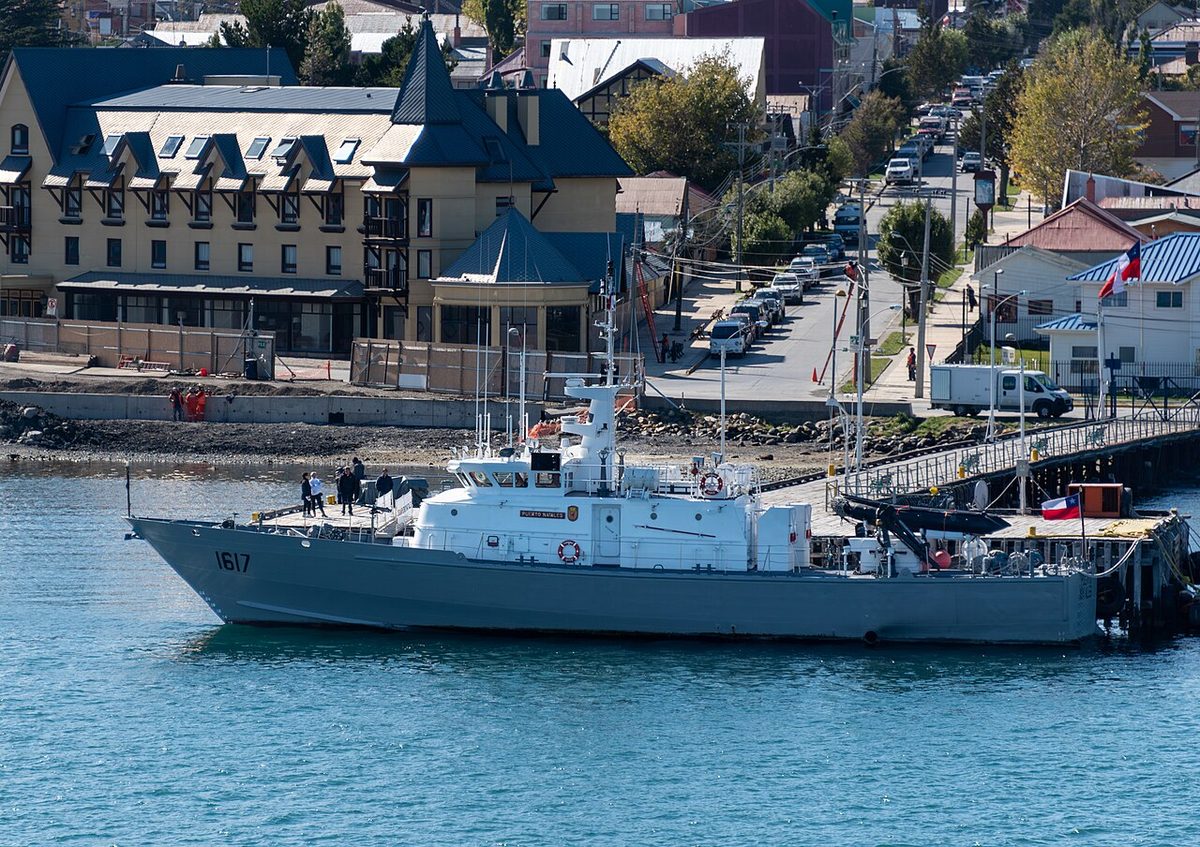
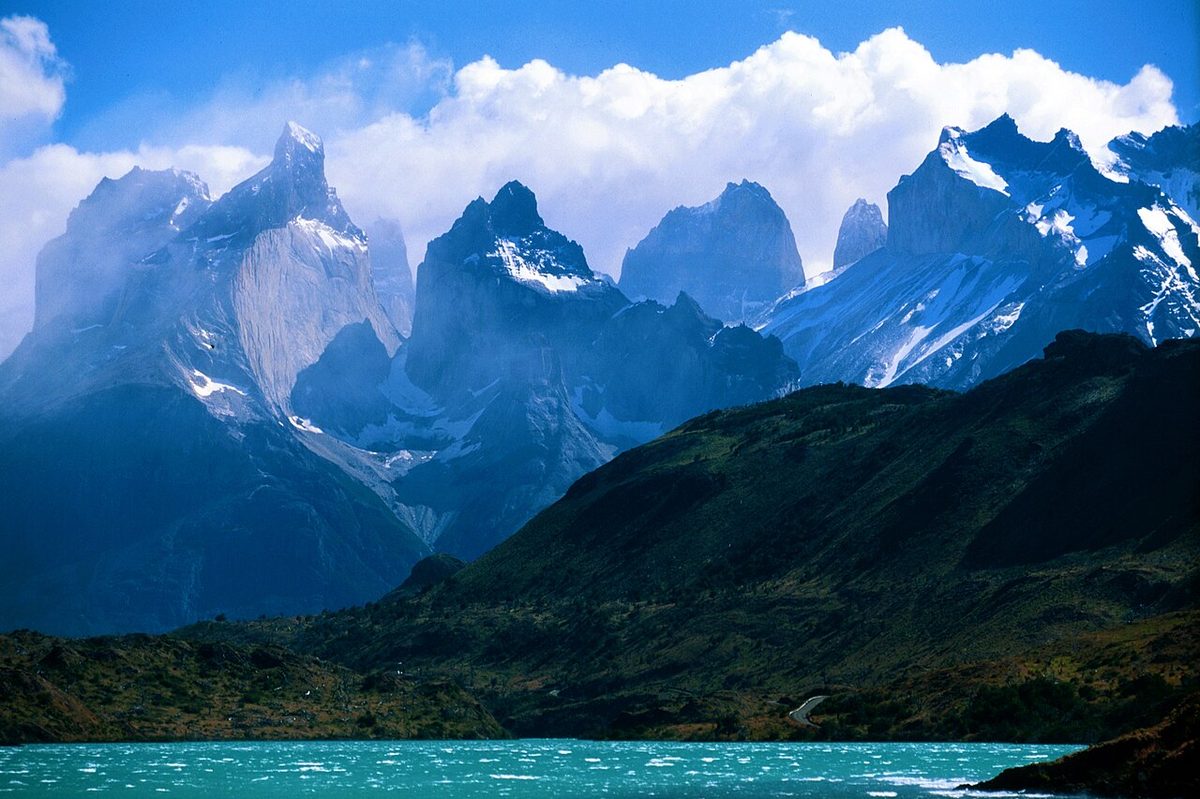
0 — 2 km Fig. 1 · Puerto Natales waterfront on the Ultima Esperanza Sound, the gateway town to Torres del Paine · Photo: Gordon Leggett / CC BY 4.0 via Wikimedia Commons
Most people pass through Puerto Natales without quite meaning to. You come here because it is the door to Torres del Paine, you plan to sleep one night, buy some food, and leave at dawn. Then the light hits the Última Esperanza Sound at the end of a windy main street, a stray dog follows you along the boardwalk, and you start to wonder if you gave the town enough credit.
This Puerto Natales travel guide is written for the version of you that is still planning, still deciding how many nights to book and what to organize before the park swallows your attention.
Puerto Natales is the main gateway town to Torres del Paine, on the shore of a Patagonian fjord in southern Chile. It is where you sleep before and after the park, buy supplies, rent trekking gear, catch park buses, and recover. Most travelers spend one to three nights here, usually one night on each side of Torres del Paine.
This guide is for independent travelers building a Patagonia trip around the park, whether you are doing the W Trek, day hiking, or just sightseeing. It is not a luxury-only or a hardcore-mountaineer guide. It is the practical, slightly opinionated walkthrough I wish I had before my first trip.
Use this table as a quick filter. Each row maps a common need to where or how you solve it in town. The rest of the guide expands every line.
What you need
Where / how in Puerto Natales
Sleep before/after the park
Hostels to boutique hotels in the small grid; book early for Jan–Feb
Get to Torres del Paine
Park bus from the Terminal Rodoviario, rental car, or transfer
Rent trekking/camping gear
Specialist shops near the center (e.g. Erratic Rock, Rental Natales)
Buy trek food and supplies
Unimarc supermarket plus smaller shops; bring a reusable bag
Cash
ATMs at banks/pharmacies and exchange houses; carry backup cash
A town day
Costanera boardwalk, Plaza de Armas, museums, craft beer
A half-day trip
Mylodon Cave (Cueva del Milodón), Cerro Dorotea viewpoint hike
A full-day trip
Última Esperanza Sound boat to Balmaceda and Serrano glaciers
Eat well
Lamb, king crab, pizza-and-beer spots, fjord-side restaurants
Recover after a trek
Laundry, a long meal, a soak, and a real bed
Swipe to see all columns
Table 1
Where Is Puerto Natales, and Why Base Here?
Puerto Natales sits in the Magallanes region of Chilean Patagonia, on the eastern shore of the Última Esperanza Sound, which older maps and English-speakers often call the Last Hope Sound. It is a small port town of roughly 20,000 people, founded in 1911 as a wool and lamb export hub, now reinvented almost entirely around Torres del Paine tourism.
Chile Travel describes it plainly as “the gateway to Torres del Paine National Park,” and that is the honest core of the place. The town is not a sightseeing city in the way Valparaíso or Cusco is. There is no must-see cathedral, no famous old quarter. What it has is a job: it is the staging ground for the most famous national park in Chile.
That job is exactly why you base here. In one compact grid, you can sleep, eat, do laundry, buy a week of trail food, rent a tent, book a bus, meet a guide, get cash, and check the weather. Doing all of that inside the park is far harder and far more expensive. Puerto Natales is where a Patagonia trip becomes practical.
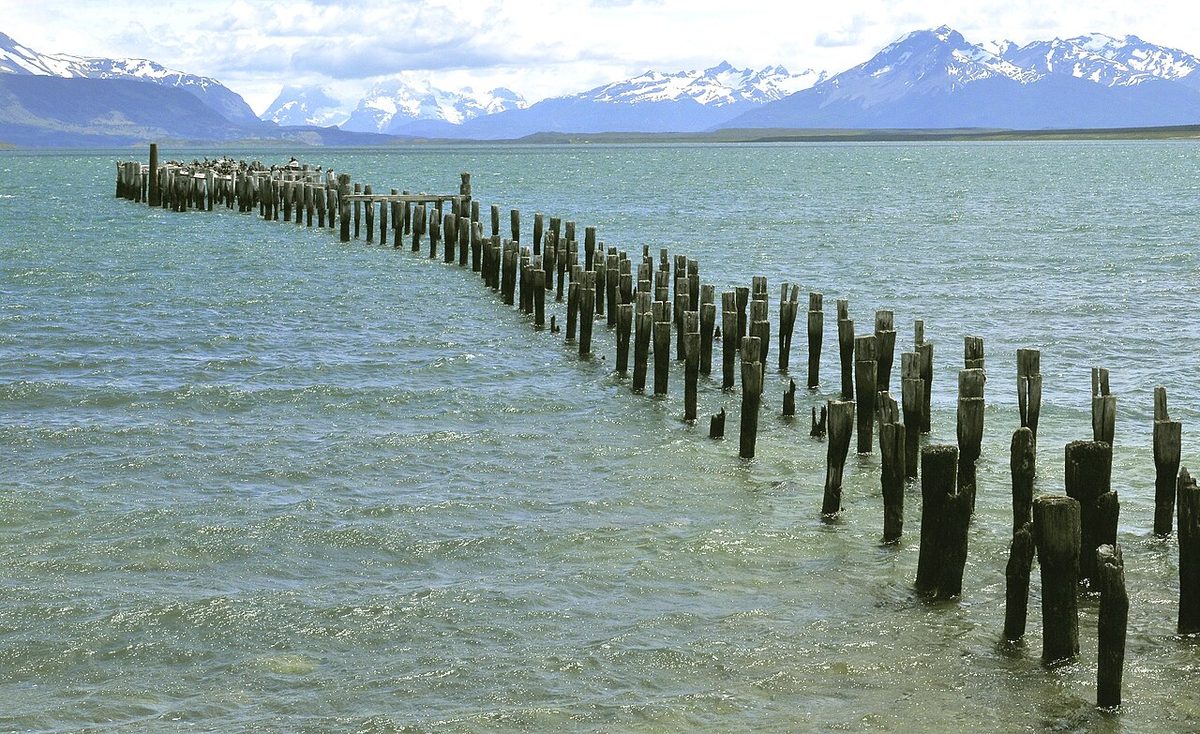
There is a second, quieter reason to base here: the setting. The Costanera, the long waterfront promenade, faces the sound and the Patagonian Andes beyond it. On a clear evening the water turns metallic and the wind drops just enough to make a slow walk worth it. The town grows on people who give it a day instead of a transit stop.
If you are still choosing your overall base strategy across the region, the bigger-picture comparison lives in hostels, refugios and estancias compared. For the specific Puerto Natales versus in-park decision, jump to where to stay below.
Who Should Base in Puerto Natales
Base here if you want lower costs than in-park lodging, the widest choice of restaurants and rooms, easy access to buses and tours, a place to prep for the W Trek or O Circuit, and a recovery night after the park. That is most independent travelers.
Consider basing closer to or inside the park instead if your priority is sunrise and sunset on the towers, minimal daily transit, photography, or a lodge-based comfort trip. Those trade-offs are covered in sleeping inside the park versus in town.
How to Get to Puerto Natales
There are three normal ways in: fly, take a bus from Punta Arenas, or cross overland from Argentina. The broader regional version of this lives in how to get to and around Patagonia, but here is the gateway-town summary.
Fly In
Puerto Natales has its own small airport, Teniente Julio Gallardo Airfield (code PNT), about 15 minutes from the center. According to Chile Travel, it receives direct seasonal flights from Santiago, generally during the busy summer months. LATAM and Sky Airline are the usual carriers, and the Santiago hop runs around three hours.
The catch is that PNT service is seasonal and limited, so do not assume a convenient flight exists on your dates. Always check current schedules before you build an itinerary around landing in Natales itself.
The more reliable air gateway is Punta Arenas (code PUQ), the regional capital, which has far more flights year-round. Most travelers fly into Punta Arenas and continue to Puerto Natales by bus.
Bus From Punta Arenas
This is the classic approach. Punta Arenas to Puerto Natales is about 250 km along Route 9, a journey of roughly three hours, as Chile Travel notes. Frequent intercity buses run the corridor, and many connect with flight arrival times at the Punta Arenas airport, so you can sometimes skip going into Punta Arenas at all.
Buy ahead in peak season, and give yourself a buffer if you have a same-day flight. Landing in Punta Arenas in the late afternoon and expecting to be hiking in Torres del Paine the next morning is optimistic. Build a night in Puerto Natales when the timing is tight.
Overland From Argentina
If you are coming from the Argentine side, Puerto Natales connects by bus to El Calafate, the gateway to Perito Moreno Glacier, on the classic southern Patagonia loop. This is a genuine international border crossing, not just a scenic ride, so schedules, documents, luggage rules, and seasonal frequency all matter. Plan the crossing carefully and avoid stacking a fragile same-day connection right before a major park booking.
This is the part people underestimate, so I am giving it its own section. Getting from town to the park is a small system, not a single bus, and understanding it saves you a stressful morning.
The Terminal Rodoviario
Puerto Natales has a central bus terminal, the Terminal Rodoviario, on the edge of the grid at roughly Avenida España and Avenida Santiago Bueras. This is where intercity buses and most park buses depart. It is modern and easy to navigate, and it is where you confirm or buy tickets the day before.
A few companies, with Bus-Sur among the most established, run the park route in season. Most travelers buy tickets a day ahead, either at the terminal, through a company website, or via their accommodation. In January and February, popular departures sell out, so do not leave it to the last hour.
How the Park Buses Work
Park buses do not drop everyone at one trailhead. They run a route into Torres del Paine with a series of stops, and you get off at the one that matches your plan. The common sequence runs to Laguna Amarga (the main entrance and the gateway for the Base Torres hike), then Pudeto (where the catamaran across Lake Pehoé connects to the W Trek’s Paine Grande side), then onward toward the Administración sector and Lago Grey depending on the service.
Departures are typically clustered in the early morning and around midday, with common times in the region of 7:00 a.m., midday, and mid-afternoon. The ride takes roughly two hours to Laguna Amarga, and more to the farther stops, so think in terms of two to four hours depending on where you are headed. Treat these times as a planning baseline and confirm the current schedule, because routes and gates shift with season and conditions.
Two practical details matter. First, buses usually sell round-trip tickets and the return runs on a fixed afternoon schedule, so note your pickup time and stop. Second, if you are doing the W Trek, your bus connects to the Pudeto catamaran across Lake Pehoé, and that boat also runs on a fixed timetable that can be suspended in bad weather. Your bus, your boat, and your first campsite all have to line up. The full trek-logistics picture is in the Torres del Paine W Trek and O Circuit guide.
Other Ways Into the Park
If buses do not fit your style, you have options. A rental car gives you scenic flexibility, early starts, and freedom from the bus rhythm, which suits photographers, families, and non-hikers. Private transfers remove the logistics entirely. Guided day tours are ideal if you only have one park day and want someone else to drive and narrate.
For the full breakdown of every route, gate, and transfer, see buses and transfers into the park. And whichever way you go, sort your entrance pass before you travel using the official process explained in the walkthrough of the booking portal guide, because you cannot count on buying it casually at the gate.
Best Things to Do in Puerto Natales
Here is the honest setup: most people treat Puerto Natales as a one-night pit stop, and you can. But the town and its surroundings reward a slow day or two, especially as a soft landing before the park or a gentle recovery after. Here is how I would spend the time, sorted by how long you have.
A Few Hours in Town
Walk the Costanera. The waterfront promenade along the Última Esperanza Sound is the soul of Puerto Natales. Walk it slowly, ideally toward sunset, and keep going north of the center where the path turns to a quiet gravel stretch that locals use for running and cycling. The views over the water and the distant Andes are the reason to be here. Be warned that the wind off the sound is serious, the kind that steals hats and scarves, so dress for it even on a bright afternoon.
Plaza de Armas. The main square is small and unremarkable in the best Patagonian way, a good place to orient yourself, find a coffee, and watch town life. The streets around it hold most of the gear shops, tour offices, and restaurants you will use.
Museo Histórico Municipal. For a small fee, the municipal history museum gives you the backstory: the indigenous peoples of the region, the early European settlers, the wool and ranching boom, and the Milodon. Displays are generally in Spanish and English, and an hour here makes the landscape outside feel less anonymous.
Galpón Cultural Center. A revamped 1920s building now used as a gallery and small café, occasionally hosting film or cultural events. It is a pleasant, low-key stop on a windy afternoon and a window into the town’s creative side.
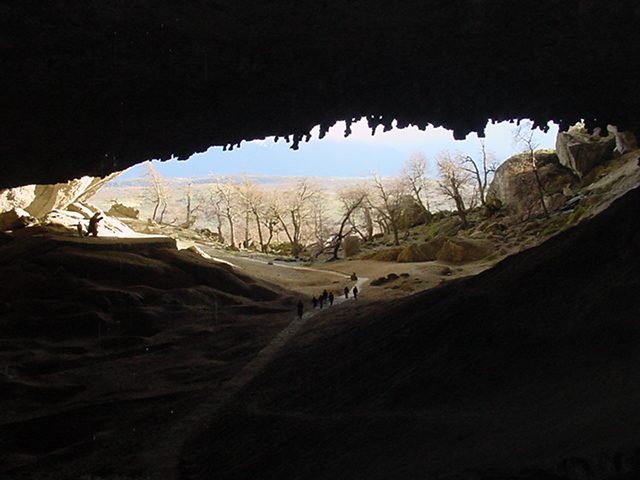
Mylodon Cave (Cueva del Milodón). This natural monument is around 25 km north of town, reachable by tour or taxi. The site is a set of large caves where, in the 1890s, settler Hermann Eberhard found a remarkably preserved piece of skin from a Mylodon, a giant ground sloth that lived here after the last Ice Age. One of the caves also holds some of the earliest evidence of human presence in the region, dating back roughly 11,000 years. It will not out-scenery Torres del Paine, but the prehistory is genuinely interesting and it is an easy, weather-flexible outing. There is usually a small entrance fee, so carry cash.
Cerro Dorotea. This is my favorite easy hike near town, a great warm-up for the legs before the park. The trailhead is about a 10-minute drive away, behind Estancia Dorotea, where you pay a small fee to the family that owns the land, and you may be invited in for tea and biscuits afterward. The climb gains a few hundred meters to a panoramic ridge with sweeping views over Puerto Natales, the sound, and the surrounding peaks. On a clear day it is one of the best low-effort viewpoints in the area.
A Full Day Adventure
Última Esperanza Sound boat trip. If you have a spare day and the weather cooperates, the boat trip up the sound to the Balmaceda and Serrano glaciers is the standout local excursion. It sails into Bernardo O’Higgins National Park, the largest national park in Chile, and the glaciers can only be reached this way, by water. Expect a long day on a fjord, with sea lions and seabirds along the route, a short walk to a glacier viewpoint, and often a ranch-style lamb lunch on the return. Boats usually board early, and the trip runs roughly half a day to a full day depending on the operator and route, so check current schedules and pricing when you book.
Estancia visits and horseback riding. Southern Chile’s ranching history is still alive in the estancias around town, several of which now welcome visitors for horseback riding, gaucho life, and Patagonian asados. A day at a working estancia is a lovely contrast to the granite drama of the park, and a window into the culture that built this region.
Day trip to Perito Moreno. It is possible, though long, to day-trip to the Perito Moreno Glacier in El Calafate, Argentina, with several hours of driving and a border crossing each way. Honestly, I would rather sleep in El Calafate and do it properly, but the option exists if your schedule is rigid. The glacier itself is covered in the Torres del Paine travel guide route planning and the wider Patagonia itinerary resources.
Gear Rental and Trek Prep in Puerto Natales
If there is one section that earns Puerto Natales its keep, it is this one. The town is where you assemble and prep for Torres del Paine, and getting it right here prevents real problems on the trail.
Should You Rent Gear or Bring Your Own?
The simple rule: if you camp fewer than about seven days a month back home, renting in Puerto Natales usually makes more sense than flying tents, bags, and stoves halfway around the world. Rental gear here is plentiful, affordable, and chosen by people who know exactly what Patagonian weather does to it. If you already own quality lightweight gear and will use it elsewhere on your trip, bring it.
Either way, you do not necessarily need to reserve gear far in advance, because there are several shops and you can shop around. The big exception is January and February, when demand peaks and the best items go fast. In high summer, reserve ahead.
Where to Rent
A few shops near the center have long-standing reputations. Erratic Rock is one of the best known, stocking recognizable brands like MSR, Therm-a-Rest, Marmot, and North Face. Its standout feature is the free daily “3 o’clock talk,” a roughly hour-long trail briefing on routes, conditions, and advisories that is genuinely useful and a good place to meet other hikers, even if you rent elsewhere. Rental Natales is another well-regarded specialist, friendly and stocked with name-brand gear. Several other outfitters and hostels rent kit too, and shops come and go, so treat specific names and addresses as a starting point and confirm what is currently open.
You can also rent gear inside the park through the campsite operators (Fantástico Sur and Vértice) when you book your sites, which spares you carrying it from town. It tends to cost more, but for some W Trek itineraries the convenience is worth it.
What to Reserve and What to Buy
Reserve, where relevant: your tent, sleeping bag, sleeping mat, and stove if you are camping; the catamaran and bus connections; and your campsites or refugios, which are the backbone of any multi-day trek. Buy in town: trail food, fuel canisters (you cannot fly with these), sunscreen, snacks, and any small items you forgot.
Before you leave town, do the boring checks. Pitch your rented tent to confirm it has all its poles and no holes, test the stove, and check the fuel. These five minutes in a hostel courtyard are far better than discovering a problem at a remote campsite. For the full kit list and safety framework, use the Patagonia hiking, camping, gear and safety guide, and for the trail-by-trail picture see the best hikes in Torres del Paine.
Puerto Natales packs a lot of lodging into a small grid, from social backpacker hostels to polished boutique hotels and a couple of high-end properties just outside town. Because the town runs on Torres del Paine demand, rooms get tight and pricey in January and February, so book early.
A fair warning that the SERP confirms: Puerto Natales is not a strong value-for-money town. Plenty of rooms feel a little overpriced for what they are, because you are paying for location and timing more than luxury. Set expectations accordingly and book for function.
Hostels and Budget
The hostel scene here is excellent and central to the town’s culture. Many cater specifically to trekkers, with luggage storage during your trek (so you can leave the clothes you do not want to carry), shared kitchens for cooking, gear talk in the common areas, and staff who know the park. Look for places within a few blocks of the bus terminal and center so your pre-dawn departure is painless. This is where solo travelers and W Trek hikers tend to land, and where you will pick up trail tips over breakfast.
Mid-Range and Boutique
Puerto Natales has a strong crop of mid-range and design-forward boutique hotels, several with views over the sound and the kind of warm, woody, Patagonian aesthetic that feels right after a cold day outside. These are ideal if you want comfort, a good breakfast, and a real bed for your recovery night, without paying top-lodge prices.
High-End
A handful of upscale hotels sit just outside town along the water, including a well-known historic property built into a former cold-storage warehouse, complete with its own industrial-era museum and an elegant bar for a calafate sour. These deliver fjord views, fine dining, and guided excursions, and they suit travelers prioritizing comfort and setting. For how Puerto Natales lodging compares with staying inside the park, see refugios, campsites and lodges compared.
Where to Eat and Drink in Puerto Natales
You will eat well here, especially if you lean into the regional specialties: Patagonian lamb (cordero), slow-roasted for hours over coals, and king crab (centolla) from the cold southern waters. The town also has a surprisingly good craft-beer and casual-dining scene built for hungry hikers.
A standing caveat: restaurant names, hours, and even which places are open change constantly in a small seasonal town. Treat the spots below as well-known reference points, not guarantees, and verify current details before you count on a specific place.
The Casual Hiker Staples
For the classic pizza-and-beer-after-the-trek experience, the town’s casual spots deliver. Base Camp, attached to a well-known hostel, has the ski-lodge vibe, wood-fired warmth, craft beer, and homemade pizza. Mesita Grande is a long-running favorite for thin-crust pizza served at big communal tables, the kind of place where you end up talking to strangers. For pizza with a local beer and a calafate sour, La Guanaca is another reliable pick.
Craft Beer
Puerto Natales has embraced craft beer, and Baguales is the original microbrewery, a social hub where locals and trekkers mix over burgers and house pints. It is an easy place to land on your first or last night and trade park stories with people coming the other way.
Seafood and Lamb
For the regional plates done well, look to the seafood-focused restaurants near the waterfront, where centolla is the star, and to the parrillas serving Patagonian lamb. A few fjord-side restaurants pair good cooking with a view and a solid wine list. And if you have a sweet tooth, the town has a beloved artisan ice-cream shop with local flavors that is worth a stop even when it is cold and windy, which it usually is.
The small stuff is what trips people up in Puerto Natales, so here is the practical layer.
Cash. Carry more cash than you think you need. ATMs in Puerto Natales have a well-earned reputation for running out, especially in peak season, and some small businesses, taxis, estancias, and entrance fees prefer or require cash. ATMs sit at banks and some pharmacies, and there are currency-exchange houses around the center, but the safe move is to draw cash in a bigger city like Punta Arenas before you arrive, and try more than one machine if the first is empty.
Supermarkets and trek food. The main supermarket is a Unimarc, and it is your one-stop for trail food, snacks, and supplies. Expect long lines in summer when every trekker in town is buying a week of food at once, so go early and be patient. Chile has a plastic-bag ban, so bring a reusable bag or be ready to carry your shopping in a cardboard box. Buy your fuel canisters at the gear shops, not the supermarket.
Laundry. After a multi-day trek you will want laundry, and the town has several lavanderías offering same-day or few-hour wash-and-fold service. Drop your bag in the morning and collect clean clothes by afternoon. Names and turnaround times vary, so ask your accommodation for the current best option.
Wifi and connectivity. Wifi is widely available in hostels, hotels, and cafés, though it can be slow and patchy, as you would expect at the end of the continent. There is no signal inside most of Torres del Paine, so download offline maps, your tickets, and your reservations before you leave town. A local eSIM or SIM helps for the towns but will not save you on the trail.
Day Trips From Puerto Natales
Beyond the park itself, Puerto Natales makes a good base for a few worthwhile excursions, most already mentioned above and gathered here for planning:
Mylodon Cave, around 25 km north, a half-day of prehistory and easy walking.
Cerro Dorotea, a short drive away, for a panoramic ridge hike close to town.
Última Esperanza Sound boat trip to the Balmaceda and Serrano glaciers in Bernardo O’Higgins National Park.
Estancia visits for horseback riding, gaucho culture, and a Patagonian asado.
Laguna Sofía, a scenic lake area roughly 45 minutes out, good for hiking and, for the brave, a glacial-cold swim.
Perito Moreno Glacier in Argentina, a long day trip best done as an overnight from El Calafate instead.
Of course, the headline day trips are into Torres del Paine itself. Whether you do one big scenic day, a Base Torres hike, or a Grey Glacier outing, those routes and timings live in the full rundown of Torres del Paine and best hikes in Torres del Paine.
How Many Days Should You Spend in Puerto Natales?
For most travelers, one night before the park and one night after is the sensible minimum, so plan on two nights in Puerto Natales around your Torres del Paine days. That gives you time to organize gear, buy food, and sleep before an early start, plus a recovery night with a hot shower, laundry, and a proper meal when you come out.
If you want to actually experience the town and its surroundings, give it three to four nights total. With an extra day you can hike Cerro Dorotea, take the glacier boat up the sound, or visit the Mylodon Cave, and you will leave with a real feel for the place rather than a blur of a bus terminal.
Here is the shape I would aim for on a typical trip:
Night 1: Arrive, settle in, organize gear, buy trek food, eat well, sleep.
Days in the park: Head to Torres del Paine for your hike, tour, or trek.
Final night: Return to Puerto Natales, do laundry, eat lamb or king crab, rest before moving on.
If your itinerary is generous, add a town day at the front or back to slow down. If it is tight, the two-night sandwich around the park is the version that keeps your trip from feeling rushed. For how Puerto Natales fits into the wider regional route, the Torres del Paine travel guide maps the 10-to-14-day southern Patagonia loops in detail.
Plan on at least two nights, one before and one after Torres del Paine, so you can prep gear, buy food, and recover with laundry and a real meal. If you want to enjoy the town itself, with the glacier boat trip, Cerro Dorotea, or the Mylodon Cave, give it three to four nights total.
How do you get from Puerto Natales to Torres del Paine?
Most travelers take a park bus from the Terminal Rodoviario, the central bus station, with departures usually clustered in the early morning and midday. The ride is roughly two hours to the main Laguna Amarga entrance and longer to farther stops. Rental cars, private transfers, and guided day tours are alternatives. Book bus tickets a day ahead in peak season.
How far is Puerto Natales from Torres del Paine?
The main park entrance at Laguna Amarga is roughly two hours by road from Puerto Natales, with the bus continuing to Pudeto, the Administración sector, and Lago Grey beyond that. Depending on which trailhead or sector you want, plan on a two-to-four-hour transfer each way, and confirm current schedules since routes shift by season.
Is Puerto Natales worth visiting?
Yes, though mostly as a base. There is not a long list of in-town sights, but the Costanera waterfront, the glacier boat trip up the Última Esperanza Sound, Cerro Dorotea, and the Mylodon Cave make it more than a pit stop. Give it a slow day and it rewards you, especially as a soft landing before or recovery after the park.
Is Puerto Natales safe?
Yes. Puerto Natales is widely regarded as a very safe, friendly small town with low crime, and serious incidents affecting travelers are rare. Normal common sense applies, but the bigger risk here is the weather, which can be cold, wet, and fiercely windy in any season, so dress in layers and pack waterproofs even in summer.
How do you get to Puerto Natales?
Fly into Punta Arenas (PUQ), the reliable regional airport, then take a bus about 250 km along Route 9, roughly three hours, to Puerto Natales. In summer there are direct seasonal flights from Santiago to Puerto Natales’s own small airport (PNT). You can also cross overland by bus from El Calafate in Argentina.
Should you rent gear in Puerto Natales?
If you camp infrequently at home, yes. Puerto Natales has several specialist shops renting tents, sleeping bags, mats, and stoves chosen for Patagonian conditions, often more cheaply than hauling your own gear across the world. You can usually shop around without reserving, except in January and February when demand peaks and you should book ahead.
Should I stay in Puerto Natales or inside Torres del Paine?
Stay in Puerto Natales for lower costs, more food and lodging choices, gear rental, buses, and logistics, which suits most independent travelers. Stay inside or near the park for early starts, photography, minimal transit, and a deeper park experience. Many people do both: a night or two in town on each side of in-park nights.
Final Thoughts
Puerto Natales will never headline your trip, and it should not. It is the quiet, useful town that makes the loud, spectacular park possible. But I have come to like it precisely for that, the way a good base camp earns affection that a summit cannot.
My advice is simple. Do not treat it as a transit corridor. Build in one night before to get organized properly, so you walk into Torres del Paine prepared instead of scrambling. Build in one night after to land softly, eat lamb or king crab, wash the trail off your clothes, and let the trip settle. And if you can spare an extra day, walk the Costanera at sunset, hike Cerro Dorotea, or take the boat up the sound. The town has more to give than its reputation as a pit stop suggests.
Last fact-check: June 2, 2026. Prices, hours, schedules, and business names in a small seasonal town change often; verify current details with official sources and operators before you travel.