Where to Stay Torres del Paine: Town, Park or Río Serrano
Where to stay Torres del Paine: Puerto Natales for budget, inside the park for convenience, or Río Serrano. Hotels, refugios and how far to book ahead.
By Patagonia Tourism Guide · First published 19 Jul 2026 · Updated 1 Aug 2026
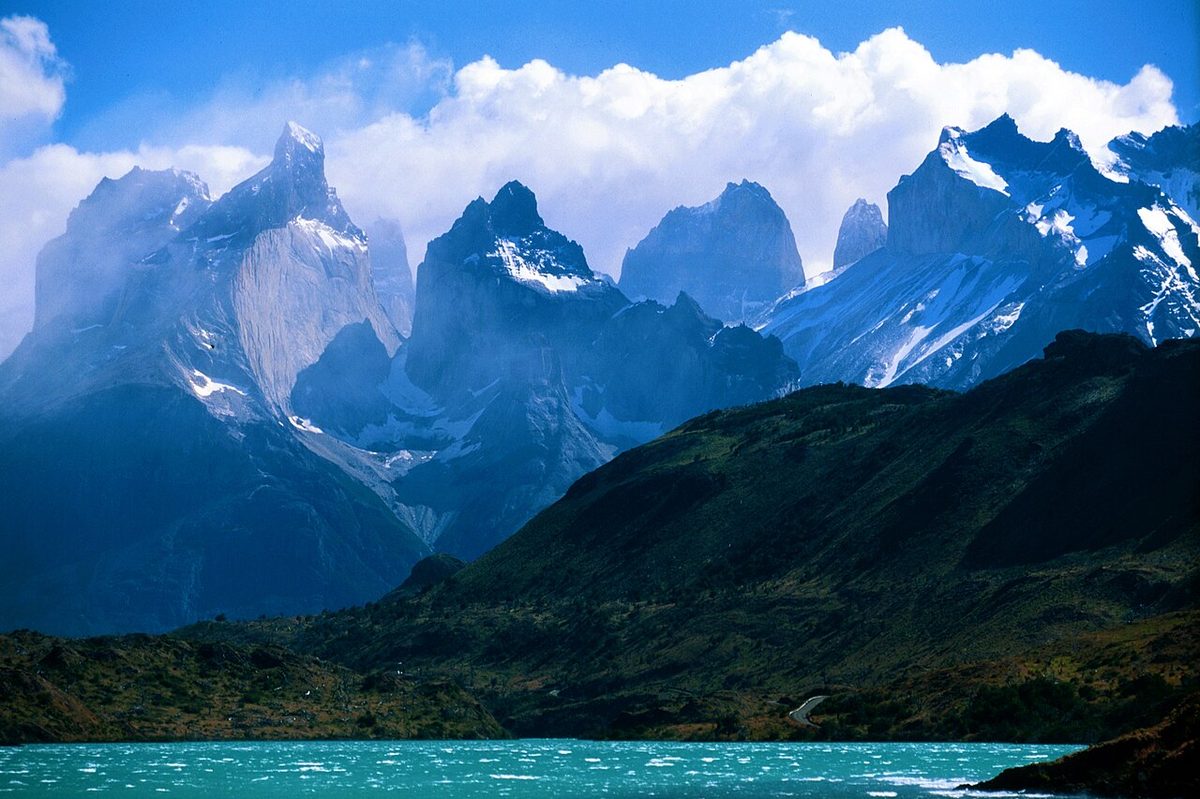
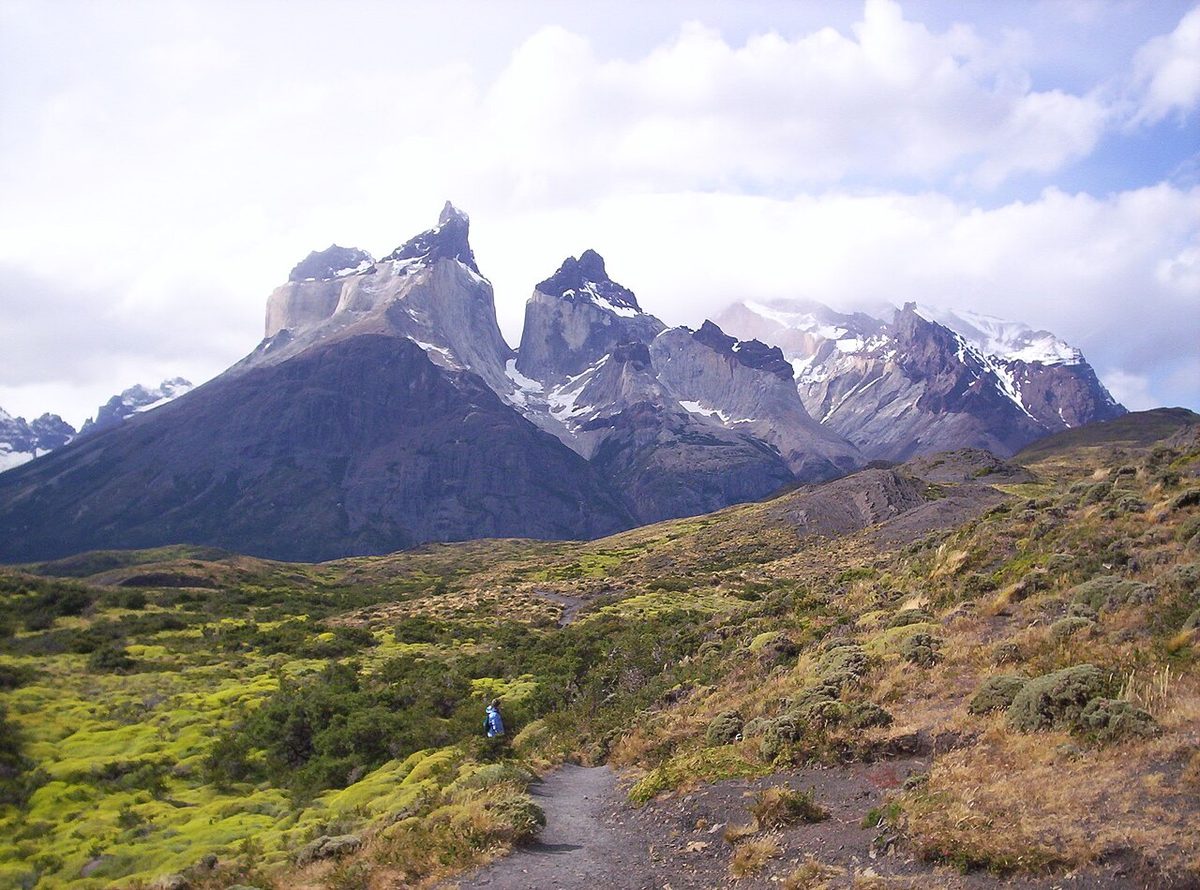
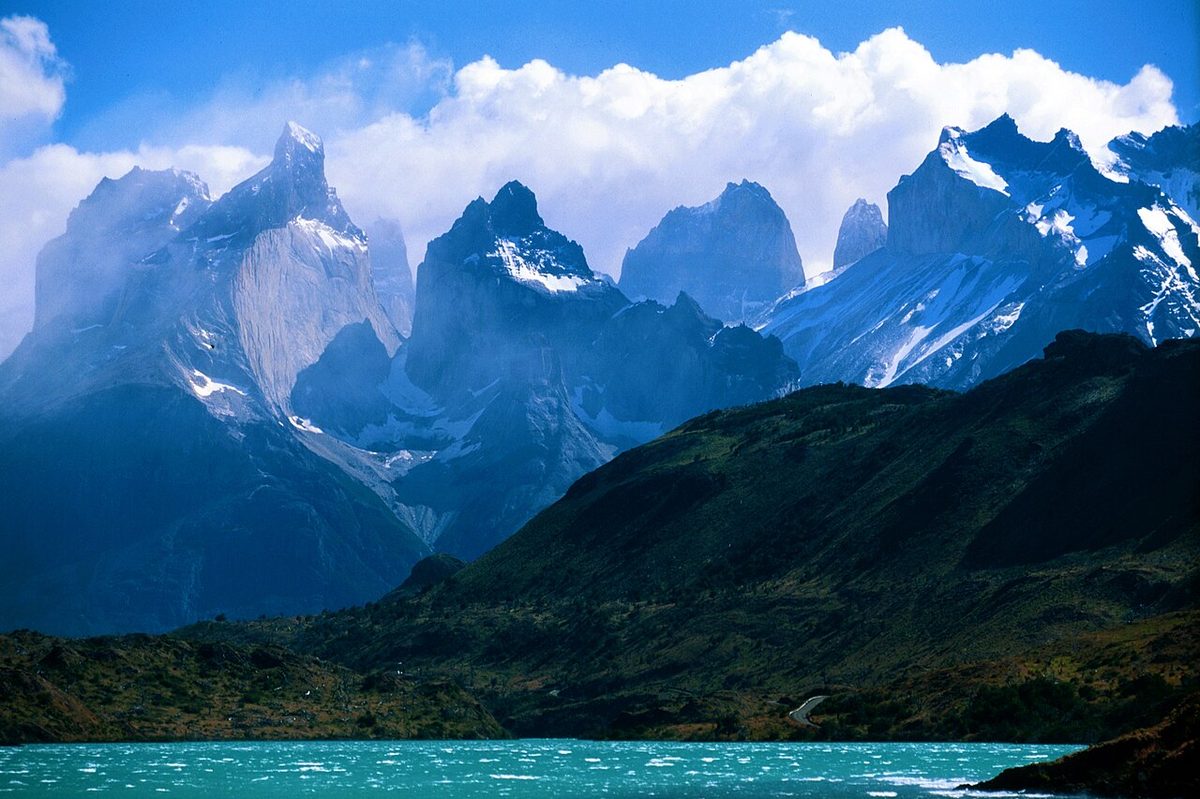
0 — 2 km Fig. 1 · Where to stay Torres del Paine: granite peaks and turquoise lake in the Chilean Patagonia national park · Photo: Winky from Oxford, UK / CC BY 2.0 via Wikimedia Commons
Where to stay Torres del Paine is the single decision that shapes your trip more than any other, more than which hike you do. It comes down to where you sleep.
Stay in the wrong place and you will spend half your park days in a van, miss every good sunrise, or pay luxury-lodge money for a location that does not match your plan. Stay in the right place and the whole trip gets easier, cheaper, or more beautiful, depending on what you were optimizing for. I have watched people make this call well and badly, and the difference is almost always about matching the base to the kind of trip they actually wanted.
For most travelers, where to stay Torres del Paine comes down to three choices: base in Puerto Natales for the lowest cost and the most flexibility and day-trip in, stay inside the park (a hotel, a dome lodge, or a trekking refugio) for the best access and the deepest experience, or pick the Río Serrano area just outside the southern entrance as a car-friendly compromise. Your budget, whether you are trekking, and how many full days you want in the park decide it.
This guide is for anyone past the “is Torres del Paine worth it” stage and into the “where do I actually book” stage. It pairs with the broader how to visit Torres del Paine, which covers tickets, transport, hikes, and timing. Here, we are only talking about beds.
Where to Stay in Torres del Paine: Quick Comparison
Here is the whole decision in one table. I will unpack each row below, but if you only read one thing, read this.
A quick note on the price tiers before anyone emails me: these are rough, they shift with season, origin, and package, and the luxury lodges are usually all-inclusive multi-night packages rather than per-night rooms. Always check current rates on the property’s own site. For the wider money picture, the rundown of Patagonia trip expenses puts these numbers in context.
Strategy 1: Base in Puerto Natales (Cheapest and Most Flexible)
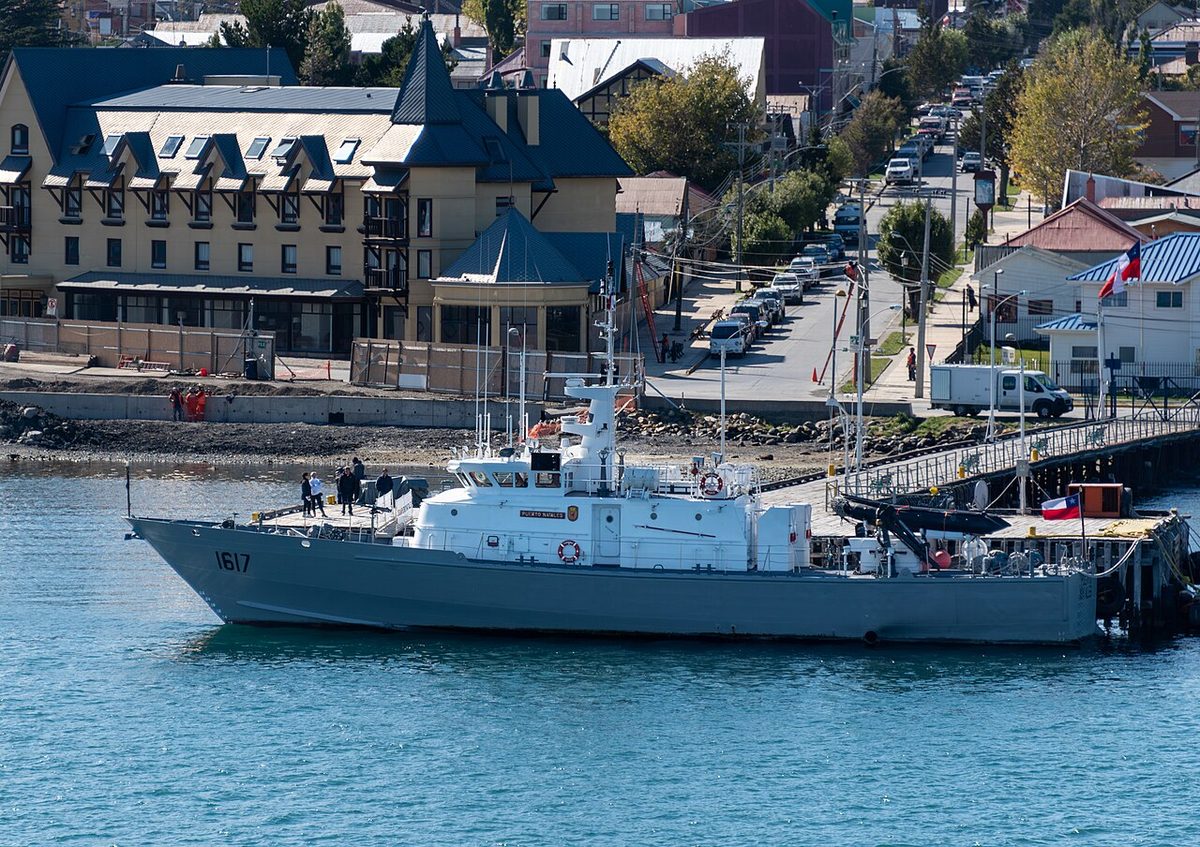
Puerto Natales is the gateway town for Torres del Paine, sitting roughly 1.5 to 2 hours south of the park by road. It is where most independent travelers sleep before and after the park, and for a lot of trips it is the smartest base, full stop.
The case for Puerto Natales is simple. It has the most accommodation of anywhere near the park, from hostel dorms to comfortable boutique hotels, at prices that are a fraction of what you will pay inside. It has restaurants, grocery stores, gear rental, bus offices, tour agencies, and ATMs. (There are no ATMs in the park, so you withdraw cash here regardless.) It is the most forgiving on booking, too. While in-park lodging can sell out half a year ahead, you can often book a Puerto Natales room weeks out, even in summer.
Stay in Puerto Natales if you want the lowest cost, the most dining and lodging choice, easy access to buses and guided day tours, a place to prep for the W Trek, or a recovery night after a long trek or a border crossing. It is also the obvious base if you are not renting a car, because it is the hub for public buses and almost every day tour.
The honest trade-off is distance. A day in the park from Puerto Natales is a long day, often three to four hours of round-trip driving on top of your hiking. You sacrifice the early mornings and late evenings when the light is best and the trails are quietest, because the day tours and buses are not in the park at dawn or dusk. If your whole plan is one or two day trips, that is fine. If you want several full park days, the math starts to favor sleeping closer.
For everything else about the town itself, restaurants, gear shops, where to catch the bus, see the dedicated Puerto Natales travel guide. And if you are still figuring out how to physically reach the park each day, reaching the park from Punta Arenas covers the buses, transfers, and rental-car logistics.
Best for: budget travelers, anyone without a car, day-trippers, people who want flexibility and last-minute booking, and trekkers needing a night on either side of the trail.
Strategy 2: Stay Inside Torres del Paine (Best Access, Premium Price)
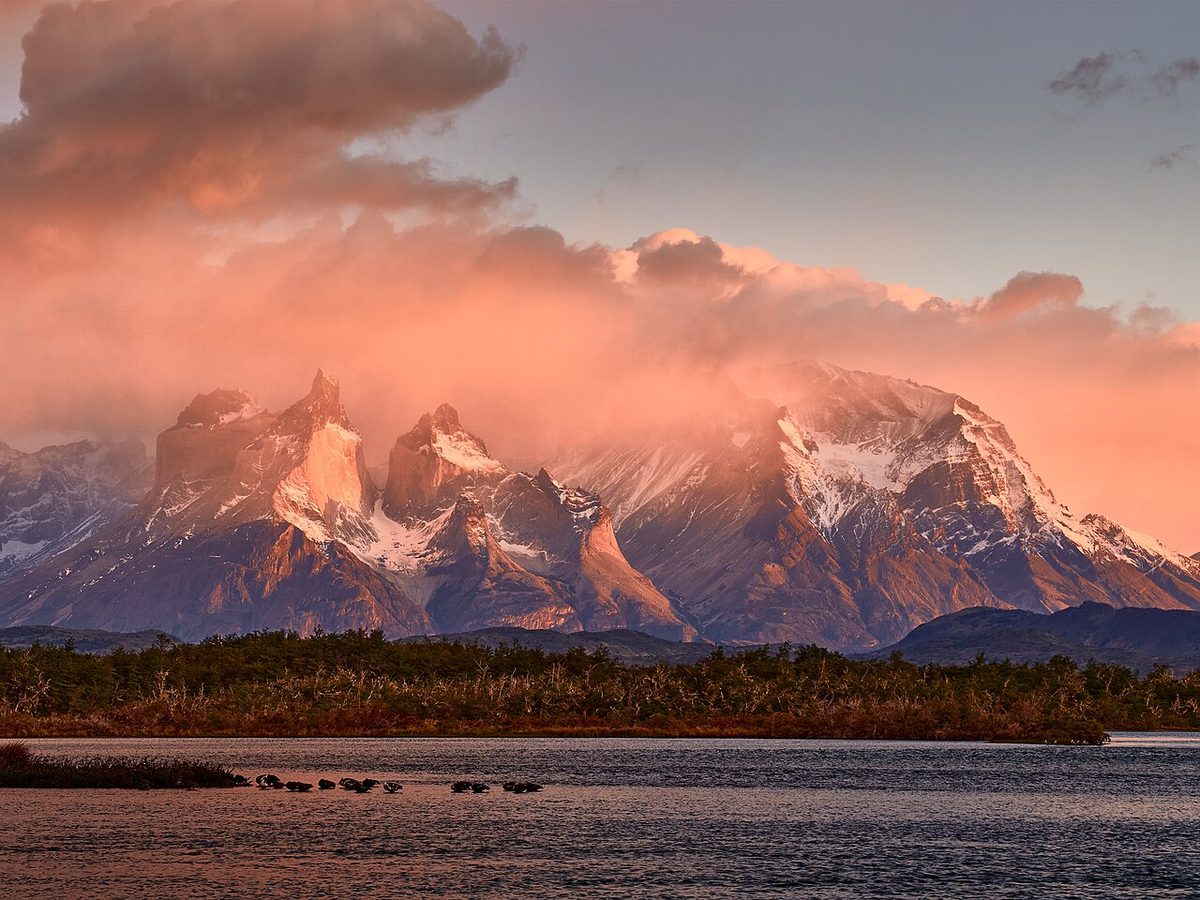
Staying inside the park is the closest you will get to waking up in the heart of the mountains. It is also the most competitive and most expensive option, and it books out the fastest. If your dream is sunrise at Lago Pehoé or hitting the Base Torres trail at first light without a two-hour drive in front of it, this is where you want to be.
In-park lodging splits into two very different things: hotels and lodges (for any kind of traveler) and trekking refugios (route infrastructure for the W and O treks). I will take the hotels here and give the refugios their own section below, because they deserve it.
In-park hotels and lodges
These are the names you will keep seeing, roughly from most affordable to most expensive:
Hostería Pehoé is the most affordable in-park hotel, set on its own little island in Lago Pehoé with enormous views of the Cuernos. The rooms are basic and the on-site food gets mixed reviews, but you are paying for the location and the view, and from here you have roughly equal access to the Las Torres area and the Grey sector. A genuinely central, scenic budget-ish pick if you have a car.
Hotel Lago Grey is the sleeper mid-range option, near the Grey sector in the park’s south-west with easy access to the Lago Grey glacier boat trips. Solid hotel comfort, good views, an on-site restaurant, and an all-inclusive option if you would rather not manage transport and meals yourself.
EcoCamp Patagonia is the famous geodesic-dome lodge, sitting right by the Base Torres trailhead in the Las Torres sector. You sleep in domes that run from snug to fully en-suite with heating, the whole place runs on a low-impact, solar-and-composting philosophy, and the all-inclusive programs with guided hikes and transfers are some of the best organized in the park. Unbeatable for the Base Torres day hike.
Hotel Las Torres sits beside the Base Torres trailhead, slightly up-trail from the Welcome Center, which makes it the most convenient comfortable bed for a sunrise start to the Towers or for finishing the W or O with a hot shower and a real meal. Available as standard rooms or all-inclusive.
Explora (Salto Chico) is the ultimate splurge inside the park, an all-inclusive lodge on the shore of Lago Pehoé with views of the Paine Massif and the Salto Chico waterfall. Stays are three nights or more and include transfers, all meals and drinks, and a full menu of guided excursions, plus a heated pool, sauna, and outdoor hot tubs over the lake. It is consistently described as one of the best-located hotels in all of Patagonia.
Two more luxury names get lumped in with “inside the park” but actually sit on the eastern periphery near Lago Sarmiento and the Cerro Castillo area: Tierra Patagonia, a polished design lodge with a spa and panoramic Paine Massif views, and Estancia Cerro Guido, a working ranch turned all-inclusive lodge that leans into the real, gaucho side of Patagonia. Both are excellent; just know you are a short drive from the eastern gate rather than dead-center in the park. I cover that eastern approach more in Strategy 3.
Choose an in-park hotel if location is the priority, you want early starts without long transfers, you are focused on photography, or this is a special trip where the setting matters more than the bill. Book early. In-park hotels are not something I would leave to improvisation in peak season, and the all-inclusive lodges in particular want 6 to 12 months for December through February.
Best for: photographers, honeymooners, comfort-focused travelers, non-drivers who book all-inclusive packages with transfers, and anyone who wants the deepest, least-rushed park experience.
Refugios and campsites for the W Trek
If you are hiking the W Trek or the O Circuit, your “accommodation” is a chain of refugios and campsites along the route, and these are not just beds. They are route infrastructure. You sleep where the trail lets you sleep, and your booking decides your direction, your daily distances, and even whether the rangers let you on the trail at all. Per the official Chile Travel guidance, confirmed refugio or campsite reservations for every night of a multi-day circuit are mandatory and checked at the ranger stations. No booking, no entry.
A refugio is a mountain hut that works like a hiking hostel: dorm rooms of six or eight bunks, shared bathrooms with hot showers, a sociable communal area, a small shop, often a bar, and full board, meaning breakfast, a trail box lunch, and dinner. The food is basic and carb-heavy (bring snacks, and a small bottle of hot sauce does wonders). If a refugio is full, you may instead be given a pre-pitched tent with bedding at the adjacent campsite. Most have slow, sometimes paid WiFi.
The part that trips people up: the refugios are run by two separate companies, and on a W or O you usually have to book with both, on their own websites, with their own rules.
Las Torres Patagonia runs the eastern and central sites: Torre Central (large, near the Base Torres trailhead, books out fast), Chileno (small, closest to the Towers, the choice for a sunrise summit and therefore the first to sell out), Los Cuernos (mid-trail, with private cabins and a hot tub if you want a step up), the Francés domes, and Serón on the O. See lastorres.com.
Vértice Patagonia runs the western and northern sites: Paine Grande (the largest refugio, up to about 100 beds, beside the catamaran dock on Lago Pehoé, open year-round), Grey (by Lago Grey and Glacier Grey, also year-round), Dickson (remote, deep on the O), and Los Perros (an O-circuit campground before the John Gardner Pass). See vertice.travel.
The independent Swoop Patagonia refugios guide is the best single explainer of what each one is actually like inside. Camping with your own gear is the cheapest way to do the W or O; refugio dorm beds with meals are the comfortable upgrade, starting from somewhere around US$50 and up per person per night depending on the site, the season, and what is included. Treat that as a ballpark and check current prices when you book.
Best for: W and O trekkers, budget hikers happy in dorms, and anyone who wants the classic hut-to-hut Patagonia experience.
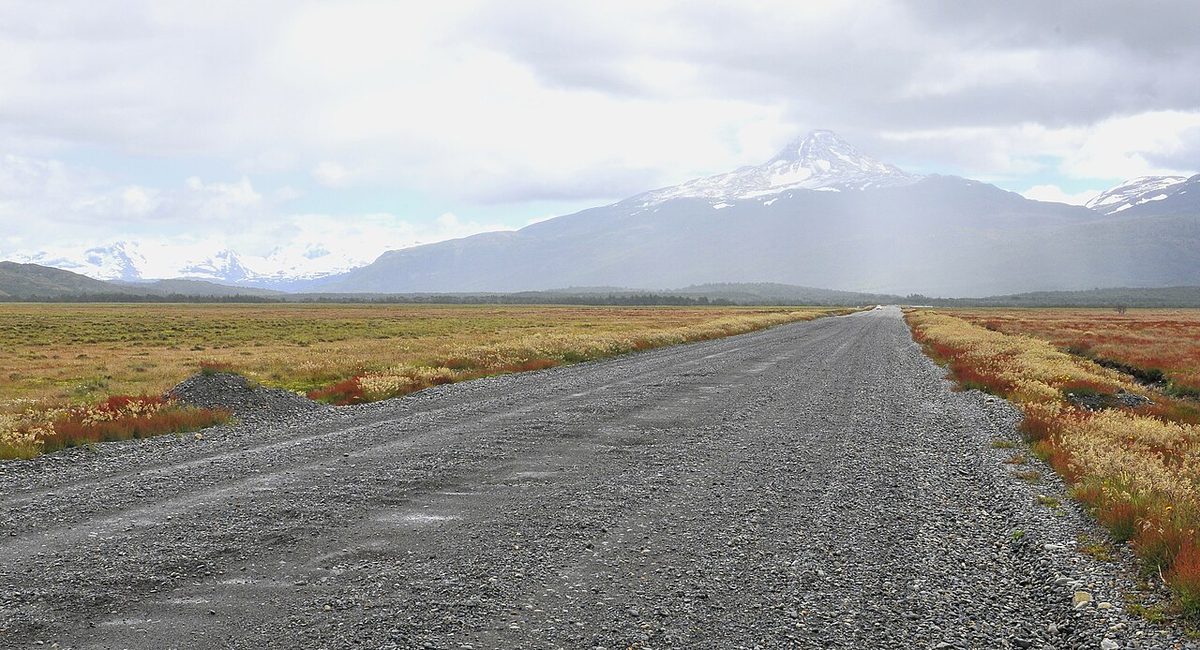
The Río Serrano area sits just outside the park’s southern (Serrano) entrance, separated from the parkland by little more than a small river, so you genuinely feel like you are in it. For a lot of travelers, especially those with a rental car, this is the sweet spot: more dining and accommodation variety than inside the park, prices that flex across mid-range and luxury, and quick daily access without paying the most central in-park rates.
The anchor property is the Río Serrano Hotel + Spa, a 4-star hotel grown from a small inn into a roughly 100-room retreat, with an indoor pool, a full spa, a restaurant with regional cooking and a serious wine list, and big views of the Paine Massif from the deck. It runs both room-only and all-inclusive packages; the all-inclusive option starts somewhere around US$2,100 for a three-night stay, which tends to undercut the top luxury lodges inside the park while still feeling premium. It is my pick for the best blend of comfort, views, and value near the park.
Around it, the southern sector has a useful spread of options:
Patagonia Camp is a hillside of private luxury yurts tucked into lenga forest overlooking Lake Toro, each with a real bed, heating, a bathroom, and some with a private deck or outdoor jacuzzi. All-inclusive only, and a strong honeymoon pick. (Note: children under 10 are generally not accommodated.)
Morrena Lodge and Konkashken Lodge are mid-range riverside lodges with simpler comfort and real value; Konkashken even offers excursions like fishing and puma tracking to guests.
Glamping Río Serrano is the budget-glamping end of the southern zone, more comfortable than a campsite and cheaper than the cabins, with shared baths.
The catch in the southern sector is transport. There is essentially no public bus service down here, so you really want a car, or you commit to a property’s all-inclusive package that handles your transfers and excursions. A beautiful hotel near the Serrano gate does not solve trailhead logistics on its own.
There is also a fourth, quieter option worth a line: the eastern approach near Cerro Castillo and the Laguna Amarga entrance, closest to the Argentina border. This is handy if you are road-tripping through and crossing to or from El Calafate. Budget travelers can look at Hostería Pionero, while the luxury end is Tierra Patagonia and Estancia Cerro Guido on the Lago Sarmiento side.
Best for: travelers with a rental car, families, couples, and anyone wanting comfort and quick park access without top-tier in-park prices.
Where to Stay in Torres del Paine by Budget
Sometimes the budget is the deciding factor, so here it is sorted that way.
Budget
The cheapest beds near Torres del Paine are in Puerto Natales: hostel dorms and simple guesthouses, with a wide range and last-minute flexibility. If you want to be inside the park on a budget, your options are a refugio dorm bed or a campsite on the W (cheapest of all if you carry your own gear), or Hostería Pehoé for a basic-but-scenic island hotel. The southern sector’s Glamping Río Serrano is the budget-glamping play if you have a car. The broader booking beds for peak season guide goes deeper on stretching a Patagonia budget across the whole region.
Mid-range
Mid-range buys you real comfort with a good base. Inside the park, that is Hotel Lago Grey (near the glacier) or EcoCamp’s simpler domes. In the southern sector, Morrena Lodge, Konkashken Lodge, and the standard rooms at Río Serrano Hotel + Spa all land here. In Puerto Natales, mid-range gets you a genuinely nice boutique hotel for far less than an in-park room, at the cost of the daily drive.
Luxury
Luxury in Torres del Paine almost always means an all-inclusive multi-night package with meals, drinks, guided excursions, and airport transfers folded in, which is also why it solves the no-car problem. Inside or beside the park, that is Explora and Hotel Las Torres; on the eastern periphery, Tierra Patagonia and Estancia Cerro Guido; in the southern sector, Patagonia Camp. Expect these to run from roughly US$2,000 into the US$4,000-plus range for two to three nights, depending on property, room, and season. These are bucket-list stays, and they want to be booked very far ahead.
Budgets aside, the best base really depends on the kind of trip you are taking. Here is how I would point each traveler.
The day-tripper
If your plan is one or two scenic days in the park and you are using buses or guided tours, stay in Puerto Natales. You get the cheapest beds, the best food, and the easiest access to day tours, and you are not paying in-park prices for nights you will mostly spend asleep. A car-free day-tripper has no real reason to sleep inside the park.
The W or O trekker
Your nights are dictated by the trail. Book your refugios and campsites with both Las Torres Patagonia and Vértice Patagonia first, then add a Puerto Natales night before (to buy food, rent gear, and confirm everything) and ideally one after (for the hot shower and the celebratory meal). Don’t book flights and then hope the huts fit; the huts come first. The rundown of the park’s top hikes guide will help you decide whether the full W is even the route you want.
The non-hiker
You can have a superb Torres del Paine trip without a serious hike, and where you sleep should make the scenery easy. A car-friendly base in the southern sector (Río Serrano) or a comfortable in-park hotel like Hotel Lago Grey puts viewpoints, short walks, and boat trips within easy reach without committing you to a trek. If you would rather not drive at all, an all-inclusive lodge with guided scenic excursions does the work for you.
The honeymoon
This is the trip to splurge on location and have everything handled. Patagonia Camp’s yurts in the southern sector, Tierra Patagonia or Estancia Cerro Guido on the eastern side, or Explora on Lago Pehoé are all designed for exactly this: stunning settings, all-inclusive ease, spas and hot tubs, and guided days you don’t have to plan. The Patagonia honeymoon itinerary shows how to slot a couple of these nights into a wider romantic route.
The family
Families usually want space, a kitchen-or-restaurant fallback, and the option to drive at their own pace, which points to a rental car plus the southern sector or Puerto Natales. Lodges like Konkashken or the family-friendly setups around Río Serrano work well; just check minimum-age policies, because a few of the luxury properties (Patagonia Camp among them) restrict younger children. For mixed-ability groups, basing where short walks and viewpoints are an easy drive away beats committing everyone to long trailheads.
How Far Ahead to Book Torres del Paine Accommodation
This is the part people underestimate, and it is the most common way a Torres del Paine plan goes sideways.
The official Chile Travel guidance is that essentially all park accommodation needs to be reserved three to six months in advance because demand is so high. In practice, the closer and nicer the bed, the earlier you need to move:
In-park hotels and luxury lodges: for the best options closest to the park, start planning 9 to 12 months out and book rooms at least 6 months ahead for peak season. The marquee all-inclusive lodges fill earliest.
W and O refugios, December to February: book as soon as reservations open. Christmas, New Year, and mid-January dates can sell out within days to weeks of opening, and the popular huts (Paine Grande, Grey, Chileno) go first. Realistically you are looking at four to eight months ahead for January and February, more for the headline dates.
Shoulder season (October to November, March): noticeably better availability, often bookable a couple of months out.
Puerto Natales: the flexible one. You can usually book a room here a few weeks out even in summer, which is exactly why it is the safety net when the park is full.
One more timing note that affects whether you can stay where you want at all: in winter and the shoulder edges, the park runs special rules. As of the 2026 season, CONAF brought the winter regime forward, requiring a certified guide for the W Circuit and the Base Torres trail from April 27, with the W closed entirely in June and July. Those dates move year to year, so check CONAF and the Torres del Paine tickets guide before you build a shoulder-season or winter stay around a specific hike.
What to Avoid
A few booking mistakes I see again and again.
The first is staying in Puerto Natales for a multi-day, hike-heavy park trip without doing the transfer math. The town is wonderful and cheap, but three to four hours of daily driving eats your park time and your best light. If you want several full days in the park, sleep closer.
The second is the reverse: paying for a central in-park hotel when your whole plan is a single day trip. You are buying location you won’t use.
The third is assuming the refugios are like booking a hotel. They are two separate operators, they sell out months ahead for summer, and a missing reservation for one night can block your entire trek. Book them first and book both companies.
The fourth is renting a car and basing in the southern sector or the east without planning fuel. There is no gas station inside or near the park, and “emergency” fuel from hotels is heavily marked up. Fill up in Puerto Natales, and ask the rental company about a spare jug if you plan to drive a lot. There is also no cell service in the park, so download offline maps before you go.
The fifth is booking flights or a tight border-crossing connection before your beds are locked. For trekkers especially, the accommodation defines the trip; everything else should be built around it.
Should I stay in Puerto Natales or inside Torres del Paine?
Stay in Puerto Natales for the lowest cost, the most food and lodging choice, easy buses and day tours, and flexible booking, accepting a 1.5 to 2 hour drive each way. Stay inside the park for early starts, the best light, trekking, and the deepest experience, accepting higher prices and booking many months ahead. Day-trippers lean town; multi-day and hike-focused travelers lean inside.
How far in advance do I need to book Torres del Paine accommodation?
For peak season (December to February), book in-park hotels 6 to 12 months ahead and W or O refugios as soon as reservations open, since key dates sell out within days to weeks. Chile Travel advises three to six months minimum for park accommodation generally. Shoulder months (October, November, March) have better availability, and Puerto Natales stays flexible enough to book weeks out.
What are refugios in Torres del Paine?
Refugios are simple mountain huts that work like hiking hostels along the W Trek and O Circuit. They offer dorm bunks, shared hot showers, sociable communal areas, small shops, and full board (breakfast, a trail box lunch, and dinner). They are run by two operators, Las Torres Patagonia and Vértice Patagonia, and confirmed reservations are mandatory and checked by rangers before you can hike a multi-day circuit.
Do you need a car to stay in Torres del Paine?
It depends on your base. Puerto Natales works well without a car thanks to buses and day tours, and luxury all-inclusive lodges include transfers and excursions. But the southern sector (Río Serrano) and the eastern approach have little or no public bus service, so a rental car is strongly recommended there. W and O trekkers move on foot with catamaran and bus connections, so they don’t need a car either.
Is it worth staying inside Torres del Paine National Park?
For many travelers, yes. Staying inside means sunrise and sunset access, far less daily driving, quieter early-morning trails, and a more immersive experience. The trade-offs are price (in-park hotels are markedly more expensive than Puerto Natales) and limited availability that books out months ahead. If you have several park days or care about photography and light, the upgrade is usually worth it.
Where should I stay if I want to hike to the Towers at sunrise?
Stay as close to the Base Torres trailhead as you can: Hotel Las Torres or EcoCamp in the Las Torres sector for a comfortable bed near the start, or Refugio Chileno up in the Ascencio Valley if you are trekking and want the shortest possible pre-dawn push to the viewpoint. Chileno is small and the most in-demand refugio for exactly this reason, so book it early.
Final Thoughts
If I had to compress this into one line of advice, it would be this: book your base to match the trip you actually want, not the trip the photos make you think you want.
A budget traveler on buses who treats Puerto Natales as home and takes a couple of well-planned day trips will have a fantastic time and spend a fraction of what the lodge crowd does. A photographer or a couple on a once-in-a-lifetime trip who splurges on Explora or wakes up at Hostería Pehoé will get mornings the day-trippers never see. A family with a rental car parked in the southern sector gets comfort, flexibility, and quick access without the top-tier bill. And a W trekker who books both refugio operators the moment reservations open gets the classic hut-to-hut Patagonia experience that started this whole obsession in the first place.
All of those are great trips. They are just not the same trip, and the bed is what makes each one work. Get the base right, book it early, and the rest of Torres del Paine gets a whole lot easier.
When you are ready to keep planning, head back to the Torres del Paine trip planner for tickets, transport, and routes, and use the where to stay in Patagonia guide to think through accommodation across the rest of your trip.
Prices and seasonal rules change. Treat all figures here as approximate and confirm current rates, availability, and CONAF regulations directly before booking.