Easy Hikes Torres del Paine: Short Walks & Big Views
The best easy hikes in Torres del Paine for non-trekkers, families and seniors: Mirador Condor, Salto Grande, Grey beach. Times, effort and views.
By Patagonia Tourism Guide · First published 18 Jul 2026 · Updated 1 Aug 2026
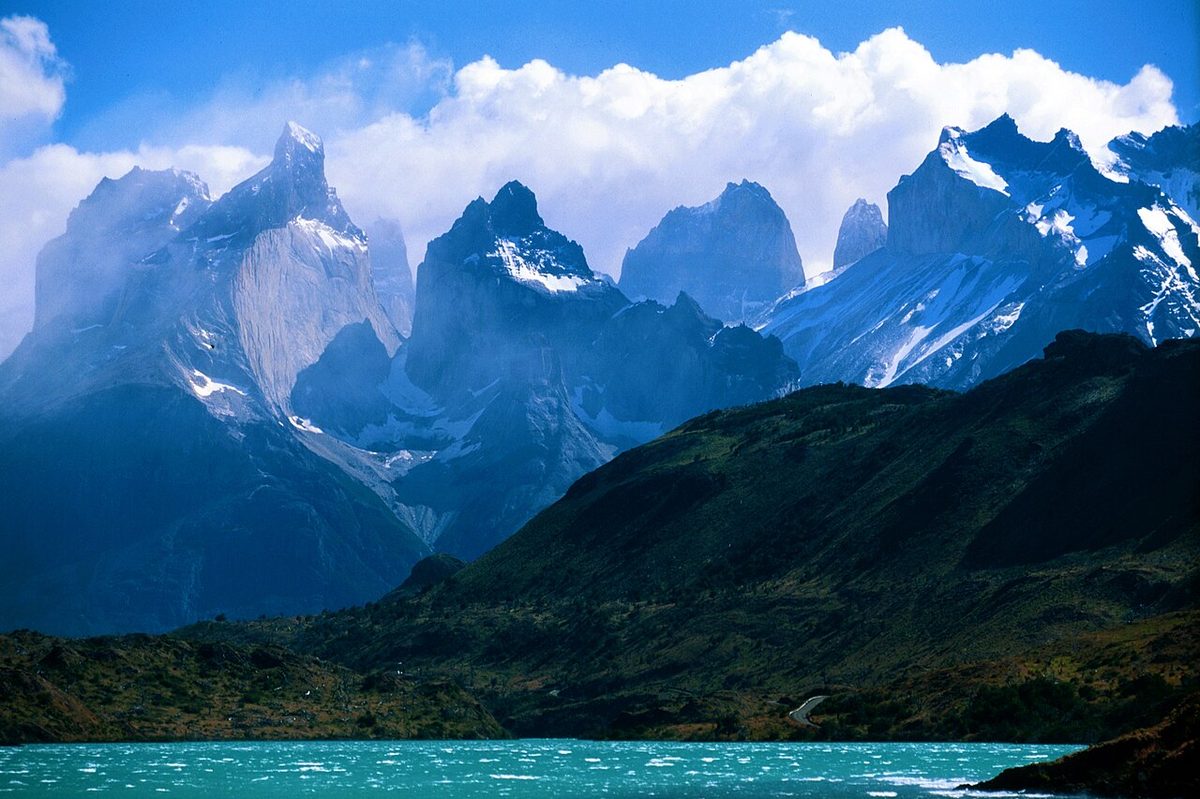
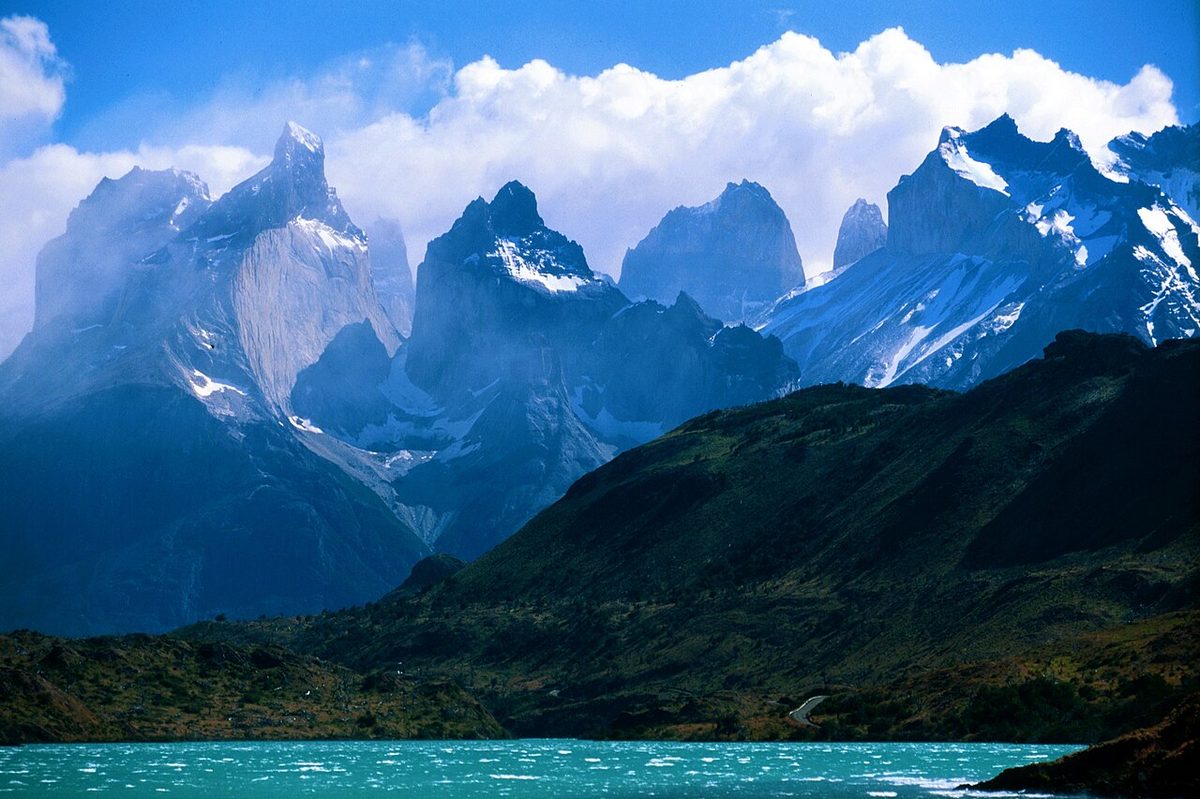
0 — 2 km Fig. 1 · Turquoise Lago Pehoe and the Paine massif on an easy hike in Torres del Paine · Photo: Solange Muñoz / CC BY-SA 3.0 via Wikimedia Commons
Almost everyone arrives believing the deal is simple: you either grind out an eight-hour hike to the base of the towers, or you miss the park. I believed that too, the first time. But the easy hikes Torres del Paine offers are real, and the gap between the photo people chase and the gentle walk it actually takes to get a view like it is one of the happiest surprises in Patagonia.
Yes, you can absolutely see the park’s scenery on easy hikes. Torres del Paine rewards short, low-effort walks just as much as epic treks: the standout ones are Mirador Condor (a steep but quick climb to a giant panorama over Lago Pehoe and the massif), Salto Grande (a flat stroll to a roaring waterfall), Mirador Cuernos, and the Grey beach walk out to the icebergs. None of them require trekking experience, camping, or a brutal full day on your feet.
This guide is for the people the big trekking articles tend to forget: non-trekkers, families with kids, older travelers, anyone with sore knees or a fear of heights, and the time-pressed traveler who has one day and wants it to count. I will tell you how long each walk takes, how hard it really is, what you will see, and which ones are gentle enough for a stroller or limited mobility.
If Torres del Paine is part of a bigger trip, start with the full when and how to see Torres del Paine, which covers tickets, gateways, seasons, and where to sleep. This article zooms in on one question only: where are the best easy hikes in Torres del Paine, and how do you string them into a day you will actually enjoy.
Easy Hikes in Torres del Paine at a Glance
Here is the shortlist I give friends who tell me they “don’t really hike.” Times are round trip and assume an unhurried pace with photo stops. Treat them as “around,” because wind, your legs, and how long you linger at the top change everything.
Walk
Round-trip time
Effort
What you get
Salto Grande waterfall
Around 20-40 min
Very easy, mostly flat
Powerful waterfall, Cuernos backdrop
Pehoe / Pudeto viewpoints
5-30 min
Very easy
Postcard turquoise lake and massif
Mirador Cuernos (from Salto Grande)
Around 2 hrs
Easy, mostly flat
The Horns over Lago Nordenskjold
Mirador Condor
Around 1.5-2 hrs
Short but steep, exposed
Huge 360 panorama over the park
Grey beach to the icebergs
Around 1-1.5 hrs walking
Easy, mostly flat
Black-sand beach, floating icebergs
Toro Lake viewpoint
Around 1 hr
Easy
Lake Toro and the Cuernos
Laguna Azul
Around 1 hr
Easy
The towers from a distance, fewer people
Mylodon Cave (near Puerto Natales)
30-60 min
Very easy
Giant prehistoric cave, great rainy day
Swipe to see all columns
Table 1
If you only have the energy for one, make it Salto Grande plus Mirador Cuernos on a clear day, or Mirador Condor if you want the single biggest view for the least distance. I will break down each below.
The Best Easy Walks and Viewpoints in Torres del Paine
Let me walk you through the headline easy hikes one by one, with honest stats. A theme you will notice: in this park, “short” does not mean “sheltered.” The wind is the real difficulty rating here, not the distance or the climb.
Salto Grande: the easiest big payoff in the park
If I had to hand one walk to someone who flatly does not hike, it would be Salto Grande. The trail leaves from the Pudeto parking area, and it is wide, flat, gravel, and very well marked. From the upper lot you are looking at roughly ten minutes to the waterfall; from the lower cafe it is around twenty. Round trip, most people spend twenty to forty minutes here, longer if the light is good and you cannot stop taking photos.
The reward is a thick, thundering waterfall where the turquoise water of Lago Nordenskjold pours down into Lago Pehoe, with the Cuernos del Paine standing behind it on a clear day. It is loud, it is dramatic, and it asks almost nothing of you physically.
Two honest cautions. First, the wind near the falls can be genuinely strong, so hold onto hats, phones, and small children, and do not lean over the edges for a photo. Second, it is gravel, not pavement, so while it is the closest thing in the park to a stroller-friendly walk, an all-terrain stroller or a baby carrier will serve you far better than city wheels.
This is the walk I quietly love most, because the effort-to-reward ratio is almost unfair. From Salto Grande the trail veers right and runs toward the Paine Massif, mostly flat with a few small rises, past deep blue and turquoise water and little black-sand beaches, with the Cuernos looming the whole way.
Counting from the Pudeto trailhead, the full out-and-back to Mirador Cuernos takes around two hours, plus however long you spend gawking at the end. From Salto Grande itself it is roughly an hour and a half round trip. The viewpoint sits across Lago Nordenskjold from the famous French Valley, so on a clear day you are staring straight at the heart of the W trek without having walked it.
The catch, again, is wind. This stretch is exposed, and rangers do sometimes close the trail when gusts get dangerous. Check conditions at Pudeto before you set off, dress for a gale even if the morning is calm, and do not be too proud to turn back at Salto Grande if the lake is throwing whitecaps and you are getting knocked sideways.
Mirador Condor: the biggest view for the least distance
Mirador Condor is the one to choose if you want a single, enormous, 360-degree panorama and you are willing to climb for it. The view from the top, over the bright turquoise of Lago Pehoe with the whole Cordillera del Paine spread out behind it, is one of the most photographed scenes in the park, and a lot of trekkers who “did” Torres del Paine on the W never see it.
The numbers are friendly. The trail runs roughly 1.2 kilometers each way, with two trailheads about the same length: one at Camping Pehoe and one at Hosteria Pehoe. Most people reach the top in around forty-five minutes and do the whole thing in about an hour and a half to two hours. The official park portal lists it as around 2.4 kilometers round trip and recommends it “for the whole family.”
So why is it not at the very top of my easy list? Because short does not mean gentle. It is genuinely steep, and it is brutally exposed to wind near the summit, where the gusts can be the strongest you will feel all trip. This is not a stroller walk, and it is not the one to attempt with a toddler on a windy afternoon. But for a reasonably mobile family, a fit senior who is fine with a steady climb, or anyone with limited time, it delivers more view per minute than anything else in the park. Go in the calmer morning hours, when condors are also more likely to be riding the thermals overhead.
The Grey beach walk to the icebergs
You can stand on a wild black-sand beach and watch electric-blue icebergs drift across a lake, and the walk to get there is easy. From the Pingo ranger area near Hotel Lago Grey, you cross the Pingo River on a wooden suspension bridge and stroll through lenga and coigue forest for around thirty to forty-five minutes to reach Grey Beach, where the bergs that have calved off Glacier Grey come to rest.
This is also where the Grey Lake boat departs, so it doubles as the easy way to see the glacier up close: the navigation runs around three hours and sails right up to the ice. If you just want the beach and the icebergs without the boat, the walk alone is worth it, especially on a moody, overcast day when those blues somehow glow even brighter.
The beach is exposed and can be very windy, so bring a layer you can cinch down. This walk is mostly flat but crosses sand and a suspension bridge, so it is easy on the legs but not a smooth-pavement experience.
Some of the best moments in Torres del Paine ask for almost no walking at all. The Pudeto and Lago Pehoe area is dense with roadside viewpoints where you step out of the car, walk a few minutes, and there it is: the famous turquoise lake with the massif rising behind it, the scene that made the cover of a National Geographic once.
From the Pehoe campground you can wander down to a couple of pretty little beaches in a few minutes, and the nearby Salto Chico waterfall is a quick look. These are the spots I send people to when the weather is marginal, the kids are done, or someone in the group just wants to sit with a thermos and watch the light move across the mountains. No effort, full payoff.
Toro Lake viewpoint and Laguna Azul
Two more gentle options round out the easy menu. Near the Administracion (Serrano) entrance, a flat walk of around an hour leads to a Lago Toro viewpoint with a fine angle on the Cuernos, and the park administration building there has a small museum that is a nice, dry place to learn some geology before or after.
Over on the quieter eastern side, Laguna Azul offers an easy walk of around an hour with the towers themselves as a distant backdrop, plus a good chance of guanacos on the drive in. It is the lookout for people who want to see the Torres but have zero interest in the famous eight-hour slog to their base.
A No-Trek Day in Torres del Paine
Here is a relaxed, realistic day that strings the best easy hikes together without a single hard climb. It works whether you are self-driving or on a private/guided tour, and it is built for families, older travelers, and anyone who wants scenery over suffering.
Morning. Enter early and drive the scenic road toward Lago Pehoe, stopping at the roadside viewpoints as the light is still soft. Do the short walk to Salto Grande first, while you are fresh and the wind is usually calmer.
Late morning. If the day is clear and legs are willing, continue from Salto Grande out to Mirador Cuernos (about two hours round trip from Pudeto). If the wind is up or you would rather keep it gentle, skip it and simply enjoy the Pehoe viewpoints and a lakeside snack.
Midday. Drive on toward the Grey sector and walk the Grey beach to see the icebergs, or settle in for the roughly three-hour glacier boat if you booked it. Pack a picnic; the park has very few places to buy lunch.
Afternoon. On the way out, stop at the Lago Toro viewpoint near Administracion and the little museum. If you still have appetite for one short climb and the wind has dropped, Mirador Condor at golden hour is spectacular.
Heading back to town. If you are returning to Puerto Natales, the Mylodon Cave sits just off the route and makes a great, easy final stop (more on that below).
That is a full, genuinely memorable day in Torres del Paine with no trek, no scramble, and no early-alarm death march. For more route shapes by trip length, the guide to visiting Torres del Paine lays out one-day, two-day, and three-day plans, and if skipping the big hikes is your whole travel style, the itinerary for non-hikers guide is built for you.
The “right” easy hike depends a lot on who you are traveling with. Here is how I would steer each group.
Families with kids
Torres del Paine is more kid-friendly than its reputation suggests, as long as you pick the right walks and respect the wind. Salto Grande is the obvious winner: short, flat, with a genuinely exciting waterfall payoff that holds a child’s attention. The Pehoe beaches and roadside viewpoints are great for letting little legs run between car stops. Mirador Cuernos works for older kids who can handle two flattish hours, and the Grey beach with its icebergs feels like an adventure without being hard.
Bring more layers than you think you need, snacks for every stop, and be ready to bail on the exposed walks if a small person is getting blown around. For the bigger picture of pulling off Patagonia with children, see the Patagonia family trip guide.
Seniors and travelers taking it slow
If you are an older traveler, or simply not interested in pushing hard, you can still have a deeply satisfying day here. Lean on the flat, short walks: Salto Grande, the Lago Toro and Pehoe viewpoints, the Laguna Azul stroll, and the Grey beach if the surface and wind suit you. The Grey Lake boat is a wonderful, low-effort way to get close to a glacier without hiking at all.
Mirador Condor is short but steep, so judge it honestly: if you are comfortable with a sustained uphill on uneven ground and steady on your feet, the view rewards the effort. If not, you lose nothing by skipping it. A private transfer or guided tour removes the driving and timing stress, which for many travelers is the difference between a relaxed day and a fraught one.
Time-pressed travelers with one day
If you have a single day, do not try to do everything. The highest-impact easy combination is Salto Grande plus Mirador Cuernos for the Horns-over-the-lake scene, and Mirador Condor for the giant panorama, with roadside Pehoe viewpoints filling the gaps. Skip the long drives to the far corners. A guided day tour or rental-car loop from Puerto Natales can realistically cover this, though it is a long day either way. If you are weighing how to even reach the park efficiently, the how to get to Torres del Paine guide breaks down buses, transfers, and self-driving.
Accessibility and Mobility Notes
Let me be straight with you, because the glossy guides often are not. Torres del Paine is a wild, rugged park, and full wheelchair accessibility in the trail sense does not exist here. But there is real, beautiful country within reach of people with limited mobility if you plan carefully.
The good news: many viewpoints have paved or solid parking right beside them, so you can take in postcard scenes like Lago Pehoe and the massif from a few meters of your vehicle. Some areas, including parts near the Cuernos viewpoints, have adapted lookout points. Salto Grande is the flattest, most manageable of the named walks, though it is still gravel and the wind is a genuine factor. Self-driving (or a private vehicle) is by far the most flexible approach, letting you stop, rest, and choose only the surfaces that work for you.
Now the honest caveats. As of early 2025, there were essentially no accessible taxis or adapted vans in southern Chile, and you will meet steps getting on and off most transport, so you need to be able to manage steps yourself or travel with someone who can assist. The park roads are gravel and uneven, which is not recommended for anyone who needs their spine or neck kept still. Some operators, including certain lodges, offer an all-terrain “Joelette” trekking wheelchair (single wheel, pushed and steadied by two people) with advance reservation, which can open up trails that would otherwise be impossible. If accessibility is central to your trip, contact a specialist operator or lodge directly and plan it well in advance rather than improvising on arrival.
The Mylodon Cave: an Easy Add-On Near Puerto Natales
This one is not inside the park, but it pairs so naturally with an easy Torres del Paine day that I always mention it. The Cueva del Milodon Natural Monument sits about 24 kilometers northwest of Puerto Natales, right along the route many people drive to and from the park, and it is run by CONAF.
The walk is short and easy on solid paths, which makes it a perfect arrival-day or rainy-day option, or a gentle final stop on the way back to town. The headline is the scale: the largest cave here runs around 200 meters deep, a genuinely vast cavern. Its fame comes from 1895, when explorer Hermann Eberhard found a remarkably preserved piece of skin that turned out to belong to the Mylodon, a giant ground sloth that went extinct roughly 10,000 to 13,000 years ago. There is a life-size replica of the creature at the entrance, which kids tend to love.
It is low-effort, weatherproof, and a nice change of pace from lakes and peaks. For everything else to do in the gateway town, the Puerto Natales basics has you covered.
For the easy hikes, the sweet spot is roughly November through March, with December to February the most reliable for open trails, running boats, and long daylight. The trade-off is wind and crowds; summer is the windiest stretch, and January in particular can be both gusty and busy.
My quiet favorite for short walks is late March. The crowds thin, the autumn light on the Cuernos is gorgeous, and the days are still long enough for a relaxed loop. November shoulder season is also lovely and a little cheaper, though spring wind is no joke.
Whatever month you pick, build in a flexible day. The single biggest factor on the easy walks is not snow or rain, it is wind, and a calm morning followed by a fierce afternoon is completely normal. If you can shuffle plans to grab the clear, calm windows, you will have a far better time. Winter brings shorter days, seasonal closures, and guide requirements on some routes, so it needs a dedicated plan. For the full seasonal picture across Patagonia, see when to visit Patagonia, and always verify current conditions with CONAF close to your trip.
What to Bring for Short Walks in Torres del Paine
Even on a twenty-minute stroll, Patagonia can throw sun, wind, and rain at you within the hour. Pack like the weather will change, because it will.
A windproof, waterproof shell. This is the single most important item, even on short walks.
A warm layer underneath; mornings and the lakeshore can be cold.
Sunglasses and strong sunscreen. The UV is intense and the wind hides the burn.
A hat or buff you can secure, plus light gloves in shoulder season.
Comfortable shoes with grip. You do not need heavy boots for these walks, but you do want a closed shoe with tread for gravel and sand.
Water and snacks. There is very little to buy inside the park, so carry your own.
A small daypack, a phone or camera with a wrist strap (for those windy edges), and a power bank.
Your park ticket and ID, ideally with an offline copy.
If you want the comprehensive version for longer days and treks, the ranked list of park trails guide covers the harder routes and their gear, and the main pillar has a full packing and safety section.
How to Combine Easy Walks with Scenic Drives
The beauty of going easy in Torres del Paine is that the drive itself is half the experience. The main park road links most of these short walks, so you can build a day that is mostly scenery and viewpoints, with a couple of gentle strolls mixed in.
A self-drive loop gives you the most freedom: stop wherever the light is good, skip what the weather has spoiled, and time the exposed walks for the calmer hours. If driving a gravel road in strong wind sounds stressful, a private transfer or a small-group day tour hands the logistics to someone else and lets you just look out the window. Either way, the easy walks slot neatly between drives, so you are never far from the car when the weather turns.
Where you sleep shapes how relaxed all of this feels. Basing inside or near the park means short transfers and golden-hour viewpoints; basing in Puerto Natales is cheaper but adds a long drive each day. The guide to park refugios and hotels guide walks through the trade-offs, and if you would rather skip strenuous activity across your whole Patagonia trip, the Patagonia without hiking cluster pulls together cruises, drives, and gentle days region-wide.
Easy Hikes Torres del Paine FAQ
Can you see Torres del Paine without hiking?
Yes. You can experience Torres del Paine with little to no hiking by combining scenic drives, roadside viewpoints over Lago Pehoe and the massif, the short Salto Grande waterfall walk, the Grey Lake glacier boat, and wildlife watching. Many travelers of all ages enjoy the park beautifully without ever attempting a long or difficult trek.
What is the easiest walk in Torres del Paine?
Salto Grande is the easiest worthwhile walk. The flat, well-marked trail from the Pudeto parking area reaches a powerful waterfall in around ten to twenty minutes one way, with the Cuernos del Paine behind it on clear days. It suits families, non-hikers, and anyone with limited mobility, though it is gravel and can be very windy.
How hard is the Mirador Condor hike?
Mirador Condor is short but steep. It is only around 1.2 kilometers each way and most people reach the top in about forty-five minutes, but the climb is sustained and the summit is very exposed to strong wind. It is fine for reasonably fit families and steady-footed older travelers, but it is not a stroller walk.
Can you visit Torres del Paine in one day without trekking?
Yes. A single no-trek day can include the Salto Grande walk, Mirador Cuernos if the weather allows, roadside Pehoe viewpoints, and the Grey beach or glacier boat, usually as a guided tour or rental-car loop from Puerto Natales. It is a long day, but it covers the park’s headline scenery without any hard hiking.
Is Torres del Paine good for families and seniors?
It can be excellent for both, with the right walks. Families do well on Salto Grande, the Pehoe beaches, and the Grey beach, while seniors can enjoy the flat viewpoints, the Lago Toro and Laguna Azul strolls, and the glacier boat. The key is choosing short, sheltered walks and being ready to skip exposed trails on very windy days.
Are there wheelchair-accessible or stroller-friendly walks?
Partly. Several viewpoints have solid parking right beside them, and Salto Grande is the flattest named walk, though it is gravel. True trail accessibility is limited, accessible vans are scarce in southern Chile, and park roads are rough. Some operators offer an all-terrain Joelette trekking wheelchair with advance booking, so plan accessibility needs ahead with a specialist.
Do you need a guide for the easy walks?
Generally no. The short walks like Salto Grande, Mirador Cuernos, Mirador Condor, and the Pehoe viewpoints can be done independently with a valid park ticket. A few specific trails require a guide or CONAF permit, and winter brings extra rules, so check current CONAF notices. Many travelers still choose a guide or tour simply to skip the driving and logistics.
Can you see the towers without hiking to Base Torres?
Yes, from a distance. You will not get the close-up base view without the long hike, but you can see the famous towers from the eastern side of the park, especially around Laguna Azul and the Lago Sarmiento sector. For most non-trekkers, the Cuernos and Lago Pehoe scenery is actually the more accessible and equally stunning highlight.
Final Thoughts
The thing I wish someone had told me before my first Torres del Paine trip is that the park is not a test. You do not have to earn it with an eight-hour hike. Some of my favorite hours here have been the easy ones: standing in the spray at Salto Grande, watching icebergs drift past a black beach, climbing forty-five sweaty minutes up to Mirador Condor and then just sitting there while the wind tried to push me off the planet and the whole massif glowed.
If you take one thing from this guide, let it be permission. Pick the short walks that fit your legs, your kids, your knees, and your weather window. Respect the wind, carry a shell, keep the day flexible, and let the park be generous to you on its own terms. The easy hikes in Torres del Paine are not a consolation prize. For a lot of travelers, they are the trip.
When you are ready to fit these walks into the full picture, head back to the full rundown of Torres del Paine for tickets, transport, seasons, and where to stay.