Find the best time to visit Patagonia by month, with weather, crowds, hiking, wildlife, road-trip, winter, and regional timing advice.
By Patagonia Tourism Guide · First published 3 Jun 2026 · Updated 1 Aug 2026
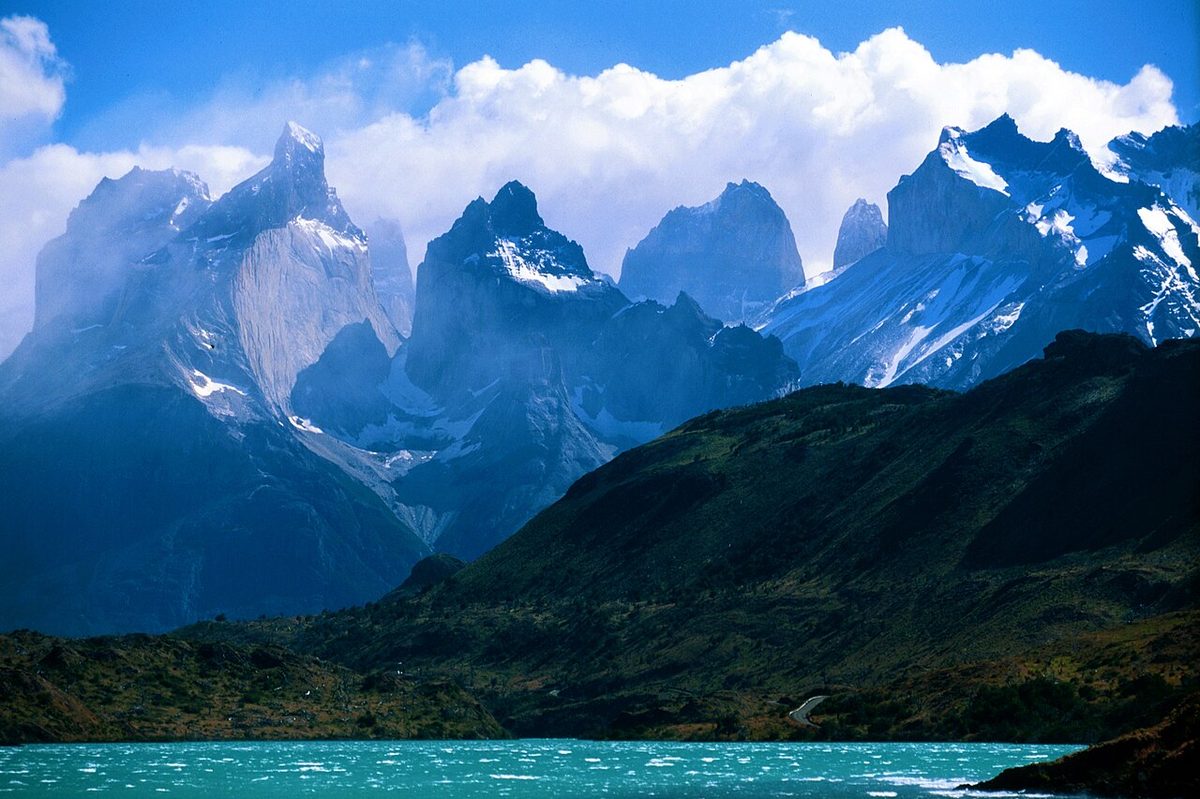
0 — 2 km Fig. 1 · Dramatic mountains in Torres del Paine, Chilean Patagonia · Photo: Winky from Oxford, UK / CC BY 2.0 via Wikimedia Commons
The best time to visit Patagonia is the month that matches the trip you are actually planning.
That sounds slippery, but it is the honest answer. Patagonia is too big, too weather-exposed, and too varied for one tidy month to be best for everyone. A hiker trying to book the W Trek in Torres del Paine has a different calendar from a family visiting Bariloche, a photographer chasing autumn color in El Chalten, a traveler hoping to see whales near Peninsula Valdes, or someone who wants a winter ski trip in Ushuaia.
The useful answer is this: for most first-time Patagonia trips, the best overall window is late November through early March. That is when hiking access, daylight, transport, tours, and accommodation availability line up most reliably. December, January, and February bring the longest days and broadest access, but also the highest prices, most pressure on lodging, and the strongest need to book early. November and March can be better if you want fewer crowds and are willing to accept a little more weather uncertainty.
If I were planning a classic first Patagonia trip with El Calafate, El Chalten, Puerto Natales, and Torres del Paine, I would personally look first at late November, early December, late February, or March. January is not wrong. It is often excellent. It is just not the secret answer. Everyone else knows it is good too.
This guide breaks down Patagonia weather by month, but it also goes a step deeper: hiking seasons, wildlife seasons, winter restrictions, road-trip timing, booking pressure, and how the answer changes between Argentine Patagonia and Chilean Patagonia.
Quick Answer: When Is the Best Time to Visit Patagonia?
The best time to visit Patagonia for most travelers is late November through early March, with the strongest all-around months being December, February, and March.
Choose December to February if you want the easiest access to famous hikes, long daylight, open services, and the broadest choice of tours. This is the classic Patagonia summer season. It is best for first-time travelers, W Trek hikers, El Chalten day hikes, glacier trips, family trips, and travelers who want the highest chance that everything they need will be operating.
Choose March if you want a more balanced trip. You still have good hiking possibilities in the major southern destinations, the worst of peak-season crowding has usually eased, autumn color starts to appear, and the light can be beautiful. March is one of my favorite answers for travelers who can travel outside school holidays.
Choose November if you want spring energy, fewer crowds than peak summer, better odds of availability, and a trip that still feels like the main season is opening around you. It is a good shoulder-season choice, but not a zero-risk one. Some high trails may hold snow, weather can be messy, and operators may still be ramping up.
Choose October or April if you are flexible, experienced, budget-aware, or looking for quieter landscapes. These months can be rewarding, but they are not the safest answer for a once-in-a-lifetime first trip with a tight itinerary.
Choose May through September only for a specific winter reason: skiing in Bariloche or Ushuaia, winter photography, guided winter hiking, solitude, or a very deliberate low-season trip. Winter is not the best time for a broad first Patagonia itinerary. Many services reduce or close, days are shorter, roads and trails are more complicated, and Torres del Paine has seasonal restrictions.
For wildlife, do not use the hiking calendar blindly. Peninsula Valdes is strongest from around September to November if you want a broad wildlife mix, while southern right whales are usually seen from June to October according to Visit Argentina. Penguins, sea lions, elephant seals, and orcas each have their own windows.
Best Time by Trip Goal
Use this table before you fall in love with a month. It saves a lot of second-guessing.
Patagonia weather is not just “cold.” It is changeable, local, windy, and sometimes completely uninterested in your itinerary.
The first thing to understand is that Patagonia is not one climate zone. Visit Argentina notes that climates and temperatures vary across the region, with lower temperatures farther south and winds as a defining feature, especially in summer. Chilean Patagonia adds fjords, forests, ice fields, Pacific weather systems, and long road and ferry corridors. The Atlantic coast around Peninsula Valdes is a different world from the wet forests of the Carretera Austral or the granite towers of Torres del Paine.
That means a forecast for “Patagonia” is almost useless. You need to think by region:
Southern mountains: Torres del Paine, El Chalten, El Calafate, Los Glaciares.
Northern lake country: Bariloche, San Martin de los Andes, Villa La Angostura, El Bolson.
Atlantic wildlife coast: Puerto Madryn, Peninsula Valdes, Punta Tombo.
The second thing is that wind matters as much as temperature. A sunny 12 C hiking day can feel comfortable in a sheltered forest and harsh on an exposed ridge. A forecast that looks “not too cold” can still be difficult if the wind is hard and the trail is open. Patagonia is famous for giving you sun, rain, gusts, clouds, and calm in the same day, sometimes in the same walk.
The third thing is that the best weather month is not always the best travel month. January has excellent access, long days, and warm relative conditions, but it also brings peak demand. March is cooler and less certain, but it can feel better on the ground because trails are calmer, lodging is less frantic, and the landscape begins to change color. November can be gorgeous, but you are still dealing with spring snowmelt and opening-season variability.
Use this section as a planning view, not a forecast. The real decision is not “which month is perfect?” It is “which month gives my route the right balance of access, cost, daylight, crowds, and risk?”
Patagonia Weather by Month
For the complete month-by-month breakdown of temperatures, wind, rain and trail access, see the full Patagonia weather by month guide.
This is the planning-level view. Do not treat it as a precise forecast. Treat it as a way to choose your risk profile.
Month
Season
Best for
Crowds
Booking pressure
Main watch-out
January
Summer
Hiking, W Trek, El Chalten, families, road trips
Very high
Very high
Peak prices, wind, scarce lodging
February
Summer
Hiking, treks, road trips, slightly calmer peak season
If you only remember one row, remember March. It is not perfect. Patagonia never is. But March often gives one of the best blends of scenery, access, lower crowds, and trip quality.
Patagonia in Summer: December, January and February
Summer is the classic Patagonia travel season. If a tour brochure, itinerary, or Instagram post made you dream about Patagonia, there is a good chance it was showing summer or the edge of summer.
This is when the days are long, trail access is at its strongest, public transport and tours are most likely to be running, refugios and campsites are operating, and the big first-time route feels most straightforward. El Chalten is alive with hikers. El Calafate has glacier tours running at full rhythm. Puerto Natales fills with people packing for Torres del Paine. Bariloche is busy with lake days, short hikes, kayaking, rafting, chocolate shops, and domestic vacationers. Ushuaia is cool but active, with Beagle Channel trips and national park visits.
Summer is also when Patagonia reminds you that “best season” does not mean “easy season.” Wind can be serious. Accommodation can be scarce. Trails can feel busy. Prices rise. Buses and rental cars should not be left to the last minute on important travel days. The W Trek and O Circuit require a much more deliberate booking sequence than a casual day-hiking trip.
December
December is the opening act of high season. The days are beautifully long, the southern hiking season is settling in, and the region feels awake. It is one of the best months for travelers who want summer access but would rather avoid the absolute peak of January.
Early December can be especially attractive. You often get strong daylight and increasing services before holiday demand fully lands. Late December is different. Christmas, New Year, and school holiday patterns bring more pressure to flights, lodging, restaurants, and popular treks.
Choose December if you want a classic Patagonia trip and can book ahead. It works well for El Calafate, El Chalten, Puerto Natales, Torres del Paine, Bariloche, Ushuaia, and many road-trip routes. Be ready for wind, and do not build a chain of tight one-night stops if mountain views matter.
January
January is the most obvious answer, and sometimes the right one. It brings warm relative conditions, maximum daylight, broad access, and the widest range of Patagonia transport, tours, and lodging. If you are hiking the W Trek, doing day hikes in El Chalten, visiting Perito Moreno Glacier, adding Bariloche, or driving a straightforward route, January gives you the strongest operational base.
But January is not a quiet secret. It overlaps with summer holidays in Argentina and Chile, international peak demand, and the period when many travelers want the same scarce beds, buses, campsites, and rental cars.
I would choose January if your schedule is fixed by school holidays, if you are traveling with family, if you want the broadest menu of activities, or if this is your only realistic window. I would not choose January because I thought it would be calm. It rarely is.
February
February is still peak season, but it can feel slightly more comfortable than January depending on where you go and how the local holiday rhythm falls. Trails and towns remain busy. Prices remain high. Weather can still be good for hiking, and daylight is still generous.
For many travelers, February is the best peak-season compromise. You get most of the summer benefits without always being in the most compressed holiday crush. It is a strong month for Torres del Paine, El Chalten, El Calafate, Bariloche, Ushuaia, and the Carretera Austral.
If you want to trek, book early. If you want a rental car, book early. If you want a particular hotel in a small town, book early. February is not a month where I would improvise the core of a short trip.
March is the standout autumn month for most travelers — see the full Patagonia in March guide.
Autumn is where Patagonia starts to feel less obvious and more personal.
March is still a major travel month, but the edge changes. There are fewer people than the deepest peak season, cooler nights, softer light, and the beginning of autumn color in forested areas. April can be gorgeous and quiet, especially in places with lenga forests and lake scenery, but it asks for more flexibility. May is a transition month: winter begins to press in, services reduce, and the best trips become more specific.
March
March may be the best time to visit Patagonia if you want the classic hiking trip without the strongest peak-season pressure. It is one of the easiest months for me to recommend to independent travelers who have some flexibility.
The main southern highlights are still very much in play. El Chalten can be excellent, though weather buffers remain essential. Torres del Paine is still active. Perito Moreno Glacier is easy to fit into an itinerary. Bariloche and the Lake District begin moving toward autumn color. Photographers get better light and less frantic viewpoints.
The tradeoff is cooler weather and a gradual tapering of the season as the month moves on. Do not assume every operator, route, or transport schedule will behave like January forever. If you are planning a late March or early April trek, check current park notices and accommodation status before you build the route.
For many travelers, March is the month where Patagonia feels less like a race. That alone can make the trip better.
If you are comparing March with January or November, decide whether you value steadier summer access, shoulder-season calm, or spring energy most.
April
April is beautiful when it works. It is also less forgiving.
The color can be extraordinary in forested areas. Crowds thin. Lodging may be easier. Trails can feel more spacious. Bariloche, El Chalten, Tierra del Fuego, and parts of Chilean Patagonia can be stunning in autumn light.
But April is late season. Days are shorter. Nights are colder. Snow can appear at higher elevations. Some operators and accommodations begin reducing service or closing. Multi-day trekking needs careful verification. If your trip depends on a specific ferry, refugio, campsite, or tour, check directly before you commit.
April suits travelers who would rather have quiet beauty and some uncertainty than peak-season convenience. It is not my first choice for a first Patagonia trip with a rigid itinerary, but I would happily choose it for a slower trip with warm layers and room to adjust.
May
May is not really autumn in the practical travel sense. It is the doorway to winter.
You can still visit Patagonia in May, but the style changes. Towns are quieter, many services reduce, mountain routes can become complicated, and the classic trekking calendar no longer applies in the same way. Some guided trips, road trips, glacier visits, or town-based stays may work, but you should not plan May as if it were March with a jacket.
In Torres del Paine, winter rules and seasonal restrictions matter. In El Chalten, the weather can be harsh and services limited. Bariloche and Ushuaia begin moving toward winter travel, but ski conditions depend on the year and specific dates.
May can be rewarding for experienced travelers, photographers, and people who like quiet places. For most first-time visitors, I would only choose it with a clear reason.
Patagonia in Winter: June, July and August
For the full winter picture — skiing, closures, pumas and Ushuaia — see the Patagonia winter guide.
Patagonia in winter can be magical. It can also be deeply impractical.
The mistake is treating winter as a quieter version of summer. It is not. Winter has shorter days, colder conditions, snow, ice, reduced transport, closed or restricted trails, fewer open accommodations in some areas, and a much higher need to check official rules. It is a different trip.
That said, winter has real strengths. Bariloche becomes one of Argentina’s main snow-sport bases. Ushuaia has skiing, snow activities, winter scenery, and a true far-south atmosphere. Some travelers love the solitude around famous landscapes. Photographers can get a mood that summer never gives.
The best winter Patagonia trips are narrow and deliberate. A Bariloche ski trip is a good winter plan. A Ushuaia winter trip can be a good winter plan. A guided winter visit to Torres del Paine can be a good winter plan. A broad “see all the famous hikes independently” trip is usually not.
Current Torres del Paine Winter Restrictions
Torres del Paine deserves special attention because winter advice online can become outdated quickly.
The CONAF Torres del Paine page checked on May 26, 2026, says official information should be verified through CONAF and Pases Parques. The current notice listed a mandatory authorized guide requirement for Base Torres from April 27 through August 30, 2026, closure of the mountain circuit known as the W during June and July, suspended visitor crossings by navigation on Grey and Pehoe lakes, and an early closure of the O Circuit until October 31, 2026.
Do not treat those dates as eternal. Treat them as proof of the larger rule: winter and shoulder-season Torres del Paine planning must be checked against current official notices before booking.
June is early winter. Snow begins to shape the mountains, days are short, and many travelers are gone. Ski areas may be opening depending on conditions. Ushuaia and Bariloche start to make more sense than El Chalten or classic Torres del Paine trekking for most travelers.
If you travel in June, build a trip around winter realities: shorter outdoor days, warmer lodging, flexible transport, guided activities where appropriate, and backup plans. It can be a beautiful month for winter landscapes, but it is not the broadest month.
July
July is the heart of winter travel in many Patagonia snow bases. Bariloche and Ushuaia are the most natural choices if skiing or snow activities are the point. Domestic winter holidays can make ski towns busy, so “winter” does not automatically mean cheap or empty.
July is a poor fit for most classic hiking itineraries. Trails may be closed, restricted, icy, or guide-only. Road conditions can be more demanding. You need to think like a winter traveler, not like a summer hiker who found a discount flight.
August
August is still winter, but the days begin slowly lengthening. Ski conditions can remain good, depending on the year and resort. It can be a strong month for snow trips, winter photography, and travelers who specifically want Patagonia without summer crowds.
The same caution applies: do not plan a broad, independent mountain-hiking route without checking current access, guides, road conditions, and available services. August can be wonderful in the right lane and frustrating in the wrong one.
Spring in Patagonia is not one clean opening date. It arrives in pieces.
The wildlife coast wakes up in one way. The mountains open in another. Snow lingers high. Flowers begin. Days lengthen. Operators return. Some trails are ready, some are not, and some look ready until weather says otherwise.
Spring can be one of the most rewarding times to visit Patagonia if you do not need peak-season certainty. It is also where a little research pays off more than usual.
September
September is early spring in travel terms, but winter may still be present in the mountains. Skiing can still be possible in some places depending on conditions. Peninsula Valdes becomes increasingly interesting for wildlife. Days are longer than winter, but hiking access remains limited in many southern mountain areas.
I would choose September for wildlife, late-season snow, a lower-crowd trip in selected bases, or a traveler who understands that some famous hikes may not be in full form. I would not choose it for a first-time W Trek or El Chalten hiking trip unless I had current local information and flexibility.
October
October is the month that tempts shoulder-season travelers. It can be cheaper, quieter, and full of spring atmosphere. El Chalten’s official tourism positioning and Visit Argentina guidance put October through April as the best broad season for El Chalten, which makes October the first plausible month for many hiking-focused trips.
But October can still hold snow, mud, closures, or cold weather. The days are much better than winter, and many routes begin to feel possible, but you should not expect the full ease of January. If you have a short trip and one dream hike, October is a gamble. If you have time and flexibility, it can be excellent.
November
November is one of the best shoulder-season answers for Patagonia. It has long daylight, growing service availability, spring landscapes, wildlife interest, and fewer crowds than peak summer. It is a strong month for travelers who want a classic route but do not want January.
The main cautions are wind, lingering snow on higher routes, variable opening schedules, and weather windows. Some years feel generous. Some years remind you that spring is still spring.
For many first-time travelers, late November is stronger than early November. If you are planning the W Trek, O Circuit, a remote road trip, or high-elevation hikes, verify route conditions and accommodation openings before you assume the season is fully mature.
Treat spring as a shoulder season, not a discount version of summer. It can be excellent, but the best trips keep a little slack around trail conditions and opening schedules.
The best time to hike in Patagonia is generally December through March, with November and April as shoulder-season options for some routes.
That answer changes by trail.
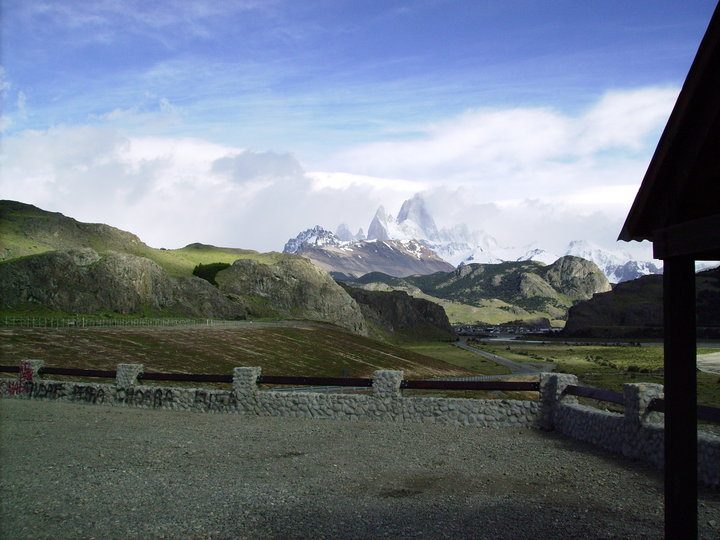
El Chalten is one of Patagonia’s best day-hiking bases, and Visit Argentina’s El Chalten guide describes October through April as the best season. December through March is warmer, but mountain views still depend on cloud, wind, and luck. If Fitz Roy is the heart of your trip, do not give El Chalten one full day and call it enough. Give it a weather buffer.
Torres del Paine has famous day hikes and multi-day treks, but the planning is more regulated. The W Trek and O Circuit depend on campsites, refugios, transport, park rules, and seasonal notices. Summer is easiest operationally. Winter and shoulder-season travel require direct checks with CONAF, Pases Parques, and accommodation operators.
Perito Moreno Glacier is not a hard hiking destination for most visitors, but it is central to many hiking itineraries because El Calafate connects easily with El Chalten. Visit Argentina’s Perito Moreno Glacier page says the glacier can be visited year-round, with September through March as the best period. That makes El Calafate a useful anchor even when weather is not ideal for mountain viewpoints.
Bariloche and the Lake District offer a longer, more varied hiking calendar. Summer is best for lake activities and many day hikes, autumn is beautiful, and winter shifts the focus toward snow sports. Visit Argentina’s Bariloche page explicitly positions it for both winter and summertime, which is why Bariloche often works when southern trekking is less suitable.
Patagonia wildlife has its own calendar. This is where many “best time to visit Patagonia” answers become too hiking-focused.
If whales, penguins, or coastal wildlife matter, look hard at Peninsula Valdes and the Puerto Madryn area. Visit Argentina’s Peninsula Valdes page lists September through November as the ideal time of year and says southern right whales can usually be seen from June to October, major sea lion colonies from September to November, and orcas are more likely from February to May.
Puerto Madryn Tourism also publishes a local fauna calendar, which is useful for planning a wildlife-first trip. The important point is not that one month wins everything. The point is that species overlap matters. September, October, and November are especially strong because they can combine whale season with other coastal wildlife activity.
Penguins can shape a trip too. Many colonies are active through the warmer months, and some of the best viewing windows depend on whether you want arriving adults, nesting activity, chicks, or easier access from your route. Tierra del Fuego, the Strait of Magellan area, Punta Tombo, and Peninsula Valdes each have different logistics.
Pumas, guanacos, condors, foxes, rheas, and other land wildlife are not limited to one coast. Torres del Paine is famous for guanacos and puma tracking, but ethical wildlife viewing requires distance, patience, and authorized guides where appropriate. The best wildlife trips are built around animal behavior, not just the weather.
Best Time for Perito Moreno Glacier and El Calafate
El Calafate and Perito Moreno Glacier are more forgiving than many Patagonia hiking destinations.
Visit Argentina says El Calafate’s ideal time of year is October through March. It also notes that the climate is dry, cold, and usually windy, with summer averages around 15 C and winter averages around -2 C. That is a useful reminder: even the “warm” season is not tropical.
For Perito Moreno Glacier specifically, Visit Argentina notes that spring and summer, September through March, are best, but visitors can come year-round. The same page notes snow from May to August and strong winds in November and December.
This makes El Calafate a good anchor in uncertain weather. If Fitz Roy is covered in cloud, Perito Moreno can still be powerful in mixed conditions. You may not get blue-sky photos, but the walkways, glacier wall, boat trips, and ice are not as dependent on one summit view.
If you are building a classic southern Patagonia route, I would usually give El Calafate 2 nights for a simple glacier visit or 3 to 4 nights if you want extra tours, a slower pace, or a buffer around transport. Use the El Calafate and Perito Moreno Glacier Guide before choosing between walkways, boat tours, and ice trekking.
The best time for the Carretera Austral is usually December through March, with November and April possible for flexible travelers.
This is not just about temperature. The Carretera Austral is a remote Chilean Patagonia road-trip route with ferries, gravel sections, rain, limited services, and long distances. Chile Travel describes the Carretera Austral as more than 1,200 kilometers of route through forests, glaciers, rivers, fjords, towns, and barge crossings. That “barge crossings” part matters. Road-trip season is also ferry season, lodging season, fuel-planning season, and contingency season.
In summer, you have the best odds of route services functioning at full strength. You also have more travelers, higher demand, and the need to book key lodging or vehicle rentals in advance.
In shoulder season, the route can be quieter and moodier, but you need to check ferries, road conditions, accommodation openings, and weather. April can be beautiful but wet and late. November can feel fresh and green but not fully settled.
If your main dream is this route, use the dedicated Carretera Austral road trip guide before you lock in dates. It is a different planning problem from a bus-based El Calafate and El Chalten trip.
Best Time to Visit Patagonia by Region
The cleanest way to choose dates is to choose your region first.
Region
Best overall window
Best if you want
Be careful with
Torres del Paine
November to March
W Trek, O Circuit, day hikes, scenic drives
Winter restrictions and scarce trek lodging
El Chalten
October to April
Fitz Roy hikes, day trekking, mountain photography
Choose November through March for the easiest general Torres del Paine experience. Choose December through February for maximum access and long days. Choose March if you want fewer people and can accept cooler weather. Think carefully before choosing winter unless you are booking a guided winter-specific trip.
Choose December through March for the strongest hiking window. Choose October, November, or April if you want shoulder-season quiet and have flexibility. The single biggest mistake is not the month. It is giving El Chalten too little time.
Two full hiking days can work if the weather cooperates. Three to five nights is much better if Fitz Roy views matter. Use the El Chalten and Fitz Roy hiking guide for trail sequencing.
El Calafate
Choose October through March for the easiest overall visit. Choose September or April if you want a quieter trip and understand the shoulder-season tradeoffs. Winter visits can work because Perito Moreno is not only a hiking destination, but tours, roads, and weather still need checking.
Bariloche and Northern Patagonia
Bariloche is the rare Patagonia base with two strong seasons. Summer is best for lakes, road trips, kayaking, rafting, hiking, and food. Winter is best for skiing and snow. Spring and autumn can be lovely for lower crowds and scenery, but conditions vary.
For families, softer adventure, and travelers who want Patagonia with more infrastructure, Bariloche can be a better seasonal fit than forcing Torres del Paine into an awkward month. Use the Lake District travel notes before choosing dates.
Ushuaia and Tierra del Fuego
Ushuaia is cool even when the rest of Patagonia is in summer mode. December through March is best for broad sightseeing, Beagle Channel trips, Tierra del Fuego National Park, and pre- or post-Antarctica travel. June through September suits snow activities, skiing, and winter atmosphere.
Visit Argentina’s Ushuaia page highlights the Beagle Channel, Cerro Castor skiing, Martial Glacier, and Tierra del Fuego National Park. That mix is why Ushuaia can work in both summer and winter, as long as you are honest about what kind of trip you are building.
Do not plan Peninsula Valdes around the W Trek calendar. Plan it around animals.
September through November is the cleanest broad answer because it is the official ideal window from Visit Argentina and it captures strong wildlife overlap. Whale-focused travelers may look earlier, starting around June. Orca-focused travelers may look toward February through May, knowing sightings are never guaranteed.
This is one of the best reasons to add a wildlife-specific article to the planning path instead of squeezing wildlife into a generic itinerary. Use where to see whales in Patagonia.
Best Months for a First Patagonia Trip
If you are planning a first Patagonia trip, your month should protect the kind of experience you want.
For a 7-day trip, I would choose December, February, or March and focus on one region: El Calafate and El Chalten, Torres del Paine, Bariloche, Ushuaia, or Peninsula Valdes if wildlife is the point. With only a week, you cannot afford too many seasonal complications.
For a 10 to 14-day classic southern Patagonia trip, I would choose late November, December, February, or March. January also works if you can book early and handle crowds. This route usually combines El Calafate, El Chalten, Puerto Natales, and Torres del Paine, so you need a month when transport, hiking, and lodging are all functioning well.
For a 3-week trip, you can use March or November more confidently because you have room for weather. You can also combine a classic southern route with Bariloche, Ushuaia, Peninsula Valdes, or a Carretera Austral section.
For a month or more, shoulder season becomes more appealing. The longer the trip, the less every individual bad-weather day matters. A 30-day Patagonia trip in March and April can be rich in ways a 9-day January sprint is not.
When to Book a Patagonia Trip
Booking timing is part of seasonality. In Patagonia, the best month on paper can become a frustrating month if you book too late.
Book early for:
Torres del Paine refugios, campsites, W Trek, and O Circuit logistics.
In-park or near-park Torres del Paine hotels.
Small-town lodging in El Chalten, El Calafate, Puerto Natales, Bariloche, and Ushuaia during peak dates.
Rental cars, especially if you need cross-border paperwork.
Domestic flights to Patagonia gateways during holiday periods.
Specialty tours such as glacier trekking, puma tracking, penguin trips, or small-group wildlife tours.
Ferries or lodging on remote road-trip routes where capacity is limited.
For December through February, book the trip-defining pieces as early as your planning allows. For March and November, you may have more flexibility, but do not be careless with small towns and trek logistics. For winter, the issue is less crowding and more availability: fewer options may be open.
If this is your first trip and you want the classic icons, choose late November, December, February, or March.
If you can only travel in January, go in January. Just book early and accept crowds as the cost of the best access window.
If you hate crowds more than you fear weather, choose November or March.
If you want autumn color and photography, choose March or April.
If you want whales and coastal wildlife, look at September through November, then refine by species.
If you want skiing, choose July or August and focus on Bariloche or Ushuaia.
If you want the Carretera Austral, choose December through March unless you have time, flexibility, and current ferry information.
If you want the W Trek or O Circuit, start with route availability, not flights. Your dates are only useful if the lodging and trail rules work.
If you are trying to save money, do not just choose the cheapest flight month. Ask whether the route you want is actually operating, whether you will need private transfers because buses are limited, and whether lower prices come with closed services.
What I Would Choose
If I had to choose one month for a first Patagonia trip, I would choose March.
Not because March has perfect weather. It does not. I would choose it because it often gives the best overall trip quality: strong hiking possibilities, fewer people than peak summer, better light, emerging autumn color, and less of that January feeling that every bed, bus, and trail is under pressure.
If I were booking a family trip tied to school holidays, I would choose January or early February and organize it carefully.
If I were booking the W Trek and had one shot at it, I would choose February or early March, then book the trek pieces first.
If I were going mainly for Fitz Roy hikes, I would choose late February or March and spend more nights in El Chalten than feels efficient on paper.
If I were going for whales and wildlife, I would build around September to November and stop pretending Patagonia is only mountains.
If I were going in winter, I would make winter the point. I would not try to force a summer itinerary through a winter calendar.
Common Mistakes When Choosing Dates
The first mistake is asking for the best month without choosing a route. Patagonia is not one destination, so the calendar is not one answer.
The second mistake is choosing January and then booking like it is shoulder season. January rewards early planners.
The third mistake is choosing shoulder season and refusing to add flexibility. November, March, and April are good because they are less crowded and more atmospheric, not because they remove weather risk.
The fourth mistake is treating El Calafate and El Chalten as equal weather dependencies. Perito Moreno Glacier can still be impressive in imperfect weather. Fitz Roy can disappear behind clouds. Give El Chalten the buffer.
The fifth mistake is treating winter as cheap summer. Winter Patagonia can be beautiful, but it is operationally different.
The sixth mistake is ignoring wildlife calendars. If whales are the dream, a January W Trek plan does not solve that.
The seventh mistake is failing to re-check official notices. Park rules, fees, winter access, ferry schedules, and route conditions can change. This article was fact-checked on May 26, 2026, but you should still verify time-sensitive items close to travel.
Suggested Internal Reading Path
If you are choosing dates, use the site in this order:
March is one of the best overall months to visit Patagonia because it often combines good hiking access, fewer crowds than peak summer, autumn color, and strong trip quality. January and February offer warmer conditions and long daylight, but they are busier and more expensive. November is a strong shoulder-season choice if you can accept more weather uncertainty.
Is December or January better for Patagonia?
December is better if you want long days and summer access with slightly less peak-season pressure, especially in early December. January is better if you want the most established high-season operations and are traveling during school holidays, but it is busier and should be booked early.
Is February or March better for Patagonia?
February is better for peak-season hiking certainty, long days, and full service availability. March is better for fewer crowds, better light, early autumn color, and a calmer trip feel. For many independent travelers, March is the better overall tradeoff.
Can you visit Patagonia in winter?
Yes, but winter Patagonia is a different kind of trip. June, July, and August are best for skiing, snow activities, winter photography, and guided winter travel in selected areas such as Bariloche, Ushuaia, and parts of Torres del Paine. It is not the best season for a broad first-time trekking itinerary.
When is the best time to hike the W Trek?
The best time to hike the W Trek is usually December through March, when services and trail access are strongest. November and April require more careful checking. Winter and shoulder-season restrictions can change, so verify with CONAF, Pases Parques, and accommodation operators before booking.
When is the best time for El Chalten and Fitz Roy?
The broad El Chalten hiking season is October through April, with December through March offering the strongest hiking window. If Fitz Roy views matter, stay several nights so you have a weather buffer. A one-day El Chalten plan is risky in any month.
When can you see whales in Patagonia?
Southern right whales around Peninsula Valdes can usually be seen from June to October according to Visit Argentina, while September through November is the strongest broad wildlife window for the peninsula. Always check local wildlife calendars before booking species-specific trips.
Is Patagonia too crowded in January?
January is crowded in popular Patagonia destinations, especially Torres del Paine, El Chalten, El Calafate, Bariloche, and key transport routes. It is still a good month if you book early and accept peak-season pressure. If you dislike crowds, consider late November, early December, late February, or March.
What is the cheapest time to visit Patagonia?
The cheapest practical months are often shoulder-season periods such as October, November, March, and April, but savings depend on your route. Winter can be cheaper in some places and expensive in ski towns. The cheapest flight month is not useful if the trails, ferries, or accommodations you need are closed.
How many weather-buffer days do you need in Patagonia?
For a short hiking trip, add at least one buffer day in places where mountain views matter, especially El Chalten and Torres del Paine. For a longer trip, build the itinerary with multiple multi-night bases instead of one-night stops. Patagonia rewards patience more than speed.
Official Sources and Image License Notes
This article uses official destination and park sources for planning facts:
Images are sourced from Wikimedia Commons under their respective licenses (CC BY, CC BY-SA, or public domain). Each photo links to its source page and author on Wikimedia Commons. Hero image: Winky from Oxford, UK / CC BY 2.0 via Wikimedia Commons.
Also on this pillar — Seasonality9 sheets · See all