Patagonia in March: Weather, Autumn Colors and What to Expect
Patagonia in March means thinning crowds, calmer winds and the first autumn colors. Get real weather by zone, what's open, wildlife, and who March suits.
By Patagonia Tourism Guide · First published 1 Jul 2026 · Updated 1 Aug 2026
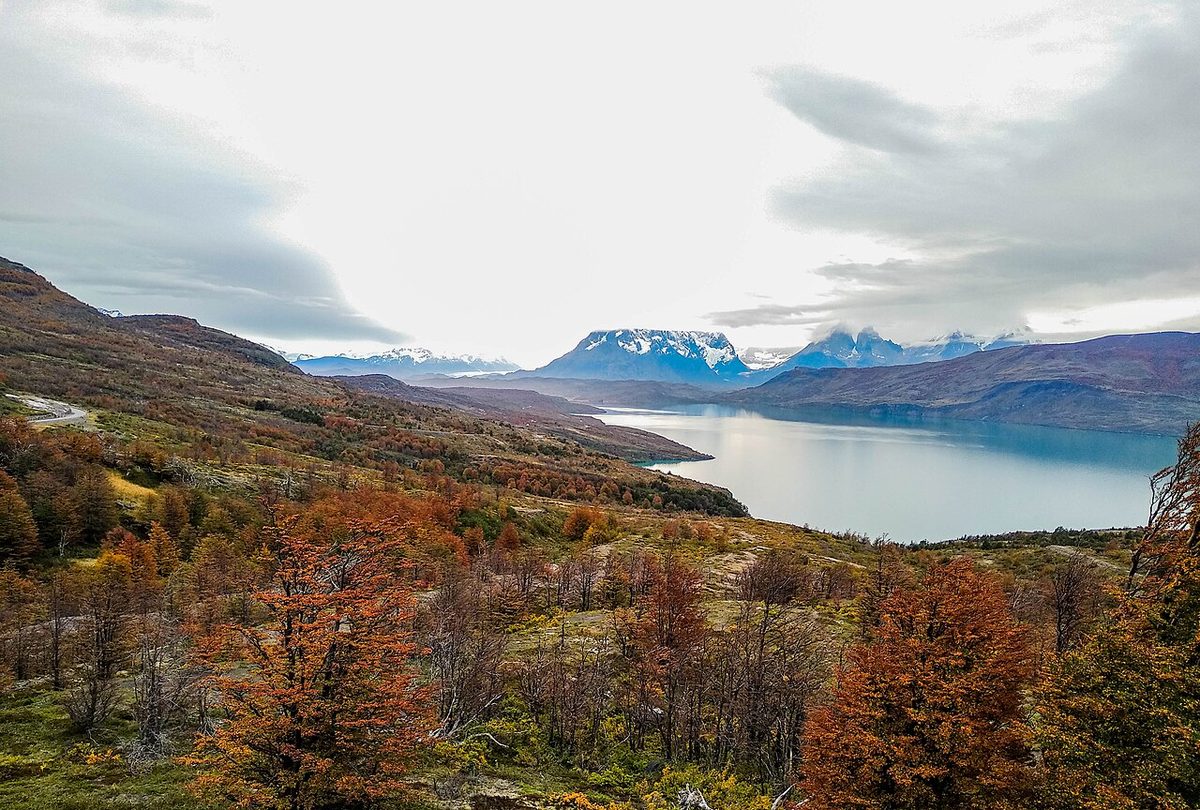
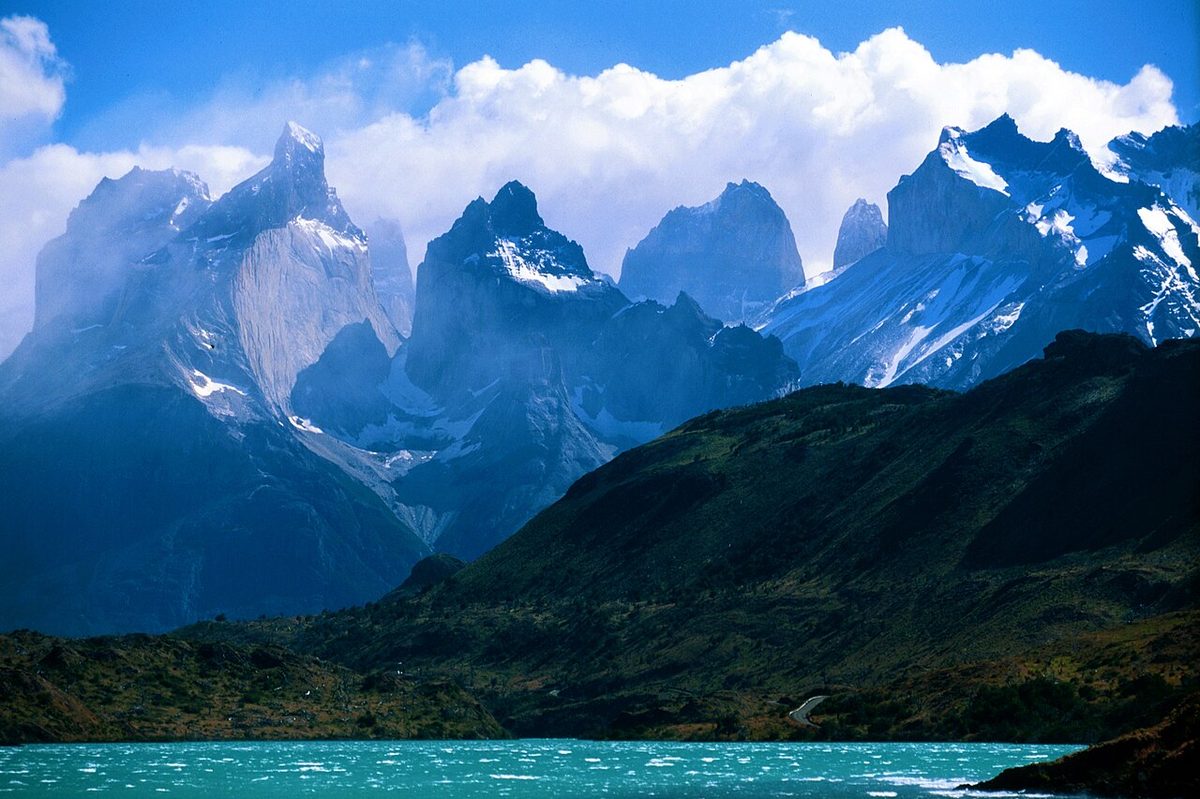
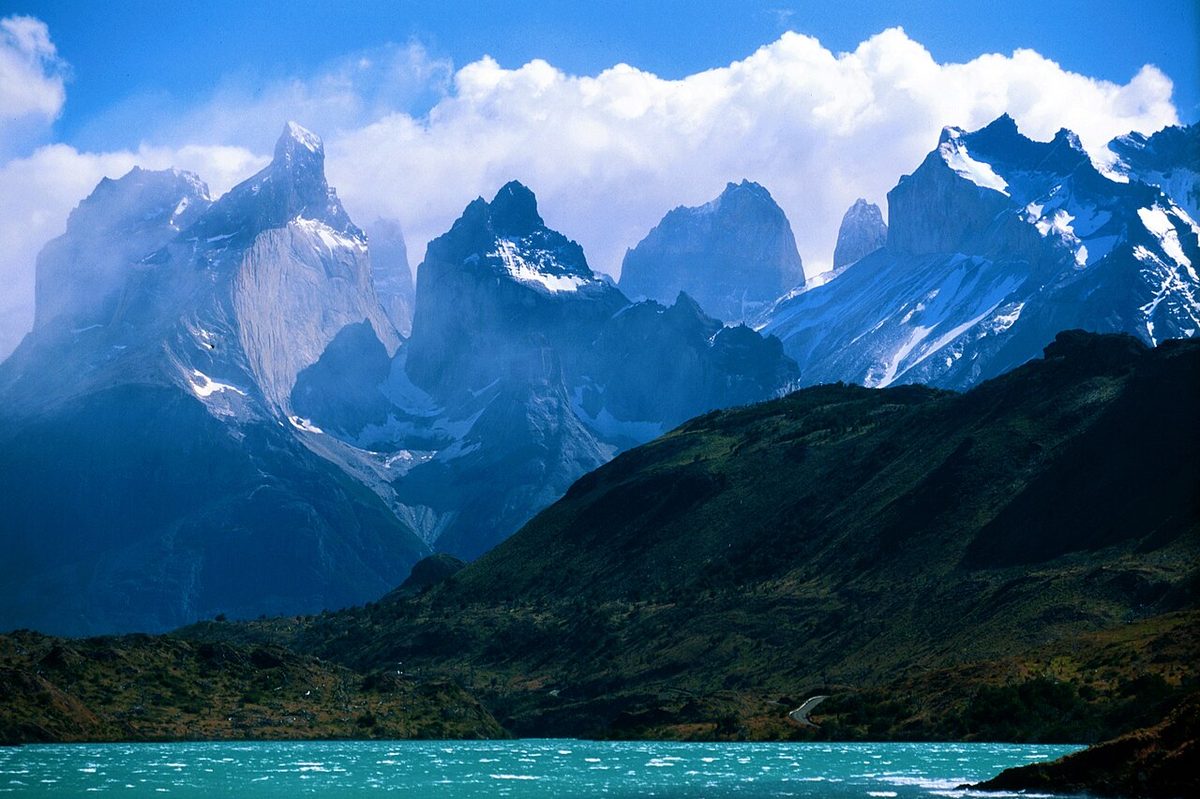
0 — 2 km Fig. 1 · Lenga forests turning red and gold in autumn beneath Patagonia mountains in March · Photo: Jacques Descloitres, MODIS Land Rapid Response Team / Public domain via Wikimedia Commons
If you asked me to pick one month to send a friend to Patagonia for the first time, and they could travel whenever they liked, I would say March more often than any other answer. Not because it is flawless. Patagonia is never flawless. I’d say it because March quietly fixes most of the things people complain about when they go in January.
Patagonia in March is the start of southern autumn: cooling but still hikeable in the first half of the month, with thinning crowds, often calmer winds than midsummer, lower prices, and the first lenga forests turning red and gold, especially mid-to-late month. The trade-off is more weather variability and some services winding down late in March. It suits flexible, crowd-averse travelers and photographers most.
This guide is for the traveler who has some flexibility in their dates and wants the honest version, not the brochure version. If your dates are already fixed, or you are still choosing between months, start with the broader when to visit Patagonia pillar and come back here once you are leaning toward autumn. If you are weighing March against the month on either side, I’ll compare it directly with February and point ahead to October further down.
A quick honesty note before we start. “March in Patagonia” is not one experience. Early March still feels like the tail of summer. Late March is a genuine shoulder-season pivot, and the difference between the two can be larger than the difference between two neighboring months. I’ll keep flagging that split, because it is the single most useful thing to understand about this month.
Patagonia in March at a glance
Use this table to sanity-check your plan before you fall for a flight deal. Treat every figure as approximate and weather-dependent. Patagonia does not read forecasts.
What
March reality
Season
Early autumn / shoulder. Summer’s tail in early March, true shoulder by late March
Crowds
Easing through the month. Busiest in the first week or two, noticeably quieter by late March
Prices
Generally softening from peak, especially after mid-month; book a few months ahead for the best rooms
Daylight
Around 12.5 to 13.5 hours early March in the deep south, shortening steadily through the month
Winds
Often calmer than the December–January peak, but never reliably calm
Autumn color
First reds and golds in lenga forests from roughly mid-to-late March; fuller in April
Hiking
Still good in early-to-mid March; check late-season trail and refugio status for late March
What’s winding down
O Circuit closing around end of March; some refugios, campsites, cruises and ferries taper late month
Wildlife highlight
Orcas possible on the Atlantic coast (Feb–May); land wildlife active; southern right whale season only just beginning at best
You need a guaranteed multi-day O Circuit, or whales are your main goal
Swipe to see all columns
Table 1
If you only take one row from that table, take the last two. March rewards flexibility and punishes rigid, one-shot plans.
Patagonia weather in March, by zone
The most useful thing I can tell you about Patagonia weather is that the word “Patagonia” is almost useless on a forecast. The region is huge and splits into very different climates. So instead of a single number, here is the planning-level picture by zone, with figures rounded and hedged. These are typical March averages drawn from operator climate data and official sources, not a promise for your specific week.
The southern mountains: Torres del Paine, El Calafate, El Chalten
This is the classic first-trip core, and it is where March feels most like a gift and most like a gamble at once.
Expect daytime highs of around 8°C in Torres del Paine and El Calafate, dropping to roughly 2°C at night in the park and around freezing in El Calafate. El Chalten and the Los Glaciares high country run a little colder, with highs around 4 to 5°C and nights dipping to about minus 1°C, and snow becomes more likely up high as the month goes on. So in real terms: a good day is crisp and bright and perfect for walking; a bad day can hand you rain on the valley floor, snow on the peaks, and wind on the exposed sections, sometimes in the same afternoon.
The upside of autumn here is real, though. The brutal, gusting wind that defines December and January often eases in March. I have had March days in the south that were calmer and more comfortable to hike than anything I got in peak summer. You cannot count on it, but the odds tilt your way.
The Lake District and the north: Bariloche, the Carretera Austral
Travel north and March warms up considerably. Northern towns such as Bariloche see highs in the upper teens, around 18 to 19°C, and the season feels gentler. This is one of the best-kept secrets of a March trip: the Argentine and Chilean Lake Districts empty out as locals return home from their February holidays, so you get soft autumn light, lake days that are still pleasant, and far fewer people than a month earlier.
The Carretera Austral is genuinely lovely in March. Ferries are still running on their summer-ish rhythm, most lodging is open, the forests are starting to turn, and the road carries a fraction of the high-summer traffic. It quietly becomes one of the most rewarding autumn drives anywhere.
The far south: Ushuaia and Tierra del Fuego
Ushuaia is cool whenever you go, and March is no exception, with highs in the mid-50s Fahrenheit, roughly 12 to 14°C, and brisk evenings. What March adds down here is mood: the beech forests of Tierra del Fuego begin to color, the Beagle Channel still runs day trips, and the far-south light gets long and low. Pack as if it were a cold European autumn and you will be fine.
Wind, not cold, is what makes or breaks a Patagonia day, and a sunny 10°C reading can feel mild in a sheltered forest and genuinely hard on an open ridge. March’s gift is that the wind is often a notch calmer than peak summer. Its catch is that the weather is more variable than January, so the smart move is to build a buffer day into any leg where a mountain view is the whole point. For the full nuts and bolts of layering, footwear, and staying safe when the weather turns, the Patagonia hiking, camping and gear guide is the companion to this section. If you want the long view across all twelve months, the Patagonia weather by month breakdown sits alongside this one.
Autumn colors, and exactly when to catch them
This is the headline reason a lot of people choose March, so let me be precise, because precision is where most articles get vague.
The color comes mainly from the southern beech forests, especially the lenga (Nothofagus pumilio) and the ñire, which carpet huge swathes of the mountains and turn shades of yellow, orange, and fire-red as autumn deepens. The change is driven by shortening daylight and dropping temperatures, which is why it sweeps gradually from late summer into autumn rather than switching on overnight.
Here is the timing reality I wish someone had told me the first time. In early March, the forests are mostly still green. The first genuine reds and golds tend to appear from roughly mid-to-late March, and the fuller, hillsides-on-fire display usually peaks in early-to-mid April. So if autumn color is the entire point of your trip, late March is the earliest I would aim for, and the back half of the month is better than the front. If you can stretch into the first half of April, you will likely catch it at its richest, but you will also be trading into later-season weather and thinner services.
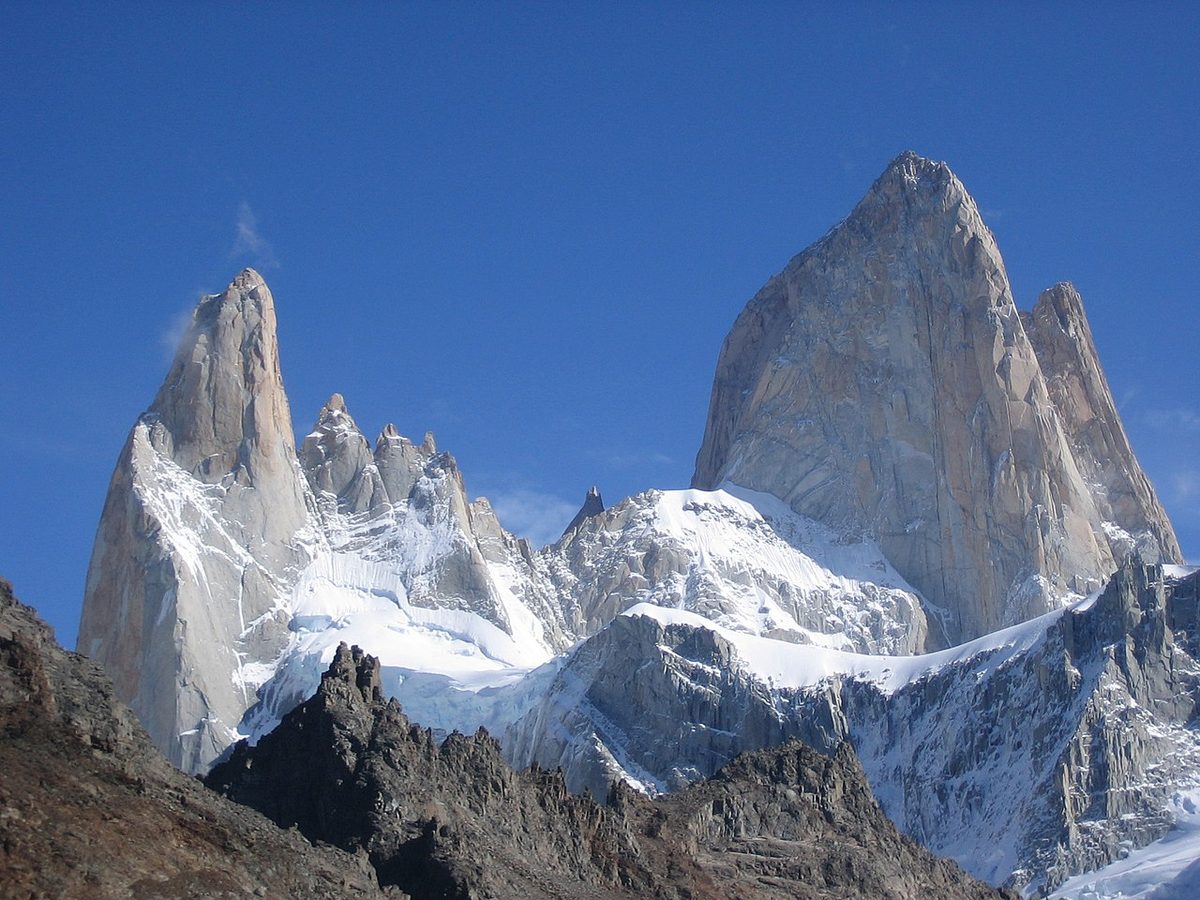
Where do you see it best? The lenga forests around El Chalten, beneath the Fitz Roy and Cerro Torre spires, are spectacular when they turn. Torres del Paine’s slopes and the approach to the towers light up. The Carretera Austral and the Aysen forests around Cerro Castillo are superb and far less photographed. And the Lake District around Bariloche is a classic autumn-color destination in its own right. For trail-by-trail sequencing in the El Chalten color zone, use the El Chalten and Fitz Roy hiking guide.
One honest caveat: the exact peak shifts a week or two year to year depending on the season, so I would not book a non-refundable trip around a single “peak color” date. Give yourself a window, not a deadline.
Crowds and prices: the part that actually improves
March is where the math starts working in your favor, and it is the least glamorous but most practical reason to go.
Through the first week or two, popular spots can still feel busy, partly because March’s shoulder-season reputation has spread and the secret is not really a secret anymore. But the pressure eases noticeably as the month goes on. Summer travelers thin out by mid-month, international visitor numbers drop, and crucially, Argentine and Chilean families head home after their February holidays, which takes a lot of pressure off the two Lake Districts in particular.
What that means on the ground: trails feel less like a procession, viewpoints are calmer, you have a better shot at the room or refugio you actually want, and prices generally soften from their peak. You also do not have to plan with the same military precision that January demands. That said, this is a relative easing, not a free-for-all. Operators commonly suggest booking the trip-defining pieces, your rooms in small towns and any multi-day trek logistics, at least a couple of months ahead to lock in the best rates and availability.
If a calmer, less frantic version of the icons is what you are after, this is the single biggest argument for March over February. You give up a little reliability and warmth, and you get a lot of breathing room back.
What’s still open, and what’s winding down
This is the section most March articles skate over, and it is exactly where a late-month plan can go wrong. The honest picture is that early-to-mid March is broadly business-as-usual, while late March is when the season visibly starts to close.
What is still very much open in March:
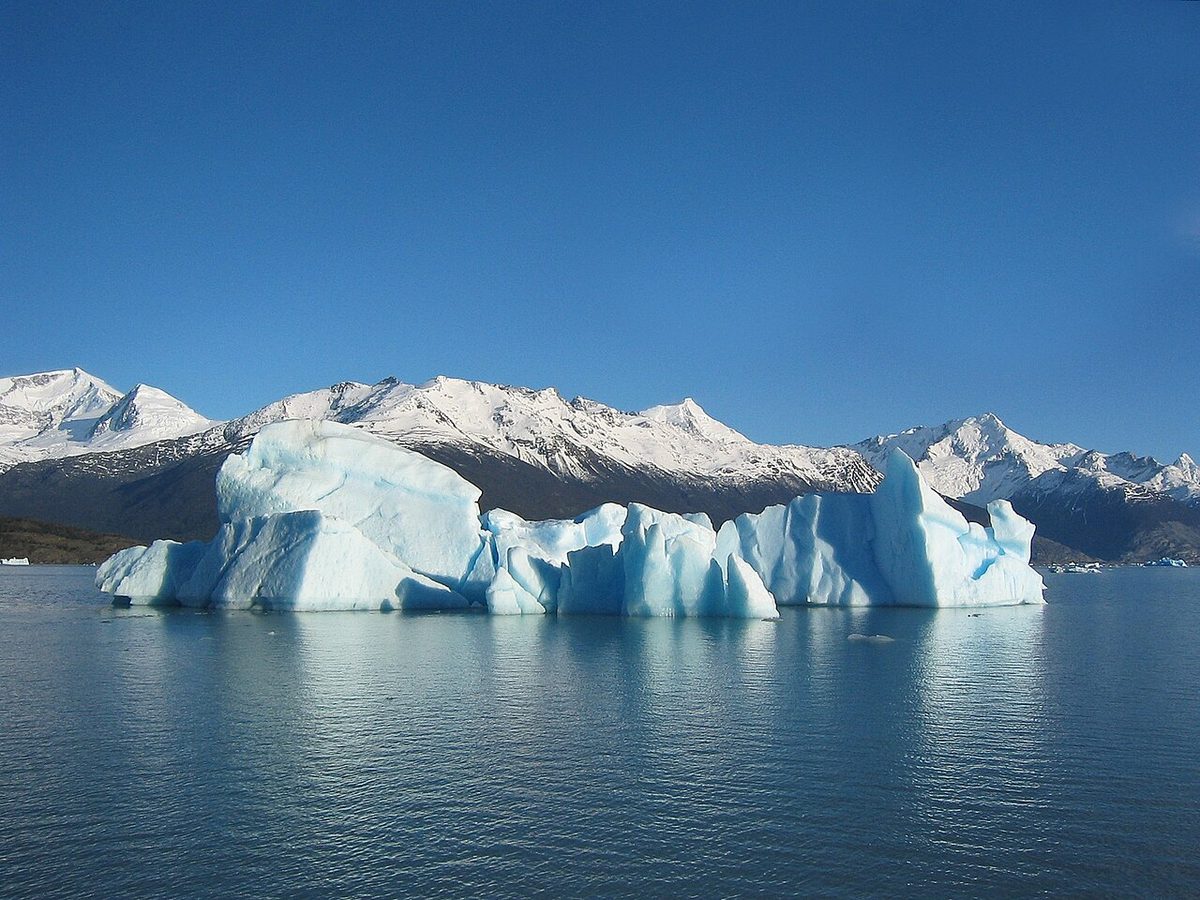
– The core southern circuit. El Calafate and the Perito Moreno Glacier run all month and well beyond; the glacier is one of the most weather-proof things you can build a day around. Visit Argentina lists the glacier as visitable year-round, with spring and summer the best window.
– El Chalten day hiking, which Visit Argentina puts in an October-to-April season, so March sits comfortably inside it.
– Torres del Paine’s famous day hikes and the W Trek for most of the month.
– The Lake District, the Carretera Austral, and Ushuaia, all still operating.
What starts winding down, mostly late March:
– The full O Circuit in Torres del Paine. The big loop typically closes around the end of March, and the park authority CONAF can close it a few days earlier on weather, especially if the John Garner Pass takes on snow. The W Trek’s last hikes generally run into April, but some refugios and campsites set their own final open dates, so a multi-day late-March trek needs each night confirmed before you commit.
– Some adventure cruises and Carretera Austral ferries thin their schedules; the Cape Horn cruises run their last departures in April.
– Smaller, seasonal accommodations and tour operators in the more remote spots begin to reduce hours or close as the month ends.
The rule of thumb I use: a trip built around early-to-mid March can be planned much like a late-summer trip. A trip built around late March, and especially anything multi-day, needs current confirmation on trail status, refugios, ferries, and operating dates. Always cross-check time-sensitive park items against CONAF and your operators close to travel. For the full park picture, the Torres del Paine travel guide covers logistics, transport, and the trek options in depth.
Here is where I am going to gently disagree with a lot of what you will read, because the wildlife story in March is more specific than “see whales and pumas” suggests.
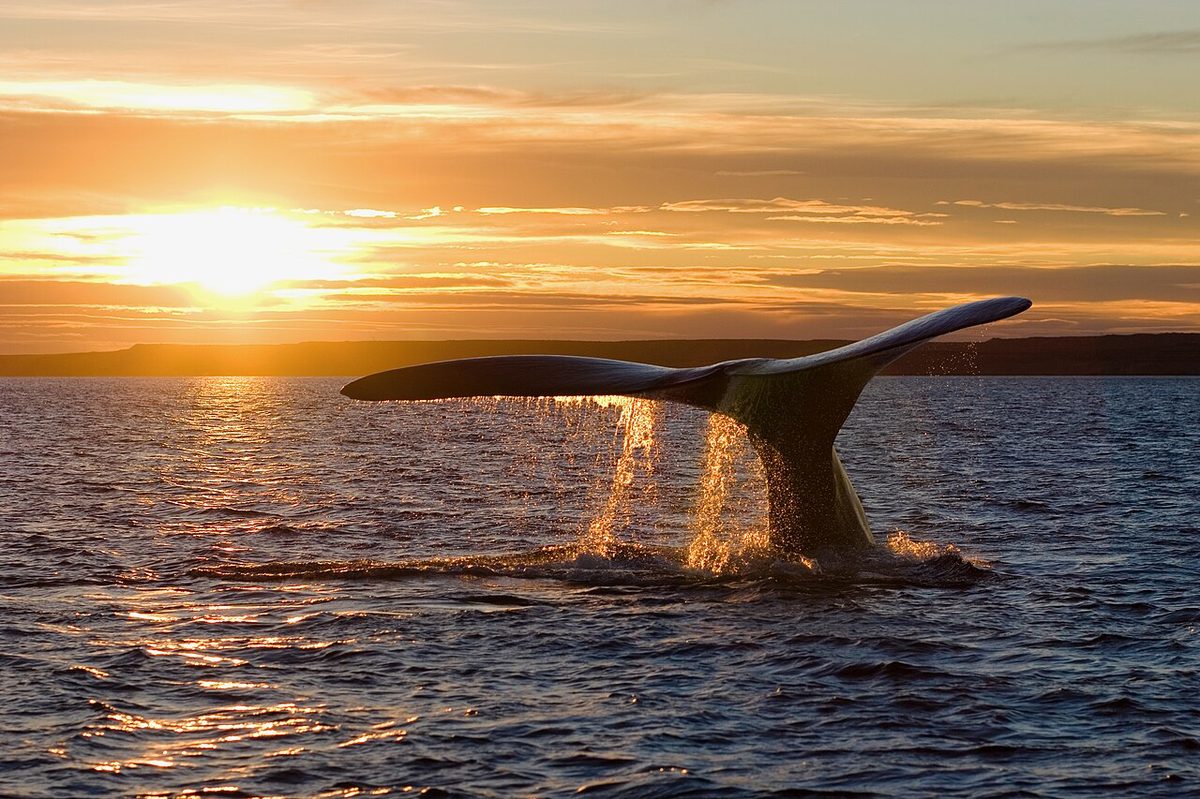
Let’s deal with the whales honestly first, because it is the question I get most. The famous southern right whales gather off the Atlantic coast around Peninsula Valdes and Puerto Madryn, and Visit Argentina lists their usual window as June to October. The first individuals tend to arrive toward late May and into June. So in March, the southern right whale season has not really started. If a southern right whale encounter is the main reason for your trip, March is the wrong month, and you want to look at the colder half of the year instead. I would rather tell you that now than have you arrive disappointed.
What March does offer on that same coast is orcas. Visit Argentina lists killer whales as more likely from February to May, which puts March squarely in their window. This is the dramatic, never-guaranteed coastal sighting March is genuinely good for, including the famous beach-hunting behavior at Punta Norte that draws photographers from around the world. Alongside them, you will still find sea lions, elephant seals, Magellanic penguins in the warmer-month colonies, and abundant birdlife. The coast is warm from roughly September through April, so March is still a comfortable time to visit Peninsula Valdes, just with orcas rather than right whales as the headline act.
Inland, March is a strong land-wildlife month precisely because the parks are quieter. With fewer people on the trails, guanacos, foxes, condors, rheas, armadillos, and Patagonian hares have more room to move, and Torres del Paine remains one of the best places on earth for puma tracking with an authorized guide. March travelers consistently report rich wildlife days, often more so than in the busy peak.
If wildlife is shaping your dates, do not use the hiking calendar as a proxy for it. Plan around animal behavior using the Patagonia wildlife and whale watching guide and the dedicated best time to see wildlife in Patagonia breakdown, which untangle the species-by-species windows that a generic month guide can only summarize.
Best things to do in Patagonia in March
March is broad enough that almost everything is still on the table; it is the autumn flavor, not the access, that changes. Here is where I would point my energy.
Hike the icons while the wind is kinder
Early-to-mid March is a lovely time for the marquee day hikes: Laguna de los Tres beneath Fitz Roy, the Mirador Las Torres in Torres del Paine, the French Valley, Grey Glacier. The often-calmer winds and thinner crowds make the famous trails more pleasant than peak summer, and the cooler temperatures suit a lot of walkers better. If you want the season-by-season detail on which trails to prioritize, the best time to hike Patagonia guide goes deeper than I can here.
Chase the first autumn color
If you are in the back half of March, build your route around the lenga forests as they turn: El Chalten’s valleys, the Cerro Castillo area on the Carretera Austral, and the Bariloche lakes. Soft autumn light plus uncrowded viewpoints is a photographer’s dream, and it is the visual signature of this month.
Stand at the glacier face
A day at Perito Moreno is close to weatherproof, which makes El Calafate the perfect anchor for a March trip. Even when Fitz Roy is buried in cloud, the glacier’s walkways, the boat approaches, and the ice trekking deliver in mixed conditions. I almost always slot El Calafate next to El Chalten for exactly this reason: one is a sure thing, the other needs luck.
Drive the Carretera Austral or settle into the lakes
For travelers with time, March is a sweet spot for the Carretera Austral road trip and for a slower Lake District stay, both of which trade peak-summer bustle for autumn quiet while the route services are mostly still running.
Watch for orcas on the Atlantic coast
If your trip can reach Peninsula Valdes, March is a credible orca month and a beautiful time on that coast, with the bonus of penguins, sea lions, and elephant seals still around.
The cleanest way to plan is to choose your region first, then let the month shape the details. Here is how March lands in each.
Torres del Paine
For day hikers and most W Trek travelers, March is one of the most balanced months of the year in the park: trails open, winds easing, daylight still generous, wildlife active, and noticeably more space on the paths than in summer. The catch is the calendar. The O Circuit typically closes around the end of March, and refugios and campsites have their own last-open dates, so anything multi-day in late March must be confirmed night by night. Day-hiking and the W are the safer late-month bets. Use the Torres del Paine travel guide to sort the options.
El Chalten and Los Glaciares
El Chalten shines in early autumn. Hiking conditions are often more stable than high summer, the crowds thin, and the lenga forests beneath Fitz Roy and Cerro Torre start to turn from mid-to-late March. Give the town more nights than feels efficient on paper, because the big views still depend on a clear-ish day, and a buffer is the difference between seeing Fitz Roy and seeing fog. The Fitz Roy hiking breakdown maps the trails.
El Calafate
The most weather-resilient base in the south. Perito Moreno runs all month, the town is calmer than peak season, and it pairs perfectly with El Chalten. If your trip has one fixed mountain day and one flexible one, make Perito Moreno the fixed one. The El Calafate and Perito Moreno Glacier guide covers walkways versus boats versus ice trekking.
Bariloche and the northern Lake District
Arguably March’s quiet winner. The crowds drain away after the February holidays, the autumn light is gorgeous, lake days are still pleasant, and the famous Bariloche autumn color builds through the month. For families, softer adventure, and travelers who want more infrastructure, this is a gentler March than forcing the deep south.
Ushuaia and Tierra del Fuego
Cool and atmospheric. The Beagle Channel and Tierra del Fuego National Park still run, the beech forests start to color, and the far-south light is at its moody best. Pack properly for cold and you will love it.
Peninsula Valdes and the Atlantic coast
A March wildcard worth knowing about. Right whales have not really arrived, but orcas are in their window, the coast is still warm, and penguins, sea lions, and elephant seals are present. It is a different trip from the mountains, and a rewarding add-on if you have the days.
Pros and cons of visiting Patagonia in March
I’d rather give you the honest ledger than a sales pitch. Here is how it actually balances out.
The case for March:
– Thinning crowds, especially after mid-month, with calmer trails and viewpoints.
– Often calmer winds than the December–January peak.
– Softening prices and easier availability than high summer.
– The first autumn colors from mid-to-late March, building toward an April peak.
– Quieter parks make for genuinely strong land-wildlife days, plus an orca window on the coast.
– Less need for the obsessive early booking that January demands.
The case against March, or at least the watch-outs:
– More weather variability than January: a higher chance of a wash-out or a snow-on-the-peaks day.
– Cooler temperatures and shorter, steadily shrinking daylight as the month runs on.
– The season visibly closes late month, with the O Circuit ending, some refugios, ferries, and cruises tapering, and remote services reducing.
– Early March is barely autumn yet, so if you want full color you may be slightly early.
– Southern right whales are essentially not yet in season.
Net: if you have flexibility and you value space, light, and color over guaranteed warmth and full-season certainty, March wins. If your trip is rigid, multi-day, late-month, or whale-led, weigh it more carefully.
Choose March if you are a flexible independent traveler who can build in a buffer day or two, if you would rather have calm trails than peak warmth, if you are a photographer chasing autumn light and color, or if you have been to Patagonia before and want the quieter, more reflective version. It is also a strong pick for a longer trip, where the odd bad-weather day matters less because you have room to wait it out. On a three-week March itinerary, a single grey day barely registers.
Be more cautious with March if your heart is set on a guaranteed multi-day O Circuit, since the loop closes around month’s end and weather can shut it earlier. Think twice if whales are your headline goal, because the southern right whale season is only just beginning at best. And if you are locked into the very last days of March or the first days of April for a complex, multi-stop trek, do extra homework on what is actually still open before you commit, because that exact window is where the season’s seams show.
For most other travelers with some date flexibility, March remains my favorite honest answer for Patagonia, and I’d happily go back in it again.
Patagonia in March FAQ
Is March a good time to visit Patagonia?
Yes, March is one of the better months for many travelers. You get thinning crowds, often calmer winds than midsummer, softening prices, and the first autumn colors from mid-to-late month. The trade-offs are cooler, more variable weather and some services winding down late in March. It suits flexible, crowd-averse travelers and photographers best.
What is the weather like in Patagonia in March?
It varies sharply by zone. The southern mountains around Torres del Paine and El Calafate see daytime highs of around 8°C with nights near or below freezing, while El Chalten runs a touch colder. Northern towns like Bariloche reach the upper teens. Expect changeable conditions, sun, rain, wind, and occasional snow up high, so layer accordingly.
Are there autumn colors in Patagonia in March?
There are, but timing matters. The lenga and ñire forests start turning red and gold from roughly mid-to-late March, with the fullest display usually peaking in early-to-mid April. Early March is mostly still green. If autumn color is your main goal, aim for the back half of March at the earliest, and consider stretching into early April.
Can you see whales in Patagonia in March?
Mostly not the famous ones yet. Visit Argentina lists southern right whales off Peninsula Valdes from around June to October, so March is too early for them. However, orcas are listed as more likely from February to May, putting March in their window. So March is an orca month on the Atlantic coast rather than a right-whale month, and sightings are never guaranteed.
Is Torres del Paine open in March?
Yes. The park’s day hikes and the W Trek run for most of March, and the often-calmer winds make it one of the more balanced months to visit. The big caveat is the full O Circuit, which typically closes around the end of March, with CONAF able to close it earlier on weather. Confirm refugios, campsites, and trail status before any late-month multi-day trek.
Is February or March better for Patagonia?
February is better for reliable warmth, the longest daylight, and full-season services, but it is busier and pricier. March is better for fewer crowds, often calmer winds, softer prices, and the first autumn color, at the cost of cooler, more variable weather and a season that starts to wind down late month. For flexible independent travelers, I usually lean March.
What should I pack for Patagonia in March?
Pack for four seasons in a day. You want windproof and waterproof outer layers, warm mid-layers, a hat and gloves for cool mornings and evenings, and sturdy, broken-in hiking boots. Sun protection still matters on bright days. The key word is layers, so you can adapt as the weather swings, which in Patagonia it reliably does, often within a single hike.
Is Patagonia crowded in March?
Less than peak summer, and it keeps easing through the month. The first week or two can still feel busy in popular spots, since March’s shoulder-season appeal is now well known, but international visitors thin out and local families head home after February. By late March, trails and viewpoints are noticeably calmer, and you have a better shot at the rooms and refugios you want.
Final thoughts
March is the month I find easiest to recommend and hardest to oversell, and that tension is exactly why I like it. It does not hand you the guaranteed warmth and bulletproof access of January. What it hands you instead is space: quieter trails, kinder winds more often than not, softer prices, and a landscape that is just starting to catch fire in red and gold. For a traveler who can flex their dates and pack a buffer day, that is a wonderful trade.
My honest advice is to know which March you are booking. Aim for early-to-mid March if you want the safest access and the closest thing to summer’s ease. Aim for the back half of the month if autumn color is the dream, and accept that you are trading toward more variable weather and a season that is quietly closing around you. Either way, anchor your trip on the weather-resilient things, give the view-dependent hikes a buffer, and confirm anything multi-day before you commit.
Do that, and March will likely give you the version of Patagonia that people who have been several times keep coming back for. Once you have settled on the month, the next step is the route itself: take it into the Patagonia itinerary planner and start building around your dates.
Sources
Visit Argentina — Península Valdés (southern right whales June–October; sea lion colonies September–November; orcas February–May; coast warm September–April)
Last fact-check: June 2, 2026. Figures are approximate and weather-dependent; always verify time-sensitive park rules, trail status, and operating dates with official sources close to travel.