Patagonia in February: Weather, Crowds and What to Expect
Patagonia in February: warm peak-summer weather, long days, crowds, prices, a January vs February comparison, what to do, and how far ahead to book.
By Patagonia Tourism Guide · First published 30 Jun 2026 · Updated 1 Aug 2026
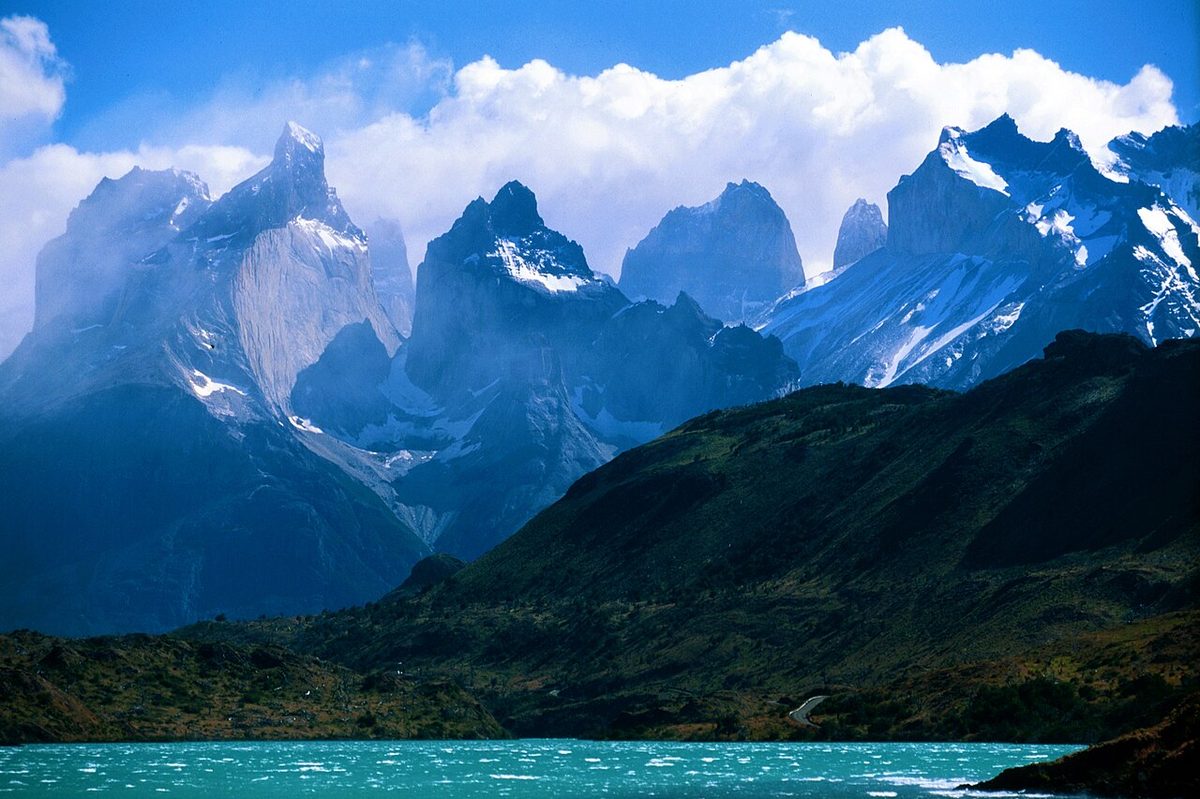
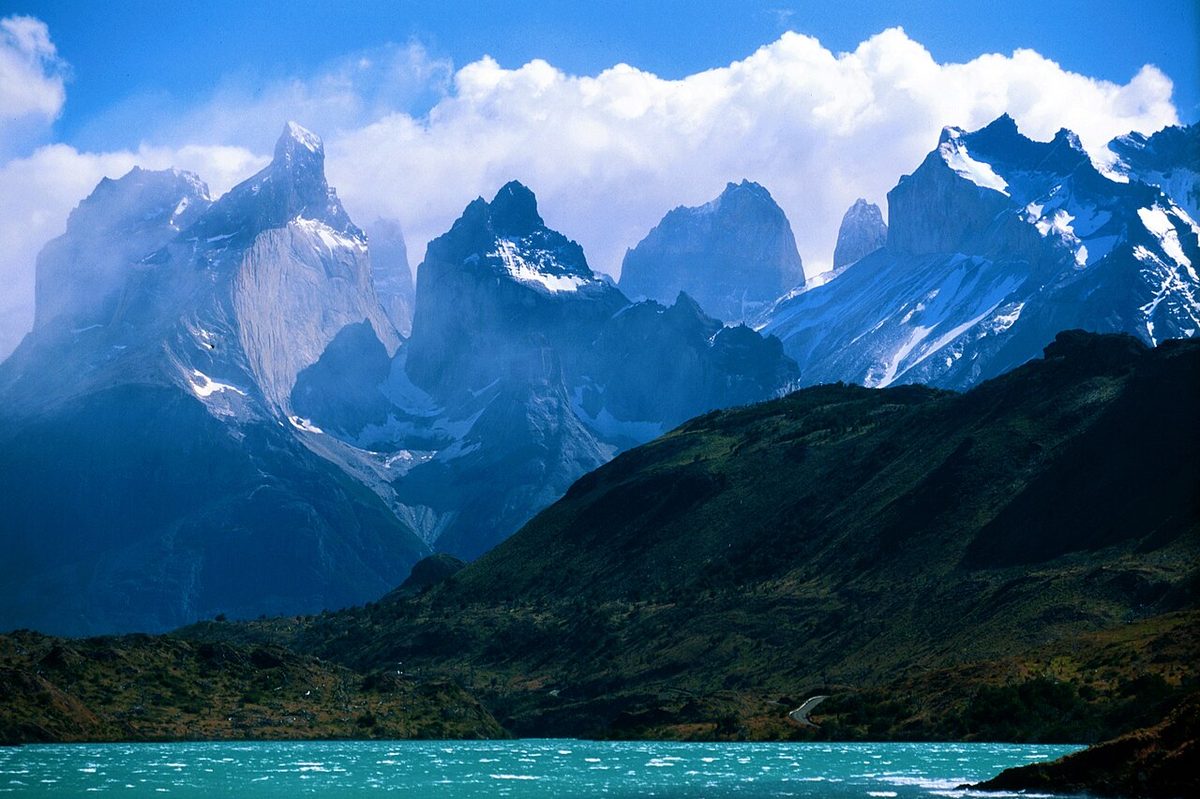
0 — 2 km Fig. 1 · The Cuernos del Paine rising above a turquoise lake in Patagonia in February under summer light · Photo: Winky from Oxford, UK / CC BY 2.0 via Wikimedia Commons
I have watched the same scene play out more than once in a Puerto Natales hostel kitchen in late February: someone unpacking a still-crisp duffel, asking the room whether they have missed the good weather because they did not come in January. They have not. February is still high summer in Patagonia, and in a lot of ways it is the month I would quietly nudge you toward over January if your dates are flexible.
That is the short version. Here is the honest, useful version.
Patagonia in February is peak southern summer: warm-for-Patagonia days, long daylight, full services, and famous trails fully open. It still runs busy and expensive, but the school-holiday crush eases late in the month, the southern parks often see the least rain of summer, and many travelers consider it the best all-round month. Book well ahead anyway.
This guide is for anyone weighing February against January or March, planning a classic southern circuit (El Calafate, El Chalten, Torres del Paine), or just trying to picture what the weather, crowds, and daylight actually feel like on the ground. If you are still choosing the month itself, start with the broader best time to visit Patagonia guide and come back here once February is on your shortlist.
Patagonia in February at a Glance
Use this before you fall in love with a specific week. It is the fastest way to set your expectations.
Factor
What February is like
Season
Peak summer (high season)
Southern parks weather
Day highs around 11-20 C, night lows around 3-9 C
Northern Patagonia weather
Warmest zone, day highs around 20-24 C
Daylight
Around 14-16 hours, but already shortening from the December peak
Wind
Strong and frequent, gusts on exposed ridges can reach around 100 km/h
Rain
Often the least rain of the summer months in Torres del Paine, but showers come hard and fast
Crowds
High; peaks early, eases in the second half as local school holidays end
Prices
Among the highest of the year
Trail access
Full; W Trek, O Circuit, and El Chalten day hikes all in season
Booking lead time
Long; refugios, rental cars, and small-town hotels should be locked in months ahead
If you only take one thing from that table, take this: February gives you nearly everything January does, with daylight quietly on the way down and crowds quietly thinning as the month goes on.
February Weather in Patagonia, Zone by Zone
The first rule of Patagonia weather is that there is no single Patagonia weather. A forecast for “Patagonia” is almost useless because the region spans Atlantic steppe, Andean granite, Pacific fjords, and sub-Antarctic islands. Visit Argentina notes that temperatures fall as you go south and that wind is a defining feature, especially in summer. February sits squarely in that windy summer.
So let me break it down the way I actually think about it: by zone. Treat every number as “around.” Patagonia does not read weather tables, and I have been rained on under a cloudless forecast more than once.
Torres del Paine and the far Chilean south
This is the cooler, wilder end of the classic circuit. In February you can expect daytime highs around 11 to 15 C, climbing to the high teens or low 20s on a kind day, with night lows around 3 to 8 C. February is often one of the drier summer months in the park, but “drier” is relative. When rain comes it tends to arrive hard and brief, blow through, and hand you a rainbow. Punta Arenas and Puerto Natales, closer to the coast, feel a touch wetter and windier than the park interior.
The wind is the headline. On exposed ridges and lake shores, gusts can reach around 100 km/h, and they do not care that it is summer. A sunny 13 C day can feel mild in a sheltered lenga forest and genuinely punishing on an open moraine. Pack and plan for that gap. For the full picture on the park, the Torres del Paine travel guide goes deeper on logistics and conditions.
El Calafate and Los Glaciares
El Calafate sits in dry, windy steppe country. February highs run around 15 to 20 C with lows around 5 to 9 C. Visit Argentina lists October through March as the ideal window and describes the climate as dry, cold, and usually windy, with summer averages near 15 C. That makes El Calafate one of the more forgiving bases in bad weather. Even if the mountains are sulking, the Perito Moreno Glacier is powerful in mixed light. See the El Calafate and Perito Moreno Glacier guide for how to spend your days.
El Chalten and Fitz Roy
El Chalten is the trekking capital and the most weather-dependent stop on most itineraries, because the whole point is the view. February highs land around 15 to 19 C with lows around 5 to 9 C. Visit Argentina describes the El Chalten climate as warm and humid with no defined dry season, noting that summer rains less but blows harder, and puts the ideal season at October through March. In plain terms: February gives you decent odds, not guarantees. Fitz Roy makes its own clouds. Give the town several nights so you have a weather buffer, which the El Chalten and Fitz Roy hiking guide explains in detail.
Northern Patagonia and the Lake District
Bariloche and the northern lakes are the warm corner of Patagonia. February highs commonly reach the low 20s C, warm enough that the lakes and rivers are genuinely swimmable, which is rarely true down south. This is the softer, greener side of a February trip, and it pairs well with a southern leg if you have the days.
Here is the detail almost every February guide skips, and it matters for planning.
February daylight is long but already shrinking. The summer solstice is in late December, so by February the days are past their peak and losing roughly a minute or two each day. In the southern parks you still get around 14 to 16 hours of usable light. In Torres del Paine in early February, sunrise is around 6:50 am and sunset around 9:15 pm, which is enormous compared with anything back home. But late February evenings are noticeably shorter than early February evenings, and by the last week you will feel dusk creeping in earlier. For long days on the W Trek or a sunset at Laguna de los Tres, that is plenty of margin. Just do not assume the endless light of the December solstice. Plan summit pushes and long traverses with the real, slightly-shorter February clock.
Wind is the other constant. I cannot overstate how much it shapes a Patagonia day. It can flatten a tent, sandblast a viewpoint, and turn a calm lake into whitecaps in twenty minutes. February is not the windiest month, but it is firmly a windy month. Trekking poles help. So does keeping a hood and a windproof layer within reach at all times, even on a bluebird morning.
Crowds and Prices in February
Let me be candid, because this is where February gets misunderstood.
February is still busy and still expensive. It is one of the high-season months, and prices for flights, hotels, rental cars, and tours sit near their annual peak. If you are budgeting, this is not the bargain corner of the calendar; for that, look at the shoulder months covered in Patagonia in March or the cost breakdowns in the rundown of Patagonia trip expenses.
But February has a quiet advantage over January, and it is about timing. Argentine and Chilean summer school holidays run roughly from Christmas to the end of February, and the crush peaks in January. As February rolls on, domestic travelers start heading home and back to school. The result is that the second half of February often feels a little less frantic than mid-January, especially in the national parks, even though prices have not really dropped yet. As Swoop Patagonia puts it, February is a good time to trek “as South American visitors head back home.”
So the pattern is: early February still feels like full peak; late February starts to exhale. If you want the calmest version of a summer trip without sliding into shoulder season, the last ten days or so of February are a sweet spot. The popular trails and viewpoints, Mirador Las Torres, Laguna de los Tres, the French Valley, will still have plenty of company, but the queues and the booking panic ease a touch.
This is the comparison most people are actually searching for, so let me give it to you straight rather than burying it.
January
February
Warmth
Warmest month of the year
Still warm, a hair cooler
Daylight
Longest, just past solstice
Long but shortening
Rain (southern parks)
A little more
Often the driest summer month
Crowds
Peak of the peak
High early, eases late
Prices
At or near annual high
At or near annual high
Vibe
Energetic, packed, festive
Classic summer, calmer late month
Booking pressure
Most intense
High but slightly less brutal late
Wildlife note
Penguin chicks, full activity
Orcas begin at Peninsula Valdes
Swipe to see all columns
Table 2
The plain-English verdict: if your single priority is the warmest possible weather and the longest possible daylight, January edges it. If you want nearly all of that with marginally fewer people, often less rain in the southern parks, and a calmer feel in the back half of the month, February is the better all-round pick for most travelers. That is why so many seasoned Patagonia hands, myself included, treat February (especially late February) as the strongest summer month for the classic circuit.
One genuine point for January: if you are chasing penguin chicks at their cutest or want the absolute maximum light for very long days, January delivers. And one genuine point for February: orca season at Peninsula Valdes begins around now. Visit Argentina notes orcas are more likely from February to May, so a February trip can fold in a wildlife angle that January does not. For the month on either side, see Patagonia in January and autumn colors and thinner crowds, or zoom out to the full Patagonia weather by month overview.
What to Book, and How Far Ahead
February is not a month to improvise the core of a trip. I have seen too many people arrive expecting to “figure out the W Trek when they get there” and end up reshuffling everything because the refugios were full.
Book these as early as you reasonably can:
Torres del Paine refugios and campsites for the W Trek or O Circuit. These are the first things to sell out, often many months ahead for February dates. The Torres del Paine W Trek and O Circuit guide walks through the booking sequence, which matters more than your flights.
Small-town hotels and hostels in El Chalten, El Calafate, Puerto Natales, and Bariloche. These towns are small and February fills them.
Rental cars, especially anything needing cross-border paperwork between Argentina and Chile.
Domestic flights to Patagonian gateways (El Calafate, Bariloche, Ushuaia, Punta Arenas). Summer seats go fast and prices climb.
For a rough order of operations, lock the trek and in-demand lodging first, then flights, then the flexible day tours. The where to stay in Patagonia guide helps you choose bases, and the full building your Patagonia itinerary helps you sequence the route so you are not backtracking. Always re-check current park rules with CONAF and the booking platforms before you commit, because seasonal requirements and navigation services can change year to year.
February opens nearly the whole menu. With long days and full services, this is when you can be ambitious. Here is what I would prioritize, depending on the kind of trip you want.
Hike the W Trek or O Circuit in Torres del Paine
This is the marquee February experience. Both routes are fully in season, the refugios are open, and the daylight gives you generous margins for long days. The W typically takes four to five days; the O Circuit runs seven to nine. Book the bunks before anything else. If multi-day trekking is not your thing, the day hike to the base of the towers (Mirador Las Torres) delivers the iconic view in a single big day. For the best months to commit to either, see the guide to picking a hiking month guide.
Chase Fitz Roy from El Chalten
El Chalten is a day-hiker’s paradise and you do not need a tour to enjoy it. The walk to Laguna de los Tres for the head-on Fitz Roy view is the classic; Laguna Torre, Loma del Pliegue Tumbado, and Laguna Capri round out a multi-day base. February’s long evenings are perfect for an after-dinner stroll to a viewpoint. Give the town three to five nights so a cloudy day does not cost you the mountain.
Stand in front of the Perito Moreno Glacier
From El Calafate, the boardwalks at Perito Moreno put you right in front of a moving wall of ice, with cracks and calving you hear before you see. Visit Argentina rates September through March as the best window. Add a boat approach or a minitrekking session on the ice for a closer angle. It is the most weatherproof headline sight in the south, which makes it a smart anchor in an uncertain forecast.
Look for wildlife
February is excellent for wildlife. Guanacos, condors, foxes, and (with luck and a guide) pumas are active in and around Torres del Paine. On the Atlantic coast, Peninsula Valdes enters orca season, and penguin colonies are still busy from the summer breeding season. Birdlife is everywhere, from flamingos to Andean condors. Keep your distance, use authorized guides where required, and let the animals set the terms.
Get on the water, or go remote
Swoop notes the northern rivers and lakes are warm enough to swim in February, and the Lake District around Bariloche is built for kayaking, rafting, and lake days. Further afield, the Carretera Austral road trip and the Patagonian fjord cruises run at full summer strength, with February being one of the driest months for the far southern islands like Puerto Williams.
Patagonia in February, Region by Region
The cleanest way to plan is to pick your region first, then shape the days around it. Here is how February treats each.
Torres del Paine
Prime time. Full trail access, open refugios, long days, and often the least rain of summer, though never zero. Crowds are real but ease late in the month. Book trek lodging far ahead and build in a weather buffer day. This is the strongest single reason many people choose a February trip.
El Chalten
Excellent for hiking, with February offering some of the better odds for a clear Fitz Roy. It rains less than spring but blows hard, so layer up and stay several nights. The town is small and books out, so do not leave lodging to chance.
El Calafate
A reliable, weatherproof anchor. The Perito Moreno Glacier shines in almost any conditions, and El Calafate connects easily by bus to El Chalten (around three hours), making the two a natural pair. Use it as your low-risk base when the mountains are moody.
Bariloche and the Lake District
The warm, green, soft-adventure side of February. Lake days, short hikes, kayaking, rafting, chocolate shops, and swimmable water. Note that January is the busier domestic-holiday month here, so February can feel a little calmer while staying warm.
Ushuaia and Tierra del Fuego
Cool even in February, but very much in season for the Beagle Channel, Tierra del Fuego National Park, and as a launchpad for late-season Antarctica voyages. Pack warm layers regardless of the calendar; the far south stays brisk.
Peninsula Valdes and the Atlantic coast
A different trip entirely, built around animals rather than mountains. February brings the start of orca season and continued penguin activity. If wildlife is your priority, plan around the coast’s calendar, not the hiking one.
Fig. 5 · Guanacos grazing on the open Patagonian steppe with mountains behind in late summerPhoto: Z3lvs / CC0 via Wikimedia Commons
Pros and Cons of Visiting Patagonia in February
To keep it honest, here is the balance sheet.
Pros
Peak-summer warmth, with the southern parks at their mildest
Long daylight, around 14 to 16 hours, for ambitious days
Full access to the W Trek, O Circuit, and all the classic day hikes
Often the driest summer month in Torres del Paine
Crowds ease in the second half as local school holidays end
Orca season begins at Peninsula Valdes
Every service, tour, and transport link is running
Cons
Among the most expensive months of the year
Still genuinely busy, especially early in the month
You must book treks, cars, and small-town hotels far ahead
Strong, frequent wind is a constant
Daylight is already shrinking from the December peak
Weather is still unpredictable; sun, rain, and gusts can share one afternoon
Who Should Visit Patagonia in February
February is a strong choice if you are a first-time visitor who wants the highest chance that everything is open and operating. It suits hikers aiming at the W Trek, the O Circuit, or a serious El Chalten itinerary, because the trails and infrastructure are all in season. It works well for families tied to a Northern Hemisphere school break, and it is genuinely good for anyone who wants the classic southern circuit with slightly softer crowds than January, especially if you can lean into the back half of the month.
I would steer you elsewhere if your top priority is saving money or dodging crowds entirely, in which case the shoulder months in Patagonia in March or late November will serve you better. And if your whole reason for the trip is whales at Peninsula Valdes, check the species calendar first, because the prime southern-right-whale window sits earlier in the year.
Patagonia in February FAQ
Is February a good time to visit Patagonia?
Yes. February is peak summer, with warm days for the region, long daylight, and full access to the famous hikes. It is busy and expensive, but the school-holiday crowds ease in the second half of the month, and the southern parks often see the least rain of summer. For many travelers it is the best all-round month.
Is January or February better for Patagonia?
January is the warmest month with the longest daylight, but also the busiest. February is still warm with long days, often drier in the southern parks, and the crowds thin late in the month as local holidays end. For most travelers wanting the classic circuit with slightly fewer people, late February edges out January.
What is the weather like in Patagonia in February?
It varies hugely by zone. Southern parks like Torres del Paine see day highs around 11 to 20 C and lows around 3 to 9 C. Northern Patagonia is warmer, in the low 20s C. Expect strong wind everywhere and unpredictable showers, even on a sunny forecast. Always pack waterproof and windproof layers.
How many hours of daylight does Patagonia get in February?
Around 14 to 16 hours in the southern parks, though daylight is already shortening from the December solstice peak. In early February, Torres del Paine sees sunrise near 6:50 am and sunset near 9:15 pm. By late February, evenings are noticeably shorter. There is still ample light for long hiking days.
Is Patagonia crowded in February?
Yes, especially early in the month, when it shares January’s peak-season demand. Popular trails and viewpoints stay busy throughout. The relief comes in the second half of February, when Argentine and Chilean school holidays end and domestic travelers head home, leaving the national parks feeling a little calmer than mid-January.
Is Torres del Paine open in February?
Yes. February is high season, so the W Trek, O Circuit, day hikes, refugios, and navigation services are all operating. It is one of the best months to visit. Book refugios and campsites far ahead, and verify current rules with CONAF and the booking platforms before you travel, as seasonal requirements can change.
What should I pack for Patagonia in February?
Layers for a wide range. Bring a windproof and waterproof shell, a warm mid-layer for cool mornings and exposed ridges, sun protection for long bright days, sturdy hiking boots, and trekking poles for the wind. Even in summer, nights drop near freezing in the south, so do not pack as if it were a warm holiday.
How far in advance should I book Patagonia for February?
As early as you can. Torres del Paine refugios and the W Trek often sell out months ahead for February dates, and small-town hotels, rental cars, and domestic flights all fill during peak summer. Lock the trek and in-demand lodging first, then flights, then flexible day tours nearer the time.
Final Thoughts
If you put a calendar in front of me and said I had to pick one summer month for a first classic Patagonia trip, I would point at February, and probably the second half of it. You get the warmth, the long days, and the wide-open access of high summer, but you also get a region that is slowly letting its breath out as the school holidays end. The towers and Fitz Roy and the great glacier are all on offer, the refugios are open, and the back-of-month crowds are kinder than January’s.
None of that makes February foolproof. The wind will still find you, the rain will still gatecrash a sunny afternoon, and the prices will still make your eyes water. But that is Patagonia in any month. Plan around the weather instead of against it, book the important pieces early, and February will give you about as good a version of a Patagonia summer as the calendar allows. Pack the windproof. Stay an extra night where the views matter. And do not believe anyone who tells you that you missed it by not coming in January.
Images are sourced from Wikimedia Commons under their respective licenses (CC BY, CC BY-SA, or public domain). Each photo links to its source page and author on Wikimedia Commons.