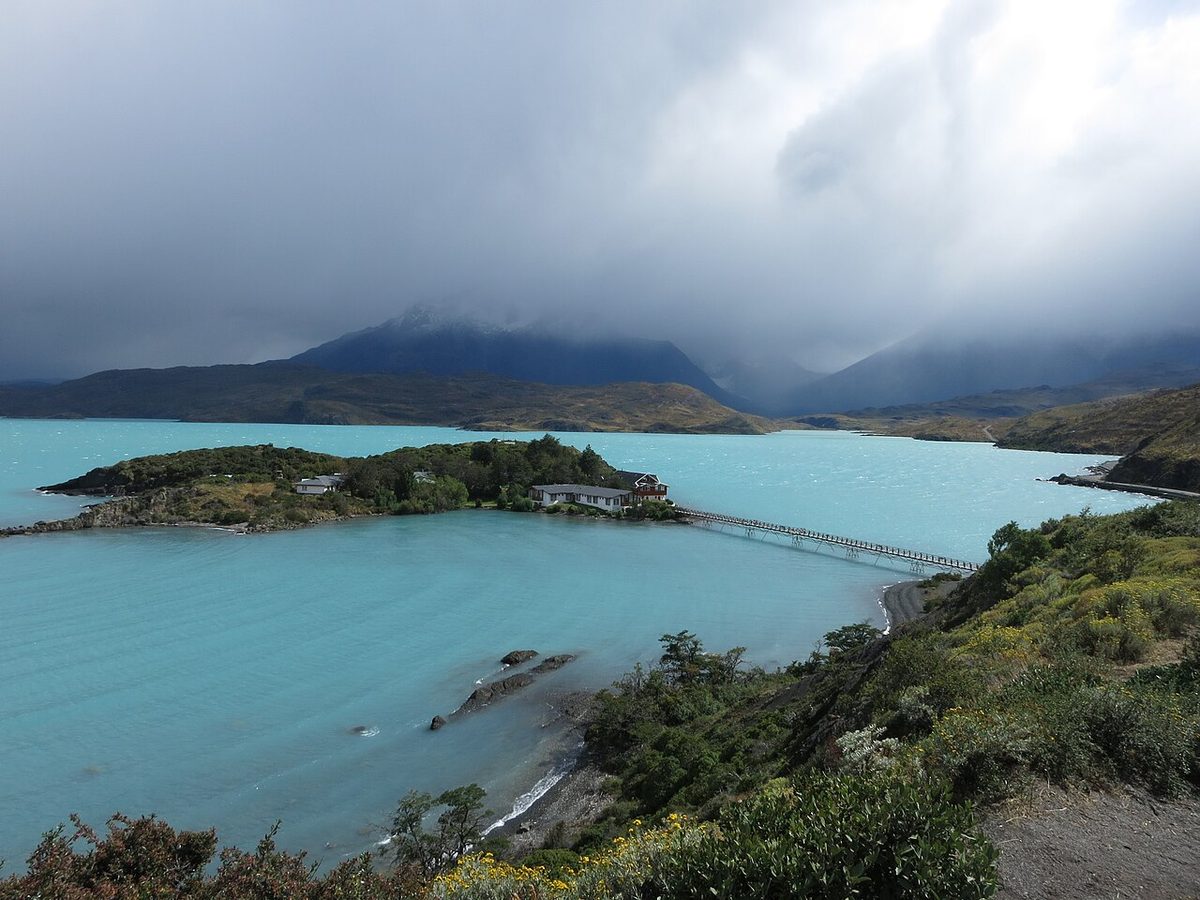
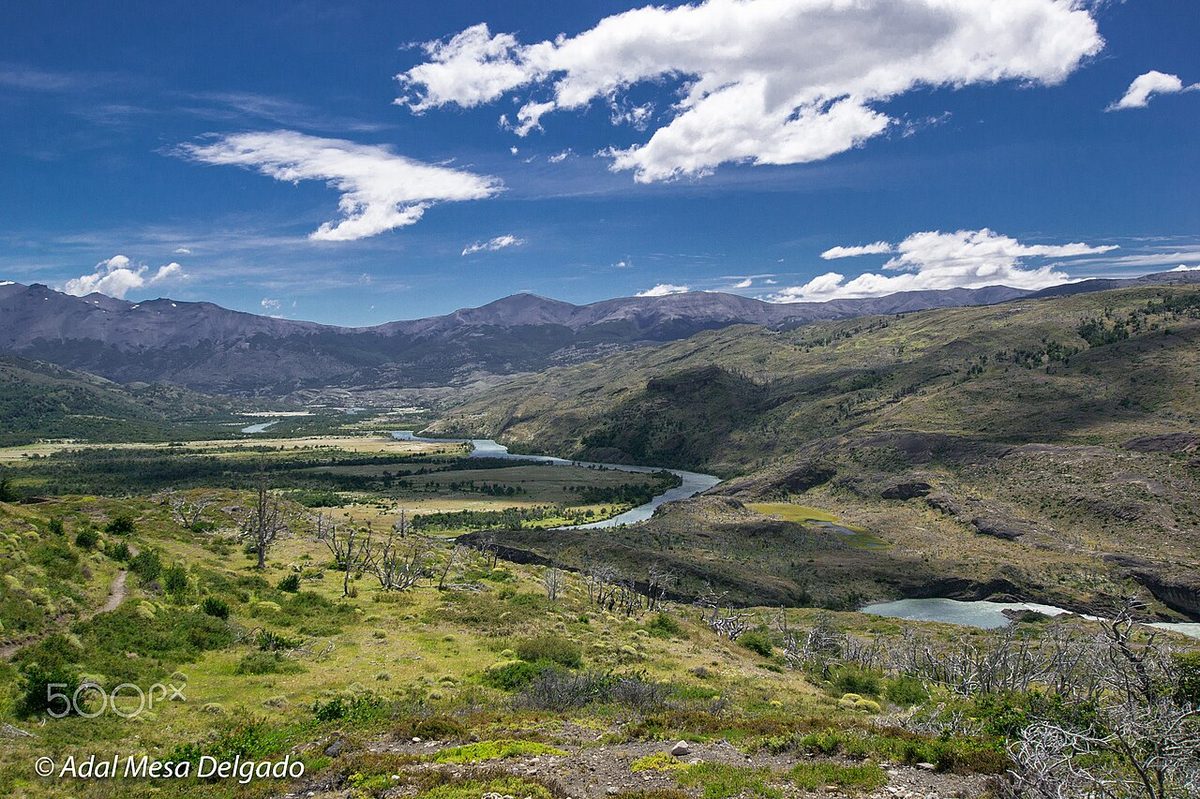
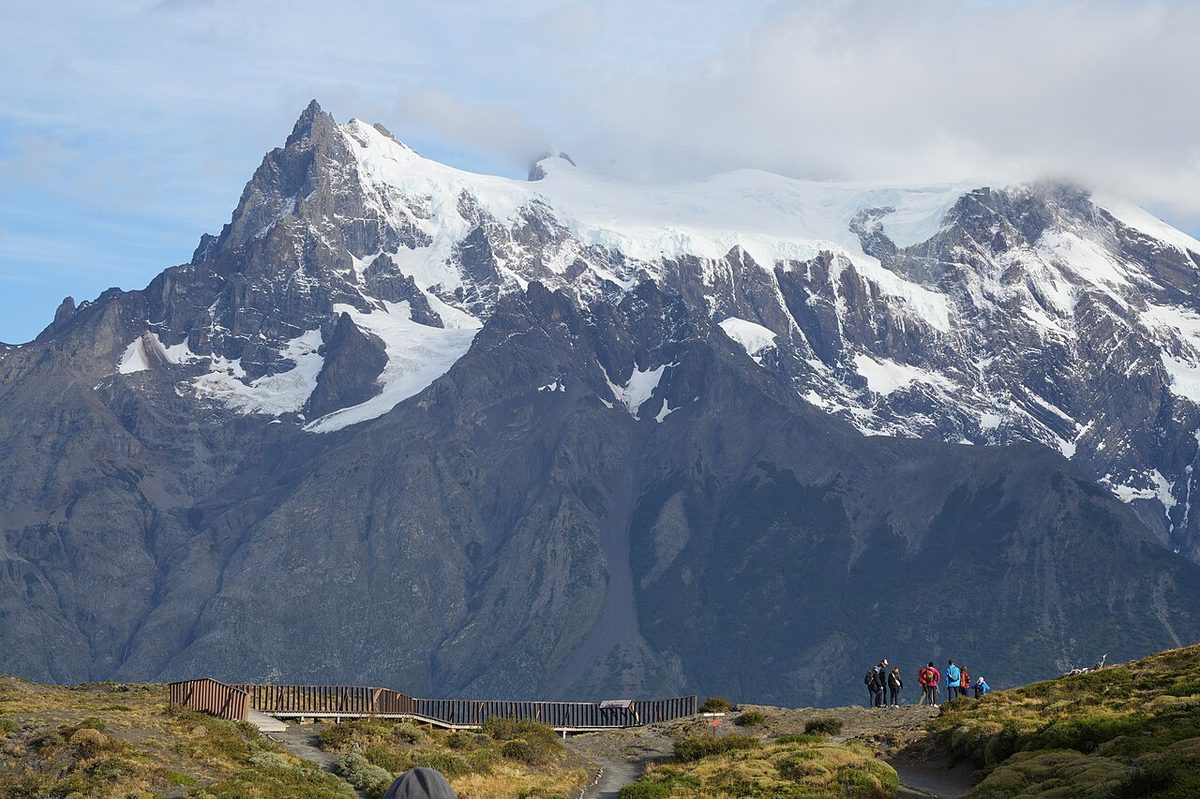
The W Trek in Patagonia is famous enough that it can start to feel like a requirement. You decide you are going to Torres del Paine, and suddenly everyone has an opinion: hike the W, skip the W, do the O Circuit, book refugios, camp to save money, go guided, go self-guided, start east, start west, bring food, buy full board, reserve six months out, avoid January, do Base Torres at sunrise, do not underestimate the wind.
Some of that advice is useful. Some of it is just someone else’s trip trying to become yours.
This guide is here to help you decide what actually fits.
The W Trek is the classic multi-day route in Torres del Paine National Park in Chilean Patagonia. Chile Travel describes it as a 5-day, 70 km route through the park’s major highlights: Base Torres, French Valley, and Grey Glacier. It is the most popular trek in the park because it gives a big Patagonian payoff without requiring the full time and commitment of the O Circuit.
The O Circuit is the longer loop around the Paine Massif. It includes the W side plus the quieter northern/backside sections, usually over 7 to 9 trekking days for most hikers. It is more remote, more weather-exposed, more demanding logistically, and more satisfying for the right person. It is also not automatically “better.” It is better if you want the full commitment.
The honest answer is that the W Trek is best for most first-time Patagonia hikers with limited time. The O Circuit is best for stronger hikers with more days, more tolerance for camping/logistics, and a real appetite for the park’s remote side. Day hikes are best for travelers who want Torres del Paine without locking every night to refugio or campsite availability.
If you are still deciding whether Torres del Paine belongs in your broader trip, start with the Torres del Paine travel guide and the Patagonia itinerary planner. If your dates are flexible, read Best Time to Visit Patagonia before booking trek nights.
Last fact-check: May 26, 2026. Official sources checked include CONAF Torres del Paine, Pases Parques, Chile Travel W Trek, and Chile Travel Puerto Natales.
Quick Answer: W Trek vs O Circuit
Choose the W Trek if you have 4 to 6 trekking days, want the most famous Torres del Paine highlights, prefer more services, want the option of refugio beds or supported camping, and do not need the full remote loop. For most first-time Patagonia hikers, this is the right choice.
Choose the O Circuit if you have 7 to 10 trekking days, are comfortable with longer multi-day hiking, want a quieter and more remote route, and understand that the backside of the park has fewer comforts and stricter seasonal constraints. The O is not just “more W.” It is a different commitment.
Choose day hikes instead if you want Base Torres, Grey Glacier views, Mirador Cuernos, French Valley segments, or park viewpoints without booking every night on trail. This can be the smartest choice if refugios are sold out, your budget is tight, your group has mixed fitness, or you want weather flexibility.
| Choice | Typical time | Best for | Main tradeoff |
|---|---|---|---|
| W Trek | 4 to 5 trekking days | First-time trekkers, iconic highlights, limited time | Crowded, expensive, booking-dependent |
| Slow W Trek | 6 days | Hikers who want more buffer and less rush | More nights to book |
| O Circuit | 7 to 9 trekking days | Strong hikers, solitude, full loop, John Gardner Pass | Harder, longer, more seasonal |
| Day hikes | 2 to 5 days | Flexibility, non-campers, mixed groups | Less continuous trek feeling |
| Guided trek | 4 to 9 days | Low-stress logistics, safety, winter/shoulder travel | Higher cost |
| Self-guided trek | 4 to 9 days | Independent hikers, budget control | You own the planning and decisions |
If you are asking, “Can an average fit person do the W Trek?” the answer is usually yes, with preparation, realistic pacing, and good gear. If you are asking the same about the O Circuit, the answer is more conditional. The O asks more from your legs, your weather judgment, and your tolerance for days when continuing is not optional because your next reservation is ahead of you.
Table of Contents
- What Is the W Trek?
- What Is the O Circuit?
- Which Trek Should You Choose?
- Current Rules and Seasonal Closures
- How to Book the W Trek or O Circuit
- W Trek Itinerary Options
- O Circuit Itinerary Shape
- Refugios and Campsites
- Guided vs Self-Guided
- Difficulty, Food, Gear and Safety
- Alternatives
- FAQs
What Is the W Trek?
The W Trek is the classic multi-day hike in Torres del Paine National Park. The route gets its name from the shape it makes on a map as it moves through three main arms of the park: the Towers area, French Valley, and Grey Glacier.
The standard version takes about 5 days. Chile Travel lists the W as 70 km over 5 days and highlights three major sights: Base Torres, French Valley, and Grey Glacier. That is the simple version. The planning version is more complicated because the W is a linear route with multiple possible starts, accommodation sectors, bus connections, boat crossings, and route variations.
The big highlights are:
- Base Torres: the iconic viewpoint below the granite towers.
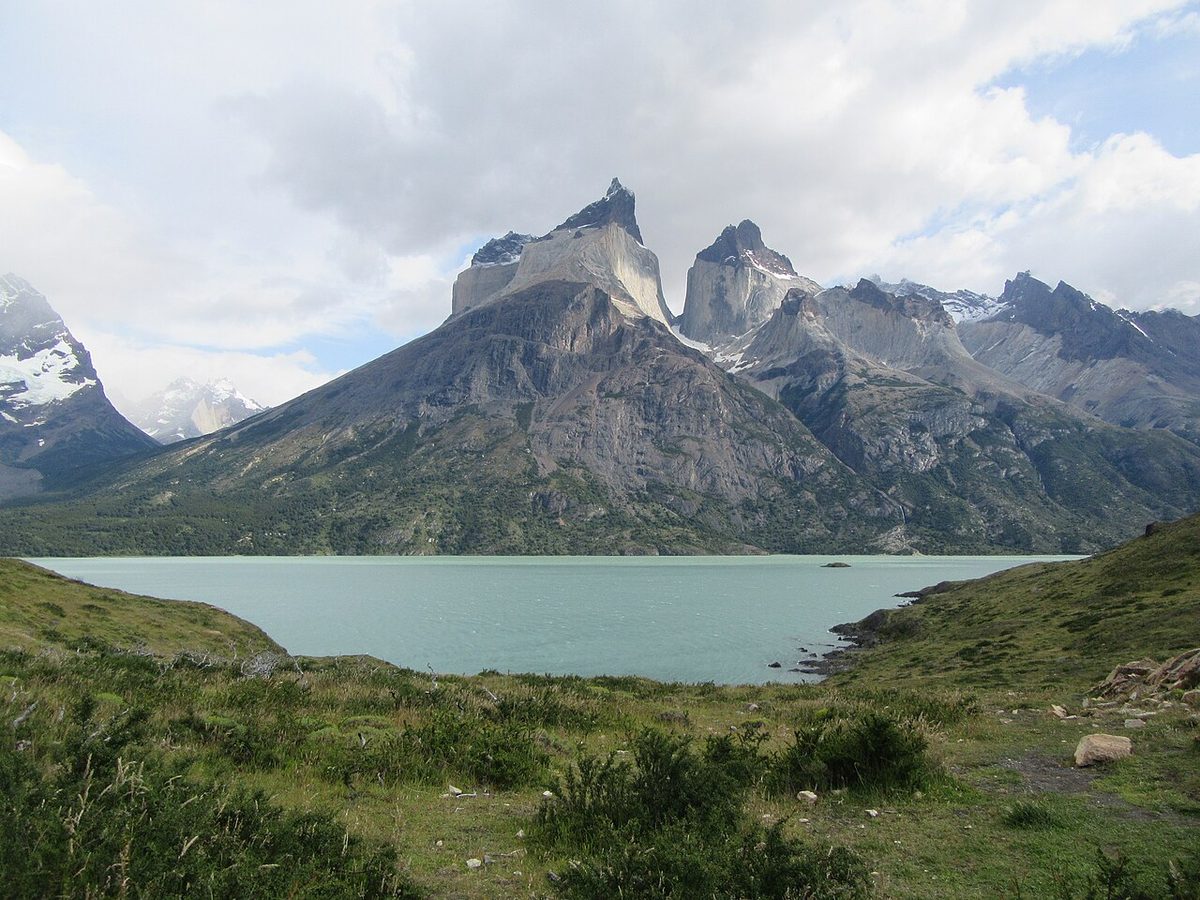
- Lake Nordenskjold and the Cuernos area: the middle walking section with constant mountain and lake views.
- French Valley: the central mountain amphitheater, often with hanging glaciers and dramatic weather.
- Paine Grande: a major hub for the west side of the trek.
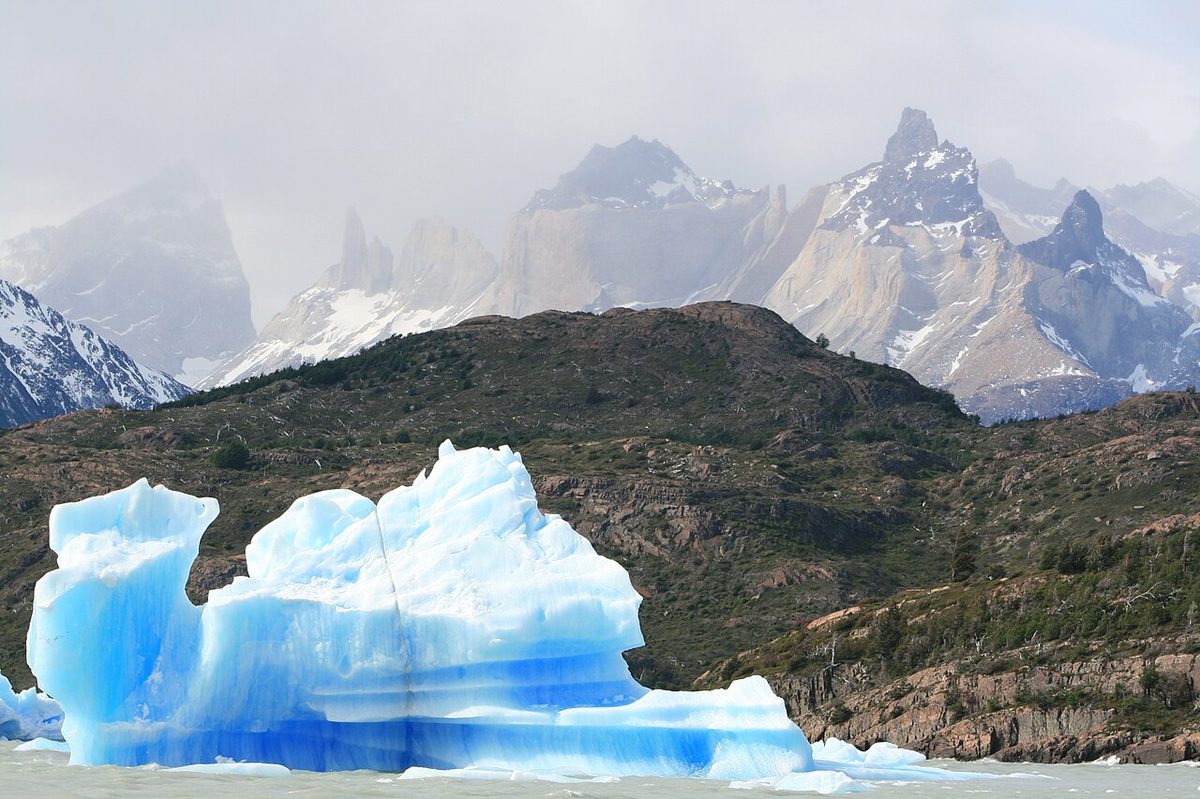
- Grey Glacier: glacier viewpoints and optional boat/kayak/ice activities depending on season and operator.
The W Trek is popular because it is accessible compared with the O Circuit. That does not mean it is easy. It still means consecutive long hiking days, wind, rain, route decisions, fixed lodging, sore feet, and the mental grind of waking up and walking again even when the forecast is not friendly.
The W works best if you want a real trek but do not want to carry full expedition weight or disappear into the remote backside of the park. It is a good middle ground: wild enough to feel like Patagonia, structured enough that prepared independent hikers can manage it.
What Is the O Circuit?
The O Circuit, also called the Paine Massif Circuit or Macizo Paine route, is the longer loop around Torres del Paine. It includes the W Trek section and adds the northern/backside of the massif.
This is the route for hikers who look at the W Trek and think, “I want the quieter side too.”
The O generally includes sectors such as Seron, Dickson, Los Perros, the John Gardner Pass area, Grey, Paine Grande, Frances/Cuernos, Chileno/Central, and Base Torres depending on exact route, openings, and bookings. The names matter because your itinerary is not abstract. It is a chain of reservations.
The biggest differences from the W:
- The O is longer.
- The O is more remote.
- The O has more camping dependence.
- The O includes the John Gardner Pass, which can be serious in bad weather.
- The O has stricter seasonal availability.
- The O feels less crowded on the backside, then joins the busier W side.
If the W is the classic route, the O is the full commitment. For the full route, campsites, permits and difficulty, see the O Circuit Patagonia guide. I would not choose the O just because it sounds more impressive. I would choose it because I wanted the extra days outside, had the fitness and experience, and understood that the backside can be a different kind of Patagonia: quieter, harder, and less forgiving.
Which Trek Should You Choose?
The question is not “Which trek is better?” It is “Which trek matches the trip you can actually do well?”
Choose the W Trek if:
- You have 4 to 6 trekking days.
- This is your first multi-day Patagonia trek.
- You want the major Torres del Paine highlights.
- You prefer more services and people nearby.
- You want refugio beds or pre-set tents as an option.
- You are fitting Torres del Paine into a 10 to 14 day Patagonia itinerary.
- You would rather spend extra days in El Chalten, El Calafate, or elsewhere than spend 9 days on one loop.
Choose the O Circuit if:
- You have 7 to 10 trekking days plus buffer time.
- You are comfortable with repeated long hiking days.
- You want a quieter and more immersive route.
- You are prepared for more remote weather decisions.
- You can book all required camps/refugios.
- You specifically want the backside, Dickson/Los Perros area, and John Gardner Pass.
- You are okay with a bigger commitment and fewer easy exits.
Choose day hikes if:
- You do not want to sleep in refugios or campsites.
- Refugio/campsite availability is poor.
- Your budget does not fit the W.
- Your group has mixed fitness.
- You want flexibility around weather.
- You prefer a lodge or Puerto Natales base.
- You want Torres del Paine plus El Chalten without overloading the trip.
This is a place where ego can quietly ruin a trip. The W is not “Torres del Paine Lite.” The O is not automatically the more authentic choice. Day hiking is not a failure. The right route is the route that lets you enjoy the park instead of fighting your own expectations for a week.

Current Rules and Seasonal Closures
Before you book anything, check current official park information.
The official sources are CONAF Torres del Paine and Pases Parques. As of the CONAF page checked on May 26, 2026, official information for Torres del Paine is available through those two sources.
CONAF Notice Checked May 26, 2026
The CONAF notice checked on May 26, 2026 included several important access updates:
- Base Torres required an authorized guide from April 27 through August 30, 2026.
- The W mountain circuit was listed as closed during June and July.
- Visitor crossings by navigation on Grey and Pehoe lakes were listed as suspended for route connections.
- The O Circuit closure was advanced through October 31, 2026.
- Visitors were directed to winter activity regulations for the park.
Those details are date-specific. Do not copy them blindly for another season. Use them as proof that rules can change, especially in winter and shoulder season.
If you are hiking in peak summer, your main risks are not usually closures. They are weather, wind, availability, transport timing, and physical preparation. If you are hiking outside peak summer, current rules become central. A route that was possible last year may be guide-only, closed, or logistically broken this year.
CONAF also reminds visitors that Torres del Paine is a protected wild area where mountain help may take several hours in an emergency. That is not a throwaway safety line. It is the difference between “I am tired” and “I need to make a conservative decision now.”
How to Book the W Trek or O Circuit
The W Trek and O Circuit should be booked in a specific order. If you do this backwards, the whole trip becomes harder.
Step 1: Choose Your Season
For most hikers, the best trekking season is November through March. December through February gives the strongest access and longest days, but also the highest demand. March can be an excellent balance of access, lower crowds, and autumn light. October, November, and April require more caution. Winter requires a specific guided or rule-checked plan.
Use Best Time to Visit Patagonia before choosing dates if you still have flexibility.
Step 2: Choose W, O, or Day Hikes
Do not book random nights before you know the route. Decide whether you are hiking:
- 4-day W.
- 5-day W.
- 6-day slower W.
- O Circuit.
- Day hikes based from Puerto Natales, Rio Serrano, or inside the park.
This choice determines accommodation, transport, food, gear, and how many Puerto Natales nights you need.
Step 3: Pick a Direction
The W can be hiked east to west or west to east. The O is normally done in a set direction when open, following park rules and operator logistics.
East-to-west W logic:
- Start with the Base Torres side.
- Get the hardest or most famous view early.
- Finish toward Grey/Paine Grande.
- Works well with Chile Travel’s standard route shape.
West-to-east W logic:
- Start near Grey/Paine Grande.
- Build toward Base Torres as a finale.
- Some hikers prefer this psychological rhythm.
- Boat/catamaran timing becomes especially important.
I would choose direction based on availability first, then transport, then personal preference. Do not get so attached to an ideal direction that you lose the only available itinerary.
Step 4: Reserve Refugios and Campsites
This is the heart of the planning.
Chile Travel says it is mandatory to have refugio and campsite reservations before arriving at Laguna Amarga, and recommends booking months ahead because spaces are limited. In peak season, think in months, not weeks.
The booking system can involve multiple operators and platforms. The common practical split is that Las Torres Patagonia and Vertice Patagonia operate different sectors and services, while some booking platforms aggregate route options. Operators, policies, names, prices, and availability can change, so verify directly before payment.
Your reservation type may include:
- Refugio dorm bed.
- Simple campsite with your own gear.
- Fully equipped camping or premium camping.
- Tent rental.
- Sleeping bag or mat rental.
- Full board, half board, or individual meals.
- Box lunch.
Read exactly what is included. “Camping” can mean very different things depending on the product.
Step 5: Buy Park Pass and Check Entry Rules
Use Pases Parques and CONAF guidance for official ticketing and entry information. Keep an offline copy and bring the ID/passport used for booking.
Step 6: Book Puerto Natales Nights
You usually want at least one night in Puerto Natales before the trek and one after. Chile Travel positions Puerto Natales as the gateway to Torres del Paine, and practically it is where you rent gear, buy food, confirm transport, and sleep before an early start.
Do not skip the pre-trek night to save money if it means you arrive tired, miss gear rental hours, or start the trek with unresolved logistics.
Step 7: Arrange Transport
Transport depends on route direction. You may need:
- Bus from Puerto Natales to Laguna Amarga.
- Shuttle/connector to the Las Torres area.
- Catamaran or boat connection when operating.
- Bus from Pudeto or another exit point back to Puerto Natales.
- Private transfer if schedules do not fit.
Chile Travel notes the W is linear, not circular. That matters. You do not necessarily finish where you started.
Step 8: Finalize Food and Gear
Once you know accommodation type, you can choose food and gear. Do not buy or pack before you know what you booked. A full-board refugio trek and a self-supported camping O Circuit are not the same packing problem.
This is the point where a vague dream becomes a real booking sequence: sleep, food, route direction, transport, and gear all need to match.
W Trek Itinerary Options
There is no single W Trek itinerary. There are route shapes. For a full day-by-day breakdown of the 4-day, 5-day and 6-day routes, see the W Trek itinerary guide.
The names below are planning models, not live availability guarantees. Always check current route status, campsite/refugio availability, boat operations, and CONAF notices.
5 Day W Trek: Classic East to West
This is close to the official Chile Travel structure.
Day 1: Puerto Natales to Torres del Paine, overnight Central/Torres area.
This is your entry and settling-in day. Travel from Puerto Natales, register as required, transfer toward the Las Torres area, and organize gear.
Day 2: Base Torres hike, return to Central/Torres area.
This is a long, demanding day. Start early. Weather decides the mood of the day, not your hopes.
Day 3: Hike toward Cuernos or Frances sector.
You move along Lago Nordenskjold with views toward the Cuernos. This is one of those days that can look moderate on paper and feel big if the wind is up.
Day 4: French Valley, then continue toward Paine Grande.
Leave your large pack where permitted and conditions allow, then hike into the valley. Some hikers go only to Mirador Frances; others continue toward Britanico if time, weather, and legs fit. Continue to Paine Grande.
Day 5: Grey Glacier area, then exit.
Hike toward Grey Glacier viewpoints and return toward Paine Grande for the catamaran/bus exit when operating, or use your booked route plan.
Why it works: It covers the classic highlights without making every day brutally long.
Who it suits: Most first-time W Trek hikers who can secure bookings.
5 Day W Trek: West to East
Day 1: Puerto Natales to Paine Grande/Grey side.
Day 2: Grey Glacier area.
Day 3: Paine Grande to Frances/Cuernos via French Valley option.
Day 4: Frances/Cuernos to Chileno/Central area.
Day 5: Base Torres and exit.
Why it works: Base Torres becomes the finale, which some hikers love.
Main caution: Boat and bus timing must fit. Do not build this route on a connection you have not verified.
4 Day W Trek
A 4-day W is possible, but it is compressed. It usually means longer days, fewer buffers, and harder decisions about how far into French Valley or Grey you go.
Choose a 4-day W only if:
- You are fit.
- Availability forces it.
- You accept less flexibility.
- You understand the transport timing.
- You are not trying to make every viewpoint at all costs.
For many travelers, adding one more day makes the route much better.
6 Day W Trek
A 6-day W can be excellent if you want less rush, more weather tolerance, and a gentler mental rhythm. It may let you add a night near Grey, give French Valley more space, or reduce the pressure to hike big mileage every day.
The downside is that you need one more night of scarce and often expensive accommodation. But if this is your big Patagonia trek, the extra day can be worth more than an extra destination squeezed into the same trip.
Choose the version that fits your available nights and walking style, then protect the start and finish with Puerto Natales logistics.
O Circuit Itinerary Shape
The O Circuit is a full-loop trek, and the exact day-by-day plan depends heavily on open sectors and booked nights. Do not use a generic itinerary if the current season has closures or changed access rules.
A common planning shape is:
Day 0: Puerto Natales preparation.
Day 1: Enter park and hike to first backside sector.
Day 2: Continue along the northern side.
Day 3: Dickson area.
Day 4: Los Perros area.
Day 5: John Gardner Pass and descent toward Grey.
Day 6: Grey area.
Day 7: Paine Grande and French Valley section.
Day 8: Cuernos/Frances to Torres/Central area.
Day 9: Base Torres and exit or overnight depending route.
Some hikers compress the O. Some take longer. I would rather see someone build a conservative O than an overpacked spreadsheet. The backside deserves respect, and weather can make a scheduled pass day feel much more serious.
The O Circuit is best if the route itself is the trip. If you are trying to fit the O into a Patagonia itinerary that also includes Bariloche, Ushuaia, El Chalten, Perito Moreno, and the Carretera Austral in two weeks, the problem is not the O. The problem is the plan.
Only choose the O if you want the commitment that comes with it: more nights, more weather exposure, more logistics, and fewer easy exits.
Torres del Paine Refugios and Campsites
Refugios and campsites are not just where you sleep. They are the skeleton of your trek. For how to choose and book each night, see the W Trek refugios and campsites guide.
Common W Trek sectors include:
- Central / Torres area.
- Chileno, when available for your route and product type.
- Cuernos.
- Frances.
- Paine Grande.
- Grey.
Common O Circuit sectors can also include:
- Seron.
- Dickson.
- Los Perros.
- Paso or related backside sectors when open and bookable.
Names, availability, operators, products, and rules change. Always book from current operator information, confirmed route logic, and official park notices.
Refugio Bed
A refugio bed usually means a dorm-style bed in a mountain lodge. It may or may not include bedding depending on booking type. Meals are often available as add-ons or packages.
Best for:
- Hikers who do not want to carry camping gear.
- Colder sleepers.
- Travelers with a bigger budget.
- People who want a simpler packing list.
Main downside:
- Expensive and limited.
- Less solitude.
- Still basic by hotel standards.
Simple Campsite
A simple campsite may mean you bring your own tent, sleeping bag, mat, and cooking setup if allowed by that sector’s rules.
Best for:
- Budget travelers.
- Experienced campers.
- O Circuit hikers carrying more gear.
Main downside:
- More weight.
- More exposure to wind/rain.
- More setup effort after long days.
Fully Equipped or Premium Camping
Fully equipped camping usually reduces what you carry because the tent and sometimes sleep system are already provided. The exact inclusions vary.
Best for:
- Hikers who want to camp but not carry everything.
- Travelers balancing cost and comfort.
- First-time campers who do not want full self-supported weight.
Main downside:
- More expensive than bring-your-own camping.
- You still sleep outside.
- “Premium” does not mean immune to weather.
Meals and Food Packages
Food choices can change your pack weight and budget dramatically.
Options may include:
- Full board.
- Half board.
- Breakfast only.
- Box lunch.
- Buy-as-you-go snacks where available.
- Bring your own food.
- Cook in permitted areas if allowed and equipped.
Full board is expensive, but it can make the trek much easier. Carrying your own food saves money, but it adds weight and planning. A hybrid approach often works: buy some meals, carry snacks and lunches, and avoid overpacking.
Before committing, ask:
- Is bedding included?
- Is the tent included?
- Are meals included?
- Is cooking allowed at that sector?
- Is hot water available?
- What time is check-in/check-out?
- What happens if weather or transport delays you?
- Is cancellation or date change possible?
Food is part of the route plan, not an afterthought. Confirm meals, cooking rules, and resupply options sector by sector before you decide how light your pack can be. For meal plans, groceries and cooking rules, see the W Trek food guide.
Self-Guided vs Guided W Trek
The W Trek is often done self-guided in the main season by prepared hikers. That does not mean everyone should do it self-guided.
Self-Guided W Trek
Best for:
- Independent hikers.
- Travelers comfortable reading maps, weather, and trail signs.
- People who want more budget control.
- Hikers who can handle booking complexity.
What you are responsible for:
- Booking every night.
- Park pass.
- Transport.
- Meal decisions.
- Gear.
- Weather judgment.
- Turning around when needed.
- Handling delays or missed connections.
The trail itself is not the hardest navigation problem for most hikers in normal summer conditions. The system is the hard part.
Guided W Trek
Best for:
- Travelers who want lower-stress logistics.
- Hikers traveling in winter or shoulder season.
- People who value safety support and local interpretation.
- Groups with mixed experience.
- Anyone who does not want to coordinate multiple bookings.
Main downside:
- Cost.
- Less independence.
- Fixed group rhythm.
Booking Through an Agency or Platform
There is also a middle category: self-guided packages or booking platforms. These can solve the fragmented reservation problem without giving you a guide on the trail.
This can be worth it if:
- You are short on time.
- You find the booking system confusing.
- You need help finding available route combinations.
- You are willing to pay a service fee to reduce friction.
It may not be worth it if:
- You are very budget sensitive.
- You enjoy detailed logistics.
- You can book directly with operators and verify everything yourself.
The real decision is how much risk and admin you want to carry yourself. A self-guided trek can be satisfying; a guided trek can buy back time, certainty, and support. For a deeper cost, safety and booking comparison, see self-guided vs guided W Trek.
Difficulty, Food, Gear and Safety
The W Trek is hard enough to respect and accessible enough that many reasonably fit travelers can do it. That combination is exactly why people sometimes underestimate it.
How Hard Is the W Trek?
The W Trek difficulty comes from:
- Consecutive hiking days.
- Long distances.
- Wind.
- Rain.
- Rocky or muddy trail sections.
- Carrying a pack.
- Fixed accommodation nights.
- Mental fatigue.
Base Torres can be a hard day. French Valley can become much longer if you push toward Britanico. Grey can be exposed and weather-dependent. The hike is not technical mountaineering for most summer hikers, but it is not a casual walking holiday.
You should be able to hike several hours per day, manage uneven terrain, and repeat effort after sleeping in basic accommodation. Train with a loaded pack if you plan to carry one.
For a deeper prep article, see the W Trek difficulty guide.
How Hard Is the O Circuit?
The O Circuit is harder because it adds time, remoteness, weather exposure, and the backside. The John Gardner Pass area is the major psychological and physical difference for many hikers. In poor weather, pass days can feel serious.
The O is not just a fitness question. It is an experience question. Are you comfortable with longer commitment, rougher conditions, fewer easy exit points, and more nights on trail? If yes, it can be extraordinary. If no, choose the W and enjoy it without apology.
What to Pack
Your W Trek packing list depends on what you booked, but the basics are consistent:
- Waterproof/windproof shell.
- Warm mid-layer.
- Base layers.
- Hiking pants.
- Hat, gloves, buff.
- Broken-in hiking boots or shoes.
- Camp shoes or sandals if desired.
- Trekking poles.
- Pack with rain cover or liner.
- Dry bags.
- Headlamp.
- Power bank.
- Sunscreen and sunglasses.
- Refillable water bottle.
- First aid basics.
- Blister care.
- Personal medication.
- Offline maps.
- Printed/offline booking confirmations.
If camping independently, add tent, sleeping bag, sleeping pad, stove/cooking plan where allowed, food, and repair basics. If staying in refugios with meals, your pack can be much lighter. For the full clothing, footwear and what-to-rent breakdown, see the W Trek packing list.
Use the broader Patagonia Hiking, Camping, Gear and Safety Guide to sanity-check your clothing, footwear, sleep system, and safety kit.
Weather and Safety
Patagonia weather is not background information. It is an active part of the route.
Safety habits:
- Check CONAF notices before starting.
- Respect closures and guide requirements.
- Start early on big days.
- Do not chase viewpoints in dangerous wind or low visibility.
- Carry layers even if the morning looks calm.
- Keep reservations and ID accessible.
- Tell someone your route.
- Stay on marked trails.
- Do not cook or camp outside permitted areas.
- Give wildlife space.
- Turn around when conditions justify it.
One of the harder parts of a booked trek is that your accommodation is ahead of you. That can pressure people into continuing when they would rather stop. Build conservative route choices where possible, and do not let sunk costs make safety decisions.
How Much Does the W Trek Cost?
W Trek costs vary too much by season, operator, accommodation type, meals, currency, and booking method to give one evergreen number responsibly.
The big cost drivers are:
- Park pass.
- Transport from Puerto Natales.
- Catamaran or boat connections when used.
- Refugio beds versus campsites.
- Pre-set camping versus bring-your-own camping.
- Meals or full board.
- Gear rental.
- Guided or self-guided package.
- Puerto Natales nights before and after.
- Travel insurance.
The cheapest version is usually simple camping with your own gear and food, booked directly where possible. The easiest lighter-pack version is refugios or fully equipped camping with meals, which costs much more. Guided versions cost more again, but they remove logistics and add support.
Do not compare someone’s old campsite-only price with your full-board refugio package and assume you are being overcharged. You may be buying a different product.
Use the Patagonia Trip Cost and Budget Guide before finalizing the budget.
W Trek Alternatives
If the W Trek is sold out, too expensive, too rigid, or not the right fit, you still have good options. For a full menu of day hikes, shorter routes and other treks, see W Trek alternatives.
Day Hikes in Torres del Paine
You can build a strong day-hiking trip with:
- Base Torres.
- Mirador Cuernos.
- Mirador Condor.
- Grey area viewpoints.
- Short waterfall and lake walks.
- Scenic drives.
This is often better for travelers who want flexibility around weather. It also works well for people staying in Puerto Natales, Rio Serrano, or a lodge near the park.
Use Best Hikes in Torres del Paine and Base Torres Hike Guide.
Shorter W Sections
If you cannot book the full W, consider a partial route. Maybe you spend a night near Grey, hike a French Valley section, or prioritize Base Torres and a separate Grey day. This is less elegant than a full W on paper, but it can be a better trip if it fits your real constraints.
Other Patagonia Treks
If you have flexibility, compare with El Chalten. The El Chalten and Fitz Roy Hiking Guide is especially relevant for hikers who want big scenery without a refugio booking system.
A Lodge-Based Torres del Paine Trip
A lodge-based trip can include guided hikes, scenic drives, wildlife, and boat trips without you managing every campsite. It is expensive, but for some travelers it is the right use of money.
This is the better choice when you want Torres del Paine scenery without letting trek logistics control the whole Patagonia trip.
How to Fit the W Trek into a Patagonia Itinerary
The W Trek does not sit politely inside every Patagonia itinerary. It takes over the schedule.
For a 10 day Patagonia trip:
- 1 night Puerto Natales prep.
- 4 to 5 days W Trek.
- 1 night Puerto Natales recovery.
- Add only El Calafate/Perito Moreno if logistics are clean.
For a 2 week Patagonia trip:
- El Calafate for Perito Moreno.
- El Chalten for 2 to 3 hiking days.
- Transfer to Puerto Natales.
- W Trek.
- Recovery/departure buffer.
For a 3 week Patagonia trip:
- Add Bariloche, Ushuaia, or Peninsula Valdes before or after the southern route.
The common mistake is adding the W Trek and then refusing to remove anything else. If the W takes 5 days, it takes 5 days. It also needs prep, transport, and recovery. A trek is not just the hours your watch records.
Use the Patagonia itinerary planner before deciding what to cut.
Common W Trek and O Circuit Mistakes
The first mistake is booking flights before trail accommodation. For the W and O, refugios and campsites often determine the route.
The second mistake is underestimating cost. The W can be expensive even without a guide if you choose refugios, full board, gear rental, and paid transport.
The third mistake is overpacking. Carrying too much makes every day worse. Carrying too little can be dangerous. Pack for your actual booking, not someone else’s.
The fourth mistake is treating a 4-day W like a normal 5-day W with better time management. It is a compressed version with real tradeoffs.
The fifth mistake is choosing the O Circuit for status. The O is better only if you want the longer remote route.
The sixth mistake is ignoring current CONAF notices. Official rules beat internet memory.
The seventh mistake is assuming guided equals weak or self-guided equals brave. They are planning styles, not character traits.
The eighth mistake is giving yourself no Puerto Natales buffer. That town is not just an airport waiting room. It is the staging area.
Suggested Internal Reading Path
If you are at the beginning of planning, use these guides first:
- Torres del Paine Travel Guide
- Best Time to Visit Patagonia
- Patagonia Itinerary Planner
- How to Get to and Around Patagonia
- Patagonia Trip Cost and Budget Guide
- Patagonia Hiking, Camping, Gear and Safety Guide
If you are pairing the trek with Argentina, plan the glacier and Fitz Roy side with the El Calafate and Perito Moreno Glacier Guide and the El Chalten and Fitz Roy Hiking Guide.
For broader park planning, return to the Torres del Paine Travel Guide. For accommodation tradeoffs beyond the trek itself, use Where to Stay in Patagonia.

.jpg).jpg).jpg).jpg).jpg)
W Trek and O Circuit FAQ
How long is the W Trek in Patagonia?
Chile Travel lists the W Trek as a 70 km route usually done over 5 days. Some hikers do shorter 4-day versions, while others choose a slower 6-day itinerary for more buffer and less rush.
How many days do you need for the O Circuit?
Most hikers plan 7 to 9 trekking days for the O Circuit, plus at least one preparation night in Puerto Natales and ideally a recovery or buffer night afterward. The exact itinerary depends on current openings and campsite/refugio availability.
Is the W Trek hard?
The W Trek is moderately hard to hard for most travelers. It is not technical mountaineering in normal summer conditions, but it involves consecutive long hiking days, wind, rain, uneven terrain, and fixed accommodation nights. Reasonably fit hikers can do it with preparation.
Is the O Circuit harder than the W Trek?
Yes. The O Circuit is longer, more remote, more weather-exposed, and usually requires more camping/logistics. It includes the W side plus the northern/backside of the Paine Massif and the John Gardner Pass area when open.
Do you need a guide for the W Trek?
In the main summer season, prepared hikers often do the W Trek self-guided with reservations, park pass, and proper gear. Guides may be required for specific routes or seasons, especially winter/shoulder periods, and are useful for safety, logistics, and lower-stress travel. Always check current CONAF rules.
Can you camp anywhere on the W Trek or O Circuit?
No. You must stay in designated and reserved refugios or campsites. Wild camping is not the model for these routes. Book all required nights before entering the park.
When should you book W Trek refugios and campsites?
Book as early as possible once your travel dates are known, especially for December through March. Chile Travel recommends booking months ahead because capacity is limited. Six months or more is a useful planning target for peak periods, but exact release dates and availability vary.
Is east-to-west or west-to-east better for the W Trek?
Neither direction is universally better. East-to-west starts with the Torres side and often follows the classic official route shape. West-to-east builds toward Base Torres as a finale. Choose based on availability, transport timing, weather strategy, and personal preference.
Can you do the W Trek without camping?
Yes, if you can book refugio beds or other supported accommodation options for each night of your route. Availability is limited and expensive compared with simple camping, so book early.
What happens if the W Trek is sold out?
If the W Trek is sold out, consider different dates, a different direction, simple camping instead of refugios, a guided/self-guided package, a partial W route, or day hikes from Puerto Natales, Rio Serrano, or in/near park lodging.
Official Sources and Image License Notes
This article uses official destination and park sources for planning facts:
- CONAF – Torres del Paine National Park
- Pases Parques
- Chile Travel – Torres del Paine W Trek
- Chile Travel – Puerto Natales
- Chile Travel – Patagonia
Images are sourced from Wikimedia Commons under their respective licenses (CC BY, CC BY-SA, or public domain). Each photo links to its source page and author on Wikimedia Commons. Hero image: Pedro Szekely from Los Angeles, USA / CC BY-SA 2.0 via Wikimedia Commons.