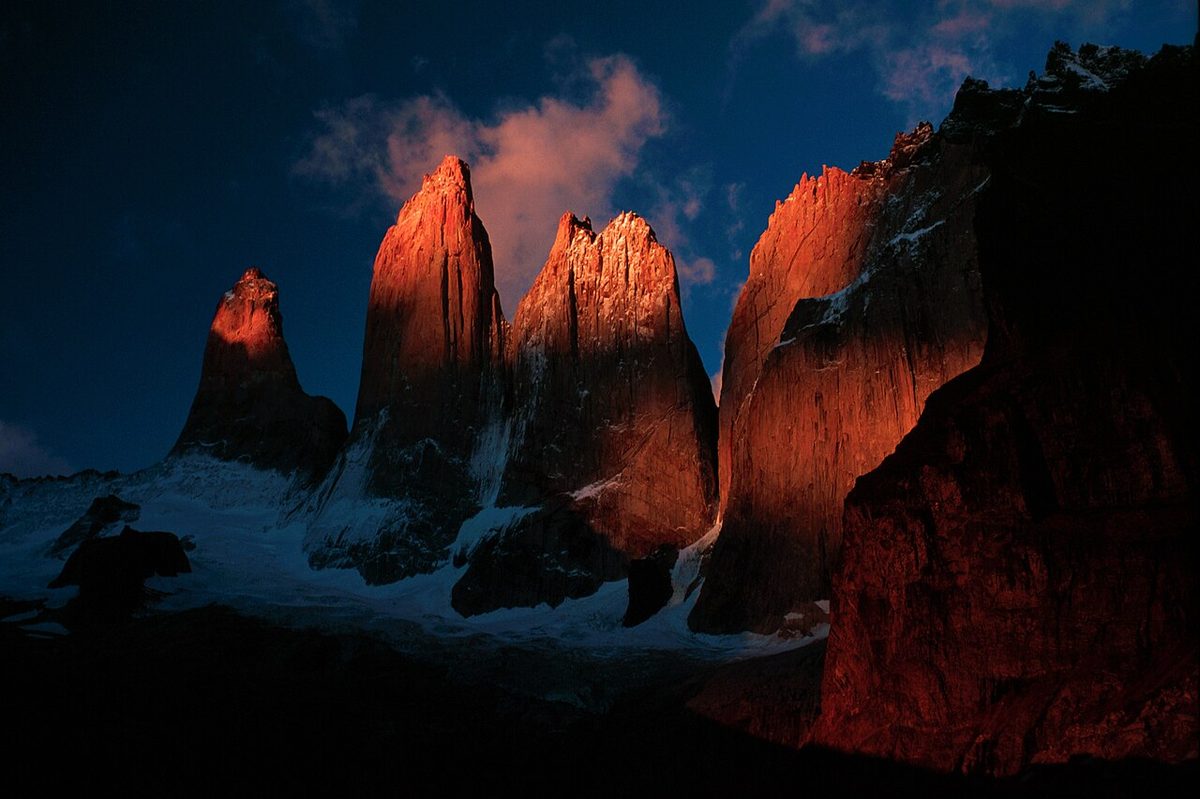
The easiest way to pack badly for Patagonia is to ask for one Patagonia packing list.
That sounds backwards, because everyone wants the list. I understand that. You are staring at weather forecasts that make no sense, photos of people wearing puffy jackets in summer, warnings about wind, trekking forums full of pack shakedowns, and park rules that change by country, season, trail, and campsite. A list feels like relief.
But Patagonia does not care about the list.
Patagonia cares whether you are day hiking from El Chalten, sleeping in refugios on the W Trek, carrying a tent on the O Circuit, walking the Perito Moreno Glacier boardwalks, driving the Carretera Austral, hiking around Bariloche in summer, visiting Ushuaia in shoulder season, or trying to squeeze one big hike into a forecast that is already turning against you.
Those are not the same packing problem.
This guide starts with that reality. It gives you a practical Patagonia hiking and camping framework first, then the gear lists. It covers clothing layers, footwear, day packs, trekking packs, camping gear, refugio packing, food, water, stove rules, gear rental, winter/shoulder-season changes, and safety decisions that matter more than shaving 200 grams from your pack.
It also grounds the advice in current official park guidance. That matters. Patagonia is not a theme park with dramatic weather. It is a remote region of protected areas where rescue can take time, cell signal can disappear, fires are a real threat, and some routes require registration, reservations, authorized guides, or seasonal closures.
If you are still choosing where to hike, start with the Patagonia itinerary planner, the Best Time to Visit Patagonia, and the destination guide for your route. If you are trying to budget gear, transport, rental, and trek costs, use the Patagonia Trip Cost and Budget Guide as well.
Last fact-check: May 27, 2026. Hiking rules, campsite systems, winter requirements, ferry/boat access, fire restrictions, and trail closures can change. Before you hike or camp, recheck official park notices, local visitor centers, weather, and current route conditions.
Quick Answer: Patagonia Hiking Essentials
For most Patagonia hiking trips, the core packing system is:
| Category | What you need | Why it matters |
|---|---|---|
| Wind/rain shell | Hooded waterproof shell, ideally wind-resistant enough for exposed ridges | Wind and sideways rain are normal trip-shaping forces |
| Warm layer | Fleece or active insulation plus a puffy jacket for stops/camp | You can get cold quickly when you stop moving |
| Base layers | Wicking tops, hiking underwear, socks; thermal base if cold/trekking | Cotton becomes miserable when wet |
| Footwear | Broken-in hiking shoes or boots suited to your route | Blisters and poor traction ruin days |
| Sun protection | Sunglasses, sunscreen, cap or brimmed hat, buff | Southern sun and wind exposure are easy to underestimate |
| Navigation | Offline map, route info, paper/map backup where appropriate | Cell signal is weak or absent in many areas |
| Safety basics | Headlamp, first aid kit, whistle, emergency layer, extra food | Delays are normal; darkness is not a plan |
| Food/water | Enough for the day plus margin; know refill options | Many trails have no services |
| Camping/trek gear | Only if your route actually requires it | Refugio, equipped camping, and self-camping lists differ |
| Documents/reservations | Park pass, campsite/refugio booking, registration, ID | Some routes and camps require proof or advance booking |
The big rule is simple: pack for your route, not for Patagonia as a brand.
If you are day hiking in El Chalten in summer, you need a good day-hiking system, layers, food, water, navigation, and weather margin. You probably do not need a full trekking pack.
If you are doing the W Trek with refugio beds and meals, your pack can be much lighter than a self-supported camper’s pack, but you still need serious weather gear.
If you are camping independently, your shelter, sleep system, stove plan, food, and campsite rules become central.
If you are hiking in winter or shoulder season, traction, daylight, guide requirements, and route status matter more than a generic packing checklist.
And if you are going into the mountains alone, late, underdressed, or without current trail information, your problem is not gear. Your problem is judgment.
Table of Contents
- Patagonia Hiking Is Not One Thing
- Best Hiking Regions
- Choose Gear by Trip Type
- Day Hiking Packing List
- Trekking and Refugio Packing List
- Camping Gear List
- Clothing and Layers
- Footwear, Poles and Traction
- Food, Water and Cooking
- Safety
- Camping Rules
- Guide or No Guide
- Seasonal Gear
- Gear Rental
- FAQ
Patagonia Hiking Is Not One Thing
Patagonia hiking ranges from easy boardwalks to multi-day treks where the weather can make the route feel much bigger than the map suggests.
On one end, you have lower-effort walks: Perito Moreno Glacier walkways, short Bariloche viewpoints, lakefront paths, Beagle Channel and Tierra del Fuego forest trails, waterfall viewpoints in Torres del Paine, and scenic stops where the “hike” is really a walk with a view.
In the middle, you have the day-hiking classics: Laguna de los Tres, Laguna Torre, Loma del Pliegue Tumbado, Base Torres, Mirador Cuernos, Cerro Llao Llao, Cerro Campanario, Cerro Otto, Martial Glacier area, and Carretera Austral park trails.
Then you have multi-day treks: the W Trek, O Circuit, Huemul Circuit, Cerro Castillo, hut-to-hut or campsite routes around Bariloche, and more remote crossings that require stronger skills, better weather judgment, and sometimes permits, guides, or registrations.
The mistake is treating all of those as one category.
A person walking the Perito Moreno Glacier walkways needs warm clothing, wind protection, sun protection, and shoes with traction, but not a trekking tent. A W Trek refugio hiker needs trail-ready clothing, rain gear, and sleep/lodge logistics, but may not need a stove or tent. A Huemul Circuit hiker needs a different level of navigation, exposure tolerance, and self-sufficiency. A winter Base Torres attempt in 2026 is not the same as a summer Base Torres day hike, because current CONAF notices require an authorized guide from April 27 through August 30, 2026.
That is why this guide starts with trip type.
Best Patagonia Hiking Regions
Use this section to match your gear to the place.
El Chalten and Los Glaciares North
El Chalten is the easiest Patagonia hiking base to love. Many famous trails start from town or nearby trailheads, and the scenery-to-logistics ratio is excellent. The main day hikes include Laguna de los Tres, Laguna Torre, Loma del Pliegue Tumbado, Mirador de los Condores, and shorter Fitz Roy viewpoints.
The simplicity is real, but it is not permission to be casual.
Argentina National Parks’ Los Glaciares recommendations say weather can change suddenly, visitors should check route and trail conditions, carry warm waterproof clothing and trekking footwear, and remember that cell signal can be weak or absent. For the northern zone, APN says remote routes and climbing require registration at the El Chalten visitor center or online, hikers should stay on authorized trails, carry water, food, extra warmth, sunglasses, headlamp, and sunscreen, and plan to return before dark.
That is the El Chalten truth: easy access, serious weather.
Use the El Chalten and Fitz Roy hiking guide for trail selection and how many days to stay.
Torres del Paine
Torres del Paine is more regulated, more exposed, and more booking-dependent.
You can visit as a day hiker, W Trek hiker, O Circuit hiker, guided traveler, lodge-based traveler, photographer, or scenic driver. Your gear changes by style, but the wind and rules do not go away.
CONAF’s Torres del Paine page currently lists important 2026 notices: Base Torres requires an authorized guide from April 27 through August 30, 2026; the W mountain circuit is closed during June and July; the O/Macizo Paine circuit is closed until October 31, 2026; and visitors are directed to official CONAF and Pases Parques sources for updated conditions. Those notices are exactly why you should never copy an old trek report without checking the park.
For broader park planning, use the Torres del Paine travel guide. For the W and O specifically, use the W Trek and O Circuit guide.
Bariloche and Northern Patagonia
Bariloche feels gentler than southern Patagonia, but it still has real mountain rules.
The city infrastructure makes it easy to underestimate the terrain. You can eat chocolate downtown and then, the next day, be on a trail with changing weather, limited signal, steep forest, or alpine exposure.
Nahuel Huapi National Park’s trekking guidance says trekking registration is mandatory and free. It also advises hikers to choose routes matching their ability, stay on marked trails, respect the declared itinerary, check weather and trail closures, expect areas with no cell signal, and carry a map, compass, headlamp, food, water, dry spare clothing, sunglasses, sunscreen, hat, first aid kit, knife, stove, trash bag, and whistle.
That is not a cute list. It is the difference between a casual lake district walk and a mountain day.
Use the Bariloche and Northern Patagonia guide if this is your route.
Ushuaia and Tierra del Fuego
Ushuaia hiking is cold, forested, wet, and often more complicated than the “End of the World” branding suggests.
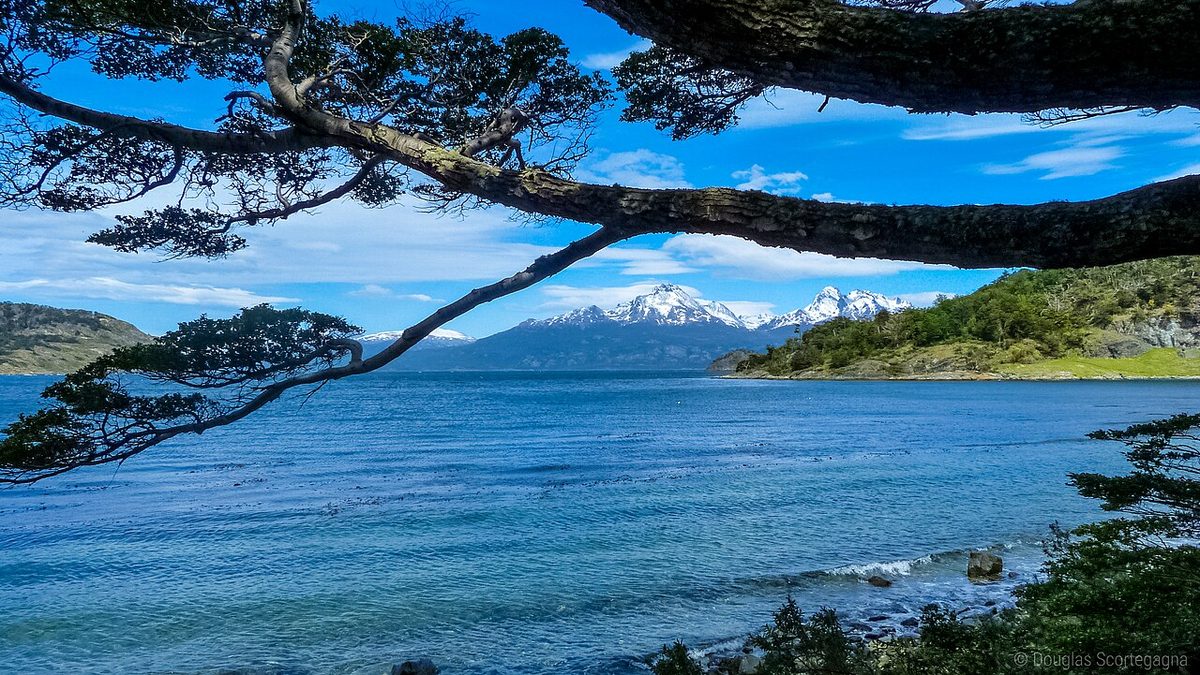
Tierra del Fuego National Park has easy boardwalks, coastal routes, forest trails, lakes, and options for guided excursions. Outside the park, hikes like Martial Glacier and Laguna Esmeralda can be excellent, but weather and mud matter.
Ushuaia Tourism’s Tierra del Fuego National Park page says the park has trails of different difficulty levels that are clearly marked, and that travelers can explore independently or join guided excursions with mountain experts. It also states that stoves or other combustion elements are permitted only in camping areas and that online camping registration has been mandatory since November 20, 2023.
Use the Ushuaia and Tierra del Fuego guide before deciding whether Ushuaia is a hiking stop, wildlife stop, winter stop, or Antarctica buffer.
Carretera Austral and Aysen
The Carretera Austral is less about one famous trek and more about a sequence of parks, trails, ferries, gravel roads, and weather.
Pumalin, Queulat, Cerro Castillo, Patagonia National Park, Marble Caves side trips, Futaleufu, and the Baker area all have different logistics. Rain gear matters more here than many travelers expect because Chilean Patagonia is wet, especially west of the Andes.
If you are road-tripping, your hiking gear and vehicle gear start to overlap: dry bags, spare footwear, fuel planning, camp cooking, ferry buffers, and a way to dry clothes.
Use the Carretera Austral road trip guide and Patagonia Road Trips, Ruta 40 and Border Crossings before trying to pack for this as if it were only a hiking trip.
Choose Gear by Trip Type
This is the section I wish more packing lists started with.
| Trip type | Pack focus | Usually unnecessary |
|---|---|---|
| Scenic walking/non-hiking trip | Comfortable shoes, wind/rain layer, warm layer, sun protection | Technical camping gear |
| Day hiking from towns | Daypack, layers, food/water, map/offline navigation, headlamp, first aid | Full trekking pack unless training |
| Refugio trek | Weather layers, sleep items if required, trail clothes, compact toiletries, documents | Tent/stove if meals/shelter are included |
| Equipped camping trek | Weather layers, sleep liner/items per booking, personal gear, food if not included | Your own tent if campsite provides one |
| Independent camping trek | Tent, sleep system, stove plan, food, repair kit, navigation, bigger pack | Extra town clothes |
| Winter/shoulder hiking | Traction, poles, warmer layers, guide/route checks, shorter-day planning | Summer assumptions |
| Road-trip camping | Car-friendly camp kit, dry storage, kitchen box, fuel/water strategy | Ultralight obsession |
The question is not “What should I pack for Patagonia?” It is:
- Where am I hiking?
- What month is it?
- Am I sleeping in town, refugios, equipped camps, my own tent, or a vehicle?
- Do I need to carry food?
- Are fires or stoves allowed where I plan to cook?
- Is the trail open?
- Is registration required?
- Is a guide required or smart?
- What happens if the weather closes my main plan?
Answer those first. Then pack.
Patagonia Day Hiking Packing List
For most travelers, this is the most useful list. Even W Trek hikers spend some days carrying a smaller day load from camp or refugio.
Daypack
Use a 20 to 30 liter daypack for most Patagonia day hikes. It should fit layers, food, water, first aid, camera, headlamp, and rain gear without being packed like a brick. A hip belt helps if you carry camera gear or extra layers.
Bring:
- Rain cover or internal dry bag.
- Small organizer for first aid and emergency items.
- Easy-access pocket for gloves, hat, sunscreen, and snacks.
Clothing in the Pack
Carry:
- Waterproof/windproof shell.
- Warm midlayer.
- Puffy jacket or warm backup layer, especially for long hikes or cold seasons.
- Hat and gloves.
- Buff or neck gaiter.
- Spare dry socks on longer or wet hikes.
- Optional rain pants for exposed, wet, or cold days.
Do not decide the layer list based only on how warm you feel at the trailhead. Decide based on how cold you will be if you stop moving for 30 minutes in wind.
Food and Water
Carry:
- Enough water for the trail and conditions.
- Trail lunch.
- Salty snacks.
- Quick sugar or energy snack.
- Extra food beyond the scheduled day.
- Water treatment if the route requires it or if you are unsure.
Some Patagonia trails have streams. Some do not. Some have services near the start but none once you leave town. Research the specific route.
Safety and Navigation
Carry:
- Offline map.
- Route description.
- Headlamp with charged batteries.
- Small first aid kit.
- Blister care.
- Whistle.
- Sun protection.
- Emergency contact info.
- Power bank if relying on phone navigation.
- ID, card/cash, park ticket/reservation if required.
Argentina National Parks explicitly recommends carrying a headlamp, extra warm clothing, food, water, sunglasses, and sunscreen in the Los Glaciares north-zone hiking context. That official list is boring in exactly the right way.
Patagonia Trekking and Refugio Packing List
A multi-day trek is not just several day hikes in a row. Your pack has to support tired decisions, bad sleep, wet clothes, changing weather, and route commitments.
For a refugio or hut-style trek, bring:
- 35 to 50 liter backpack, depending on inclusions.
- Waterproof pack liner or dry bags.
- Trail outfit.
- Base layer for sleeping.
- Warm midlayer.
- Puffy jacket.
- Waterproof shell.
- Rain pants or wind pants if appropriate.
- Hat, gloves, buff.
- Hiking socks plus sleep socks.
- Lightweight camp shoes or sandals if useful.
- Toiletries and quick-dry towel.
- Headlamp.
- First aid and blister kit.
- Power bank.
- Earplugs.
- Sleep liner if required.
- Documents/reservations.
- Snacks and lunches if not included.
- Water bottles or bladder.
What you do not bring depends on what you booked.
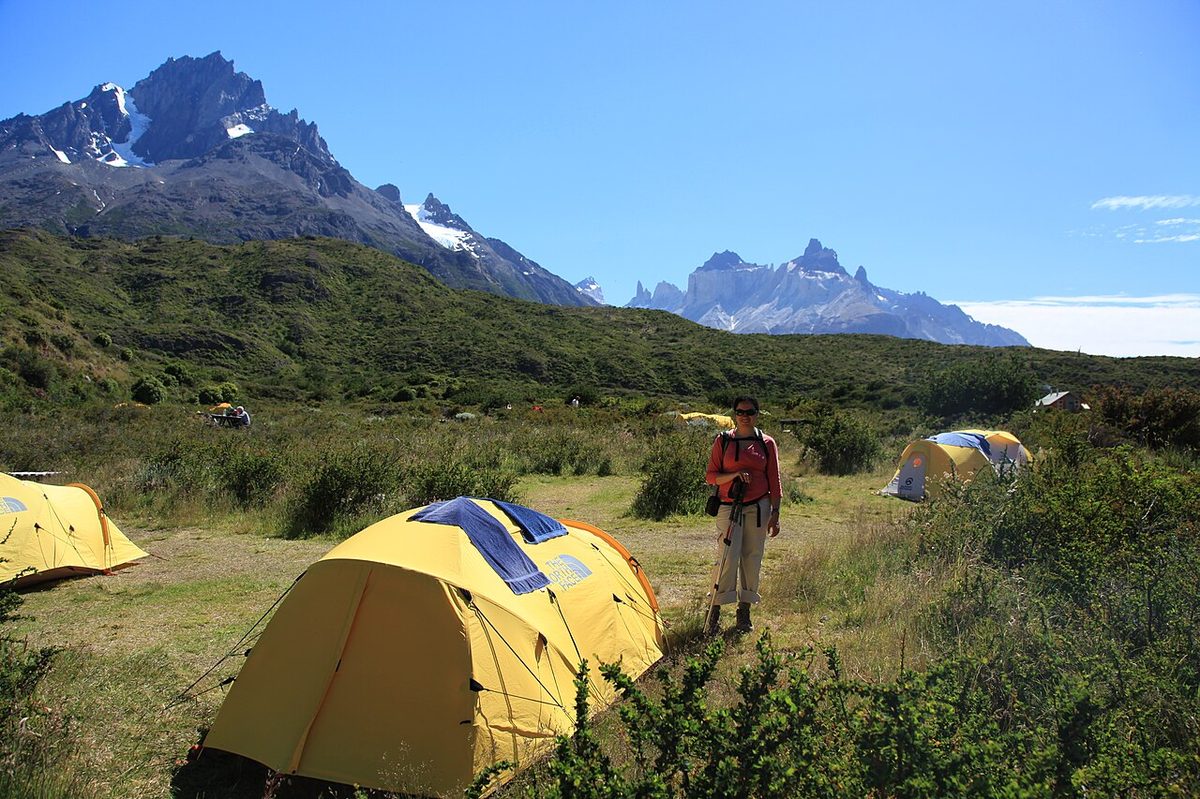
If your W Trek booking includes a refugio bed, bedding, and meals, your pack can be much lighter. If you booked campsite only, you may need a sleeping bag, sleeping pad, tent, and food depending on the campsite arrangement. If you booked fully equipped camping, you need to verify exactly what “equipped” means.
Do not pack for the W Trek before you know what your reservations include. That is how people carry a sleeping bag they do not need or arrive without one they do.
Patagonia Camping Gear List
Independent camping in Patagonia asks more from your gear and your judgment.
Bring:
- Trekking backpack, usually 50 to 70 liters depending on route and food.
- Strong tent appropriate for wind.
- Full rainfly and guylines.
- Stakes suited to the ground, plus repair cord.
- Sleeping bag rated for expected lows with margin.
- Sleeping pad with enough insulation.
- Stove allowed by local rules.
- Fuel compatible with local availability and rules.
- Lighter and backup ignition.
- Cook pot and eating kit.
- Water treatment.
- Food storage.
- Repair kit: tape, cord, patch kit, multitool.
- Trash bags.
- Dry bags or pack liner.
- Headlamp and spare power.
- First aid and blister kit.
- Navigation backup.
The two big camping questions are:
- Is camping allowed where I want to sleep?
- Is cooking allowed where I want to cook?
In Los Glaciares north, APN says the De Agostini, Capri, and Poincenot camps require reservations and that fire is not allowed in that zone, with only gas stoves allowed in authorized camping areas under supervision. In Torres del Paine, CONAF says camping is allowed only in enabled areas and cooking is authorized only with stoves that do not use vegetal material as fuel, in specially enabled camp/camping areas. In Tierra del Fuego National Park, Ushuaia Tourism says combustion elements are allowed only in camping areas and online camping registration is mandatory.
That is why “wild camping in Patagonia” is not a single legal category. It depends on the park, country, zone, season, and current rule.
.jpg)
What to Wear Hiking in Patagonia
Patagonia clothing is a layering system, not a fashion problem.
Base Layer
Choose synthetic or merino wool. Avoid cotton for hiking. Cotton holds moisture and can make you cold when wind rises or the temperature drops.
Bring:
- Wicking short-sleeve or long-sleeve hiking shirt.
- Thermal top for cold conditions or sleeping.
- Thermal bottoms if trekking, camping, shoulder season, or winter.
- Hiking underwear.
- Sports bra if relevant.
Long sleeves are underrated. They help with sun, wind, insects in some places, and temperature swings.
Midlayer
Your midlayer is usually a fleece, grid fleece, light synthetic layer, or active insulation. It should work while moving, not only at camp.
A simple fleece is often more useful than a heavy sweater because it dries faster and layers better.
Insulation
Bring a puffy jacket for cold mornings, windy viewpoints, camp, refugio evenings, and unexpected stops. Synthetic insulation is more forgiving when damp; down is warmer for weight if protected from moisture.
For day hikes, a light or midweight puffy can be enough depending on season. For camping, shoulder season, winter, or colder travelers, bring more warmth.
Shell
Your shell is non-negotiable.
Bring a hooded waterproof jacket that can handle wind. This is not the place for a weak poncho. In Patagonia wind, ponchos can become a sail. A real rain shell with a good hood, cuffs, and hem is much better.
Rain pants are optional for some summer day hikers and useful for:
- Multi-day treks.
- Windy exposed routes.
- Shoulder season.
- Cold rain.
- Carretera Austral.
- Camp life.
Lower Body
Good options:
- Hiking pants.
- Softshell pants for colder/windier routes.
- Leggings/tights only if durable and warm enough for the route.
- Shorts only as an option, not the whole plan.
Many travelers hike in pants even in summer because of wind, sun, brush, and temperature swings.
Hands, Head and Face
Bring:
- Warm hat.
- Sun hat or cap.
- Buff/neck gaiter.
- Lightweight gloves.
- Warmer gloves for cold, wet, windy, or shoulder-season trips.
Your hands can get cold fast when you stop for photos or lunch.
Sun Protection
The sun is stronger than people expect.
Bring:
- Sunglasses.
- Sunscreen.
- Lip balm with SPF.
- Hat or cap.
- Buff or neck protection.
Visit Argentina’s Perito Moreno page recommends a hooded windbreaker, gloves, scarf, jacket, trainers or trekking footwear, sunglasses, and UV 40 sunscreen for the glacier area. That advice is useful beyond the glacier: wind plus sun is a Patagonia combination.
Footwear, Poles and Traction
Hiking Boots or Trail Runners?
You do not automatically need heavy boots for every Patagonia hike. You do need footwear that matches your route, load, ankles, weather, and terrain.
Trail runners can work well for experienced hikers on many day hikes in dry summer conditions, especially if you are carrying a light pack and know your feet. Hiking shoes or boots can be better for:
- Heavy pack.
- Wet/muddy trails.
- Ankle support preference.
- Scree or rough terrain.
- Cold conditions.
- Multi-day trekking.
- Less experienced hikers.
The most important rule is not boots vs trail runners. It is do not break in new footwear on a major hike.
Nahuel Huapi’s official trekking guidance specifically warns against using new shoes because they can cause blisters or pain before your feet are adapted. That is one of the most practical official hiking tips you will find anywhere.
Trekking Poles
Trekking poles are useful in Patagonia for:
- Wind balance.
- River/stream crossings where appropriate.
- Long descents.
- Heavy packs.
- Knee support.
- Mud, snow, or loose terrain.
- Winter/shoulder conditions.
In Los Glaciares, APN says winter trails from May to September can have ice, mud, and snow and that poles and crampons are mandatory to avoid falls. Do not treat poles as optional if official conditions say otherwise.
Crampons, Microspikes and Winter Traction
For summer day hiking, most travelers do not need crampons. For winter and shoulder-season routes, traction can become essential or mandatory.
Use the correct tool:
- Microspikes/traction devices: packed snow or icy trails.
- Crampons: more serious snow/ice conditions where required.
- Poles: balance and support.
- Ice axe: only if you know how to use it and the route demands it.
Do not buy traction and assume that makes a route safe. Traction is equipment, not experience.
Food, Water and Cooking
Food and water planning changes by region.
Day Hikes
For day hikes, carry:
- More water than you think you need.
- Lunch.
- Snacks.
- Emergency food.
- Electrolytes if you use them.
- Thermos or warm drink in cold seasons if helpful.
Do not assume there will be shops, refugios, or water refills on the trail. Some famous hikes have no services once you leave town.
Multi-Day Treks
Your food plan depends on accommodation.
Refugio/full-board trek:
- Confirm exactly which meals are included.
- Carry snacks.
- Carry lunch if lunch is not included or if you need more food than provided.
- Bring dietary backup if you have restrictions.
Self-supported trek:
- Calculate calories by day.
- Add emergency food.
- Pack food that cooks quickly.
- Protect food from moisture.
- Know stove/fuel rules.
- Avoid heavy packaging.
Cooking Rules
Cooking rules are not the same across Patagonia.
In Los Glaciares north, APN says fire is not allowed and gas stoves are permitted only in authorized camping areas under supervision. In Torres del Paine, CONAF allows cooking only with stoves that do not use vegetal fuel, and only in enabled camping/camp areas. In Tierra del Fuego National Park, Ushuaia Tourism says stoves or combustion elements are allowed only in camping areas.
The practical answer is:
- Do not make fires unless the exact place and current rules allow it.
- Do not cook on open trail.
- Do not use wood or vegetation as fuel where prohibited.
- Cook only in designated areas.
- Pack out trash.
- Check current fire restrictions.
Fire has caused serious damage in Patagonia. This is not a minor etiquette issue.
Patagonia Trekking Safety
This is the most important section in the guide.
Gear helps. Safety decisions matter more.
Weather Changes Fast
Every official source says this in some form because it is true. Weather can change suddenly in any season. Wind can turn a pleasant day into a hard day. Rain can arrive sideways. Clouds can erase the view you built the route around. Cold can arrive when you are tired.
The right response is not fear. It is margin.
Build margin into:
- Start time.
- Clothing.
- Food.
- Route choice.
- Turnaround decisions.
- Hiking days in town.
- Transport after major hikes.
Wind Is a Safety Factor
Patagonia wind is not just uncomfortable. It affects balance, exposed viewpoints, boats, road travel, tent pitching, body temperature, and morale.
On exposed trails, a gust can matter. On ridges, near lakes, and on open steppe, wind can be the day’s main challenge.
Pack and behave accordingly:
- Use a real shell.
- Keep hats secured.
- Be cautious near cliffs and viewpoints.
- Use poles if helpful.
- Pitch tents carefully.
- Avoid loose gear.
- Know when to turn around.
Daylight and Start Times
Long summer days are helpful. They are not an excuse to start late.
APN advises planning hikes so you return to town before dark in Los Glaciares. That is a good rule everywhere. Hiking tired in fading light is when small problems multiply.
Start earlier for:
- Long hikes.
- Unknown trails.
- Windy forecasts.
- Shoulder season.
- Winter.
- Solo hikes.
- Any route with a descent you do not want to do tired.
Navigation
Do not rely only on cell service.
APN and Nahuel Huapi official guidance both warn that cell signal can be weak or absent in many areas. Download offline maps before leaving town. Carry a paper map or route backup when appropriate. Know the trail name, distance, expected time, difficulty, and return plan.
For remote routes, use stronger navigation habits:
- Map and compass.
- GPS/offline route.
- Battery backup.
- Knowledge of bailouts.
- Weather check.
- Registration if required.
- Someone informed of your plan.
Registration and Permits
Registration is not bureaucracy when things go wrong.
Examples:
- Los Glaciares north: APN says climbing or remote-area travel requires registration at the El Chalten visitor center or virtually.
- Nahuel Huapi: official park guidance says trekking registration is mandatory and free.
- Tierra del Fuego National Park: online camping registration has been mandatory since November 20, 2023.
- Torres del Paine: treks, tickets, campsites, refugios, and winter/seasonal requirements must be checked through official channels and operators.
If the park asks you to register, register. If your route needs a booking, make the booking. If a guide is required, hire one or choose a different route.
Emergency Help Can Take Time
CONAF says clearly that in Torres del Paine you are in a protected wild area where timely help may not be possible and mountain emergency help may take several hours.
That idea applies widely in Patagonia. You may be close to a famous trail and still far from quick help.
Make decisions as if help is not immediate:
- Do not push through injury early in the day.
- Do not split the group casually.
- Do not continue into deteriorating weather because the itinerary says so.
- Do not count on phone signal.
- Carry enough warmth to wait.
- Know where the nearest ranger/guardaparque or staffed point is.
Solo Hiking
Solo hiking is possible in Patagonia, especially on popular summer day hikes. It is not the safest default.
APN recommends hiking accompanied in Los Glaciares so a companion can seek help if needed. Nahuel Huapi also recommends going with someone and staying together. If you hike alone, reduce risk:
- Choose popular, marked routes.
- Start early.
- Tell someone your plan.
- Register where required.
- Carry navigation and emergency gear.
- Avoid marginal weather.
- Turn around sooner.
- Do not wear headphones in a way that removes awareness.
Frozen Lagoons and Ice
Do not walk or skate on frozen lagoons.
APN specifically prohibits walking or skating on frozen lagoons in Los Glaciares because the surface is unstable and accidents can lead to hypothermia. This is one of those rules that should not need explanation, but it does. Ice that looks solid in a photo is not a safety assessment.
Drones, Pets, Wildlife and Waste
Rules vary by park, but the pattern is consistent:
- Drones are often prohibited or heavily restricted.
- Pets are not allowed in many protected areas.
- Feeding wildlife is prohibited and harmful.
- Trash should leave with you.
- Stay on official trails.
- Keep noise low.
- Respect rangers/guardaparques.
APN Los Glaciares explicitly says drones are prohibited, pets are not allowed, feeding wildlife is prohibited, and visitors should pack out trash. CONAF Torres del Paine says photography and wildlife observation should happen only from official marked trails and in daylight, because off-trail human-wildlife contact changes animal behavior and creates risk.
This is not about scolding travelers. It is about keeping the places wild enough to deserve the trip.
For the broader traveler-behavior layer beyond hiking, including food etiquette, Indigenous context, estancias, border food declarations, and responsible tourism choices, use the Patagonia Food, Culture and Responsible Travel Guide.
Patagonia Camping Rules
Camping rules are local. Always verify the exact park, campsite, and season.
Los Glaciares and El Chalten
APN says to ask which sectors of Los Glaciares allow camping. In the northern zone, De Agostini, Capri, and Poincenot camps are managed by Amigos del Parque Nacional Los Glaciares and require reservation. APN also says fire is not allowed in that zone and only gas stoves can be used in authorized camp areas under supervision.
For El Chalten, this means you should not assume camping is free-form just because the town feels informal. Use authorized camps, make required reservations, and follow stove/fire rules.
Torres del Paine
CONAF says camping is allowed only in enabled areas and it is strictly prohibited to sleep elsewhere in the park. Cooking is restricted to specially enabled areas in camps/camping zones, and only with stoves that do not use vegetal material as fuel.
For W Trek and O Circuit hikers, this reinforces the main rule: book every required night before entering. Torres del Paine is not a wild-camping trek.
Tierra del Fuego National Park
Ushuaia Tourism says online camping registration has been mandatory since November 20, 2023. It also says stoves, gas canisters, heaters, or other combustion elements are allowed only in camping areas.
That means a Tierra del Fuego camping plan needs two checks: where camping is allowed and how to register.
Bariloche and Nahuel Huapi
Nahuel Huapi has its own registration and mountain guidance. Official guidance says trekking registration is mandatory and free, and that fires are not allowed on mountain trails, with stove use possible instead. Campsites and refugios vary by route, so check current status and reservation requirements.
Road-Trip Camping
Road-trip camping around Patagonia can include paid campsites, municipal camps, private camps, park camps, refugio areas, and remote options depending on country and route. Do not assume the rules are the same across borders.
For the Carretera Austral, weather protection, dry storage, and site selection matter. For Ruta 40, wind and distance matter. For national parks, official rules matter more than what a previous traveler did.
Hiking in Patagonia Without a Guide
You can hike many Patagonia routes without a guide in the main season if you are prepared, realistic, and following rules.
Independent hiking commonly works for:
- Standard El Chalten day hikes in appropriate conditions.
- Perito Moreno Glacier walkways.
- Bariloche short trails and registered routes suited to your ability.
- Some Tierra del Fuego National Park trails.
- Torres del Paine summer day hikes and treks when allowed, booked, and prepared.
- Carretera Austral short park trails with current information.
Guides may be required or strongly recommended for:
- Winter and shoulder-season Torres del Paine routes.
- Current 2026 Base Torres winter-period access from April 27 through August 30, when CONAF states an authorized guide is mandatory.
- Remote Los Glaciares areas and climbing.
- Huemul Circuit and exposed technical routes if you lack experience.
- Glacier trekking.
- Puma tracking or wildlife-specific outings.
- Winter hikes around Ushuaia.
- Any route where weather, snow, navigation, or your experience level makes independence questionable.
A guide is not an admission that you failed. A good guide buys route judgment, local conditions, safety support, and interpretation. The question is whether that is worth the cost for your route.
Seasonal Hiking and Gear Adjustments
Summer: December to February
Summer has the broadest hiking access, longest days, and most services. It also has high wind, strong sun, high demand, and crowded famous trails.
Pack:
- Full wind/rain system.
- Sun protection.
- Layers for cool mornings and evenings.
- Early-start mindset.
- Reservations for popular treks/camps/lodging.
Do not pack as if summer means warm all day.
Shoulder Season: October, November, March, April
Shoulder season can be excellent, but it needs flexibility.
Pack:
- Warmer insulation.
- Better rain/wind protection.
- Gloves and hat as normal items.
- More conservative route choices.
- Stronger weather buffers.
- Traction if conditions suggest it.
Check openings, campsite status, ferry/boat schedules, and guide requirements.
Winter: May to September
Winter is a different trip.
APN says Los Glaciares north-zone trails can have ice, mud, and snow from May to September and that poles and crampons are mandatory to avoid falls. CONAF’s current 2026 Torres del Paine notices include guide requirements and closures for key routes. Visit Argentina says Perito Moreno can be visited year-round, but snow occurs from May to August.
Winter pack considerations:
- Crampons or traction where required.
- Trekking poles.
- Warmer insulation.
- Waterproof boots or winter-appropriate footwear.
- Shorter-day timing.
- Headlamp even on shorter walks.
- Guide checks.
- Road condition checks.
- Chains/studded tire rules where driving.
Do not treat winter as quiet summer. It is a different operating system.
Patagonia Gear Rental and Buying Strategy
You do not need to buy everything before leaving home.
Gear rental can make sense for:
- Trekking poles.
- Sleeping bag.
- Tent.
- Sleeping pad.
- Stove/cook kit.
- Gaiters or crampons where available.
- Duffel or pack items depending on town.
Puerto Natales is the most obvious gear-rental town for Torres del Paine. El Chalten has outdoor shops and some rental options, but you should not assume every item is available last minute. Bariloche has broader city infrastructure and outdoor shops. Ushuaia has winter/outdoor services, but route-specific gear should be checked ahead.
Buy before travel if:
- Fit matters, such as boots, shoes, pack, rain shell.
- You need time to test the item.
- You are unusual size.
- The trip depends on that item.
- You want specific quality.
Rent locally if:
- The item is bulky.
- You only need it for a few days.
- It is route-specific.
- You can reserve it.
- You have a backup plan.
Never rent your first experience with a critical item on the morning of a major trek. Test what you can.
Common Patagonia Hiking and Packing Mistakes
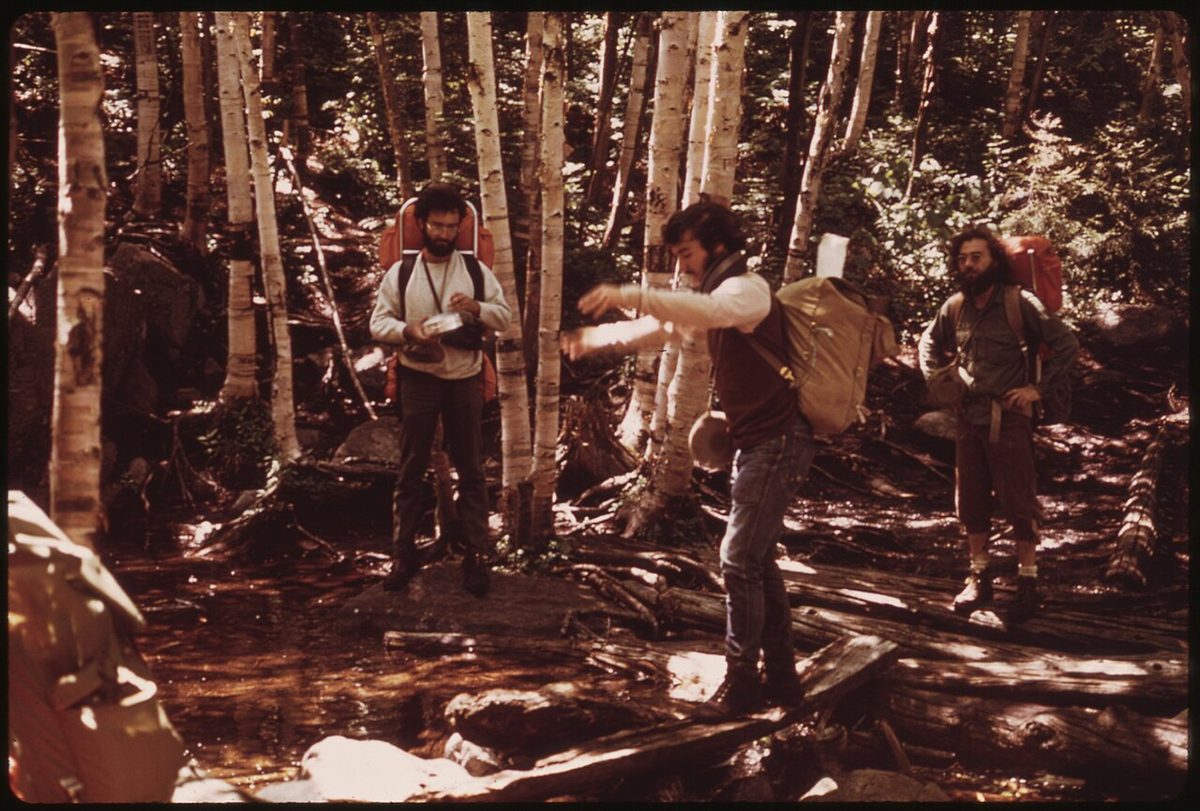
The first mistake is copying a W Trek packing list for an El Chalten day-hiking trip. You will overpack the wrong things and miss the specific things that matter.
The second mistake is packing too many clothes and not enough weather protection. A shell, warm layer, and dry sleep layer matter more than five town outfits.
The third mistake is wearing new boots on a major hike. Break them in before the trip.
The fourth mistake is bringing a poncho instead of a proper shell. Patagonia wind is not kind to ponchos.
The fifth mistake is assuming summer means dry. Summer means better access, not guaranteed calm weather.
The sixth mistake is ignoring official campsite rules. If camping requires reservations or registration, solve it before you arrive.
The seventh mistake is cooking where cooking is not allowed. Stoves and fires are regulated for a reason.
The eighth mistake is starting too late. Many Patagonia hikes are longer in real life than they look in a blog photo.
The ninth mistake is hiking alone without telling anyone. If you choose solo hiking, reduce every other risk.
The tenth mistake is using price as the only gear filter. You do not need luxury gear for every item, but your shell, shoes, sleep system, and pack need to work.
The eleventh mistake is letting sunk costs make safety decisions. A paid campsite ahead of you is not a reason to walk into conditions you should avoid.
The twelfth mistake is treating official warnings as suggestions for other people. If CONAF, APN, a guardaparque, or a local visitor center says a route is closed or requires a guide, change the plan.
Suggested Internal Reading Path
If you are preparing to hike in Patagonia, read in this order:
- Best Time to Visit Patagonia to understand season and weather.
- Patagonia Itinerary Planner to keep the route realistic.
- How to Get to and Around Patagonia for transport and trailhead logistics.
- Patagonia Trip Cost and Budget Guide for gear, trek, rental, and tour costs.
- Where to Stay in Patagonia if your hike depends on refugios, campsites, town bases, or in-park lodging.
- This hiking, camping, gear and safety guide.
- The destination guide for your route:
– Torres del Paine Travel Guide
– W Trek and O Circuit Guide
– El Chalten and Fitz Roy Hiking Guide
– El Calafate and Perito Moreno Glacier Guide
– Bariloche and Northern Patagonia Guide
– Ushuaia and Tierra del Fuego Guide
– Carretera Austral Road Trip Guide
Patagonia Hiking FAQ
What should I pack for hiking in Patagonia?
For day hiking, pack a hooded waterproof/windproof shell, warm layer, hiking pants or tights, broken-in hiking footwear, hat, gloves, buff, sunglasses, sunscreen, food, water, headlamp, offline map, first aid kit, and emergency layer. For multi-day treks, add sleep/camp items only if your booking requires them.
Do I need hiking boots for Patagonia?
Not always. Trail runners or hiking shoes can work for many summer day hikes if you are experienced and carrying a light pack. Hiking boots are better for heavier loads, rough terrain, wet/muddy routes, cold conditions, ankle support, and multi-day trekking. Whatever you choose, break it in before the trip.
Is Patagonia safe for hiking?
Patagonia can be safe for prepared hikers who choose suitable routes, check weather, carry proper gear, register where required, stay on marked trails, and turn around when conditions deteriorate. It becomes risky when hikers underestimate wind, weather, darkness, cold, registration, route closures, or their own fitness.
Can you hike in Patagonia without a guide?
Yes, many standard summer day hikes and some treks can be done independently by prepared travelers. Guides may be required in winter or for specific routes and dates, and they are strongly recommended for remote, technical, snowy, or unfamiliar terrain. Always check current official park rules.
Can you camp anywhere in Patagonia?
No. Camping rules depend on the park and route. In Torres del Paine, camping is allowed only in enabled areas. In Los Glaciares north, specific camps require reservations and fire is not allowed. In Tierra del Fuego National Park, online camping registration is mandatory and combustion elements are allowed only in camping areas. Always verify locally.
Do I need crampons or microspikes in Patagonia?
In summer, most standard day hikers do not need crampons. In winter and shoulder seasons, traction may be essential or mandatory. APN says Los Glaciares north-zone trails can have ice, mud, and snow from May to September and that poles and crampons are mandatory. Check current conditions before hiking.
What is the best Patagonia hike for first-timers?
For first-time hikers, El Chalten is one of the best bases because many trails start from town and you can choose difficulty by day. Torres del Paine is spectacular but more regulated and logistics-heavy. Bariloche is good for easier lake and mountain hikes. The best hike depends on season, fitness, weather, and route.
What size backpack do I need for Patagonia?
For day hikes, 20 to 30 liters is usually enough. For refugio treks, 35 to 50 liters often works depending on meal/bedding inclusions. For independent camping treks, 50 to 70 liters may be needed depending on food, tent, sleep system, and weather gear.
What should I wear in Patagonia in summer?
Wear a wicking base layer, hiking pants, fleece or midlayer, and carry a waterproof/windproof shell, warm jacket, hat, gloves, sunglasses, sunscreen, and buff. Summer can still bring cold wind and rain, especially in southern Patagonia.
Are drones allowed in Patagonia national parks?
Do not assume drones are allowed. Argentina National Parks says drones are prohibited in Los Glaciares. Other parks have their own restrictions or permit systems. Check official rules before bringing or flying a drone.
Can I drink water on Patagonia hikes?
Some routes have natural water sources, but not all. Water quality and access vary by trail, season, livestock/wildlife presence, and location. Carry enough water and use treatment when needed. Do not assume every stream is safe or available.
What is the biggest Patagonia hiking mistake?
The biggest mistake is underestimating weather and overestimating your margin. Patagonia rewards early starts, extra layers, route flexibility, official rule checks, and conservative turnaround decisions.
Official Sources and Image License Notes
This article uses official park, tourism, hiking, camping, and safety sources for rule-sensitive facts:
- Argentina National Parks – Los Glaciares visitor recommendations
- Visit Argentina – Perito Moreno Glacier
- CONAF – Torres del Paine National Park
- Ushuaia Tourism – Tierra del Fuego National Park
- Nahuel Huapi National Park – Trekking and mountain activities
Images are sourced from Wikimedia Commons under their respective licenses (CC BY, CC BY-SA, or public domain). Each photo links to its source page and author on Wikimedia Commons. Hero image: Winky from Oxford, UK / CC BY 2.0 via Wikimedia Commons.