Patagonia Food, Culture and Responsible Travel Guide
Plan Patagonia culture, food, lamb, king crab, Welsh towns, Indigenous context, etiquette, park rules, and responsible travel.
By Patagonia Tourism Guide · First published 19 Jun 2026 · Updated 27 Sep 2026
0 — 2 km Fig. 1 · Two cups of hot chocolate on a rustic bench in Bariloche, Patagonia. · Photo: ᐃᓄᒃᑎᑐᑦ / CC0 via Wikimedia Commons
Patagonia is easy to turn into scenery.
That is the danger of planning a trip here with only mountain photos in front of you. The granite towers, blue glaciers, empty roads, lenga forests, whale beaches, and wind-blown steppe can become so large in your mind that everything human starts to blur. Towns become bases. Restaurants become refueling stops. Estancias become a cute afternoon activity. Border rules become an annoyance. Park restrictions become fine print. Local people become the background to your hike.
That is a thin way to travel Patagonia.
The better trip pays attention to the places between the postcard views: the lamb turning slowly beside a fire, the ferry worker telling you the road is not opening today, the tea house in Gaiman that makes no sense until you understand Welsh Chubut, the Bariloche chocolate shop full of families, the Puerto Almanza fisherman, the ranger reminding visitors that a single careless flame can scar a park for decades, the old place names, the Indigenous histories that are not there for decoration, and the small towns trying to carry both local life and global tourism at the same time.
via Wikimedia Commons
This guide is about that layer of the trip. It covers Patagonia culture, Patagonia food, local etiquette, responsible travel, park behavior, Indigenous context, estancias, Welsh Patagonia, border food rules, wildlife respect, and the everyday choices that make you a better guest.
It is not a complete cultural history of Patagonia. No single travel article can be that, and pretending otherwise would be dishonest. Patagonia spans Argentina and Chile. It includes many regions, peoples, economies, landscapes, and local identities. A person in Bariloche, a family in Gaiman, a guide in Puerto Natales, a ranger in Los Glaciares, a fisherman near Ushuaia, and a resident along the Carretera Austral do not all live the same Patagonia.
But you can travel with more context than “hike, glacier, steak, repeat.” That is the goal here.
If you are still building the route, start with the start-to-finish trip planner, Patagonia Itinerary Guide, and Best Time to Visit Patagonia. If you already know where you are going, stay here. This is the guide I would read before booking the food tour, crossing the border with groceries, flying a drone, asking for a photo, lighting a stove, ordering lamb, or treating a living community like a museum exhibit.
Last fact-check: May 28, 2026. Park rules, border declarations, restaurant availability, estancia programs, fishing seasons, drone rules, fire restrictions, and tourism operations can change. Use this guide for planning judgment, then recheck official park, SAG, municipal tourism, and operator information before travel.
Quick Answer: What Is Patagonia Culture Like?
Patagonia culture is a mix of Indigenous histories, ranching and sheep-estancia traditions, Argentine and Chilean regional identities, Welsh settlement in Chubut, lake-district mountain-town life, fishing and port communities, national park conservation, modern tourism, and the practical patience required by weather, distance, and remoteness.
The food follows that same pattern.
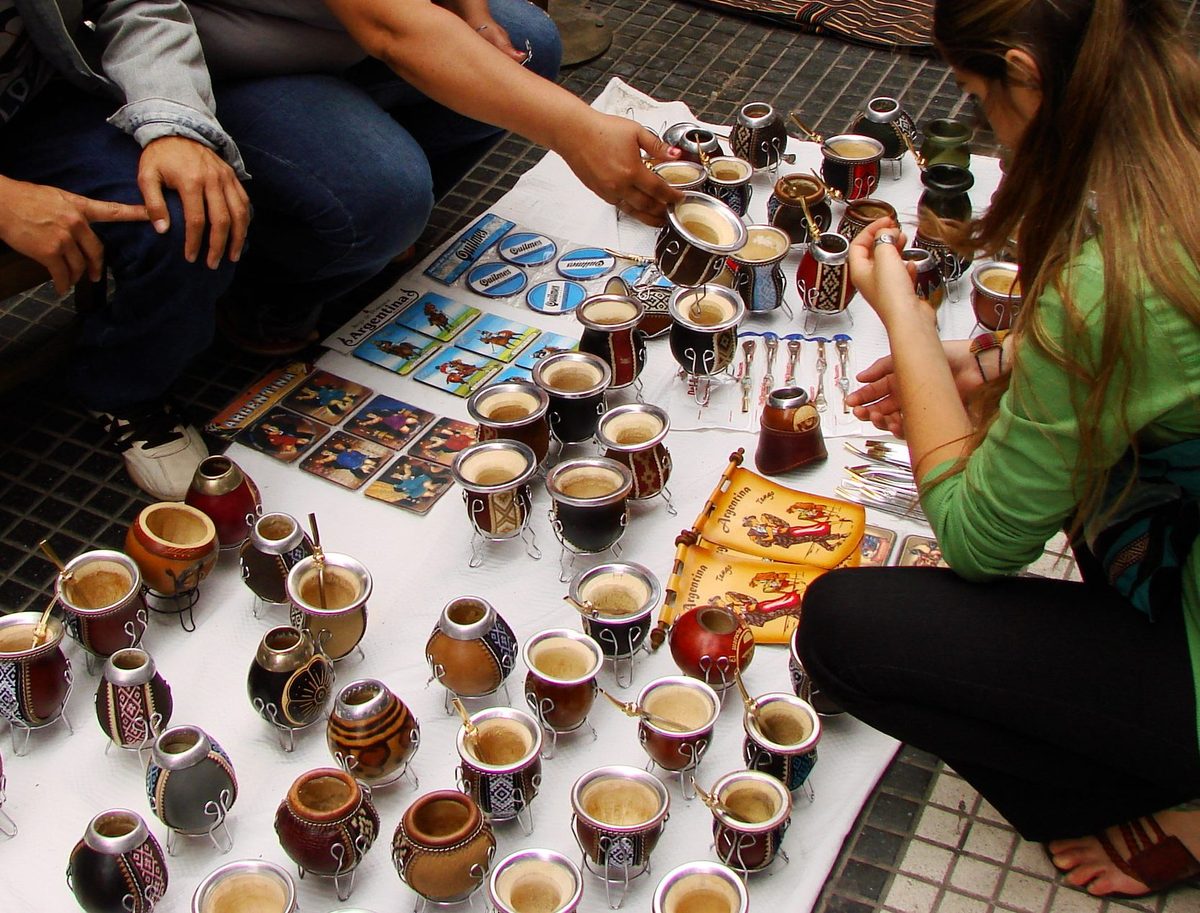
The most famous Patagonia foods are Patagonian lamb, cordero al palo or cordero al asador, king crab in Ushuaia and Puerto Almanza, trout and smoked foods in the lake district, Bariloche chocolate, calafate berry jams and desserts, Welsh tea in Gaiman, empanadas, stews, local seafood, craft beer, mate, tortas fritas, and estancia-style meals.
Responsible travel in Patagonia comes down to a few hard rules and many small habits:
Do not make fires unless the exact site and current rules allow it.
Do not use drones in parks or protected areas unless clearly authorized.
Do not feed wildlife, crowd animals, or chase photos.
Pack out trash, including toilet paper where required.
Declare animal and plant products when entering Chile.
Respect private land, gates, fences, and estancia operations.
Book scarce lodging and tours responsibly, and do not build an itinerary that makes every weather delay someone else’s problem.
Spend money with local businesses when you can.
Learn enough Spanish to greet people, ask basic questions, and show effort.
Treat Indigenous history and local culture as living context, not as a costume or photo prop.
Here is the practical food-and-culture map:
Experience
Best places
Why it matters
Main etiquette note
Patagonian lamb
El Calafate, Puerto Natales, estancias, rural grills, Ushuaia valleys
Sheep ranching shaped much of modern Patagonia’s economy and landscape
Do not treat an estancia like a theme park; ask, listen, and respect working spaces
King crab and seafood
Ushuaia, Puerto Almanza, Punta Arenas, Puerto Natales, fjord/coastal towns
Tierra del Fuego and Chilean Patagonia are maritime as much as mountain destinations
Ask what is seasonal and local; do not assume every menu item is available every day
Bariloche chocolate and lake food
Bariloche, Villa La Angostura, San Martin de los Andes, El Bolson
Northern Patagonia has a different rhythm: lakes, forest, sweets, beer, smoked foods, trout
Give this region time instead of using it only as a scenic transfer
Welsh tea and Chubut history
Gaiman, Trelew, Puerto Madryn, Trevelin
Welsh settlement is a distinct cultural layer in Argentine Patagonia
Pair tea houses with local history, chapels, museums, and Chubut context
Calafate berry products
El Calafate, El Chalten, Bariloche, Chubut, southern towns
The berry appears in jams, ice cream, sweets, liqueurs, and local stories
Buy locally made products when possible
Estancia visits
El Calafate, Puerto Natales, Torres del Paine area, Magallanes, Santa Cruz
Estancias connect food, horses, sheep, dogs, wool, land, and rural history
Stay on permitted areas; do not wander into work zones
Indigenous context
Museums, guided interpretation, place-based exhibits, local cultural centers
Patagonia was inhabited long before modern borders and tourism routes
Avoid simplifying living peoples into a pre-travel paragraph
Responsible park travel
Los Glaciares, Torres del Paine, Nahuel Huapi, Tierra del Fuego, Carretera Austral parks
Fire, trash, drones, wildlife, and camping behavior affect fragile places
Official rules beat traveler anecdotes every time
Swipe to see all columns
Table 1
My short advice is this: build at least one food or culture moment into the trip on purpose, then behave responsibly every day, not only when someone is watching.
The first mistake is talking about Patagonia culture as if it is one neat identity.
Patagonia is huge. It crosses two countries and many local worlds. Argentine Patagonia includes places like Bariloche, El Bolson, Esquel, Trevelin, Puerto Madryn, Peninsula Valdes, El Calafate, El Chalten, Rio Gallegos, and Ushuaia. Chilean Patagonia includes the lake district southward, Chiloe-adjacent routes, the Carretera Austral, Aysen, Puerto Natales, Torres del Paine, Punta Arenas, Tierra del Fuego, Puerto Williams, and scattered fjord and island communities.
Those regions overlap culturally, but they do not feel the same.
Bariloche has mountain-town infrastructure, chocolate shops, beer, ski culture, lake homes, national park history, student trips, and a much more urban tourism scene than many first-time visitors expect. El Chalten feels like a trekking village built around weather windows and trail days. El Calafate has glacier tourism, estancias, and a more polished tour base. Puerto Natales is both a working town and the logistics heart for Torres del Paine. Ushuaia is a port city, Antarctic gateway, winter-snow base, seafood stop, and Tierra del Fuego history hub. Gaiman sits in a Chubut valley where Welsh heritage, irrigation canals, tea houses, chapels, and Tehuelche context sit beside a completely different landscape from the southern ice fields.
The Carretera Austral is another mood again: wet forests, ferries, gravel, small communities, limited services, and road-trip patience. Peninsula Valdes and Puerto Madryn shift the focus to coastal wildlife, steppe, whales, penguins, and Chubut history.
This is why I get wary when a travel page says “Patagonians are…” and then gives one broad paragraph. People in the region do share some recurring realities: distance, weather, wind, land, animals, seasonal tourism, border consciousness, and pride in place. But the way those realities show up changes from one valley, coast, island, park, and town to the next.
As a traveler, the useful posture is curiosity with restraint. Ask where you are, not only what attraction is nearby. Learn which side of the border you are on. Notice whether the local economy is built around skiing, sheep, fishing, trekking, wildlife, ranching, parks, ports, chocolate, ferries, or oil and gas. Pay attention to whether you are on public land, private land, Indigenous/community space, or a working estancia. That context changes how you should behave.
Patagonia Food Map
Patagonia food is often sold as lamb and red wine. That is not wrong, but it is incomplete.
The region’s food follows geography. Steppe and ranch country lean toward lamb, beef, asado, stews, and estancia meals. Lake districts add trout, smoked foods, berries, chocolate, beer, tea houses, cheeses, and European-influenced mountain cooking. Tierra del Fuego and the fjords bring king crab, shellfish, fish, black hake, mussels, and cold-water seafood. Welsh Chubut adds tea houses, cakes, breads, jams, and a distinct settlement history. Border routes and hiking towns add practical travel food: empanadas, sandwiches, pizza, pasta, groceries, trail snacks, packed lunches, and whatever is open after a wind delay.
The question is not “What is the one dish of Patagonia?” It is “What should I eat where?”
The food scene is shaped by hiking schedules and weather
Bariloche and Northern Patagonia
Chocolate, trout, smoked meats, cheeses, beer, berries, curanto in Colonia Suiza, lake-view cafes
Strongest food base for families and softer travel
Ushuaia and Tierra del Fuego
King crab, seafood, Fuegian lamb, black hake, trout, stews, Puerto Almanza
Best place to connect Patagonia food with maritime culture
Puerto Natales and Magallanes
Lamb, king crab, estancia barbecue, Chilean seafood, warming stews, bakeries
Useful before or after Torres del Paine
Gaiman, Trelew, Chubut
Welsh tea, cakes, breads, jams, regional sweets, Chubut valley products
Best paired with Puerto Madryn, Peninsula Valdes, or a Chubut road route
Carretera Austral
Simple road food, seafood where coastal, home cooking, bread, soups, ferry snacks
Plan groceries and opening hours carefully
Swipe to see all columns
Table 2
Do not expect every famous food everywhere. A good king crab meal in Ushuaia does not mean king crab should be the goal in Bariloche. A Bariloche chocolate afternoon does not mean El Chalten needs to be a dessert town. A remote Carretera Austral village may feed you beautifully, but it may also have one small store and limited opening hours.
Food planning in Patagonia is partly pleasure and partly logistics. If you have a long bus day, a ferry crossing, a national park day, or a drive between small towns, buy food before you need it. If you have dietary restrictions, carry backup. If you are vegetarian or gluten-free, the larger towns are much easier than remote stops, but you still need to ask clearly and plan ahead.
Patagonian Lamb, Cordero al Palo and Estancia Food
Patagonian lamb is the dish most strongly tied to the region’s ranching image.
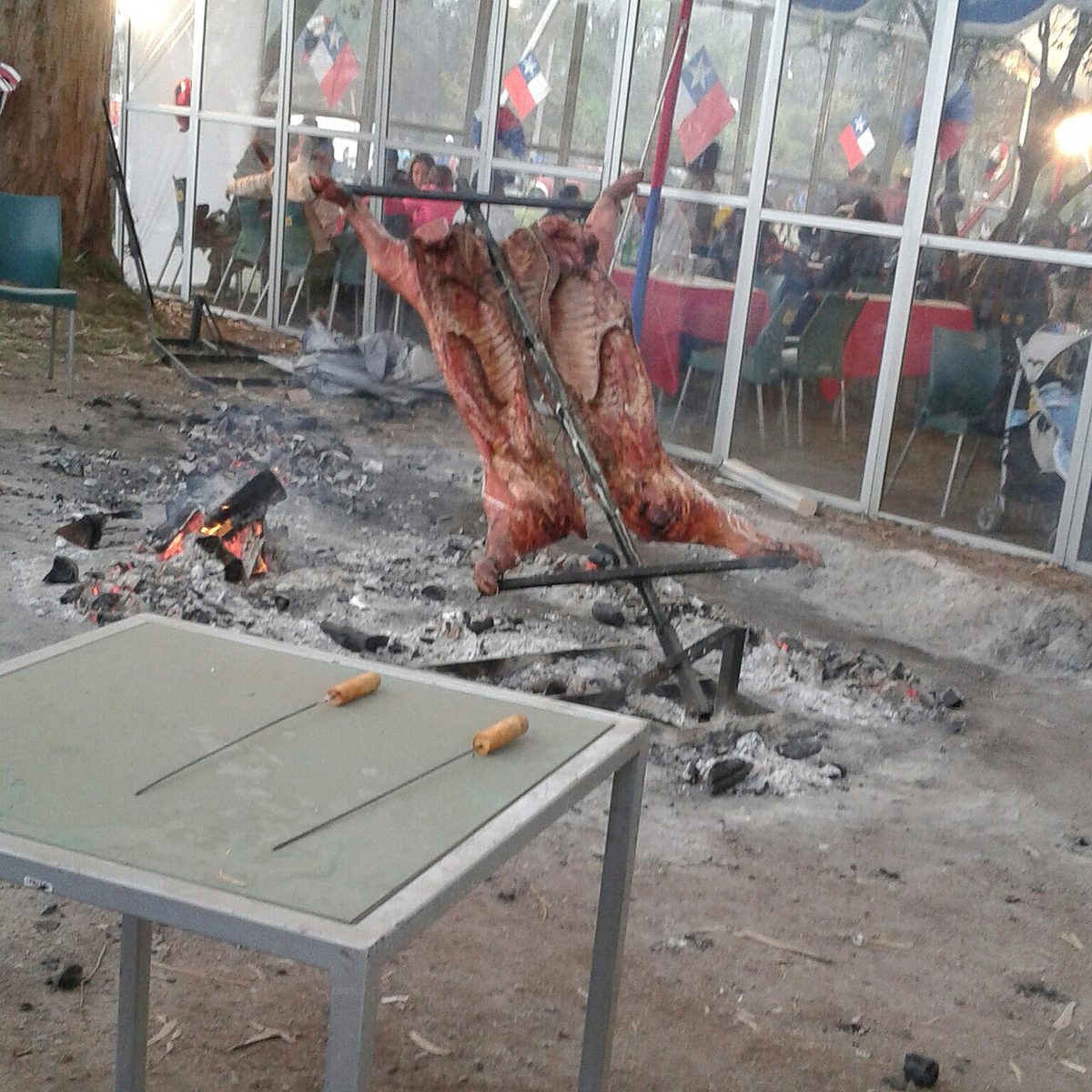
You will see it described as cordero patagonico, cordero al palo, cordero al asador, spit-roasted lamb, or lamb cooked on an iron cross beside a fire. The details vary, but the image is consistent: meat cooked slowly, often outdoors or in a grill room, with the heat coming from the side rather than directly underneath. It is food that asks for time.
Argentina’s tourism material identifies lamb as one of Patagonia’s emblematic products, raised in steppe and Andean valley areas. It connects the flavor to regional grazing, including coiron and other steppe plants, and notes that lamb appears not only in traditional asador cooking but also in ovens, skewers, stews, and more modern dishes. Argentina also recognizes Cordero Patagonico as a protected geographical indication through official regulation, which tells you this is not just a tourist-menu label.
In Chilean Patagonia, lamb is just as central in Magallanes and around Puerto Natales. Chile Travel frames Puerto Natales as a gateway to Torres del Paine with a strong food layer, especially lamb and king crab. Its estancia pages connect rural visits with sheepdog work, shearing, wool classification, horseback riding, and Patagonian barbecue.
The best way to try lamb depends on your trip:
In El Calafate, look for a good parrilla, estancia lunch, or day tour that includes rural context.
Around Puerto Natales, consider an estancia visit if you want the food tied to sheep, horses, dogs, and ranch history.
In Ushuaia, lamb appears in town and valley restaurants, especially in colder-weather dining.
On road trips, rural grills and small-town restaurants can be excellent, but opening days and hours matter.
In Bariloche, lamb is present, but I would focus there more on lake-district specialties unless a particular restaurant is known for it.
I would not eat lamb only because a guidebook says you must. Eat it if you are interested in how the region’s modern rural economy, landscape, and food connect. If you do eat meat, this is one of the meals where I would avoid rushing. A quick lamb sandwich at an airport does not tell you much. A slow meal after a cold day, or an estancia lunch where someone explains the setting, gives the dish more meaning.
Vegetarian travelers should not panic, but they should plan. Patagonia is meat-forward in many towns, especially around grills and estancias. Larger places like Bariloche, Ushuaia, El Calafate, Puerto Natales, and sometimes El Chalten usually have workable options. Remote areas may not. If you are joining an estancia meal, ask before booking, not after sitting down.
King Crab, Seafood and Fuegian Food
Tierra del Fuego changes the Patagonia food conversation.
Ushuaia is not just a mountain-and-hiking base. It is a city on the Beagle Channel, a working port, an Antarctic gateway, and one of the strongest seafood stops in Patagonia. The dish travelers talk about most is centolla, king crab.
Ushuaia municipal tourism says Puerto Almanza is about 75 km from the city on the coast of the Beagle Channel, and that the fishing village is dedicated to king crab and mollusks, with local food and activities around the channel. That is why Puerto Almanza is not just “a restaurant day.” It is a small fishing settlement, a road trip, a Beagle Channel landscape, and a food experience tied to place.
Argentina’s Fuegian gastronomy material also points to the sea-and-land identity of Tierra del Fuego: centolla, shellfish, black hake, brown trout, rainbow trout, wild mushrooms, berries such as calafate, and Fuegian lamb.
The practical choices are:
Eat king crab in Ushuaia town if you want convenience.
Go to Puerto Almanza if you want the landscape and fishing-village context.
Ask whether crab is fresh, seasonal, included, or guaranteed if joining a tour.
Do not assume every “king crab route” product includes the same meal.
Expect weather and road timing to matter.
Puerto Almanza is especially good for travelers who like food with a sense of edge. The road leaves the city, follows forests and water, and eventually drops you into a place where the Beagle Channel feels more immediate. On the far side is Chile. Around you is a landscape that makes seafood feel less like a luxury item and more like a local economy.
If Ushuaia is already in your route, give its food more than one hurried dinner. The coverage of Ushuaia and the Beagle Channel covers how to fit Puerto Almanza, Beagle Channel cruises, the national park, museums, and Antarctica logistics without turning the city into a one-night airport stop.
Bariloche Chocolate, Trout, Beer and Lake District Food
Bariloche is Patagonia, but it belongs to a different food mood than the southern steppe.
Official Bariloche tourism describes the city as Argentina’s Capital of Chocolate and highlights a broad regional cuisine: wild game, fish, smoked meats, cheese, berries, trout, lamb, curanto from Colonia Suiza, locally crafted beer, and chocolate in many forms. The official tourism material also notes that visitors can tour chocolate shops where the product is made in plain sight.
This is why Bariloche can feel like relief in a longer Patagonia itinerary. After early buses, wind, trail food, refugio meals, and packed lunches, Bariloche gives you cafes, bakeries, breweries, ice cream, chocolate, lake-view restaurants, and enough choice to let different travelers eat differently.
Colonia Suiza for curanto and tea-house style stops if it fits your route.
Apartment or cabin cooking if you want better produce and lower costs.
Lake-view lunches around Circuito Chico, Llao Llao, or the Bustillo corridor.
Do not reduce Bariloche to chocolate. It is famous for chocolate, yes, but the stronger travel move is to use food as part of a slower lake district rhythm. Stay long enough for one hiking or lake day, one viewpoint day, and one meal you do not rush. If you treat Bariloche only as a quick airport-to-airport stop, you miss what it does best.
Welsh Patagonia, Gaiman Tea Houses and Chubut Context
Welsh Patagonia is one of the region’s most specific cultural layers.
The place most travelers hear about is Gaiman, in Chubut. Chubut’s official tourism page describes Gaiman as a symbol of the Welsh colony in the province, with Welsh traits visible in its identity. It traces the first settlers’ arrival in the Chubut Valley to 1865, notes Welsh chapels and tea houses, and also acknowledges that the area was ancient Tehuelche territory where people stopped on routes between the Andes and the coast.
That last point matters. Welsh Patagonia should not be presented as if history began with European settlement. It is a real and important cultural story, but it sits inside a longer Indigenous and regional history.
For travelers, the classic Gaiman experience is Welsh tea. Expect tea, cakes, breads, jams, scones or similar pastries, and an atmosphere that feels very different from the mountain-and-glacier image of Patagonia. Some houses have long family histories and are deeply tied to local identity. Some also receive tour groups, especially when cruise or wildlife traffic is moving through the area.
The best way to fit Gaiman is not usually as a long detour from southern Patagonia. It works best if you are already in Chubut:
Puerto Madryn and Peninsula Valdes for wildlife.
Trelew for airport access and regional museums.
Gaiman for Welsh tea, chapels, local streets, and Chubut Valley context.
Punta Tombo or other wildlife stops if timing fits.
Esquel and Trevelin if you are building a longer northern/central Patagonia route.
Gaiman is the kind of place where rushing makes it feel like a photo stop. Slow down. Read the room. Ask before photographing interiors, staff, or family spaces. Buy something from the place that hosts you. Remember that a tea house is not only a backdrop for your itinerary. It is someone’s business, family memory, and local culture.
Indigenous Context for Travelers
Any Patagonia culture guide has to mention Indigenous peoples. It also has to do so carefully.
Travel content often handles this badly. It uses Indigenous names as color, compresses very different peoples into one sentence, or talks as if everything Indigenous belongs only to the distant past. That is not good enough.
Patagonia has deep Indigenous histories across steppe, forest, coast, channels, and islands. Names travelers may encounter include Tehuelche and Aonikenk in steppe contexts, Mapuche and Mapuche-Tehuelche contexts in northern and cross-Andean areas, Yaghan or Yamana in Tierra del Fuego and southern channel histories, Kawesqar in western Patagonian channels, Selk’nam in Tierra del Fuego, and others depending on region and source.
This is not a neat museum label. These are peoples, histories, languages, violences, survivals, displacements, recoveries, and living identities. The borders of Argentina and Chile came later than the human relationships to these lands and waters.
For a traveler, the useful approach is:
Learn enough names to stop treating Patagonia as empty wilderness.
Visit museums and interpretation centers when they are locally grounded.
Be cautious with touristic performances that feel extractive or staged.
Do not photograph ceremonies, community spaces, people, or private displays without permission.
Avoid saying “the Indigenous people disappeared” unless you know exactly what a local source means, because many communities and descendants are still present.
Do not treat sacred, burial, archaeological, or rock-art sites as content backdrops.
Buy crafts or cultural products directly from reputable local/community sources when possible.
Chile Precolombino describes Tehuelche groups, including Aonikenk in the Magallanes region, with a common way of life but local differences. Memoria Chilena describes Aonikenk as hunter-gatherer groups moving through southern steppe areas in search of guanaco and other animals. Chile Precolombino material on Yaghan/Yamana traditions points to canoe-based lifeways around southern channels, hunting, fishing, and gathering. Museo Chileno de Arte Precolombino material on Kawesqar places their territory across western channels from the Gulf of Penas toward western Tierra del Fuego and the Beagle-area world.
Those notes are only an entry point. The deeper work belongs to books, museums, community voices, local guides, and serious historical sources.
In practice, I would build Indigenous context into the trip in a few grounded ways:
In Ushuaia, give museum time to Tierra del Fuego history instead of only using the city for a boat.
In Punta Arenas or Puerto Natales, look for museum interpretation and local history before or after Torres del Paine.
In Chubut, understand Tehuelche context alongside Welsh settlement, not after it.
In Northern Patagonia, pay attention to Mapuche and Mapuche-Tehuelche names, conflicts, and local presence without assuming you understand them after one signboard.
In any archaeological or rock-art site, follow guide and protection rules exactly.
The point is not to make every traveler an expert. The point is to stop arriving as if Patagonia began when outdoor tourism found it.
Estancias, Ranching and Rural Patagonia
The estancia is one of the most common ways travelers encounter rural Patagonia culture.
An estancia can be a working sheep ranch, a historic property, a lodge, a day-tour site, a restaurant, a horseback riding base, a conservation project, or some combination of those. Some are deeply authentic working places with carefully added tourism. Some are polished experiences built for visitors. Both can be worthwhile if you know what you are choosing.
Common estancia activities include:
Patagonian lamb lunch or barbecue.
Sheep shearing demonstrations.
Sheepdog work.
Horseback riding.
Wool classification or ranch-work interpretation.
Birding, photography, or wildlife watching.
Rural history talks.
Short walks or boat access.
Overnight lodging.
Chile Travel’s estancia pages around Puerto Natales and Magallanes connect these experiences with livestock tradition, sheepdogs, shearing, wool, horseback riding, and Patagonian barbecue. In El Calafate and Santa Cruz, estancias often pair rural meals with glacier, steppe, horseback, or lake activities. Around Torres del Paine, some lodges and estancias also function as high-comfort bases for photography, wildlife, and park access.
The etiquette is simple but important:
Do not wander into barns, sheds, staff areas, corrals, homes, or machinery zones unless invited.
Ask before photographing workers, children, homes, or animals at close range.
Follow instructions around horses, dogs, sheep, and gates.
Do not open or close gates casually unless you know the rule for that property.
Understand that animals are part of work, not props.
Tip guides or staff when appropriate and when service warrants it.
If the experience includes food, communicate dietary restrictions before booking.
Estancias can be excellent for travelers who do not want hard hiking. They can also help hikers understand the land beyond trails. If you are building a non-hiking or mixed-fitness route, cross-reference the Patagonia accommodation guide and Patagonia Cruises, Fjords, Lakes and Glacier Trips guides, because estancias, lodges, boat days, and scenic drives often work well together.
Responsible Travel in Patagonia: The Rules That Matter
Responsible travel in Patagonia is not an aesthetic. It is not a reusable water bottle in a photo. It is behavior.
Patagonia’s protected areas are beautiful, but they are also vulnerable to fire, erosion, wildlife disturbance, crowding, waste, and infrastructure pressure. Some towns have limited housing, limited waste capacity, limited health services, and seasonal economies that depend on a few months of tourism. A careless traveler can create real costs.
Start with official rules, then add common sense.
Argentina National Parks’ Los Glaciares recommendations are blunt and useful: pets are not allowed in national protected areas, drones are prohibited, visitors should respect signs and rangers, weather can change suddenly, camp only where allowed, fire is only in enabled fireplaces where permitted, feeding wildlife is prohibited, trash must leave with you, and noise should be kept low. In the northern El Chalten zone, APN says remote routes require registration, hikers must use authorized trails, fires are not allowed, and gas stoves are only allowed in authorized camp areas under supervision.
CONAF/Torres del Paine trekking materials are similarly direct: camping is allowed only in enabled areas, sleeping elsewhere in the park is prohibited, wildlife observation and photography should happen during daylight from official marked trails, and cooking is limited to specially enabled camp/camping areas with permitted stoves.
These rules are not suggestions to compare against a forum post.
The big categories:
Fire
Fire is the behavior category where I have the least patience for traveler creativity.
Do not light casual campfires in Patagonia. Do not assume a fire ring means fire is allowed today. Do not cook outside permitted areas. Do not smoke carelessly on trails. Do not burn toilet paper. Do not decide that damp weather makes rules less important. Wind changes everything.
If a park says no fire, it means no fire. If it allows fire only in enabled fireplaces, use those only when current fire conditions allow it. If it says only gas stoves in authorized camp areas, do exactly that.
Drones
Assume drones are prohibited in national parks and protected areas unless you have explicit current authorization.
In Los Glaciares, APN says drones are prohibited. Other parks and reserves may have their own rules, but the responsible starting point is not “Can I get away with it?” Drones disturb wildlife, visitors, and protected-area management. They also make everyone else listen to your footage being made.
Camping
Do not wild camp in famous parks because someone online said they did.
Torres del Paine requires camping in enabled areas. Los Glaciares has specific authorized camping zones and rules. Tierra del Fuego, Nahuel Huapi, and other parks have their own systems. The Carretera Austral has a mix of private campsites, public areas, national parks, and remote roads where rules vary.
Stay on marked trails. Do not braid trails. Do not cut switchbacks. Do not walk around mud in a way that widens the path. Do not step into fragile vegetation for a photo.
Patagonia often looks tough because the landscapes are huge. Alpine, steppe, wetland, peat bog, and high-use trail environments can still be fragile. One person walking off trail may not destroy a place. Thousands copying the line they saw on social media can.
Waste and Bathrooms
Pack out trash. That includes wrappers, fruit peels where required, cigarette butts, tissues, wet wipes, and toilet paper.
Do not leave toilet paper flowers behind bushes near famous viewpoints. Do not wash dishes directly in lakes or streams. Do not dump camper waste anywhere that is convenient. Do not assume a small town can absorb your garbage if every traveler behaves that way.
Carry a small trash bag. Carry tissues or toilet paper. Carry hand sanitizer. Use bathrooms when available. On remote routes, learn the local waste rules before you go.
Noise
Patagonia is not a private soundtrack.
Argentina National Parks explicitly warns that music from speakers and phones creates noise pollution, disturbs others, changes the natural environment, and affects visit quality. That should be obvious, but popular trails prove it is not.
Use headphones if you must listen to something. Better yet, listen to the place you came all this way to hear.
The region can include guanacos, condors, foxes, rheas, pumas, huemul in limited areas, whales, orcas, sea lions, elephant seals, penguins, cormorants, dolphins, and many smaller animals and birds depending on where you go.
The basic rules:
Do not feed wildlife.
Do not approach for selfies.
Do not block animal movement.
Do not leave food or trash accessible.
Do not chase animals with cars, bikes, drones, or boats.
_-_Torres_del_Paine_National_Park_20.jpg) via Wikimedia Commons
In Los Glaciares, APN explicitly prohibits feeding wildlife because human food changes animal diet and behavior. In Torres del Paine, CONAF materials emphasize observing and photographing fauna from official marked trails and during daylight, because off-trail interaction changes animal behavior and increases risk.
Those rules are not only for pumas or penguins. Feeding a fox at a parking area is also harmful. Letting animals associate humans with food leads to worse outcomes for animals and people.
If wildlife is a real priority, plan it properly with the Patagonia wildlife guide. The best wildlife trip is not the one with the closest photo. It is the one where the animal’s life stays unchanged after you leave.
Chile SAG Food Rules and Border Etiquette
The Chile border food rule is where many Patagonia road trips get messy.
If you enter Chile, you must take SAG rules seriously. SAG, Chile’s agricultural and livestock service, says travelers entering Chile must declare plant and animal products, parts, and byproducts carried in luggage, clothing, bags, vehicles, or other transport. Inspectors can review items because these products may create agricultural, animal-health, plant-health, or forest-health risks.
The practical translation:
Do not casually carry fresh fruit, vegetables, meat, cheese, honey, seeds, plants, untreated wood, animal products, or homemade foods into Chile.
Do not hide food because you do not want to waste groceries.
Declare if you are unsure.
Finish or discard risky picnic supplies before the border.
Keep packaged hiking food easy to show.
Build grocery stops around border days.
This matters in Patagonia because travelers often self-drive between Argentina and Chile with a car full of trail food. The classic example is El Calafate to Puerto Natales or Torres del Paine. You buy fruit, cheese, meat, sandwiches, and snacks in Argentina, then cross into Chile and discover those groceries are now a border problem.
Do not treat the inspection as personal. It is not about your apple. It is about Chile’s biosecurity system. Build the day correctly and it becomes routine.
Good Patagonia etiquette is usually ordinary courtesy plus patience.
Distances are long. Weather changes plans. Ferries fill. Buses arrive late. Trails close. Restaurants open later than you expected. A small town may have one mechanic, one grocery store, limited fuel, and no appetite for a traveler having a meltdown because their overpacked itinerary left no margin.
Here are the everyday habits that help:
Greet people before making a request. A simple “hola” or “buen dia” matters.
Learn basic Spanish for restaurants, buses, hotels, pharmacies, and allergies.
Do not assume English everywhere, even in tourist towns.
Be patient with weather delays and service constraints.
Carry cash as backup, especially in smaller towns.
Make restaurant reservations in peak season when a meal matters.
Tip appropriately for good service, especially guides and full-service restaurants, while recognizing norms differ by country and setting.
Ask before photographing people, homes, interiors, workers, animals, or private property.
Do not walk through private land because a map app suggests a shortcut.
Close gates only if you opened them and know they should be closed.
Keep noise down in lodges, refugios, campsites, trails, and shared transport.
Do not pressure staff to bend safety rules around wind, boats, trails, or closures.
Restaurant timing can surprise travelers from the United States. Argentina often eats later, though tourist towns adapt. Chilean Patagonia may feel somewhat more flexible, but you still need to check hours. In small towns, kitchens may close between lunch and dinner, or restaurants may not open every day. Peak-season restaurants can book out. Shoulder-season restaurants can close unexpectedly.
For budget planning, use Patagonia Trip Cost and Budget Guide. Food costs vary widely by town, season, exchange rates, whether you cook, whether you drink alcohol, and whether you are in remote lodging with meals included.
Where to Experience Patagonia Food and Culture
You do not need a separate “culture day” in every destination. Often the best approach is to choose the cultural layer that naturally fits the route you are already taking.
Bariloche and Northern Patagonia
Best for chocolate, lake-district food, breweries, trout, smoked foods, families, softer adventure, ski culture, and a more urban Patagonia base.
Use Bariloche when you want Patagonia with restaurants, cafes, road trips, lake views, and flexibility. It is also one of the easiest places to slow down after harder southern travel.
Best for Patagonian lamb, calafate products, estancia visits, glacier tourism, hiking-town food, and practical trail meals.
El Calafate is the better base for estancia meals and polished restaurants. El Chalten is more about hiking fuel, simple meals, bakeries, beer, and weather-window eating.
Best for lamb, king crab, bakeries, trek-prep food, estancias, lodges, and responsible park behavior.
Puerto Natales is where culture and logistics meet. You buy food for the W Trek, eat a proper meal before or after the park, talk to guides and gear-rental shops, and feel the pressure that Torres del Paine places on a small gateway town.
Best for king crab, seafood, Fuegian lamb, port-city history, maritime museums, Beagle Channel context, Antarctica staging, winter food, and Tierra del Fuego identity.
Ushuaia deserves more than one transfer night if your itinerary allows it. A city day, museum time, waterfront walk, seafood meal, Beagle Channel boat, and national park visit make the place feel much more coherent.
Best for Welsh tea, Chubut history, Peninsula Valdes wildlife, coastal towns, and a completely different Patagonia landscape.
This is the Patagonia many mountain-focused travelers miss. If whales, penguins, or coastal wildlife are on the trip, add time for Gaiman or Trelew rather than treating Puerto Madryn as only a wildlife transfer.
Best for small-town patience, ferries, rain, seafood in the right places, local bakeries, simple meals, remote-road etiquette, and a slower travel mindset.
The culture here is less about a single famous dish and more about how the route works: ferry schedules, weather, limited rooms, small communities, road conditions, and the generosity and limits of remote infrastructure.
Food, Culture and Responsible Travel Itinerary Ideas
If You Have 7 Days
Do not chase every food and culture stop. Choose one region and do it well.
Good options:
Bariloche: chocolate, lake food, Circuito Chico, one lake or hike day, one slow meal.
El Calafate and El Chalten: Perito Moreno, one lamb or estancia meal, calafate products, trail food in El Chalten.
Ushuaia: Beagle Channel, national park, museums, king crab or Puerto Almanza, one winter/valley or hiking day.
Puerto Natales/Torres del Paine: park scenery, local bakeries, lamb or estancia add-on, responsible trekking/camping behavior.
Puerto Madryn/Chubut: wildlife plus Gaiman Welsh tea and Trelew regional context.
If You Have 10 to 14 Days
The classic southern route can carry one or two strong culture/food moments:
El Calafate: lamb, calafate ice cream, estancia if time allows.
El Chalten: hiking-town meals and bakeries.
Puerto Natales/Torres del Paine: bakeries, lamb, trek-prep food, responsible park rules.
Optional Ushuaia extension: king crab and maritime history.
With 14 days, you can add Bariloche instead of Ushuaia if you want lakes, chocolate, softer travel, and a different food mood.
If You Have 3 Weeks or More
This is when culture becomes easier to include without forcing it.
Possible combinations:
Southern icons plus Bariloche for chocolate, lakes, and recovery.
Southern icons plus Ushuaia for king crab, museums, port life, and Beagle Channel.
Southern icons plus Chubut for Welsh Patagonia and wildlife.
Carretera Austral plus Puerto Natales for small-town road culture, ferries, rain, lamb, and park etiquette.
Use the Patagonia Itinerary Guide to keep the route realistic. The biggest culture mistake is not ignorance. It is rushing so hard that every town becomes a service station.
Common Mistakes
The first mistake is thinking Patagonia has no culture because it has big landscapes. Empty-looking space is not empty history.
The second mistake is treating Indigenous peoples as an introductory paragraph. Use museums, serious sources, and local interpretation. Do not turn complex histories into travel decoration.
The third mistake is making lamb the only food goal. Lamb matters, but so do seafood, trout, chocolate, berries, tea houses, bakeries, beer, simple road meals, and the local realities behind them.
The fourth mistake is assuming responsible travel is generic. Patagonia has specific rules. Fire, drones, camping, pets, wildlife, trash, and trails are not handled the same everywhere, but official guidance is clear in the main parks.
The fifth mistake is carrying fresh food into Chile without understanding SAG declarations. Border days need food planning.
The sixth mistake is photographing people, homes, ranch work, or community spaces without asking. A beautiful place does not make everyone in it public property.
The seventh mistake is using drones because the footage would be amazing. In many protected areas, drones are prohibited or restricted. Respect that.
The eighth mistake is expecting remote towns to operate like major cities. Bring patience, cash backup, flexible meals, and reasonable expectations.
The ninth mistake is treating estancias as petting zoos. These are working landscapes, family properties, tourism businesses, conservation projects, or all of those at once. Behave accordingly.
The tenth mistake is confusing “local” with “unchanged.” Patagonia culture is not frozen in the past. It includes guides, chefs, students, bus drivers, rangers, conservation workers, families, migrants, business owners, and people living modern lives in a region that travelers often romanticize.
Patagonia Culture, Food and Responsible Travel FAQ
What is Patagonia culture like?
Patagonia culture is regional and mixed. It includes Indigenous histories, sheep-ranching and estancia traditions, Argentine and Chilean identities, Welsh Chubut, lake-district towns, fishing and port communities, national parks, conservation, and modern tourism economies. It is not one uniform culture.
What food is Patagonia known for?
Patagonia is known for Patagonian lamb, cordero al palo, king crab, trout, seafood, Bariloche chocolate, berries such as calafate, Welsh tea in Gaiman, smoked foods, craft beer, empanadas, stews, and estancia-style meals.
Is Patagonian lamb worth trying?
Yes, Patagonian lamb is worth trying if you eat meat and want a dish tied to rural Patagonia. It is best in a good parrilla, estancia meal, or regional restaurant rather than as a rushed checkbox.
Where should I eat king crab in Patagonia?
Ushuaia and Puerto Almanza are the most famous Argentina-side king crab stops. Puerto Natales and Punta Arenas can also be strong for Chilean Patagonia seafood and king crab. Ask what is local, seasonal, and included before booking food tours.
Why is Bariloche famous for chocolate?
Bariloche is officially known as Argentina’s Capital of Chocolate and has a long-standing chocolate-shop and mountain-town food culture. It is also strong for beer, trout, smoked foods, berries, lake cafes, and family-friendly food stops.
What is Welsh Patagonia?
Welsh Patagonia usually refers to Welsh settlement and heritage in Chubut, especially places like Gaiman and Trevelin. Gaiman is known for tea houses, chapels, Welsh traditions, and Chubut Valley history. It should be understood alongside earlier Indigenous context, not as the whole story of the region.
How do I travel responsibly in Patagonia?
Follow official park rules, avoid illegal fires and camping, do not use drones where prohibited, stay on marked trails, keep distance from wildlife, pack out trash, declare food products when entering Chile, respect private land, book locally when possible, and build weather margin into the itinerary.
Are drones allowed in Patagonia?
Do not assume drones are allowed. In Los Glaciares National Park, Argentina National Parks says drones are prohibited. Other protected areas have their own rules. Always check official current guidance before bringing or flying a drone.
Can I make campfires in Patagonia?
Only where current rules explicitly allow fire. Many areas prohibit fires or restrict cooking to gas stoves in designated camp areas. In famous hiking zones such as northern Los Glaciares, fires are not allowed. In Torres del Paine, cooking is limited to enabled camp areas with permitted stoves.
Can I take food across the Chile border?
Be careful when entering Chile. SAG requires travelers to declare plant and animal products and related items. Avoid carrying fresh fruit, vegetables, meat, cheese, honey, seeds, plants, and similar products casually across the border. If unsure, declare and ask.
Is Patagonia vegetarian-friendly?
Patagonia can work for vegetarians, especially in larger towns like Bariloche, El Calafate, El Chalten, Ushuaia, and Puerto Natales. Remote areas, estancias, and small towns require more planning. Always communicate dietary needs before booking included meals.
Do I need Spanish in Patagonia?
You can travel in major tourist areas with limited Spanish, but basic Spanish helps a lot. Learn greetings, numbers, food words, allergy phrases, transport questions, and emergency language. Even a small effort changes interactions.
Is it rude to photograph local people or ranch work?
It is rude to photograph people, homes, private property, workers, children, ceremonies, or community spaces without permission. Ask first. If the answer is no, accept it without negotiation.
Are estancias authentic or touristy?
Both can be true. Some estancias are working ranches with tourism added. Others are polished visitor experiences. The better question is whether the experience is respectful, transparent, locally beneficial, and interesting to you.
What is the best place for Patagonia food?
Bariloche is the best broad food base for chocolate, beer, trout, smoked foods, and lake-district variety. Ushuaia is strongest for king crab and Fuegian seafood. El Calafate and Puerto Natales are strong for lamb and estancia meals. Gaiman is the key Welsh tea stop.
Final Advice
Do not let Patagonia become only a view.
The landscapes are the reason many people come, and that is fair. But the trip gets better when you notice what supports those landscapes: the food systems, working towns, park rules, long histories, rural economies, border realities, conservation limits, and people who live with the wind after visitors fly home.
Try the lamb if it matters to you. Drink the hot chocolate in Bariloche. Eat king crab in Ushuaia if your route goes that far. Sit down for Welsh tea in Gaiman if Chubut is on the itinerary. Visit museums. Ask better questions. Learn a little Spanish. Tip well when service deserves it. Stay out of closed areas. Do not feed the fox. Do not light the fire. Declare the food at the Chile border. Put the drone away. Buy from the small business when you can.
The best Patagonia traveler is not the one who collects the most iconic stops. It is the one who leaves the place with more understanding than they arrived with, and leaves the place itself no worse for having hosted them.
Official Sources and Image License Notes
This article uses official tourism, park, cultural, border, and image-license sources for planning facts: