Patagonia Cruises, Fjords, Lakes and Glacier Trips
Compare Patagonia cruises, glacier boats, Beagle Channel tours, Chilean fjords, Lago Argentino, Grey Glacier, San Rafael, Navimag, and Antarctica.
By Patagonia Tourism Guide · First published 18 Jun 2026 · Updated 27 Sep 2026
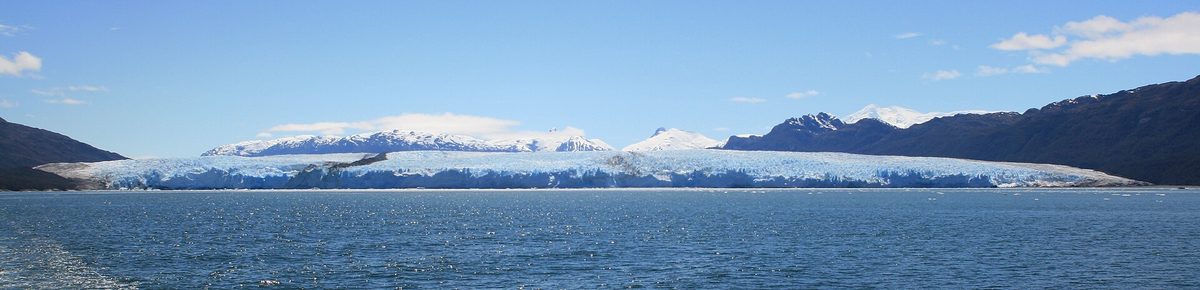
0 — 2 km Fig. 1 · A boat sailing close to the blue wall of Perito Moreno Glacier in Argentine Patagonia. · Photo: Jorge Láscar from Melbourne, Australia / CC BY 2.0 via Wikimedia Commons
Patagonia cruises are not one thing. That is the first planning trap.
One traveler says “Patagonia cruise” and means a five-day expedition ship between Punta Arenas and Ushuaia, slipping through fjords toward Cape Horn. Another means the one-hour boat that noses close to Perito Moreno Glacier. Someone else means a Beagle Channel cruise from Ushuaia, a Grey Glacier navigation in Torres del Paine, a full-day Lago Argentino boat trip to Upsala and Spegazzini, a Puerto Natales fjord trip to Balmaceda and Serrano, the Navimag ferry through Chilean channels, or an Antarctica expedition that happens to leave from Patagonia.
Those are all water-based Patagonia experiences. They are not interchangeable.
Some are short, easy, and worth adding almost automatically if you are already in the right town. Some are expensive full-day commitments that compete with hikes, road trips, and rest days. Some are multi-day journeys that can become the spine of the whole itinerary. And Antarctica is its own category entirely: spectacular, yes, but not a casual Patagonia cruise add-on unless you have the time, budget, and appetite for polar travel.
.jpg) via Wikimedia Commons
This guide sorts that out by comparing the main Patagonia cruises, glacier boats, fjord routes, lake crossings, and Antarctica add-ons by departure point, time needed, season, who each suits, and what can go wrong.
Last fact-check: May 28, 2026. Boat routes, prices, departure days, park fees, weather policies, port operations, and Antarctica rules can change. Use this guide to choose the right category, then recheck official park, tourism, operator, and port information before booking.
Quick Answer: What Are the Best Patagonia Cruises?
The best Patagonia cruise depends on where you already are.
If you are in El Calafate, the most useful water experiences are the short Perito Moreno boat rides and the full-day Lago Argentino glacier navigations toward Upsala, Spegazzini, Mayo, or related routes. If you only have one day, the Perito Moreno walkways are still the priority, and the boat is an optional perspective. If you have two or three nights in El Calafate, a longer Lago Argentino cruise can be the better boat day.
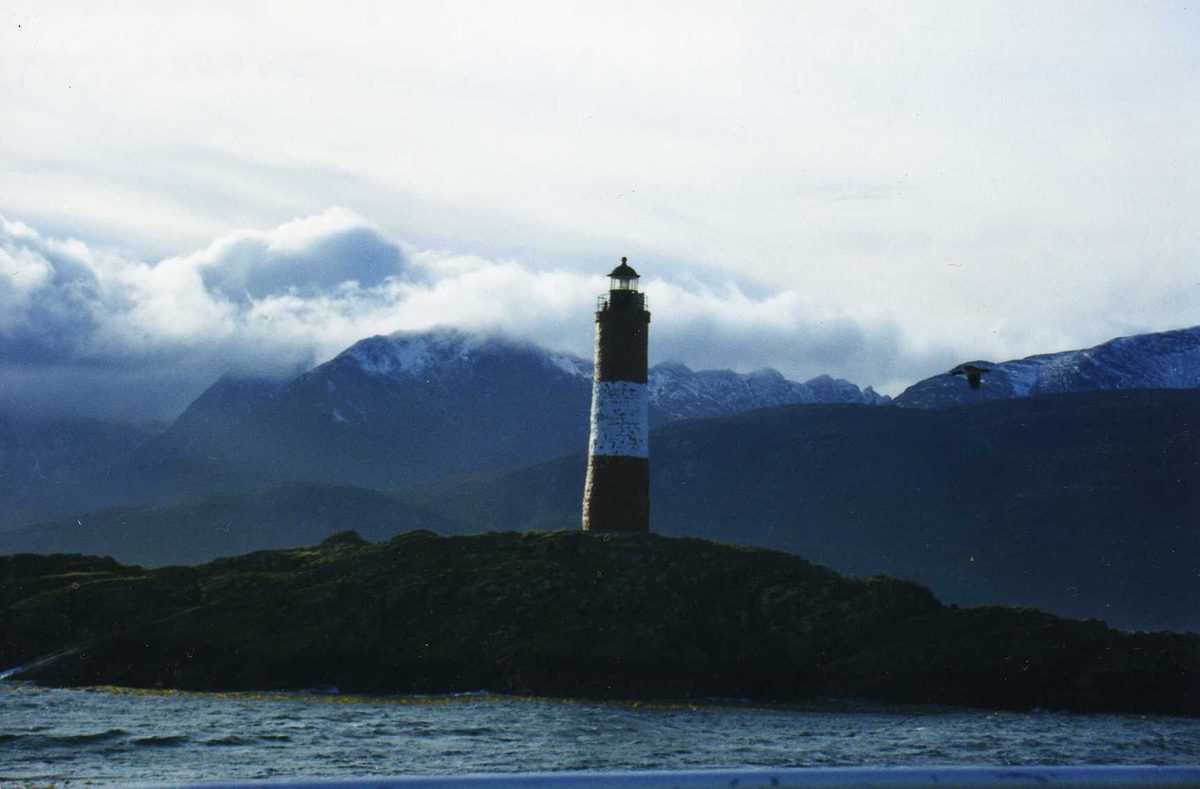
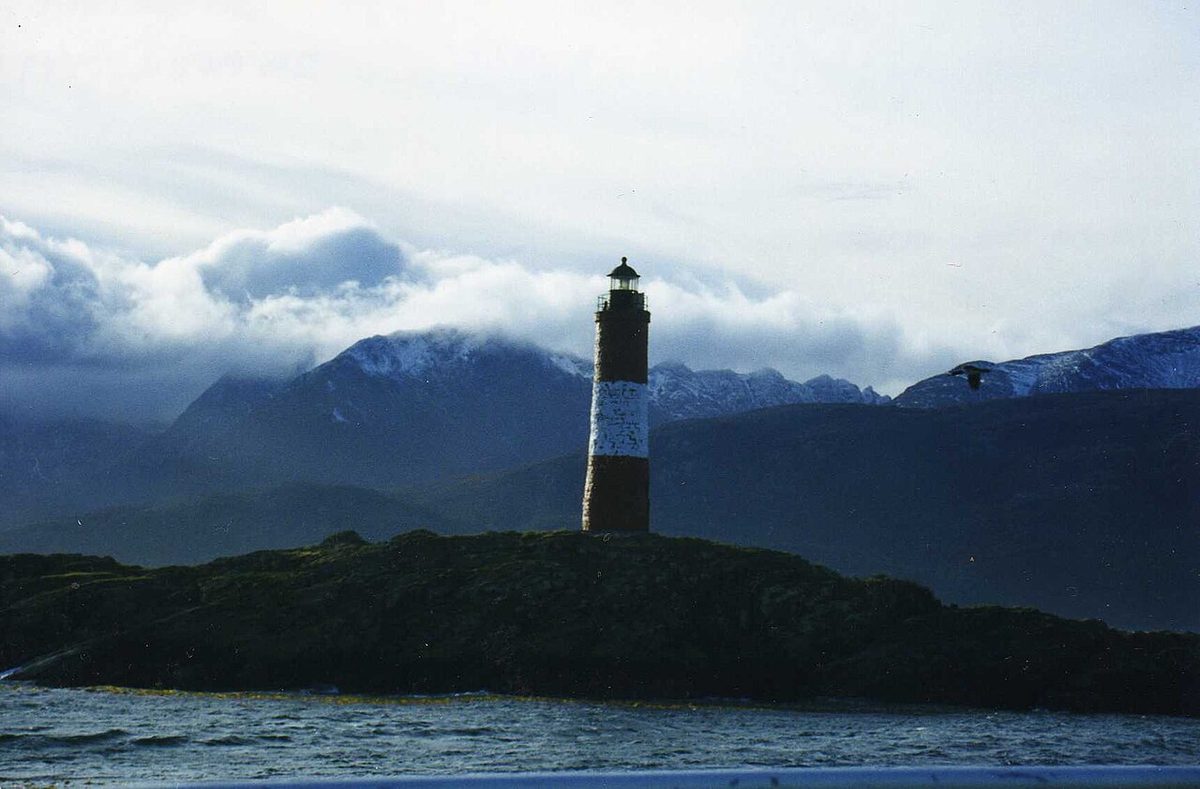
If you are in Ushuaia, a Beagle Channel cruise is the classic first choice. It gives you the city’s sea-and-mountain geography, Les Eclaireurs Lighthouse, sea lion and bird islands, and sometimes penguin-focused options depending on the route. It is one of the easiest boat experiences to add to a Patagonia trip.
If you are in Torres del Paine or Puerto Natales, the Grey Glacier navigation is the iconic glacier boat inside the park, while Balmaceda and Serrano is the full-day fjord-and-glacier trip from Puerto Natales. Grey fits park scenery and W Trek logistics. Balmaceda and Serrano fits travelers who want a lower-effort fjord day without entering deep into the park trail system.
If you want a real multi-day Patagonia cruise, look at the Chilean fjords between Punta Arenas, Ushuaia, Cape Horn, Tierra del Fuego, and Glacier Alley, or northern routes around Puerto Montt, Chiloe, Aysen, and Laguna San Rafael. These are not minor add-ons. They can define the trip.
If you want Antarctica from Ushuaia, plan it as a separate expedition layer, usually 7 to 14 days or more. It can combine beautifully with Patagonia, but it is not the same decision as booking a Beagle Channel boat or a Lago Argentino cruise.
Patagonia Cruises Are Really Five Different Categories
The word “cruise” makes Patagonia planning messier than it should be. In this region, water trips fall into five broad categories.
The first category is the short scenic boat. This is the one-hour Perito Moreno boat, the standard Beagle Channel cruise, or a simple lake navigation. You are not sleeping onboard. The boat is a viewpoint.
The second category is the full-day glacier navigation. This includes Lago Argentino trips from El Calafate, Balmaceda and Serrano from Puerto Natales, or some Grey Glacier formats. These are not tiny add-ons. They can absorb a whole day and a meaningful part of the budget.
The third category is the multi-day expedition cruise. This is where Patagonia starts to look like a true cruise destination: Chilean fjords, Cape Horn, Tierra del Fuego, Glacier Alley, San Rafael, remote channels, Zodiac landings, onboard lectures, and cabins.
The fourth category is the ferry or mixed transport route. Navimag and some lake crossings are partly about getting from A to B. They may be scenic enough to feel like a cruise, but they are not the same as a dedicated expedition ship.
The fifth category is Antarctica. Ushuaia is a major gateway, and many travelers combine Antarctica with Patagonia. But Antarctica has its own season, rules, ship categories, biosecurity, insurance, weather risk, and price range. It deserves different planning.
Once you see those categories clearly, the decision gets easier. You are not choosing “a cruise.” You are choosing what role water should play in your trip.
Best Patagonia Cruises by Traveler Type
If you are a first-time Patagonia traveler, I would not start with the most expensive cruise page. I would start with the route you are already building.
Traveler type
Best match
Why
Classic first trip: El Chalten, El Calafate, Torres del Paine
Perito Moreno boat, Lago Argentino cruise, or Grey Glacier
These fit the route without blowing it apart
Ushuaia add-on
Beagle Channel cruise
Easy, atmospheric, and central to the city
Non-hiker
Beagle Channel, Perito Moreno boat, Lago Argentino, Balmaceda/Serrano, Grey navigation
The mistake is choosing the boat that sounds most dramatic. The better question is: which boat adds something your land route cannot already give you?
El Calafate and Lago Argentino Glacier Cruises
El Calafate is Patagonia’s easiest glacier cruise base. It is the gateway to Perito Moreno Glacier, Lago Argentino, Puerto Punta Bandera, and the southern sector of Los Glaciares National Park.
This is also where people overbuy. I understand why. The photos are absurd: blue ice cliffs, boats tucked below glacier walls, icebergs floating in milky water, passengers staring up at a scale that makes the boat look like a toy. But not every El Calafate boat is the right choice for every traveler.
There are three main decisions.
Perito Moreno Short Boat vs Walkways
Perito Moreno Glacier is one of the rare glaciers where the land view is already extraordinary. The walkway system lets you stand across the water from the glacier face and move between different angles. You can see the ice, hear cracks, wait for calving, and spend time without being tied to a boat’s schedule.
A short boat ride adds scale. From the water, the ice wall feels taller and more immediate. You see the glacier from below instead of across from it. If you love boats, photography, or the feeling of being near the ice, it can be worth it.
But if your budget is tight, I would rather see you do the walkways properly than rush the walkways to squeeze in a boat just because someone said it was mandatory. It is not mandatory. It is an upgrade.
Choose the short Perito Moreno boat if:
You already have enough time at the walkways.
You want the glacier’s scale from water level.
You are not doing a longer Lago Argentino cruise.
You are traveling with someone who cannot walk the whole walkway network comfortably.
You want a compact, easy water experience without adding another full day.
Skip it or downgrade it if:
You only have a short park visit and would lose walkway time.
You are already doing Todo Glaciares or another full-day glacier navigation.
You are trying to keep El Calafate costs under control.
Todo Glaciares, Upsala and Spegazzini
The full-day Lago Argentino navigations are a different animal. These usually depart from Puerto Punta Bandera, about 47 km from El Calafate, and head into the lake’s northern arms toward areas such as Canal Upsala, Canal Spegazzini, Base Spegazzini, and iceberg-filled water.
Argentina National Parks lists official Los Glaciares concessionaires for these services. Solo Patagonia’s Todo Glaciares and Sunset navigations depart Puerto Punta Bandera and travel Brazo Norte, Canal Upsala, and Canal Spegazzini, with a stop at Base Spegazzini. Cruceros MarPatag runs glacier navigation products such as Glaciares Gourmet and overnight-style formats. Southern Spirit Lago Argentino and Hielo y Aventura cover other navigation and glacier-related services.
What matters for planning is not memorizing every product name. It is understanding the role of the day.
A full-day Lago Argentino cruise is best if you want:
A dedicated glacier-and-iceberg day.
Views beyond Perito Moreno.
Spegazzini and Upsala-oriented scenery.
A lower-effort day after hiking in El Chalten.
A premium boat-based experience rather than another bus-and-walk day.
It is less ideal if:
You only have one full day in El Calafate.
You still have not seen Perito Moreno from the walkways.
You are glacier-saturated after Torres del Paine, El Chalten, and Perito Moreno.
The price would force you to cut a more important part of the route.
My usual rule: with one day in El Calafate, do Perito Moreno well. With two full days, consider whether a longer Lago Argentino cruise adds enough. With three nights, it becomes much easier to justify.
Some El Calafate boat products focus on Brazo Rico, Canal de los Tempanos, Mayo, or combinations that may include short walks, landings, glacier approaches, or different angles on Perito Moreno.
This is where travelers need to read carefully. Similar names can hide very different days. One trip may be a short navigation near the main glacier. Another may be a long lake day. Another may include a landing, a guided walk, lunch, or optional walkway time.
Before booking, confirm:
Departure port.
Total duration.
Whether transfers from El Calafate are included.
Whether park entrance is included.
Which glaciers or channels are actually visited.
Whether there is a landing or only boat viewing.
Whether Perito Moreno walkways are included, optional, or not part of the day.
Cancellation rules for wind, illness, route changes, or lake conditions.
Do not book only from the prettiest glacier photo. Book from the route map and the time budget.
Ushuaia sits between mountains and water, and the city makes more sense from the channel. You see the steep shoreline, the port, the snow-streaked backdrop, islands with birds and sea lions, and the red-and-white Les Eclaireurs Lighthouse that appears on half the postcards in town.
Ushuaia Tourism describes Beagle Channel excursions on catamarans, yachts, and sailboats, with several route options. Common trips may visit islands with cormorants, penguins, and sea lions, and reach Les Eclaireurs Lighthouse. The municipal tourism page also points out something useful: Les Eclaireurs is often confused with the real “End of the World Lighthouse,” which is much farther away on the Island of the States.
That distinction is a good reminder. Beagle Channel tours are not all the same.
Standard Beagle Channel Cruise
The standard cruise usually focuses on the lighthouse, sea lion islands, cormorants, channel scenery, and views back toward Ushuaia. For most travelers, this is enough.
Small boats can feel more intimate and nimble. Catamarans can feel more stable and comfortable. Sailboats can be atmospheric but more weather-dependent. There is no universal best choice.
Choose a smaller boat if you care about group size, photography, guide interaction, and a less mass-tour feeling. Choose a larger boat if you want more indoor space, easier boarding, more stable movement, and simpler logistics.
If you get motion sick easily, do not assume “small and authentic” is automatically better. Ask about boat size, route exposure, expected conditions, and cancellation policy.
Penguin Routes
Penguin-focused trips are different from standard Beagle Channel cruises. Some boats view penguins from the water. Some tours combine boat travel with land transport toward estancia or island areas. Some may include controlled landing access through specific operators and rules.
The details matter. Do not book a generic “Beagle Channel cruise” and assume you will walk near penguins. You may only see sea lions, birds, and the lighthouse, which can still be excellent but is not the same trip.
Grey Glacier is the main glacier boat decision inside Torres del Paine.
The classic navigation crosses Lago Grey toward the glacier, with views of floating icebergs, Paine Grande, forested shoreline, the Southern Patagonian Ice Field, and the blue face of Grey. For non-trekkers, it is one of the more dramatic ways to experience the park without hiking deep into the W Trek. For trekkers, it can function as part of the route logistics around Refugio Grey, Paine Grande, and the western end of the W.
This is exactly why Grey confuses people. It is both an excursion and, in some itineraries, a transport piece.
TorresDelPaine.com’s Grey Glacier navigation page describes a transfer from Puerto Natales to Hotel Lago Grey, a walk through forest and Grey Beach to the pier, and navigation in front of Grey Glacier. It also notes that operation depends on weather, wind, navigation safety, and vessel operation. That is the part to take seriously.
Grey is not a “set it and forget it” boat. Wind can matter. Schedule can matter. The walk to the pier can matter. Your onward transfer can matter.
Choose Grey Glacier navigation if:
You are already going to Torres del Paine.
You want glacier views without committing to the full W Trek.
You are spending enough time in Puerto Natales or inside the park.
You are building a scenic day around Lago Grey.
You want a boat-supported finish or start to a trek and understand the logistics.
Be careful if:
You have a same-day tight bus or flight connection.
The boat is critical to your W Trek exit and there is no backup plan.
You are traveling in peak season without reservations.
You have reduced mobility and have not checked the pier walk and terrain.
You are assuming a calm lake because it is “just a lake.”
Balmaceda and Serrano is the other major Puerto Natales boat day. It is a full-day navigation through fjord scenery toward Bernardo O’Higgins National Park, with glacier views, water, mountains, wildlife possibilities, and usually a low-effort walk to a glacier viewpoint depending on the exact format.
Think of it differently from Grey.
Grey is more tied to Torres del Paine itself: the park, the W Trek, Lago Grey, Grey Glacier, and Paine scenery. Balmaceda and Serrano is more of a fjord day from Puerto Natales: water, channels, glaciers, forest, estancia-style lunch on some products, and a different sense of the coast.
Choose Balmaceda and Serrano if:
You are based in Puerto Natales and want a boat-heavy day.
You are not doing a multi-day Chilean fjord cruise.
You want low-effort scenery after hiking or before Torres del Paine.
You have enough time that it will not replace your only strong park day.
Choose Grey instead if:
Your main goal is Torres del Paine scenery.
You want a shorter glacier navigation inside the park context.
You are connecting it with W Trek logistics.
You have already budgeted for park transport and access.
Should you do both? Maybe, but not automatically. If you love glaciers and water, they are different enough. If your itinerary is short, doing both can create “boat repetition” while stealing days from hiking, viewpoints, wildlife, or recovery.
This is the category most people imagine when they hear “Patagonia cruise”: multi-day ships, cabins, remote channels, glaciers flowing down to the sea, Zodiac landings, Cape Horn attempts, onboard talks, and long southern daylight.
Chile Travel frames Patagonian cruises around fjords and channels in the southernmost territory, with multi-day boats, icebergs, seals, penguins, dolphins, whales, and regions such as Bernardo O’Higgins National Park, Puerto Williams and Cape Horn, Punta Arenas, Puerto Montt, and Tierra del Fuego.
That official framing is useful because it shows how broad the category is. A Chilean fjords cruise might mean:
Punta Arenas to Ushuaia through Tierra del Fuego and Cape Horn.
Ushuaia to Punta Arenas in the other direction.
A longer expedition incorporating Glacier Alley, fjords, channels, and sometimes Torres del Paine extensions.
A northern route from Puerto Montt toward Chiloe, Aysen, Laguna San Rafael, or Puerto Chacabuco.
A ferry-style journey between Puerto Montt and Puerto Natales.
These are not “add a boat one afternoon” plans. They require a different trip design.
Punta Arenas to Ushuaia and Cape Horn
The classic southern fjord route connects Punta Arenas and Ushuaia through channels around Tierra del Fuego, often with highlights such as Pia Glacier, Glacier Alley, Wulaia Bay, Cape Horn, penguin colonies, and Zodiac excursions.
Australis is one of the most visible operators in this category. Its Fjords of Tierra del Fuego itinerary is listed as 5 days / 4 nights from Punta Arenas to Ushuaia, with daily expeditions, Cape Horn, glaciers, Pia Glacier, Wulaia Bay, Zodiac and guided land activities, and sailing-season conditions that include cool temperatures and meaningful wind.
That style of cruise suits travelers who want the ship to be the experience. You are not just moving between Patagonia towns. You are choosing a water route through places most land itineraries never touch.
Choose it if:
You want fjords, channels, and remote southern history.
You like expedition-style days with landings and talks.
You want to connect Chilean and Argentine far south in a memorable way.
You are comfortable paying more for access and logistics.
You have enough time before or after for Patagonia’s land highlights.
Be careful if:
Your real dream is hiking Fitz Roy or Torres del Paine.
You are only adding it because “Patagonia cruise” sounds impressive.
You get severe motion sickness and have not prepared for it.
You need absolute certainty on Cape Horn landing. Weather can control that.
Glacier Alley, Pia Glacier and Wulaia Bay
The appeal of the southern fjord route is not one single sight. It is the layering: glaciers dropping from the Darwin Range, wind and water, forested bays, ship channels with exploration history, and the feeling of reaching a part of Patagonia that roads do not simplify.
That is also the drawback. If you measure every day by “how long was I off the ship at a famous place,” you may be disappointed. Expedition cruises often ask you to enjoy transitions, weather, lectures, quiet water, and the uncertainty of landings.
This is why I would not sell a fjord cruise to every first-time Patagonia traveler. For the right person, it is the dream. For the wrong person, it is an expensive way to feel trapped on a schedule while the mountains they most wanted to hike are somewhere else.
San Rafael, Chiloe, Aysen and Northern Fjord Routes
Northern Chilean Patagonia has another cruise geography: Puerto Montt, Chiloe, the Chonos Archipelago, Puerto Chacabuco, Laguna San Rafael, Aysen, and the Northern Patagonian Ice Field.
Skorpios and other operators are commonly associated with Laguna San Rafael and northern fjord routes. These trips suit travelers who want forests, islands, channels, and a less obvious Patagonia route than El Calafate, El Chalten, and Torres del Paine.
Ferry routes can feel like cruises, but you should evaluate them differently.
The classic example is Navimag-style travel through Chilean channels between Puerto Montt and Puerto Natales. Travelers are drawn to it because it crosses remote fjords, gives a slow-travel view of western Patagonia, and turns a long north-south transfer into an experience.
But it is still ferry-style travel. That means schedules, cargo/passenger operations, weather, possible delays, practical cabins, and fewer polished expedition elements than a dedicated cruise. For some travelers, that is the charm. For others, it is a mismatch.
Choose a ferry-style fjord route if:
Slow travel appeals to you.
You would rather spend several days on water than take a flight.
You have buffer days around arrival.
You are not expecting luxury cruise service.
The route itself helps your itinerary.
Avoid or postpone it if:
You have a hard deadline the next day.
You get bored easily on transit days.
You need reliable onward timing for Torres del Paine reservations.
You would rather spend those days hiking or driving the Carretera Austral.
Bariloche, Puerto Varas and the Andean Lake Crossing
The Cruce Andino is not a Patagonia cruise in the expedition sense, but it belongs in this guide because many travelers searching for Patagonia boat trips are really looking for scenic water-based travel.
The route connects Bariloche and Puerto Varas through a mix of lake navigation and road sections. Bariloche Tourism describes it as a classic crossing that can be done in one day or more, operates year-round, involves lake travel toward Todos los Santos and Petrohue, and requires personal documents for the border crossing.
This is a softer, greener, more northern Patagonia water experience. It is not about tidewater glaciers or Cape Horn. It is about lakes, forest, volcano views, and crossing between Argentina and Chile in a way that feels more scenic than taking a bus around the long way.
Choose it if:
Your route already includes Bariloche, Puerto Varas, or the lake district.
You want water scenery without a remote expedition cruise.
You like the idea of a historic lake-and-land border crossing.
You want to connect northern Argentine and Chilean Patagonia elegantly.
Skip it if:
You are chasing glaciers and icebergs.
You are short on time and need the fastest transfer.
Antarctica belongs in this guide because searchers put it here. Many Antarctica cruises leave from Ushuaia. Many travelers plan Antarctica and Patagonia together. And a lot of people ask whether they can “add Antarctica” to a Patagonia trip.
You can, but the phrase makes it sound too easy.
Visit Argentina says Antarctica trips begin in Ushuaia, with ship options ranging from larger cruise ships that do not stop on land to more exclusive yachts with naturalist guides and landings. It lists November through March as the ideal time of year, recommends 7 to 14 days, and advises booking several months ahead.
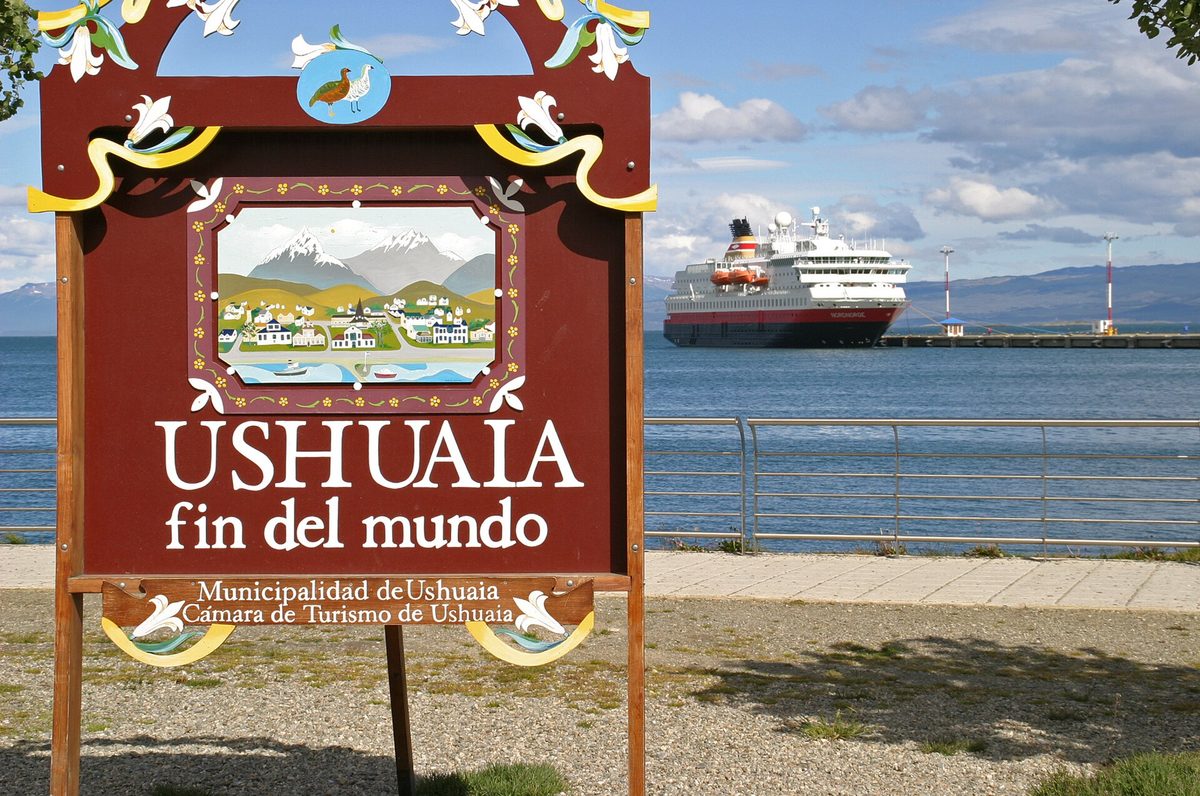
Ushuaia Tourism describes the city as a gateway to Antarctica, roughly 1000 km away, with Antarctic tourism journeys commonly passing through Ushuaia and the port season running from roughly November to April.
IAATO adds the operational piece travelers need to know: vessels carrying more than 500 passengers are cruise-only in Antarctic waters and cannot land passengers. IAATO also categorizes vessels by passenger capacity, including traditional expedition ships, mid-size vessels, cruise-only vessels, and small yachts.
That matters because “Antarctica cruise” can mean two very different things:
A cruise-only ship where you view Antarctica from the vessel.
An expedition ship or yacht with Zodiac operations and landings, subject to strict rules and conditions.
For most Patagonia travelers, Antarctica is not an add-on. It is a second trip inside the trip. You need arrival buffers in Ushuaia, weather patience, insurance, medical and seasickness planning, biosecurity preparation, and enough days that you do not gut the rest of Patagonia.
Combine Antarctica with Patagonia if:
Antarctica is the main dream.
You have 3+ weeks total, or you are willing to make Patagonia shorter.
You can arrive in Ushuaia early enough to protect embarkation.
You understand the Drake Passage or choose an air-cruise format where available.
You can afford the trip without cutting essential logistics.
Do not tack it onto a 10-day Patagonia itinerary. You will not have a Patagonia trip. You will have an Antarctica trip with a rushed warm-up.
Best Time for Patagonia Cruises
The best cruise season depends on the water route.
For most Patagonia boat experiences, November through March is the broadest window. This overlaps with the main hiking, road-trip, ferry, and sightseeing season. Days are long, services are more likely to operate, and the region is set up for travelers.
But each cruise type has its own rhythm.
Cruise type
Strongest window
Shoulder options
Notes
Perito Moreno short boats
October to April, with summer strongest
May to September if operating
Park access and weather matter more than heat
Lago Argentino glacier cruises
Spring to autumn, many products strongest in summer
November to March; some Ushuaia port season into April
Early/late season has tradeoffs
Polar rules and ship schedules dominate
Swipe to see all columns
Table 3
For month-by-month travel planning across the whole region, use Best Time to Visit Patagonia. A cruise may operate in a given month, but your full itinerary still has to work on land.
Seasickness and Weather: Be Honest Before You Book
Patagonia has a talent for making confident plans look cute.
A protected lake boat is not the same as the Drake Passage. A Beagle Channel cruise is not the same as a Cape Horn route. A fjord cruise with sheltering channels is not the same as a rough exposed crossing. Even so, wind can matter almost anywhere in Patagonia.
Think in layers:
Short lake boats: usually the lowest motion commitment, but wind can still cancel or roughen the ride.
Lago Argentino: bigger lake, ice, wind, and longer exposure on full-day routes.
Beagle Channel: often manageable, but weather and boat size matter.
Grey Glacier: wind and navigation safety can affect operation.
Puerto Natales fjords: longer day on water, with changing conditions.
Chilean fjords: generally more protected than open ocean at times, but still a real sea journey.
Cape Horn and exposed southern waters: more serious motion risk.
Drake Passage: the major seasickness and rough-water concern for Antarctica.
If you are prone to motion sickness, talk with a medical professional before the trip and bring whatever you know works for you. Do not wait until the boat is already moving. Also read the cancellation and route-change policy. In Patagonia, “weather permitting” is not decorative language.
Cruise vs Land Trip: Which Is Better?
This is the decision behind a lot of Patagonia cruise searches.
A cruise is better when:
The place you want to see is mainly water-accessed.
You value comfort and logistics handled for you.
You want fjords, channels, glaciers, and remote coastline more than long hikes.
You are traveling with mixed mobility or mixed hiking enthusiasm.
You like onboard lectures, guiding, and expedition rhythm.
You are drawn to Cape Horn, Glacier Alley, San Rafael, or Antarctica.
A land trip is better when:
Your main goals are Fitz Roy, Torres del Paine hikes, Ruta 40, Bariloche, or the Carretera Austral.
You want flexibility.
You dislike fixed meal and excursion schedules.
You are budget-sensitive.
You would rather choose your own bases, trails, roads, and rest days.
You get restless onboard.
The best answer for many travelers is not cruise or land. It is land plus the right boat. A Beagle Channel cruise can make Ushuaia better. A Perito Moreno boat can add scale to a glacier day. Grey can deepen a Torres del Paine visit. A full-day Lago Argentino navigation can turn El Calafate from a one-glacier stop into a wider ice-field experience.
The problem starts when boat days pile up because each one sounds “must-do.” They are not all must-do. Patagonia has too many strong days for that.
How Many Boat Trips Should You Add?
For a 10 to 14-day first Patagonia trip, one or two boat experiences are usually enough.
For example:
El Calafate: Perito Moreno walkways plus optional short boat.
Ushuaia: Beagle Channel cruise.
Torres del Paine: Grey Glacier if it fits naturally.
Doing all three can work if the route includes those places and the budget is there. But if you add a full-day Lago Argentino cruise, a Beagle Channel cruise, Grey Glacier, Balmaceda/Serrano, and a fjord cruise, you may start repeating the same emotional note: cold water, ice, mountains, wind, boat.
That note is beautiful. It still needs contrast.
A good Patagonia itinerary balances:
Water.
Trails.
Roads.
Viewpoints.
Wildlife.
Food and town time.
Weather buffers.
Recovery days.
If every day is a paid excursion, Patagonia can start to feel like a checklist. Give yourself time to stand still.
Sample Patagonia Itineraries With Cruises
These are route shapes, not strict day-by-day prescriptions. Use them with the Patagonia Itinerary Guide.
7 Days: El Calafate and El Chalten With One Glacier Boat
Best for: first-time travelers focused on Argentine southern Patagonia.
Route:
Fly to El Calafate.
Visit Perito Moreno Glacier with walkways and optional short boat.
Continue to El Chalten for Fitz Roy and Laguna Torre hiking.
Return through El Calafate.
Boat choice: short Perito Moreno boat if you want the water-level view. Do not add a full-day Lago Argentino cruise unless you are willing to cut hiking or add nights.
10 Days: Classic South With One or Two Boats
Best for: El Calafate, El Chalten, Puerto Natales, Torres del Paine.
Route:
El Calafate and Perito Moreno.
El Chalten hiking.
Bus or drive to Puerto Natales.
Torres del Paine day trips or short trek.
Boat choices:
Perito Moreno short boat or Lago Argentino cruise if El Calafate has enough time.
Grey Glacier navigation if it fits Torres del Paine logistics.
Do not force Balmaceda and Serrano into this route unless you already have extra Puerto Natales days.
10 Days: Ushuaia and El Calafate
Best for: far-south atmosphere plus glacier access.
Route:
Ushuaia for Beagle Channel, Tierra del Fuego National Park, and maybe penguins or food.
Fly to El Calafate for Perito Moreno and optional Lago Argentino.
Add El Chalten only if you have enough days and strong hiking priorities.
Boat choices:
Beagle Channel cruise.
Perito Moreno boat or full-day Lago Argentino navigation.
This is a good non-hiker or mixed-ability route if you choose excursions carefully.
14 Days: South Patagonia With Better Breathing Room
Best for: travelers who want the classics without rushing every transfer.
Route:
El Calafate.
El Chalten.
Puerto Natales.
Torres del Paine.
Optional Ushuaia extension if flights and priorities work.
Boat choices:
Perito Moreno short boat or Lago Argentino full day.
Grey Glacier navigation.
Beagle Channel only if Ushuaia is included.
This is where you can choose two boat experiences without feeling like the whole trip is on a schedule.
14 to 18 Days: Patagonia With a Chilean Fjords Cruise
Best for: travelers who want the cruise to be a central feature.
Route:
Santiago or Buenos Aires gateway.
Punta Arenas or Ushuaia.
Multi-day fjord cruise between Punta Arenas and Ushuaia, or another Chilean fjords route.
Add Torres del Paine, El Calafate, or Ushuaia before/after depending on direction.
Boat choice: the multi-day fjord cruise is the main boat experience. You may not need Grey, Balmaceda/Serrano, and multiple glacier day boats on top of it.
21+ Days: Patagonia Plus Antarctica
Best for: Antarctica-first travelers or long-trip planners.
Route:
Arrive Buenos Aires or Santiago.
Fly to Ushuaia with buffer.
Antarctica expedition.
Recover in Ushuaia.
Continue to El Calafate, El Chalten, Puerto Natales, Torres del Paine, or Bariloche depending on energy and season.
Boat choice: Antarctica dominates. Add Beagle Channel only if it fits before embarkation or after return and you still want a local Ushuaia experience. Keep the land portion simple.
Booking Order for Patagonia Cruises
The right booking order depends on whether the boat is optional or trip-defining.
For optional short boats:
Build the route.
Book flights and core lodging.
Reserve must-do excursions in peak season.
Add short boat trips once timing is clear.
For full-day glacier navigations:
Confirm how many nights you have in the base town.
Decide whether the boat competes with a more important activity.
Check departure port, transfer, park fee, and cancellation rules.
Book ahead in high season or if the product is central to the trip.
For multi-day fjord cruises:
Choose the sailing before locking the rest of the itinerary.
Build flights around embarkation and disembarkation.
Add buffer nights.
Confirm passport, border, insurance, luggage, and transfer details.
Only then add land segments.
For Antarctica:
Choose ship category, route, and operator.
Confirm IAATO membership or responsible-operator standards.
Understand landing vs cruise-only format.
Add arrival buffer in Ushuaia.
Build Patagonia around the expedition, not the other way around.
What to Confirm Before Paying
Before you book any Patagonia cruise or boat trip, ask:
What is the exact departure point?
Is hotel pickup included?
Is park entrance included?
What time do I need to check in?
What happens if wind or weather cancels the navigation?
Is the route guaranteed or subject to conditions?
Are landings included?
If penguins are advertised, are they viewed from the boat or on land?
Is food included?
Is there indoor heated space?
What clothing is recommended?
How rough can the water be?
What is the refund or rescheduling policy?
Does the trip require a passport or border-crossing documents?
Will this timing work with my bus, flight, trek, or lodging check-in?
Patagonia rewards the person who asks boring questions before the beautiful day.
What to Pack for Patagonia Boat Trips
Even short Patagonia boat trips deserve real weather layers.
Bring:
Windproof outer layer.
Waterproof shell.
Warm midlayer.
Hat and gloves.
Sunglasses.
Sunscreen.
Camera protection or dry bag.
Motion sickness plan if needed.
Water.
Snacks if food is not included.
Passport if the route crosses or approaches border logistics.
Offline confirmation and meeting-point details.
Backup battery.
Shoes with grip for wet docks, beach walks, or landings.
For longer expedition cruises, follow the operator list closely. For the land side of your clothing system, use the Patagonia Hiking, Camping, Gear and Safety Guide. Boat days and hiking days overlap more than people expect: wind, cold, wet decks, and fast weather changes.
Common Patagonia Cruise Mistakes
The first mistake is thinking “Patagonia cruise” means one product. It does not.
The second mistake is booking a multi-day cruise before deciding whether you actually want a ship-based trip.
The third mistake is adding too many glacier boats. One great glacier day is memorable. Four similar glacier days can blur.
The fourth mistake is assuming all Beagle Channel cruises include penguins.
The fifth mistake is treating Grey Glacier navigation as simple transport without a backup plan.
The sixth mistake is skipping the Perito Moreno walkways because a boat sounds more special. The walkways are the core experience for many travelers.
The seventh mistake is ignoring weather policies. In Patagonia, weather can change the route, delay the boat, or cancel the day.
The eighth mistake is making a tight connection after a ferry or cruise arrival.
The ninth mistake is choosing Antarctica by headline price without understanding ship size, landing rules, Drake Passage exposure, and what is actually included.
The tenth mistake is forgetting that the boat is only one part of the trip. Patagonia’s best itineraries still need land, time, and space.
Best Internal Reading Path
Use these guides to build the rest of the trip around your cruise decision:
Yes, Patagonia cruises are worth it when the boat gives you access, scale, or scenery you would not get from land. A Beagle Channel cruise is usually worth it if you are in Ushuaia. A Perito Moreno short boat is worth it if you have enough walkway time and want the glacier from water level. A Chilean fjords expedition is worth it if ship-based travel is a major goal, not just a box to tick.
What is the best Patagonia glacier cruise?
For most first-time travelers, the best glacier cruise is either a Lago Argentino navigation from El Calafate or Grey Glacier in Torres del Paine, depending on the route. El Calafate is better for Upsala, Spegazzini, Mayo, and Perito Moreno combinations. Grey is better if you are already focused on Torres del Paine.
Is the Perito Moreno boat tour worth it?
The Perito Moreno boat is worth it if you want a water-level view of the glacier and still have time for the walkways. The walkways are the core experience for many visitors, so do not sacrifice them just to take the boat. With limited time, prioritize the walkways first.
Is a Lago Argentino cruise worth it from El Calafate?
A Lago Argentino cruise is worth it if you have at least two full El Calafate days, want a dedicated glacier-and-iceberg experience, and are not already overspending on similar ice activities. It is less ideal if you have only one day and still need to see Perito Moreno.
Is the Beagle Channel cruise worth it?
Yes, a Beagle Channel cruise is worth it for most visitors to Ushuaia. It shows the city’s mountain-and-sea setting, Les Eclaireurs Lighthouse, sea lion and bird islands, and the channel landscape that makes Ushuaia feel like the far south.
Do all Beagle Channel cruises include penguins?
No. Many Beagle Channel cruises focus on the lighthouse, sea lions, cormorants, islands, and scenery. Penguin-focused routes are specific products with specific seasons and viewing or landing rules. Read the itinerary carefully before booking.
Is Grey Glacier navigation worth it?
Grey Glacier navigation is worth it if you are already spending time in Torres del Paine and want glacier views without a long trek, or if it fits your W Trek logistics. It is not worth forcing into a rushed itinerary with tight onward connections.
Should I choose Grey Glacier or Balmaceda and Serrano?
Choose Grey Glacier if your focus is Torres del Paine. Choose Balmaceda and Serrano if you are based in Puerto Natales and want a full-day fjord-and-glacier trip with lower hiking demands. With limited time, Grey usually fits better into a park-focused itinerary.
What is the best Chilean fjords cruise?
The best Chilean fjords cruise depends on route. Punta Arenas to Ushuaia or Ushuaia to Punta Arenas suits Cape Horn, Tierra del Fuego, Pia Glacier, Glacier Alley, and southern fjord scenery. Puerto Montt and northern routes suit Chiloe, Aysen, San Rafael, and a different, greener Patagonia.
Is Navimag a cruise?
Navimag-style routes are better understood as scenic ferry travel, not traditional cruises. They can be wonderful for slow travel through Chilean channels, but they are transport-first and need schedule flexibility.
Can you cruise from Bariloche to Chile?
You can travel between Bariloche and Puerto Varas using the Cruce Andino lake-and-land crossing. It is not a glacier cruise, but it is one of the classic scenic water routes in northern Patagonia and requires border-crossing documents.
When is the best time for Patagonia cruises?
November through March is the strongest broad window for most Patagonia cruises and boat trips. Some routes operate outside that period, and the Cruce Andino is listed as year-round, but schedules and conditions vary. Antarctica is generally November through March, with Ushuaia’s Antarctic port season often extending around November to April.
Will I get seasick on a Patagonia cruise?
It depends on the route, boat, weather, and your body. Short lake boats are usually easier than exposed fjord or open-ocean routes. The Drake Passage for Antarctica is the major seasickness concern. If motion sickness is an issue for you, plan medically before travel and choose routes carefully.
Are Patagonia cruises good for non-hikers?
Yes. Patagonia cruises and boat trips can be excellent for non-hikers because they provide glacier, fjord, wildlife, and mountain scenery with less trail effort. Beagle Channel, Perito Moreno boats, Lago Argentino cruises, Grey Glacier navigation, and Balmaceda/Serrano are all worth considering.
Are Patagonia cruises family-friendly?
Some are. Short Beagle Channel cruises, Perito Moreno boats, Cruce Andino, and selected glacier navigations can work well for families. Multi-day fjord cruises and Antarctica require more attention to age minimums, cabin setup, seasickness, cost, and excursion demands.
Do I need to book Patagonia boat trips in advance?
Book in advance for peak season, limited-capacity products, multi-day cruises, Antarctica, Grey Glacier if it affects trek logistics, and any boat trip that is central to your itinerary. For optional short boats, you may have more flexibility, but availability can still tighten in high season.
Can I do Patagonia without any cruises?
Yes. Patagonia without cruises can still be excellent: Fitz Roy hikes, Perito Moreno walkways, Torres del Paine viewpoints, Bariloche lakes, road trips, wildlife, estancias, and short walks can build a full trip. Cruises are tools, not requirements.
Final Advice
Do not ask, “Should I take a Patagonia cruise?” Ask what you want the water to do for your trip.
If you want one easy win, take the Beagle Channel cruise when you are in Ushuaia. If you want glacier scale, add a Perito Moreno boat or a Lago Argentino navigation from El Calafate. If you want Torres del Paine from the water, look at Grey. If you want remote channels, Cape Horn, and ship-based travel, build around a Chilean fjords cruise from the start. If you want Antarctica, protect it with the time and seriousness it deserves.
The best Patagonia boat trip is not always the biggest one. It is the one that fits the route, adds a view you could not get otherwise, and still leaves enough room for the land that makes Patagonia Patagonia.
Official Sources and Image License Notes
This article uses official tourism, park, cruise-operator, Antarctic, and image-license sources for planning facts: