Ushuaia to Antarctica: Cruises, Timing and How to Combine with Patagonia
How an Ushuaia Antarctica cruise works: season, ship types, the Drake Passage, costs, booking ahead vs last minute, and how to add it to a Patagonia trip.
By Patagonia Tourism Guide · First published 29 Aug 2026 · Updated 1 Aug 2026
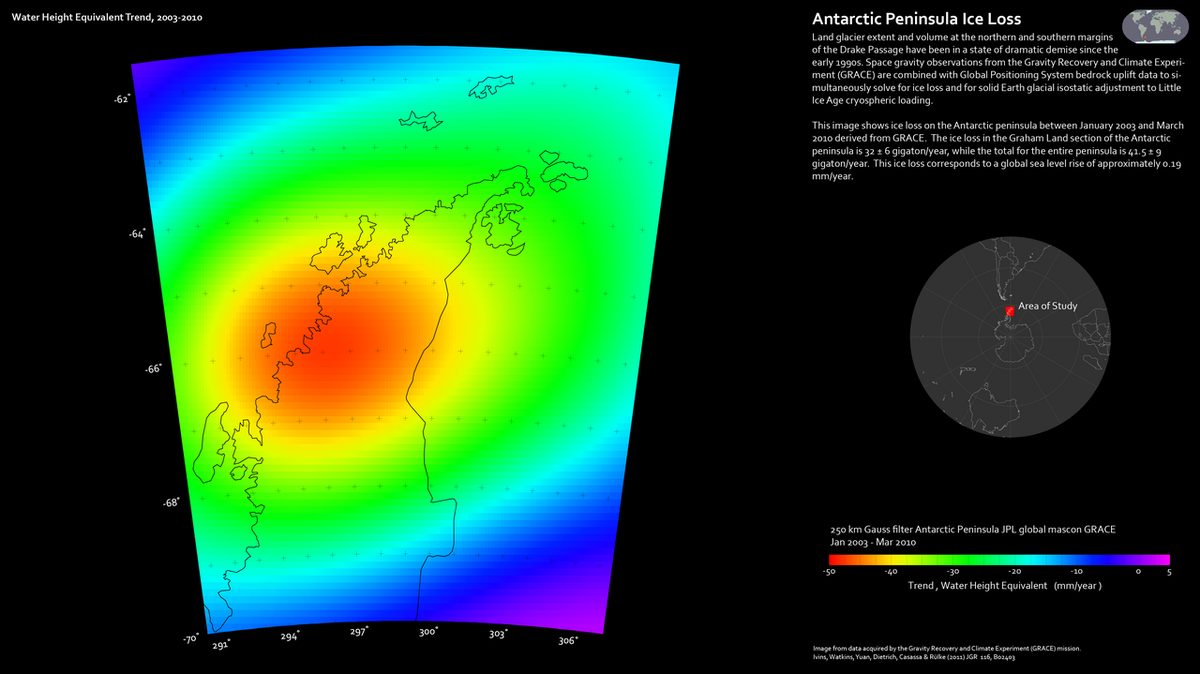
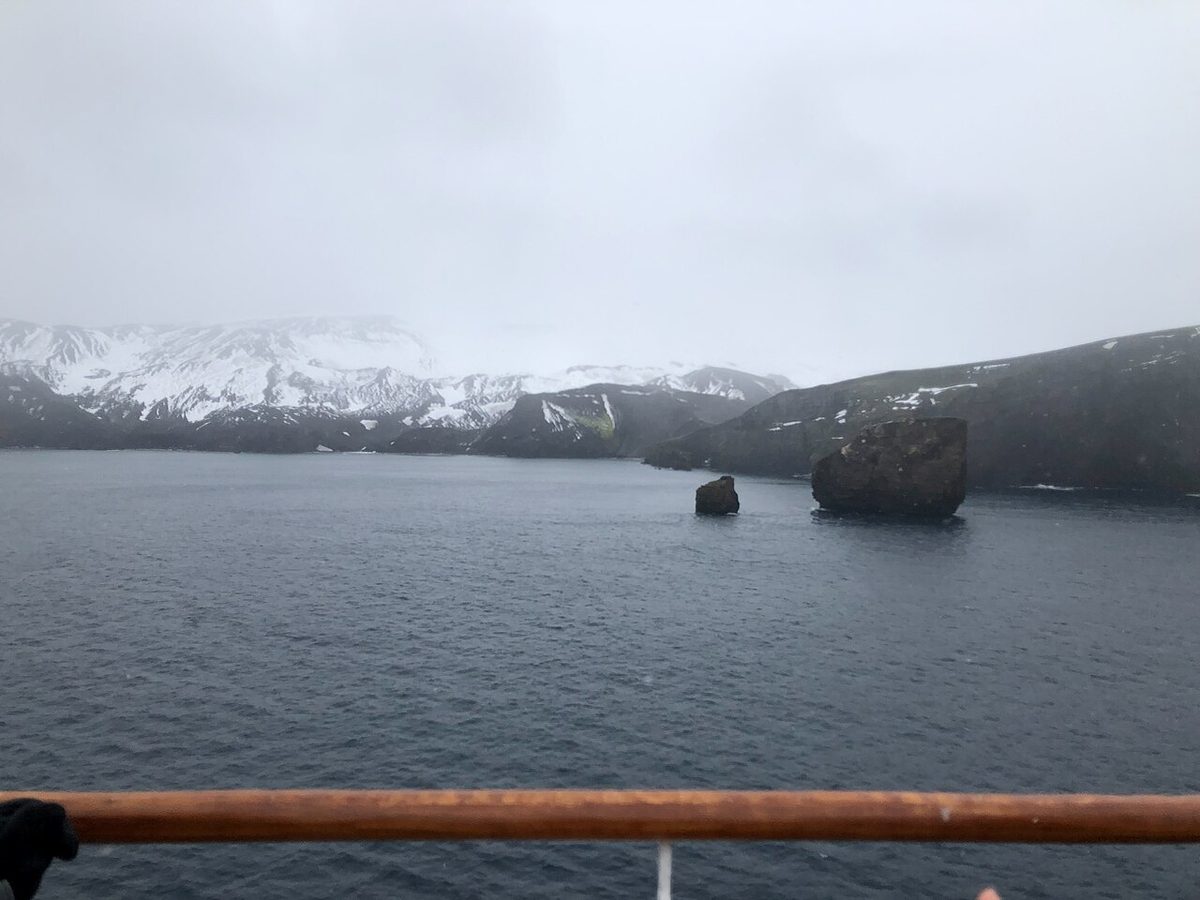
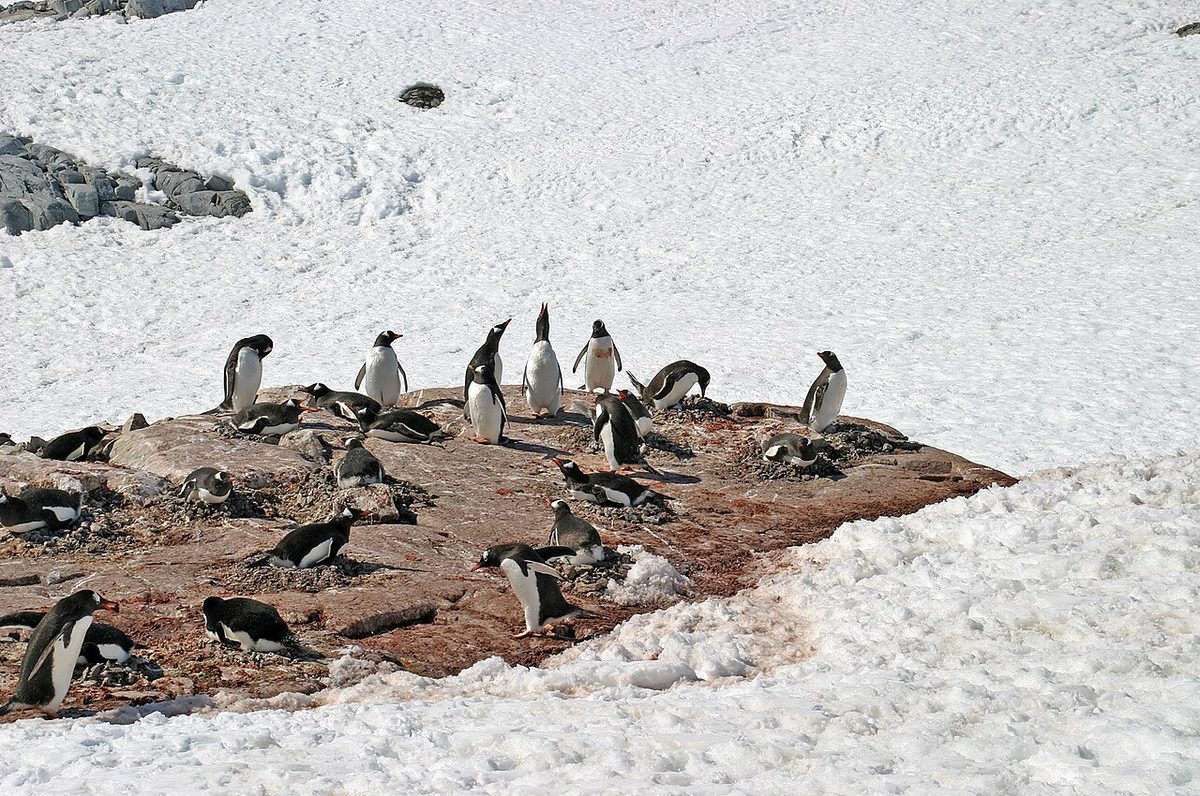
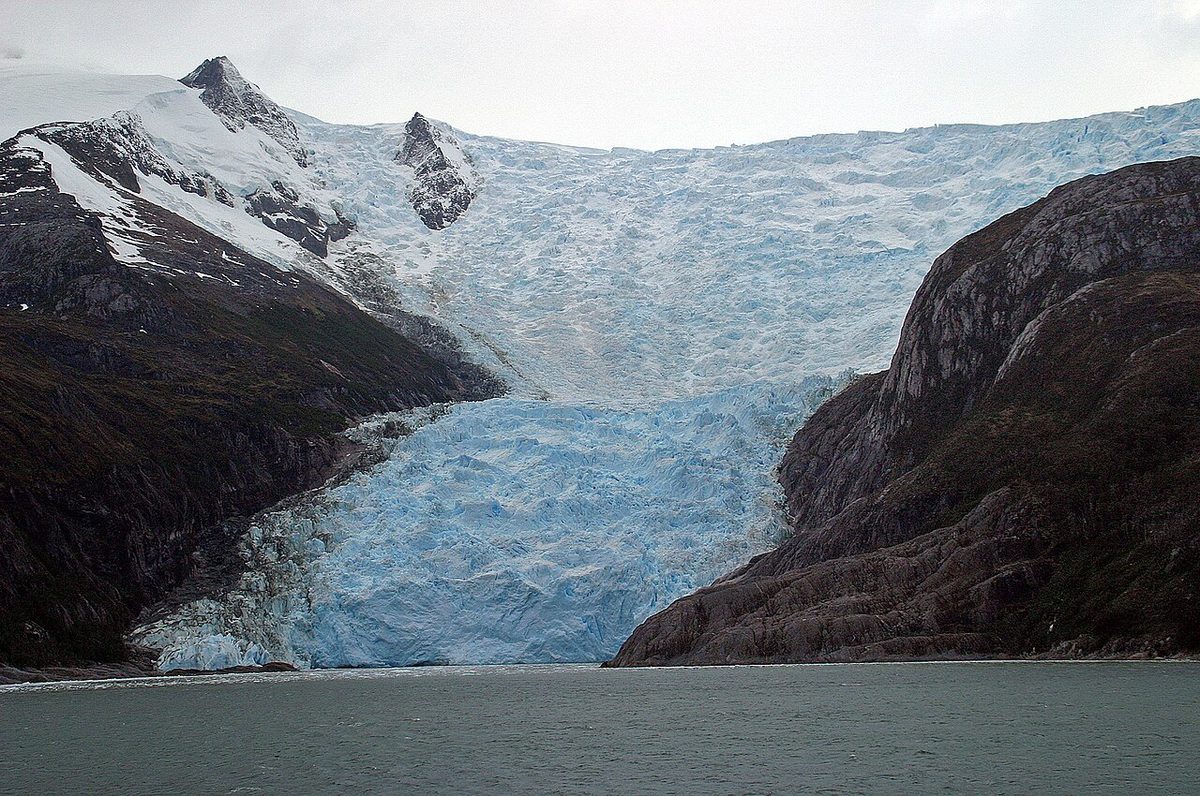
0 — 2 km Fig. 1 · Snow and ice along the Antarctic Peninsula, the destination of an Ushuaia Antarctica cruise · Photo: Public domain via Wikimedia Commons
Most people do not stumble into Antarctica. They circle the idea for years, then suddenly find themselves comparing ships, sailing dates, and a body of water with a frightening reputation. And almost all of that planning runs through one small city at the bottom of Argentina.
This guide is the honest version. Not the brochure.
An Ushuaia Antarctica cruise is the standard way to reach the white continent: you fly to Ushuaia, board an expedition ship, and sail roughly 1,000 km south, usually for about 10 to 14 days. The season runs November through March, classic trips focus on the Antarctic Peninsula, and prices start in the thousands of dollars per person. Book months ahead. This is for travelers treating Antarctica as a serious, separate trip, not a side excursion.
I want to be careful here, because this is the most expensive single thing many people will ever book for a vacation, and the internet is full of confident numbers that go stale fast. So I will hedge prices hard, point you to operators and official sources for anything that has to be exact, and spend most of my energy on the decisions that actually shape your trip: when to go, what kind of voyage, whether to sail or fly the Drake, how long you need, and how this fits with the rest of Patagonia.
If you are still deciding whether the far south belongs in your trip at all, start with the Ushuaia and Tierra del Fuego guide, which treats Ushuaia as a destination that needs a job. Antarctica is one of the strongest jobs it can have.
An Ushuaia Antarctica Cruise at a Glance
Before the detail, here is the shape of the decision. Almost every trip is a version of one of these voyage types, and the right one depends far more on your time, your budget, and your stomach than on any single ship.
Read this table first, then let the rest of the article fill in the why. Treat every cost band as a rough ballpark that moves with the season, the ship, the cabin, and how far ahead you book. Verify current pricing directly with operators before you build a budget around it.
Voyage type
Typical duration
Season
Rough cost band (per person, hedge heavily)
Best for
Classic Antarctic Peninsula (sail the Drake)
~10-12 days
Nov-Mar
Starting around the high single-digit thousands USD; often more
Most first-timers who want the full expedition experience
Express / “fly the Drake” (fly one or both ways)
~7-9 days
Nov-Mar
Usually a step above classic for similar peninsula time
Time-poor travelers, or anyone worried about seasickness
Peninsula + South Shetlands, longer
~12-14 days
Nov-Mar
Higher than classic
Travelers wanting more landings and deeper exploration
South Georgia + Falklands/Malvinas + Peninsula
~18-23+ days
Oct-Mar (limited)
Significantly higher; often the priciest tier
Wildlife obsessives with time and budget
Luxury small-ship / yacht expeditions
Varies
Nov-Mar
Top of the market
Travelers prioritizing comfort, space, and high guide ratios
Swipe to see all columns
Table 1
The honest default for a first trip is the classic 10-to-12-day Peninsula voyage. It gives you the Drake crossing, the South Shetland Islands, the peninsula itself, and enough landing days to make the cost feel justified. Everything else is a variation you choose for a specific reason: less time, more wildlife, more comfort, or a softer crossing.
Why Ushuaia Is the Gateway to Antarctica
Ushuaia is not the only Antarctic gateway, but it is the busiest, and the geography explains why.
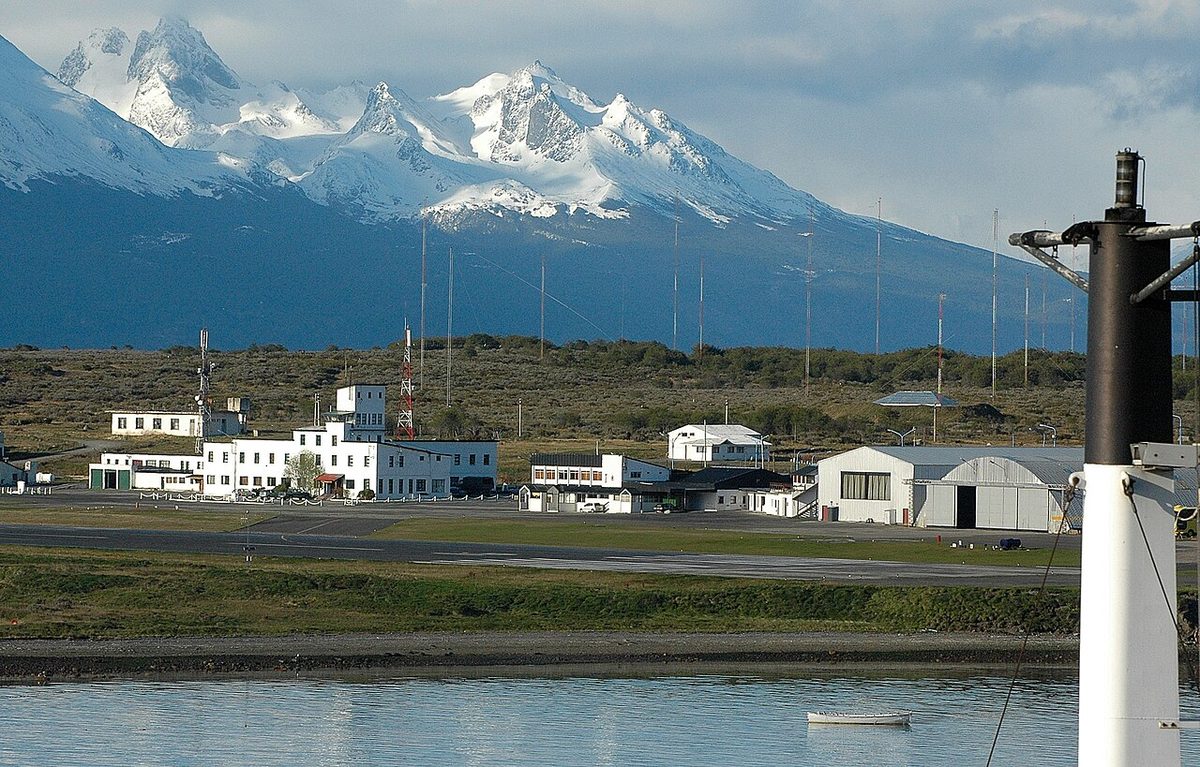
The city sits on the Beagle Channel at the far south of Tierra del Fuego, closer to the Antarctic Peninsula than any other port of its size. Ushuaia municipal tourism describes the city as a gateway roughly 1,000 km from Antarctica, with the port infrastructure expedition ships need, and notes that most Antarctic tourism journeys make a stop in Ushuaia. Visit Argentina frames it the same way: you begin the trip in Ushuaia, which has its own international airport.
IAATO, the body that represents Antarctic tour operators, lists Ushuaia alongside Punta Arenas in Chile and Montevideo in Uruguay as the main gateway ports to the wildlife-rich northern tip of the peninsula. Ushuaia dominates that list because it is the shortest practical hop across the Drake Passage.
That proximity is the whole point. A shorter crossing means more of your trip is spent in Antarctica instead of in transit. It is the reason ships cluster here, the reason the season feels busy, and the reason the city’s small airport handles a steady stream of people in expensive parkas in summer.
It also means Ushuaia is more than a hotel night before you sail. The Beagle Channel, Tierra del Fuego National Park, and the town itself reward a couple of days, which I will come back to when we talk about arriving early. For the full picture of the city, the Ushuaia itinerary and what to see in Ushuaia guides go deeper than I can here.
The Season and Timing
The Antarctic cruise season is short and weather-bound. There is no winter option for tourists in any normal sense.
Visit Argentina gives November through March as the ideal time of year. Ushuaia municipal tourism describes departures from the port between November and April, with the exact window depending on the ship and route. In practice, most travelers sail in the core austral summer, when the sea ice has loosened, the days are long, and wildlife is active.
The season has a personality that changes month to month, and choosing well matters more than chasing a deal.
Early Season: November and Early December
This is the pristine-snow window. The landscapes are at their whitest and least trampled, pack ice can still block some channels and create dramatic scenery, and penguins are courting and building nests.
It is also the time you are most likely to find a lower fare, because demand builds toward the holidays. The tradeoff is that some areas may be harder to reach if ice lingers, and you will see fewer penguin chicks.
Peak Season: Late December to January
This is the warmest, brightest part of the season, with the longest days and the fullest range of departures. Penguin chicks start hatching, the colonies get busy and loud, and conditions are generally at their most forgiving.
It is also the most popular and usually the most expensive window. If you want the classic high-summer experience and can book early, this is the safe choice. Just expect company, both on your ship and across the peninsula.
Late Season: February and March
Late season is the wildlife season. February and March are when whale sightings peak, penguin chicks are growing and active, and the light turns long and golden in the evenings.
Late March also tends to bring the season’s other crop of discounted fares, as operators try to fill the last departures before they reposition the ships. The tradeoff is shorter days as the season winds down and a slightly higher chance of weather disruption.
If your priority is whales and active wildlife, lean late. If it is unbroken snow, lean early. If you simply want the most reliable conditions, aim for the middle and book ahead. For how this fits the wider region’s seasons, see best time to visit Patagonia.
Types of Voyages
“Antarctica cruise” covers a wide range of trips, and the differences are real money and real days.
Visit Argentina draws the basic line clearly: you can choose a large cruise ship that does not stop on land, or a smaller, more exclusive vessel with naturalist guides that lands several times a day. That single distinction shapes everything.
Classic Antarctic Peninsula Expeditions
This is the heart of the market and the trip most people picture. You cross the Drake, reach the South Shetland Islands and the peninsula, and spend several days making Zodiac landings among penguins, seals, and ice, with lectures from an expedition team between outings.
Ushuaia municipal tourism notes that classic Antarctica trips often run around 10 to 12 days. That length exists for a reason: subtract the two Drake crossings and you are left with a workable number of landing days. Shorter than this and the transit starts to dominate.
Express and Fly-Cruise Trips
If you are short on time, some operators offer shorter “express” voyages, often by flying one or both Drake crossings (more on that below). These compress the trip to roughly a week while preserving peninsula time. They cost more for the convenience, and I will be honest that you trade away some of the slow build that makes the full expedition feel like a journey.
Longer Routes: South Georgia and the Falklands
This is the tier for wildlife travelers with time. Adding South Georgia and the Falkland Islands (Malvinas) turns a roughly two-week trip into something closer to three weeks, and the cost climbs with it.
The payoff is extraordinary: king penguin colonies in the hundreds of thousands, albatross, elephant seals, and the history of Shackleton’s crossing. Ushuaia municipal tourism specifically flags that these longer routes require much more time than the classic peninsula trip. Do not bolt them on casually. They are a different commitment.
Large Ships vs Small Expedition Vessels
The size of your ship determines how you experience Antarctica, and it is governed by rules, not just preference. Under the framework IAATO operates within, vessels carrying more than 500 passengers are not allowed to land any passengers in Antarctic waters at all. They are cruise-only: you see the continent from the deck but never set foot on it.
Smaller expedition ships, in the rough range of 100 to 200 passengers, are built for landings. IAATO categorizes traditional expedition ships as carrying 13 to 200 passengers and making landings, mid-size vessels at 201 to 500, and yachts at up to 12. If walking ashore among penguins is the dream, a smaller ship is not a luxury, it is the requirement.
No part of an Antarctica trip generates more anxiety than the Drake Passage, so let me put it in proportion.
The Drake is the stretch of the Southern Ocean between the tip of South America and the peninsula, where the Antarctic Circumpolar Current funnels through a roughly 800 km gap. Swoop Antarctica describes a crossing of around 48 hours each way under normal conditions, occasionally longer, with the captain constantly plotting the smoothest course.
Here is the part the horror stories leave out. The infamous “Drake Shake,” with swells of eight meters or more, is the exception, not the rule. Swoop reports that fewer than one in four crossings are genuinely rough; the majority are a “Drake Lake” with modest swells. Modern expedition ships carry underwater stabilizers, and some newer hulls (the X-Bow design) are built specifically to slice through waves and reduce motion.
The crossing is also part of the experience, not dead time. Albatrosses, petrels, and other seabirds follow the ship, expedition guides run lectures to prepare you for what is coming, and the first iceberg on the southern approach is a genuine thrill. On the way home, many people use the slow crossing to decompress and sort through thousands of photos.
Fly the Drake
If time or seasickness is a real concern, you can skip the crossing. Fly-cruise trips fly you from Punta Arenas in Chile to the South Shetland Islands in about two hours, where you board your ship and start exploring almost immediately. Swoop notes these trips cost a bit more because of the flight logistics, and they are weather-dependent in their own way, since flights can be delayed by conditions at the gateway.
So the real choice is this. Sail the Drake if you want the full journey, the seabirds, and the slow arrival, and you have the days to spend. Fly it if you are short on time, prone to severe motion sickness, or simply unwilling to gamble four of your trip’s days on the open ocean. Neither is wrong. They are different trips.
Seasickness, Honestly
If you are worried, prepare rather than panic. Swoop’s practical advice, which matches what I have heard from people who have crossed, is to sort out tablets, patches, or wristbands before you travel, ideally after talking to a doctor or pharmacist. Every expedition ship carries a doctor. Eat lightly, stay hydrated, and rest, since seasickness medication can make you drowsy and a power nap is no bad thing on a sea day.
How Long You Need
The single most common planning mistake is underestimating the total time an Antarctica trip swallows.
Visit Argentina recommends a stay of 7 to 14 days for the voyage itself. But that is just the cruise. Around it you need to add flights to and from Ushuaia, a buffer before embarkation, and ideally a day or two to recover afterward.
Think of it in layers. A classic Peninsula cruise is roughly 10 to 12 days at sea. Add one to two buffer days in Ushuaia before you board. Add the international flights to reach Argentina and the domestic hop to Ushuaia, which alone can eat a day or two on each side depending on where you start. Suddenly a “10-day cruise” is a two-and-a-half to three-week trip out of your life.
A fly-cruise can shave several days off the at-sea portion, which is exactly why time-poor travelers choose it. A South Georgia route does the opposite and pushes the whole thing toward a month.
My honest take: do not try to squeeze Antarctica into a tight two-week vacation that also includes other Patagonia highlights. It almost never works without something feeling rushed or risky. Give it the room it needs.
Costs and How to Save
Let me be upfront. I am not going to quote you a fare and call it a fact, because Antarctica pricing is genuinely volatile and the number you find today may not be the number you pay.
What I can tell you is the shape of it. Classic peninsula voyages of around 10 to 12 days generally start in the thousands of dollars per person and climb steeply from there with cabin category, ship style, and season. Luxury small ships and longer South Georgia routes sit well above the classic tier. Fly-cruise trips typically cost a little more than the equivalent sailing for the convenience of skipping the Drake. Treat all of that as a ballpark and verify current pricing with operators before you commit to anything.
There are real ways to bring the number down.
Travel early or late season. November and late March departures are often the most affordable, because demand peaks over the holidays.
Consider a triple or shared cabin. Solo travelers in particular pay a steep single supplement; sharing a cabin can cut the per-person cost meaningfully.
Book early for the best cabins, or very late for leftover ones. These are opposite strategies, and I will cover the late-booking gamble next.
Be flexible on the ship. If you do not need a balcony or a particular vessel, a wider search across departures opens up cheaper options.
Watch the extras. Some activities (kayaking, camping, mountaineering) cost more on top of the base fare. Factor them in honestly.
For how Antarctica sits within a wider regional budget, the Patagonia trip cost and budget guide puts the numbers in context. It is, by some distance, the most expensive thing you can do in Patagonia.
Booking Ahead vs Gambling on Last Minute
This is where the advice splits, and where the deal sites can mislead you.
Both Visit Argentina and Ushuaia municipal tourism advise booking several months in advance, and for most people that is the right call. Booking ahead gets you the cabin you want, the departure date that fits your season preference, time to arrange flights and insurance, and far less stress. If you have a fixed schedule, a specific ship in mind, or you are traveling at peak season, do not gamble. Book early.
The last-minute route is real, but it is a genuine gamble, not a reliable strategy. Operators do discount unsold berths close to departure, and a small number of travelers do score a cheaper cabin by showing up in Ushuaia with flexible dates and waiting. I have read plenty of accounts of it working.
But the mechanics work against you. Many operators stop taking bookings within a window before departure because of the medical questionnaire, payment processing, and permit logistics. You still need to get yourself to Ushuaia and find accommodation while you wait, with no guarantee a berth appears. The discount is often smaller than the legend suggests, and the cabins left are frequently the least desirable or the single-supplement ones. If a specific date or trip matters to you at all, the last-minute approach can leave you with nothing.
So my honest framing: book ahead unless your entire trip is built around flexibility, you have weeks to spare in southern Patagonia, and you would genuinely be happy to walk away if no deal materializes. For almost everyone with a real schedule, last minute is a romantic idea that does not survive contact with logistics.
Antarctica fares look high until you realize how much they bundle, and then the gaps still matter. Before you book, get clear answers on what is and is not included.
Most expedition fares cover your cabin, all meals on board, Zodiac landings and cruising, the expedition team and lectures, and often a loaned expedition parka and the use of rubber boots. That is the core product, and it is substantial.
What is frequently extra, and worth confirming in writing:
Flights to and from Ushuaia, and any pre- or post-cruise hotel nights.
Mandatory comprehensive travel insurance with emergency evacuation coverage, which most operators require and you should not skip.
Optional activities like sea kayaking, camping on the ice, paddleboarding, or mountaineering.
Gratuities for the crew and expedition staff.
Drinks beyond what is included, and Wi-Fi.
The single supplement if you are traveling solo and not sharing.
Then ask the questions that protect you. What is the cancellation and weather policy? What size is the ship, and how many landings can it realistically make? What is the guide-to-passenger ratio? Is the operator a member of IAATO? That last one matters more than it sounds, which brings me to the responsible-travel context.
Responsible Travel and the IAATO Context
Antarctica has no government and no permanent population. It is protected by an international treaty, and the tourism that happens there runs on a system of self-imposed rules that, for once, actually work. Understanding it will make you a better traveler and a smarter buyer.
IAATO, the International Association of Antarctica Tour Operators, was founded in 1991 to promote safe and environmentally responsible travel to the continent, and the vast majority of companies operating there are members. Choosing an IAATO operator is the single clearest signal that your trip follows the established protocols on wildlife distance, waste, staffing, and emergency planning.
The rules are stricter than most people expect, and they shape your day-to-day experience. According to figures compiled by the Antarctic Treaty Secretariat and reported via MercoPress, only one ship may visit a site at a time, vessels with more than 500 passengers cannot land passengers at all, a maximum of 100 people may be ashore from a vessel at any one time, and landings are expected to maintain a roughly 1:20 guide-to-passenger ratio. This is exactly why ship size matters so much: a smaller ship means you spend less time waiting your turn to go ashore.
It is also worth knowing the scale of what you are joining. That same reporting put Antarctic tourism at 118,491 visitors in the 2024-25 season, with around 98 percent of tourism voyages operating in the peninsula region during the austral summer. The continent is still overwhelmingly wild and empty, but the popular landing sites do see repeated visits, and the pressure is concentrated in one relatively small area. Travel with that in mind: follow your guides exactly, keep your distance from wildlife, clean your gear for biosecurity, and treat the place as the last great wilderness it still is.
Combining Antarctica with a Patagonia Itinerary
Here is where most operator pages go quiet and where I think this guide can actually help you. You have flown most of the way to the bottom of the world. It would be a shame to see only the ice.
The cleanest combination is the one the geography hands you. Antarctica trips run through Ushuaia, and Ushuaia is the southern anchor of a classic Argentine Patagonia route. So the natural shape is to fly south, see the mainland highlights, end in Ushuaia, and sail. Or reverse it: sail first, then decompress and travel north afterward.
A common and well-paced version looks like this:
Fly into El Calafate and visit Perito Moreno Glacier.
Continue to El Chalten for a few days of hiking under Fitz Roy.
Fly or connect down to Ushuaia.
Spend two or three days in Tierra del Fuego, then embark for Antarctica.
That sequence lets each piece do its job. The glaciers and granite of the mainland are a completely different landscape from the ice and ocean of the peninsula, and they do not compete with each other. If you have even more time, Torres del Paine over the Chilean border can slot in before you reach the far south. The Patagonia itinerary guide lays out how to sequence all of this without doubling back.
One caution from the pillar that bears repeating: do not try to add Antarctica to a tight 10-day classic Patagonia trip. The cruise alone is longer than that. Antarctica turns a Patagonia vacation into a three-week-plus expedition, and that is the honest math. If you only have two weeks total, choose one or the other and do it well.
For the boat-based side of mainland Patagonia, which is a gentler and cheaper way to see ice from the water, the Patagonia cruises, fjords and glaciers guide is the natural companion read. And for the logistics of moving between all these points, how to get to and around Patagonia covers the flights and connections.
Arriving Early in Ushuaia: Build a Buffer
If you take one piece of pure logistics advice from this article, make it this: do not plan to fly into Ushuaia on the same day your ship sails.
I cannot stress this enough, and it is the same point the pillar makes. A missed connection on a normal trip is annoying. A missed connection before a non-refundable expedition that cost as much as a small car is a catastrophe. Weather delays, baggage problems, and cancelled domestic flights are all real risks on the route to the far south.
Arrive at least one full day before embarkation, and ideally two or more if your flights are complex or you are traveling during a busy stretch. That buffer is the cheapest insurance you will ever buy against the most expensive ticket you will ever hold.
The good news is that the buffer is not wasted time. Ushuaia genuinely rewards a couple of days. Use them well:
Eat the local king crab, ideally on a trip out to Puerto Almanza if you have the time and a way to get there.
Do your final gear checks, buy anything you forgot, and start adjusting to the cold and the rhythm of the south.
If your trip happens to fall in the cold months, the Ushuaia winter guide covers how the city changes, though note that the Antarctic cruise season and the Ushuaia ski season do not overlap. You will be there in summer.
You do not need to outfit yourself like a polar explorer, because the cold-weather system is more forgiving than it looks and operators help.
The principle is layering, not bulk. A warm base layer, an insulating mid-layer, and a windproof, waterproof outer shell handle most conditions. Many expedition operators loan or include a proper expedition parka and the rubber boots you need for wet Zodiac landings, which removes the two bulkiest items from your packing list. Confirm what your operator provides before you buy.
Beyond that, the things people forget matter most:
Waterproof trousers for Zodiac spray and landings.
Warm gloves, ideally a thin liner pair plus a heavier waterproof pair, so you can take photos without freezing.
A warm hat and a neck gaiter or buff.
Strong sun protection. The reflection off snow and water is intense, and sunglasses and high-SPF sunscreen are not optional.
Seasickness remedies sorted before you travel.
Plenty of camera storage and spare batteries, which drain fast in the cold.
Visit Argentina keeps the official advice simple: warm clothes resistant to very low temperatures. The detail is in the layering and the small, easy-to-forget items.
My Honest Take
Antarctica is the rare trip that lives up to the anticipation, and Ushuaia is the doorway almost everyone walks through to get there.
If you have the time and the budget, a classic 10-to-12-day Peninsula expedition is one of the great experiences left on the planet, and I would not overthink the choice of ship beyond making sure it lands passengers and carries an experienced expedition team. The Drake is rarely the monster of legend, the wildlife is staggering, and the silence of the ice is something you will think about for years.
The mistakes I would steer you away from are the avoidable ones. Do not state a fare to yourself as fixed and get blindsided when it moves; verify with operators. Do not gamble everything on a last-minute deal unless you genuinely have weeks to spare and the freedom to walk away. Do not fly into Ushuaia the day you sail. And do not try to cram Antarctica into a short Patagonia trip, because it is not a side excursion, it is the trip.
Give it the room, the buffer, and the budget it deserves, and let the rest of Patagonia be the supporting act it is happy to be. When you are ready to build the wider route around it, the Ushuaia guide and the Patagonia itinerary planner are the right next steps.
Prices vary enormously and move fast, so treat any figure as a ballpark. Classic 10-to-12-day Peninsula voyages generally start in the thousands of dollars per person and climb steeply with cabin, ship, and season; luxury and longer South Georgia routes cost considerably more. Early and late-season departures tend to be cheapest. Always verify current pricing directly with operators.
When is the best time for an Ushuaia Antarctica cruise?
The season runs November through March. Choose November to early December for pristine snow and lower fares, late December to January for the warmest weather and longest days, and February to March for peak wildlife, whales, and penguin chicks. Visit Argentina names November through March as the ideal window and recommends booking several months ahead.
Can you get last-minute Antarctica cruise deals from Ushuaia?
Sometimes, but it is a gamble, not a plan. Operators do discount unsold berths near departure, and flexible travelers occasionally save by waiting in Ushuaia. But many operators stop taking bookings within a window before sailing, the leftover cabins are often the least desirable, and there is no guarantee a berth appears. Book ahead unless your whole trip is built around flexibility.
How long does an Antarctica cruise from Ushuaia take?
Visit Argentina recommends 7 to 14 days for the voyage. A classic Antarctic Peninsula expedition runs about 10 to 12 days, fly-cruise trips can compress it to roughly a week, and longer routes adding South Georgia and the Falklands push past three weeks. Add flights and a buffer day or two in Ushuaia, and the whole trip easily reaches two to three weeks.
Do I have to cross the Drake Passage?
No. You can fly the Drake instead, taking a roughly two-hour flight from Punta Arenas in Chile to the South Shetland Islands to join your ship. Sailing takes about 48 hours each way, and despite its reputation, fewer than one in four crossings are genuinely rough. Fly-cruise trips cost a bit more but suit time-poor or seasickness-prone travelers.
How many days should I spend in Ushuaia before my cruise?
At least one full day, and ideally two or more if your flights are complex. Flying into Ushuaia on the day your ship sails is a serious risk, because weather and flight delays are common on the route. The buffer is cheap insurance, and you can fill it with a Beagle Channel cruise, Tierra del Fuego National Park, and final gear checks.
Can I combine Antarctica with the rest of Patagonia?
Yes, and the geography makes it easy, since Antarctica trips run through Ushuaia. A common route is El Calafate and Perito Moreno Glacier, then El Chalten, then down to Ushuaia to sail. Just do not try to fit it into a tight two weeks; the cruise alone is longer than that. Antarctica turns a Patagonia trip into a three-week-plus expedition.