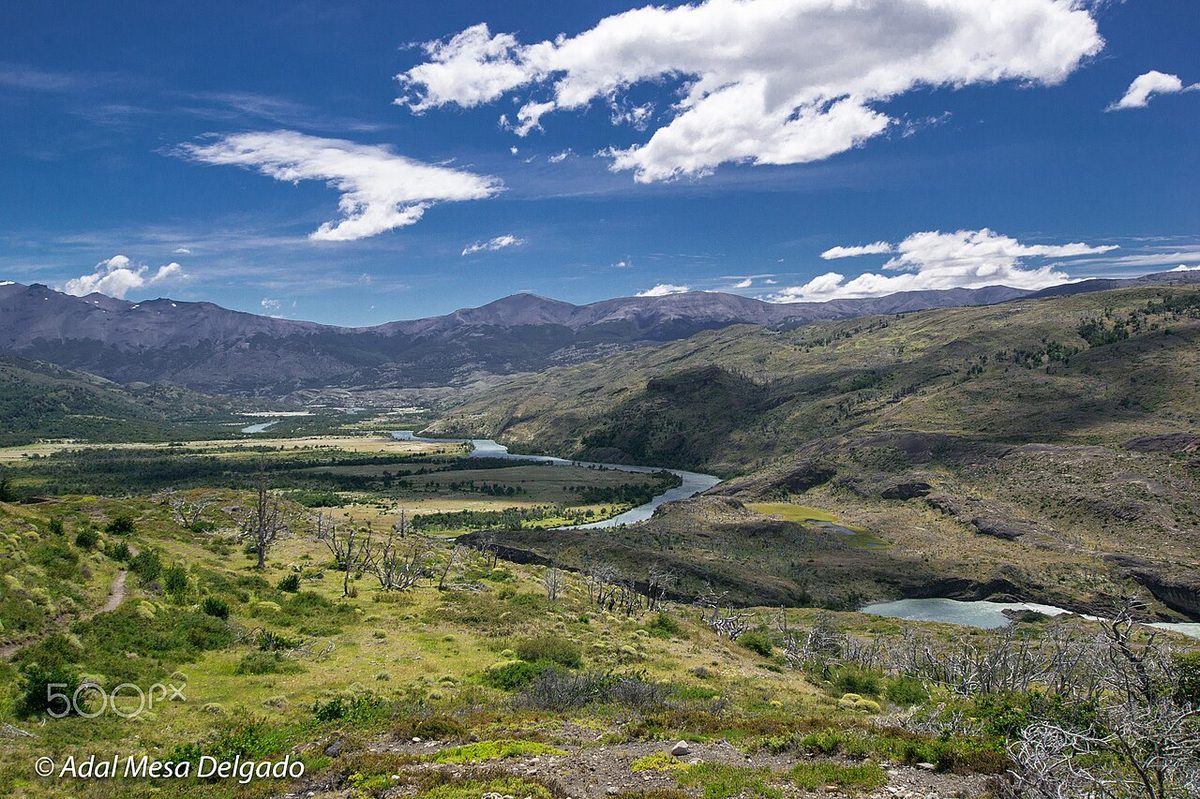
It is not expensive because every day has to be luxurious. Some of the best things in Patagonia are still simple: walking out of El Chalten before sunrise, cooking pasta in a hostel kitchen, taking a bus across the steppe, watching the light change over Lago Argentino, or sitting on a windy beach hoping a whale surfaces again.
Patagonia gets expensive because the region is huge, remote, seasonal, weather-exposed, and full of choices where comfort and flexibility cost real money. A cheap flight can create a bad route. A cheap bus can cost a weather day. A cheap lodging decision can put you far from the trailhead. A “we will book it later” plan can turn into a premium-priced scramble in January. A rental car can be either the best purchase of the trip or a metal suitcase that sits parked while you trek.
That is the point of this Patagonia trip cost guide.
I do not want to give you one neat number and pretend it solves anything. “Patagonia costs $150 per day” is not planning. It is a sentence. Your real Patagonia budget depends on where you go, when you go, how fast you move, whether you trek, whether you rent a car, how many paid tours you choose, and how much uncertainty you are willing to absorb.
This guide gives you realistic Patagonia budget ranges by travel style, destination, trip length, and cost category. It also explains where to save money, where to pay for convenience, how Argentina and Chile differ, how park fees and tickets fit in, what W Trek and Perito Moreno-style expenses do to a budget, and which savings I would avoid because they make the trip worse.
Last fact-check: May 27, 2026. Prices in Patagonia change quickly, especially in Argentina. Use the ranges below for planning, then recheck flights, lodging, park fees, bus schedules, trek operators, rental car terms, and exchange/card conditions before booking.
Quick Answer: How Much Does a Patagonia Trip Cost?
For most travelers, a Patagonia trip costs roughly:
Travel style
Daily budget, excluding long-haul international flights
These are planning ranges, not promises. They exclude your long-haul flight to South America. They assume you are paying for your own trip in normal tourist channels, not using points, staying with friends, hitchhiking heavily, or booking a fully packaged luxury trip where everything is bundled.
The fastest way to estimate your Patagonia trip cost is:
For most first-time travelers, a realistic 10 to 14 day Patagonia budget falls somewhere between USD 2,500 and USD 6,500 per person excluding international flights. You can spend less if you travel slowly, use hostels, cook, stick to buses, and focus on free hikes. You can spend far more if you stay inside or near Torres del Paine, book the W Trek with refugios and meals, ice trek on Perito Moreno, rent a car, add Ushuaia, or use private transfers and guides.
If you remember only one thing, make it this: Patagonia is not expensive in one line item. Patagonia gets expensive when you combine long distances, scarce rooms, premium tours, and too little time.
Yes, Patagonia is expensive compared with much of South America. It can also be cheaper than places such as Iceland, Alaska, Norway, or New Zealand if you travel independently and choose your paid experiences carefully.
Both things can be true.
The reason Patagonia feels expensive is not only that prices are high. It is that the region gives you fewer easy shortcuts. There are long distances between gateways. Popular towns have limited high-season lodging. Many of the famous experiences are remote. Weather can make a tight itinerary risky. Public transport works well on some routes and poorly on others. In Torres del Paine, accommodation, food, transfers, catamarans, refugios, and campsites can become part of one expensive puzzle. In El Calafate, the glacier walkways can be straightforward, but ice trekking can add a large paid-tour cost. In Ushuaia, you are paying for the far south. On the Carretera Austral, the landscape may be wild but the rental car, fuel, ferries, and one-way logistics are not free.
Budget Patagonia is possible. I would never tell a backpacker that Patagonia has to be a luxury trip. But I would also be careful with the version of budget advice that pretends the only answer is to camp, hitchhike, and cook oats. That works for some people. It is not the right answer for a couple with 12 vacation days, a family, a first-time international traveler, or someone whose main goal is a once-in-a-lifetime W Trek.
The better question is not “Is Patagonia expensive?” It is “Which parts of this trip are worth paying for, and which costs are just poor planning?”
What Drives Patagonia Cost
Patagonia cost is controlled by eight big levers.
1. Route
The route is the budget.
El Calafate plus El Chalten can be fairly efficient because the airport, glacier, and hiking town connect cleanly. Add Puerto Natales and Torres del Paine, and you add a border, Chilean prices, park logistics, and possibly trek accommodation. Add Ushuaia, and you usually add a flight. Add Bariloche, and you add a major northern Patagonia extension. Add Puerto Madryn wildlife, and you add the Atlantic coast. Add the Carretera Austral, and you add a road trip with ferries and rental complexity.
If your route is too ambitious, the budget goes up even if every individual hotel is modest.
Peak season usually means higher prices and less forgiveness.
December, January, and February have strong access, long days, more operators, and the easiest logistics for many first-time travelers. They also bring high lodging demand, fuller buses, expensive rental cars, scarce trek reservations, and less room to improvise.
November and March can be good value because the trip still works well in many places but demand softens. October and April can be cheaper still, but the savings may be offset by fewer operators, colder weather, trail uncertainty, and more planning friction. Winter can be affordable in some towns and expensive in ski or guided contexts.
Patagonia has hostels, guesthouses, cabins, hotels, estancias, refugios, campsites, domes, and luxury lodges. The issue is not that every bed is expensive. The issue is that the good-value beds disappear.
This is especially true in:
El Chalten in peak hiking season.
Puerto Natales before and after W Trek dates.
Inside or near Torres del Paine.
Puerto Piramides during whale season.
Bariloche during summer holidays and ski season.
Carretera Austral towns with limited lodging.
Ushuaia around Antarctica departures and peak dates.
Booking late rarely makes Patagonia cheaper. It usually makes it narrower.
4. Transport Mode
Transport can be cheap or brutal.
Buses are good value on classic routes: El Calafate to El Chalten, El Calafate to Puerto Natales, Punta Arenas to Puerto Natales, and many Bariloche-area connections. Flights save time for long jumps. Rental cars can be excellent for Bariloche, Peninsula Valdes, Torres del Paine day trips, and the Carretera Austral, but they add fuel, insurance, parking, possible one-way fees, and border permits.
The cheapest transport is not always the lowest-cost decision. If a bus saves USD 120 but costs a weather day in El Chalten, I would not call that a win.
Patagonia has many free or low-cost days. It also has expensive optional activities.
Big budget movers include:
Perito Moreno Mini Trekking or Big Ice.
W Trek refugios, equipped camping, meals, and gear rental.
Guided Torres del Paine day hikes or puma tracking.
Beagle Channel and penguin trips from Ushuaia.
Whale watching and Peninsula Valdes tours.
Marble Caves boat or kayak trips.
Glacier cruises from El Calafate.
Private transfers or private guides.
Horseback riding, rafting, kayaking, and estancia days.
The trick is not to avoid all paid activities. The trick is to buy the ones that actually matter to your trip.
6. Park Fees and Tickets
Park fees are not usually the largest part of a Patagonia budget, but they are no longer rounding errors.
In Argentina, Argentina National Parks announced on May 15, 2026 that access fees would be updated from June 1, 2026 under Resolution 132/2026. The announcement says entrance charges apply to listed parks including Los Glaciares, Tierra del Fuego, Nahuel Huapi, Los Arrayanes, Los Alerces, Lanin, Lago Puelo, and others.
The Resolution 132/2026 text also confirms important discount rules, including a 50% second-day discount within 72 hours for listed protected areas, with Tierra del Fuego’s second-day discount applying only to web-purchased tickets.
During research on May 27, 2026, the Argentina National Parks tariff page still displayed values effective from January 6, 2025, including Los Glaciares and the El Chalten entrance at ARS 45,000 for a general day ticket and Tierra del Fuego at ARS 30,000 for a general day ticket. Because the June 1, 2026 update was already announced, treat this as a live-check item, not a static number.
In Chile, CONAF’s Torres del Paine page points visitors to Pases Parques for updated official park-pass information. Pases Parques describes itself as the official portal for Chile national park and reserve passes.
Translation: check fees before you go, and do not build the budget from old blog numbers.
7. Food Strategy
Food can be a quiet budget leak.
Eating out in Patagonia is part of the fun, especially in places like Bariloche, El Calafate, Puerto Natales, and Ushuaia. But if you eat every meal in restaurants, buy trail snacks at the last minute, and stay in rooms without kitchen access, the total climbs quickly.
Self-catering is one of the easiest ways to save money without hurting the trip. It works best in towns with supermarkets and kitchens. It works less well inside remote parks, on guided treks, or in lodges where meals are bundled.
8. Speed
Fast Patagonia is expensive Patagonia.
If you have 10 days and want Bariloche, El Chalten, Perito Moreno, Torres del Paine, Ushuaia, and whales, you will pay in flights, transfers, missed buffers, and stress. If you have three weeks, buses, slower routes, grocery days, and cheaper lodging become easier.
Time is not free. But in Patagonia, extra time often reduces the need for premium logistics.
Patagonia Daily Budget by Travel Style
Use these as planning anchors. They are per person and exclude long-haul international flights. Couples sharing private rooms may spend less per person than solo travelers on lodging. Solo travelers often save with dorms but pay more per person for private transfers, cars, and some rooms.
Shoestring Backpacker: USD 75-125 Per Day
This is the lowest practical range for a traveler who still wants the trip to function.
It usually means:
Hostel dorms or camping.
Grocery cooking.
Buses instead of flights where possible.
Free day hikes.
Few paid tours.
No private rooms in high-demand towns unless a deal appears.
No rental car unless split with a group.
Careful route discipline.
This style works best in El Chalten, Bariloche, parts of El Calafate, and bus-friendly southern routes. It works less well if your dream is Torres del Paine refugios, ice trekking, puma tracking, or a short trip with many regions.
The danger is false economy. A budget traveler can absolutely enjoy Patagonia. But if you cut the only weather buffer, skip gear you need, or take an awful connection before a major hike, the budget starts controlling the trip.
Budget-Comfort: USD 130-220 Per Day
This is the range I would consider realistic for many independent travelers who want to save money but not turn every decision into a sacrifice.
It usually means:
Hostels, private hostel rooms, simple guesthouses, or modest hotels.
Grocery breakfasts and lunches, some restaurant dinners.
Buses on logical routes.
One or two domestic flights if needed.
A few paid activities chosen carefully.
Park fees included.
Occasional taxi or transfer.
This is a good range for couples, friends, solo travelers who do not need constant private rooms, and people with two or more weeks.
Mid-Range: USD 250-450 Per Day
This is the range for travelers who want the trip to feel comfortable but still independent.
It usually means:
2-3 star hotels, cabins, or better guesthouses.
Domestic flights where they save time.
Restaurant meals mixed with casual food.
Guided day tours in key places.
Possibly a rental car for part of the trip.
Paid glacier, boat, or wildlife experiences.
More flexible arrival/departure timing.
For many first-time 10 to 14 day Patagonia trips, this is the range that feels honest. It lets you pay for the experiences that matter while still making choices.
Comfort/Upscale: USD 450-800 Per Day
This range buys less friction.
It may include:
Better hotels and scenic rooms.
Private transfers.
Rental car for convenience.
Guided hikes or private excursions.
More restaurant meals.
Better-timed flights.
In-park or near-park lodging.
Less dependence on public bus schedules.
This is not automatically luxury. Patagonia comfort costs more because remote comfort is expensive. A nice room near Torres del Paine is not the same market as a nice room in a big city.
Lodge/Luxury: USD 900+ Per Day
Luxury Patagonia can get expensive very quickly.
This may include:
All-inclusive lodges.
Private guides.
Premium Torres del Paine locations.
Scenic flights or private transfers.
High-end estancia stays.
Custom itineraries.
Bundled meals, activities, and transport.
This style can be excellent for travelers who want support, comfort, photography access, wildlife tracking, or a special-occasion trip. It is not necessary for everyone, and I would not choose it just because Patagonia sounds remote. Many travelers can have a better trip by spending selectively instead of upgrading everything.
Patagonia Cost Breakdown
Here is where the money usually goes.
International Flights
Long-haul flights are the biggest variable and are not included in the daily ranges above.
Most travelers enter through Buenos Aires for Argentine Patagonia or Santiago for Chilean Patagonia. Flights from North America, Europe, Australia, or elsewhere can vary wildly by season, routing, miles/points, baggage, and booking window.
If you are comparing a Patagonia trip with another destination, include international flights. If you are comparing Patagonia routes against each other, separate international flights from the local budget so they do not hide the real differences.
Domestic Flights
Domestic and regional flights can save the trip.
Common Patagonia flight legs include:
Buenos Aires to El Calafate.
Buenos Aires to Bariloche.
Buenos Aires to Ushuaia.
Buenos Aires to Trelew or Puerto Madryn.
Santiago to Punta Arenas.
Santiago to Puerto Natales when available.
Santiago to Puerto Montt.
Santiago to Balmaceda.
The cheapest tickets often exclude baggage, seat selection, flexibility, and convenient times. That matters when you have trekking gear.
As a planning range, internal flights often land somewhere from low hundreds to several hundred dollars per person per leg once baggage and timing are included. Sometimes they are cheaper. Sometimes peak-season or late-booked routes are painful. Always compare with the value of the day saved.
Buses and Shared Transfers
Buses are one of the best ways to keep Patagonia costs under control.
Good-value bus routes include:
El Calafate to El Chalten.
El Calafate to Puerto Natales.
Punta Arenas to Puerto Natales.
Puerto Natales to Torres del Paine.
Bariloche to Villa La Angostura, San Martin de los Andes, El Bolson, or Esquel.
Buses are not always cheap enough to justify long overland leaps. A 24-hour or 30-hour bus can be fine for a backpacker with time. It is a bad bargain for a traveler with 10 days and a weather-dependent hike ahead.
Rental Cars
Rental cars have a misleading headline price.
The quote is only the start. Add:
Insurance.
Fuel.
Parking.
One-way fees.
Cross-border permits.
Ferry costs.
Tire/glass/gravel restrictions.
Extra drivers.
Pickup/drop-off timing.
Winter equipment if needed.
A car can save money for two to four people sharing costs. It can be expensive for a solo traveler. It is usually worth considering for Bariloche, Peninsula Valdes, Torres del Paine day trips, and the Carretera Austral. It is less useful if your route is mostly buses and treks.
Dorm bed: lowest-cost option, but popular hostels can still be expensive in peak towns.
Simple private room: often the sweet spot for couples.
Cabins/apartments: good value for families or groups who cook.
Mid-range hotel: comfortable but high-season prices rise sharply.
Refugios/equipped camping: not cheap, but solves W Trek logistics.
In-park lodges: expensive, often worth it only if the access and experience matter.
Luxury lodges: priced as destination experiences, not just rooms.
If your budget is tight, pay attention to kitchen access. A slightly more expensive room with a kitchen can cost less than a cheap room that forces restaurants three times a day.
Food
Food budgets can be roughly divided like this:
Grocery/self-catering: lowest cost.
Bakery/cafe/simple meals: moderate.
Casual restaurant dinners: adds up.
Remote park meals/refugio meals: expensive but logistically useful.
Fine dining/lodge meals: premium.
The food strategy I like for mid-range travelers is simple: cook or assemble breakfast, pack trail lunches, and choose dinners intentionally. You do not need to make every meal a budget exercise, but trail towns become expensive if every snack and coffee is spontaneous.
Park Fees
Park fees vary by country, park, category, pass type, and date.
For Argentina, check the official APN tariff page and the 2026 update notice before travel. During research, official APN material showed daily, 3-day Flexipass, 7-day Flexipass, and annual pass structures, plus second-day discount rules. Because APN announced updated fees from June 1, 2026, do not rely on older screenshots or forum posts.
For Chile, use Pases Parques and CONAF for Torres del Paine and other official park-pass information.
Park fees are worth budgeting as a category because a Patagonia route may include multiple paid areas: Los Glaciares, Tierra del Fuego, Nahuel Huapi/Arrayanes, Los Alerces, Torres del Paine, Queulat, Patagonia National Park, and more depending on route.
Tours and Activities
Tours are where a mid-range budget can become an upscale budget.
I would divide paid activities into three groups.
First, route-defining experiences. These are the ones you came for: W Trek reservations, Perito Moreno ice trekking if that is your dream, whale watching in season, a Beagle Channel penguin route, a Carretera Austral ferry/boat, or guided puma tracking. Budget for these early.
Second, useful logistics tours. These remove friction: a Torres del Paine day tour if you do not have a car, a glacier transport package, or a guided hike in winter/shoulder conditions.
Third, filler tours. These are fine if you have budget, but they should be the first to go if the trip is getting expensive.
The mistake is spending on filler tours and then cutting the route-defining day.
Gear and Clothing
Patagonia gear costs depend on what you already own.
If you are hiking, you need wind protection, rain protection, warm layers, decent footwear, daypack, gloves/hat, sun protection, and safety basics. If you are trekking, camping, or cooking, the list grows.
Do not buy a whole expedition wardrobe if you are day hiking from El Chalten and staying in hotels. Do not underpack if you are doing the W Trek in shoulder season.
Gear rental can save money for sleeping bags, tents, trekking poles, stoves, and some technical items, especially around Puerto Natales. But rental adds logistics. Reserve or verify before assuming the exact item will be available.
Before buying or renting, use the primer on camping in Patagonia to match gear to the route, season, and accommodation you actually booked.
Insurance
Travel insurance is not the glamorous line item. It is also not where I would be clever.
Patagonia has remote trails, wind, weather delays, expensive changes, road risk, boat cancellations, and medical/evacuation scenarios that are not theoretical. If you are trekking, driving, or booking nonrefundable logistics, read the policy. Check hiking/altitude/activity exclusions, rental car coverage, trip interruption, weather delays, medical evacuation, and pre-existing-condition rules.
This is not legal or insurance advice. It is a planning rule: do not buy the cheapest policy without reading the exclusions that matter for your trip.
Patagonia Costs by Destination
The same travel style costs different amounts in different parts of Patagonia.
El Chalten
El Chalten can be one of the better-value destinations in Patagonia if you like hiking.
The main payoff is that many famous hikes start from town. You do not need a guide for standard summer day hikes in normal conditions. You do not need a car. You do not need a paid tour every day. Once you have lodging, food, and park access sorted, your biggest cost can be time.
Where costs rise:
Peak-season lodging.
Last-minute private rooms.
Paid park access in Los Glaciares/El Chalten sector.
Restaurants and trail snacks.
Private transfers from El Calafate.
Guided hikes in winter or difficult conditions.
Extra nights if weather forces patience.
The extra nights are not a mistake. They are part of the El Chalten budget if Fitz Roy views matter.
El Calafate is easier logistically but can become expensive through tours.
The basic glacier visit is manageable: lodging in El Calafate, transport to Perito Moreno Glacier, park entry, and time on the walkways. The walkways are genuinely good. You do not have to upgrade the day to make it worthwhile.
Where costs rise:
Mini Trekking.
Big Ice.
Glacier boat cruises.
Private transfers.
Peak-season hotels.
Adding too few nights and needing premium logistics.
My rule: do not book the most expensive glacier tour because you are afraid the simple version is not enough. Read the rundown of glacier day trips and decide what you actually want.
Torres del Paine and Puerto Natales
Torres del Paine is one of Patagonia’s biggest budget accelerators.
Puerto Natales can be reasonable by Patagonia standards if you stay in town, use buses, cook some meals, and day trip selectively. Inside or near the park, costs rise fast. The W Trek adds another layer: refugios, campsites, meals, gear rental, park pass, buses, catamarans, and pre/post-trek nights.
Chile Travel notes that Puerto Natales is the gateway to Torres del Paine and recommends booking accommodation well ahead in high season. That is budget advice as much as logistics advice.
CONAF’s Torres del Paine page also notes concessioned services in the park, including accommodation, camping, navigation, food sales, hotels and refugios, and it warns that there is no fuel in or around the park. That one fuel note matters if you are renting a car and assuming the park works like a normal road-trip destination.
If Torres del Paine is the purpose of the trip, pay for the version that makes sense. If it is just another pin on the map, be careful. It can dominate the budget.
Bariloche and Northern Patagonia
Bariloche can be cheaper than the most famous southern Patagonia icons, but it is not automatically cheap.
The city has a wider range of lodging, supermarkets, restaurants, public transport, and family-friendly infrastructure. That helps. But Bariloche also has high-demand summer weeks, ski-season pricing, rental car demand, lake-view hotels, paid excursions, and enough chocolate/beer/restaurant temptation to quietly raise the budget.
Where Bariloche saves money:
City infrastructure.
Grocery access.
Public buses.
Free viewpoints and hikes.
More lodging range.
Good value for families or longer stays.
Where costs rise:
Ski season.
Rental car routes.
Lake tours.
Premium hotels.
Peak Argentine holiday periods.
Use the highlights around Bariloche if you are deciding whether Bariloche is a budget-friendly alternative or a separate full route.
Ushuaia costs more because it is far south and logistically distinct.
You may find modest lodging and simple food, but many of the reasons to visit involve paid transport or tours: Beagle Channel, penguin routes, Tierra del Fuego National Park transport, winter activities, taxis/transfers, and Antarctica-related timing.
The Ushuaia tourism page for Tierra del Fuego National Park lists access options including private vehicle, minibuses, taxis/remises, and organized excursions, and it publishes park tariff information. That matches the practical budget reality: you need to budget not only the park ticket, but how you reach and move through the park.
Ushuaia is worth adding when it has a job in the itinerary. It is expensive when it is just a checkbox.
Puerto Madryn and Peninsula Valdes
The wildlife coast is not the same budget as the hiking circuit.
Puerto Madryn can be manageable as a city base, but wildlife experiences add transport. Peninsula Valdes is large. Punta Tombo takes time. Whale watching from Puerto Piramides, sea lion snorkeling, full-day wildlife tours, rental cars, and peak wildlife-season lodging can all add up.
The value depends on season. If you go in the wrong month for your target animals, the detour becomes expensive for the wrong reason. Use the Patagonia wildlife and whale watching guide before adding this region.
Carretera Austral
The Carretera Austral can be budget-friendly if you travel slowly, camp, cook, and use local transport in sections. It can be expensive if you rent a car, pay one-way fees, book cabins, take boat tours, and rush.
The W Trek deserves its own budget conversation because it is not just a hike. It is a booking system.
The cheapest W Trek is usually self-guided camping with your own food and gear, booked directly where possible. The easier version is fully equipped camping, refugio beds, or meals included. Guided versions cost more again but reduce planning work and add support.
Your W Trek budget may include:
Park pass.
Puerto Natales nights before and after.
Bus to the park.
Catamaran or internal transport depending on route.
Campsites or refugio beds.
Sleeping bag or bedding rental.
Meals or full board.
Snacks.
Gear rental.
Luggage storage.
Showers or small onsite purchases.
Travel insurance.
Weather buffer.
The emotional trap is thinking, “The trail is free, so why is this expensive?” The trail is not the expensive part. The scarce beds, campsites, meals, logistics, and timing are the expensive part.
If your budget is tight, consider Torres del Paine day hikes instead of the W. You can still see a lot from Puerto Natales, especially with buses, tours, or a rental car. It will not be the same experience, but it may fit your money and flexibility better.
People love asking which side is cheaper. The honest answer changes by year, exchange rate, route, and travel style.
Argentine Patagonia
Argentina can be better value for food, lodging, buses, and independent hiking in some areas. It can also be confusing because prices move, exchange rates matter, and some tourist services are priced with foreign visitors in mind.
Good-value Argentina patterns:
El Chalten day hiking.
Bariloche with public transport and groceries.
El Calafate if you choose the walkways over expensive tours.
Longer stays in apartments or hostels.
Buses on logical routes.
Argentina cost traps:
Late-booked domestic flights.
Ice trekking and glacier cruises.
Ushuaia add-ons.
Wildlife coast detours without enough days.
Currency/exchange assumptions.
Park fee changes.
Chilean Patagonia
Chile can feel more predictable. Cards are widely useful in tourist areas, prices are often clearer, and logistics can be more orderly. It is not necessarily cheaper.
Good-value Chile patterns:
Puerto Natales as a base for Torres del Paine instead of in-park lodging.
Buses from Punta Arenas to Puerto Natales.
Self-catering from supermarkets before park days.
Focused Carretera Austral sections rather than full rushed routes.
Chile cost traps:
Torres del Paine in-park accommodation.
W Trek refugios and meal plans.
Private transfers.
Rental cars with one-way or border needs.
Remote Carretera Austral cabins and ferries.
High-season Puerto Natales scarcity.
Which Side Should Budget Travelers Choose?
If the goal is the cheapest possible hiking trip, Argentine Patagonia often has an easier path because El Chalten gives huge free-hiking value once you are there. If the goal is Torres del Paine, Chile is unavoidable. If the goal is a road trip, the answer depends on rental terms, time, and route. If the goal is wildlife, the Atlantic coast can be worth the cost in the right season.
The best budget choice is not the cheaper country. It is the route where your main experiences are accessible without constant premium logistics.
Patagonia Money, Cash and Cards
Money handling is part of the Patagonia budget because Argentina and Chile do not behave the same way.
Chile
Chile uses the Chilean peso. Chile Travel’s currency page says travelers can check reference currency values through the Central Bank of Chile, while exchange offices and stores may use different final rates.
In practical terms, Chile is usually more straightforward for card use in towns, hotels, supermarkets, agencies, and many restaurants. You should still carry some cash for small purchases, tips, remote places, or backup. In very remote Patagonia, do not assume every small business has working card service.
Argentina
Argentina is more volatile. Exchange rates, card behavior, inflation, and cash needs can change.
Visa Argentina says foreign-issued Visa card purchases in Argentina may receive a preferential exchange rate related to the MEP dollar, higher than the official exchange rate. That can make card use much more practical than it used to be, but you should verify current behavior with your card, bank, and recent local advice before relying on it.
Practical Argentina money rules:
Carry a no-foreign-transaction-fee card if possible.
Pay in local currency when using a card, not dynamic conversion to your home currency.
Keep some cash for small businesses, taxis, tips, and backup.
Ask lodging or local operators what payment methods actually work now.
Avoid carrying huge cash piles unless you understand the risk and need.
Recheck ATM fees and withdrawal limits.
Do not build a budget from outdated exchange-rate blog posts.
US Dollars or Local Currency?
Many travelers like thinking in USD because it makes planning easier. That is fine for your spreadsheet. On the ground, you will usually pay in Argentine pesos or Chilean pesos, sometimes by card.
Some premium operators may quote in USD. Some lodging or tour bookings may price in dollars or use dollar-linked terms. Read cancellation and conversion terms carefully.
Sample Patagonia Trip Budgets
These examples exclude long-haul international flights and assume normal paid tourist travel. They are meant to help you think, not replace live pricing.
Why: This is one of the more efficient Patagonia routes. You fly to El Calafate, visit Perito Moreno Glacier, bus to El Chalten, hike, and return. Costs stay manageable if you use buses, avoid expensive glacier trekking, and book lodging early.
Where it jumps: ice trekking, private rooms in peak season, restaurants every night, last-minute flights, private transfers.
Route: El Calafate, El Chalten, Puerto Natales, Torres del Paine.
Why: This is the classic cross-border trip. It is still efficient by Patagonia standards, but the budget rises because you add Chile and Torres del Paine.
Where it jumps: W Trek, in-park lodging, private transfers, guided Torres day tours, bad flight timing.
Why: Longer trips allow slower buses, apartments, grocery routines, and fewer frantic connections. But more regions also means more transport and more temptation.
Good extensions: Bariloche, Ushuaia, Peninsula Valdes, or a Carretera Austral section.
Budget rule: choose one big extension, not all of them.
Wildlife-First Patagonia
Budget traveler: USD 1,500-2,800 for a focused week
Mid-range traveler: USD 3,000-5,500 for 10-12 days
Comfort traveler: USD 6,000+
Why: Puerto Madryn and Peninsula Valdes can be manageable, but wildlife tours, rental cars, whale boats, Punta Tombo, and seasonal lodging add up.
Best value: go in the right month and allow enough days. A cheap wildlife trip in the wrong season is not cheap.
Carretera Austral Road Trip
Budget traveler: highly variable, often lower only with camping and slow travel
Mid-range self-drive: often expensive once rental, fuel, ferries, lodging, and boat trips are included
Comfort road trip: can become one of the more expensive Patagonia styles
Why: The route is remote and operational. The cost is not only the car. It is the car plus everything the car requires.
Budget rule: with 7 to 10 days, choose a section. With 2 to 3 weeks, the full route makes more financial and practical sense.
How to Save Money in Patagonia
Patagonia savings should make the trip cleaner, not weaker.
Travel in Shoulder Season
November and March can be excellent value months. You may get functioning trails, better lodging availability, fewer crowds, and lower pressure than peak summer.
October and April can save more, but only if your route still works. Winter can be cheaper in some ways and more expensive in others.
Choose Fewer Regions
This is the biggest savings lever.
A focused 10-day El Calafate, El Chalten, and Torres del Paine route can be better and cheaper than a 10-day route that also tries to add Bariloche, Ushuaia, and wildlife.
Every major add-on has a transport cost. The map does not show the emotional cost of moving too much, but your budget will.
Book Scarce Lodging Early
Early booking is not only about getting a room. It is about getting the right kind of room.
If all the affordable rooms in El Chalten, Puerto Natales, or inside Torres del Paine are gone, your options become expensive or awkward. Book early for peak season, W Trek dates, in-park stays, small towns, and family rooms.
Cook Strategically
You do not need to cook every meal. You do need to stop buying every meal accidentally.
Good savings:
Book lodging with kitchen access.
Buy groceries before entering remote areas.
Pack trail lunches.
Carry snacks from town.
Eat one restaurant meal a day instead of three.
Share apartment/cabin meals with your group.
Use Buses Where They Make Sense
Buses are great on classic routes. They are not great everywhere.
Use buses for El Calafate to El Chalten, El Calafate to Puerto Natales, Punta Arenas to Puerto Natales, Puerto Natales park logistics when appropriate, and Bariloche-area travel.
Do not use buses only because they are cheaper if they break the itinerary.
Pick Paid Tours Ruthlessly
Choose the paid experiences that define the trip, then cut filler.
For example:
If Perito Moreno ice trekking is the dream, pay for it and skip lesser tours.
If the W Trek is the trip, simplify the rest.
If whales are the reason for Puerto Madryn, give that outing priority.
If Bariloche is for food, lakes, and rest, you may not need every tour.
Stay in Gateway Towns
Puerto Natales is usually cheaper than staying inside Torres del Paine. El Calafate is the practical base for the glacier. Bariloche central lodging can reduce taxis and car use. Puerto Madryn can be easier than smaller wildlife bases if you need services.
The tradeoff is access. Sometimes paying more to stay closer is worth it. But the gateway-town strategy is often the easiest budget win.
Share Costs
Patagonia gets easier for two to four travelers sharing:
Rental car.
Fuel.
Cabins/apartments.
Taxis.
Private transfers.
Groceries.
Solo travelers can still do Patagonia well, but they should lean harder on buses, hostels, group tours, and routes where independence does not require a car.
Costs I Would Not Cut
There are places where saving money can damage the trip.
Weather Buffers
Do not cut every buffer day. Patagonia weather is not a side note. If Fitz Roy, Torres del Paine, a ferry, whale watching, or a glacier boat is central to the trip, protect time.
Insurance
Do not skip insurance because “I am only hiking.” That sentence has done a lot of damage in mountain travel. Read the policy and match it to the trip.
Essential Gear
Do not underbuy or under-rent wind, rain, warmth, footwear, or safety gear. Patagonia punishes light packing that is light because it is incomplete.
Route Logic
Do not choose the cheapest airport if it creates a bad route. Do not choose the cheapest bus if it costs your only weather day. Do not book a rental car without checking border permits.
The One Thing You Came For
If your entire dream is one experience, budget for it honestly.
If you came for the W Trek, fund the trek. If you came for whales, fund the wildlife region in the right season. If you came for Perito Moreno ice trekking, do not pretend a random filler tour is the same thing. Cut around the core, not through it.
Booking Timeline for a Better Budget
For peak season, I would use this rough order:
9 to 12 Months Before
Decide the route spine.
Check W Trek/O Circuit availability if trekking.
Check in-park or near-park Torres del Paine lodging.
Start watching international flights.
Research rental cars for Carretera Austral, Ruta 40, or cross-border road trips.
6 to 9 Months Before
Book major lodging in high-demand towns.
Book domestic flights if prices and schedules make sense.
Reserve key trek logistics.
Check important tours with limited capacity.
3 to 6 Months Before
Book buses or transfers that are available.
Reserve gear rental if needed.
Confirm park ticket systems and current rules.
Fill in lower-risk lodging.
1 to 3 Months Before
Recheck park fees.
Recheck border, ferry, and route conditions.
Confirm payment methods.
Build cash/card strategy.
Check insurance coverage.
Week of Travel
Recheck weather.
Reconfirm critical tours.
Verify bus/ferry departure points.
Check exchange/card behavior locally.
Buy groceries before remote sections.
This timeline is not about being rigid. It is about avoiding expensive panic.
Common Patagonia Budget Mistakes
The first mistake is budgeting by country instead of route. Argentine Patagonia and Chilean Patagonia both contain cheap and expensive choices. The route matters more than the flag.
The second mistake is excluding domestic transport from the budget. Internal flights, buses, transfers, ferries, and rental cars are not small extras here.
The third mistake is underestimating lodging. A room that looks expensive in El Chalten may be the normal price for the season and location. Waiting does not always fix that.
The fourth mistake is treating park fees as old information. Argentina’s park fees have changed, and official updates matter. Chilean park passes should be checked through CONAF and Pases Parques.
The fifth mistake is adding Ushuaia without adding money. Ushuaia is far south. It deserves real days and usually real transport spend.
The sixth mistake is booking tours by fear. You do not need to buy every premium experience because you came a long way.
The seventh mistake is refusing to pay for the one experience that actually matters. Saving money on the core reason for the trip often creates regret.
The eighth mistake is assuming a car is freedom without pricing the whole car. Insurance, fuel, permits, ferries, and one-way fees matter.
The ninth mistake is ignoring food. Patagonia restaurant meals, trail snacks, and remote supplies add up quickly.
The tenth mistake is not building an emergency margin. In Patagonia, a margin is not pessimism. It is trip design.
Suggested Internal Reading Path
If you are budgeting a Patagonia trip, read in this order:
A Patagonia trip usually costs about USD 75-125 per day for shoestring backpackers, USD 130-220 for budget-comfort travelers, USD 250-450 for mid-range travelers, USD 450-800 for comfort/upscale travelers, and USD 900+ for lodge or luxury travel. These ranges exclude long-haul international flights and depend heavily on route, season, lodging, transport, and paid activities.
Is Patagonia expensive?
Yes, Patagonia is expensive compared with much of South America because it is remote, seasonal, weather-exposed, and spread across long distances. It is still possible to travel on a budget with hostels, camping, buses, grocery cooking, free hikes, and a focused route.
How much does a 2-week Patagonia trip cost?
For two weeks, a realistic independent Patagonia budget is roughly USD 2,000-3,500 for budget travelers, USD 4,000-6,800 for mid-range travelers, and USD 7,000-12,000+ for comfort/upscale travelers, excluding international flights. A W Trek, Ushuaia add-on, luxury lodges, private transfers, or multiple premium tours can push the total higher.
Can you do Patagonia on a budget?
Yes. The best budget routes focus on fewer regions, use buses, stay in hostels or simple rooms, cook, prioritize free hikes, travel in shoulder season, and choose paid tours carefully. El Chalten and Bariloche can be good budget anchors. Torres del Paine and the Carretera Austral require more careful planning.
What is the cheapest way to travel Patagonia?
The cheapest practical way is to travel slowly, stay in hostels or camp, cook, use buses, avoid unnecessary paid tours, travel outside peak dates, and choose one route instead of many regions. Hitchhiking and wild camping may reduce costs for experienced travelers, but they are not the right baseline for most visitors.
Is Argentine or Chilean Patagonia cheaper?
Argentine Patagonia is often easier for budget hiking and food/lodging value in places like El Chalten or Bariloche, but prices and exchange behavior are volatile. Chilean Patagonia can be more predictable but Torres del Paine, W Trek logistics, and remote road trips can be expensive. The route matters more than the country.
How much cash do I need in Patagonia?
Carry some cash in both Argentina and Chile for small purchases, tips, taxis, remote businesses, and backup. Do not rely entirely on cash or entirely on cards. Argentina’s card exchange behavior and ATM situation can change, while Chile is generally more straightforward but still has remote areas where cash helps.
Are Patagonia park fees expensive?
Park fees are not usually the largest cost, but they matter. Argentina National Parks announced updated access fees from June 1, 2026, and Chilean park passes should be checked through CONAF and Pases Parques. Always use official sources because old blog prices age quickly.
How much does the W Trek cost?
The W Trek cost varies widely by camping vs refugio, own gear vs rental, self-catering vs full board, self-guided vs guided, route direction, season, and booking timing. It is often one of the biggest cost drivers in a Patagonia trip because it includes accommodation, meals, park pass, transport, gear, and pre/post nights.
Is Perito Moreno Glacier expensive to visit?
A basic Perito Moreno Glacier visit from El Calafate can be moderate if you use standard transport and the walkways. Costs rise sharply if you add Mini Trekking, Big Ice, private transfers, or glacier cruises. The walkways are enough for many travelers, so upgrade only if walking on the ice is a real priority. If you are comparing several boat-based upgrades, use Patagonia Cruises, Fjords, Lakes and Glacier Trips before stacking paid glacier and fjord days.
What is the best month for a cheaper Patagonia trip?
November and March are often good value because many routes still function well, but peak summer pressure is lower than January and February. October and April can be cheaper but require more flexibility and current checks. Winter is only cheaper for the right route.
What costs do people forget in Patagonia?
Common forgotten costs include domestic flights, baggage fees, airport transfers, border permits for rental cars, fuel, ferry crossings, park tickets, second entry days, gear rental, trail lunches, laundry, taxis, luggage storage, tips, travel insurance, weather buffers, and exchange-rate/card fees.
Official Sources and Image License Notes
This article uses official park, ticket, tourism, currency, and payment sources for fee-sensitive planning facts:
Images are sourced from Wikimedia Commons under their respective licenses (CC BY, CC BY-SA, or public domain). Each photo links to its source page and author on Wikimedia Commons. Hero image: Adal Mesa Delgado / CC0 via Wikimedia Commons.