Patagonia Park Fees and Tickets: 2026 Update Tracker
Current Patagonia park fees for Chile and Argentina: Torres del Paine, Perito Moreno, Tierra del Fuego and more, plus exactly how and where to pay.
By Patagonia Tourism Guide · First published 29 Sep 2026 · Updated 1 Aug 2026
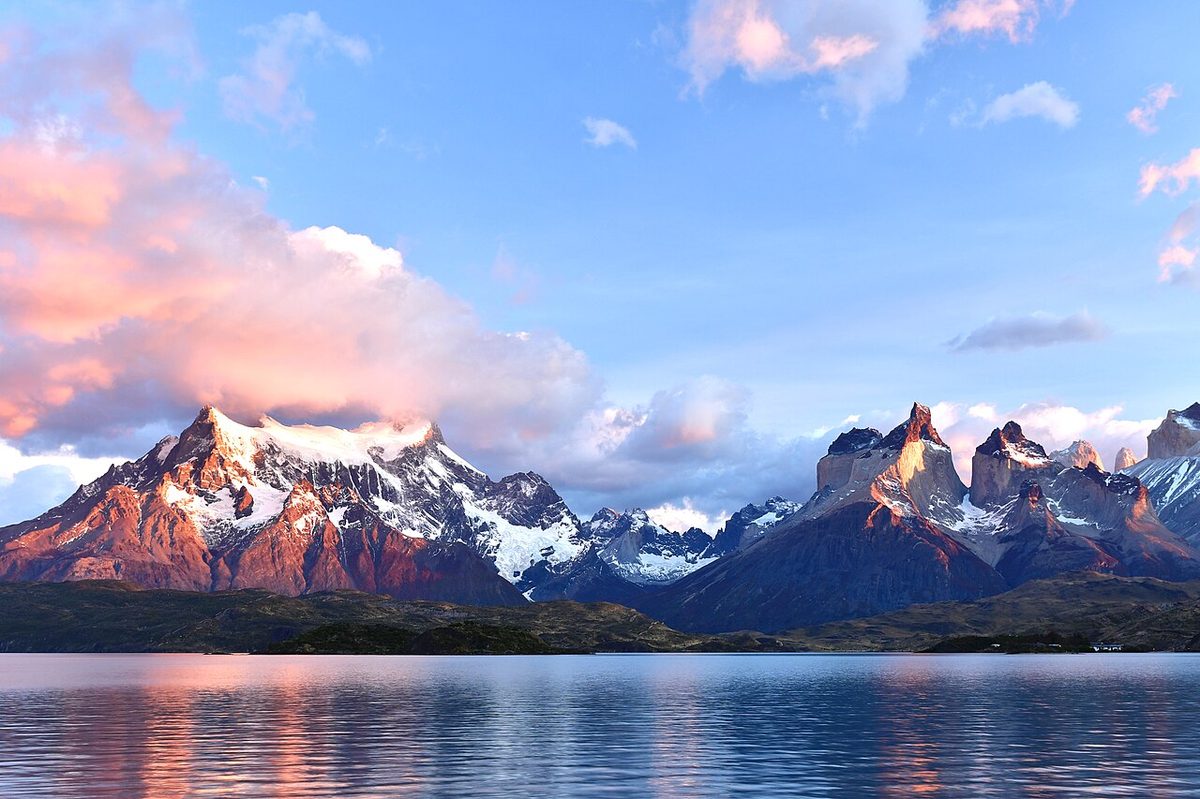
0 — 2 km Fig. 1 · Laguna Amarga near the Torres del Paine entrance gate, where the park fee is paid on arrival · Photo: Mpazmarzolo / CC BY-SA 4.0 via Wikimedia Commons
The first time I drove up to the Laguna Amarga gate at Torres del Paine, I had the wrong ticket, no signal, and a busload of people behind me getting impatient. I’d assumed I could just pay at the gate like a national park back home. I couldn’t. The ranger pointed at a QR-code totem, the totem wanted a card the bus Wi-Fi couldn’t process, and I spent twenty cold minutes learning that in Patagonia the system matters as much as the price. That morning is the reason this page exists.
Patagonia park fees in 2026 run roughly USD 30 to 55 for the headline parks — Torres del Paine in Chile and Los Glaciares (Perito Moreno) in Argentina — with smaller parks from free up to around USD 20. Chile sells almost everything online in advance through CONAF; Argentina often still takes cash pesos at the gate. Every figure below is a planning estimate. Verify on the official site before you go.
This is for the traveler in active prep mode who needs the current number for a specific park, plus the part most guides skip: where and how you actually pay, whether foreigners pay more than residents, and which fees quietly catch people out. I cover both countries — Chile and Argentina — and I hedge every figure, because these prices move yearly and the booking systems changed recently. Treat this as a tracker to cross-check against the official portals, not a quote.
One honest caveat before the numbers. I update this page in good faith, but a blog can never be the source of truth for a government fee. Argentina’s peso prices in particular age fast, and Chile overhauled the Torres del Paine ticketing system in January 2026. So use my ranges to budget and to understand the mechanics, then confirm the live price on the official site the week you book. I’ll link those sites throughout and gather them at the bottom.
Patagonia park fees at a glance
Here’s the table I wish I’d had at that gate. These are 2026 planning ranges for one foreign adult, general admission. Children, residents, and Mercosur nationals usually pay less or nothing — more on that below. Currency conversions drift daily, so the USD column is approximate.
Park (country)
Foreign adult fee (approx.)
How to pay
Season / notes
Torres del Paine (Chile)
~USD 33 day / ~USD 50–55 multi-day
Online at pasesparques.cl; card totems at some gates
New sector system from Jan 2026; daily caps
Los Glaciares – Perito Moreno (Argentina)
~USD 30–45
Online (ventaweb) or cash pesos at gate
50% off 2nd day within 72h
Los Glaciares – El Chaltén side (Argentina)
Free trails
Free registration at the APN office
New access gates since late 2024
Tierra del Fuego NP (Argentina)
~USD 25–40
Cash pesos at the gate (cards don’t work there)
Valid up to ~3 days
Los Alerces NP (Argentina)
~USD 10–20
Cash pesos at gate; online expanding
Esquel/Trevelin access
Nahuel Huapi NP (Argentina)
~USD 15–20
Cash pesos; online expanding
Bariloche; Arrayanes & Lago Puelo similar
Patagonia NP (Chile)
~USD 12
CONAF, often at ranger station
Tompkins park; camping extra
Queulat NP (Chile)
~USD 9
CONAF online / ranger station
Hanging Glacier; Carretera Austral
Pumalín Douglas Tompkins NP (Chile)
Free entry
No entry fee; pay only for camping
Carretera Austral
Swipe to see all columns
Table 1
A few things that grid can’t show. Some of these fees doubled or more in the last couple of years, especially on the Argentine side as the peso devalued. The headline parks have daily visitor caps now, so “I’ll buy it that morning” can mean “sold out.” And the single most common mistake isn’t paying too much — it’s showing up with the wrong payment method for that specific gate. The rest of this guide fixes that.
Before any specific number, understand the two systems, because Chile and Argentina behave almost oppositely and that trips up nearly everyone.
Chile runs on CONAF and advance online tickets. CONAF is the national forestry body that manages Chile’s protected areas, and the official ticketing portal is pasesparques.cl. For the big parks — Torres del Paine above all — you’re expected to buy your ticket before you arrive, save the QR-code PDF to your phone, and present it at the gate. There’s no general “pay cash at the booth” culture for the headline parks. Some gates have self-service card totems as a backup, but they’re slow and not a real plan for anyone on a bus or a tour.
Argentina runs on the APN, and cash at the gate still works in many places. The Administración de Parques Nacionales (APN) manages Argentina’s national parks, with an expanding online platform at ventaweb.apn.gob.ar. But the on-the-ground reality is that many Argentine park gates — Tierra del Fuego is the classic example — still take cash in Argentine pesos only. Not dollars, not cards, not your phone. So in Argentina you often need pesos in hand, while online purchase is increasingly available and sometimes unlocks discounts you can’t get at the gate.
That single difference — Chile = book ahead online, Argentina = often cash at the gate — is the most useful thing on this page. Get it wrong and you stand at a barrier you can’t cross.
Two more universal rules. First, foreigners pay more than residents in both countries, and Argentina also has a middle Mercosur tier (citizens of Argentina, Uruguay, Paraguay, Brazil, and Venezuela) that’s cheaper than the foreign rate. Second, kids, seniors, and people with disabilities usually pay reduced rates or enter free — exact ages and rules vary by park, so check.
Chile: Torres del Paine and CONAF parks
Chile is where the booking discipline matters most, and where the rules changed most recently.
Torres del Paine entrance fee (the big one)
Here’s the headline change: as of January 2026, Torres del Paine moved to a differentiated, sector-based ticketing system. Instead of one generic ticket priced only by how many days you stay, you now buy a ticket that matches the route you’re doing. The sectors are, broadly: Full Day (vehicle access for day-trippers), Base Torres (the famous towers viewpoint day hike), the W Trek, and the Paine Circuit (the “O”). A daily visitor cap applies to each sector.
On price, as of the start of 2026 a foreign adult pays roughly CLP 32,400 for a day ticket (around USD 33) and roughly CLP 48,500 for a multi-day ticket (around USD 50), with multi-day tickets now offered mainly for the W Trek and the Paine Circuit. The official tariff table that ran through April 2026 showed a foreign-adult single entry of under three days at around CLP 34,000 (about USD 35) and over three days at around CLP 48,500. These are close enough that you should budget USD 35 for a day visit and USD 50 to 55 for a trek, then confirm the exact current figure for your sector.
Chilean nationals pay far less — historically around CLP 9,900 for an adult short stay versus the foreign CLP 34,000 — and children under 12 and people with disabilities enter free. That foreigner-versus-resident gap is one of the widest in Patagonia, so don’t anchor on a Chilean friend’s number.
How to pay, and what catches people out. Buy online at pasesparques.cl at least a day before you arrive, and save the QR-code PDF offline — signal at the gates is unreliable, as I learned the hard way. If you’re arriving by regular bus, on an excursion, or on a catamaran connection, online purchase is effectively mandatory; you can’t hold up a scheduled service to fumble with a totem. If you’re in your own rental car with a flexible schedule, the Serrano and Laguna Amarga entrances have self-service totems that take credit, debit, or prepaid cards — but the data-entry process is long and there are few machines, so it’s not viable for groups. Tickets are generally non-refundable except when CONAF closes the park, and the daily caps are real, so for peak summer dates, book well ahead.
For the deeper how-to on the new sectors, dates, and the booking walkthrough, see our breakdown of the 2026 entry system guide. If you’re costing out a multi-day trek with refugios and meals on top of the entry fee, the W Trek cost breakdown is where the real money lives — the park ticket is often the smallest line in a W Trek budget.
Patagonia National Park, Pumalín, and Queulat
Beyond Torres del Paine, Chilean Patagonia has a string of parks along and near the Carretera Austral, and the fees are refreshingly modest — when there’s a fee at all.
Patagonia National Park (the former Tompkins estancia near Cochrane, with the Tamango and Jeinimeni sectors) charges foreign adults around CLP 11,400, roughly USD 12, with camping a few thousand pesos extra. It’s one of the best value-for-wildness tickets in the region. More on planning a visit in our Patagonia National Park Chile guide.
Pumalín Douglas Tompkins National Park is the standout: entry is free. You pay only if you camp, usually around CLP 6,000 to 10,000 per site. For a park this beautiful — thousand-year-old alerce trees, fjords, suspension bridges — free entry still surprises me.
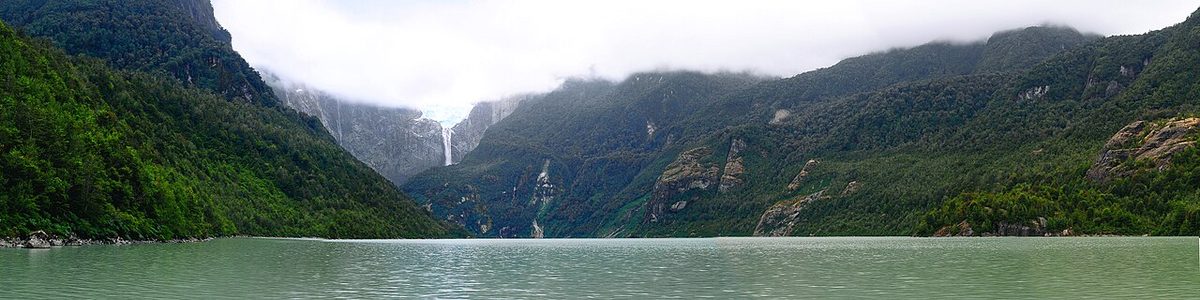
Queulat National Park, home of the Ventisquero Colgante (Hanging Glacier), charges foreign adults around CLP 8,000 to 9,000, roughly USD 9, with camping around CLP 10,000. Reserve through CONAF’s online system. Our Queulat hanging glacier guide covers the short, very worthwhile detour off the Carretera Austral.
For context if you’re driving the whole Carretera Austral: Cerro Castillo runs around CLP 15,000 for foreigners, Vicente Pérez Rosales (Petrohué Falls, near Puerto Varas) around CLP 11,400, and the vast, boat-access-only Bernardo O’Higgins park has no fixed gate fee — you pay for the boat tours that reach its glaciers instead. Across all these CONAF parks, fees vary by season and residency, and remote ranger stations may want cash CLP, so carry some bills as a backstop and check the CONAF site before you go.
Argentina: Los Glaciares and the national parks
Argentina is where the cash-at-the-gate rule bites and where the El Chaltén free-trails quirk lives.
Perito Moreno and Los Glaciares National Park
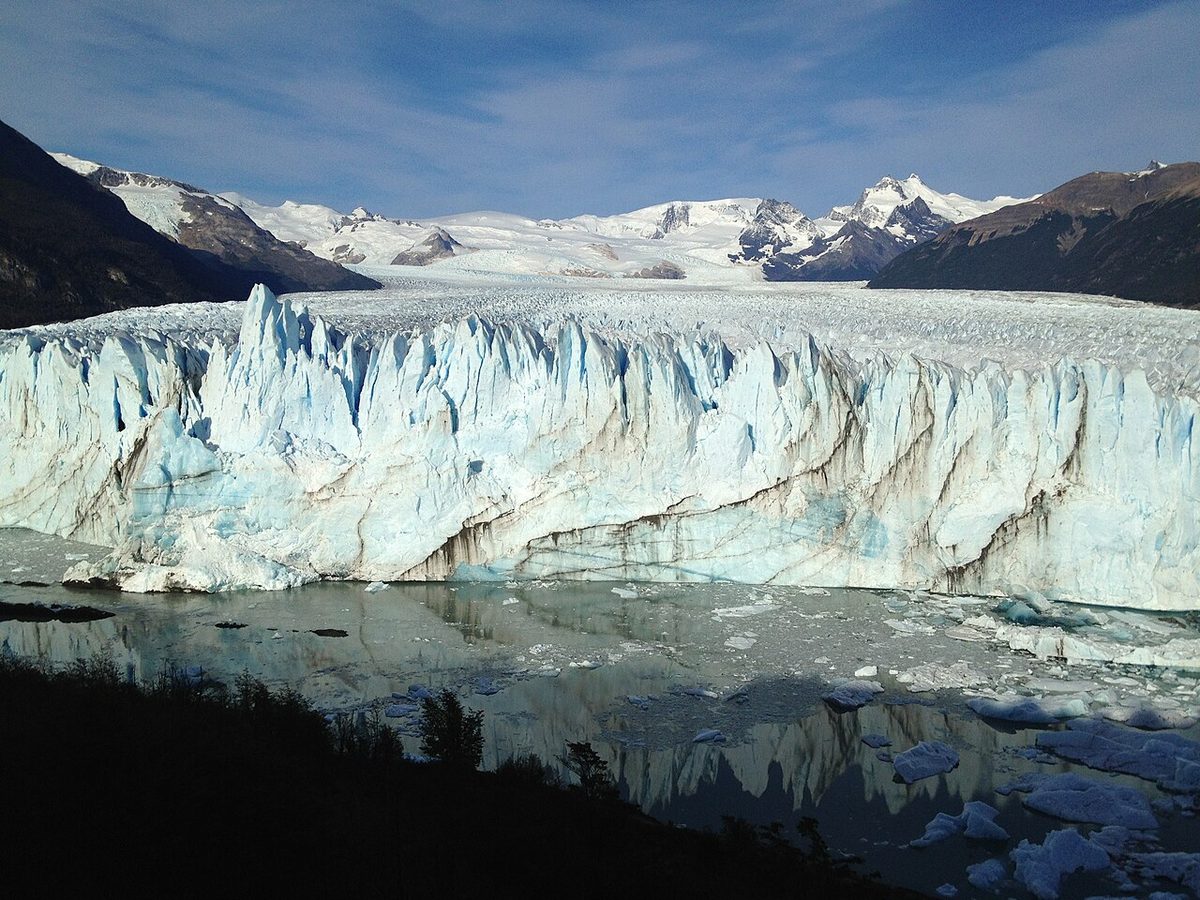
The Perito Moreno glacier sits inside Los Glaciares National Park, and the foreign-adult entrance fee is around ARS 45,000, which lands somewhere around USD 30 to 45 depending on the exchange rate the day you go — and that range is genuinely volatile, so treat it as a moving target. Argentine residents pay far less (historically around ARS 15,000), Santa Cruz province residents less again, and Argentine students get a reduced rate; children under six, seniors, and people with disabilities generally enter free.
Three things make this fee friendlier than it looks. First, there’s a 50% discount on a second consecutive day if you visit again within 72 hours and show your previous ticket — useful if you split the boardwalks and a boat day. Second, there are Flexipass options (multiple visits over a longer window) and an annual pass if you’re doing several Argentine parks. Third, you can pay online in advance via the APN platform or in cash pesos on the day — though online is increasingly the smoother route, and at busy times it helps you skip a queue.
For the full visit logistics — boardwalks, boat safaris, the mini-trekking and Big Ice options on the ice itself, and how to get there from El Calafate — see visiting Perito Moreno glacier and the ticketing specifics in Perito Moreno glacier tickets. Note that the park entry and the ice-trek tours are separate costs; the glacier walkways are included in entry, but stepping onto the ice is a paid excursion on top.
El Chaltén and the Fitz Roy side: still free, but register
Here’s the happy anomaly that confuses everyone. The El Chaltén sector of Los Glaciares — the trailheads for Laguna de los Tres, Fitz Roy, Cerro Torre, and the rest — is on the same national park as Perito Moreno, but the hiking trails there have historically been free. No entrance fee to walk up to the Fitz Roy viewpoint. That’s a huge part of why El Chaltén is such a budget-friendly hiking base.
Two caveats keep this current. The park introduced access-control gates in the northern (El Chaltén) zone in late 2024, and there have been mixed reports about new charges for some trails, so this is exactly the kind of detail to verify on the APN site before you arrive. And regardless of fees, you’re expected to do a free, quick safety registration at the APN office in El Chaltén before your first hike — it takes a few minutes and is worth it for the trail and weather briefing. Our El Chaltén Fitz Roy hiking guide covers the trails and the current registration routine.
Tierra del Fuego National Park
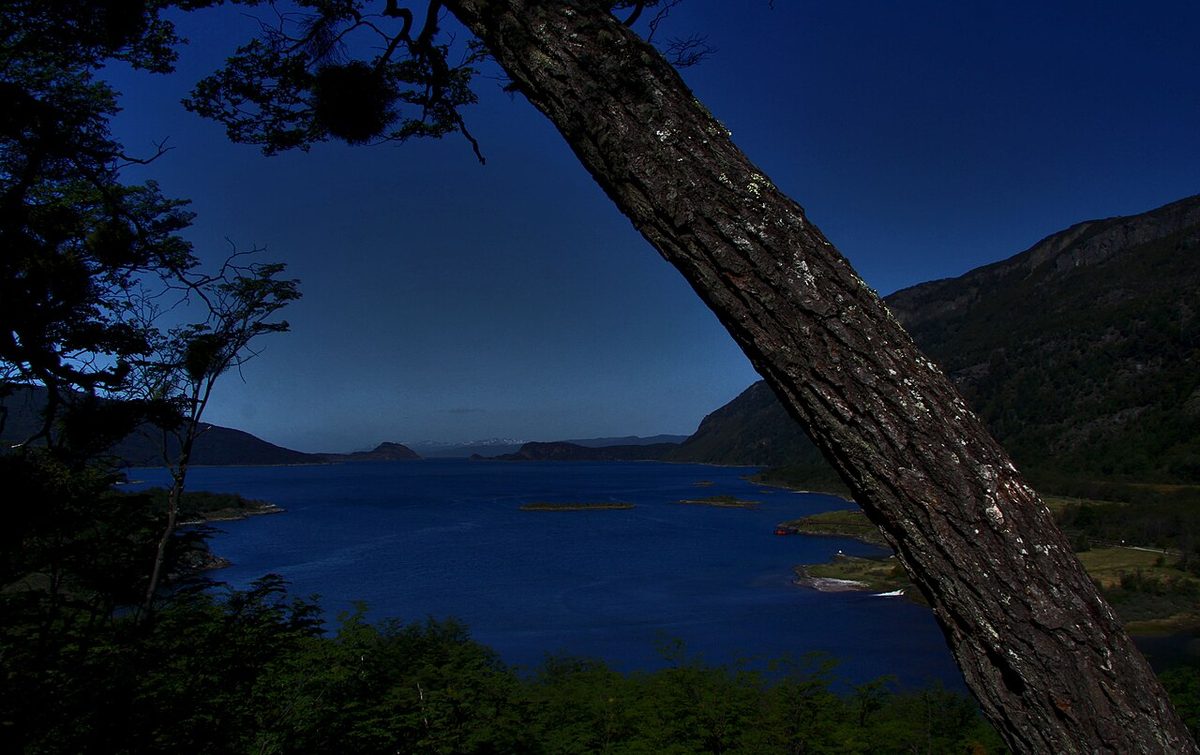
Down at the bottom of the continent near Ushuaia, Tierra del Fuego National Park charges foreign adults somewhere around ARS 30,000 to 40,000, roughly USD 25 to 40 at recent exchange rates — and this is the park where the payment method trips people up most.
The gate takes cash in Argentine pesos only. Foreign cards and US dollars don’t work at the entrance, and there isn’t reliably an ATM right there, so arrive with enough pesos in hand. The ticket is typically valid for up to about three days, and there’s a 50% second-day discount — but on the Tierra del Fuego ticket, that discount is generally only honored if you bought online rather than at the gate. So the smart move is often to buy online in advance for the discount and the certainty, then you’re not scrambling for cash. Full visit planning, including the End of the World train and the trails, is in our Tierra del Fuego National Park guide.
Los Alerces, Nahuel Huapi, and the Lake District parks
In northern Argentine Patagonia — the Bariloche and Esquel region — the national park fees are generally lower than the glacier headliners.
Los Alerces National Park near Esquel and Trevelin, a UNESCO site protecting ancient alerce forests, charges foreign adults a fee that has historically been modest but has risen with inflation; budget somewhere around USD 10 to 20 and confirm the current peso figure, since this one has moved. Pay in cash pesos at the access points, with online sales gradually expanding. See our guide to the alerce forests guide for access details.
Nahuel Huapi National Park around Bariloche — Argentina’s oldest national park — runs around ARS 20,000 for foreign adults, roughly USD 15 to 20, and the neighboring Los Arrayanes and Lago Puelo parks sit at similar levels. These are typically cash-pesos parks too, though Nahuel Huapi has been among the first to get APN online ticketing. As always, residency tiers and free categories apply.
Across Argentina, the through-line is the same: carry pesos, expect a separate foreigner tariff, look for the online option where it exists (sometimes it’s cheaper or unlocks the second-day discount), and recheck the number close to your trip because peso prices age in months, not years.
Foreigner vs resident pricing, and what’s included
Two questions come up constantly, so let me answer them plainly.
Why do foreigners pay so much more? In both countries, the parks subsidize access for their own citizens and, in Argentina, for Mercosur neighbors. The foreign-adult rate can be three to five times the resident rate — Torres del Paine’s roughly CLP 34,000 foreign versus CLP 9,900 Chilean is typical. It’s normal, it’s posted openly, and there’s no foreigner workaround beyond the legitimate child, senior, and disability reductions. Don’t budget off a resident’s number.
What does the fee actually include? Entry to the park and its marked trails, viewpoints, and roads — and that’s usually it. It does not include: boat trips and catamarans (Glacier Grey, Perito Moreno safaris, the Beagle Channel), ice-trekking on the glaciers, guided tours, shuttle buses inside the park, camping or refugio beds, or the End of the World train. Those are all separate. The classic budget mistake is assuming the Perito Moreno entry fee covers the ice trek, or that the Torres del Paine ticket covers the Glacier Grey boat. It doesn’t. Build those as their own lines.
Fees that catch people out
After enough trips and enough gate-side mishaps, these are the ones I warn every friend about.
Wrong payment method for the gate. The number one error. Chile’s big parks want an advance online QR code; Argentina’s gates often want cash pesos. Show up with the wrong one and you’re stuck. Match the method to the specific park.
Daily caps selling out. Torres del Paine’s sector system enforces daily visitor limits, and peak-summer dates for the popular sectors do sell out. “Buy it that morning” is not a plan in January. Book ahead, and book the right sector for your route.
Assuming the gateway region is one ticket. Los Glaciares is a single national park, but Perito Moreno (paid) and El Chaltén (free trails) are effectively separate worlds with separate rules. They are not one ticket.
No signal, no saved ticket. Save your QR-code PDF offline before you leave town. Gate Wi-Fi is a myth you’ll regret believing.
Exchange-rate shock in Argentina. A peso fee quoted six months ago can be meaningfully different now, in either direction. Recompute the USD value close to your trip, and read our tipping and payment notes guide for the current cards-versus-cash strategy, especially the Argentine card-rate situation.
Booking everything else but the park. People obsess over flights and hotels, then forget the park ticket entirely until the gate. Add park fees to your checklist when you book Patagonia in advance, alongside refugios and buses — the high-demand ones share the same “sells out” problem.
To make this concrete, here’s how the fees stack on a common two-country route, as 2026 planning estimates for one foreign adult.
A classic loop might be: Perito Moreno (around USD 35), the free El Chaltén trails (USD 0, plus the free registration), and a Torres del Paine W Trek ticket (around USD 50). That’s roughly USD 85 in park entry for the three marquee experiences — genuinely modest against flights and lodging. Add Tierra del Fuego if you go to Ushuaia (around USD 30) and you’re near USD 115.
The fees only balloon if you treat them as the experience rather than the door. The door is cheap; the rooms behind it — ice treks, boats, refugios, guides — are where Patagonia gets expensive. So I tell people to fund the park tickets without a second thought and spend their budgeting energy on the optional add-ons. The Patagonia budget itinerary shows a route built around the free and low-fee experiences, which is the smartest way to keep the overall number down.
One last planning note: build a small buffer for fee increases. If I were budgeting a 2026 trip today, I’d pad the park-fee line by 15 to 20 percent over the numbers here, because the trend across both countries has been upward, and a little headroom beats a gate-side surprise.
Frequently asked questions
How much is the Torres del Paine entrance fee in 2026?
As of early 2026, a foreign adult pays roughly CLP 32,400 (around USD 33) for a day ticket and around CLP 48,500 (around USD 50 to 55) for a multi-day W Trek or Paine Circuit ticket, under the new sector-based system. Chilean residents pay far less. Daily caps apply, so book ahead at pasesparques.cl and verify the current figure before you go.
How do I pay the Perito Moreno glacier fee?
The Perito Moreno entrance fee, around ARS 45,000 (roughly USD 30 to 45) for foreign adults, can be paid online through the APN platform in advance or in cash Argentine pesos at the gate. There’s a 50% discount on a second consecutive day within 72 hours. The fee covers the boardwalks but not boat safaris or ice trekking. Reconfirm the peso price close to your trip.
Are the El Chaltén and Fitz Roy trails free?
Historically yes — the El Chaltén sector of Los Glaciares National Park has had free hiking access to Laguna de los Tres, Fitz Roy, and Cerro Torre, which is why it’s such a budget base. The park added access-control gates in late 2024 and there have been mixed reports of new charges, so verify on the APN site. Either way, do the free safety registration at the El Chaltén park office first.
Do I need cash for Patagonia park fees?
In Argentina, often yes — gates like Tierra del Fuego take cash in Argentine pesos only, not cards or dollars, so carry pesos. In Chile, the big parks like Torres del Paine want advance online payment by card via pasesparques.cl, with card totems at some gates. Remote Chilean ranger stations may want cash CLP. Match the payment method to the specific park.
Is the Tierra del Fuego National Park fee paid at the gate?
You can pay the Tierra del Fuego fee (around ARS 30,000 to 40,000, roughly USD 25 to 40 for foreign adults) in cash pesos at the gate, since cards and foreign currency don’t work there. But the 50% second-day discount is generally only honored if you buy online in advance. So buying online beforehand gives you both the discount and certainty. Confirm the current rate before traveling.
Which Patagonia parks are free or cheap?
On the Chilean side, Pumalín Douglas Tompkins National Park has free entry (you pay only for camping), and Queulat (around USD 9) and Patagonia National Park (around USD 12) are inexpensive. In Argentina, the El Chaltén hiking trails have historically been free, and the Lake District parks like Los Alerces and Nahuel Huapi run lower than the glacier headliners. Always verify current fees, as they change yearly.
Do foreigners pay more than locals for Patagonia park fees?
Yes, in both countries. Foreign adults pay several times the resident rate — Torres del Paine, for example, charges foreigners roughly CLP 34,000 versus about CLP 9,900 for Chileans. Argentina adds a middle Mercosur tier (Argentina, Uruguay, Paraguay, Brazil, Venezuela) cheaper than the foreign rate. Children, seniors, and people with disabilities usually pay reduced rates or enter free. Budget from the foreign rate.
Final thoughts
Patagonia park fees aren’t the scary part of this trip. The marquee parks cost roughly USD 30 to 55 for a foreign adult, the smaller ones run from free to about USD 20, and even a two-country grand tour only adds up to around a hundred dollars in entry. The flights, the refugios, and the ice treks will dwarf all of it.
What actually trips people up is the machinery: Chile wants you to buy online ahead and save the QR code; Argentina often wants pesos in your hand at the gate; the headline parks sell out under daily caps; and the El Chaltén trails are free but still need a registration stop. Get those mechanics right and you’ll glide through every gate.
Then do the one thing this whole page asks: take my numbers as 2026 planning estimates, and verify the live figure on the official site — CONAF and pasesparques.cl for Chile, the APN for Argentina — the week you book. From here, slot these fees into the bigger picture with the Patagonia trip cost and budget guide, and lock the high-demand tickets early via book Patagonia in advance.