Patagonia luxury travel cost in 2026: real all-inclusive lodge rates, private transfers, helicopter add-ons, business class, and where high-end is worth it.
By Patagonia Tourism Guide · First published 26 Sep 2026 · Updated 27 Sep 2026
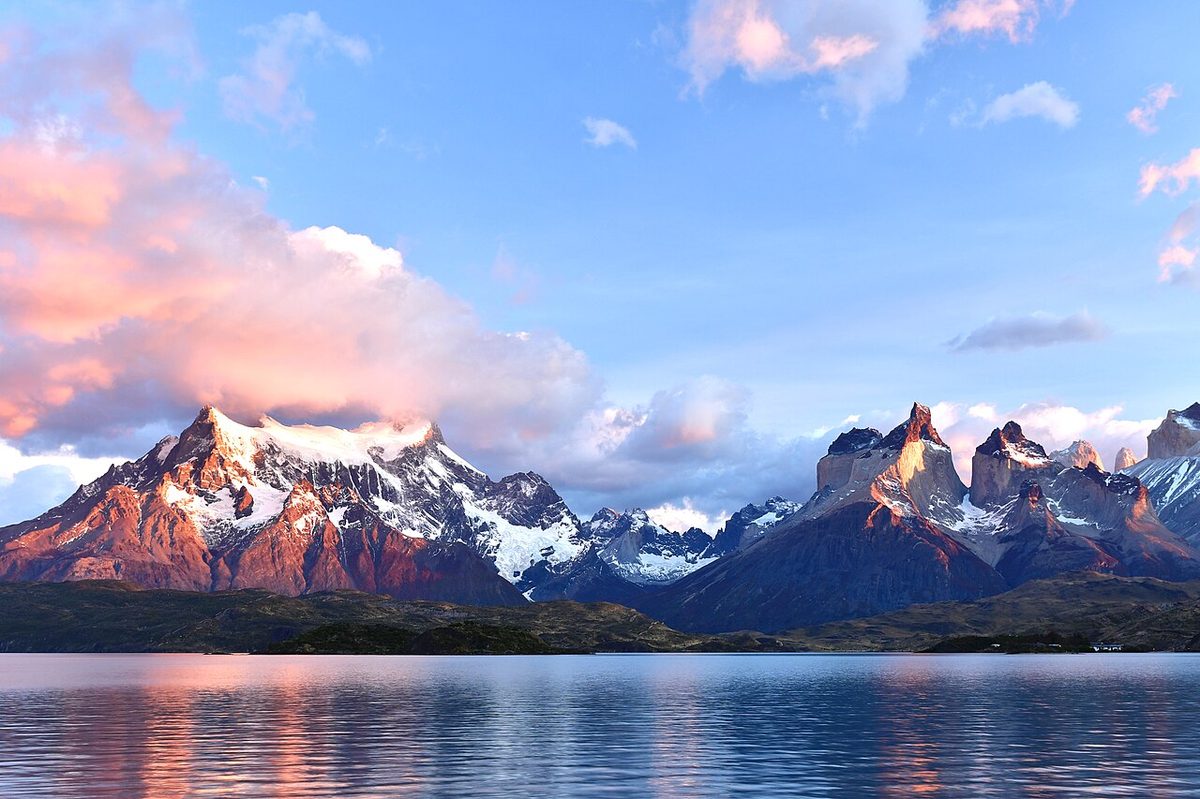
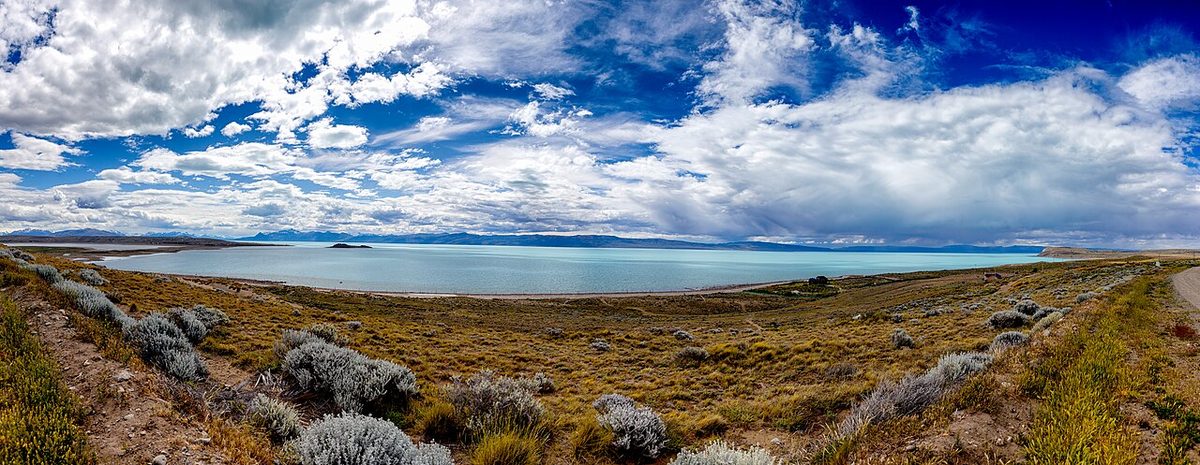
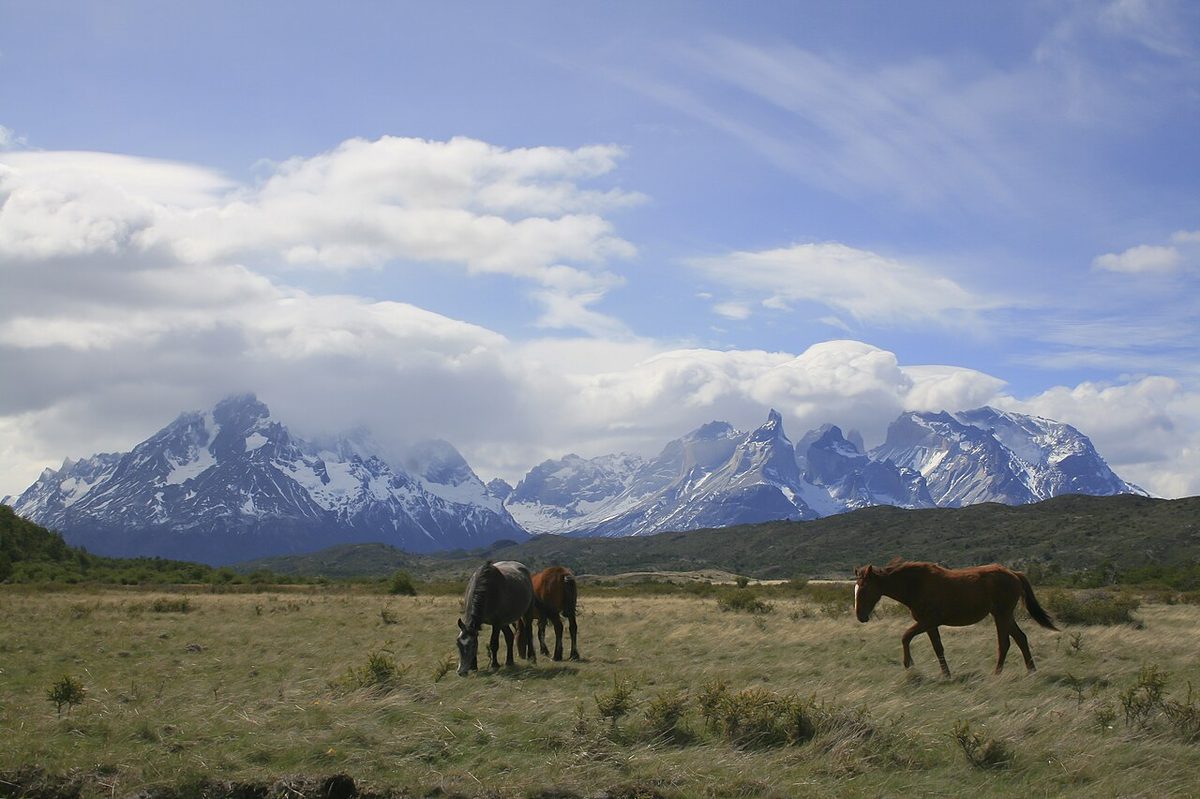
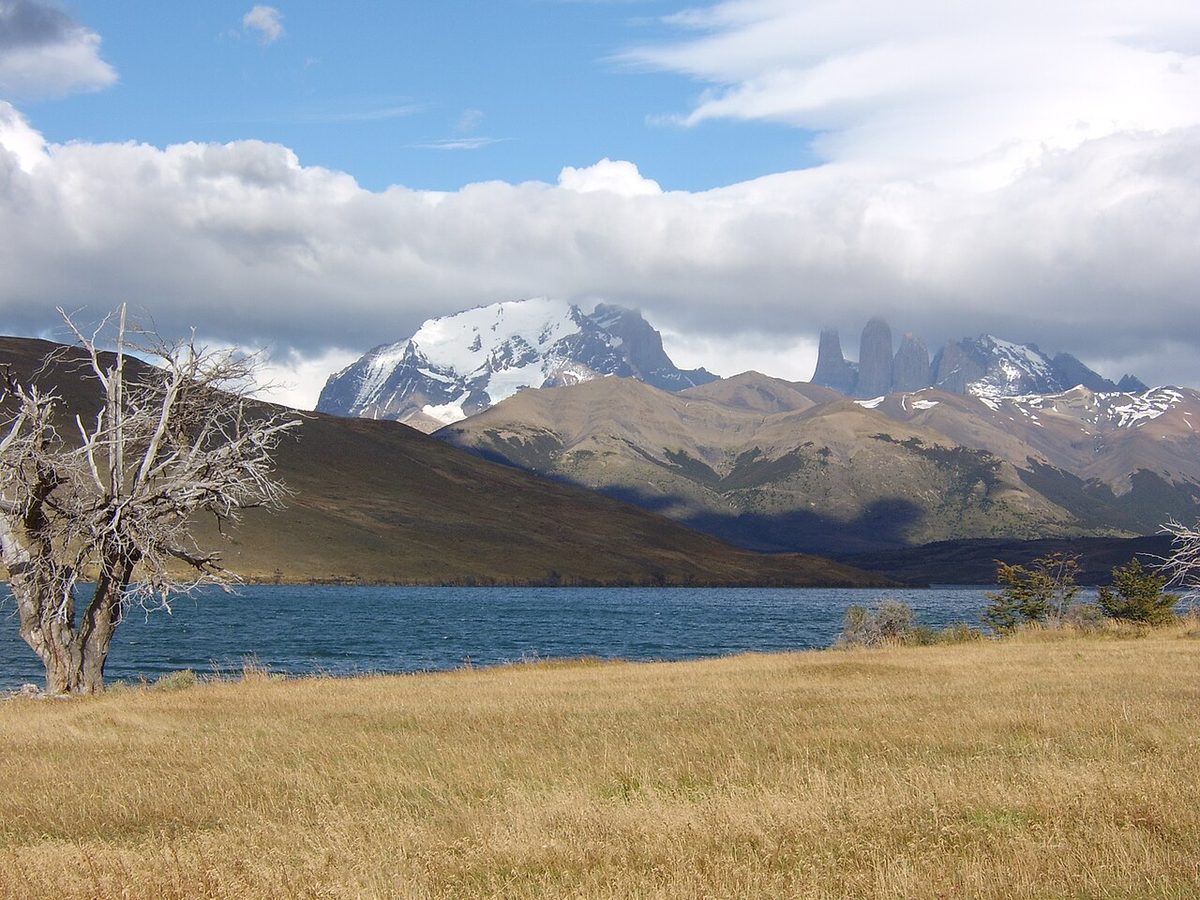
0 — 2 km Fig. 1 · Lago Pehoe and the Paine horns at first light, the view commanded by Patagonia's premium lodges · Photo: Mpazmarzolo / CC BY-SA 4.0 via Wikimedia Commons
The first time I stayed at an all-inclusive lodge near Torres del Paine, I spent the first dinner doing mental math instead of tasting the lamb. The next morning a guide read the weather, rerouted us to a valley with no wind and no other people, and I stopped counting. That’s the thing nobody tells you about high-end Patagonia: the bill is eye-watering, and sometimes the value is real anyway.
Patagonia luxury travel cost in 2026 runs roughly USD 450 to 900 a day for comfort/upscale travel and around USD 900 to 1,800-plus a day for all-inclusive lodges and private guiding. A 7 to 10 day luxury trip commonly lands near USD 7,000 to 18,000 per person, excluding international flights. Verify current rates before booking.
This guide is for the traveler who has already decided they want comfort, support, or a special-occasion trip, and now wants honest numbers: what the lodges actually cost, what’s bundled, what the add-ons run, and — the part most pages skip — where the money buys something and where you’re just paying for a brand. I’ll hedge every figure, because rates here move and most luxury lodges quote on enquiry rather than publishing a public nightly price. Treat all of this as 2026 planning ranges, then confirm before you put down a deposit.
One framing up front. “Luxury” in Patagonia is not one thing. There’s a comfort-upscale version — nice independent hotels, private transfers, premium day tours, a rental car for convenience — and there’s the all-inclusive lodge version, where one nightly rate folds in your room, every meal, an open bar, daily guided excursions, and transfers. They cost very different amounts and they feel very different on the ground. Most articles blur them into a single vague “$400 to $1,500 a day.” I’m going to keep them apart, because the gap between them is thousands of dollars.
Patagonia luxury travel cost at a glance
Here’s the table I wish someone had put in front of me before that first dinner. These are per-person figures in USD for 2026, assuming two people sharing, and they exclude your long-haul flight to South America. They build on the upper tiers in our Patagonia trip cost and budget guide, which covers every travel style from shoestring up.
Luxury tier
Roughly USD/night or day
What’s typically included
Honest trade-off
Comfort/upscale (independent)
~$450–900/day
Boutique or 4-star hotels, private transfers, premium day tours, sometimes a rental car; you book the pieces
You still manage logistics; great flexibility, less hand-holding
All-inclusive lodge
~$900–1,800+/night
Room, all meals, open bar, daily guided excursions, scheduled transfers, spa access
Private guide and 4×4, private excursions, suites, fully bespoke days
Single supplements bite; premium for exclusivity, not always more scenery
Premium add-ons
varies
Helicopter flights, private boats, charter transfers, business-class flights
Easy to add $1,000–5,000+ fast; some are once-in-a-lifetime, some are convenience
Swipe to see all columns
Table 1
A few honest caveats on that grid. Lodge rates are usually quoted per room for two, so I’ve converted to roughly per person where I can — but solo travelers pay a single supplement that’s often around 150% of the sharing price, per Swoop Patagonia. Most luxury lodges enforce minimum stays of three to four nights and don’t publish a public nightly number; you request a quote for your dates. And peak weeks — late December and the festive period especially — push rates up and add minimum-night rules. These are planning ranges, not quotes.
The figures line up across credible operators. Swoop puts top-end luxury lodges from around USD 1,000 per person per night all-inclusive. Quasar Expeditions puts tailor-made luxury at USD 400 to over 1,500 per person per day. Luxury-hotel roundups put named properties like The Singular Patagonia near USD 2,700 to 3,000 for two per night in high season. The consensus is real; the exact number still drifts, so reconfirm.
What “luxury” actually buys in Patagonia
Before the numbers go deeper, it’s worth being clear about what you’re paying for, because Patagonia luxury is not the same product as a city five-star.
You’re paying for remoteness made comfortable. A polished room with floor-to-ceiling glass facing the Paine massif exists because someone trucked every fixture, every bottle of wine, and every staff member hundreds of kilometers to a place with brutal weather and a short season. That freight and that fragility are baked into the rate. A nice room near Torres del Paine is simply not the same market as a nice room in Santiago.
You’re paying for guiding and weather intelligence. The single most valuable thing the lodge model gave me wasn’t the spa — it was a guide who looked at the sky at breakfast and quietly rerouted the day. In a place where weather wrecks fixed itineraries, that flexibility has genuine cash value.
You’re paying for friction removal. No bus timetables, no juggling park tickets, no wondering whether your transfer will show. For a short, once-in-a-lifetime trip, or a Patagonia honeymoon itinerary, removing friction is often the entire point.
And sometimes — let’s be honest — you’re paying for a name and a view that photographs well. That part is real too, and I’ll come back to where it’s worth it and where it isn’t.
All-inclusive luxury lodges: what they cost and what’s bundled
This is the category most people mean by “luxury Patagonia,” and it’s worth understanding how the pricing works before you react to the number.
The well-known properties — the explora, Tierra, EOLO, and Awasi style lodges — sell an all-inclusive package, not a room. One nightly rate typically covers your room, all meals, an open bar with house wines and spirits, a daily guided excursion (often a choice of two half-days or one full day), scheduled airport transfers, and use of the spa. That’s confirmed plainly on the Tierra Patagonia packages page, which lists exactly that inclusion set and notes that premium wines, spa treatments, and private or off-schedule transfers cost extra.
So what does it run? Treat these as 2026 ranges to verify, not quotes:
Entry-level all-inclusive lodges: from around USD 700 per night (often per room for two, so roughly USD 350–400 per person) at the more accessible end, per luxury-hotel roundups describing in-park 5-star stays “from about $700 all-inclusive.”
Flagship all-inclusive lodges (explora / Tierra / EOLO style): commonly around USD 1,000 to 1,600 per person per night all-inclusive in high season, consistent with Swoop’s “from around $1,000 pp/night” figure.
Ultra-luxury, private-guide lodges (Awasi style, with a private guide and 4×4 per villa): often from around USD 3,300 per person for a minimum four-night program, which works out to roughly USD 800 to 1,100-plus per person per night, based on rates listed by retailers like Kiwi Collection and Knowmad Adventures.
The very top (named suites at properties like The Singular Patagonia): around USD 2,700 to 3,000 for two per night all-inclusive in high season, so roughly USD 1,350 to 1,500 per person.
A real example of the fine print: Tierra Patagonia’s published policies require minimum stays (their packages run four, five, or seven-plus nights), take a 30 percent deposit, and run a strict cancellation schedule — 100 percent of the booking value if you cancel within 30 days of arrival. That last detail is why I treat Patagonia travel insurance as non-optional at this tier, not a nice-to-have. When a single cancellation can cost five figures, the policy matters.
What I like about the lodge model: the daily guided excursions are genuinely good, the food at the flagship properties is often excellent, and the logistics simply vanish. What I’d flag honestly: the standard excursions are shared with other guests, the location is fixed (you’re committing to that one valley or glacier base for your whole stay), and the open bar is house pours — premium wines cost more. None of that is a dealbreaker. It’s just not the “private everything” some people picture at these prices.
Geography drives a lot of the decision, so it helps to know roughly where these properties cluster.
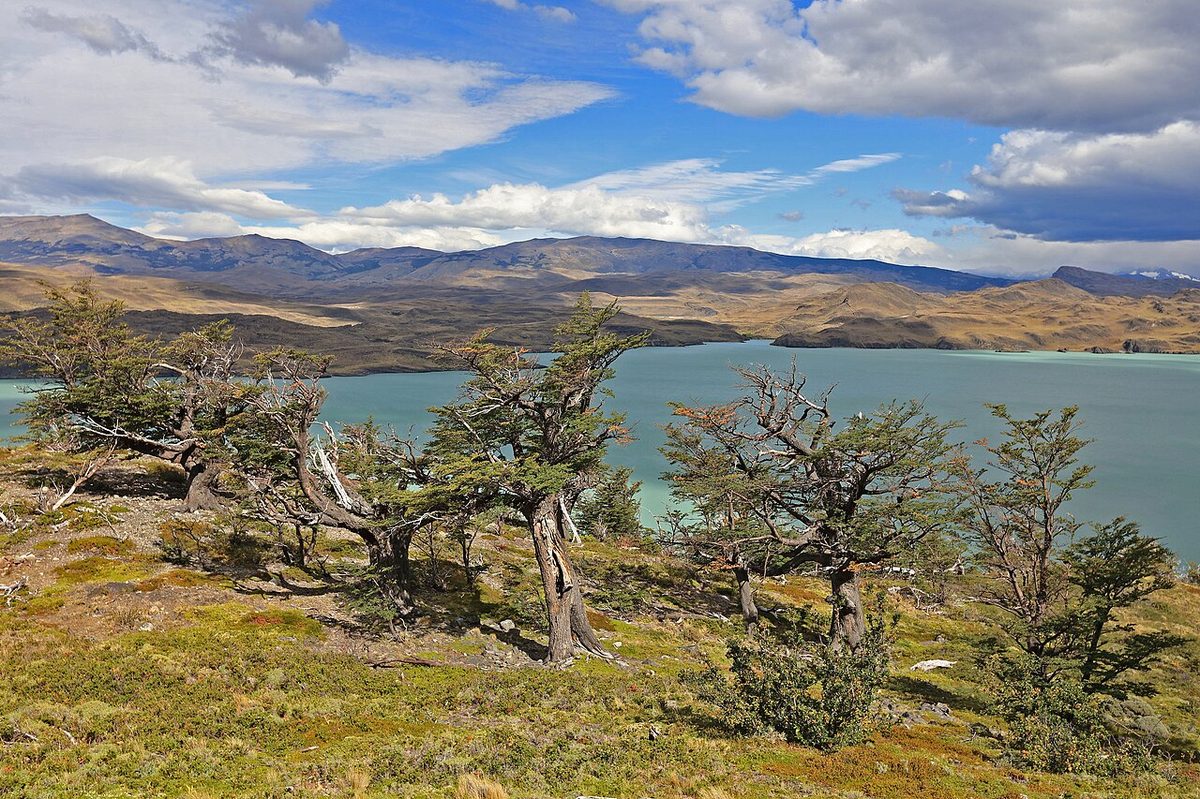
In Chile, the marquee lodges sit in or beside Torres del Paine — some inside the park near Salto Chico, others just outside on the shore of Lago Sarmiento with the massif framed across the water. Puerto Natales, about a 1 to 1.5 hour drive away, is the gateway, and Chile Travel describes it as the access town for the park and recommends booking well ahead in high season. If you’re weighing lodge versus hotel-in-town, our where to stay in Torres del Paine guide breaks down the in-park-versus-gateway trade-off in detail.
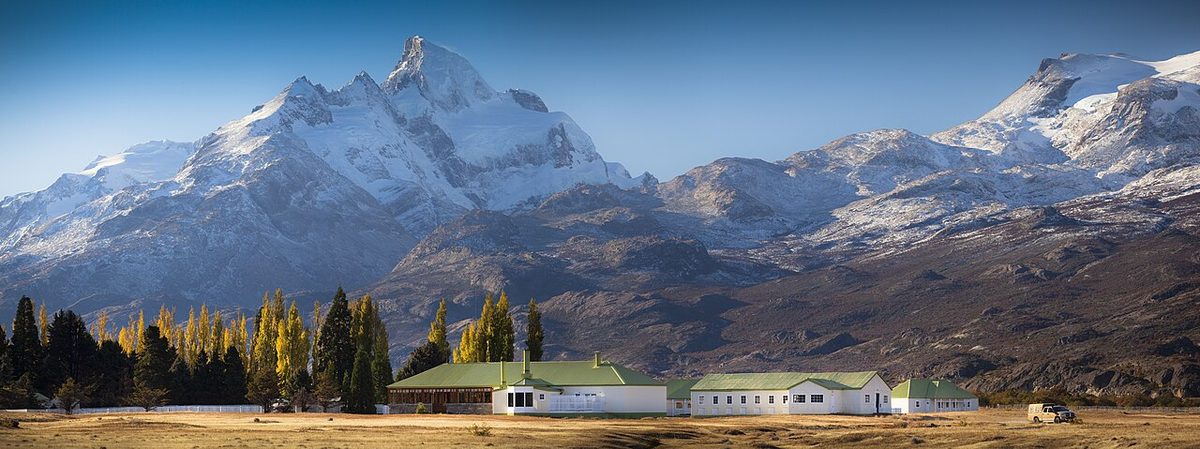
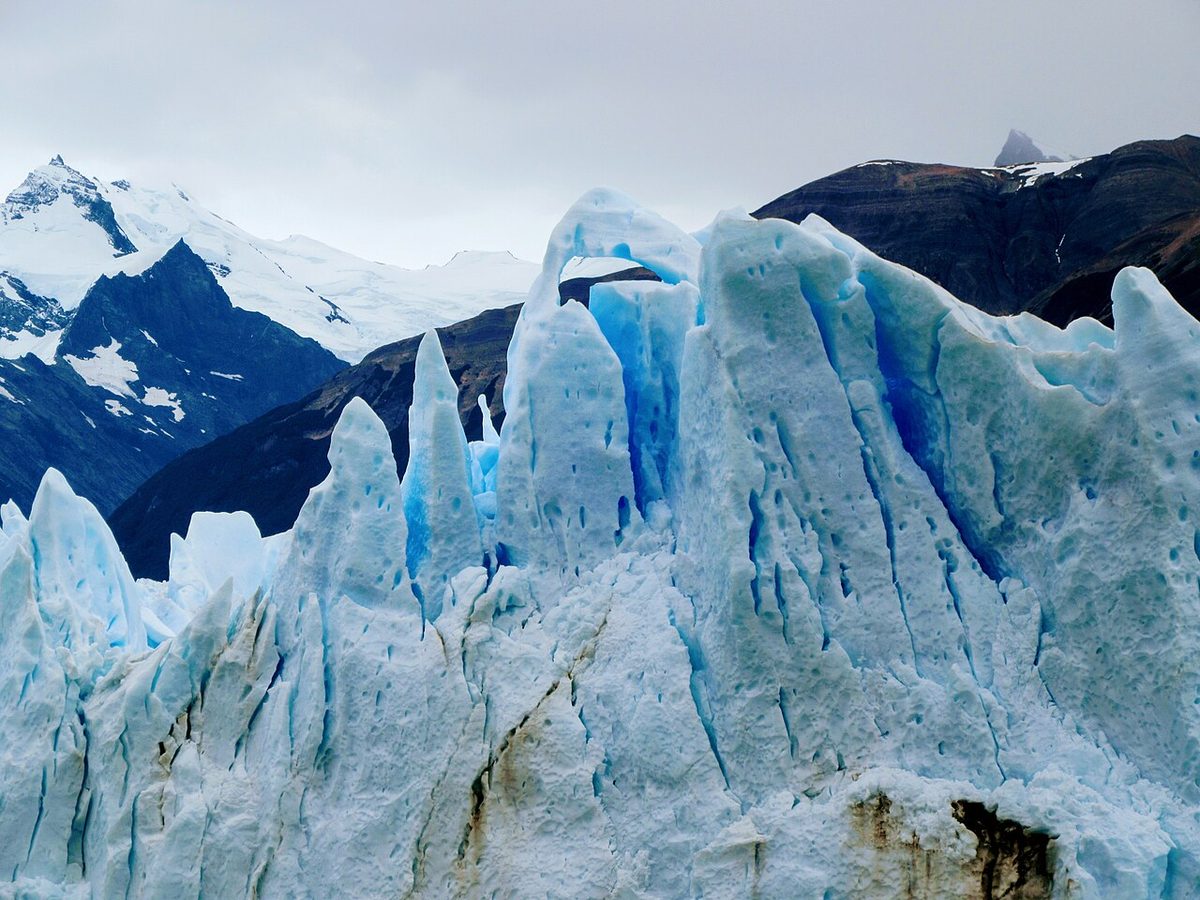
In Argentina, the upscale lodges cluster around El Calafate and the Perito Moreno Glacier — EOLO sits on the steppe between town and the glacier — with a separate set of more design-forward estancias and hotels reachable for those building a glacier-focused trip. If the glacier is your anchor, pair this with our how to visit Perito Moreno Glacier and what to do in El Calafate for the on-the-ground logistics.
The practical point: a classic luxury Patagonia trip usually combines one Chilean lodge near Torres del Paine with one Argentine lodge near the glaciers, plus the internal flights and transfers to connect them. That two-lodge structure is where the per-trip total climbs fastest.
Comfort and upscale without the lodge: roughly USD 450–900 a day
Here’s the tier most people overlook, and the one I quietly recommend to more travelers than the lodges: independent upscale.
This is comfort without buying the all-inclusive package. It looks like boutique or solid 4-star hotels in El Calafate, Puerto Natales, and El Chaltén; private transfers instead of shared buses; premium guided day tours where they matter; restaurant dinners you choose; maybe a rental car for the flexibility. You assemble the pieces yourself, which means you keep control of where you sleep, what you eat, and which days you splurge on.
At roughly USD 450 to 900 per person per day, this tier buys most of what makes luxury feel good — better rooms, no bus timetables, a private guide on the days that count — without the lodge premium, the minimum stays, or the fixed location. A couple doing 10 days this way might spend USD 9,000 to 16,000 between them and never feel like they roughed it.
The honest trade-off is that you’re the trip manager. You book the hotels, the transfers, the tours, the park tickets. If you want someone else to handle all of that, the lodge model or a luxury Patagonia tours price package from a specialist operator earns its margin. If you enjoy curating your own trip and want your money buying experiences rather than packaging, independent upscale is often the better value. Many travelers, myself included on most trips, get a better holiday by spending selectively here than by upgrading everything.
Worth saying plainly against the budget end of the spectrum: this is a different universe from a backpacking trip. If you’re still deciding how much to spend at all, read how expensive Patagonia really is first, and if you’re cost-conscious, the low-cost route through Patagonia shows how far down the scale goes. Luxury is a choice, not a requirement — the glacier walkways and the free Fitz Roy trails are open to everyone.
Premium tours, private guides and guided experiences
Above the lodge rate or the hotel night sits a layer of paid experiences, and this is where an already-high budget can quietly become a much higher one.
A few patterns from 2026 pricing, all to verify before booking:
Private guided day hikes and excursions: often a few hundred dollars per group per day, and the single biggest upgrade to a trip’s quality. A private guide on your Torres base hike or a glacier day means your pace, your stops, your questions.
Premium glacier experiences: ice trekking on Perito Moreno (Mini Trekking or Big Ice) and glacier boat cruises are paid add-ons on top of park entry. These are route-defining for many people. Our Los Glaciares tour guide covers the options and what each actually delivers.
Fully tailor-made private tours: specialist operators price these at roughly USD 500 to 1,000-plus per person per day depending on lodging and how much is private. Swoop’s sample tailor-made itineraries run, for instance, around USD 5,000 to 10,000 per person for an 11-day “Highlights of Patagonia,” and USD 9,000 to 14,000 for a 19-day “Best of Patagonia.”
The W Trek, done in comfort: even the famous trek has a luxury version. Swoop quotes a “W Trek from a Luxury Lodge” at roughly USD 6,160 to 9,400 per person for five days — versus around USD 2,700 to 3,150 for the classic version. If the trek is your dream, our W Trek cost guide breaks down every style from camping up.
The trick at this tier is the same as at every other: buy the experiences that define your trip, and resist stacking filler just because you’re already spending. A private guide on the day you summit to the Torres base is worth it. A third boat tour you booked out of momentum usually isn’t.
Private transfers vs shared: where the upgrade pays off
This is one of the most common questions at the upscale level, and the answer is genuinely “it depends” — so here’s how I decide.
Shared transfers and scheduled buses on the classic routes are excellent value and perfectly comfortable. El Calafate to El Chaltén, El Calafate to Puerto Natales, Punta Arenas to Puerto Natales — these run frequently, they’re reliable, and even at the lodges the standard airport transfer is usually a shared vehicle connecting with scheduled flights. There’s no shame in taking them; I often do.
Private transfers buy two things: time control and door-to-door convenience. They make sense when your flight times don’t line up with the shared schedule, when you’re carrying a couple and a lot of gear, when you want to stop for photos, or when a tight connection can’t absorb a delay. Tierra Patagonia, for example, includes shared Puerto Natales transfers but charges extra for private ones or transfers to Punta Arenas and El Calafate — and those longer private transfers aren’t cheap, since the distances are large.
My rule: pay for the private transfer on the high-stakes legs — the arrival day, the day with a non-refundable connection, the day weather might bite — and take the shared option on the relaxed ones. Spending USD 200-plus to privatize a transfer you could have shared comfortably is the kind of upgrade that adds up without adding much. For how the whole transport spine fits together, including when a private vehicle genuinely beats the alternatives, our notes on booking beds in high season guide is a useful companion.
Helicopter, boat and charter add-ons
This is the glamorous, budget-detonating layer, and it’s worth knowing the rough numbers so you can decide with eyes open. All of these are 2026 ranges to confirm.
Helicopter scenic flights. Aerial flights over Grey Glacier or the Torres del Paine massif from Puerto Natales start from around USD 285 per person for a short flight, with half-day options from roughly USD 199 and longer heli-hiking or heli-fishing experiences running far higher. Premium lodges sometimes offer their own signature flights — explora, for instance, runs a helicopter exploration over the Northern Patagonian Ice Field. These are spectacular and, for many, a genuine highlight; they’re also the easiest way to add four figures to a day.
Helicopter transfers. If you want to skip the long drives, point-to-point heli transfers exist and are priced accordingly — Puerto Natales to Punta Arenas from around USD 1,320, and Punta Arenas to Ushuaia from around USD 3,825. These are convenience-and-spectacle purchases, not value ones.
Boat experiences. Beyond standard glacier boat cruises, premium lodges offer private or small-group sailings — Tierra’s “Sailing Grey Glacier” is one named example. Stepping up from a scheduled glacier cruise to a private boat is a real cost jump, and whether it’s worth it depends entirely on how much the exclusivity matters to you.
Cruises as the whole trip. If a ship is your idea of luxury, the fjord and glacier cruises are a different product entirely, starting from roughly USD 420 to 570 per person per night per Swoop. Our Patagonia cruises, fjords and glaciers guide covers that route, and if you’re tempted to bolt on the far south, the Ushuaia and Antarctica cruise guide handles the premium expedition end.
My honest take on the add-ons: one well-chosen helicopter flight over the ice field is the kind of memory people talk about for years, and I’d fund it if it’s the thing you came for. Stacking heli transfers on top of heli flights on top of private boats, though, is where “luxury” tips into “spending for its own sake.”
Business-class flights: worth it or not?
Since the flight to South America is often the single biggest line in the whole trip, it’s worth a clear-eyed look at the premium-cabin question.
Round-trip business class from the US to Buenos Aires averages somewhere around USD 4,800 per person, dropping toward the mid-USD 4,000s from New York, per fare-aggregator data from momondo; economy on the same route often runs USD 600 to 1,200. December and November are the priciest months; April is typically cheapest. Santiago is similar. The internal Patagonia legs — Buenos Aires to El Calafate, Santiago to Punta Arenas — are short, and business class on them is minor or barely offered, so the real decision is the long-haul.
Here’s my candid view. The overnight flight to South America is long, and arriving rested genuinely improves the first two days of a short, expensive trip — there’s a real argument for the lie-flat seat if the budget allows and you struggle to sleep upright. But it’s also the easiest place to redirect several thousand dollars toward experiences on the ground: a helicopter flight, an extra lodge night, a private guide for the whole trip. If you’re choosing between business class and a materially better Patagonia, I’d usually choose the better Patagonia. If you can comfortably afford both, the rested arrival is a legitimate luxury. Either way, points and miles change this math more than almost anything else, so price it both ways before you decide. For the broader timing-and-cost picture, book Patagonia in advance covers when premium availability and fares tend to be best.
Where luxury is worth it, and where you’re paying for branding
This is the section the other pages skip, and it’s the one that actually matters. After enough trips at both the upscale and lodge tiers, here’s where I think the money genuinely earns its keep — and where it doesn’t.
Worth it:
Guiding and weather flexibility. The ability to reroute the day around the weather, with someone who knows where the wind won’t be, is the single highest-value thing money buys in Patagonia. It’s the difference between seeing the Torres and seeing cloud.
A short, once-in-a-lifetime trip. If you have eight days and one shot, paying to remove every logistical risk and maximize the good days is rational. This is when the lodge model shines.
A special occasion. Honeymoons, big anniversaries, a milestone trip — the seamlessness and the views are part of the gift. No argument from me.
In-park or park-edge location on a tight schedule. Waking up already inside the landscape, rather than driving in each morning, buys you the best light and the quiet hours before the day-trippers arrive.
Photography access. Private timing and a guide who knows the light can matter enormously if images are your priority.
Where you’re often paying for branding:
The all-inclusive premium when you’d be happier independent. If you like curating your own trip, the lodge’s fixed location, shared excursions, and minimum stays can feel like paying more for less control.
Stacked premium transfers. Privatizing every leg and adding heli transfers between towns is convenience priced like spectacle.
The very top suites over the standard rooms. The view from a flagship lodge’s standard room is usually the same view. Sometimes the suite premium buys square footage and a private guide; sometimes it mostly buys the suite.
Upgrading everything out of momentum. The classic high-end mistake is treating “we came all this way” as a reason to buy every upgrade. The travelers who get the best luxury trips spend hard on two or three things that matter and stay normal everywhere else.
The deeper point is the same one that runs through our whole what a Patagonia trip actually costs: your number isn’t set by Patagonia, it’s set by which experiences you decide are worth it. At the luxury tier that lesson costs more to learn, so learn it before you book, not after.
Sample luxury trip costs
Numbers are easier to use when you can see them assembled. These are illustrative 2026 per-person ranges for two people sharing, excluding international flights — built to help you think, not to replace a live quote.
7 days, one-country upscale (independent): roughly USD 4,500 to 8,000. Boutique hotels in El Calafate and El Chaltén, private transfers on the key legs, a premium glacier day, restaurant dinners. Comfortable, flexible, and you keep control.
7 nights, single all-inclusive lodge: roughly USD 7,000 to 12,000-plus. One flagship lodge near Torres del Paine or the glaciers, fully bundled — room, meals, open bar, daily guided excursions, transfers. Add a premium wine habit or spa treatments and it climbs.
10 days, two-lodge classic luxury: roughly USD 12,000 to 20,000-plus. One Chilean lodge near Torres del Paine, one Argentine lodge near the glaciers, internal flights and transfers between. This is the postcard luxury Patagonia trip, and the per-trip total reflects it.
10 days, ultra-luxury with private guiding: USD 18,000 to 30,000-plus. Private-guide-and-4×4 lodges, suites, private excursions, maybe a helicopter flight. Bespoke, exclusive, and priced at the very top.
Add to any of these: business-class flights (around USD 4,800 per person from the US), helicopter flights (from a few hundred to a few thousand), and the single supplement if you’re traveling solo (often around 150 percent of the sharing rate). These move the total a lot, so price them separately rather than letting them hide in the headline number.
How to spend less without dropping to budget
You can take real money out of a luxury Patagonia trip without turning it into a backpacking one. A few levers I actually use:
Travel shoulder season. Spring and autumn — roughly October, and March to April — bring lower rates, thinner crowds, and softer minimum-stay rules, with the trip still working well in many places. Some lodges run shoulder offers; Tierra, for instance, was promoting a four-night spring package with a USD 1,000 experience credit in late 2026. Our advice on when to go guide weighs the weather trade-off.
Mix one lodge with independent upscale. Splurge on a single all-inclusive lodge for the experience, then do the rest of the trip in good hotels with private transfers. You get the lodge memory without paying the lodge rate every night.
Choose comfort/upscale over all-inclusive where you’d be just as happy. As above — the independent tier often delivers most of the feeling for less.
Pick add-ons ruthlessly. One helicopter flight, not three. The private guide on the day that matters, the shared excursion on the day that doesn’t.
Book early for peak, late for shoulder. Scarce luxury rooms in high season sell out, so early booking gets the right property; in shoulder season, occasional deals reward flexibility.
Decide between Argentina and Chile on experience, not just price. The two sides differ in value and logistics; our Argentina vs Chile Patagonia guide helps you choose the route where your money goes furthest. And keep an eye on park fees and money handling — what Patagonia’s parks charge and paying for things in Patagonia cover the official, current details that even luxury packages don’t always absorb.
The goal isn’t to make a luxury trip cheap. It’s to make sure every premium dollar is buying something you’ll actually remember.
As 2026 planning ranges, comfort/upscale independent travel runs around USD 450 to 900 per person per day, and all-inclusive lodges run roughly USD 900 to 1,800-plus per night. A typical 7 to 10 day luxury trip lands near USD 7,000 to 18,000 per person, excluding international flights. Ultra-luxury with private guiding goes higher. Always verify current rates, since most lodges quote on enquiry.
How much are Patagonia luxury lodges per night?
Entry-level all-inclusive lodges start from around USD 700 per room per night, flagship explora, Tierra, and EOLO style lodges commonly run around USD 1,000 to 1,600 per person per night all-inclusive in high season, and ultra-luxury private-guide lodges and top suites can reach USD 2,000 to 3,000-plus per night. Most enforce three to four night minimums and quote on request, so confirm for your dates.
What’s included in an all-inclusive Patagonia lodge?
At the well-known lodges, one nightly rate typically covers your room, all meals, an open bar with house wines and spirits, a daily guided excursion (often a choice of two half-days or one full day), scheduled airport transfers, and spa access. Premium wines, spa treatments, private transfers, and helicopter or special excursions usually cost extra. Tierra Patagonia’s published inclusions are a good reference example.
Is explora, Tierra or Awasi worth it?
It depends on what you value. These lodges genuinely deliver excellent guiding, weather flexibility, food, and zero logistics, which is worth a lot on a short or special-occasion trip. You’re paying a premium for a fixed location and mostly shared excursions, though. If you like curating your own days, independent upscale can deliver much of the feeling for less. If you want everything handled, the lodge model earns its price.
How much is a helicopter tour in Torres del Paine?
As rough 2026 figures, aerial scenic flights over Grey Glacier or the Torres del Paine massif from Puerto Natales start from around USD 285 per person for a short flight, with half-day options from roughly USD 199 and longer heli-hiking experiences costing considerably more. Point-to-point helicopter transfers, such as Puerto Natales to Punta Arenas, start from around USD 1,320. Confirm current prices and group-size rules with operators.
Do you need to fly business class to Patagonia?
No. Business class from the US to Buenos Aires or Santiago averages around USD 4,800 round trip versus roughly USD 600 to 1,200 in economy. The lie-flat seat genuinely helps you arrive rested for a short, expensive trip, but that same money can buy a far better experience on the ground. If you can afford both, it’s a legitimate luxury; if you’re choosing, the better Patagonia usually wins. Points change the math significantly.
When is luxury Patagonia cheapest?
Shoulder season — roughly October in spring and March to April in autumn — typically brings lower lodge rates, thinner crowds, and softer minimum-stay rules, while the trip still works well in many areas. Peak weeks around late December and the festive period are the most expensive and often carry minimum-night requirements. Some lodges run shoulder-season offers and credits, so it pays to ask and to verify current pricing.
Are private transfers worth it in Patagonia?
Sometimes. Shared transfers and scheduled buses on the classic routes are reliable and good value, and even most lodges include shared airport transfers. Private transfers are worth paying for on high-stakes legs — your arrival day, a non-refundable connection, or when flight times don’t match the shared schedule. Privatizing relaxed legs you could share comfortably is an easy way to spend money without gaining much.
Final thoughts
High-end Patagonia is expensive, and the honest version of the answer is that the value is uneven. Some of it — the guiding, the weather flexibility, the seamless first two days of a once-in-a-lifetime trip — is real and worth paying for. Some of it is a name, a view, and a premium for not having to think.
The luxury travelers who come away happiest aren’t the ones who bought every upgrade. They’re the ones who decided which two or three things actually mattered — the lodge, the helicopter flight, the private guide on the big day — and spent freely there while staying sensible everywhere else.
So do the same boring, important thing I tell budget travelers to do: take every figure here as a 2026 planning range, and verify current rates, inclusions, and cancellation terms before you put down a deposit. Then model the whole trip properly with the budget planner for a Patagonia trip, and if Torres del Paine is your anchor, start the route with the Torres del Paine trip planner. Spend where it counts, and let the rest go.