Choose where to stay in Patagonia with this guide to the best bases, hotels, refugios, campsites, lodges, estancias, and route planning.
By Patagonia Tourism Guide · First published 16 Jun 2026 · Updated 9 Oct 2026
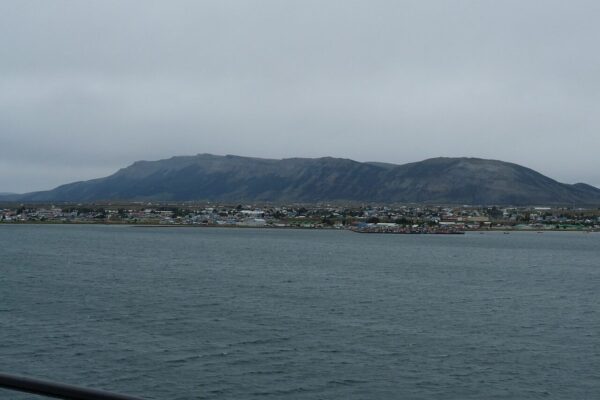
0 — 2 km Fig. 1 · Puerto Natales harbor with mountains in the background, a practical base for Torres del Paine · Photo: Gordon Leggett / CC BY 4.0 via Wikimedia Commons
Where you stay in Patagonia is not a small detail you can sort out after the flights.
In many destinations, accommodation is just a bed near the thing you came to see. In Patagonia, the bed often decides the trip. Stay in El Calafate and you are set up for Perito Moreno Glacier, airport access, and buses to El Chalten or Puerto Natales. Stay in El Chalten and you have Fitz Roy trails at your doorstep, but less flexibility if you need flights, nightlife, or broad services. Stay inside Torres del Paine and sunrise starts outside your window, but the cost and booking pressure climb quickly. Stay in Puerto Natales and you get better value and more restaurants, but every park day starts with a transfer.
That is why “where to stay in Patagonia” is really an itinerary question.
Patagonia is too large for one perfect base. It stretches across Argentina and Chile, from lake towns and ski slopes in the north to glaciers, steppe, fjords, national parks, wildlife coast, and Tierra del Fuego in the far south. The best Patagonia hotels, hostels, cabins, refugios, campsites, estancias, and lodges depend on the route you are actually taking.
This guide helps you choose the right base before you book. It compares the main towns and park areas, explains when in-park lodging is worth the money, separates hotels from refugios and equipped camps, and shows how accommodation choices change the pace of a real Patagonia itinerary.
Last fact-check: May 27, 2026. Accommodation availability, park camping rules, refugio systems, ferry schedules, tour departures, and seasonal closures can change. Recheck official park notices, lodging operators, and local tourism sources before you pay for anything nonrefundable.
Quick Answer: Best Places to Stay in Patagonia
For a first trip to Patagonia, the strongest accommodation plan is usually not one base. It is a short chain of bases that match the route.
Trip goal
Best place to stay
Why it works
Classic first-time southern Patagonia trip
El Calafate, El Chalten, Puerto Natales or Torres del Paine
Glacier, Fitz Roy hikes, and Chile’s famous park with manageable transfers
Perito Moreno Glacier
El Calafate
Airport, hotels, tours, and road access to the glacier
Fitz Roy hiking
El Chalten
Trails start from town or nearby, making weather-window planning easier
Torres del Paine on a budget
Puerto Natales
Better value, more food options, gear rental, and tour/transfer services
Torres del Paine photography or short high-comfort trip
Inside or near Torres del Paine
Best sunrise, wildlife, and no daily long transfer
W Trek or O Circuit
Refugios and campsites on the route
The accommodation is the route, and reservations are essential
Northern Patagonia lakes, food, and skiing
Bariloche
Broad lodging, transport, restaurants, lake trips, and year-round infrastructure
Softer northern road trip
Villa La Angostura, San Martin de los Andes, Bariloche
Good for Seven Lakes, cabins, scenery, and slower travel
If you remember only one thing, make it this: stay close to the experience that can be ruined by weather, early starts, or scarce reservations.
That usually means more nights in El Chalten if Fitz Roy is important, more careful accommodation planning in Torres del Paine if hiking the W or O, and more route buffers on the Carretera Austral. It also means not using Bariloche, Ushuaia, or Puerto Madryn as casual add-ons unless you have enough days to absorb the distance.
Patagonia punishes the kind of travel planning that works in small, predictable places.
On a map, some routes look close enough. In real life, a transfer can mean a long bus ride across steppe, a border crossing, a ferry segment, a gravel road, a weather delay, or a connection that runs only at certain times. A hotel that looks “near” a national park may still be two hours from the trailhead. A cheaper room can become expensive if it forces private transfers. A dreamy lodge can become frustrating if it strands you far from the activities you actually want.
Accommodation affects at least five things:
Your weather windows. If you stay longer in a hiking base, you have more chances to catch a clear day.
Your daily energy. A 5:00 a.m. transfer before a hard hike feels different from waking near the trail.
Your budget. In-park lodging, one-way transfers, rental cars, and remote lodges change the cost fast.
Your booking order. W Trek beds, campsites, high-season cabins, and scarce lodge rooms can shape the whole itinerary.
Your route logic. Some places pair naturally; others require flights or long backtracking.
The mistake I see often is treating Patagonia like one destination with one hotel search. A traveler books six nights in a nice-looking town, then realizes the glacier is in one direction, the best hikes are in another, Torres del Paine is across a border, and the next available refugio bed is not on the night they need.
The better approach is simple: choose the experience first, then choose the base.
If your dream is Fitz Roy, stay in El Chalten long enough for weather. If your dream is Perito Moreno Glacier, El Calafate is the practical choice. If your dream is the W Trek, your refugio or campsite sequence is more important than a hotel brand. If your dream is wildlife, choose Puerto Madryn or Puerto Piramides based on how close you want to be to Peninsula Valdes. If your dream is a slow lake district trip, Bariloche or nearby northern towns make more sense than forcing the southern icons.
Best Bases in Patagonia Comparison
Use this as the planning map before you start comparing Patagonia hotels.
Marble Caves, General Carrera Lake, Carretera Austral
1 to 2 nights
Weather affects boat trips; limited lodging
Cochrane / Villa O’Higgins
Deeper Carretera Austral, remote road trip
1 to 3 nights
Long distances and fewer services
Swipe to see all columns
Table 2
That table hides an important truth: the best base is often the place you would least want to rush.
El Chalten deserves extra nights because a cloudy day can erase Fitz Roy. Torres del Paine deserves careful lodging because distance, wind, and reservations matter. The Carretera Austral deserves buffers because ferries, road works, rain, and limited rooms are part of the route. Bariloche deserves enough time because it is not just one viewpoint; it is a region of lakes, trails, food, and day trips.
El Calafate is the practical southern Patagonia base. It is not the wildest town, and it is not the best hiking town, but it solves several important problems at once: airport access, Perito Moreno Glacier, tours, hotels, restaurants, bus connections, rental cars, and transfers to El Chalten and Puerto Natales.
Stay in El Calafate if:
You want to visit Perito Moreno Glacier.
You are flying into or out of southern Argentine Patagonia.
You need a logistical rest between El Chalten and Torres del Paine.
You want comfortable hotels, restaurants, and tour desks.
You are traveling with mixed ability travelers who may not want long hikes.
You are doing glacier boat trips or ice-trekking excursions.
For most travelers, 2 nights is enough if the main goal is Perito Moreno. Arrive, sleep, spend a full day at the glacier, then move on. Add a third night if you want a slower pace, a boat trip, an estancia visit, a weather buffer, or a less compressed transfer day.
The most convenient place to stay is in or near the town center, especially if you are using buses and tours. You can walk to restaurants, agencies, shops, and many pickups. Lake-view hotels can be prettier and quieter, but check walking distance and transfer logistics before booking. A remote hotel that looks peaceful in photos may require taxis for every dinner.
El Calafate works especially well before or after El Chalten. The route is straightforward, and many travelers split the southern Argentine side this way: El Calafate for the glacier, El Chalten for hiking. Trying to see Fitz Roy from El Calafate as a day trip is possible in theory, but it is the wrong way to experience El Chalten if hiking matters to you. You spend too much time on the road and get one chance at mountain weather.
El Calafate has one of the broader lodging selections in southern Patagonia. The official tourism accommodation listings show hotels, hosterias, cabins, apartments, hostels, camping, and higher-comfort options. That variety is useful because the town serves everyone from backpackers to families to luxury travelers using it as a glacier gateway.
Good choices by traveler type:
Budget travelers: hostels or simple guesthouses near the center.
Mid-range travelers: small hotels, hosterias, cabins, or apartments close to restaurants.
Families: apartments or cabins with kitchen facilities.
Comfort-focused travelers: lake-view hotels or higher-end properties with transfer support.
Road-trippers: parking-friendly cabins or hotels slightly outside the busiest streets.
What I would not do: book El Calafate only because it has more hotels, then try to use it as the base for every southern Patagonia activity. It is useful, not magical. Pair it with El Chalten and Puerto Natales or Torres del Paine when the route calls for it.
For which part of town suits glacier tour pickups, airport transfers and lake views, read where to stay in El Calafate.
Where to Stay in El Chalten
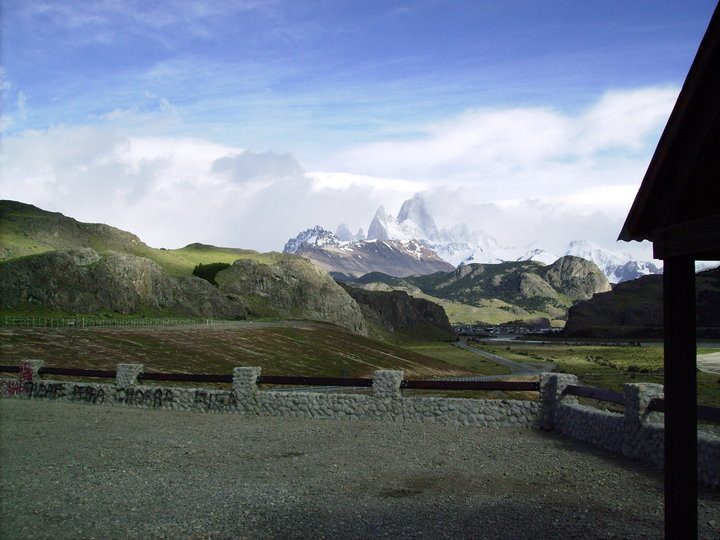
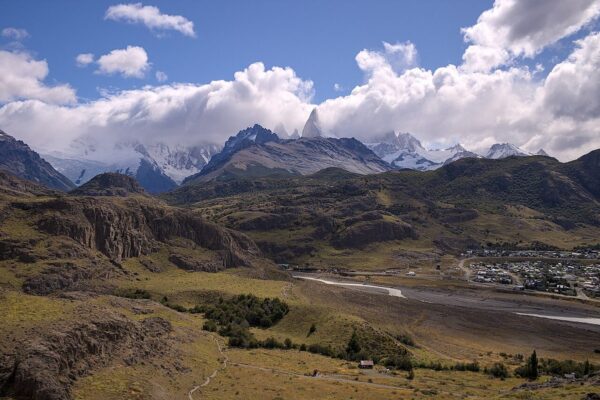
El Chalten is the Patagonia base that makes hikers understand why bases matter.
You can wake up, look at the sky, and decide whether this is the day for Laguna de los Tres, Laguna Torre, Loma del Pliegue Tumbado, or a shorter viewpoint. That flexibility is gold. Fitz Roy weather is not polite. A three-night stay can be the difference between “I never saw the mountain” and “I got the one clear morning of the week.”
Stay in El Chalten if:
Fitz Roy and Cerro Torre hikes are a priority.
You want trails that start from town or nearby.
You like independent hiking and simple mountain-town logistics.
You are comfortable with a smaller, seasonal place.
You would rather spend extra nights waiting for weather than commute from El Calafate.
I would give El Chalten at least 3 nights if hiking is important. Four or five nights is better if you have the time and want a calmer rhythm. If the forecast is poor, extra nights are not wasted. They are your best chance of turning a rigid itinerary into a good trip.
The best area to stay is usually in town, within walking distance of restaurants, trailheads, grocery shops, and bus services. El Chalten is small, so “central” is not a complicated concept, but availability can be tight. In peak months, the better-value rooms disappear early.
The lodging mix includes hostels, guesthouses, cabins, apartments, hotels, campsites, and some more comfortable properties. Official/local El Chalten tourism accommodation listings show that the town has a wide range for its size, but it is still a mountain village with seasonal pressure. Book early for January, February, March, Christmas/New Year, and busy trekking dates.
This is one of the most common Patagonia accommodation decisions, and the answer is usually both.
El Calafate is best for:
Perito Moreno Glacier.
Airport access.
Tour infrastructure.
Better restaurant and hotel variety.
Transfers to El Chalten and Puerto Natales.
El Chalten is best for:
Fitz Roy and Cerro Torre hiking.
Weather flexibility.
A more outdoorsy mountain-town feel.
Independent day hikes without needing daily transfers.
If you only have 3 nights total in southern Argentina, choose based on your priority. For the glacier, stay mostly in El Calafate. For hiking, give El Chalten more nights. For a balanced first-time trip, a simple split is 2 nights El Calafate and 3 or 4 nights El Chalten.
Do not make the mistake of sleeping in El Calafate the whole time just because the hotel selection is larger. You will lose the early starts and weather flexibility that make El Chalten work.
It is not inside the park, and that matters. But for many travelers, it is the best place to sleep before, after, or instead of in-park lodging. It has restaurants, supermarkets, gear rental, hostels, hotels, cabins, tour agencies, bus connections, and a calmer cost structure than staying inside Torres del Paine.
Stay in Puerto Natales if:
You are preparing for the W Trek or O Circuit.
You want better-value lodging than inside the park.
You are doing Torres del Paine day trips by bus, tour, or rental car.
You need gear rental, groceries, laundry, or logistics support.
You want more dinner choices and town services.
You are not ready to pay for in-park hotels or lodges.
For W Trek and O Circuit hikers, Puerto Natales is often the staging area. You sleep there before the trek, pick up rented gear if needed, buy food, check tickets, and make sure you understand your route. You may also sleep there after the trek because a shower, laundry, and a real bed can feel like luxury.
For non-trekkers, Puerto Natales can work as a base for Torres del Paine day tours. It is cheaper and easier than staying in the park. The tradeoff is time. Park days start early and involve transfers. If you are doing one day in Torres del Paine, that is fine. If you are doing multiple serious hikes, the repeated transfer gets old.
The best area to stay in Puerto Natales is close to the center, waterfront, restaurants, bus station, or your tour/transfer pickup. The town is manageable, but winter wind and tired post-hike legs make convenience matter.
For an area-by-area breakdown of the town, and how to plan the nights before and after a trek around the park buses, see where to stay in Puerto Natales.
Staying Inside or Near Torres del Paine
Staying inside or near Torres del Paine can be one of the best decisions of the trip. It can also be one of the most expensive.
The benefit is obvious once you are there. You are closer to sunrise light, wildlife movement, trailheads, scenic drives, boat departures, and the feeling of being in the landscape rather than commuting to it. If you have limited time and the budget allows, in-park or near-park lodging can make Torres del Paine feel deeper and less rushed.
Stay inside or near Torres del Paine if:
You care about photography, sunrise, sunset, and wildlife.
You want to reduce daily transfer time.
You are doing major day hikes and want easier starts.
You want a lodge-based park experience.
You are willing to pay for location.
You are booking a guided or all-inclusive stay.
Choose Puerto Natales instead if:
Budget matters more than location.
You want restaurants, shops, and flexible town services.
You only need one park day.
You are preparing for or recovering from a trek.
You do not want to coordinate remote transfers.
There are several lodging styles around the park: hotels, lodges, estancias, domes, glamping-style camps, refugios, campsites, and all-inclusive properties. They are not interchangeable. A luxury lodge with excursions is a different trip from a refugio bed on the W Trek. A campsite on the O Circuit is a different decision from a hotel near the park entrance.
For the mountain circuits, accommodation is route-defining. CONAF’s Torres del Paine official page states that visitors on mountain circuits must have accommodation reservations for each sector of the route they choose. The park also states that camping is allowed only in enabled areas and that sleeping elsewhere in the park is prohibited. In plain English: do not show up expecting to improvise the W or O.
This is where many first-time travelers get into trouble. They book flights, then discover that the available refugio nights do not line up with their desired route. Or they book one campsite and assume they can “figure out the rest.” In Torres del Paine, accommodation sequence comes before daydreaming about the perfect trek itinerary.
Puerto Natales is better for value, food, logistics, gear, laundry, hostels, and flexible planning. It is the sensible base for many travelers, especially if you are doing day tours or preparing for a trek.
Inside or near Torres del Paine is better for atmosphere, photography, wildlife, early starts, and shorter days in transit. It is worth considering if Torres del Paine is the centerpiece of the trip and your budget can handle it.
The best plan can be both. For example:
1 night Puerto Natales before the park.
2 or 3 nights inside or near Torres del Paine.
1 night Puerto Natales after the park.
That gives you logistics and immersion without making every night expensive.
Where to Stay in Bariloche and Northern Patagonia
Bariloche is the best Patagonia base for travelers who want scenery plus infrastructure.
It has lakes, forests, viewpoints, ski access, restaurants, chocolate shops, breweries, boat trips, rafting, hiking, family-friendly activities, and a much broader hotel/apartment/cabin market than many southern Patagonia towns. It is also a year-round destination, which makes it useful outside the classic southern trekking season.
Stay in Bariloche if:
You want northern Patagonia, lakes, food, and soft adventure.
You are traveling with family or mixed ability groups.
You want skiing or winter travel.
You prefer cabins, apartments, lake hotels, and town infrastructure.
Stay in the center if you want restaurants, buses, shops, tour pickups, and easier movement without a car. Stay west of town or along the lake corridors if you want quieter scenery, cabins, lodges, and better access to viewpoints or Llao Llao area landscapes. Stay near Cerro Catedral if skiing is the main point or if you want mountain access, but do not assume it is the best base for every Bariloche activity.
Bariloche also works well with nearby bases:
Villa La Angostura for a quieter lake-town feel and Seven Lakes access.
San Martin de los Andes for a beautiful northern route endpoint and a slower stay.
El Bolson for a more alternative, lower-key mountain town.
Esquel or Trevelin for Welsh history, Los Alerces, and a less obvious route.
Bariloche is one of the best places in Patagonia for apartments and cabins. That matters if you are traveling as a family, staying longer, driving, or trying to control food costs. Hotels and lake lodges can be excellent, but the ability to cook, park, and spread out is useful here.
Good choices by traveler type:
First-time no-car travelers: central hotels or apartments.
Families: cabins or apartments with kitchens.
Couples: lake-view hotels, boutique stays, or quieter cabins.
Skiers: Cerro Catedral or transport-friendly town locations.
Road-trippers: parking-friendly lodging west of town or on route corridors.
Budget travelers: hostels or simple guesthouses near the center.
Bariloche is far from southern Patagonia’s icons. Do not stay here thinking you can casually day-trip to El Chalten, Perito Moreno, or Torres del Paine. Bariloche is its own northern Patagonia route, not a convenient bedroom for the far south.
Where to Stay in Ushuaia and Tierra del Fuego
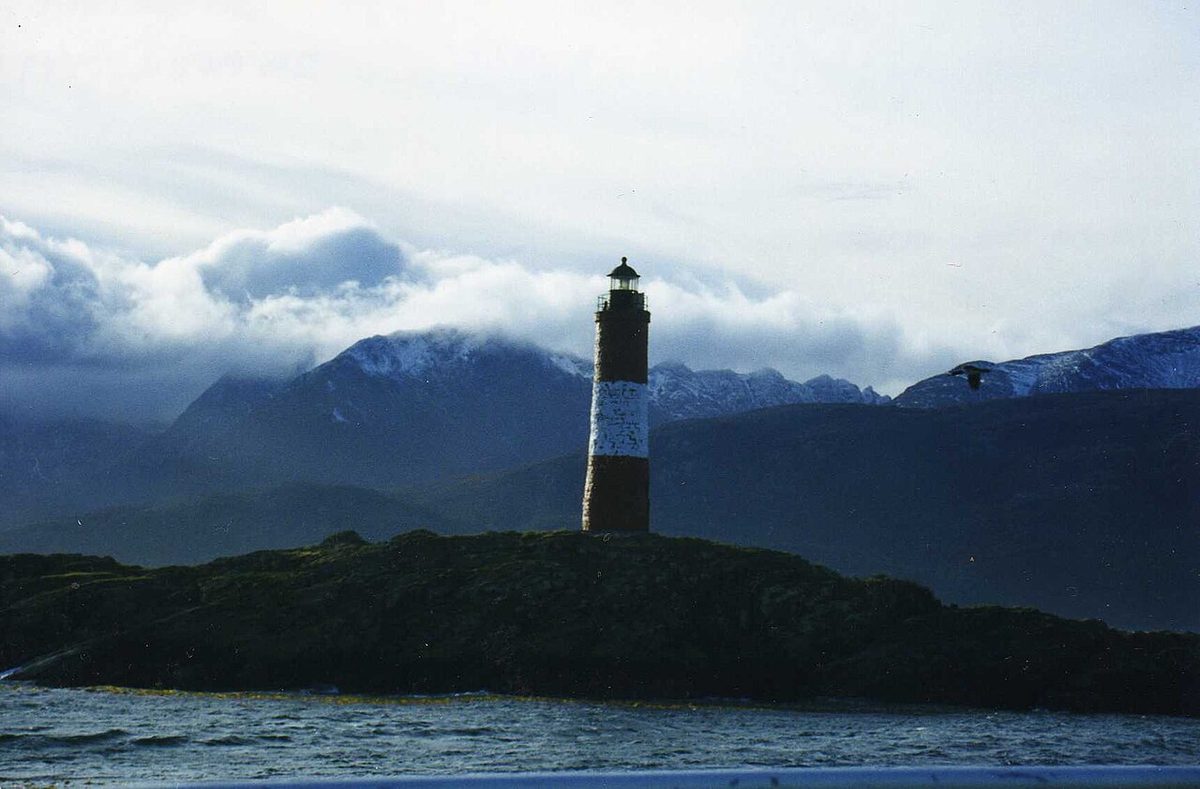
Ushuaia is a destination base, not a convenient stop between other Patagonia highlights.
It sits in Tierra del Fuego at the far south, with access to the Beagle Channel, Tierra del Fuego National Park, Martial Glacier area, winter activities, lakes, forests, and Antarctica cruise departures. It can be a wonderful part of a Patagonia trip, but it needs a reason and enough time.
You have enough days to justify the flight or long overland route.
For most travelers, 2 to 4 nights is the practical range. Two nights gives a taste. Three or four lets you do the national park, a Beagle Channel trip, a hike, and still have room for weather or cruise logistics.
The most convenient accommodation area is central Ushuaia, especially near restaurants, tour agencies, the port, and transfer pickups. Hillside hotels can have excellent views over the Beagle Channel, but check whether you are comfortable walking uphill or using taxis. If you are traveling in winter, location matters even more.
Ushuaia has hotels, hostels, apartments, cabins, and higher-comfort properties. Official tourism listings are the place to verify registered accommodation. For camping, Ushuaia Tourism’s Tierra del Fuego National Park information describes park trails and camping areas, and notes that combustion elements are allowed only in camping areas. Treat park camping as a regulated choice, not a casual last-minute assumption.
Use the Ushuaia guide before deciding whether Ushuaia belongs in your route.
For downtown, hillside, airport, Beagle Channel and ski-valley options compared, read where to stay in Ushuaia.
Where to Stay for Peninsula Valdes and Wildlife
For wildlife-focused Patagonia, the key accommodation decision is Puerto Madryn versus Puerto Piramides.
Puerto Madryn is the larger, easier base. It has more hotels, apartments, restaurants, services, tour agencies, transport options, and flexibility. If you want comfort, more choice, and easier logistics, stay there.
Puerto Piramides is smaller and closer to the Peninsula Valdes experience. It is the better choice if you want to be immersed in the reserve area, prioritize whale watching departures, and do not mind limited services and fewer rooms. It can feel more special, but it requires earlier booking and a more patient mindset.
Stay in Puerto Madryn if:
You want more lodging and restaurant options.
You are budget-conscious.
You are using public transport or tours.
You want easier logistics with kids or mixed interests.
You are visiting Punta Tombo, Welsh Chubut towns, or other regional sites.
Stay in Puerto Piramides if:
Whale watching is the main reason for the trip.
You want to sleep closer to Peninsula Valdes landscapes.
You are comfortable with a small village.
You can book early and accept fewer services.
Wildlife timing matters more here than hotel style. Whales, penguins, sea lions, orcas, and other wildlife are seasonal. Do not book the prettiest room before confirming whether your target species is likely to be there. Use the wildlife viewing planner first, then decide where to sleep.
Where to Stay on the Carretera Austral
The Carretera Austral is not a single base trip. It is a chain of small stays.
This is Chilean Patagonia by road: ferries, rain, gravel sections, national parks, small towns, cabins, campsites, lodges, rivers, forests, hanging glaciers, marble caves, and long distances. Accommodation planning here is less about choosing the “best hotel in Patagonia” and more about building a route that survives weather, ferry timing, road work, limited fuel, and limited lodging.
Puerto Montt or Puerto Varas for northern access and pre-route logistics.
Chaiten for Pumalin and northern Carretera Austral access.
Puyuhuapi for Queulat National Park and the hanging glacier area.
Coyhaique for flights, supplies, rental cars, and regional services.
Puerto Rio Tranquilo for the Marble Caves and General Carrera Lake.
Cochrane for Patagonia National Park and deeper southern routing.
Caleta Tortel for boardwalk village atmosphere and remote travel.
Villa O’Higgins for the southern end of the road.
Stay in cabins, hosterias, small hotels, campsites, lodges, and rural guesthouses depending on your budget and route. In high season, do not assume every small town has last-minute rooms. In bad weather, also do not assume you will move as fast as the map suggests.
If you are driving, book anchor nights and leave some flexibility. If you book every night tightly, one ferry delay or washed-out section can break the rhythm. If you book nothing in peak season, a small town with limited rooms can break it another way. The middle path is usually better: reserve scarce or important nights, keep buffers around ferry-dependent sections, and carry realistic food and fuel margins.
Patagonia accommodation language can be confusing because the same trip may include a city hotel, a mountain refugio, an equipped campsite, and a remote lodge. Here is what the categories usually mean in practice.
If you are weighing a tent against a dorm bed or a hotel room for a particular stop, Patagonia camping vs hostels vs hotels compares cost, comfort and who each one suits.
Hotels
Hotels are the most straightforward option in larger towns such as El Calafate, Bariloche, Ushuaia, Puerto Natales, Punta Arenas, and Puerto Madryn. They are best when you want predictable comfort, breakfast, reception support, tour pickups, and easy logistics.
In smaller or more seasonal towns, hotel quality and availability vary more. Read recent reviews for heating, hot water, location, noise, and transfer practicality. In Patagonia, a warm room and good drying space can matter more than decorative style.
Hosterias, Guesthouses and B&Bs
Hosterias and guesthouses are often the sweet spot: personal, smaller, less expensive than big hotels, and more local in feel. They can be excellent in El Chalten, El Calafate, Puerto Natales, Bariloche, and Carretera Austral towns.
Check what is included. Breakfast, luggage storage, kitchen access, laundry, and early check-in can make a big difference around treks and transfers.
Apartments and Cabins
Apartments and cabins are underrated in Patagonia.
They work well for families, longer stays, road trips, dietary needs, budget control, and rest days. A kitchen lets you avoid eating every meal out. More space helps with gear. Parking matters for road trips. A washing machine or laundry access can save a trek-weary itinerary.
The tradeoff is service. You may not have daily reception, tour advice, or easy pickup coordination. Location matters more if you are not renting a car.
Hostels
Patagonia hostels are not only for young backpackers. They are practical for solo travelers, budget travelers, hikers looking for partners, and people who want shared kitchens and information flow.
Hostels can be especially useful in El Chalten, Puerto Natales, Bariloche, and El Calafate. In peak hiking season, book early. The cheapest bed is not always the best value if the location is inconvenient or the sleep quality is poor before a major hike.
Solo travelers should prioritize central bases, reliable transport, and lodging where it is easy to meet hiking partners or arrange tours without creating unnecessary risk.
Lodges and Estancias
Lodges and estancias are for travelers who want scenery, comfort, guiding, food, horses, wildlife, photography, or a slower connection to the landscape. They can be expensive, but some are worth it because they reduce logistics and give access to places you would not easily reach alone.
For what a ranch stay or a day visit actually involves, and which estancias suit which trips, see the guide to Patagonia estancias.
Good fits:
Torres del Paine photography and wildlife trips.
Couples or honeymoon-style travel.
Families who want comfort and guided structure.
Travelers with limited time and higher budget.
People who want Patagonia without moving hotels constantly.
Be clear on inclusions: meals, transfers, excursions, park fees, guide services, gear, and cancellation terms. A lodge that looks expensive may be more reasonable if it includes transfers and activities. A room-only lodge far from town may be more expensive than it looks once you add everything.
Refugios
Refugios are mountain lodging used on trekking routes, especially in Torres del Paine. They may offer dorm beds, meals, bathrooms, common areas, and sometimes gear or bedding options. Details vary by operator and booking type.
For how refugios work across Patagonia, from the Torres del Paine huts to the mountain huts around Bariloche, read Patagonia refugios explained.
The important point: a refugio is not just a cheap hotel. On the W Trek or O Circuit, it is part of the route system. Your night locations decide your daily walking stages. Availability can determine whether your itinerary is possible.
Before booking a refugio-based trek, confirm:
Which sector you are sleeping in each night.
Whether bedding is included.
Whether meals are included or need to be reserved.
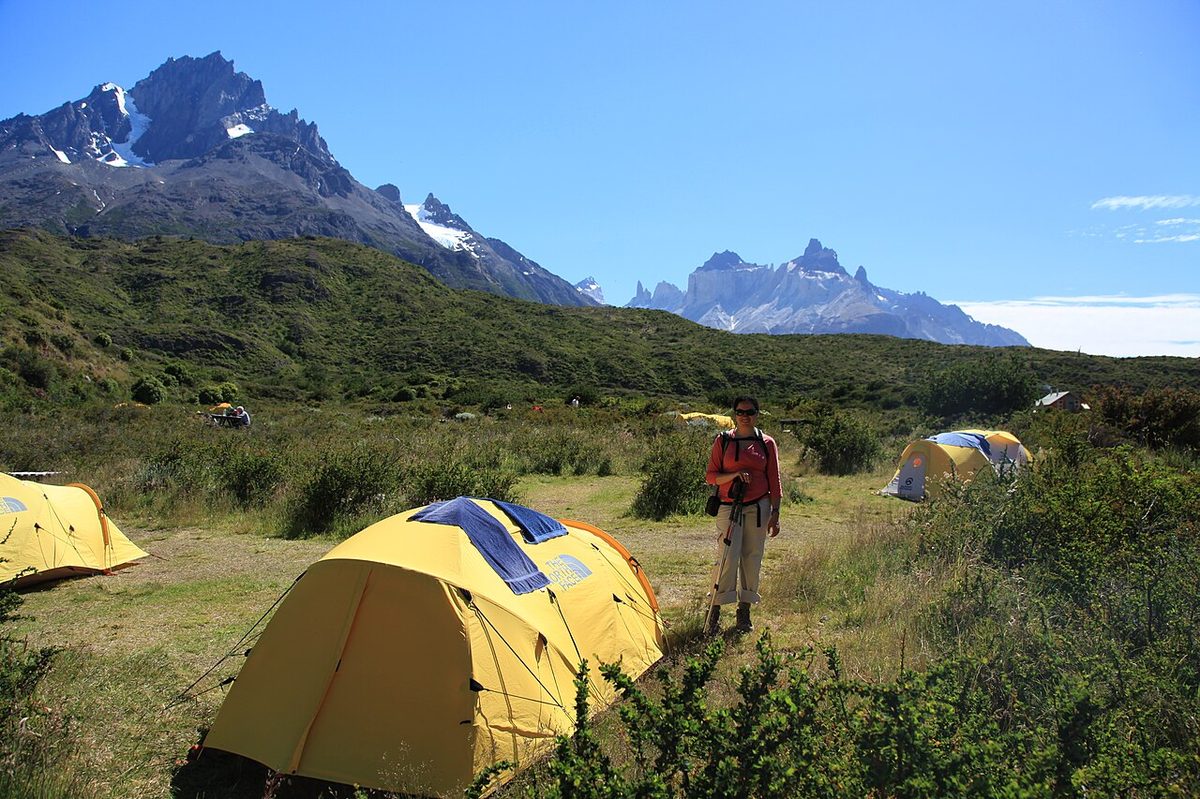
Equipped campsites can mean different things, but usually they reduce how much camping gear you carry. A tent, sleeping mat, sleeping bag, or platform may be provided depending on the site and package.
Do not assume. “Equipped” is not a universal standard. Read the operator details. If the booking includes a tent but not a sleeping bag, your packing list changes. If meals are not included, your food strategy changes. If the campsite has no shop, your margin changes.
Self-Camping
Self-camping can be economical and beautiful, but it is more regulated than many travelers expect.
In national parks, camping is usually limited to authorized areas. Fire and stove rules vary. Some camps require reservations or registration. Some are seasonal. Some are exposed to wind or rain in ways that punish weak gear.
Bring strong weather protection, know the rules, and do not confuse “remote” with “legal to camp anywhere.”
Some Patagonia accommodation is not on land. Fjord cruises, Beagle Channel trips, and expedition-style itineraries can include sleeping onboard. These are most relevant for Chilean fjords, southern channels, glacier routes, and Antarctica add-ons from Ushuaia.
These trips solve some logistics and create others. Weather, seasickness, seasonality, cabin category, route changes, and cancellation terms matter. Use Patagonia Cruises, Fjords, Lakes and Glacier Trips before treating a ship-based stay like a normal hotel booking.
How Many Nights to Stay in Each Patagonia Base
The right number of nights depends on the season, route, weather risk, and whether you are hiking. These are practical starting points.
Base
Minimum
Better
Why
El Calafate
1 to 2 nights
2 to 3 nights
One full glacier day plus arrival/departure margin
El Chalten
2 nights
3 to 5 nights
Weather windows for Fitz Roy and Cerro Torre
Puerto Natales
1 night
2 to 4 nights
Trek prep/recovery or Torres del Paine day trips
Inside/near Torres del Paine
1 night
2 to 4 nights
Sunrise, wildlife, hikes, and reduced transfers
W Trek
4 nights typical route
4 to 5 nights
Depends on route direction and accommodation sequence
O Circuit
7 to 9 nights typical route
Route dependent
Longer trek with stricter seasonal/access constraints
Bariloche
2 nights
4 to 7 nights
Lakes, food, hikes, road trips, skiing
Ushuaia
2 nights
3 to 4 nights
National park, Beagle Channel, winter/cruise logistics
The hidden rule is this: add nights where weather can ruin the thing you came for.
That means El Chalten, Torres del Paine, wildlife coast, and Carretera Austral stops benefit from slack. El Calafate can often be shorter because Perito Moreno has strong payoff even in imperfect weather, though storms and tour availability still matter.
What to Book First
Do not book Patagonia accommodation in the order a generic travel site suggests. Book the scarce, route-defining pieces first.
Book first:
W Trek or O Circuit refugios and campsites.
Inside Torres del Paine lodges or hotels if you want them.
Peak-season El Chalten lodging.
Peak-season Bariloche lake/cabin/ski lodging.
Puerto Piramides lodging for whale season or small-village stays.
Remote Carretera Austral towns with limited inventory.
Family cabins or multi-room apartments during school holiday periods.
Any lodge that includes transfers or excursions you are building the route around.
Then book:
El Calafate hotels.
Puerto Natales pre/post trek nights.
Ushuaia central hotels or apartments.
Puerto Madryn hotels.
Punta Arenas transit nights.
That order is not about which place is more beautiful. It is about what can break the itinerary if unavailable.
How Early Should You Book Patagonia Hotels?
For peak travel between December and March, book as early as you can once the route is stable. Six months ahead is not excessive for the scarcest pieces, and W Trek/O Circuit accommodation can need even more attention depending on operator release dates and demand. For Christmas, New Year, January, February, and popular trek windows, delay is expensive.
For shoulder months such as October, November, March, and April, you may have more flexibility, but do not assume small towns will have the room type you want. Shoulder season also brings opening/closing differences, so verify what is operating.
For winter, lodging availability can be good in some places and limited in others. Bariloche ski season has its own demand. Ushuaia winter can be active. Torres del Paine and mountain routes may have restrictions, closures, or guide requirements, so accommodation planning needs current official checks.
If your travel style is flexible and budget-oriented, you can sometimes book later in larger towns. If your trip depends on specific routes, family rooms, good-value cabins, in-park stays, or trekking accommodation, book early.
Budget and Splurge Strategy
Patagonia can become expensive quickly, but not every night needs to be a splurge.
The smartest approach is to spend money where location changes the experience and save where the town itself solves logistics.
Consider splurging on:
One or two nights inside or near Torres del Paine.
A lodge or estancia that includes meaningful excursions.
A lake-view or cabin stay in Bariloche if you will actually use the setting.
A central Ushuaia room before or after an Antarctica cruise.
A private room after a multi-day trek.
A remote Carretera Austral stay that reduces driving stress.
Save on:
Transit nights in El Calafate or Punta Arenas.
Puerto Natales prep nights if you only need logistics.
Apartment/cabin stays where cooking reduces food costs.
Hostels in hiking towns if you value social information and budget.
Simple guesthouses when you will be outside all day.
The most expensive mistake is not paying for a nice hotel. It is paying for the wrong location. A cheap room that forces expensive taxis, private transfers, or missed weather windows is not cheap. A pricey lodge that isolates you from the activities you wanted is not luxury. Patagonia value is about fit.
Camping in Patagonia is excellent when it is organized properly. It is also regulated, weather-exposed, and very different from simply finding a scenic place to sleep.
Rules vary by country, park, operator, route, and season. Always check the exact place you plan to sleep.
Important examples:
Torres del Paine: CONAF says camping is allowed only in enabled areas and sleeping elsewhere in the park is prohibited. Mountain circuit travelers must have accommodation reservations for each sector of their route.
Los Glaciares/El Chalten area: official Argentina National Parks guidance identifies specific camping and route rules, including reservations for certain northern-zone camps and restrictions on fire. Check current APN and local sources before camping.
Tierra del Fuego National Park: Ushuaia Tourism describes organized camping areas and notes that combustion elements are permitted only in camping areas.
Nahuel Huapi/Bariloche area: official trekking guidance includes registration and mountain safety expectations for routes.
The practical takeaway: decide whether you are camping for cost, experience, route necessity, or logistics. Those are different plans.
Camping for cost works best when:
Legal campsites are available.
You already own or can rent good gear.
Weather conditions match your experience.
You can cook legally.
You are not spending too much on transport to reach the campsite.
Camping for route necessity is different. On W/O routes, remote treks, or road-trip sections, the campsite may be the only realistic overnight. In that case, focus less on saving money and more on booking sequence, weatherproof gear, and safety margin.
Best for travelers prioritizing Chilean Patagonia.
1 night Punta Arenas or Puerto Natales after arrival.
1 night Puerto Natales for prep.
4 to 5 nights W Trek, or 3 to 4 nights inside/near the park for lodge/day-hike travel.
1 night Puerto Natales after the park.
1 transit night if flights require it.
This is where booking order matters. Secure park accommodation before treating flights and town hotels as final.
10 to 12 Days: Northern Patagonia Comfort Route
Best for families, food, lake scenery, and lower-friction travel.
4 to 5 nights Bariloche.
2 nights Villa La Angostura.
2 nights San Martin de los Andes.
Optional 1 to 2 nights El Bolson, Esquel, or a lake lodge depending on route.
This is not the same trip as southern Patagonia. That is the point.
2 to 3 Weeks: Wildlife and Mountains
Best for travelers who want animals plus the classic south.
3 nights Puerto Madryn or Puerto Piramides.
2 nights El Calafate.
3 to 4 nights El Chalten.
2 nights Puerto Natales.
2 to 4 nights Torres del Paine or W Trek route nights.
Use the wildlife guide first so your dates match species seasonality.
2 to 3 Weeks: Carretera Austral Road Trip
Best for independent road-trippers.
Puerto Varas or Puerto Montt for setup.
Chaiten.
Puyuhuapi.
Coyhaique.
Puerto Rio Tranquilo.
Cochrane.
Caleta Tortel or Villa O’Higgins if going far south.
The exact nights depend on ferries, road conditions, vehicle plan, and how much hiking you want. Do not build this route as if every day will be dry and fast.
Common Patagonia Accommodation Mistakes
The first mistake is booking one town for the whole trip because it has the most hotel results. Patagonia does not reward that. You need bases that match the route.
The second mistake is staying in El Calafate too long and El Chalten too briefly when hiking is the priority. The glacier is easier to see in one day than Fitz Roy is to see in one cloudy day.
The third mistake is assuming Puerto Natales and Torres del Paine are the same place. Puerto Natales is a base town. Torres del Paine is the park. The transfer matters.
The fourth mistake is delaying W Trek or O Circuit accommodation. Those nights define the route.
The fifth mistake is treating “camping in Patagonia” as one rule. Camping permissions, fire rules, stove rules, registration, and reservations vary by park.
The sixth mistake is adding Bariloche or Ushuaia because they are famous, without allowing the travel time. Both can be excellent. Neither is a small detour from El Chalten.
The seventh mistake is ignoring kitchens and laundry. On a hiking or road-trip itinerary, an apartment or cabin can beat a prettier hotel room.
The eighth mistake is booking remote accommodation without checking transport. A lodge, estancia, or lake cabin can be wonderful if you have the transfer plan. It can be expensive friction if you do not.
The ninth mistake is chasing the cheapest room before a major hiking day. Bad sleep, poor heating, loud rooms, or bad location can cost more than you saved.
The tenth mistake is not checking current official notices. Park routes, camping systems, trail access, and seasonal services can change. A blog post should inspire your plan; official sources should confirm it.
Suggested Internal Reading Path
If accommodation is the next thing you need to solve, read in this order:
What is the best area to stay in Patagonia for a first trip?
For most first-time travelers, the best route is not one area but a combination: El Calafate for Perito Moreno Glacier, El Chalten for Fitz Roy hiking, and Puerto Natales or Torres del Paine for Chile’s famous park. This gives the strongest classic Patagonia experience without trying to cover the entire region.
Is it better to stay in El Calafate or El Chalten?
Stay in El Calafate for Perito Moreno Glacier, airport access, tours, and transfers. Stay in El Chalten for hiking, Fitz Roy views, and weather flexibility. If you want both the glacier and the hikes, split your stay instead of treating one town as the base for everything.
Should I stay in Puerto Natales or inside Torres del Paine?
Stay in Puerto Natales if you want better value, restaurants, gear rental, supermarkets, and easier logistics. Stay inside or near Torres del Paine if you want sunrise, wildlife, shorter transfers, and more immersion. If budget allows, a mix works well: Puerto Natales before and after, with a few nights in or near the park.
How early should I book Patagonia accommodation?
For December through March, book route-defining accommodation as early as possible, especially W Trek and O Circuit refugios/campsites, in-park Torres del Paine lodging, El Chalten, Bariloche holiday periods, Puerto Piramides whale-season stays, and remote Carretera Austral towns. Larger towns often have more inventory, but the best-value rooms still go early.
Are Patagonia hotels expensive?
Patagonia hotels can be expensive, especially in peak season, remote areas, inside or near Torres del Paine, and in high-demand small towns. Costs vary by country, exchange rate, season, and lodging type. Hostels, guesthouses, apartments, cabins, and camping can reduce costs, but location and transport should be part of the value calculation.
Can you camp anywhere in Patagonia?
No. Camping rules depend on the country, park, route, and season. In Torres del Paine, camping is allowed only in enabled areas. Other parks and towns have their own registration, reservation, fire, and stove rules. Always check official sources before assuming camping is legal.
What are refugios in Patagonia?
Refugios are mountain lodging used on trekking routes, especially in Torres del Paine. They may offer dorm beds, meals, bathrooms, and common spaces. On routes like the W Trek and O Circuit, refugio or campsite reservations are part of the route plan and should be booked before the rest of the itinerary is locked in.
Where should I stay in Patagonia without a car?
Good no-car bases include El Calafate, El Chalten, Puerto Natales, Bariloche center, Ushuaia center, and Puerto Madryn. These towns have stronger tour, bus, restaurant, and transfer infrastructure. Remote lodges, lake cabins, and some Carretera Austral stops are much easier with a rental car or arranged transfers.
Where should families stay in Patagonia?
Families often do well in Bariloche, El Calafate, Ushuaia, Puerto Madryn, and cabin/apartment-style lodging. These bases offer more services, easier food options, and activities beyond long hikes. Torres del Paine and El Chalten can also work well for outdoorsy families if the route is paced carefully.
Is it worth staying inside Torres del Paine?
It is worth staying inside or near Torres del Paine if the park is the centerpiece of your trip, you care about early starts, photography, wildlife, or reducing transfer time, and your budget allows. It is not necessary for everyone. Puerto Natales remains the best practical base for many travelers.
Where should I stay for whale watching in Patagonia?
For Peninsula Valdes whale watching, choose Puerto Madryn for more services, lodging, restaurants, and transport options. Choose Puerto Piramides if you want a smaller base closer to whale watching departures and reserve landscapes. Confirm wildlife timing before booking.
What is the best luxury base in Patagonia?
Luxury travelers often look at lodges inside or near Torres del Paine, remote estancias, lake lodges around Bariloche, high-comfort stays in El Calafate, and expedition-style cruises or Antarctica add-ons from Ushuaia. The best choice depends on whether you want hiking, wildlife, food, road trips, or remote scenery.
Official Sources and Image License Notes
This article uses official destination, park, accommodation, and tourism sources for rule-sensitive facts:
Images are sourced from Wikimedia Commons under their respective licenses (CC BY, CC BY-SA, or public domain). Each photo links to its source page and author on Wikimedia Commons. Hero image: Gordon Leggett / CC BY 4.0 via Wikimedia Commons.
Also on this pillar — Where to Stay9 sheets · See all