El Bolson Patagonia: Market, Beer, Piltriquitron and Lago Puelo
Plan El Bolson Patagonia: the Feria Artesanal market, craft beer, Cerro Piltriquitron, Bosque Tallado, Lago Puelo, and how to get there from Bariloche.
By Patagonia Tourism Guide · First published 21 Aug 2026 · Updated 1 Aug 2026
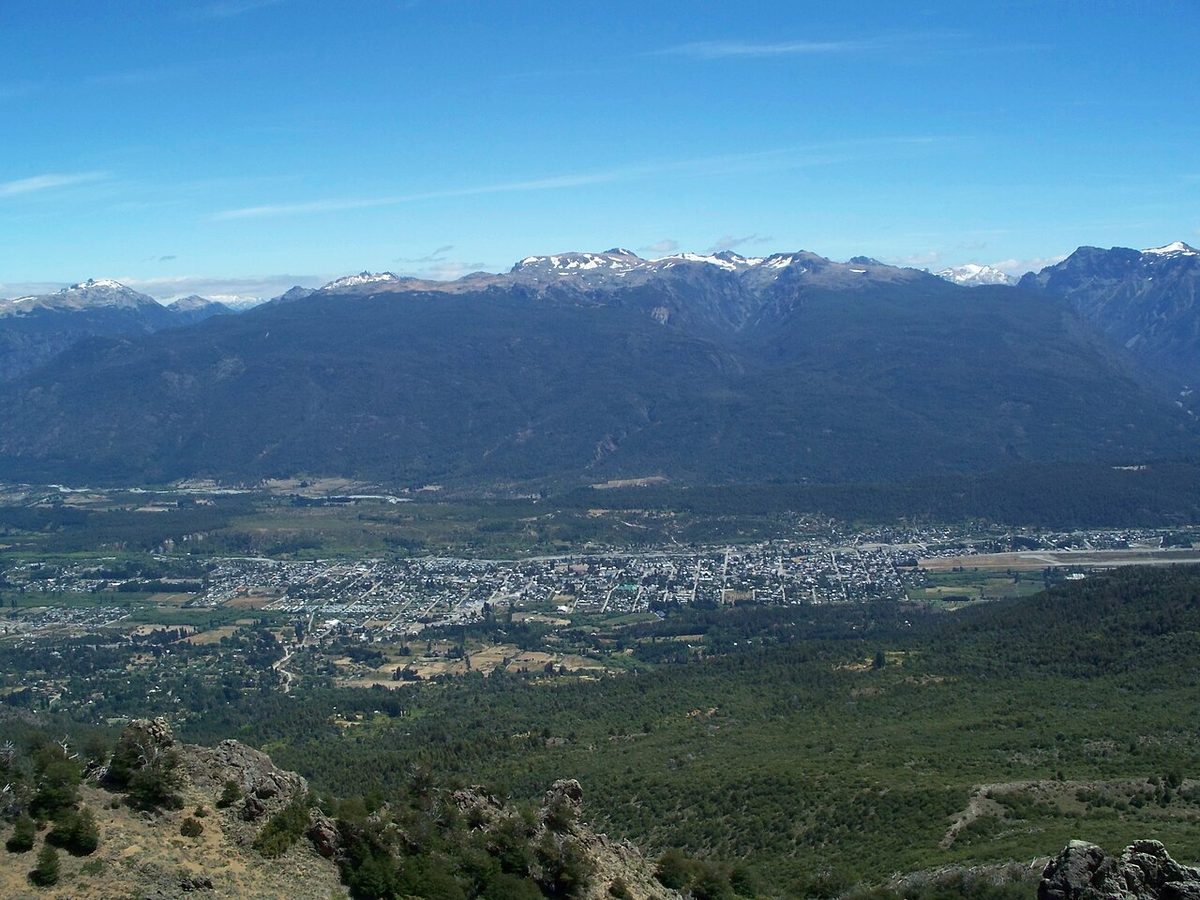
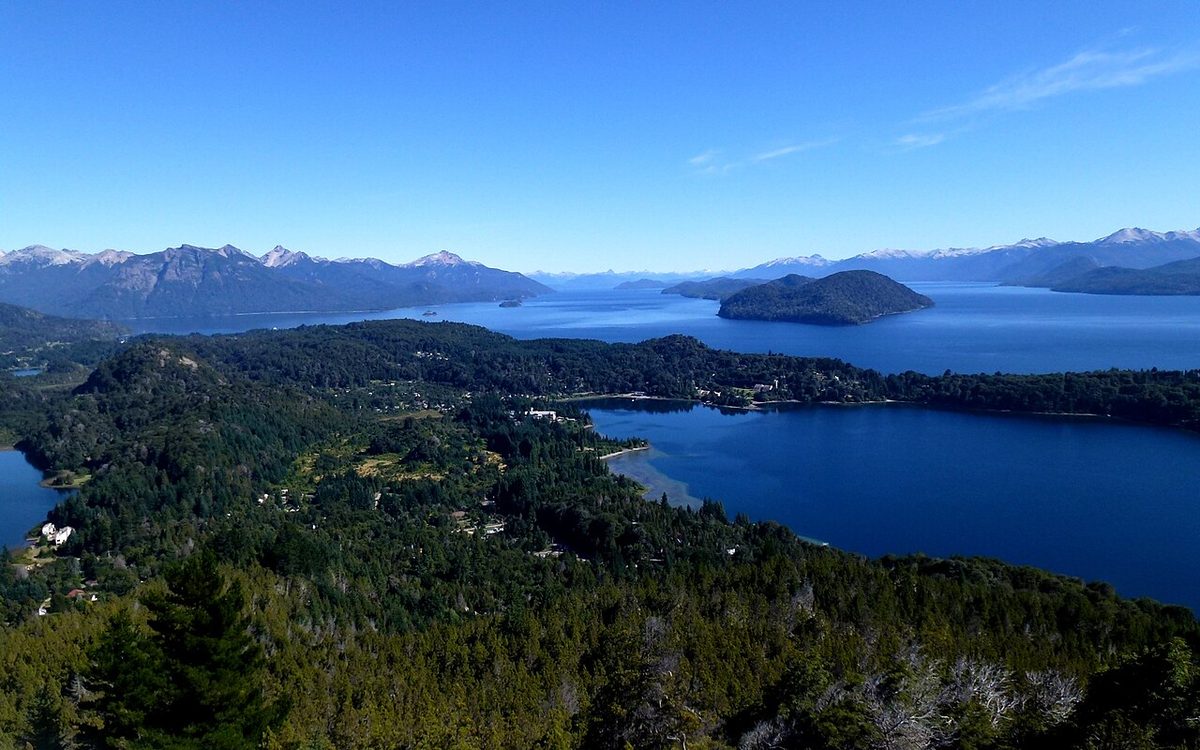
0 — 2 km Fig. 1 · El Bolson town in the Patagonia valley below Cerro Piltriquitron · Photo: Public domain via Wikimedia Commons
The first thing people tell you about El Bolson is that it is a hippie town, and the second thing they tell you is to go for the market. Both are true and both undersell it.
What surprised me was how quickly the place stopped feeling like a punchline and started feeling like the most relaxed two days in my whole Northern Patagonia route.
El Bolson Patagonia is a laid-back, bohemian valley town about 125 km south of Bariloche, in the Comarca Andina. The headline draws are its famous Feria Artesanal craft market, a serious craft-beer and hop-growing scene, the hike to Cerro Piltriquitron and the carved-forest Bosque Tallado, and turquoise Lago Puelo National Park just south.
This guide is for travelers already planning Bariloche who are deciding whether El Bolson is a quick day trip or a slower overnight stay, and how to fit the market, the mountain, the beer, and the lake into the time they have. It sits under our Bariloche and Northern Patagonia guide, so if you have not chosen a base yet, start there.
Here is the fast version of what you are choosing between. Times are rough and depend on season, weather, and how much you linger.
Highlight
Type
Time it takes
Feria Artesanal (Plaza Pagano)
Market / culture
1-3 hours, only Tue/Thu/Sat/Sun + holidays
Craft beer + cervecerias
Food and drink
An afternoon or evening
Cerro Piltriquitron + Bosque Tallado
Viewpoint / hike
2 hours (carved forest) to a full day (summit)
Cabeza del Indio + Cascada Escondida
Viewpoint / short walk
Half day, easy
Rio Azul + Cajon del Azul
River / refugio hike
1 hour (river) to a full long day (refugio)
Lago Puelo National Park
Lake / boat / forest
Half to full day, 15-17 km south
Chacras and fruit farms
Agritourism / food
A morning, often combined with a drive
Getting here from Bariloche
Transport
Around 2 hours each way
Swipe to see all columns
Table 1
The single most important planning fact on that table is the market schedule. The Feria runs only four days a week plus holidays. If you build a tight day trip and land on a Monday, Wednesday, or Friday, you will see the town without its main event. Check the day before you go.
The Town and Its Vibe
El Bolson sits in a green valley at the foot of Cerro Piltriquitron, along the Quemquemtreu River, at around 420 meters of altitude. That low elevation matters more than it sounds. According to Visit Argentina, the town has a valley microclimate where summer temperatures can climb above 30C, which is why this corner of Patagonia grows fruit, hops, and gardens that would struggle in the colder, windier south.
The personality is the real draw, though. El Bolson is the place counterculture settlers chose in the late 1960s and 1970s, many arriving from Buenos Aires to grow food and make crafts, and that ethos never fully left. It still leans alternative, slow, and hand-made. You will see organic gardens, hand-painted signs, dreadlocks and gauchos in the same plaza, and a general sense that nobody is in a hurry.
I want to be honest about the “hippie town” label, because it cuts two ways. It is charming, and it is also marketed hard. The town has grown, it gets busy in January and February, and a few corners feel more performative than authentic. None of that ruined it for me. But if you arrive expecting an untouched commune, you will be recalibrating. Arrive expecting a friendly, scruffy, mountain market town with great beer and serious hiking on its doorstep, and you will love it.
Compared with Bariloche, the contrast is the point. Bariloche is alpine-chic, chocolate shops and lake-view hotels. El Bolson is denim, woodsmoke, and a guy selling elderberry jam next to a craft-knife stall. If Bariloche is the polished base, El Bolson is where Northern Patagonia loosens its collar. For the full picture of the base itself, the day plans for Bariloche lays out how the two fit together.
The Feria Artesanal: El Bolson’s Famous Craft Market
The Feria Regional Artesanal is the thing most people come for, and for once the hype is earned.
It fills Plaza Pagano, the green square at the heart of town. According to El Bolson’s official tourism site, the fair dates back to the 1970s and has grown into one of the better-known craft markets anywhere, with roughly 200 permanent stalls swelling to around 400 in the summer high season. You will find ceramics, weavings, leatherwork, candles, silver, hand-made musical instruments, natural cosmetics, and a parallel run of food stalls selling artisanal beer, fine fruit, cheeses, and preserves.
What days and hours is the market open?
This is the detail to lock in. The official site lists the Feria as running Tuesdays, Thursdays, Saturdays, Sundays, and holidays, year-round, from around 10:00 to 17:00, extending to about 20:00 in the summer season. It can be cancelled on rainy days. Hours drift seasonally, so treat those as a guide and not a guarantee.
The practical takeaway is simple. The market is not an everyday attraction. If the Feria is your main reason to come, plan your visit around one of those four days, and have a wet-weather backup, because a rainy Saturday can fold the stalls early.
How to actually enjoy it
Go slow and graze. The food side is half the experience. Try the fine-fruit jams, pick up smoked trout or a local cheese, and let a stallholder talk you through the difference between two honeys. Bring cash in small bills, because not every artisan takes cards and change can be tight. Mornings are calmer; by early afternoon in summer the plaza is shoulder to shoulder.
Buy from the makers, not just the resellers. The whole point of this fair, and the reason it has lasted fifty years, is that it is a genuine income source for local artisans. Spending here is part of traveling well in the Comarca Andina.
Craft Beer, Food and the Chacras
If the market is El Bolson’s heart, beer and food are its bloodstream.
El Bolson is widely called the hop capital of Argentina. Reports vary, but a large share of the country’s hops, by some accounts around three-quarters, is grown in and around this valley, and the brewing tradition reportedly goes back to a German immigrant, Otto Tipp, who planted hops here in the late 1800s and taught locals to grow them. Whatever the exact numbers, the result is real: this is one of the best places in Argentina to drink local beer at its source.
You do not need a plan. Wander the center and you will hit cervecerias and beer gardens pouring fresh, unfiltered pints, often made within a few kilometers. Pair it with a long, slow evening and you have understood half of why people overstay here.
Fruit, farms and ice cream
The same fertile microclimate that grows hops grows extraordinary fruit. El Bolson is known for raspberries, blackcurrants, cherries, apples, and pears, and for the jams, preserves, and elderberry products that come from them. Smoked trout and artisan cheeses round out the larder.
Do not skip the ice cream. The town’s standout is the local Jauja, which turns Patagonian fruit into flavors you will not find at home. After Bariloche’s chocolate, El Bolson’s berries are the sweet half of the Northern Patagonia food trail. For the wider context of regional eating, our rundown of the Argentine Lake District covers the trout-lamb-berry-beer pattern across the lake district.
Visiting the chacras
The chacras are the small farms and smallholdings spread around the valley and up toward Mallin Ahogado. Many open to visitors for fruit, jam, beer, hops, or a simple farm lunch, and some agritourism circuits string several together. It is a lovely, low-effort way to spend a morning, especially if you have a car. Hours are seasonal and informal, so confirm locally at the tourist office before driving out.
The mountain that towers over town is Cerro Piltriquitron, and it gives El Bolson its best half-day adventure.
The summit reaches around 2,260 meters, but you do not have to go anywhere near the top to get the payoff. A platform parking area sits roughly 13 km from the town center by a rough access road, and most travelers drive up or take a transfer rather than walking the whole way.
The Bosque Tallado (Carved Forest)
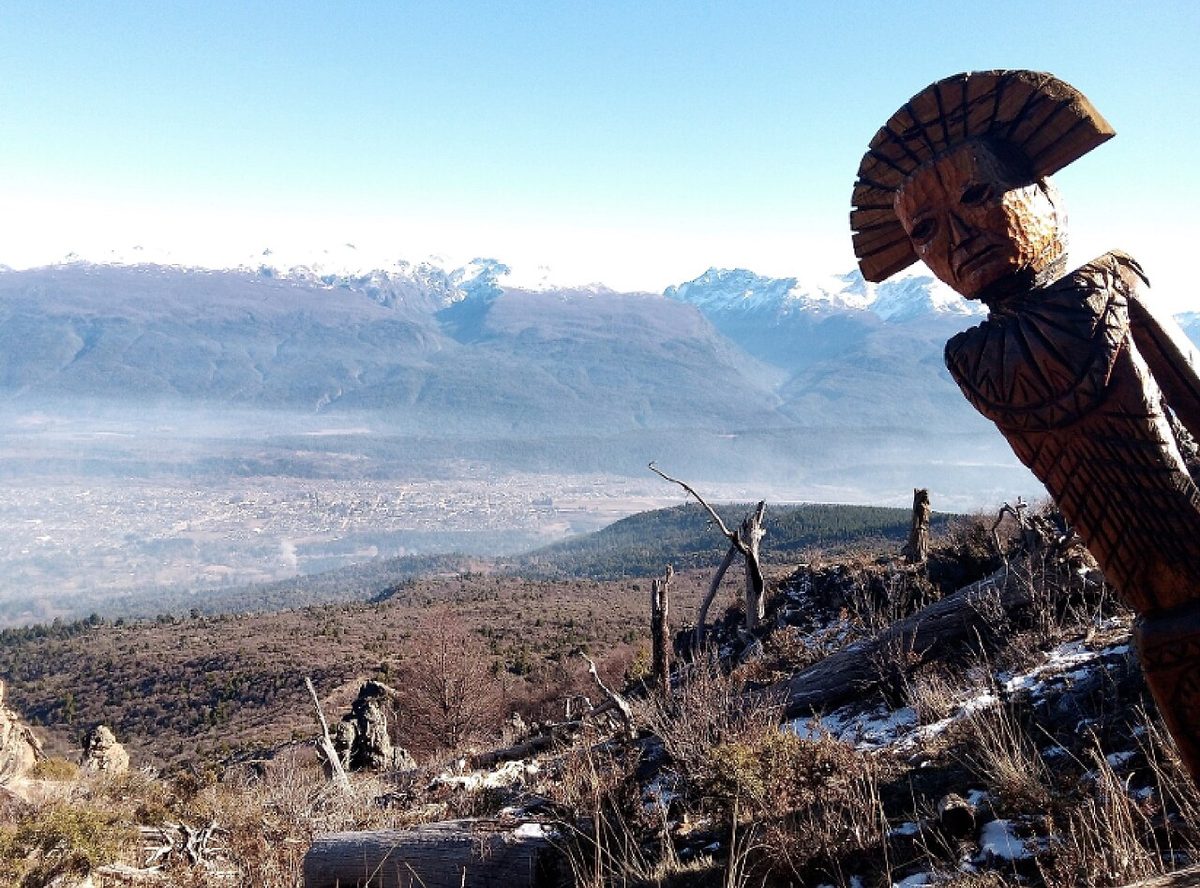
From the parking area, a trail climbs through the forest to the Bosque Tallado, the Carved Forest, in around 45 to 50 minutes of uphill walking. This is the highlight. After a 1978 fire scorched this flank of the mountain, sculptors transformed the burned, standing tree trunks into a gallery of carvings. According to Visit Argentina, there are over sixty sculptures here, made from the remains of the burnt forest. Walking among them, with the valley falling away below, is genuinely moving in a way photos undersell.
It is a real uphill walk, not a stroll, but it is achievable for most reasonably fit visitors. Wear proper shoes, carry water, and give yourself time to sit at the top.
Going higher
Above the carved forest, the Refugio Piltriquitron is reachable in roughly another hour to ninety minutes and rewards you with wider views. The full summit of Piltriquitron is a hard day, often cited at around five and a half to six hours of hiking with serious elevation gain, and should only be attempted by fit, prepared hikers in good weather, ideally late spring through early autumn.
For most people on a Bariloche-based trip, the honest sweet spot is this: drive to the platform, walk to the Bosque Tallado, maybe push on to the refugio, and save the summit for a dedicated hiking trip. If you want more demanding trails in this region, see hiking around Bariloche for the wider refugio context.
Cabeza del Indio and Rio Azul
West of town, two easy outings show off the valley without a hard climb.
Cabeza del Indio
Cabeza del Indio, the “Indian’s Head,” is a rock formation whose profile resembles a face gazing out over the Rio Azul valley. It sits on a panoramic balcony west of town and is one of El Bolson’s classic viewpoints, usually paired with nearby Cascada Escondida, a pretty waterfall tucked in the forest. Together they make a relaxed half day, easy enough for families and a good choice on a cloudy morning when the high mountain is socked in. Visit Argentina lists both among the town’s signature sights, along with the Botanic Garden and the Mallin Ahogado waterfall.
Rio Azul and Cajon del Azul
The Rio Azul lives up to its name. The water runs an almost unreal blue-turquoise, and you can reach the river quickly from town for a walk or a cold swim in summer.
The bigger prize for hikers is the Cajon del Azul, where the turquoise river squeezes between rock walls and a popular mountain refuge gives the trail a destination. It is a long but beloved day hike through the Rio Azul-Lago Escondido protected area, and many travelers rate it the best walk in the El Bolson area. Treat it as a full-day outing, register and check conditions locally, and do not underestimate Patagonian weather. For how trail registration and refugios work across the region, our rundown of nahuel huapi hikes guide explains the system.
If you only add one thing to an El Bolson visit, make it Lago Puelo.
The lake sits about 15 to 17 km south of El Bolson, technically across the provincial line in Chubut. According to La Ruta Natural, the official tourism authority, the park entrance is around 17 km of asphalt from El Bolson along provincial route 16, with the small town of Lago Puelo about 4 km from the park itself.
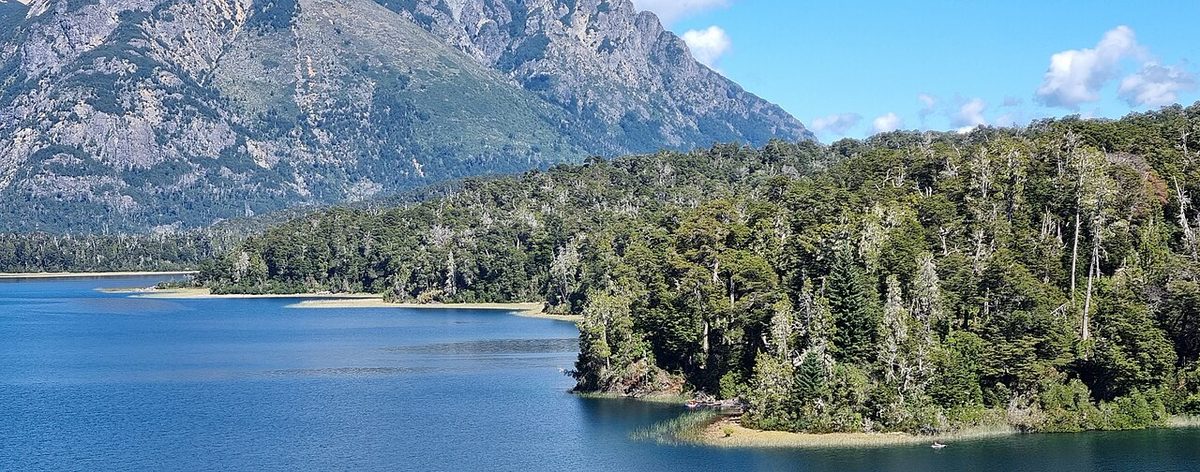
What makes it special is the color and the forest. The lake glows a deep turquoise, and the surroundings hold pockets of Valdivian rainforest, one of the few places in Argentina you can see this lush, Chilean-style jungle. Because the lake stretches toward the Chilean border to the south, the boat trips here have a real sense of crossing into wilder country.
What to do at the lake
You can navigate Lago Puelo on guided boat excursions and by kayak, walk its short forest trails, ride horseback along the shore, or just spend an afternoon at “La Playita,” one of the few sandy beaches in the region. La Ruta Natural lists several short, family-friendly trails, including the Pitranto Grande loop through a pitra-and-myrtle forest (around 1 km, about 1.5 hours round trip), El Chucao (around 1.5 km, about 1.5 hours), and a more demanding lake viewpoint path (around 900 meters with elevation gain, about 2 hours round trip).
The boat trip toward the Chilean border is the marquee experience and the thing reviewers rave about. If the weather is kind and you have a half day, do it.
Practical notes
Lago Puelo is a national park, so an access fee applies, and Argentina updated its national-park fees from June 1, 2026 under Resolution 132/2026, which covers Lago Puelo among others. Check the current fee close to travel. The town of Lago Puelo receives daily buses from Bariloche and Esquel, and from there you can reach the park by bus, taxi, shuttle, or organized excursion. There are free, basic camping areas inside the park reachable only by boat or on foot, but most visitors base in El Bolson or Lago Puelo town. The best months for walking are October to April, though the park is open year-round.
This is also the natural pivot point if you are continuing south toward lakes and trails near esquel and Esquel, rather than looping back to Bariloche.
How to Get to El Bolson from Bariloche
El Bolson is one of the easiest side trips in Northern Patagonia because it sits on a single, scenic road south of Bariloche.
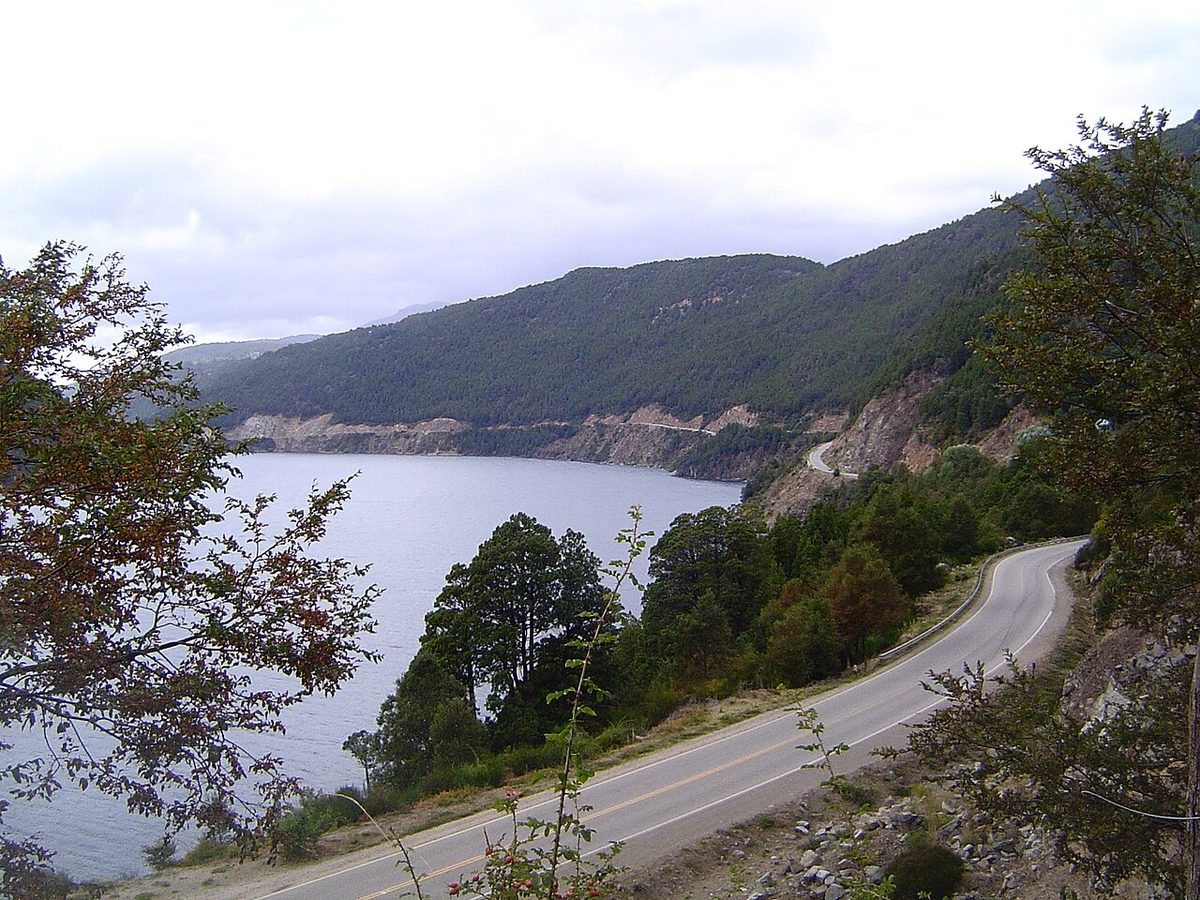
The distance is around 125 to 129 km. Bariloche’s official tourism site puts it at about 129 km, and Visit Argentina confirms the route runs along National Route 40, reachable from the north via Bariloche and from the south via Esquel. In practice the drive takes around two hours, on a paved road that runs past lakes, the Foyel valley, and Andean forest. The road itself is a genuine part of the attraction.
By bus
This is the simplest car-free option. Frequent daily buses connect Bariloche and El Bolson, with many departures spread across the day from early morning to late evening, and the ride takes around two hours. Tickets are inexpensive by international standards. Buy at the Bariloche bus terminal or online, and on a day trip, check the return times before you commit to your plans in town.
By car
A rental car is the freedom option, and it transforms El Bolson because so many of the highlights, the chacras, the Piltriquitron platform, Cabeza del Indio, and Lago Puelo, sit outside the town center. The route is mostly RN 40 and RN 258 and is straightforward in summer. In winter, conditions change. Bariloche tourism specifically flags the possibility of snow and ice on routes like the one to El Bolson, so between roughly May and September carry chains, check road reports, and treat winter driving as part of the plan, not an afterthought. Our how to get to Patagonia guide covers the wider transport and self-drive framework.
By organized tour
Many operators run full-day El Bolson and Lago Puelo tours from Bariloche. These are efficient if you do not want to drive and you are happy to see the highlights at a guided pace. The tradeoff is the obvious one: a single long day, a lot of it in transit, and limited time to linger at the market or on a trail.
This is the decision most people are really asking about, so here is my candid take.
A day trip from Bariloche works, and a lot of travelers do it. You can drive or bus down in the morning, browse the Feria if it is a market day, eat well, walk to a viewpoint or dip into Lago Puelo, and be back in Bariloche for dinner. If your Patagonia time is tight and you mainly want a taste of the town and the market, a day is enough.
But El Bolson rewards slowing down more than almost anywhere else in the lake district. The town’s whole appeal is its pace, and you cannot feel pace on a six-hour bus sandwich. With one or two nights, you can do a market morning, a Piltriquitron and Bosque Tallado half day, a proper Lago Puelo excursion, and a long beer-garden evening without watching the clock. Visit Argentina recommends a stay of two to seven days, and for hikers chasing the Cajon del Azul and the refugio circuit, even longer makes sense.
My rule of thumb:
Half to full day: you want the market and a quick look, you are short on time, and a guided tour or a self-drive both work.
One to two nights: you want the market, the mountain, the lake, and the beer without rushing. This is the sweet spot for most people.
Three or more nights: you came to hike the refugio circuit, ride to remote chacras, or use El Bolson as a southern base toward Lago Puelo and Los Alerces.
If you are weaving this into a bigger loop, the driving guide to ruta de los siete lagos runs north of Bariloche while El Bolson runs south, so the two make a natural fork rather than a single line. The Patagonia Itinerary Planner helps you decide which way to spend your days.
Where to Stay and Eat
El Bolson and the nearby town of Lago Puelo have the widest range of places to stay in the area, from hostels and B&Bs to cabanas, campsites, and small hotels, with more rural options scattered through the valley and in El Hoyo and Epuyen.
For a first overnight, I would stay in or near the El Bolson center so the Feria, the cervecerias, and the restaurants are walkable in the evening. If you want quiet and you have a car, the cabanas and rural stays up toward Mallin Ahogado or out toward Lago Puelo trade walkability for forest and views. Camping is genuinely popular here and fits the town’s outdoorsy character, with sites near the Rio Azul and around Lago Puelo.
For eating, lean into the local specialties: fresh beer at the cervecerias, smoked trout, regional cheeses and cured meats, Patagonian-fruit dishes, and Jauja ice cream to finish. Many of the best simple meals are at the Feria food stalls on market days. Book ahead for January and February, when the town fills up, and confirm seasonal hours, since plenty of smaller places run on relaxed, weather-dependent schedules. For where-to-stay logic across the whole region, see the highlights around Bariloche.
El Bolson Patagonia FAQ
Is El Bolson worth visiting?
Yes. El Bolson is worth visiting if you want a laid-back, bohemian counterpoint to Bariloche, with a famous craft market, excellent local beer, easy mountain viewpoints, and turquoise Lago Puelo nearby. It is especially rewarding for travelers who like markets, food, and hiking. If you only want polished resort scenery, it may feel scruffier than you expect.
How far is El Bolson from Bariloche?
El Bolson is around 125 to 129 km south of Bariloche along National Route 40 and Route 258, which works out to roughly a two-hour drive. Frequent daily buses cover the same route in about two hours, and many travelers visit on a day trip, though staying overnight lets you enjoy the town’s slower pace properly.
Can you do El Bolson as a day trip from Bariloche?
Yes, El Bolson is a popular day trip from Bariloche by car, bus, or organized tour, with around two hours of travel each way. A day is enough for the market, a viewpoint, and a quick look at Lago Puelo. But the town rewards an overnight stay, so if your schedule allows, one or two nights beats a rushed single day.
What days is the El Bolson market open?
The Feria Artesanal at Plaza Pagano runs Tuesdays, Thursdays, Saturdays, Sundays, and holidays, year-round, from around 10:00 to 17:00 and later in summer, according to El Bolson’s official tourism site. It can be cancelled in rain. Because it is not open every day, plan your visit around a market day and check locally before you travel.
What is El Bolson known for?
El Bolson is known as a bohemian, alternative mountain town in the Comarca Andina, famous for its Feria Artesanal craft market, its craft-beer and hop-growing scene, and fine fruit like raspberries and cherries. It is also a hiking hub, with Cerro Piltriquitron, the Bosque Tallado carved forest, the Rio Azul, and nearby Lago Puelo National Park.
How do you get to Lago Puelo from El Bolson?
Lago Puelo National Park is about 15 to 17 km south of El Bolson via provincial route 16, with the park entrance roughly 17 km along paved road. You can drive, take a local bus toward Lago Puelo town, use a taxi or shuttle, or join an organized excursion. From the park you can take boat trips, kayak, and walk short forest trails.
Is El Bolson a hippie town?
El Bolson is widely called Argentina’s hippie town because counterculture settlers moved here in the late 1960s and 1970s, many growing food and making crafts. That alternative, slow, hand-made spirit still shapes the place, from the artisan market to the organic gardens. It has grown and gets busy in summer, but the bohemian character remains its signature.
How many days do you need in El Bolson?
You can sample El Bolson in a single day from Bariloche, but one to two nights is the sweet spot for the market, Cerro Piltriquitron, Lago Puelo, and the beer scene without rushing. Visit Argentina recommends two to seven days, and hikers chasing the Cajon del Azul and the refugio circuit can easily fill three or more.
Final Thoughts
El Bolson was the part of my Northern Patagonia trip I almost cut for time, and it ended up being the part I think about most.
It is not dramatic in the way the southern icons are. There are no granite towers, no calving glaciers. What it has instead is a feeling, a green valley where the beer is fresh, the fruit is absurdly good, a mountain wears a forest of carved sculptures, and a turquoise lake hides ten minutes down the road. The market gives it a pulse. The pace gives it room to breathe.
So here is my honest recommendation. If you are only doing Bariloche and the clock is tight, take the day trip, hit the market on a market day, and see Lago Puelo. But if you can spare even one night, give it the night. El Bolson is a town built for staying, not for passing through, and it is the easiest place in the lake district to remember that travel is also allowed to be slow.