Where to Stay in Bariloche: Best Areas by Budget and Trip Type
Where to stay in Bariloche: Centro for convenience, Avenida Bustillo for lake views, Llao Llao for luxury, Catedral for skiing. Areas, budget, no-car tips.
By Patagonia Tourism Guide · First published 20 Aug 2026 · Updated 1 Aug 2026
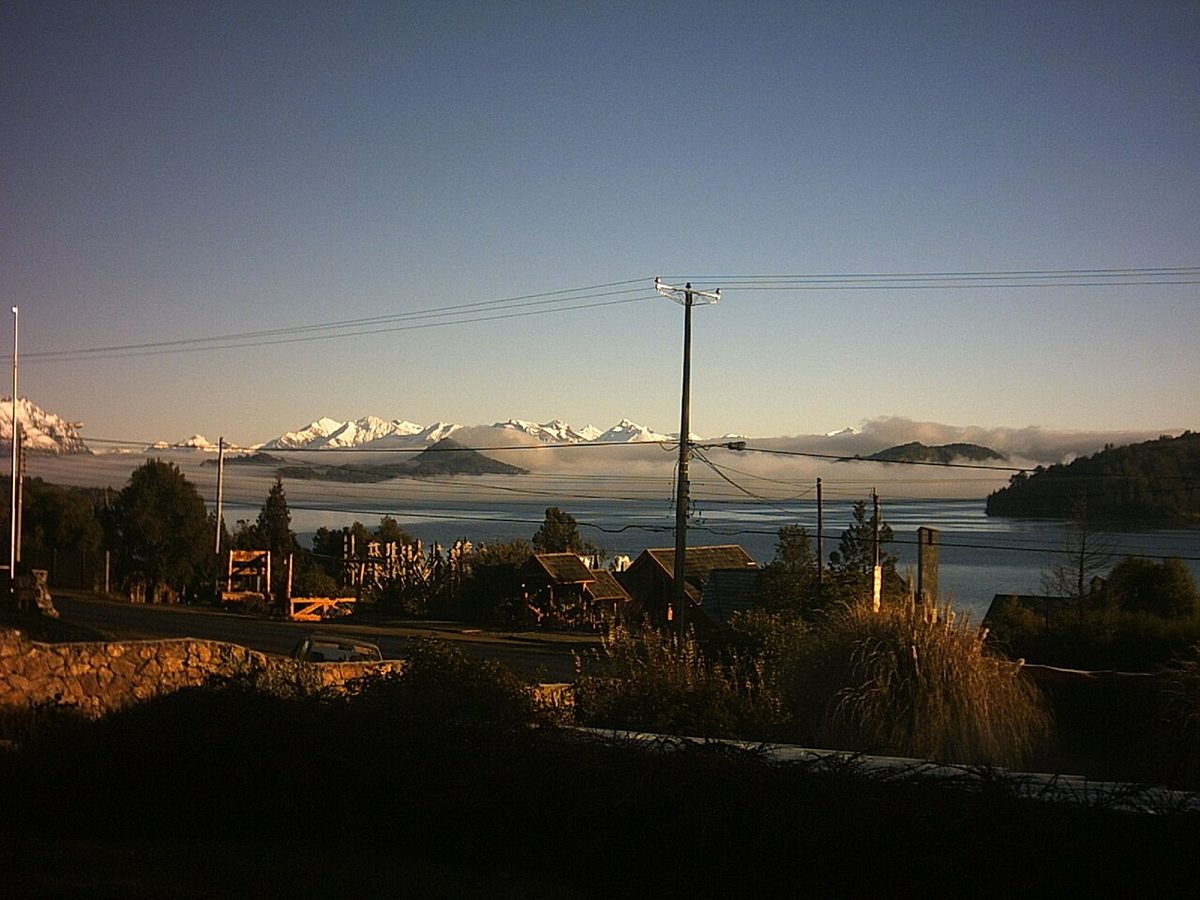
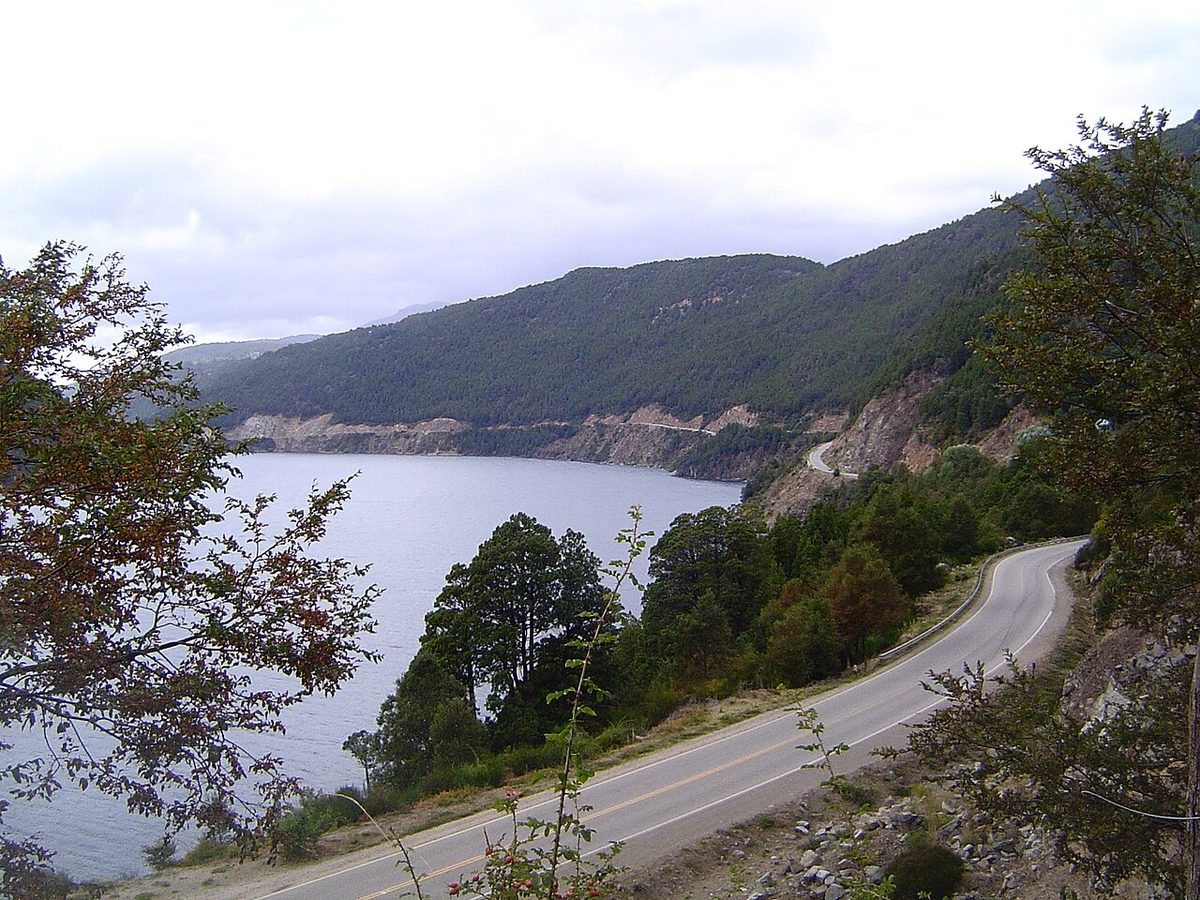
0 — 2 km Fig. 1 · Lakeside town of Bariloche stretched along Lago Nahuel Huapi with mountains behind · Photo: Pepe Robles / Public domain via Wikimedia Commons
I have watched people make exactly one mistake when deciding where to stay in Bariloche, and it is always the same one. They find a gorgeous lake-view cabin in the photos, book it, and only later realize it is 18 kilometers from the nearest restaurant and they did not rent a car.
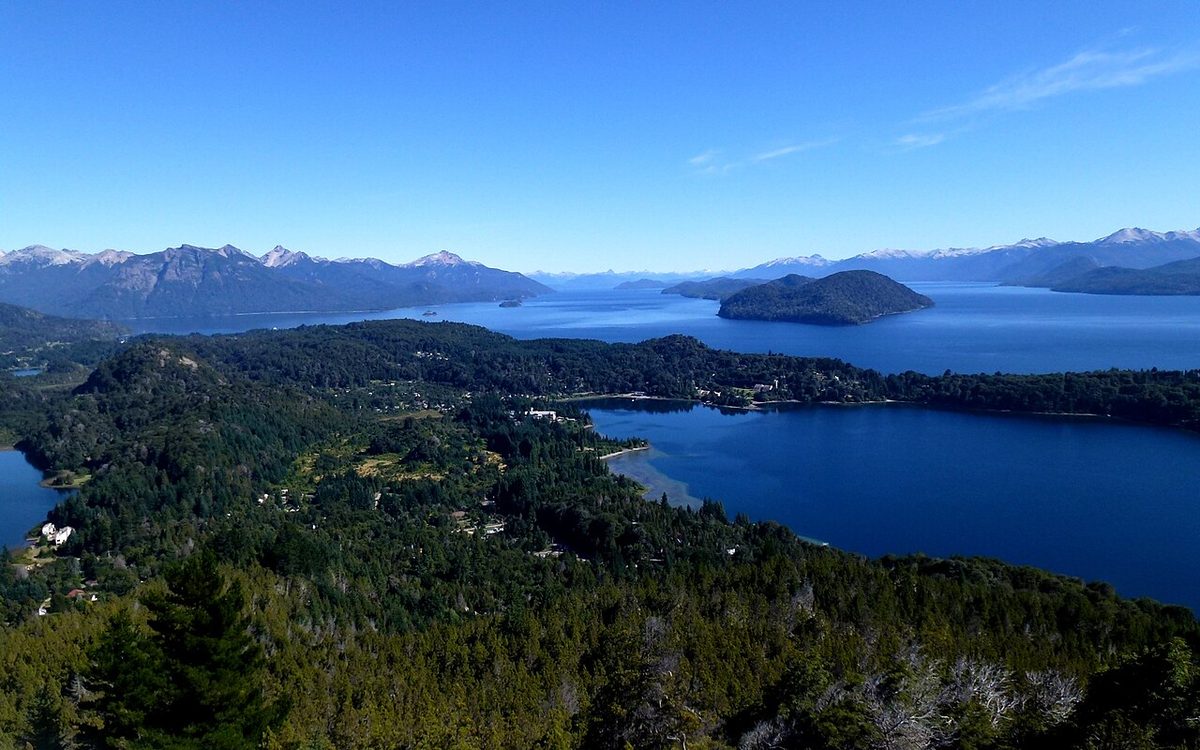
Bariloche is not a compact town where any central hotel works. It is a city that stretches for more than 25 kilometers along the shore of Lago Nahuel Huapi, and the spot you choose decides whether your trip feels effortless or like a series of taxi negotiations. So before you fall for a photo, let’s talk about where to stay in Bariloche and which area actually fits your trip.
Where to stay in Bariloche: the short answer
For most visitors, the best area to stay in Bariloche is the Centro (downtown) for convenience, walkability, restaurants, and budget. Choose Avenida Bustillo for lake views and quiet, the Llao Llao end (km 25) for luxury and scenery, or Villa Catedral if you are here to ski. No car? Stay central or right on a Bustillo bus line.
That single decision matters more than which hotel you pick. This guide is for anyone trying to choose a base, whether you are a first-time visitor with three nights, a couple after lake views, a family that wants beach and space, a skier chasing the lifts, or a traveler without a car who needs the buses to actually work.
If you are still deciding how Bariloche fits your wider route, start with the northern Patagonia overview, which covers how many days you need and what to do once you arrive.
Bariloche areas at a glance
Here is the whole town in one table. I will go deep on each area below, but this is the decision in its simplest form.
Area
Best for
Vibe
Need a car?
Centro (downtown)
First-timers, budget, no-car travelers, nightlife
Busy, commercial, walkable, not the prettiest
No
Avenida Bustillo (km 3–17)
Lake views without going too remote
Quieter, lakeside, residential
Helpful, not essential
Playa Bonita / Lago Moreno
Beach, families, a calmer base
Relaxed, leafy, lake-front
Helpful
Llao Llao / Circuito Chico (km 25)
Luxury, romance, scenery, retreat
Remote, iconic, peaceful
Yes (or tours/taxis)
Villa Catedral
Skiing and winter trips
Ski-base village, seasonal
Helpful in winter
Colonia Suiza / quiet spots
Getting away from it all
Tiny, historic, sleepy
Yes
Villa La Angostura
A softer small-town alternative nearby
Polished mountain village
Yes
Swipe to see all columns
Table 1
If you remember one principle, make it this: the further west you go along the lake, the more beautiful and the less convenient your base becomes. Everything in Bariloche is a negotiation between views and convenience, and there is no single right answer, only the right answer for your trip.
The Centro (downtown): the convenient, honest choice
If this is your first visit, you do not have a car, or you just want the simplest possible logistics, stay in the Centro.
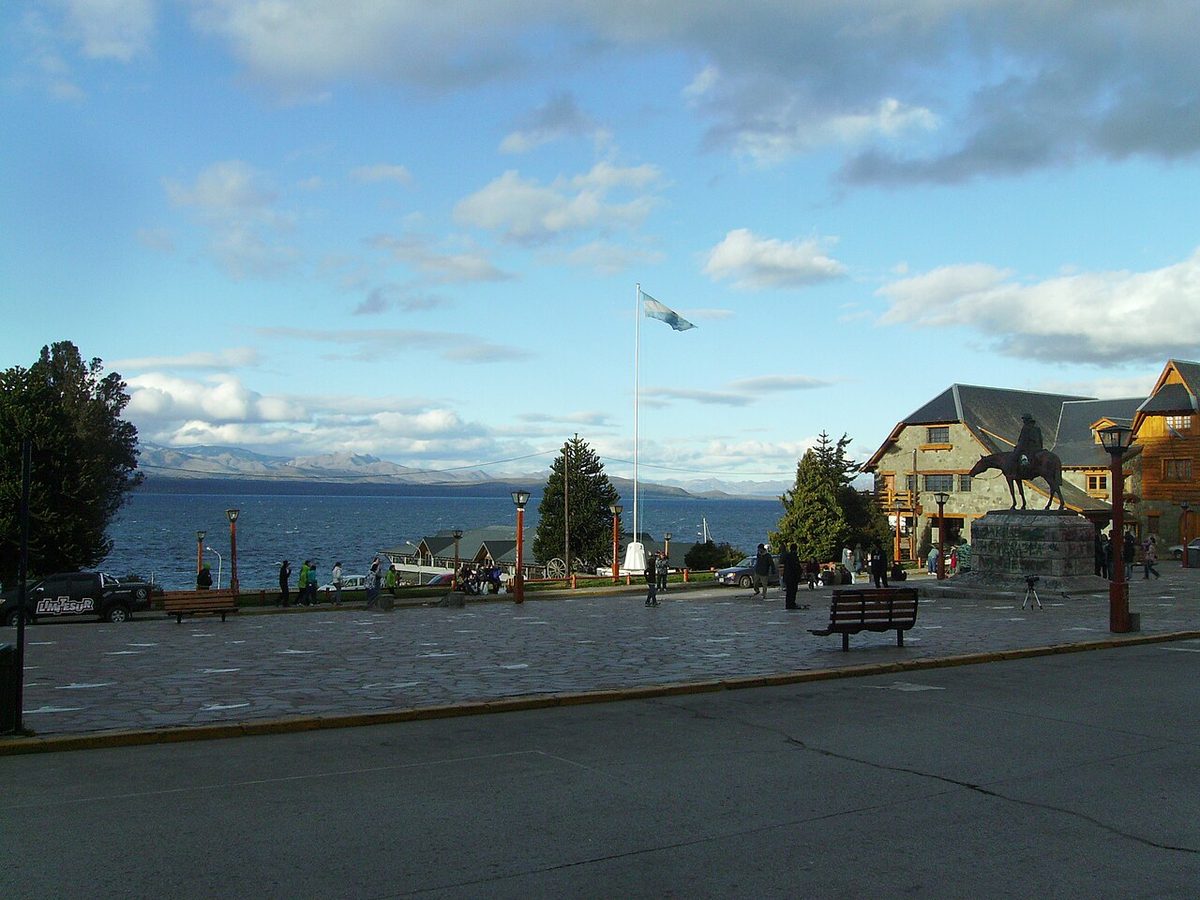
Downtown Bariloche is built around the Centro Cívico, the alpine-style civic square on the lakefront, and it is the practical heart of everything. You are walking distance from restaurants, chocolate shops, tour agencies, supermarkets, the lakefront, and the bus connections that fan out to the rest of the region. You can land tired from Buenos Aires, drop your bags, and be eating a steak or browsing chocolate within ten minutes.
I will be honest with you, because the travel blogs that have actually been here are honest about it too: downtown is not the beautiful part of Bariloche. It is a real working city of around 130,000 people, the architecture beyond the Civic Center is ordinary, the main drag (Mitre) is commercial, and in peak summer and the July ski holidays it gets loud, especially with the student tour groups Bariloche is famous for. The views the region is selling you are mostly out there, along the lake, not from a downtown window.
But here is the trade-off I keep coming back to: for a short stay, practical beats romantic more often than people admit. If you have three nights, you will spend your days out on Circuito Chico, up Cerro Campanario, or on a lake excursion anyway. The base just needs to be easy. Downtown is easy.
Stay in the Centro if: it is your first trip, you have no car, you are on a budget, you want nightlife and restaurants on foot, or you are only here two to four nights.
Look elsewhere if: you came for tranquility, lake-from-bed views, or a romantic retreat.
Avenida Bustillo and the kilometer system explained
Now for the thing that confuses almost every first-timer. When you read about Bariloche accommodation, you will see addresses like “km 7.5,” “km 12.5,” or “km 25.” That is not a typo. It is how the whole lakeside corridor is addressed.
Avenida Bustillo is the main road that runs west out of the Centro, hugging the southern shore of Lago Nahuel Huapi all the way to the Llao Llao peninsula and the Circuito Chico loop. Because it is one long lakeside avenue, locals and hotels describe locations by how many kilometers out along Bustillo they sit. So “km 0” is essentially downtown, “km 17.5” is the base of Cerro Campanario, and “km 25” is the famous Llao Llao hotel at the end. Once you understand that, half the confusion about Bariloche neighborhoods disappears: people are not naming districts so much as naming distances.
The lower stretch of Bustillo (roughly km 3 to km 8) is close enough to town that you get a foot in both worlds: lake glimpses and a quieter setting, but a short bus ride or cheap taxi back to downtown dinners. As you push further out, the lake views get better and the isolation deepens.
The single best news about Bustillo, and the thing the competitor guides bury, is that it is served by frequent public buses all day. According to Bariloche’s official tourism site, the standout line follows Bustillo from the bus terminal through downtown all the way to the Llao Llao hotel at km 25, running roughly from 6:40 a.m. to 9:30 p.m. That means you can stay on Bustillo and still be car-free, as long as you are comfortable with bus timetables rather than total freedom.
Stay on Avenida Bustillo if: you want lake views and calm but do not want to be totally cut off, and you are happy using buses, taxis, or a rental car to get around.
Playa Bonita and Lago Moreno
Two mid-Bustillo neighborhoods deserve their own mention because they keep coming up as favorites.
Playa Bonita, named for its pebble beach, sits lakeside and strikes a nice middle balance: it is roughly between the Centro, Cerro Catedral, and the Circuito Chico, with real lake-front views and a family, summery feel. A handful of restaurants and lodges cluster here, but they can be a walk apart, so a car or the bus makes life easier.
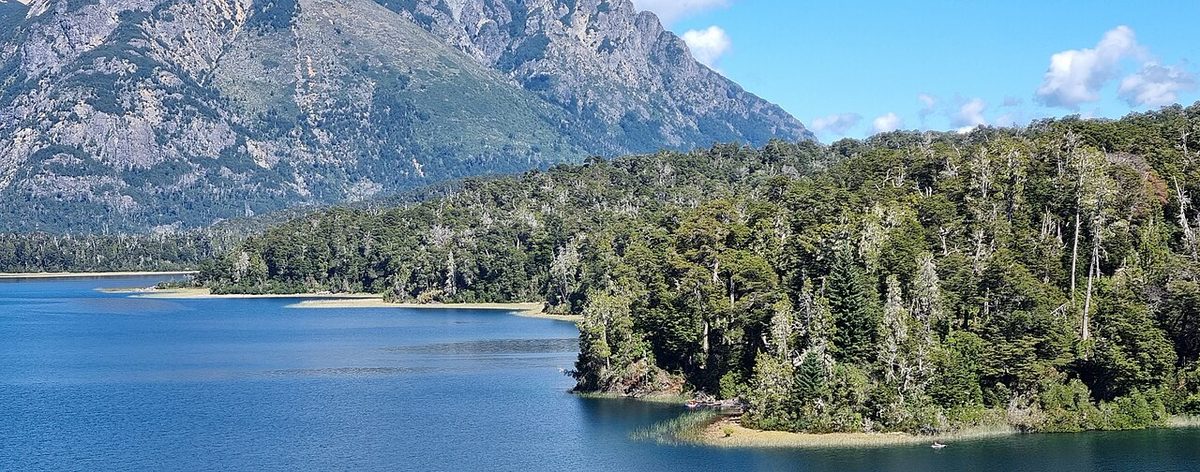
Lago Moreno, a little further out near where the Circuito Chico loop begins, is quieter and leafier still: a smaller lake behind the big one, with secluded cabins and a wake-up-to-birdsong vibe. It is often less expensive than downtown precisely because it is overlooked, and it is genuinely lovely if seclusion is the point. Just go in knowing you will want wheels and that some properties have patchy wifi and the occasional power blip.
For how these areas fit into a day of sightseeing, the rundown of Bariloche highlights guide maps out Circuito Chico, Campanario, and the lake trips you will be reaching from here.
The Llao Llao end: where luxury lives
Keep driving west to km 25 and you reach the postcard. This is the Llao Llao peninsula, the heart of the Circuito Chico scenic loop, and the most beautiful stretch of accommodation in the entire region.
The anchor is the Llao Llao Hotel, the green-roofed grand lodge that appears on half the photos of Bariloche ever taken. It opened in 1940, was designed by the architect Alejandro Bustillo (yes, the same name as the avenue), and is a member of The Leading Hotels of the World, with two wings linked by a panoramic bridge, a golf course, a spa, and a private beach looking out at Lago Moreno, Nahuel Huapi, and Cerro López. It is the splurge, and for a special trip it is hard to top.
But the Llao Llao area is not only that one hotel. The peninsula and the Circuito Chico road are dotted with boutique hotels, lodges, and cabins set among forest and lake, many with short hiking trails, lake views, and access to Puerto Pañuelo, where the lake excursions to Puerto Blest and Victoria Island depart. It is an exceptional base for a retreat-style stay, a honeymoon, or a family trip where you have a car and want to wake up inside the scenery rather than commute to it.
The trade-off is real and you should respect it. Out here you are around 25 kilometers and a solid 30 to 40 minutes from downtown. There is no walking to a row of restaurants and bars at night. You will eat at your hotel, drive to the handful of restaurants on the peninsula, or take the bus or a taxi into town for a special dinner and back. For some travelers that isolation is the entire appeal. For others it becomes a chore by night three. Know which one you are.
Stay at the Llao Llao end if: you want scenery and calm above all, you have a car or are happy to rely on tours and taxis, and you are on a romantic, retreat, or splurge trip. For the full splurge-versus-budget picture across the region, the guide to what a Patagonia trip costs is worth a look before you commit.
Villa Catedral: where to stay for skiing
If your trip is built around snow, the calculation changes completely, and you should look at Villa Catedral, the village at the base of Cerro Catedral.
Cerro Catedral is the largest ski resort in the southern hemisphere by the official tourism numbers, and it sits about 40 kilometers round trip from downtown Bariloche. In winter (roughly June to September), the drive between town and the mountain is the daily friction point. As one well-traveled local blogger puts it, if you do not leave very early and finish skiing by around 4 p.m., you will sit in slow, stop-and-start traffic twice a day. Staying at the ski base lets you walk or shuttle to the lifts, store gear easily, and skip that commute entirely.
The cost is the rest of the trip. The base village is functional rather than charming, the restaurant and nightlife scene is thin compared to downtown, and the buses back into town stop early in the evening (one mid-range Catedral cabin reports the last bus around 8:15 p.m.). So Villa Catedral is brilliant if skiing is genuinely the whole point and average if you also want lake walks, chocolate-shop evenings, and varied dining.
My honest take for mixed groups: stay in town. The skiers can ride the bus, transfer, or drive up each morning, and the non-skiers are not stranded in a base area that may not match their idea of a holiday. If everyone in your party skis hard, dawn to dusk, then base at Catedral. For the seasonal detail on lifts, snow, and timing, see the Bariloche in winter guide.
Stay in Villa Catedral if: skiing is the trip, you want the shortest possible commute to the lifts, and you do not mind quiet evenings.
Quieter areas: Colonia Suiza and getting away from it all
If your idea of Bariloche is forest, lakes, and almost no one else, there are pockets that deliver, and the standout is Colonia Suiza.
This is a tiny historic hamlet founded by Swiss settlers, tucked on the Circuito Chico loop near Lago Moreno. It is sleepy, scenic, and famous for two things: a small craft fair, and curanto, a traditional dish cooked in the ground with hot stones that you will see celebrated on the official tourism site. Staying here means cabins, quiet, and a real slow-travel feel, the antithesis of downtown. The reassuring part is that even somewhere this small is reachable by public bus: Mi Bus lines 10, 50, and 51 run from downtown to Colonia Suiza, so you are remote but not truly stranded.
The same “quiet and leafy” logic applies to the secluded cabins around Lago Moreno mentioned earlier, and to the smaller lodges scattered along the upper Circuito Chico. These all suit travelers who came to decompress, walk forest trails, and not see a tour bus. They do not suit anyone who wants to stroll to dinner or move spontaneously without a car.
Stay in Colonia Suiza or the quiet spots if: disconnecting is the goal, you have a car (or accept bus timetables), and you would rather have silence than restaurants on your doorstep.
A note on Villa La Angostura
One more option, and it is a bit of a plot twist: sometimes the best place to “stay in Bariloche” is not Bariloche at all. Villa La Angostura is a smaller, more polished lake village about an hour’s drive north, on the same Lago Nahuel Huapi, with its own chocolate shops, hikes, and easy access to the Seven Lakes Route and Los Arrayanes National Park. It kept the small-mountain-town charm that Bariloche long outgrew. It is not a Bariloche neighborhood, you will need a car, and it is a separate base rather than a day-trip home, but if Bariloche’s city energy is putting you off, it is worth considering. The 2 to 7-day Bariloche routes guide covers how to fold a night or two there into a wider lake-district route.
Where to stay in Bariloche by budget
Bariloche has a full ladder of accommodation, from hostel dorms to one of South America’s most famous luxury hotels. Treat all prices as rough and seasonal, because Argentina’s pricing moves fast and high season changes everything; always check current rates.
Budget (hostels, dorms, simple privates): the Centro is your friend. The best-reviewed hostels cluster downtown near the Civic Center, where backpacker dorms can run around US$15 to US$20 and simple private rooms a bit more. You also get the cheapest food and free walking access to everything. There are also a few budget hostels and lake-house bunk options out on Bustillo (handy if you want lake views on a backpacker budget), but in town you trade the view for unbeatable convenience.
Mid-range (apartments, B&Bs, boutique cabins): this is the sweet spot for most travelers. Downtown apartments with kitchens are great value and ideal if you want to self-cater. Out on Bustillo and around Playa Bonita and Lago Moreno you will find boutique cabins and small lodges with lake views, spa touches, and far more atmosphere, usually for a step up in price and a step down in convenience.
Luxury (lodges, spa hotels, the Llao Llao): the high end concentrates on Avenida Bustillo and the Llao Llao peninsula, where lake-front lodges with private spas, panoramic rooms, and in-house restaurants make the most of the scenery. The Llao Llao Hotel is the flagship splurge; there are also several smaller five-star and boutique-luxury lodges along Bustillo if you want the views and the service without the resort scale.
For how Bariloche lodging fits the bigger regional picture, including how the lake district compares with the south, see how accommodation works down south.
Where to stay in Bariloche by trip type
Budget tells you how much; trip type tells you where. Here is how I would steer different travelers.
First-time visitor
Stay in the Centro. You will not have figured out the bus lines or the geography yet, you probably will not have a car on a first short trip, and downtown removes every logistical question. Spend your days out on the lake and your evenings on foot among the chocolate shops. It is the lowest-stress way to learn the town.
Romantic trip
Go to the Llao Llao end or Avenida Bustillo. Lake-view rooms, forest quiet, spa lodges, and that famous green-roofed hotel are exactly what you came for. You will want a car or you will need to plan taxis for dinners in town, but waking up to Nahuel Huapi beats waking up to a city street.
Family trip
Look at Playa Bonita, Lago Moreno, or Bustillo cabins. Families do well with space, a kitchen, a beach, and room to spread out, and the mid-Bustillo neighborhoods deliver all of that with lake access. A rental car makes a family trip here dramatically easier; without one, base closer to town and a bus line.
Ski trip
Villa Catedral if skiing is the whole point and you want the shortest commute to the lifts, or the Centro if you want varied dining and nightlife and do not mind the morning transfer up the mountain. Mixed groups almost always do better in town.
No-car traveler
Stay in the Centro or directly on a Bustillo bus line. The Bustillo bus runs all day to Llao Llao, and other lines reach Campanario, Colonia Suiza, and Catedral, so being car-free is genuinely workable, you just need to live by the timetable and keep a SUBE card topped up. Avoid the deep, off-route cabins near Lago Moreno unless you are happy relying on taxis.
Where you stay and how you will move are the same question, so let’s close the loop.
Public buses (Mi Bus + SUBE): the city bus network is run by Mi Bus, and you pay only with a SUBE card, the same transit card used in Buenos Aires. You can buy one at kiosks or at the SUBE office in the Civic Center, then load credit. The key line for visitors follows Avenida Bustillo from the bus terminal through downtown to the Llao Llao hotel at km 25, running roughly 6:40 a.m. to 9:30 p.m. Other useful routes per the official transport page: Line 20 (terminal–downtown–Llao Llao), Lines 10, 50, and 51 (downtown–Colonia Suiza), and Line 55 (bus station–downtown–Catedral). Buses get crowded in peak season and schedules shift, but the system is good enough that you can stay car-free if you base wisely.
Taxis and remises: taxis are white and light-blue, plentiful, can be hailed on the street, and are reasonably priced; remises (private hire cars) can be booked by phone or at agencies, including several based out on Bustillo. Many car-free travelers staying on the lake use taxis for the occasional late dinner in town.
Rental car: not mandatory, but it transforms the trip. A car is most worth it if you are basing on Bustillo, the Llao Llao peninsula, Colonia Suiza, or Villa Catedral, if you have a family, or if you want self-paced Circuito Chico days and side trips like the Seven Lakes Route or El Bolsón. The downsides are cost, high-season demand (book early), parking downtown, and winter responsibility, snow chains can be required between roughly May and September, so factor that in if you are driving in the cold months. If hiking is a big part of your plan, a car also opens up trailheads the buses do not reach; the Bariloche hiking guide covers which trails justify the wheels.
For the wider transport and road-trip framework across the region, the Patagonia itinerary planner helps you sequence Bariloche with everything else.
Where to stay in Bariloche FAQ
Where is the best area to stay in Bariloche?
For most visitors, the Centro (downtown) is the best all-round base: it is walkable, central to restaurants and buses, and suits budgets and first-timers. If you want lake views, choose Avenida Bustillo; for luxury and scenery, the Llao Llao peninsula; and for skiing, Villa Catedral. The “best” area genuinely depends on whether you value convenience or views.
Can you stay in Bariloche without a car?
Yes. Base in the Centro or directly on Avenida Bustillo and you can rely on the Mi Bus network, paid with a SUBE card. The main Bustillo line runs all day to the Llao Llao hotel at km 25, and other lines reach Campanario, Colonia Suiza, and Cerro Catedral. Taxis are plentiful too. Just avoid deep off-route cabins if you have no car.
Where should I stay in Bariloche for the first time?
Stay downtown for your first visit. You will be walking distance from restaurants, chocolate shops, tour agencies, the lakefront, and the buses that reach the rest of the region, which removes almost every logistical headache before you know the area. Save the remote lake lodges for a return trip when you have a car and your bearings.
What do the kilometer numbers on Avenida Bustillo mean?
Avenida Bustillo runs west from downtown along the lake, and addresses are given by how many kilometers out along it they sit. So km 0 is essentially downtown, Cerro Campanario’s base is at km 17.5, and the Llao Llao hotel sits at km 25. Once you read “km” as “distance from town along the lake,” choosing a Bariloche base gets much simpler.
Where do you stay in Bariloche to ski?
For a dedicated ski trip, stay in Villa Catedral at the base of Cerro Catedral to skip the daily commute and the winter traffic, which can be slow if you do not travel early. If you want restaurants, nightlife, and variety alongside skiing, or you are in a mixed group, stay in the Centro and transfer up to the mountain each morning by bus, shuttle, or car.
Is it better to stay in Bariloche or Villa La Angostura?
Stay in Bariloche if you want the most services, the easiest logistics, ski access, and a wide range of accommodation. Choose Villa La Angostura, about an hour north, if you prefer a smaller, calmer, more polished lake village and you have a car. Many travelers with longer trips split their nights between both, especially when doing the Seven Lakes Route.
How far is the Llao Llao hotel from downtown Bariloche?
The Llao Llao hotel sits at Avenida Bustillo km 25, around 25 kilometers and roughly 30 to 40 minutes west of downtown along the lake. You can reach it by car, taxi, or the main Bustillo bus line, which runs out to the hotel through the day. It is beautifully remote, so plan for in-hotel or peninsula dining rather than walking to a downtown restaurant scene.
Final thoughts
If I had to compress all of this into one piece of advice, it would be: be honest with yourself about how much you will actually leave your accommodation.
If you are here for three or four nights, do not have a car, and plan to be out sightseeing all day, the Centro is the unglamorous but correct answer, and you will barely notice that it is not pretty because you will hardly be in it. If you have a car, a week, and a craving for quiet, the lake calls, and somewhere out on Bustillo or the Llao Llao peninsula will give you the Bariloche from the postcards. Families want space and a beach, skiers want the lifts, and romantics want a lake-view window, and the town has a clean answer for each.
The only real mistake is the one I opened with: booking the dreamy remote cabin without the car or the bus plan to make it livable. Match the base to how you will move, and Bariloche becomes one of the easiest places in Patagonia to enjoy. When you are ready to fill in the days, the Bariloche and Northern Patagonia guide and the Bariloche itinerary take it from here.