Patagonia Family Trip: Best Bases & Easy Walks With Kids
Planning a Patagonia family trip? The best bases for kids, easy walks, penguins and whales, ages, safety, pacing, costs and the right season.
By Patagonia Tourism Guide · First published 26 Jun 2026 · Updated 1 Aug 2026
0 — 2 km Fig. 1 · Lakes and forested mountains around Bariloche, an easy base for a Patagonia family trip · Photo: Public domain via Wikimedia Commons
When people picture Patagonia, they picture wind-blasted granite towers and ten-day treks with a 40-pound pack. So I understand the hesitation about a Patagonia family trip. You look at all of that and wonder whether a place this wild has any room for a six-year-old who needs a snack every 90 minutes, or a toddler who naps at one.
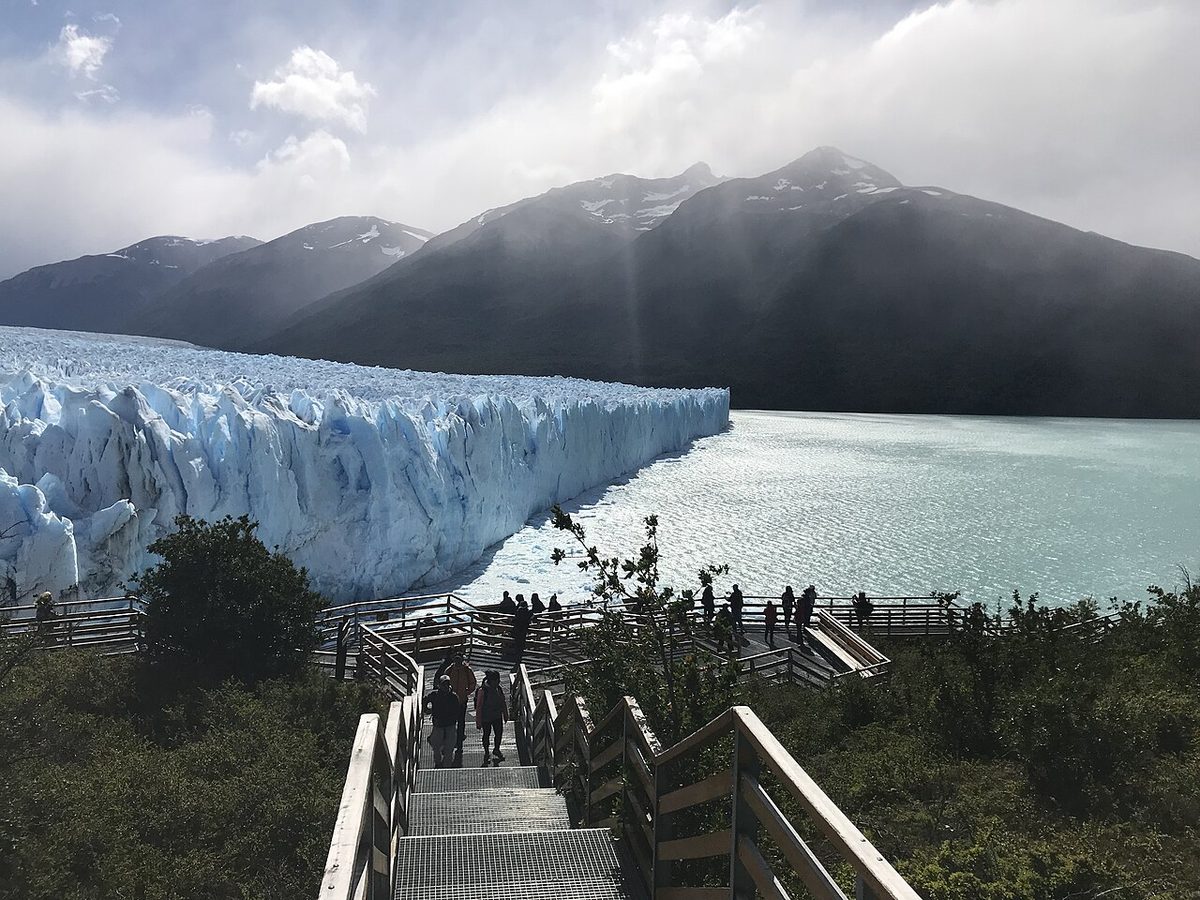
It does. I have watched kids stand frozen, mouths open, as a slab of ice the size of a building cracked off Perito Moreno and hit the lake like thunder. I have seen teenagers who never look up from their phones spend an hour just watching penguins waddle past their boots. Patagonia is not a hard-mode destination for families. It is a soft-adventure destination wearing a hard-adventure costume.
Is Patagonia good for a family trip? Yes, if you pick the right bases and pace it for kids rather than for a trekking brochure. Build the trip around four family-friendly bases: Bariloche for lakes and easy chairlifts, El Calafate for the glacier walkways, Ushuaia for the end-of-the-world boat trips, and Puerto Madryn for penguins and whales. Add rest days, fly between regions instead of enduring marathon buses, and you have a trip the whole family will talk about for years.
This guide is for parents planning a first Patagonia family trip and trying to figure out whether it is realistic, where to go, and how to keep everyone happy. It is written for kids roughly age 3 to 17, with honest notes on what works at each age. If you want the big-picture overview of the whole region first, start with my Patagonia travel guide and come back here for the family layer.
Patagonia family bases at a glance
Here is the fast version. These are the four bases I steer most families toward, plus the easy side of Torres del Paine, which you can enjoy without the famous W trek.
Perito Moreno boardwalks, glacier boat trip, lake walks in town
All ages (the walkways suit strollers)
Ushuaia & Tierra del Fuego
“End of the world” + boat wildlife
Beagle Channel boat trip, easy trails in Tierra del Fuego National Park, the End of the World train
Around 4 and up
Puerto Madryn & Peninsula Valdes
Wildlife that wows kids
Penguins, shore whale-watching, sea lions, dinosaur museum in Trelew
All ages
Torres del Paine (easy side)
Big scenery without the trek
Short viewpoints, lake shores, wildlife drives, boat to Grey Glacier
Around 5 and up
Swipe to see all columns
Table 1
Notice what is not on that list: a multi-day camping circuit, a glacier ice-trek with crampons, or a route that changes towns every single night. That is the difference between a Patagonia family trip that works and one that ends in tears at a bus terminal.
Is Patagonia good for families? An honest answer
I will give you the honest version, because the reassuring-but-vague version helps no one.
Patagonia’s whole appeal is its wildness, scale, and remoteness. Those are exactly the qualities small children appreciate least. A four-year-old does not care that you have reached the end of the continent. They care that it is windy, that lunch is late, and that the drive is long. Some of the most spectacular corners, like the deep southern steppe, involve long transfers and trails that are genuinely too much for little legs. Operators who specialize in the region are refreshingly candid that the harsh beauty “tends to be better appreciated by adults than children,” and that teenagers usually get the most out of it.
So that is the catch. Here is why it still works beautifully when you plan it right.
First, the headline experiences are easy. Perito Moreno is a glacier you watch from railings, not a summit you earn. Penguins come to you on flat boardwalks. Whales surface a few meters off a calm beach. A chairlift carries you up for the postcard lake view. The “wow” moments of Patagonia are far more accessible than its reputation suggests.
Second, it is genuinely safe and low-hassle in ways that matter with kids. There is no malaria, no dengue, no swarm of biting insects to worry about, which is a real relief compared with a lot of bucket-list nature destinations. Altitude is a non-issue here too. Most of these bases sit near sea level or only modestly above it, so you skip the altitude sickness that complicates family trips to places like Cusco or the Andes proper.
Third, kids actually love the unstructured part. After a year of school runs, clubs, and screens, the simple act of throwing stones into a glacial lake, spotting a guanaco from the car, or scrambling on forest rocks lands differently. You do not have to manufacture entertainment. The place does it.
The families who struggle are the ones who treat a family trip like an adult itinerary with kids attached: too many one-night stops, marathon bus rides to save money, and a trail list copied from a hiking blog. The families who thrive slow down, fly between regions, choose two or three bases, and let the wildlife and the water do the heavy lifting.
If you are still weighing whether the whole region fits your style, my honest take is in what the cost and distance buy you. For families specifically, the answer is yes, with the planning that follows.
The best family bases in Patagonia
Below are the four bases I recommend most, each with the easy walks and activities that make them work with kids, plus the easy side of Torres del Paine. Pick two or three, not all five, for a single trip.
Bariloche and the Lake District: the easiest place to start
If you only take one piece of advice from me, it is this: for a first Patagonia family trip with younger kids, Bariloche is the gentlest on-ramp. It sits in northern Argentine Patagonia beside Nahuel Huapi National Park, and unlike the far south, it has the infrastructure of a proper resort town. Visit Argentina describes it as a year-round destination good for adventure and family travel with a recommended stay of around two to seven days. It is also a shorter, easier flight from Buenos Aires than the deep south.
What makes it work with kids:
Cerro Campanario chairlift. A short chairlift (kids ride too, and little ones are typically free) lifts you to one of the most famous lake panoramas in Argentina. No hiking required, and there is a café at the top. This is the single easiest “big view” in family Patagonia.
Llao Llao and the Circuito Chico. The forest trails around the Llao Llao peninsula are short, flat-ish, and beautiful, with lake beaches where kids can poke around. You can drive the Circuito Chico loop and stop wherever the view or a playground demands.
Lake beaches and gentle water. In summer, some lake shores are warm enough for paddling. Easy kayaking on calmer lakes like Lago Gutierrez suits families with older kids.
Chocolate. Bariloche is Argentina’s chocolate capital. I am not above using a chocolate shop as a reward for a morning of walking, and neither should you be.
Bariloche is also your winter option. If you are traveling in the southern-hemisphere winter (June to August) and want snow, this is where families ski and sled. Full planning detail lives in the guide to Bariloche and the Lake District.
El Calafate: a glacier with no hiking required
El Calafate exists for one reason, and it is a very good one: Perito Moreno Glacier. This is the most family-friendly glacier experience I know of anywhere. Visit Argentina notes the glacier sits about 80 kilometers from town, roughly an hour and a half by road, inside Los Glaciares National Park.
You do not hike to it. You walk a network of tiered, railed boardwalks, color-coded by length and difficulty, that face the glacier’s enormous ice wall from different heights. The flatter upper balconies are gentle enough for strollers and short legs; the lower circuits add stairs and get you closer. And then you wait, because every so often a tower of ice calves off the face and crashes into the lake with a boom that makes everyone gasp. For a kid, that is unforgettable. For a parent, watching their face is the whole trip.
Beyond the walkways, you can add a glacier boat trip that brings you closer to the ice from the water, which most kids love. The town itself is flat and walkable with easy strolls along Lago Argentino and a small nature reserve. El Calafate also functions as your transport hub for the region. The deeper dive is in the El Calafate and Perito Moreno Glacier guide.
One honest note: El Calafate is also the jumping-off point for El Chalten, Argentina’s trekking capital, about three hours north. El Chalten is wonderful with hiking-ready older kids, with milder trails like Laguna Capri or the first stretch toward the Fitz Roy viewpoint that a fit six-year-old can manage. But the marquee hikes are long and exposed, so treat El Chalten as a bonus for active families rather than a base for toddlers.
Ushuaia: the end of the world, with boats kids love
Ushuaia bills itself as the southernmost city in the world, and the “end of the world” framing genuinely lands with kids. It is in Tierra del Fuego, and Visit Argentina highlights Beagle Channel boat tours, Tierra del Fuego National Park, and a recommended stay of around two to four days.
The family wins here are mostly on the water and on easy ground:
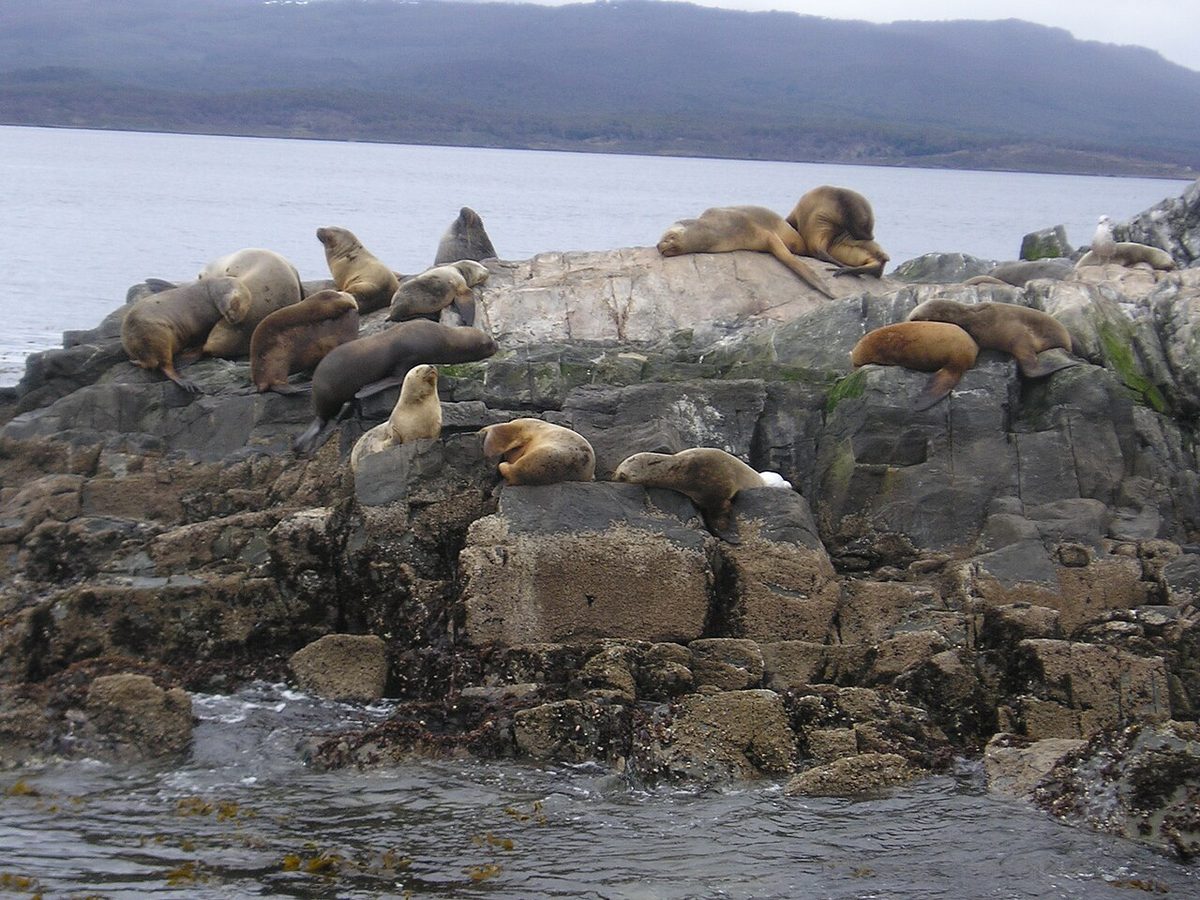
Beagle Channel boat trip. A half-day catamaran cruise past islands crowded with sea lions, cormorants, and seabirds, often with a lighthouse that kids will recognize from photos. It is sheltered, it is short, and the wildlife is right there.
Tierra del Fuego National Park. Easy, flat-ish trails through forest and along lake and coast, like the gentle paths around Lago Roca and Lapataia Bay. Good for a half-day with plenty of stops.
The End of the World Train. A short heritage train ride into the park. On its own it is a tourist novelty, but for train-obsessed younger kids it is a genuine highlight.
Ushuaia takes effort to reach, so I would add it when “the end of the world” is a real draw for your family or you are combining it with the Beagle Channel and the national park, rather than squeezing it onto an already-packed southern loop. Everything is in the guide to the end of the world.
Puerto Madryn and Peninsula Valdes: the wildlife base
If your kids are animal-mad, this might be the most rewarding base of all, and it does not involve a single mountain. Puerto Madryn, on the Atlantic coast, is the gateway to Peninsula Valdes, a UNESCO World Heritage Site that Visit Argentina describes as home to southern right whales, penguins, sea lions, elephant seals, orcas, and guanacos.
The magic here is that the wildlife is close and the walking is flat. More on the seasons below, but the short version: penguins waddle past you on level boardwalks, whales can be watched from a calm beach just outside town, and sea lions lounge on the rocks. Add the excellent paleontology museum in nearby Trelew, where kids meet life-size dinosaurs, and you have a base that feels less like a hike and more like the best zoo on Earth, except nothing is in a cage.
I will cover the wildlife in detail in the next section, and the full seasonal picture is in the breakdown of where to see whales.
Torres del Paine, the easy way (no W trek required)
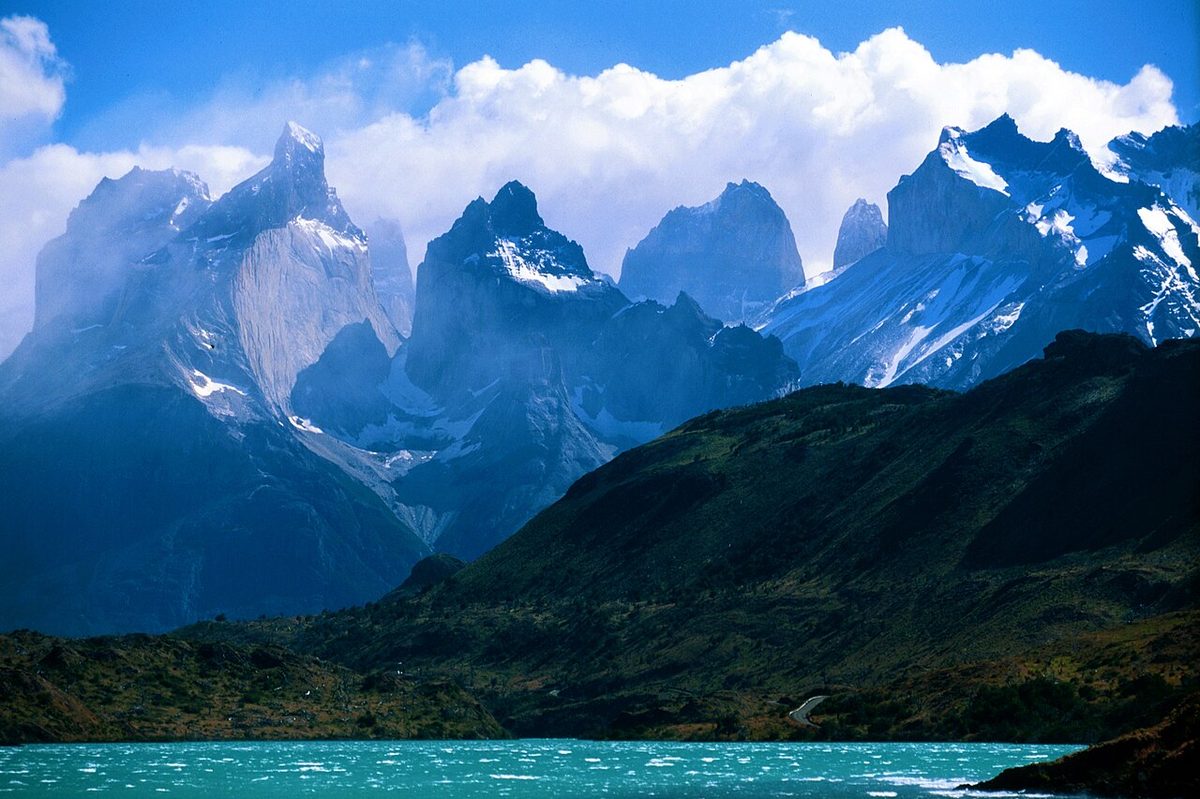
Torres del Paine is the face of Patagonia, and parents often assume it means the multi-day W trek. It does not have to. You can enjoy Chile’s most famous park as a family on day visits and short walks without ever shouldering a backpack overnight.
The easy side of the park includes:
Short viewpoints and lake shores. Pull-offs and brief walks deliver the towers, turquoise lakes, and wide valleys without committing to a long trail. The walk to Salto Grande waterfall and the nearby Nordenskjold lookout is short and dramatic.
Mirador Grey and the Grey Glacier boat. An easy walk across a pebbly beach to see icebergs, plus an optional boat that gets you near the glacier face.
Wildlife drives. The park is one of the best places anywhere to spot guanacos, rheas, foxes, and condors, much of it from the car or short stops.
One real safety note for Torres del Paine specifically: it has a healthy puma population, and park guidance is to keep children supervised and close. Pumas are shy and attacks on tourists are extraordinarily rare, but this is genuine wilderness, not a petting zoo. Because access rules, guide requirements, and seasonal closures change, always check the official CONAF Torres del Paine page before you go. Full park planning is in the Torres del Paine travel guide.
Wildlife kids love (and when to see it)
Wildlife is the secret weapon of a Patagonia family trip. You cannot promise a kid that a mountain will be sunny, but you can promise penguins. Here is what wows them and when to time it. As always, wildlife is never guaranteed, so I would hedge any single day and build in a backup.
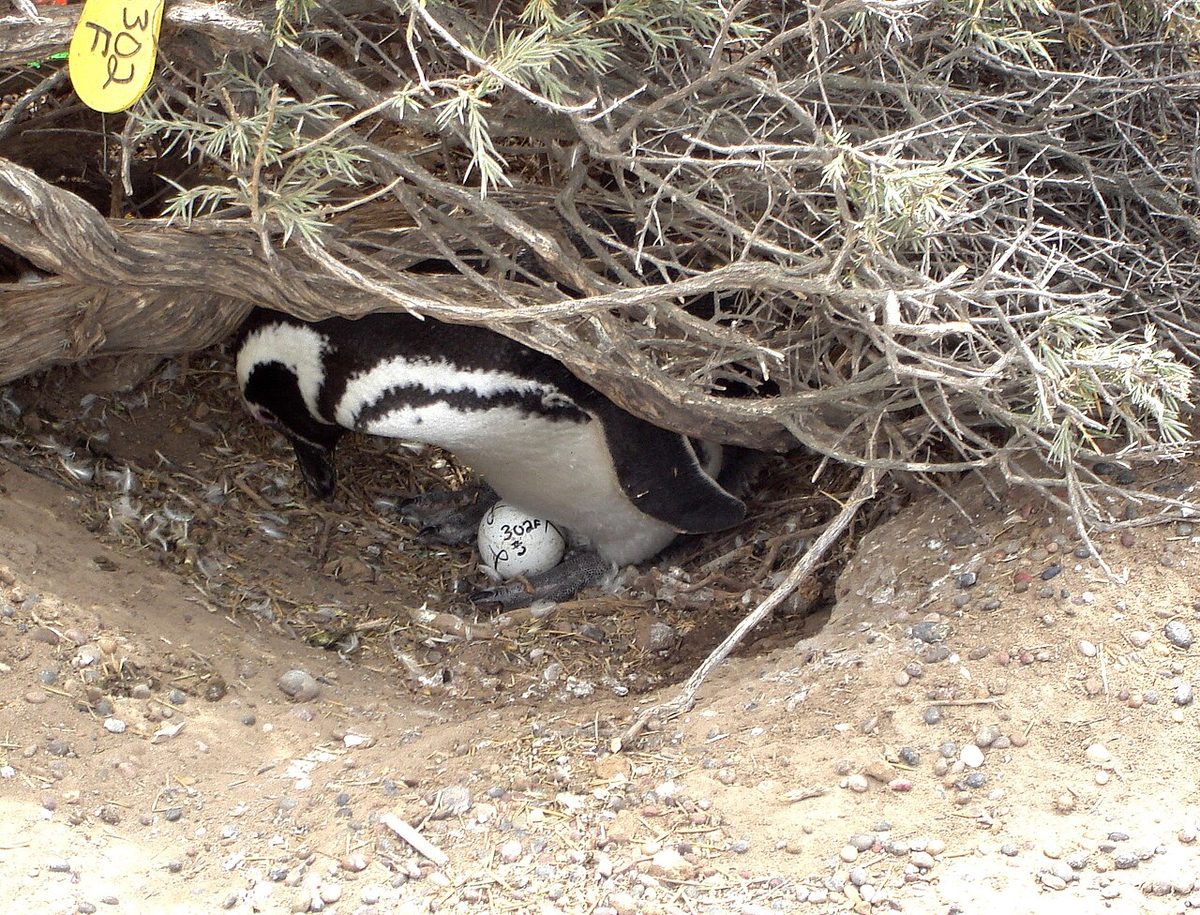
Penguins. This is the big one for most kids. Magellanic penguins nest in huge colonies on the coast, with two of the most famous being Punta Tombo (reached from Puerto Madryn) and Isla Magdalena (reached from Punta Arenas in Chile). At Punta Tombo, a roughly 1.5-kilometer boardwalk-and-gravel path winds right through the colony, flat enough for a stroller, with penguins crossing the path beside you. The penguins are generally present from around September into March, and January is special because the chicks are learning to swim. There is almost no shade, so bring sun protection and wind layers.
Whales. Southern right whales gather off Peninsula Valdes to mate and calve. Visit Argentina puts the official season at roughly June to December, with mothers and calves close to shore in July and August, and September to October considered the best window for boat trips. The detail families love most: from Playa El Doradillo, about 15 kilometers from Puerto Madryn, you can often watch whales from the beach itself in the winter months, which Visit Argentina describes as a moving and accessible experience for families and anyone with limited mobility. No boat, no seasickness, just whales a few meters out.
Sea lions and elephant seals. Colonies along the Valdes coast and in the Beagle Channel near Ushuaia give kids big, loud, blubbery animals at close range. Punta Loma near Puerto Madryn even offers regulated snorkeling with sea lions for confident older kids and teens.
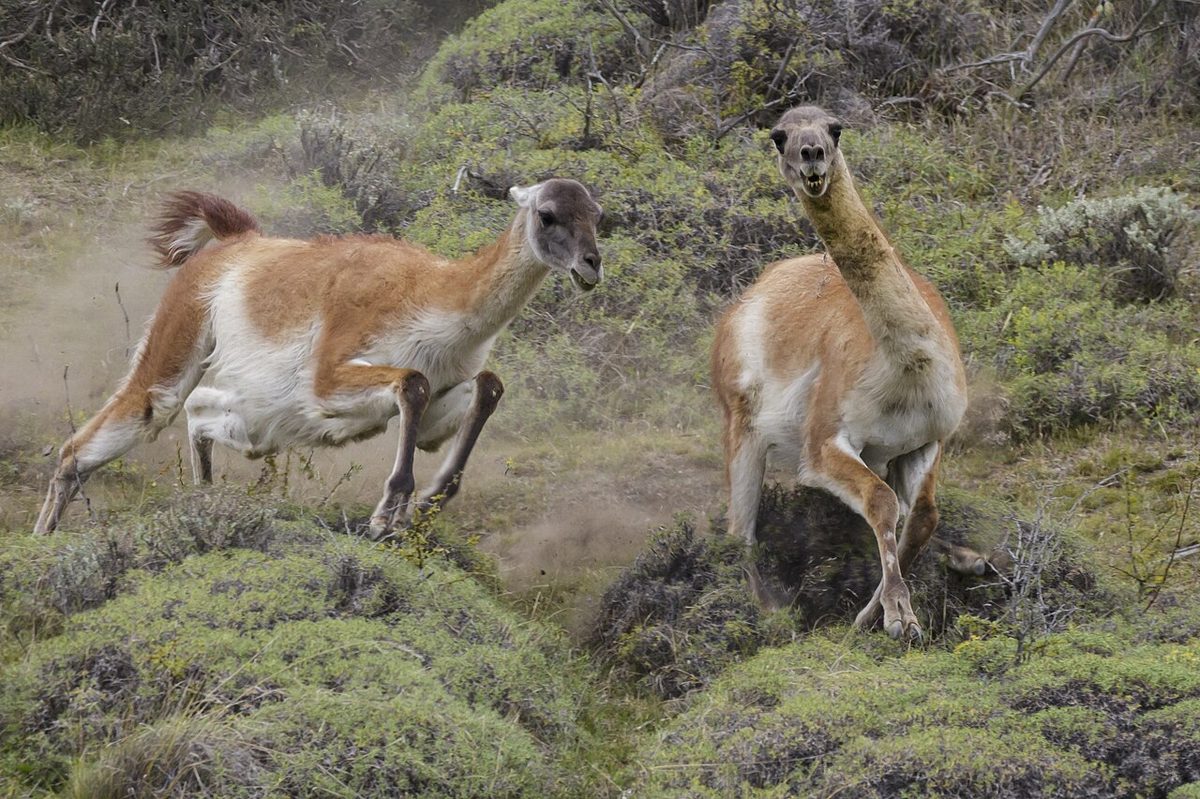
Guanacos, rheas, foxes, and condors. These you will spot from the car and on short walks, especially around Torres del Paine, Peninsula Valdes, and the steppe. Guanacos (elegant relatives of the llama) are everywhere in Torres del Paine, and a soaring condor never gets old.
A simple way to think about it: if penguins or whales are the dream, build the trip around the coast (Puerto Madryn) and check the season carefully. If your kids will be happy with guanacos and big scenery, the mountain bases deliver year-round in summer.
Easy walks and viewpoints for kids
You do not need to hike hard in Patagonia to feel like you have seen it. These are the gentle, high-reward walks and viewpoints I point families to, all without serious elevation or overnight gear.
Cerro Campanario, Bariloche. Chairlift up, panoramic lakes from the top, optional short trail. The easiest “epic view” in this guide.
Llao Llao forest trails and Circuito Chico, Bariloche. Short, mostly flat forest-and-lake loops with beaches; pick the length to match your kids.
Perito Moreno boardwalks, El Calafate. Flat upper balconies suit strollers; lower circuits add stairs. Watch ice calve off the wall.
Laguna Capri, El Chalten. For hiking-ready older kids, a moderate but rewarding half-day to a lake with Fitz Roy views; turn back early if needed.
Lago Roca and Lapataia Bay, Tierra del Fuego National Park. Gentle forest and coastal paths near Ushuaia, easy to shorten.
Salto Grande and Mirador Nordenskjold, Torres del Paine. Short, flat walks to a waterfall and a classic towers-and-lake panorama, no trek required.
Mirador Grey, Torres del Paine. A walk across a beach to iceberg views, with an optional glacier boat.
Punta Tombo boardwalk, near Puerto Madryn. Flat, stroller-friendly, and surrounded by penguins.
The pattern is intentional: short distances, big payoffs, and easy bail-out points. In Patagonia, the wind can turn a gentle walk into a slog with no warning, so I always pick routes where turning back early still counts as a success.
Patagonia with kids by age group
The single most common question I get is “what age is best?” The honest answer is that every age works, but the trip you plan should look different at each stage. Operators who run family trips here all converge on roughly the same age thresholds, and they match what I have seen.
Yes, it is doable, with the right expectations. A baby who is not yet crawling rides happily in a carrier backpack for a couple of hours of easy walking. Toddlers are honestly the trickiest age, because they are mobile, opinionated, and not yet up for real trails. The trick the specialists swear by is to settle in one place for at least five nights rather than hopping around, so you can build days around naps and meals.
At this age, lean hard into the flat, sensory, wildlife-rich experiences: penguins at Punta Tombo, the Perito Moreno boardwalks, lake beaches in Bariloche, the chairlift, the Beagle Channel boat. Skip the long transfers and the long hikes entirely. Bring a carrier even if your kid usually walks, because legs get tired and trails get windy. Cabins or apart-hotels with a kitchen and space to roam beat a tight hotel room every time.
Kids around 6 to 11
This is, in my view, the sweet spot for a Patagonia family trip. Kids this age have the stamina for gentle half-day walks, the attention span for boat trips and wildlife, and enough wonder left that a calving glacier genuinely blows their minds. A fit six-year-old can manage easier El Chalten trails; an eight-year-old can do most of the easy walks in this guide without complaint, especially with snack stops.
Around seven, a lot of the optional adventure activities open up: family kayaking, short bike rides, fishing, zip lines, and cooking classes typically start accepting kids at about this age. You still want rest days and you still want to fly rather than bus between regions, but you can be more ambitious with the daily plan.
Teenagers
Teenagers get the most out of Patagonia, full stop. The scale and adventure speak directly to them, and the activities they want are the ones that need a bit of size and judgment: longer hikes, double kayaking and rafting (often from around age 10), horse riding and tougher treks (often from around 12 to 14), even ice trekking on a glacier for older, capable teens. With teens you can genuinely tackle parts of the W-trek day hikes in Torres del Paine, the harder El Chalten trails, and multi-sport days.
The catch with teens is buy-in, not capability. Patagonia involves long travel days and patchy connectivity. I would frame it as the adventure it is, get them invested in choosing a couple of the activities, and warn them honestly that there will be hours in transit. The payoff, watching a teenager strap on crampons or stand silent in front of a glacier, is worth it.
Safety and what to pack for kids
Patagonia is one of the safer-feeling regions in South America for families, but the risks here are environmental, not urban. Plan for the weather and the distances and you remove most of the worry.
The things to actually respect:
Wind. This is the big one. Patagonian wind is relentless and can knock a small child off balance on exposed ground. Hold little ones’ hands on cliffs, viewpoints, and open trails, and accept that some days the wind simply wins.
Sun. UV is strong, even on cool or cloudy days, and many of the best spots (penguin colonies, boardwalks, steppe) have zero shade. Hats, sunglasses, and high-SPF sunscreen are non-negotiable.
Cold and rapid weather changes. Locals say you get four seasons in one day, and they are not exaggerating. Layer everyone, every day, even in summer.
Cold water. Glacial lakes and rivers are frigid and currents can be deceptive. Supervise closely near water; this is not warm-Caribbean paddling.
Wildlife. Give all animals space. In Torres del Paine specifically, keep kids close because of pumas. Do not approach sea lions or whales outside organized, regulated tours.
Two pieces of genuinely good news. Altitude is not a concern at these bases, so you can skip the acclimatization planning that other South American trips require. And there are no significant mosquito-borne diseases or dangerous bugs to fret over, which makes packing and peace of mind much simpler than tropical destinations.
One practical health tip from operators who work the region: parts of southern Patagonia are remote, with only small clinics between the main towns. Carry a solid family medical kit, bring enough of any regular medication (plus a little extra), and take out proper travel insurance that covers medical evacuation. In a region this spread out, that insurance is not optional, it is the plan.
A family packing shortlist:
Waterproof, windproof shell jacket for every person, including the kids
Warm mid-layer (fleece or light insulation) plus base layers
Waterproof trousers for little ones who sit and play on the ground
Warm hat, gloves, and a buff or neck gaiter (the wind is cold)
Comfortable, broken-in walking shoes plus indoor trainers
Hats, sunglasses, and strong sunscreen for everyone
A child carrier backpack for under-5s, even occasional walkers
Snacks from home plus a willingness to try local corner-shop treats
Car-trip entertainment: cards, a travel game, colouring, downloaded shows
A refillable water bottle each and a small daypack
For the grown-up version of the gear conversation and trail safety, see the pillar’s hiking and safety section linked from the Patagonia travel guide, and check entry rules in what paperwork Patagonia needs before you fly.
Pacing and a sample family route
If there is one mistake I want to save you from, it is over-packing the itinerary. The number-one reason families have a rough time in Patagonia is too many one-night stops and too many long travel days crammed together. Distances here are enormous; a single drive can run five hours or more, and the budget-saving overnight buses can be 14 to 24 hours. With kids, that is how you manufacture meltdowns.
My pacing rules for a Patagonia family trip:
Two or three bases, not five. More nights in each, fewer transfers.
Fly between regions. It costs more than the bus, but it buys back hours and sanity. This is the single best money you will spend.
Minimum three to four nights per base, five-plus if you have a toddler.
Plan a gentle arrival. After a long travel day, do an easy half-day, not a big hike. Build up to the adventurous days.
Build in rest days. A pool morning, a slow lunch, a playground, a chocolate shop. The “wasted” mornings are often the ones kids remember.
Expect to lose a day to weather and have an indoor or low-key backup ready.
Most specialists suggest a Patagonia family trip deserves at least four nights and works best at around a week to ten days, plus the two long travel days at the start and end that are simply unavoidable. Here is a route shape I would happily send a family on:
A balanced 9 to 11 day family trip (summer):
Fly into Bariloche. Settle in, easy afternoon by the lake.
Cerro Campanario chairlift and a short Llao Llao walk.
Circuito Chico, lake beach time, chocolate. Rest day energy.
Fly south to El Calafate.
Perito Moreno boardwalks (a full, happy day) plus optional glacier boat.
Slow morning in town, easy lakeside walk, fly or transfer toward the coast.
Puerto Madryn: penguins on the boardwalk, dinosaur museum in Trelew.
Peninsula Valdes wildlife day (whales in season, sea lions, guanacos).
Shore whale-watching at El Doradillo or a rest day, then fly out via Buenos Aires.
Swap Puerto Madryn for Ushuaia if your family is more drawn to “the end of the world” and the Beagle Channel than to penguins and whales, or add Torres del Paine’s easy side if you have teens and more time. For more route templates across the region, the first-timer’s Patagonia planner and where to stay in Patagonia both help you assemble the bases that fit your dates.
Costs and the best season for families
What it costs. I will be straight with you: Patagonia is not a cheap family destination. It is one of the pricier parts of South America, and the cost is driven less by daily spending than by getting around. The big-ticket items for a family are flights (international plus the domestic hops you really should take instead of buses), accommodation in small high-season towns, and tours and park fees. Wildlife boat trips, glacier excursions, and the like add up quickly when you multiply by four people.
Where families save: choosing cabins or apart-hotels with a kitchen so you are not eating every meal out, traveling in the shoulder season, booking flights and lodging early, and picking two or three bases so you pay for fewer transfers. Where I would not skimp: the domestic flights (the bus “savings” cost you days and goodwill) and travel insurance. For a full breakdown of what drives the numbers, see the guide to what a Patagonia trip costs.
The best season for families. The southern-hemisphere summer, roughly December to February, is the warmest, has the longest daylight, and has the most services open. It is the easiest time to travel with kids, and it is also the busiest and priciest, so book well ahead, ideally close to a year out if you are tied to school holidays.
The shoulder months I would actively recommend for families are November, early December, March, and around Easter. You trade a little weather certainty for thinner crowds, lower prices, wildflowers or autumn colour, and active wildlife. Spring is when penguin chicks and whale calves appear; autumn brings golden forests around Bariloche and El Chalten. For winter (June to August), narrow your sights to Bariloche or Ushuaia for snow rather than attempting broad sightseeing. The full month-by-month picture is in best time to visit Patagonia.
One more honest planning note: if you are nervous about the logistics, you are not alone, and you do not have to do it independently. Plenty of families self-drive Bariloche and bus the easy southern legs, but a good operator can absorb the transfers, vet kid-friendly lodges, and adapt activities to your ages. The mistakes that trip up first-timers are gathered in first trip to Patagonia mistakes, and they are worth a read whichever way you travel.
Patagonia family trip FAQ
Is Patagonia good for families with young kids?
Yes, with the right bases and pacing. Younger kids do best where the highlights are flat and close, like Perito Moreno’s boardwalks, Bariloche’s lakes and chairlift, and Peninsula Valdes wildlife. Avoid long hikes and marathon bus rides, settle in each place for several nights, and lean on penguins, whales, and glaciers to provide the wonder.
What is the best age to take kids to Patagonia?
Every age can work, but around 6 to 11 is the sweet spot: enough stamina for gentle walks, enough wonder for glaciers and wildlife. Babies ride in a carrier, toddlers need a slow single-base trip, and teenagers arguably get the most out of the bigger hikes and adventure activities. Match the itinerary to your kids’ ages rather than the reverse.
How many days do you need in Patagonia with kids?
Plan at least four nights, and ideally around a week to ten days, plus two long travel days at the start and end. That is enough to enjoy two or three bases without rushing. Fewer days means choosing a single region, such as Bariloche or El Calafate, and resisting the urge to add far-flung destinations.
Is Patagonia safe for kids?
Yes, it is one of the safer regions in South America for families. The risks are environmental, not urban: strong wind, intense sun, cold weather and water, and wildlife such as pumas in Torres del Paine. There is no malaria and few biting insects, and altitude is not a concern at the main bases. Pack layers, supervise near water and cliffs, and carry good travel insurance.
Where can you see penguins in Patagonia with kids?
The two famous Magellanic penguin colonies are Punta Tombo, reached from Puerto Madryn on the Argentine coast, and Isla Magdalena, reached from Punta Arenas in Chile. Both let you walk among the birds, and Punta Tombo has a roughly 1.5-kilometer flat, stroller-friendly path. Penguins are generally present from around September into March, with chicks learning to swim in January.
What is the best time to visit Patagonia with kids?
December to February is warmest, longest in daylight, and easiest with kids, but it is also the busiest and most expensive, so book early. November, March, and around Easter are excellent shoulder-season choices with fewer crowds, lower prices, and active wildlife. Winter suits a focused snow trip to Bariloche or Ushuaia rather than wide regional sightseeing.
Can you visit Patagonia with a toddler or baby?
Yes, though toddlers are the trickiest age. Babies who are not yet crawling ride comfortably in a carrier backpack for short walks. With toddlers, settle in one base for at least five nights, schedule activities around naps and meals, and stick to flat, sensory experiences like the glacier boardwalks, lake beaches, and penguins. Skip the long transfers and long hikes entirely.
Final thoughts
A Patagonia family trip is not the impossible expedition the photos make it look like. Strip away the W-trek mystique and what you find is a place almost engineered for kids: a glacier you watch from a railing, penguins that march past your feet, whales a stone’s throw off a calm beach, and a chairlift to a view that adults pay good money to earn on foot.
The whole game is restraint. Pick two or three of the family bases instead of trying to conquer the map. Fly between regions and protect a few rest days. Pack for wind and sun and let the wildlife and the water do the entertaining. Do that, and Patagonia gives your family something rare: a trip where the kids are as awestruck as you are, and where the memories outlast every souvenir.