Is Patagonia Worth Visiting? An Honest Yes (With Caveats)
Is Patagonia worth visiting? An honest yes-with-caveats: the real payoffs, the distance, cost, wind, and crowds, plus who should go and who should skip it.
By Patagonia Tourism Guide · First published 22 Jun 2026 · Updated 1 Aug 2026
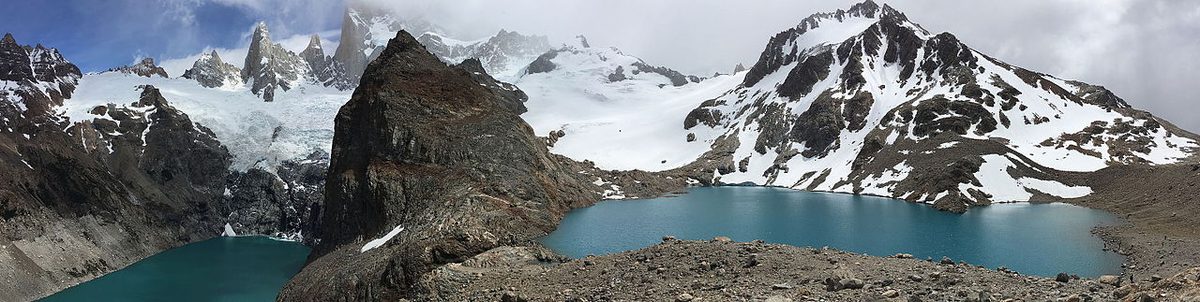
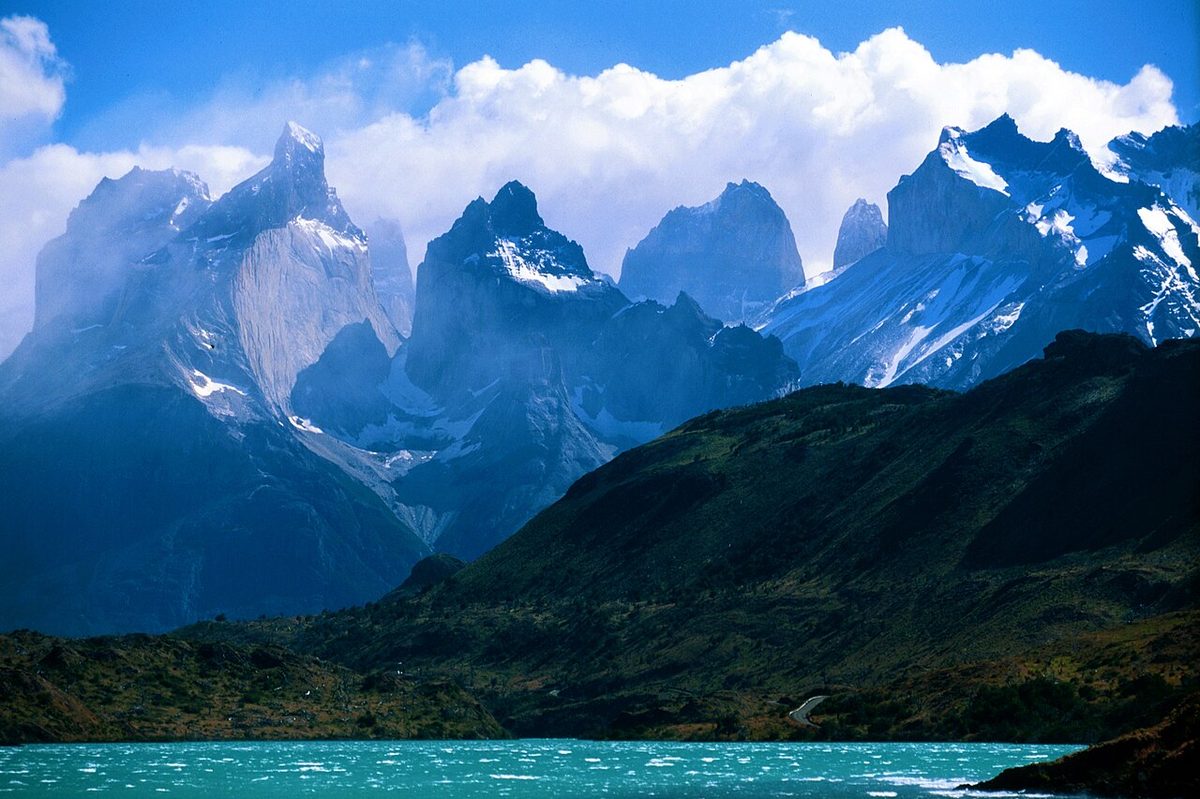
0 — 2 km Fig. 1 · The granite towers of Torres del Paine rising above a turquoise lake, the payoff that makes Patagonia worth visiting · Photo: Murray Foubister / CC BY-SA 2.0 via Wikimedia Commons
Somewhere between the fortieth browser tab and the third spreadsheet, almost everyone planning this trip stops and asks the honest question out loud: is Patagonia actually worth visiting, or is it just a very photogenic way to spend a small fortune and two days of flying?
I get it. The photos look unreal, the logistics look exhausting, and the price tags do not look like a casual long weekend. So let me answer you straight, with no breathless hype.
Is Patagonia Worth Visiting? The Short Answer
Is Patagonia worth visiting? For most people who like wild landscapes and don’t mind some effort, yes, emphatically. The granite towers, glaciers, and empty space deliver on the photos in a way few places do. But it is far, expensive, weather-beaten, and increasingly crowded at the icons. It is worth it if you go for the right reasons, with realistic expectations.
That is the whole article in a paragraph. If you want it nuanced, who it’s for and who should skip it, what the real downsides feel like on the ground, and how to make the trip pay off, keep reading. This guide is built for the traveler on the fence, not the one who already booked.
If you’re brand new to the region, start with the guide to planning a Patagonia trip for the big picture, then come back here for the honest gut check.
Worth it if / maybe skip if
Here’s the fastest way to know which camp you’re in. Be honest with yourself in this table, because it predicts your trip better than any highlight reel.
Patagonia is worth it if…
You might want to skip it (for now) if…
You love mountains, glaciers, and big empty landscapes more than nightlife or resorts
You want guaranteed warm, sunny beach weather
You can do at least a few moderate day hikes, or you’re happy with viewpoints, boats, and drives
You can’t or won’t walk much and want zero outdoor effort
You have around 8 days or more to actually be in the region
You only have 3 to 4 days total and a long way to fly
You accept wind, sudden weather, and the odd ruined plan as part of the deal
Changing plans and bad-weather days genuinely stress you out
Your budget can absorb a pricier-than-average South America trip
You need a rock-bottom-cost trip with no compromises
You’re willing to book scarce things (treks, lodging, flights) months ahead
You want to wing it last-minute in peak season
A landscape that makes you feel small sounds like the point
“Nature for days” sounds like a chore, not a reward
Swipe to see all columns
Table 1
If you landed mostly in the left column, stop second-guessing and start planning. If you landed mostly on the right, Patagonia isn’t a bad destination, it’s just the wrong destination for this particular trip, and that’s useful to know now.
What actually makes Patagonia worth it
Let’s start with the case for going, because it’s strong and it’s real, not marketing.
The landscapes genuinely live up to the photos
This is the part I can’t oversell because the place does it for me. Most heavily-photographed destinations underwhelm a little in person. Patagonia is the rare one that doesn’t. The granite towers of Torres del Paine, the impossible spike of Mount Fitz Roy, the blue wall of Perito Moreno Glacier calving into a lake, these are not enhanced. If anything, photos undersell the scale, because a screen can’t carry how small you feel standing under a thousand-foot rock face with the wind trying to push you over.
Chile Travel describes its side as “the landscapes at the end of the world,” all fjords, ice fields, and turquoise lakes, and that’s not just brochure language. Visit Argentina frames the Argentine side as a vast region of glaciers, steppe, lakes, and Andean peaks. Both are accurate. The payoff here is the landscape, and it pays.
The sense of remoteness is the actual product
A lot of bucket-list places are crowded wonders surrounded by cities. Patagonia still feels like the edge of the map. Drive an hour off the main viewpoints and you can stand on a steppe trail with nobody in sight, just wind moving over the grass and a wall of mountains in the distance. That feeling of genuine wilderness, of having reached somewhere remote and earned it, is rarer every year. For a lot of travelers, it’s the single thing they remember most.
The hiking is world-class, and beginner-friendlier than you’d think
If you hike at all, this is one of the best trekking regions on Earth. The famous trails, the Base of the Towers, Laguna de los Tres under Fitz Roy, the W Trek through Torres del Paine, are spectacular and, crucially, they start near sea level. There’s no altitude to gasp through like in the Andes proper or the Himalaya. The marquee day hikes tend to run around 8 to 12 miles round trip with a steep finish, and travelers of all kinds complete them. You want some fitness and broken-in boots, but you don’t need the lungs of a marathoner.
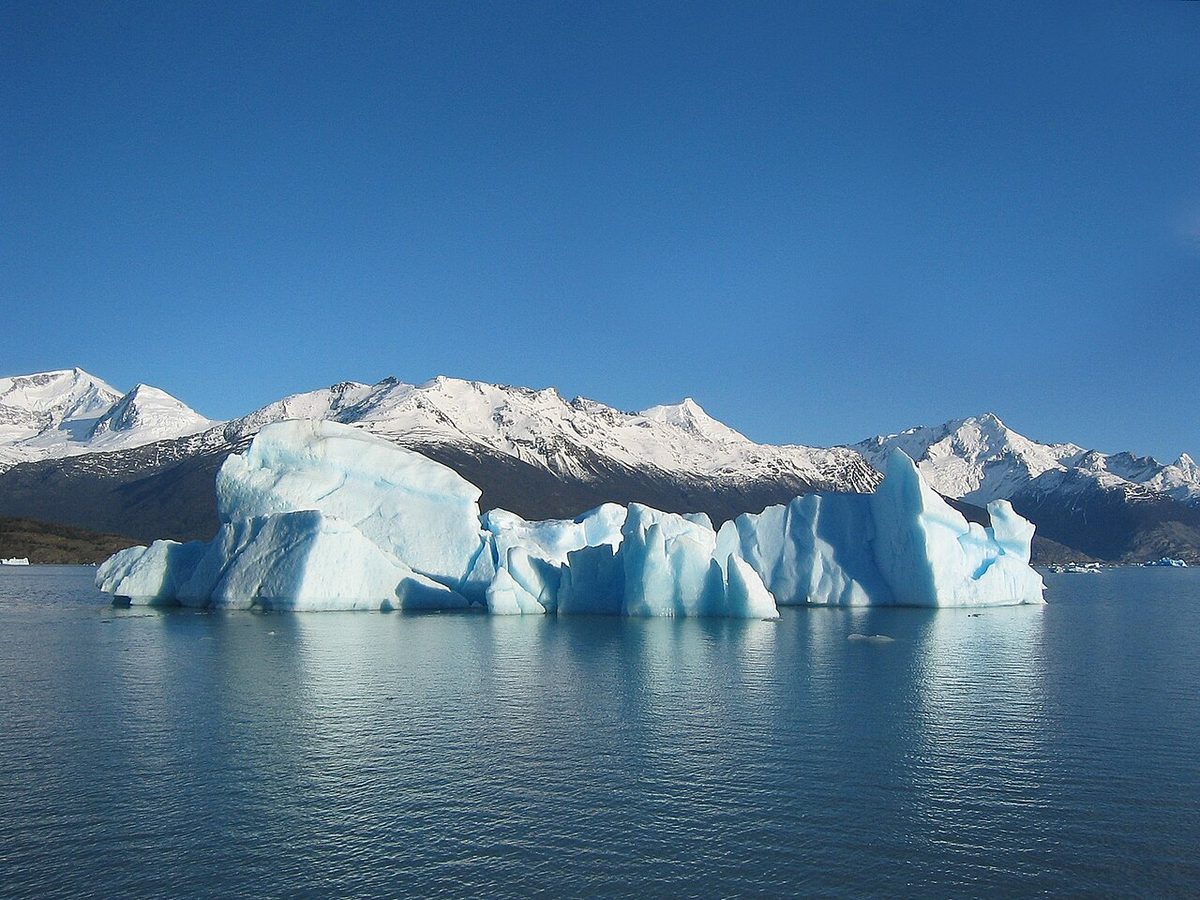
Here’s something the “epic adventure” listicles skip: plenty of Patagonia’s best moments require no real hiking at all. You can stand on walkways staring at Perito Moreno from several levels, take a boat among icebergs on Lago Argentino, drive the scenic loops of Torres del Paine spotting guanacos and condors, visit a working estancia, or watch southern right whales off the Atlantic coast in season. The glacier near El Calafate is one of the most accessible giant natural wonders in South America. If your group has mixed abilities or you simply don’t want to suffer up a mountain, you can still have a genuinely great trip. The rundown of glacier day trips and the guide to spotting Patagonian wildlife are built for exactly this traveler.
The wildlife is a real bonus, not a footnote
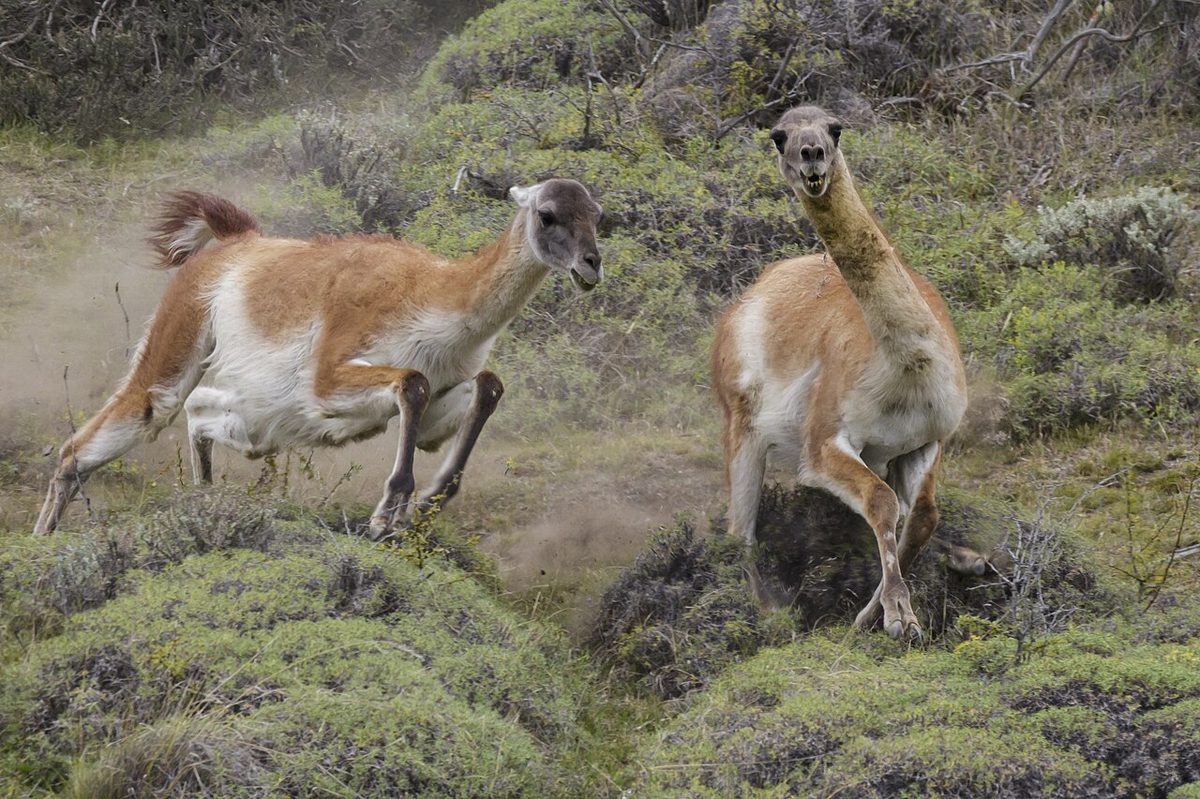
Guanacos, condors, foxes, flamingos, and, if you’re lucky and tracking the right season, pumas in Torres del Paine. Up on the Atlantic coast around Peninsula Valdes, you’ve got whales, penguins, sea lions, elephant seals, and orcas, each on its own seasonal calendar. None of it is guaranteed, but matched to the right month it’s a genuine highlight.
The honest downsides nobody puts on the postcard
Now the part that decides whether this trip is right for you. None of these should necessarily stop you, but going in blind is how good trips turn into resentful ones.
It is genuinely far, and getting there is a slog
There are no major international airports in Patagonia itself. You fly into Buenos Aires or Santiago, then connect on a domestic flight to a regional hub, and sometimes add a bus on top. Real-world, door-to-door from the US runs around a day and a half from the east coast and closer to two full days from the west coast. One travel writer tallied four flights and two buses, over 24 hours, just to reach Torres del Paine. This is not a place you pop into for a long weekend.
And the distances don’t stop once you arrive. The two marquee parks, Los Glaciares near El Calafate and Torres del Paine, look close on a map but driving between them takes around five hours, plus border-crossing time. Patagonia is huge, and the map flatters it. For how to stitch the legs together sanely, see the Patagonia itinerary planner.
The wind is not a rumor
Everyone warns you about Patagonian wind and you nod and assume they’re exaggerating. They’re not. The region sits in the “roaring forties,” the band of latitudes between roughly 40 and 50 degrees south where strong westerlies blow more or less constantly, and because so much of Patagonia is open, treeless steppe, there’s nothing to slow them down. I’ve watched people brace in a wide-legged stance just to stay upright, and in port cities like Punta Arenas the gusts can make crossing the street a genuine effort.
Counterintuitively, summer (December to February) is often the windiest time, not the calmest. Locals obsessively check a forecasting site called Windguru for hour-by-hour gust predictions. If wind genuinely ruins your day, this matters, and it’s a real reason some people prefer the shoulder months. Chile’s official climate and weather guidance and our month-by-month weather breakdown breakdown both reinforce the same thing: pack for it and plan around it.
“Summer” does not mean warm
This trips up a lot of northern-hemisphere visitors. Patagonian summer highs often sit somewhere around the mid-50s to low-70s Fahrenheit (roughly 13 to 22°C), and the wind makes it feel colder. Rain or even snow is possible in any month. You will be packing layers, a real windproof or waterproof shell, gloves, and a hat, even in January. If your mental image is t-shirt weather, recalibrate. The Patagonia hiking, camping, gear and safety guide has the full layering system so you’re not caught out.
Patagonia is one of the more expensive corners of the continent, and there are real reasons: it’s remote, so everything from fuel to food has to be hauled in; the season is short, so businesses earn a year’s income in a few months; and the population is sparse, so good guides are in high demand. Round-trip flights from the US tend to run around $700 to $1,200 in the off-season and $1,500 or more in high season, before you add domestic legs inside Argentina and Chile.
On the ground, the spread is enormous. A bare-bones backpacker camping, self-catering, and taking buses can get by on roughly $50 a day. A high-end, advisor-planned trip with lodges and private guides can run around $1,500 a day for two. Most people land somewhere in between, with flights, peak-season lodging, park fees, guided treks, and any in-park accommodation as the big drivers. Build your number around the trip you actually want, not the cheapest figure online. The Patagonia trip cost and budget guide walks through realistic budgets for each style.
The icons get crowded
Patagonia became a bucket-list destination, which means the famous spots are no longer empty. Perito Moreno’s walkways, the Base of the Towers trail, the main El Chaltén viewpoints, all of these get busy in peak season, and January is the busiest month of all. Torres del Paine in particular has been called “a victim of its own success,” with crowded trails, pricey in-park lodging, and a refugio booking system that can feel like a part-time job.
The saving grace: most visitors don’t go far. They stick to the shortest trails and the main overlooks. Start early, walk a little further, or pick a lesser-known trail and the crowds thin out fast. The wilderness is still there; you just have to step past the viewpoint to find it.
The booking and logistics genuinely take work
This is the quiet downside. Between cross-border buses, W Trek reservations, refugios or campsites that must be booked for every single night, domestic flights that route through hubs, park tickets with seasonal rules, and weather that rewrites your plan, putting a Patagonia trip together is more effort than most vacations. CONAF, Chile’s park authority, publishes seasonal rules, guide requirements, and closures for Torres del Paine that you genuinely need to check before you go. If you hate planning and won’t pay someone to do it for you, factor that in honestly. A few people find the planning half the fun; others find it the worst part of the whole trip.
Is Patagonia worth the money, the long flights, and the effort?
Let’s tackle the three big “worth it” sub-questions head-on, because they’re really what people are asking.
Is it worth the money?
For most travelers who value landscape and adventure, yes, but it’s not a budget-beach-week kind of value. You’re paying a premium for remoteness and a short season, and the return is scenery and a sense of wilderness you genuinely can’t replicate cheaply somewhere closer. If your budget is tight, Patagonia can still work on buses, hostels, camping, and free day hikes, it just takes more planning and a flexible spirit. If you’re choosing between a cut-rate Patagonia trip you’ll resent and a slightly later trip you can afford properly, I’d wait and do it right.
Is it worth the long flights?
If you’re going for four days, honestly, no. The transit-to-time ratio is brutal and you’ll spend more of the trip in airports and on buses than under the mountains. But once you’re committed to around 8 days or more in the region, the flight time stops mattering. You forget the journey by the second morning. The long haul is a fixed cost; the way to make it “worth it” is to amortize it over enough days on the ground, not to minimize the trip.
Is it worth the effort?
This is the one that separates the right traveler from the wrong one. If wind, weather buffers, border forms, and a complicated itinerary sound like an acceptable tax on an extraordinary place, the effort pays off enormously. If they sound like a reason to need a vacation from your vacation, that’s your honest signal. The effort is real. So is the reward. Whether the trade lands depends entirely on what kind of traveler you are, which is exactly what the next section is about.
Patagonia rewards some travelers more than almost anywhere on Earth. You’ll likely love it if you’re:
A hiker or trekker. This is close to the top of the list of reasons to go. The trails are the payoff and they’re world-class.
A landscape and nature lover. If a view that makes you go quiet is your idea of a great day, this is your place.
A photographer. The light, the scale, the drama. Few places give you this much to work with, weather permitting.
A wildlife watcher. Guanacos, condors, pumas, whales, penguins, all on the menu in the right place and season.
A road-tripper or slow traveler. Long scenic distances and empty roads are a feature, not a bug, if you have the days.
A couple or honeymooner wanting one big, memorable trip. It delivers the once-in-a-lifetime feeling without needing to be a hardcore expedition.
A planner, or someone happy to pay a good operator to handle the hard parts.
Patagonia also works well for solo travelers who stick to established routes, and for families with outdoorsy, older kids if the pace is gentle. Both deserve their own playbook, so see the Patagonia solo travel guide and the Patagonia family trip guide before you build the itinerary around them.
Who should skip Patagonia (or wait)
I’d rather talk you out of a trip you’ll resent than cheerlead you into one. You should probably skip it, at least for now, if you’re:
A few-days traveler. If you genuinely can’t give the region around a week on the ground, the distance math doesn’t work. Spend those days somewhere closer.
Someone who needs warm, reliable weather. Patagonia is wind, layers, and sudden change. If a sunny forecast is non-negotiable, this isn’t the trip.
Not willing or able to be outdoors much. You can do Patagonia with minimal hiking, but if being outside in raw weather holds zero appeal, the place won’t click. The whole point is outside.
On a strict rock-bottom budget with zero flexibility. It’s doable cheaply, but not effortlessly cheaply, and a tight, inflexible budget plus expensive remoteness is a recipe for stress.
A city-and-nightlife traveler. As one honest writer put it, don’t come here looking for culture or a buzzing scene. The towns are small and functional; the mountains are the show.
Someone who hates planning and won’t outsource it. The logistics are real. If that drains you and a guided trip is off the table, you may not enjoy the lead-up.
None of this is a knock on you, it’s a knock on the fit. The travelers who have a miserable time in Patagonia usually aren’t unlucky; they’re mismatched. Knowing that now is worth more than any packing list.
How to make Patagonia actually worth it
If you’ve decided you’re going, here’s how to tilt the odds heavily toward “best trip of my life” instead of “beautiful but exhausting.”
Give it enough time
The single biggest mistake is too little time spread too thin. Around 5 to 7 days lets you do one region well. Around 8 to 10 days comfortably pairs El Calafate and El Chaltén. Around 12 to 14 days gets you the classic southern circuit, El Calafate, El Chaltén, Puerto Natales, and Torres del Paine, with a buffer day or two for weather. Resist cramming Bariloche, Ushuaia, and the wildlife coast into the same two weeks; that’s a transit marathon, not a trip. Our first trip to Patagonia mistakes guide is basically a list of ways people sabotage themselves by overstuffing.
Pick the right season for your priorities
December through March has the longest days and the most reliable access, but also the biggest crowds and, often, the strongest wind. Many seasoned travelers quietly prefer the shoulder months: November for spring wildflowers and lighter crowds, or March for autumn color, thinner trails, and noticeably calmer wind. Winter is a different trip entirely, better for Bariloche skiing or Ushuaia than for broad hiking. Match the month to what you actually care about using the guide to picking a travel month guide.
Build in buffer days
Patagonia rewards spare time more than almost any destination. The wind drops, the clouds finally lift off Fitz Roy, the ferry runs on schedule. If your itinerary is a chain of tight, nonrefundable connections, one bad-weather day knocks the dominoes over. Protect the weather-dependent days; don’t stack transfers around them.
Manage your expectations on purpose
Decide in advance that the wind is part of it, that you may not see Fitz Roy’s summit on day one, and that the famous viewpoints will have other people. Travelers who expect a serene, empty, sunny wilderness are the ones who feel let down. Travelers who expect a wild, weather-beaten, occasionally busy, genuinely spectacular place come home thrilled. Same trip, different framing.
Choose between Argentina, Chile, or both, deliberately
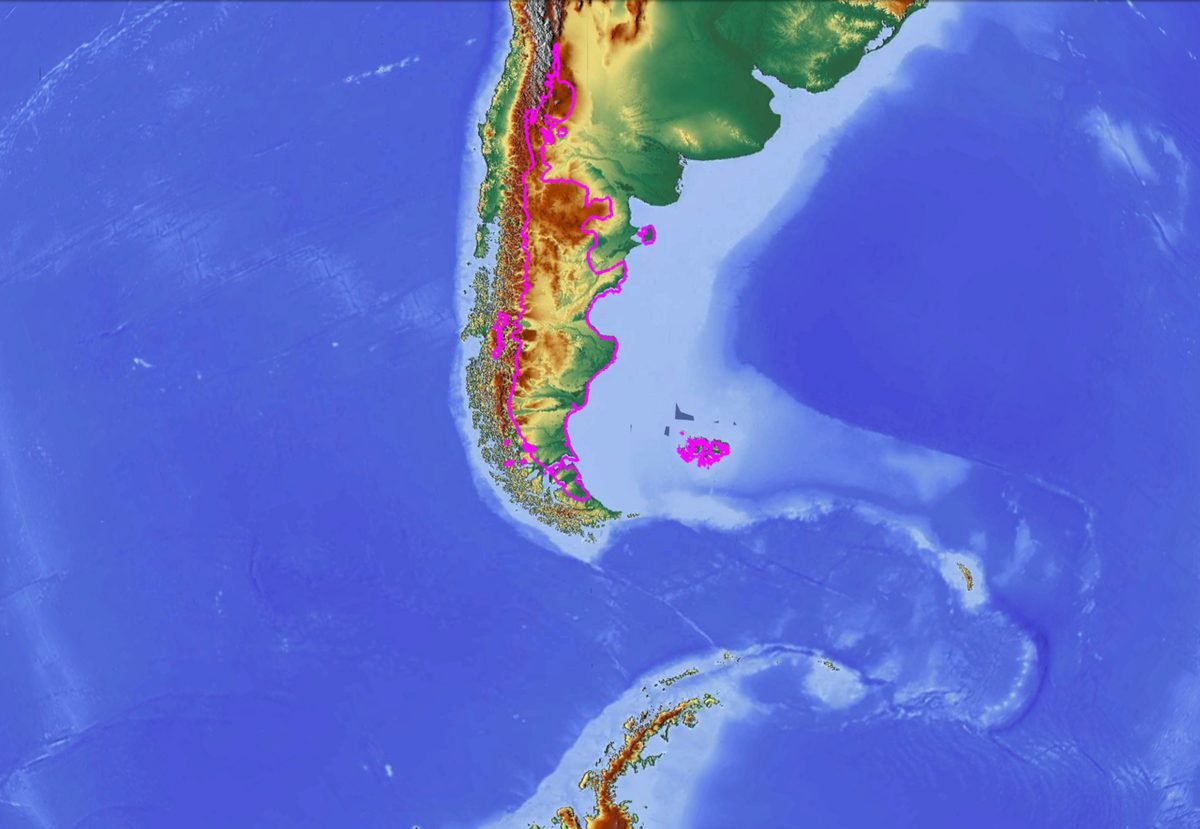
You don’t have to do everything. The Argentine side is often easier for independent first-timers; the Chilean side can feel wilder and more logistically layered. The classic trip combines both across the southern corridor, but a focused single-country trip is a perfectly good answer too. The side-by-side comparison of both countries comparison helps you pick the side that matches your style. And if you’re still fuzzy on the geography, where is Patagonia clears it up before you book anything.
Frequently asked questions
Is Patagonia worth visiting?
For most travelers who enjoy nature, hiking, or dramatic scenery, yes, Patagonia is worth visiting and frequently ranks as a bucket-list trip. The landscapes genuinely live up to the photos and the sense of remoteness is rare. The caveats are real, though: it’s far, pricey, windy, and busy at the icons, so it pays off most when you go with enough time and realistic expectations.
Is Patagonia overrated?
Patagonia is one of the few famous destinations that isn’t overrated on scenery, the mountains, glaciers, and open space deliver in person. What’s sometimes oversold is the ease and the solitude. The icons get crowded in peak season, the weather is harsh, and the logistics are demanding. So it’s not overrated, but it is over-romanticized; go in clear-eyed and it exceeds expectations.
Is Torres del Paine worth it?
Yes, Torres del Paine is worth it for the granite towers, turquoise lakes, glaciers, and some of the best hiking on the planet. The honest caveats: it’s crowded in high season, in-park lodging is expensive, and the refugio booking system is fiddly. To keep costs and crowds down, many travelers base in Puerto Natales and do day hikes or day tours rather than staying inside the park.
How many days do you need in Patagonia?
Plan for at least around 5 to 7 days to do one region well, around 8 to 10 to comfortably pair El Calafate and El Chaltén, and around 12 to 14 days or more for the classic southern circuit with a weather buffer. Fewer than five days, given how far you’re flying, usually isn’t worth the transit. More time also means more flexibility when weather rewrites your plans.
Is Patagonia expensive?
Patagonia is one of the pricier parts of South America because it’s remote, has a short season, and a sparse population. Flights from the US often run around $700 to $1,200 off-season and $1,500-plus in high season, before domestic legs. On the ground, budgets range from roughly $50 a day for camping backpackers to around $1,500 a day for two on high-end trips. Check current prices, as they change.
Is Patagonia safe?
Patagonia is generally considered one of the safer regions in South America for travelers, including solo and first-time visitors. Towns like El Calafate and El Chaltén are small and tourism-oriented, and violent crime against tourists is rare. The real risks are environmental, wind, fast-changing weather, exposure on trails, cold water, and remote roads, so respect park rules, check conditions, and pack proper layers.
When is the best time to visit Patagonia?
The main season is October through April. December through March offers the longest days and most reliable access but the biggest crowds and often the strongest wind. Many travelers prefer November for spring wildflowers or March for autumn color, thinner crowds, and calmer wind. Winter, June to August, suits skiing in Bariloche or Ushuaia more than broad hiking. Match the month to your priorities.
Can you visit Patagonia without hiking?
Yes. You can experience Perito Moreno Glacier from walkways, take boat trips among icebergs, drive the scenic loops of Torres del Paine, watch wildlife on the Atlantic coast, visit estancias, and enjoy the towns, all without a serious trek. You’ll miss some trail-only viewpoints, but non-hikers and mixed-ability groups can still have a genuinely rewarding Patagonia trip.
Final thoughts: so, is it worth it?
Here’s where I land after all the caveats. Patagonia is worth visiting, and for the right traveler it’s not even close. It’s one of the few places I’ve been where the reality outscaled the hype, where standing under the towers or beside the glacier did the thing travel is supposed to do and made me feel genuinely small and lucky.
But “worth it” is personal, and that’s the honest part most articles skip. It’s worth it if you go for the landscape and the wildness, give it real time, expect the wind and the crowds, and budget for a place that earns its remoteness. It’s not worth it if you’re squeezing it into a long weekend, need sunshine and ease, and want to wing the logistics in January. The destination isn’t the variable. You are.
If you’re still reading and still tempted, that’s usually your answer. Go, but go properly. Start with the primer on how Patagonia fits together for the full plan, then use the season, cost, and itinerary guides to build a trip that’s worth every windblown, jaw-dropping mile.