7 Day Patagonia Itinerary: 4 Realistic One-Week Routes
A realistic 7 day Patagonia itinerary: pick one region and do it well. Four full day-by-day routes for glaciers, Fitz Roy, Torres del Paine and more.
By Patagonia Tourism Guide · First published 6 Jul 2026 · Updated 1 Aug 2026
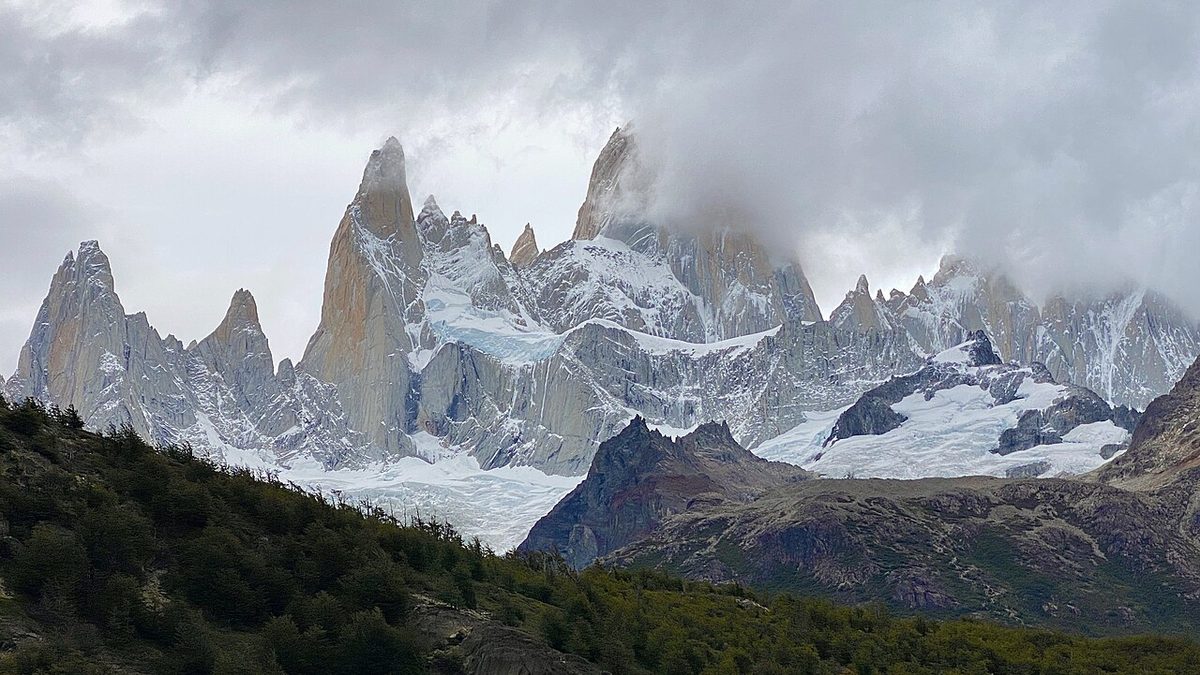
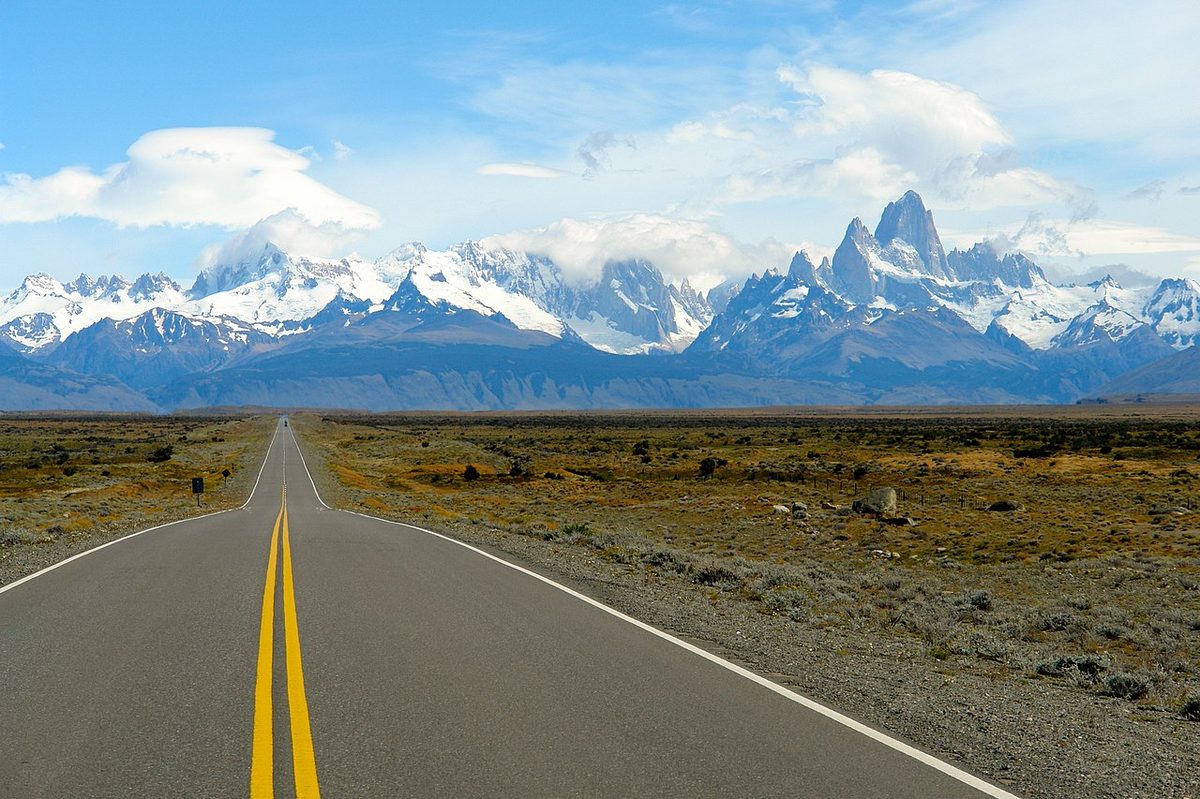
0 — 2 km Fig. 1 · Mount Fitz Roy above El Chalten on a 7 day Patagonia itinerary in Argentina · Photo: lamblukas / CC BY 2.0 via Wikimedia Commons
I have helped a lot of people plan a single week in Patagonia, and the first thing I usually do is talk them out of half their plan. The week almost always starts the same way: El Calafate, then Torres del Paine, then maybe Ushuaia, possibly Bariloche, “since we’re already down there.” Then we look at a real map and a real bus schedule, and the trip gets smaller and much, much better.
The best 7 day Patagonia itinerary is the one that picks a single region and does it properly. For most first-timers that means El Calafate and El Chalten in Argentina: fly in, see Perito Moreno Glacier, transfer to El Chalten for the Fitz Roy hikes, keep a weather buffer, fly home. One airport, no border, real time at the things you came for.
This guide is for anyone with exactly one week who wants a trip rather than a logistics exercise. I will give you four full day-by-day routes, the realistic transport between stops, where to base each night, and an honest note on what each route makes you skip. If you have longer, start with the Patagonia itinerary planner instead, which covers 10-day, 2-week, and month-long routes.
The one rule for a week in Patagonia: choose one region
Patagonia is enormous. Argentine Patagonia alone spans six provinces and roughly 2,500 kilometers north to south, and that is before you add the Chilean side. When someone says “I want to see Patagonia in a week,” they are not describing a trip yet. They are describing a region the size of a small country.
So the rule is simple, and I will repeat it because it is the single most useful thing on this page: with seven days, choose one region and go deep. The travelers who try to “do Patagonia” in a week spend the week on buses, borders, and airport transfers, and they see the famous places through a bus window on the way to the next one.
Here are the four single-region weeks I actually recommend, plus one cross-border option I only hand over with a warning.
At a glance: which 7 day Patagonia route is right for you
Option
Region
Best for
Key stops
A. Glaciers + Fitz Roy
El Calafate + El Chalten (Argentina)
First-timers who want glaciers and hiking, no border
Perito Moreno Glacier, Laguna de los Tres, Laguna Torre
B. Torres del Paine
Puerto Natales + Torres del Paine (Chile)
Travelers focused on Chile’s signature park
Base Torres, French Valley, Grey Glacier, the W
C. Lakes + chocolate
Bariloche + the Lake District (Argentina)
Families, soft adventure, food, scenery with comfort
Beagle Channel, Tierra del Fuego NP, Martial Glacier
(Caveat) Two-country dash
El Calafate + Torres del Paine
Only if you must touch both sides
Perito Moreno + a quick Torres del Paine day trip
Swipe to see all columns
Table 1
For most people reading this, the answer is Option A. It is the most efficient, the most iconic per hour, and the most forgiving if the weather turns. The rest of this guide gives you all four in full, then helps you choose and tells you what to book.
Option A: El Calafate and El Chalten (the default winner)
Best for: first-time travelers who want glaciers and serious mountain scenery without crossing into Chile.
This is the 7 day Patagonia itinerary I send most people on. You use one airport (El Calafate), you skip the border crossing entirely, and you give El Chalten enough nights to wait out a bad forecast. El Calafate is the gateway to Perito Moreno Glacier and has its own airport; El Chalten, the self-styled trekking capital of Argentina, sits about 215 kilometers north and is reached by private car or regular bus, a ride of around three hours.
Treat this as a soft landing. Most people reach El Calafate after a long connection through Buenos Aires, so do not schedule anything ambitious. Walk the lakefront, sort out cash (you will want Argentine pesos), buy any layers you are missing, and confirm your glacier transport for tomorrow. Sleep early.
Base: El Calafate.
Day 2: Perito Moreno Glacier
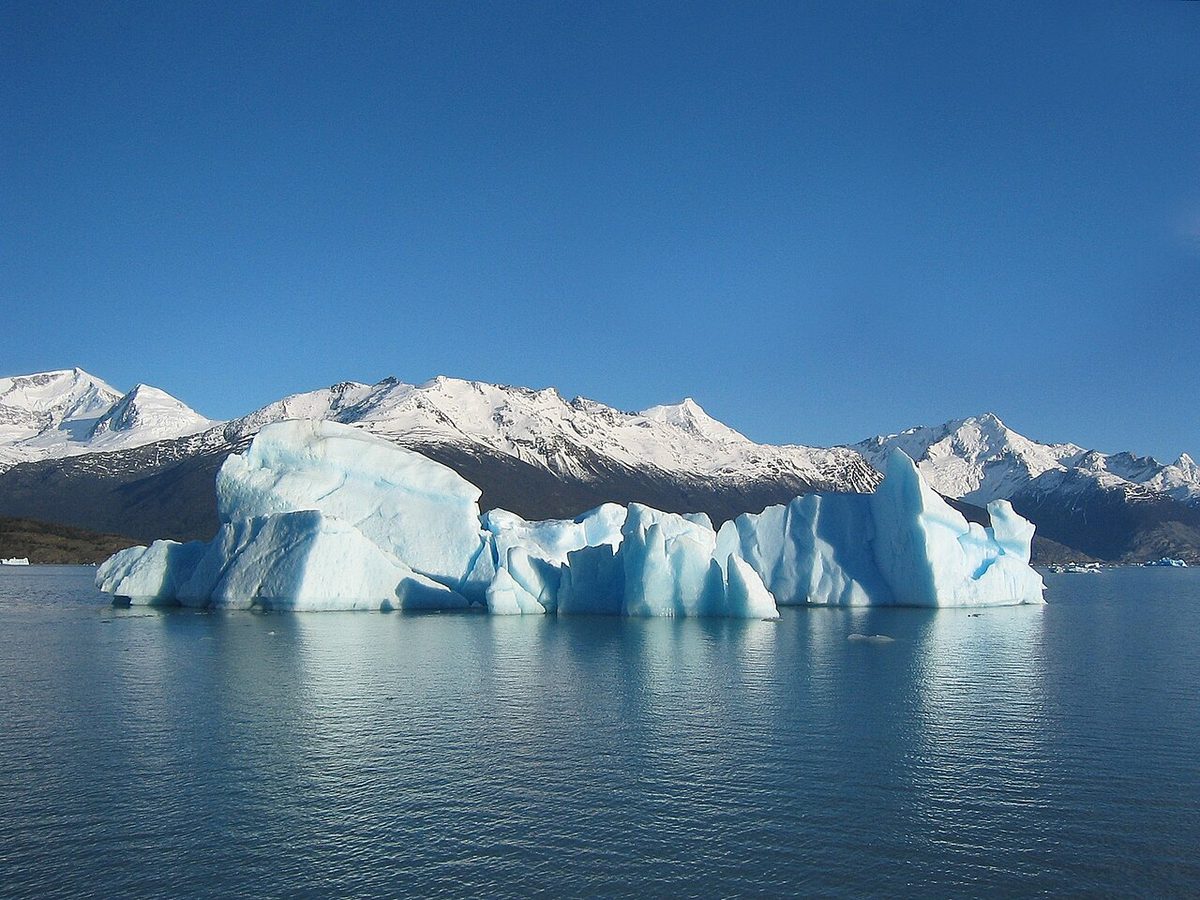
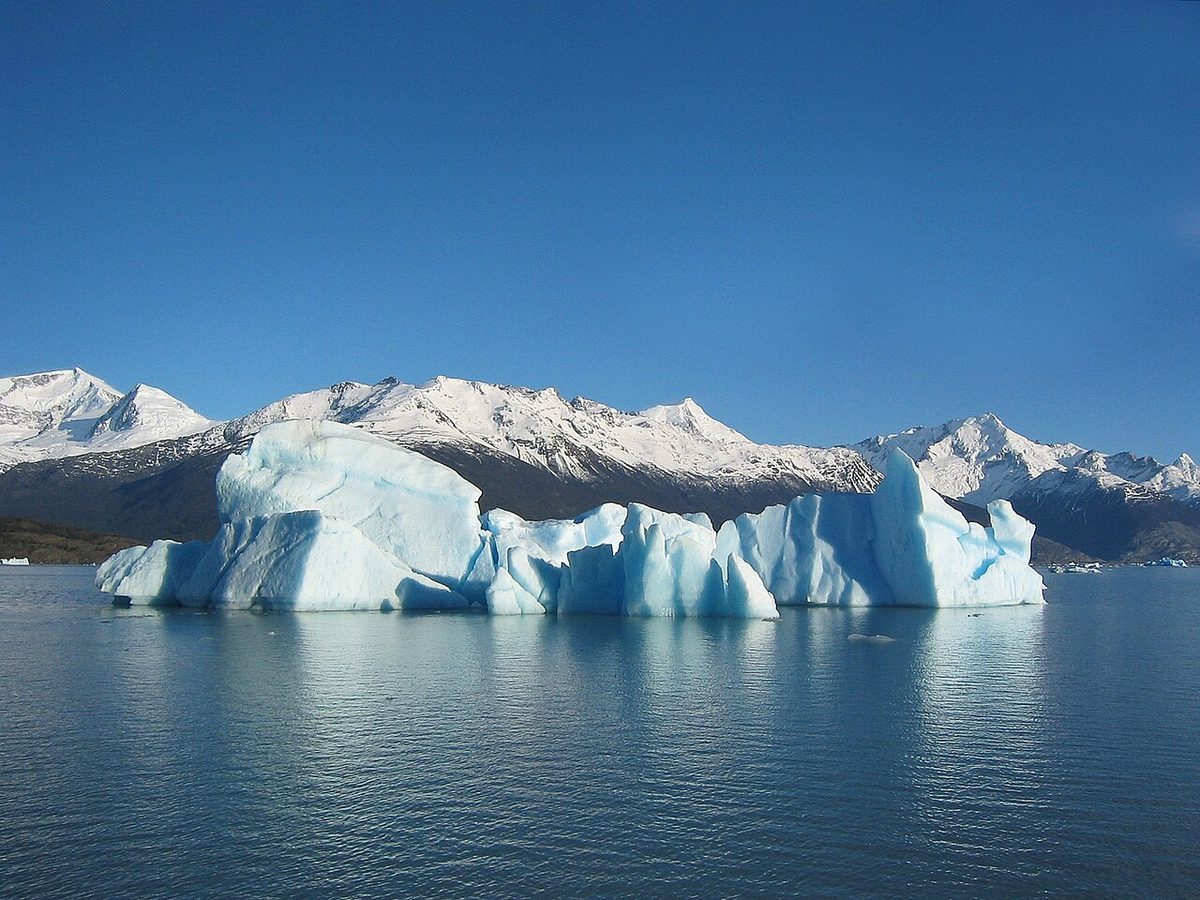
Spend the whole day at Perito Moreno. The glacier sits about 80 kilometers from town in Los Glaciares National Park, around an hour and a half by road, and the network of steel walkways gets you face to face with a wall of ice that regularly calves into the lake below. If your budget and the season allow, add a boat approach or a mini-trek on the ice. This is one of Patagonia’s best short-trip wins because the access is easy and the payoff is enormous.
Base: El Calafate.
Day 3: Transfer to El Chalten
Take a morning bus or drive north to El Chalten, roughly a three-hour trip. Check in, then check the forecast obsessively, because in El Chalten the weather runs the schedule. If the skies are clear when you arrive, do not save every view for later. Walk up to the Mirador de los Condores or Mirador de las Aguilas above town that same afternoon for your first look at the range.
Base: El Chalten.
Day 4: Laguna de los Tres (Fitz Roy)
Use your best weather day for the hike that matters most to you, and for most people that is Laguna de los Tres, the classic full-day walk to the base of Mount Fitz Roy. It is long and the final climb is steep, but the payoff is the postcard. Do not be stubborn about doing the hikes in order. Patagonia rewards people who follow the forecast and reshuffle without drama.
Base: El Chalten.
Day 5: Laguna Torre or Loma del Pliegue Tumbado
Pick a second big walk based on your legs and the sky. Laguna Torre is a gentler valley hike to a glacial lake beneath Cerro Torre; Loma del Pliegue Tumbado is a longer climb that, on a clear day, gives you Fitz Roy and Cerro Torre in one panorama. Note that trail access to the Fitz Roy and Cerro Torre routes requires a national park ticket, bought through the Argentina National Parks website, so handle that in advance.
Base: El Chalten.
Day 6: Buffer day in El Chalten
This is the day that makes the whole itinerary work, so do not give it away. If your earlier hiking days were clear, use today for a third trail, a rest day with good coffee, or a shorter walk like Chorrillo del Salto. If the weather robbed you earlier in the week, this is your second chance at Fitz Roy. The travelers who skip this buffer are the ones who fly home having never seen the mountain.
Base: El Chalten.
Day 7: Return to El Calafate and depart
Travel back to El Calafate, around three hours, and fly out. One firm warning: do not book a same-day international connection out of Buenos Aires unless you have a very clear transfer plan and a high tolerance for risk. A late afternoon domestic departure from El Calafate, with the international leg the next day, is far less stressful.
What you miss: Torres del Paine, all of Chilean Patagonia, Bariloche, Ushuaia, and the wildlife coast. That is the trade. Adding any of them to this week would shrink it, not expand it.
Best for: travelers whose single biggest dream is Chile’s most famous national park.
If the towers and the W are the whole reason you are going, build the week around Torres del Paine and accept that it is a Chile trip, not a sampler. You fly into Puerto Natales (PNT) or, more commonly, Punta Arenas (PUQ), which has far more flights. From Punta Arenas it is around three hours by bus or car to Puerto Natales, the base town for the park. From Puerto Natales, the park entrance at Laguna Amarga is about a two-hour bus ride. The Torres del Paine travel guide covers the park logistics in full.
There are two ways to spend this week. Choose based on whether you want to carry a pack and sleep on the trail.
Version 1: Day hikes from a Puerto Natales or in-park base
This is the more flexible, often cheaper version, and it is what I recommend for most travelers who are not committed trekkers.
Day 1: Arrive in Punta Arenas or Puerto Natales; transfer to Puerto Natales and settle in.
Day 2: Gear check and park logistics. Buy food, do laundry, confirm tickets and any tours, and eat well. Buy your park entry pass online in advance; it is required.
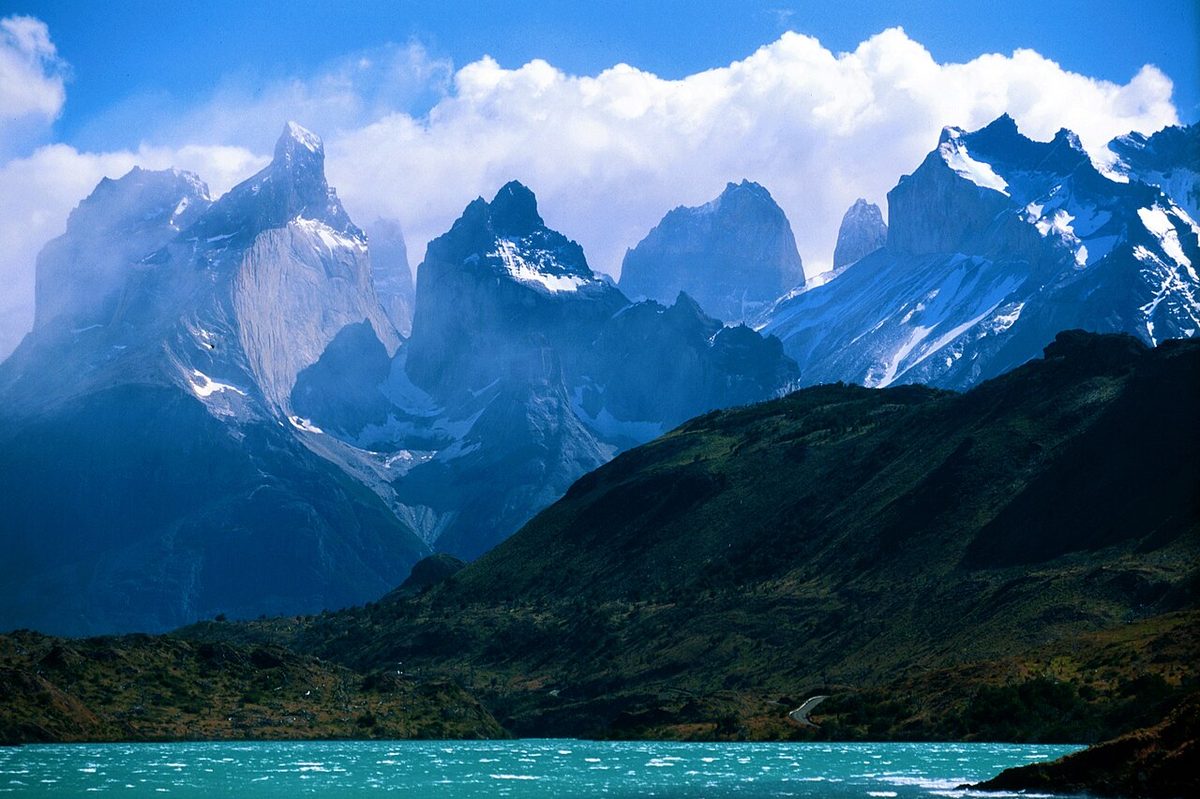
Day 3: Full day in the park. Take a guided day tour or drive the scenic route past Lago Pehoe and the Cuernos viewpoints, with short walks and the famous lookouts.
Day 4: Base Torres day hike, the strenuous climb to the viewpoint beneath the three granite towers, if your fitness and the weather agree. Otherwise, a Grey Glacier boat trip or a French Valley-area walk.
Day 5: A second park day for whatever you missed, or a calmer scenic and wildlife day. Guanacos, condors, and (if you are lucky and quiet) puma sightings are part of the appeal here.
Day 6: Buffer day. Use it for a missed viewpoint, a weather re-try, or a slower Puerto Natales morning before repositioning.
Day 7: Transfer back to Punta Arenas or Puerto Natales and depart.
Version 2: The W Trek
If the W is non-negotiable, almost the entire week goes to it. The classic W is a five-day, roughly 70-kilometer route that draws a “W” through the park to three highlights: Base Torres, the French Valley, and Grey Glacier. The trek is linear, not a loop, so you finish far from where you started and rely on park buses and the Lake Pehoe catamaran to get back to Puerto Natales.
Day 1: Arrive Puerto Natales (fly in same day only if your timing is generous).
Day 2: Prep day. Buy food and final gear, confirm every booking.
Days 3 to 6: The W, sleeping in refugios or campsites along the route.
Day 7: Return to Puerto Natales, then onward, or add a night if your flight demands it.
Here is the catch that reshapes everything: you must have reservations for all your refugios and campsites before you arrive at the park gate, and those beds and platforms are very limited. Plan to book six months or more ahead. If you have not secured the bookings, you do not have a W Trek week; you have a day-hiking week, which is fine. For the full trek breakdown, use the Torres del Paine W Trek and O Circuit guide, and check CONAF for current closures before you commit, especially outside peak summer.
What you miss: Perito Moreno, El Chalten, and the whole Argentine side. You also spend real time on the Punta Arenas transfers. The reward is doing one world-class park properly instead of rushing two countries.
Option C: Bariloche and the Lake District
Best for: families, soft-adventure travelers, food lovers, and anyone who wants Patagonia’s beauty with proper infrastructure and shorter, gentler days.
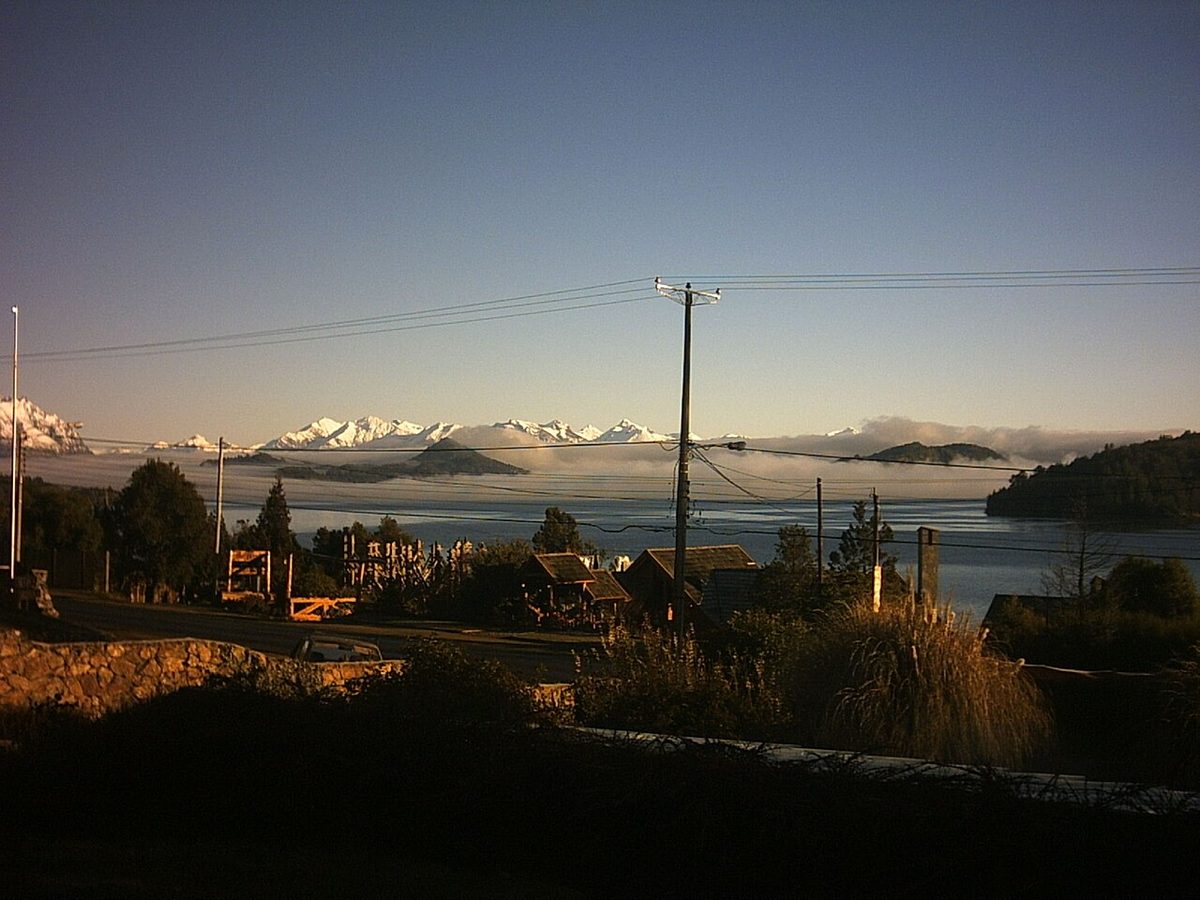
Not every great week in Patagonia is about glaciers and strenuous hikes. Bariloche, on the shore of Nahuel Huapi National Park, is the country’s self-declared capital of adventure tourism and of chocolate, and it makes a wonderful one-week base. Visit Argentina recommends two to seven days here, and a full week lets you settle in rather than rush. It has its own airport, so access is easy. The Bariloche and northern Patagonia guide goes deeper on the region.
Day 1: Arrive in Bariloche
Fly in, check into town or out toward the Llao Llao peninsula, and ease in with a lakefront walk and the first of many chocolate-shop visits. Bariloche has real restaurants and a proper town center, which is a pleasant change of pace from the trekking villages further south.
Day 2: Circuito Chico
Drive or tour the Circuito Chico, the classic loop past Cerro Campanario, the Llao Llao area, and a string of lake viewpoints. Ride the chairlift up Cerro Campanario for one of the best panoramas in Argentine Patagonia. Easy, scenic, and family-friendly.
Day 3: Cerro Catedral or a lake day
In summer, hike or take the lift at Cerro Catedral for high views and trailheads; in winter, this is the ski resort and your week reshapes around snow. Alternatively, spend the day on the water with a kayak outing or a lake cruise.
Day 4: The Seven Lakes route toward Villa La Angostura
Take the scenic Seven Lakes drive north, one of the prettiest roads in the country, threading past glacial lakes and forest toward Villa La Angostura or, with an early start, San Martin de los Andes. This can be a self-drive, a tour, or a long day trip.
Day 5: Cerro Tronador or Puerto Blest cruise
Make the long day trip to the base of Cerro Tronador and the Black Glacier, or take the boat through the Blest arm of the lake to a waterfall walk in Valdivian rainforest. Either gives the week a wilder, more remote texture.
Day 6: Arrayanes forest and Victoria Island
Cruise to the Arrayanes forest and Victoria Island on Lake Nahuel Huapi, a relaxed half-day on the water. Spend the afternoon back in town with the chocolate and craft beer the region is known for.
Day 7: Depart
Fly out of Bariloche. Because the days here are gentler and the base never changes, this is the least logistically fragile week of the four, which is exactly why it suits families and mixed-ability groups.
What you miss: the southern icons entirely. No Perito Moreno, no Fitz Roy, no Torres del Paine. What you gain is comfort, variety, food, and a week you do not have to endure to enjoy.
Best for: travelers drawn to the far-south, end-of-the-world atmosphere, Beagle Channel wildlife, winter trips, or an Antarctica add-on.
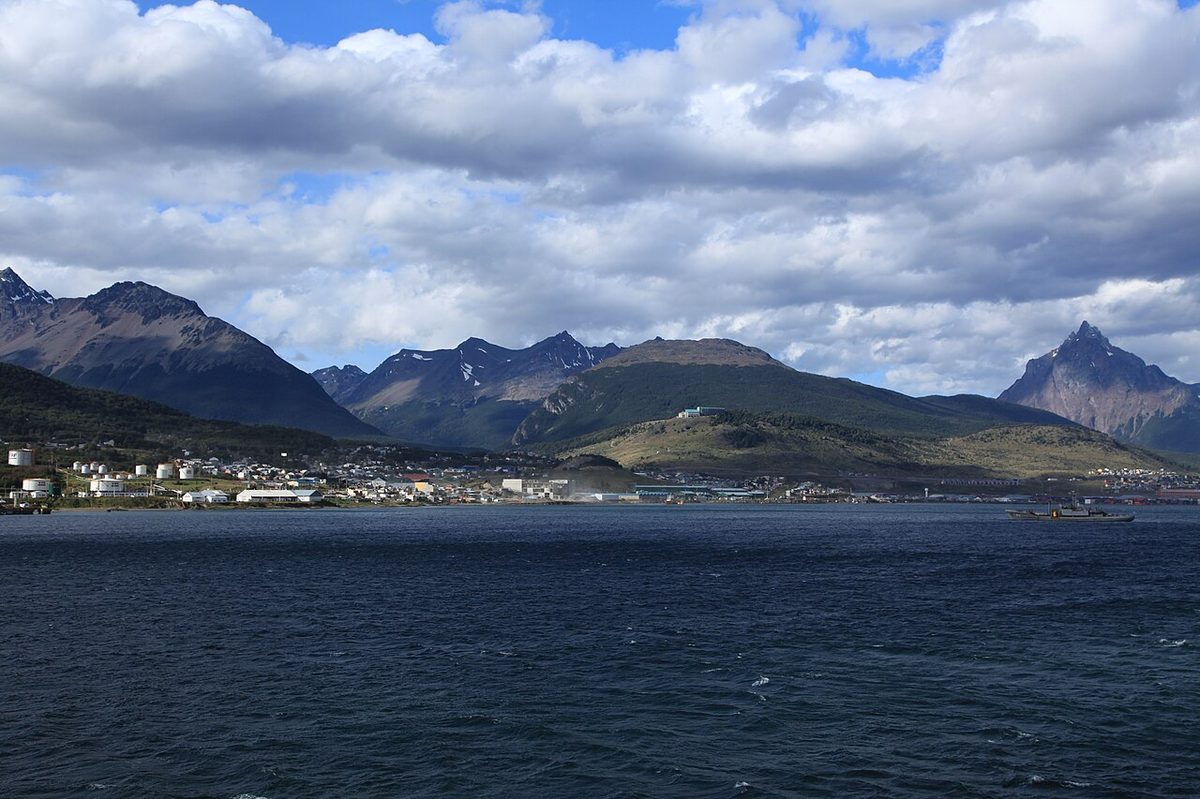
Ushuaia is the southernmost city in the world and the gateway to Antarctica, reached by air through its own international airport. Visit Argentina suggests two to four days, so a full week here is generous; it buys you weather flexibility and a slower pace instead of treating the place as a rushed checkbox. The Ushuaia and Tierra del Fuego guide has the full picture.
Day 1: Arrive in Ushuaia
Fly in and settle into the city. Walk the waterfront, take in the museums if the weather is grim, and get your bearings on this strange, dramatic place wedged between the Andes and the channel.
Day 2: Beagle Channel cruise
Spend the day on the water. The classic Beagle Channel sailing takes you past sea lion and cormorant colonies to the Les Eclaireurs lighthouse, with snow-capped peaks on every side. This is the iconic Ushuaia experience and worth doing early in case you want to repeat it.
Day 3: Tierra del Fuego National Park
Visit Tierra del Fuego National Park, where you can ride the End of the World Train and walk the trails around Lapataia Bay and the lakes. It is gentle, scenic, and unmistakably the bottom of the continent.
Day 4: Martial Glacier and the city
Hike up toward the Martial Glacier above town for views over the channel, then spend the afternoon on Ushuaia’s food and history. In winter, swap this for a day at Cerro Castor, the southernmost ski resort.
Day 5: Penguin colony or Estancia Harberton
In the right season (roughly October to March), take a boat tour to a penguin colony, often paired with a visit to historic Estancia Harberton. This is one of the genuine highlights of the far south.
Day 6: Buffer or off-road day
Keep a flex day for weather, or take a 4×4 trip out to Lago Escondido and Lago Fagnano through the lakes and forests behind the city.
Day 7: Depart
Fly out, typically back through Buenos Aires. Note that Ushuaia is geographically a long way from everything else; this is precisely why it works best as its own focused week rather than a tack-on to a southern trip.
What you miss: the glaciers and granite of the classic southern route. Ushuaia is about atmosphere, wildlife, and the symbolism of the end of the world. If your main dream is Fitz Roy or Torres del Paine, this is not your week.
The cross-border option, and why I hesitate to recommend it
I will be honest about the route a lot of people actually want: fly into El Calafate, see Perito Moreno, then dash across the border for a quick taste of Torres del Paine. It is possible. It is not, in my view, a good use of a single week.
The El Calafate to Puerto Natales direct bus runs around six hours and includes a border crossing that can be slow in peak season. By the time you have done that transfer both ways, you have spent the better part of two days on buses and lost the weather buffer that makes Patagonia forgiving. You end up seeing both icons quickly and neither one well.
If you genuinely must touch both countries, do it like this: two nights in El Calafate (arrival plus the glacier), the long transfer to Puerto Natales, two or three days at Torres del Paine, and the transfer back. Skip El Chalten entirely; there is no room for it. But know the trade. Most people who choose one region and go deep come home happier than the ones who collected two passport stamps and a lot of bus snacks. For the longer routes where combining both countries does start to make sense, see the 10 day Patagonia itinerary and the 2 week Patagonia itinerary.
Transport and logistics for one week
A short Patagonia trip lives and dies on transport logic. Here is what you actually need to know.
Flights are the backbone. Fly internationally into Buenos Aires (for the Argentine routes) or Santiago (for the Chilean one), then take a domestic flight to your gateway: El Calafate, Bariloche, Ushuaia, or Punta Arenas/Puerto Natales. A useful rule travelers repeat for good reason: do not fly directly between Chile and Argentina if you can avoid it, because those cross-border flights are expensive and awkward. Fly domestically within one country, and cross by bus if you must. The how to get to Patagonia guide breaks the gateways down in detail.
Buses are good and common on the popular corridors. El Calafate to El Chalten is around three hours with several departures a day. Puerto Natales to the Torres del Paine entrance is around two hours. These are comfortable, but they are not a subway; schedules are limited, and a missed connection reshapes your next day. Always check current timetables close to travel.
Rental cars help in some weeks more than others. A car is genuinely useful around Bariloche, for the Seven Lakes drive, and for Torres del Paine scenic loops where you want to move between trailheads on your own schedule. It is less necessary for the El Calafate and El Chalten week, where buses cover the route well. Avoid one-way cross-border rentals on a short trip; the paperwork and fees are not worth it.
Weather is a transport factor too. Patagonia is famously windy and changeable; it can be sunny and snowing within the same afternoon. This is why every route above includes at least one buffer day. Build the slack in, and treat travel days as real days rather than scenic filler.
If you are still torn, here is how I would decide, quickly.
Choose El Calafate and El Chalten (Option A) if this is your first time, you want the most iconic week per hour, and you are happy hiking. It is the default for a reason.
Choose Torres del Paine (Option B) if Chile’s signature park is the single thing you most want to see, and you are willing to make it the whole trip. Add the W only if you can book the refugios months ahead.
Choose Bariloche (Option C) if you are traveling with family, want comfort and food alongside the scenery, prefer gentler days, or are coming in winter for snow.
Choose Ushuaia (Option D) if the end-of-the-world atmosphere, Beagle Channel wildlife, or an Antarctica cruise is the draw.
You can also choose by style rather than region. If trail time is the whole point, the Patagonia hiking itinerary reshapes these weeks around the best walks. If hard hiking is not your thing at all, seeing Patagonia without trekking shows how to build the same regions around glaciers, boat days, wildlife, and scenic drives.
And season matters across all of them. For the hiking-focused routes, the sweet spot is roughly late November through March, with March offering thinner crowds and autumn color. Bariloche and Ushuaia also have strong winter seasons built around snow. If your dates are not fixed, read best time to visit Patagonia before you lock the route, and skim where to stay in Patagonia once you have chosen a base.
What to book ahead for a one-week trip
On a week-long trip you have no slack to absorb a sold-out anything, so book the bottlenecks early and in this order:
International flights, if your dates are fixed.
Domestic Patagonia gateway flights (these fill and rise in summer).
Torres del Paine refugios and campsites, if you are doing the W. This is the hardest thing to get and should be booked months ahead.
In-demand small-town lodging in El Chalten, El Calafate, Puerto Natales, Bariloche, or Ushuaia.
Specialty experiences: ice trekking on Perito Moreno, Beagle Channel and penguin tours, Grey Glacier boat trips.
Cross-border buses, if your route uses one.
Park entry tickets and passes, bought online close to travel and following current rules.
For a sense of what the week will cost once these are in, the full cost breakdown for Patagonia is the place to go. And if you want to sanity-check the whole plan against the classic mistakes, the broader Patagonia travel guide ties it together.
7 day Patagonia itinerary FAQ
Is 7 days enough for Patagonia?
Seven days is enough for one region of Patagonia, not the whole region. With a week you can do El Calafate and El Chalten, or Torres del Paine, or Bariloche, or Ushuaia properly. What you cannot do well is combine several of them. Pick one region, give it real time, and keep a weather buffer.
Should I visit Argentina or Chile Patagonia for one week?
For most first-time, one-week travelers, the Argentine side wins on efficiency: El Calafate and El Chalten give you a world-class glacier and the Fitz Roy hikes from a single airport with no border crossing. Choose the Chilean side if Torres del Paine specifically is your number-one priority and you want to make it the whole trip.
Should I fly into Santiago or Buenos Aires?
It depends on your region. Fly into Buenos Aires for the Argentine routes (El Calafate, Bariloche, Ushuaia) and into Santiago for the Chilean Torres del Paine route. Avoid booking direct flights between Chile and Argentina, which tend to be expensive; fly domestically within one country instead and cross by bus only if needed.
How do you get from El Calafate to El Chalten?
El Chalten sits about 215 kilometers north of El Calafate and is reached by private car or regular bus. The bus takes around three hours and runs several times a day; driving is a little faster. There is no airport at El Chalten, so everyone arrives overland from El Calafate. Book buses ahead in peak summer.
Can you do the W Trek in 7 days?
Yes, but the week is built almost entirely around it. The classic W is a five-day, roughly 70-kilometer route, so a seven-day trip allows arrival, a prep day, the trek, and departure. The hard part is bookings: refugios and campsites are mandatory and limited, so reserve them six months or more ahead, or do day hikes instead.
What is the best month for a one-week Patagonia trip?
For the hiking routes (El Calafate and El Chalten, or Torres del Paine), late November through March is the sweet spot, with long days and full services; March brings fewer crowds and autumn color. Bariloche and Ushuaia also shine in winter for snow sports. Match the month to the region and the activity you most want.
Do you need a rental car in Patagonia for a week?
Not for every route. Buses cover the El Calafate to El Chalten corridor and the Puerto Natales to Torres del Paine run well, so you can skip a car there. A rental helps around Bariloche, for the Seven Lakes drive, and for Torres del Paine scenic loops on your own schedule. Avoid one-way cross-border rentals on a short trip.
Final thoughts
If a friend texted me tomorrow with “we have one week in Patagonia, where do we go,” I would not ask how much they wanted to see. I would ask how much they were willing to skip. The travelers who come back glowing are almost always the ones who chose a single region, gave it enough nights to ride out the weather, and let Patagonia be the slow, wind-scoured, occasionally cloud-hidden place it actually is.
So pick one. El Calafate and El Chalten for most of you. Torres del Paine if the towers are the dream. Bariloche for an easier, family-friendly week. Ushuaia for the end of the world. Then protect your buffer day like it is part of the trip, because it is. The best week in Patagonia is not the one with the most stops. It is the one where you were standing in the right valley when the cloud finally lifted.