Plan Ushuaia and Tierra del Fuego with Beagle Channel cruises, national park trails, Laguna Esmeralda, winter, king crab, Antarctica, and itineraries.
By Patagonia Tourism Guide · First published 10 Jun 2026 · Updated 1 Aug 2026
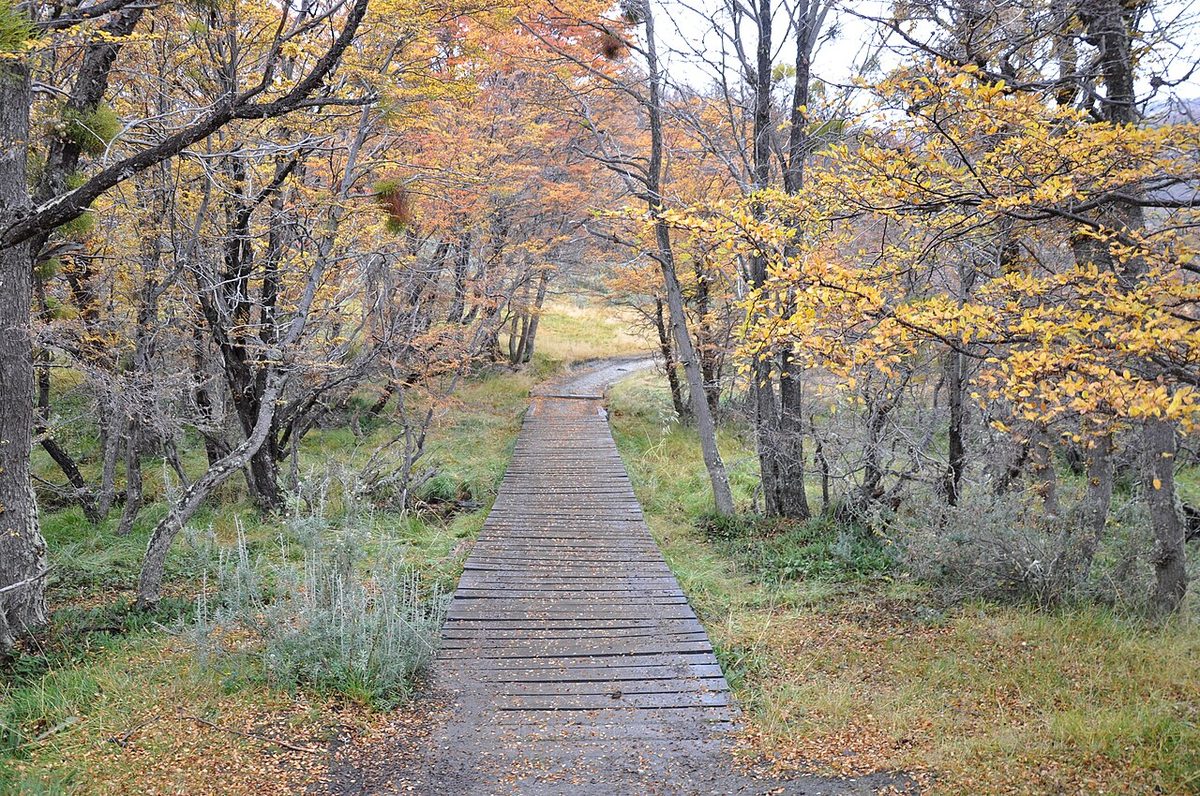
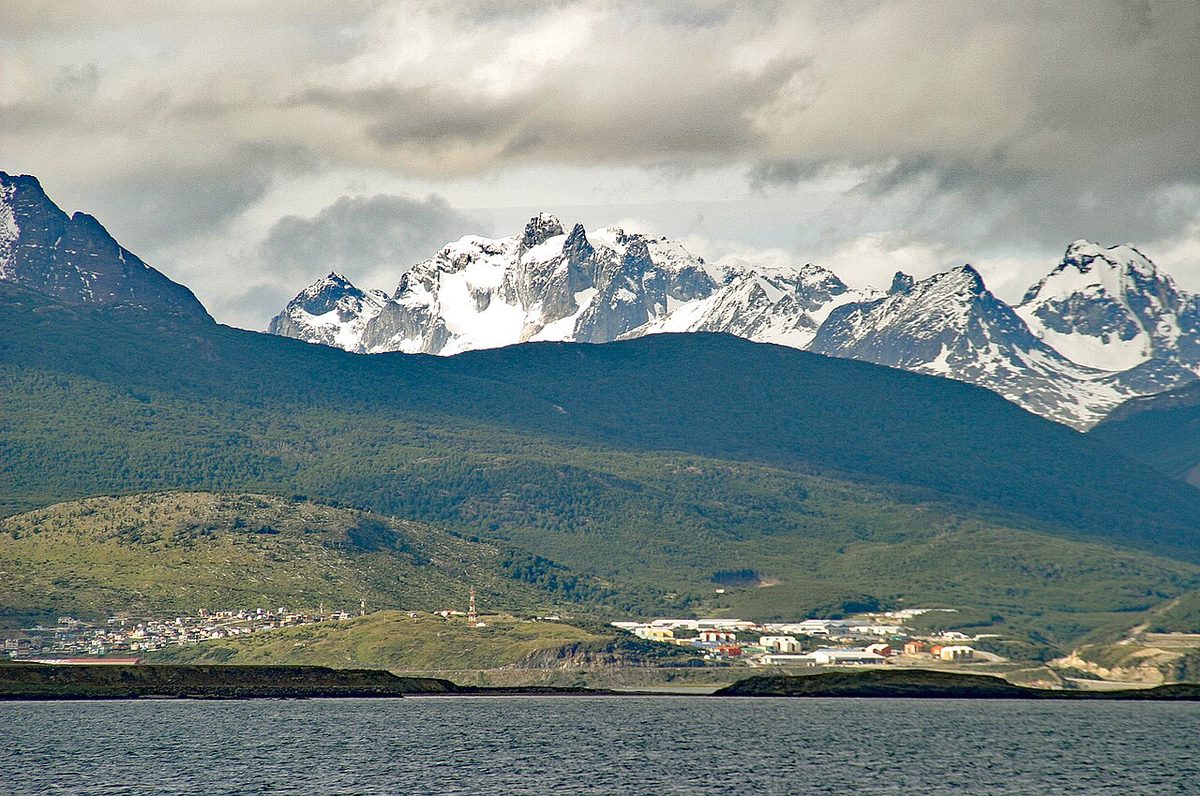
0 — 2 km Fig. 1 · Forest, wetlands and mountains around Ushuaia in Tierra del Fuego · Photo: Jorge Láscar from Australia / CC BY 2.0 via Wikimedia Commons
.jpg).jpg).jpg).jpg).jpg).jpg).jpg).jpg).jpg)
Ushuaia is one of those Patagonia names that does half the marketing by itself.
The End of the World. Tierra del Fuego. Beagle Channel. Antarctica gateway. Snowy mountains falling toward the sea. Penguins, sea lions, king crab, windswept islands, prison history, winter forests, and a city that looks as if someone pressed it into the last usable strip between the Fuegian Andes and the water.
It sounds irresistible. It is also far away from almost everything else you are probably planning in Patagonia.
That is the tension with Ushuaia. It is not hard to understand why people want to go. It is harder to decide whether it belongs in your trip. If you have 10 days and your dream is Fitz Roy, Perito Moreno Glacier, and Torres del Paine, Ushuaia can become an expensive detour. If you have 3 weeks, an Antarctica cruise, a winter-snow plan, a wildlife interest, or a genuine pull toward the far south, Ushuaia can be one of the most memorable pieces of Patagonia.
I think of Ushuaia as a destination that needs a job.
It can be the gateway to Antarctica. It can be your far-south wildlife stop. It can be a winter base with Cerro Castor and snow activities in the valleys. It can be a softer, more accessible Tierra del Fuego trip built around the national park, Beagle Channel, museums, food, and short hikes. It can even be the one Patagonia base for travelers who do not want to cross the whole region.
What it should not be is a rushed trophy stop where you fly in, take a photo with the sign, miss the landscape because of bad weather, and fly out wondering why you spent the money.
This Ushuaia Patagonia guide will help you decide whether Ushuaia is worth adding, how many days to spend, what to do first, how to choose between Beagle Channel cruises and Tierra del Fuego National Park, when to add Laguna Esmeralda or Martial Glacier, how winter changes the trip, what to know about Puerto Almanza and king crab, and how Ushuaia fits before or after Antarctica or a larger Patagonia itinerary.
Ushuaia is worth visiting if the far-south setting is part of the reason for your trip, not just a pin you feel guilty skipping.
For most travelers, the best Ushuaia plan is 3 to 4 nights. That gives you time for one Beagle Channel experience, one Tierra del Fuego National Park day, one city or food afternoon, and one bigger choice such as Laguna Esmeralda, Martial Glacier, penguins, a winter snow day, Puerto Almanza, or a weather buffer.
With 2 nights, Ushuaia is a quick taste. It can work before an Antarctica cruise or as a compact add-on, but you will need to choose carefully.
With 5 nights, the trip starts to breathe. You can handle weather, add a proper hike, eat well, see the park without racing, and avoid making every day a paid excursion.
Use this filter first:
You should add Ushuaia if…
You may want to skip it if…
You are starting or ending an Antarctica cruise
You have only 10 days for classic Patagonia
You want Beagle Channel wildlife and sea-and-mountain scenery
Your main dream is Fitz Roy or the W Trek
You are drawn to Tierra del Fuego, not just the name
Flights make you lose two useful travel days
You are planning a winter Patagonia trip
You want the most dramatic hiking per day
You want king crab, museums, short hikes, and a real city base
You dislike flying detours and expensive tours
You have 3 weeks or more in Patagonia
You are already overpacking the route
You are traveling with family or mixed fitness levels
You expect Ushuaia to feel empty and remote all the time
Swipe to see all columns
Table 1
The best first-time order is usually:
Day 1: Arrive, walk the waterfront, San Martin street, Bahia Encerrada, museums or dinner.
Day 2: Tierra del Fuego National Park, with short trails, Lapataia Bay, and optional End of the World Train.
Day 3: Beagle Channel cruise or penguin-focused tour.
Day 4: Laguna Esmeralda, Martial Glacier, winter snow activity, Puerto Almanza, or weather buffer.
If you remember one thing, make it this: Ushuaia is not a required stop on every Patagonia itinerary. It is a fantastic stop when you actually want Tierra del Fuego. It is a weak stop when it steals the days you needed in El Chalten, Torres del Paine, or El Calafate.
Ushuaia has a strong identity. It does not feel like El Chalten, where the town exists almost entirely to point you toward Fitz Roy. It does not feel like El Calafate, where the glacier is the obvious center of gravity. It does not feel like Bariloche, with lake-district comfort and a year-round mountain town rhythm. It does not feel like Torres del Paine, where the landscape often dominates every decision before breakfast.
Ushuaia is more mixed. It is a working port city, a tourism gateway, a winter base, an Antarctica staging point, a food stop, a Beagle Channel wildlife hub, and a Tierra del Fuego landscape base all at once. That mix is part of the charm, but it can also confuse the planning.
The traveler who loves Ushuaia usually likes the feeling of edges. The land and sea meet sharply here. The Andes do something strange and final, bending into the island and then dropping toward channels, peat bogs, beech forest, and cold water. You can walk the waterfront in a city, then look up and see mountains close enough to change the mood of the street. You can take a boat past sea lions and cormorants in the morning and eat king crab in the evening. In winter, the same place shifts toward snow, ski centers, cross-country tracks, and short daylight.
The traveler who is disappointed by Ushuaia often expected it to be more remote than it is, more dramatic than Torres del Paine, or easier to combine than the map made it look. Ushuaia has traffic, cruise passengers, tour agencies, souvenir shops, weather delays, expensive activities, and a real city feel. The “End of the World” branding is everywhere. Sometimes that is fun. Sometimes it can feel overworked.
So I would ask a different question: what are you asking Ushuaia to do?
Add Ushuaia If Antarctica Is Part of the Trip
If you are boarding an Antarctica cruise, Ushuaia is not optional in the same way it is for a classic Patagonia itinerary. It is the staging city. Build in time before the ship if your schedule allows. Flights, luggage, weather, and cruise embarkation are not things I would compress into the tightest possible margin.
Even if you are mainly going south for Antarctica, Ushuaia deserves a couple of days. Do the national park, take a Beagle Channel cruise if your ship route does not already satisfy that itch, eat locally, and give yourself a calmer start.
Add Ushuaia If You Want Tierra del Fuego Specifically
Tierra del Fuego is not just “more Patagonia.” It has its own feel: cold maritime weather, lenga forests, peat bogs, glacial valleys, island geography, Yaghan and Selknam history, the Beagle Channel, and a far-south mood that is hard to substitute.
If that interests you, go. If you are only adding Ushuaia because you saw it on someone else’s map, think harder.
Add Ushuaia for Winter
Ushuaia is one of the best winter answers in Patagonia. Bariloche often gets the first mention for skiing, but Ushuaia has Cerro Castor, cross-country skiing, snowshoeing, dog sledding, snowmobile trips, winter valley centers, and a convincing cold-season atmosphere.
That does not mean winter Ushuaia is simple. Days are short, weather is cold, some trails are not summer trails anymore, and road or activity conditions matter. But if winter is the point, Ushuaia makes sense.
Skip Ushuaia on a Short Classic Route
If you have 10 to 14 days and want the classic first-time Patagonia route, I would usually protect El Calafate, El Chalten, Puerto Natales, and Torres del Paine first.
That route already has a glacier, Fitz Roy, Torres del Paine, cross-border logistics, and weather risk. Adding Ushuaia can turn a good itinerary into a string of airports and early alarms. The Patagonia Itinerary Planner goes deeper on this, but the basic rule is simple: do not add Ushuaia until the route can absorb it.
Skip Ushuaia If You Are Chasing the Hardest Hiking Payoff
Ushuaia has excellent hikes, and some local hikers will argue passionately that Tierra del Fuego is underrated. They are not wrong. But for a first-time international traveler choosing where to spend limited trekking days, El Chalten and Torres del Paine usually give a bigger mountain-view payoff per day.
That does not make Ushuaia lesser. It makes it different. It is more forest, coast, weather, mud, islands, and cold-water atmosphere than granite-spire drama.
Where Is Ushuaia and What Is Tierra del Fuego?
Ushuaia is in Argentine Patagonia, in the province of Tierra del Fuego, Antarctica and South Atlantic Islands. It sits on the southern side of Isla Grande de Tierra del Fuego, along the Beagle Channel, with mountains rising directly behind the city.
Visit Argentina describes Ushuaia as the capital of Tierra del Fuego province and the entryway to Antarctica. It highlights the Beagle Channel, Cerro Castor, Martial Glacier, Tierra del Fuego National Park, Bahia Encerrada Urban Natural Reserve, the End of the World Train, and the Maritime and Presidium Museums.
Ushuaia municipal tourism frames the city as surrounded by sea and mountains at the southern tip of Patagonia, with glacial valleys, peat bogs, ancient forests, urban history, food, and waterfront walks.
Tierra del Fuego is larger than Ushuaia. The name refers to the archipelago and island region shared by Argentina and Chile. For most travelers using Ushuaia as a base, “Tierra del Fuego” usually means:
Ushuaia city.
Beagle Channel.
Tierra del Fuego National Park.
The valley and winter-center corridor along Ruta 3.
Laguna Esmeralda and other hikes outside the park.
Lakes Escondido and Fagnano/Khami.
Puerto Almanza and Estancia Harberton area.
Antarctica cruise departures from Ushuaia’s port.
In more adventurous plans, connections toward Chilean Tierra del Fuego, Puerto Williams, or broader southern fjord routes.
This guide focuses on the Ushuaia-based Argentine side because that is what most travelers mean when they search for an Ushuaia Patagonia guide. For route-level planning across the whole region, use How to Get to and Around Patagonia.
How Many Days in Ushuaia?
Visit Argentina recommends 2 to 4 days for Ushuaia. That is a fair official planning range, but I would translate it this way:
2 nights: enough for a quick highlight pair.
3 nights: the basic first-time sweet spot.
4 or 5 nights: better if weather, hiking, penguins, winter, or food matter.
7 nights or more: useful for winter trips, Antarctica buffers, remote hikes, or slow travel.
The exact answer depends on whether Ushuaia is a stand-alone destination, a Patagonia extension, or an Antarctica staging point.
2 Nights in Ushuaia
Two nights gives you one full day. You can do a half-day Tierra del Fuego National Park tour and an afternoon Beagle Channel cruise if schedules line up. You can also choose one bigger activity and leave the rest.
This works if:
You are adding Ushuaia before Antarctica.
You have limited time but still want a taste.
You are comfortable prioritizing.
You are not expecting a deep Tierra del Fuego trip.
The risk is obvious: bad weather or a delayed flight can eat the whole thing. If you only have one full day, do not plan as if you have three.
3 Nights in Ushuaia
Three nights is the best short first-time answer.
You usually get two full days plus arrival/departure edges. That can cover:
Tierra del Fuego National Park.
Beagle Channel cruise.
Waterfront, museums, food, and city time.
Optional short Martial Glacier outing, depending on arrival/departure timing.
If you want to walk with penguins, do Laguna Esmeralda, or spend a slow day in the national park, 3 nights becomes tighter. You can still do it, but you will have to choose.
4 to 5 Nights in Ushuaia
This is the range I prefer if Ushuaia is more than a label on the itinerary.
With 4 or 5 nights, you can build a better trip:
One national park day.
One Beagle Channel or penguin day.
One hiking day, such as Laguna Esmeralda or Martial Glacier.
One city, food, Puerto Almanza, winter activity, or buffer day.
Enough slack to move outdoor plans around weather.
This is also better for families, photographers, slower travelers, and anyone who dislikes a schedule where every missed bus ruins the next plan.
7 Nights or More
Seven nights can make sense in winter, for slow travel, or when Ushuaia is attached to a cruise. It also gives you room for more demanding hikes, repeated weather checks, meals outside town, and a less commercial view of the city.
But I would not spend a full week in Ushuaia on a first Patagonia trip unless there is a reason. If your route still has no El Chalten, no Perito Moreno Glacier, no Torres del Paine, and no Bariloche, ask whether Ushuaia is really the whole trip you want.
Best Time to Visit Ushuaia
Ushuaia is a year-round destination, but the season changes the trip more than many visitors expect.
For broad sightseeing, Beagle Channel trips, Tierra del Fuego National Park, and the easiest first-time plan, choose December through March.
For winter snow, skiing, and a different far-south mood, choose June through September.
For shoulder-season color, fewer people, and more weather risk, look at October, November, April, or early May depending on the activity.
Summer: December to March
Summer is the easiest answer for most first-time Ushuaia trips. Days are longer, tours run more frequently, Beagle Channel activity is in full swing, the national park is easier to explore, and hiking options are broader.
Do not confuse summer with warm. Ushuaia is cool even when the rest of Patagonia is talking about peak season. Bring layers, rain protection, gloves or a warm hat for boat trips, and shoes that can handle mud.
Summer is best for:
Beagle Channel cruises.
Penguin tours.
Tierra del Fuego National Park.
Senda Costera, Hito XXIV, Pampa Alta, and other seasonal trails.
Laguna Esmeralda.
City walking and waterfront time.
Antarctica departures.
The tradeoff is demand. Cruise passengers, Antarctica travelers, Argentine summer visitors, and international Patagonia travelers can overlap. Book important lodging and tours early.
Autumn: April and May
Autumn can be beautiful in Tierra del Fuego. Lenga forests change color, the light softens, and the city can feel less frantic than high season.
The tradeoff is operational. Some trails become more conditional, days shorten, weather can turn, and tour frequency may reduce. April can be rewarding if you are flexible. May is more of a transition toward winter and should be built carefully.
Autumn is best for:
Photography.
Lower crowds.
Forest color.
Shorter city and park trips.
Travelers who can adjust plans.
It is weaker if your trip depends on a specific hike, boat, or onward connection with no room to move.
Winter: June to September
Winter is not a failed summer in Ushuaia. It is its own trip.
This is when Cerro Castor and the valley centers matter. Snow changes the forests, the mountains, the road corridor, and the feel of the city. You can ski, snowboard, cross-country ski, snowshoe, skate, ride snowmobiles, join guided snow outings, eat lamb in the valleys, and experience Patagonia in a season many first-time hikers ignore.
Winter is best for:
Skiing and snowboarding.
Cross-country skiing.
Snowshoeing.
Dog sledding and snowmobile-style tours.
Cozy food-focused trips.
Photographers who want snow and low light.
It is weaker for:
Long independent hiking.
Classic summer trail plans.
Travelers who dislike cold and short days.
Broad Patagonia routes built around summer access.
Spring is a shoulder season with promise and uncertainty. Days lengthen, activity increases, snow lingers in high or shaded areas, trails can be muddy, and the city starts moving toward summer.
November is generally more comfortable than October for broad first-time plans. October can work if you are flexible and not trying to force every hike.
For Antarctica context, Visit Argentina’s Antarctica page gives November through March as the ideal broad season and recommends booking several months ahead. Ushuaia municipal tourism describes Antarctica departures from the port between November and April, with the broader season depending on ship and route.
How to Get to Ushuaia and How to Get Around
Ushuaia feels remote because it is remote. But getting there is usually straightforward if you fly.
Visit Argentina says Ushuaia is reached by air through Malvinas Argentinas Ushuaia International Airport, or by land via Ruta Nacional 3, 3,084 km from Buenos Aires.
For most international travelers, flying is the practical option.
Flights to Ushuaia
Most travelers reach Ushuaia through Buenos Aires. Some routes also connect with other Argentine cities depending on season and airline schedules, including El Calafate at certain times. Do not assume there is a convenient direct flight between every Patagonia point every day.
The airport is close to the city. In practice, most visitors use taxis, remises, private transfers, hotel pickups, or rental cars. Public airport transport is limited, so do not plan your arrival around a cheap local bus unless you have verified current service.
If you are connecting to an Antarctica cruise, arrive early. A missed flight is annoying on a normal trip. Before a ship departure, it can be very expensive.
Overland to Ushuaia
Driving or taking buses to Ushuaia is possible, but it is not casual.
Because of geography, an overland route from mainland Argentina to Ushuaia typically involves Chilean territory, border formalities, and a ferry across the Strait of Magellan. This can be part of a serious road trip, but it is not the efficient answer for most first-time visitors.
If you plan to drive, verify:
Border requirements.
Rental-car permission for Chile and Argentina.
Ferry schedules.
Road conditions.
Fuel stops.
Wind and weather.
Insurance coverage.
Whether your route makes sense compared with flying.
Central Ushuaia is walkable if you stay near the main part of town. Avenida San Martin, the waterfront, port area, museums, restaurants, and many agencies are easy enough on foot for most travelers.
You will need transport for:
Tierra del Fuego National Park.
Laguna Esmeralda.
Cerro Castor.
Winter valley centers.
Puerto Almanza.
Estancia Harberton.
Airport transfers.
Lake and Paso Garibaldi trips.
Options include rental car, taxi/remis, shuttle/minibus, guided tour, private transfer, and organized excursion. For the national park specifically, municipal tourism lists private vehicles, minibuses from Av. Maipu and Juana Fadul, taxi/remis, and organized guided excursions.
You do not need a rental car for a simple Ushuaia visit. It helps if you want flexibility in the national park, Laguna Esmeralda, lake viewpoints, Puerto Almanza, or winter centers. It is less useful if you are mostly taking boat tours and walking downtown.
Where to Stay in Ushuaia
For most first-time visitors, stay central or near the waterfront.
That puts you close to restaurants, agencies, the port, museums, shops, and pickup points. It also makes short evenings easier. Ushuaia can be cold, wet, and windy enough that a “beautiful place outside town” may feel less convenient than it looked when booking.
Good lodging strategies:
Stay area
Best for
Tradeoff
Downtown / San Martin area
First-timers, restaurants, agencies, short stays
More traffic and less quiet
Waterfront / port side
Beagle Channel tours, views, walking
Can be pricier
Higher hillside lodging
Views, quieter stays, self-catering
More taxis or uphill walks
Airport side
Early or late flights
Less charm for sightseeing
Outside town / cabins
Rental-car trips, quiet, families
More logistics
Cerro Castor or valley focus
Winter and skiing
Less useful for city and boat tours
Swipe to see all columns
Table 2
If you are only staying 2 or 3 nights, convenience matters more than fantasy. Stay where bad weather does not make every meal or pickup complicated.
If you are staying 5 nights or more, a cabin or apartment can be useful. Groceries, laundry, and space matter more on a longer trip.
For a region-wide accommodation strategy, use Where to Stay in Patagonia. In Ushuaia itself, choose convenience first if the stay is short; save remote cabins or ski-area lodging for trips built around winter or slower pacing.
Best Things to Do in Ushuaia
Ushuaia’s best activities fall into a few clear groups, and my full guide to the best things to do in Ushuaia covers each in more depth:
Water and wildlife: Beagle Channel, islands, sea lions, cormorants, penguins, lighthouse, kayaking.
National park: Lapataia Bay, short walks, coastal trails, train, Lago Acigami/Roca, Ensenada.
Hiking: Laguna Esmeralda, Martial Glacier, Cerro Guanaco, Senda Costera, Hito XXIV, Pampa Alta, more advanced local routes.
Winter: Cerro Castor, cross-country skiing, snowshoeing, dog sledding, snowmobiles, valley centers.
City and culture: Maritime and Prison Museum, End of the World Museum, waterfront, Bahia Encerrada, historic houses, San Martin street.
Food: king crab, lamb, seafood, cafes, Puerto Almanza.
Antarctica and cruises: expedition departures, pre/post cruise days, fjord and southern sea context.
The mistake is trying to do all of them in two days.
Start with the two core experiences:
Tierra del Fuego National Park.
Beagle Channel.
Then add one activity based on your travel style:
Hiker: Laguna Esmeralda, Martial Glacier, Cerro Guanaco, or Costera.
Wildlife traveler: penguin tour or longer Beagle Channel trip.
Winter traveler: Cerro Castor or valley snow day.
Food traveler: Puerto Almanza and king crab.
History traveler: Maritime and Prison Museum, End of the World Museum, city walk.
Family: short national park trails, train, boat cruise, wildlife, snow center if in winter.
Antarctica traveler: buffer day, city, easy park day, and gear checks.
That simple order keeps the first visit grounded: national park, Beagle Channel, then the extra activity that actually fits your season and energy.
Beagle Channel Cruises, Penguins, Lighthouse and Weather
A Beagle Channel cruise is the classic Ushuaia activity for a reason. My full Beagle Channel cruise guide compares cruise types, penguin options, and what to ask before booking.
The channel gives you Ushuaia’s geography in one move: city, mountains, cold water, islands, birds, sea lions, lighthouse, and the sense that Tierra del Fuego is not just land at the bottom of a map. It is an island world.
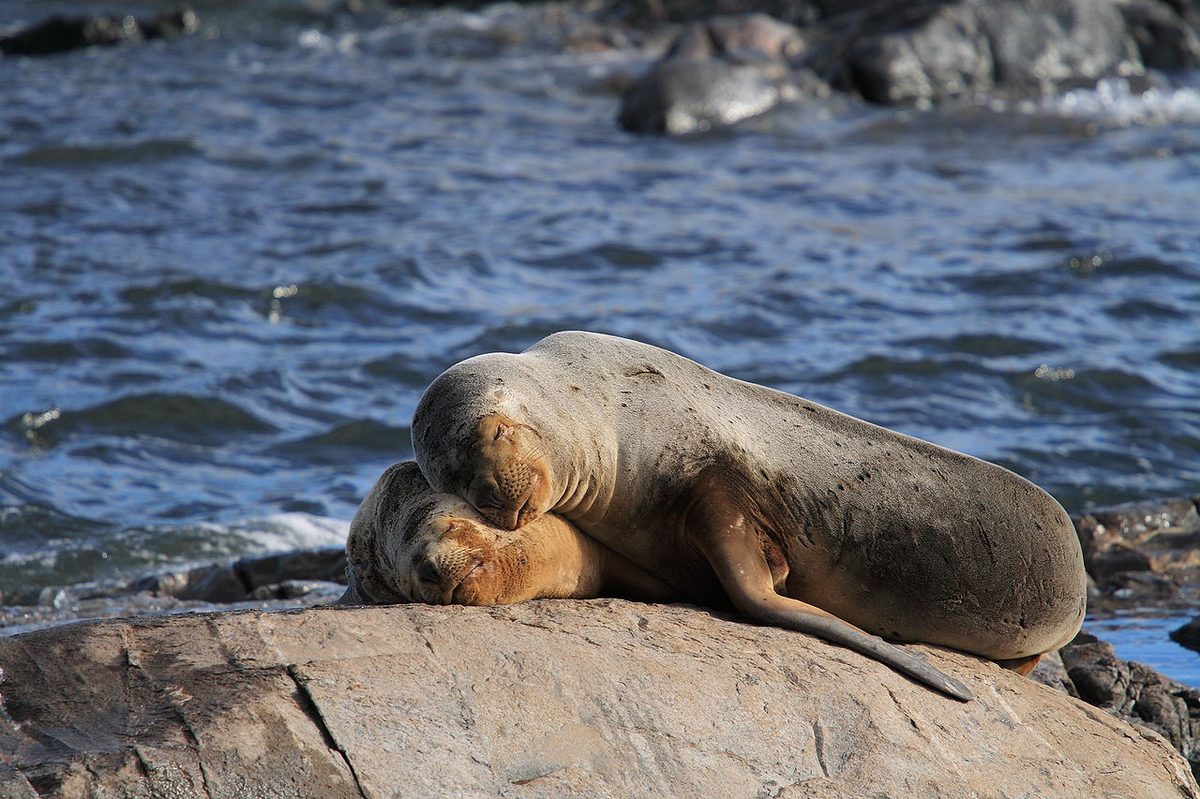
Ushuaia municipal tourism says the Beagle Channel is also known as Onashaga in the Yaghan language and can be explored by catamarans, yachts, sailboats, kayaks, and canoes. Tours may visit Beagle islands with cormorants, penguins, sea lions, and the Les Eclaireurs Lighthouse, with professional guides.
Short Beagle Channel Cruise
This is the best first option for many travelers.
Typical short cruises focus on the port, city views, islands, birdlife, sea lions, and Les Eclaireurs Lighthouse. They usually fit into a half day, which makes them easy to pair with a city morning, museum visit, or a separate national park day.
Choose a short cruise if:
You want the Beagle Channel experience without making the whole day about it.
You are visiting Ushuaia for 2 or 3 nights.
You are not prioritizing penguin landing or Estancia Harberton.
You get motion-sensitive and prefer a shorter boat day.
You are using Ushuaia before Antarctica and want something low-stress.
Ask about boat size, route, landing stops, wildlife expectations, cancellation policy, port taxes, and weather rules.
Penguin Tours
Penguin-focused tours are more expensive and more time-consuming, but they can be the highlight if wildlife is the reason you came.
Not every Beagle Channel cruise is the same. Some pass wildlife islands by boat. Some go toward Martillo Island or the Harberton area. Some may allow a guided penguin walk through a specific operator and controlled access. Read the details carefully. “Penguin tour” does not always mean you walk on the island.
Choose a penguin tour if:
Seeing penguins is a top priority.
You are visiting in the right season.
You can afford the time and cost.
You understand the route and landing rules.
You are not already getting a very similar wildlife experience elsewhere.
Skip it if your main interest is just a taste of the Beagle Channel. A shorter cruise may be enough.
Kayak, Canoe and Small-Boat Options
Kayak or canoe experiences can be excellent if you want the channel or national park water from a closer angle. They are also more weather-dependent and require more attention to operator safety.
Inside Tierra del Fuego National Park, Argentina National Parks says inflatable canoes are permitted only through organized excursions in specific water areas such as Lago Acigami, Rio Lapataia, and part of Bahia Lapataia.
Choose these if you are active, comfortable in cold environments, and willing to follow weather decisions rather than force the plan.
Les Eclaireurs Is Not the Real End of the World Lighthouse
This matters because the confusion is everywhere.
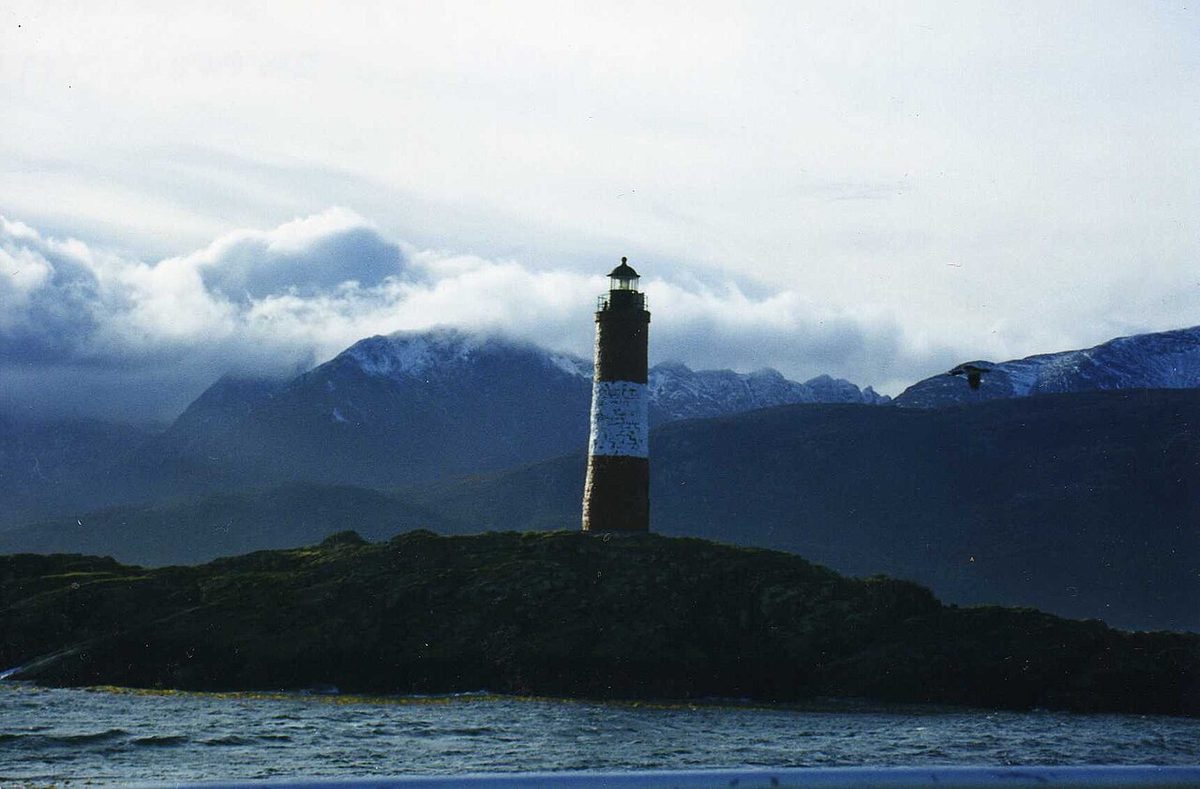
The lighthouse many Beagle Channel cruises visit is Les Eclaireurs, near Ushuaia. It is the photogenic red-and-white lighthouse people associate with the city.
Ushuaia municipal tourism clarifies that Les Eclaireurs is about 20 km from the city and is often confused with the real “End of the World Lighthouse,” which is on Isla de los Estados, more than 200 km from Ushuaia. If you see a normal half-day cruise promising the famous lighthouse, it is almost certainly Les Eclaireurs.
That does not make it less worth seeing. It just makes the travel writing more honest.
Tierra del Fuego National Park: Lapataia, Trails, Train and Fees
Tierra del Fuego National Park is the other core Ushuaia experience. For trails, the End of the World Train, Lapataia, and current fees, see the full Tierra del Fuego National Park guide.
It is close to the city, easy to visit in a half or full day, and varied enough for different travelers. You can go for short boardwalks and viewpoints, ride the End of the World Train, hike the coast, climb Cerro Guanaco in season, visit Lapataia Bay, see Lago Acigami/Roca, or combine guided walking with canoeing depending on operator and conditions.
Ushuaia municipal tourism says the park protects 68,909 hectares and is Argentina’s only national park combining marine, forest, and mountain environments. It highlights Yaghan history, shell middens, Lapataia Bay, the end of Ruta 3, and varied trails.
Argentina National Parks lists the park as 68,909 hectares, created in 1960, in the Patagonian Forest ecoregion. It describes lakes, valleys, peat bogs, and a rare place where Patagonian forest reaches the marine coast, including Bahia Lapataia and Ensenada Zaratiegui.
Half Day or Full Day?
A half-day national park visit works if you want the classic stops:
Lapataia Bay.
End of Ruta 3 sign.
Short trails or boardwalks.
Lago Acigami/Roca viewpoint.
Ensenada or other scenic stops.
Optional End of the World Train.
A full day is better if you want to hike the Senda Costera, Cerro Guanaco, Pampa Alta, Hito XXIV, or combine walking with a slower lunch and viewpoints.
If you only have one full day in Ushuaia, you can sometimes pair a morning national park tour with an afternoon Beagle Channel cruise. It is efficient. It is also a sampler. Do not expect deep hiking.
End of the World Train
The End of the World Train is one of the most famous tourist experiences near Ushuaia. It follows a historical-prisoner-railway theme and can be paired with national park tours.
Is it necessary? No.
Is it enjoyable for the right traveler? Yes.
It is best for families, history-curious travelers, visitors who like scenic train experiences, and anyone who wants an easier national park day. If you are a hiker with one day and a tight budget, I would spend more time walking.
About 20 min and 200 m, all year, with an adapted alternate section
Families, very short walk
La Baliza
About 30 min and 1.2 km, all year
Easy coastal/forest taste
Mirador Lapataia
About 30 min and 980 m, all year
Quick viewpoint
Cascada Rio Pipo
About 30 min and 931 m, November to April
Easy forest/waterfall stop
Cruce Ruta 3-Ensenada
About 40 min and 1.3 km, November to April
Short forest connector
Swipe to see all columns
Table 3
More substantial options include:
Trail
Official planning notes
Best for
Costera
About 8 km, 4 hours, medium difficulty, November to April
Classic coastal hike
Hito XXIV
About 3 km each way, 2 hours each way, medium difficulty, November to April
Lake walk and border-marker direction
Pampa Alta
About 4.7 km, 2 hours, medium difficulty, November to April
Forest route between Ensenada and Rio Pipo
Cerro Guanaco
High difficulty, about 6 km one way, 900 m gain, seasonally open, registration required
Fit hikers and clear-weather days
Laguna del Caminante
High difficulty, 24.4 km, 9 hours, Dec-Mar, avalanche risk while snow remains
Experienced mountain hikers
Swipe to see all columns
Table 4
Do not treat trail names as enough information. Check current status, season, registration rules, weather, and daylight. Some trails close or become unsuitable in winter. Argentina National Parks notes that some trails require registration on entry and exit, and Cerro Guanaco requires prior registration.
Fees and Tickets
Fees change, so this section needs a current check before publication or travel.
As of the May 27, 2026 check, the Argentina National Parks fee page listed Tierra del Fuego daily access at ARS 30,000 for the general category, ARS 9,000 for national residents, ARS 5,000 for provincial residents, and ARS 7,000 for students, with 3-day and 7-day Flexipass options. The page also states that a 50% second-day discount applies within 72 hours, and for Tierra del Fuego it applies only to web purchases.
Ushuaia municipal tourism also notes that the park charges access between September 15 and April 30 and lists a second consecutive-day discount.
The practical advice is simple:
Check the official APN fee page close to your visit.
Confirm whether your tour includes park entry.
Bring ID/passport for category verification.
Do not rely on old blog prices.
If visiting two days, check the second-day discount rules before buying.
How to Visit the Park
You can visit by:
Rental car.
Taxi or remis.
Minibus/shuttle from town.
Organized tour.
Guided adventure tour.
Train plus national park excursion.
Choose a tour if you want interpretation, no logistics, a train add-on, or a short efficient visit. Choose a car if you want flexibility and can drive comfortably. Choose a shuttle if you are budget-aware and mainly walking known routes.
If you hike, carry layers, food, water, offline maps, and a realistic plan. This is an accessible national park, but it is still Patagonia.
Laguna Esmeralda, Martial Glacier and Hiking Near Ushuaia
Not all Ushuaia hiking is inside Tierra del Fuego National Park.
That is a common planning mix-up. Laguna Esmeralda, Martial Glacier, Vinciguerra, and many mountain routes sit outside the park. They still need weather awareness, proper footwear, and current local advice.
Laguna Esmeralda
Laguna Esmeralda is the most famous half-day hike near Ushuaia. For distance, the mud, transport, and a winter snowshoe version, see the full Laguna Esmeralda hike guide.
Trailhead about 18 km from Ushuaia on Ruta Nacional 3.
Route through lenga forest, peat bog, and a climb to a glacial lake.
That sounds moderate, and for many fit travelers it is. The part that catches people is mud and peat bog terrain. This is not a dry sidewalk to a turquoise lake. Wear shoes that can get dirty, respect the trail, and be careful in shoulder season or winter.
Municipal tourism recommends hiring a specialized agency for greater safety, even though many travelers do the hike independently in suitable conditions. Decide based on season, confidence, transport, group, and weather.
Choose Laguna Esmeralda if:
You want one classic Ushuaia hike.
You have at least 3 nights.
You are okay with mud.
You have proper shoes.
Weather and daylight are reasonable.
Skip it if:
You only have one full day and want the core park/channel pair.
You are not prepared for muddy terrain.
Winter conditions require gear or guidance you do not have.
You prefer shorter, easier viewpoints.
Martial Glacier
Martial Glacier sits very close to Ushuaia and works well as a partial-day outing. Municipal tourism describes the Martial area as less than 10 minutes from town by vehicle, with a mountain path and big views.
This is useful because it fits arrival or departure edges better than Laguna Esmeralda. If you land early, settle in, and the weather is decent, Martial can be a good first look at the city, channel, and mountains.
Choose Martial if:
You want a shorter hike or viewpoint.
You have a free afternoon.
You are staying in town and do not want a long transfer.
You want views over Ushuaia and the Beagle Channel.
Check current trail and snow conditions, especially outside summer.
Bigger Hikes
Ushuaia has much more than the most famous easy hikes. Local hikers talk about routes such as Vinciguerra, Laguna de los Tempanos, Laguna del Caminante, and other mountain circuits. Some are serious, navigationally more complex, wet, exposed, or seasonal.
If you are an experienced hiker, Ushuaia can be more interesting than a basic 3-day itinerary suggests. But do not use vague internet enthusiasm as a safety plan. Check official notices, local guides, weather, daylight, and registration requirements where applicable.
Ushuaia in Winter: Cerro Castor, Snow and Valley Centers
Winter Ushuaia deserves its own plan. My Ushuaia winter guide covers Cerro Castor skiing, snow activities, dog sledding, and what stays open.
Ushuaia municipal tourism’s Valleys Circuit page describes Ruta 3 entering the southern Andes through glacial landscapes, peat bogs, lagoons, and rivers. It highlights Cerro Castor, cross-country skiing, snowshoeing, dog sledding, ice skating, snowmobiles, ATV/4×4-style outings, scenic minibuses, summer hiking and biking, and lamb in recreation centers.
The Cerro Castor page says the ski center is 27 km from the city and offers slopes, rental, classes for all ages, childcare, and food.
Winter is best if you want:
Alpine skiing or snowboarding.
Cross-country skiing.
Snowshoeing.
Dog sledding.
Snowmobiles or guided snow trips.
Winter forests and short daylight.
A snow-focused Patagonia trip.
Winter is not best if you want:
Long independent summer hikes.
Easy road and trail conditions.
Warm-weather wildlife cruising.
A broad first-time Patagonia trekking itinerary.
The key is to let winter be winter. Do not copy a January itinerary into July and add a thicker jacket. Build around snow activities, short days, current conditions, and local operator advice.
Puerto Almanza, King Crab and What to Eat
Ushuaia is one of Patagonia’s better food stops if you like seafood. For the full king crab food trip, see Puerto Almanza and king crab.
The local dish everyone talks about is centolla, king crab. You will see it in town restaurants, but the more committed food trip is Puerto Almanza.
Ushuaia municipal tourism says Puerto Almanza is a fishing village about 75 km from the city, on the coast of the Beagle Channel, dedicated to king crab and mollusks. It offers local food and activities around the channel.
Puerto Almanza is not necessary for every short trip, but it can be excellent if:
Food is a major interest.
You have a car or tour.
You want a Beagle Channel coast outing by land.
You have 4 or 5 nights in Ushuaia.
You are not already overbooked with tours.
In town, look for:
King crab.
Patagonian lamb.
Seafood stews and pastas.
Fuegian trout or local fish where available.
Cafes, chocolate, bakeries, and cold-weather comfort food.
Local beer or wine with dinner.
As always in popular towns, book ahead for well-known restaurants in peak season. Ushuaia gets cruise passengers, Antarctica travelers, tour groups, and domestic visitors. A small city can fill quickly at dinner.
Ushuaia is one of the world’s great Antarctica gateways. For seasons, voyage types, the Drake Passage, and costs, see the full Ushuaia Antarctica cruise guide.
Visit Argentina’s Antarctica page says trips begin in Ushuaia, gives November through March as the ideal broad time of year, recommends 7 to 14 days, and advises booking several months in advance.
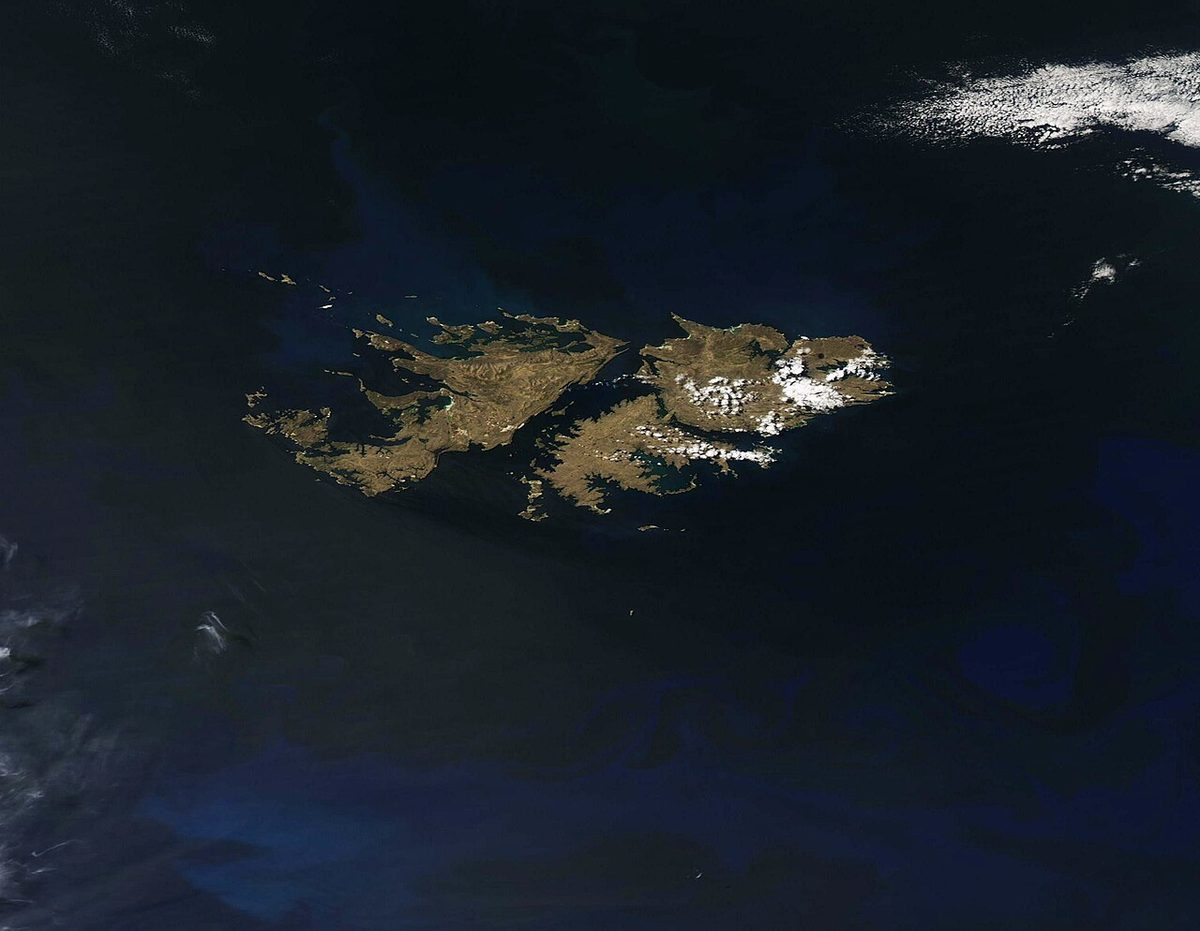
Ushuaia municipal tourism describes Ushuaia as a gateway city about 1,000 km from Antarctica, with infrastructure for expedition ships, and says most Antarctic tourism journeys make a stop in Ushuaia. It describes departures from the port between November and April and notes that classic Antarctica trips often take around 10 to 12 days, with longer routes to the Falklands/Malvinas and South Georgia requiring much more time.
The planning point is this: Antarctica is not an Ushuaia day trip. It is a separate expedition-length commitment.
If you are doing Antarctica, I would plan Ushuaia like this:
Arrive at least 1 or 2 days before embarkation, ideally more if flights are complex.
Avoid tight same-day flight-to-ship plans.
Use pre-cruise time for the national park, food, and gear checks.
Decide whether a Beagle Channel cruise adds something or duplicates the ship route.
Stay after the cruise if you want to decompress before flying north.
Best for: quick add-on, pre-Antarctica taste, or travelers who accept tradeoffs.
Day 1: Arrive, settle in, walk the waterfront, Bahia Encerrada, San Martin street, and the port area. Visit the Maritime and Prison Museum or End of the World Museum if time and energy allow. Eat a proper dinner.
Day 2: Choose your priority.
Option A: Tierra del Fuego National Park in the morning and Beagle Channel cruise in the afternoon.
Option B: Penguin or longer Beagle Channel tour.
Option C: National park full day with hiking.
Option D: Winter snow activity if visiting in ski season.
Day 3: Depart.
This is enough to understand the setting, not enough to exhaust the destination.
3 Days in Ushuaia
Best for: standard short first-time visit.
Day 1: Arrive, city, waterfront, museums or food. If you arrive early and skies are clear, consider Martial Glacier.
Day 2: Tierra del Fuego National Park. Choose a guided overview, train plus park, rental-car route with short walks, or a hiking-focused day.
Day 3: Beagle Channel cruise. Choose a short lighthouse/islands cruise, a penguin-focused trip, or a more active option. Use the remaining time for dinner, cafes, or city walking.
Day 4: Depart.
This is the core plan. It works because it gives the park and channel their own days.
4 Days in Ushuaia
Best for: better balance, hikers, wildlife travelers, and people who dislike rushing.
Day 1: Arrive, city, waterfront, museums, dinner.
Day 2: Tierra del Fuego National Park.
Day 3: Beagle Channel or penguin tour.
Day 4: Choose one:
Laguna Esmeralda.
Martial Glacier and a slower city day.
Puerto Almanza and king crab.
Cerro Castor or winter snow day.
Lake/Paso Garibaldi route.
Weather buffer.
Day 5: Depart.
This is my preferred first-time plan if flights and budget allow. It gives you a real choice day instead of turning every desire into a conflict.
5 Days in Ushuaia
Best for: photographers, families, winter trips, Antarctica buffers, and slower travelers.
Day 1: Arrive, recover, waterfront.
Day 2: Tierra del Fuego National Park, short trails and Lapataia.
Day 3: Beagle Channel cruise or penguin tour.
Day 4: Laguna Esmeralda or Martial Glacier.
Day 5: Puerto Almanza, winter center, museums, food, or weather buffer.
Day 6: Depart.
Five days is not too much if you like the far south. It is too much only if you are borrowing those days from a route you wanted more.
Ushuaia Before Antarctica
Day 1: Arrive.
Day 2: Tierra del Fuego National Park.
Day 3: Beagle Channel, gear check, city, or buffer.
Day 4: Embark.
If your cruise budget is enormous, the cheapest insurance is often time. Give yourself margin.
Tickets, Costs and Booking Notes
Ushuaia is not the cheapest Patagonia base. Flights, tours, winter activities, Antarctica traffic, cruise-season demand, and remote logistics all affect costs.
Small-boat Beagle Channel trips if you have a specific operator.
Winter ski lodging or packages.
Rental cars in peak dates.
Specialty guided hikes.
Popular restaurants if food matters.
Ask What Is Included
For any tour, ask whether the price includes:
Park entry.
Port tax.
Hotel pickup.
Food.
Train ticket.
Landing access.
Gear.
Guide language.
Cancellation or weather policy.
Ushuaia has many tours with similar names and different inclusions. “National park tour” can mean a short scenic circuit or a more active guided day. “Penguin tour” can mean viewing from a boat or controlled landing access. Read before paying.
National Park Fees
As noted above, official park fees can change. Check the Argentina National Parks fee page close to travel and verify whether your tour includes the ticket.
Rental Cars
A car can be useful but not mandatory.
It helps for:
Tierra del Fuego National Park flexibility.
Laguna Esmeralda.
Puerto Almanza.
Valley centers.
Lakes and Paso Garibaldi.
Family travel.
It is less necessary for:
Short Beagle Channel cruises.
Downtown museums and food.
Airport transfer plus guided tours.
A very short pre-cruise stay.
If driving in winter, ask about tires, chains, road conditions, and insurance rules.
Safety, Weather and Responsible Travel
Ushuaia is accessible, but the environment is not soft.
The main risks are weather, cold water, mud, wind, trail conditions, snow, limited daylight in winter, and underestimating how quickly a short outing can become uncomfortable.
Bring:
Windproof and waterproof outer layer.
Warm mid-layer.
Hat and gloves, even in summer for boat trips.
Shoes with traction.
Water.
Snacks.
Offline map.
Battery backup.
Sun protection.
Dry bag or rain cover.
Extra layer for boat decks.
For hikes, add a headlamp, route information, and realistic timing. For winter, use current local guidance and do not assume summer trails are appropriate.
Wildlife
Give wildlife space. Do not feed animals. On boats, follow guide instructions. On penguin tours, respect controlled routes and distance rules. The point is to see animals without making their lives harder.
Fire and Camping
In Tierra del Fuego National Park, municipal tourism notes that camping registration has been mandatory through an online form since November 20, 2023, and that stoves or combustion elements are allowed only in camping areas. Always check current park rules before camping or cooking.
Peat Bogs and Mud
Tierra del Fuego’s peat bogs are not empty brown patches. They are fragile environments. Stay on trails, boardwalks, and marked routes. If the trail is wet, getting muddy is better than widening the damage by walking around every puddle.
Cultural Context
Tierra del Fuego has deep Indigenous history. Municipal tourism notes that the region was inhabited by Selknam, Haush, Alakalufes, and Yaghan peoples, with Yaghan groups traveling the Beagle Channel and southern islands by canoe. In the national park, shell middens speak to long human presence.
Treat that context as more than a museum caption. The “End of the World” brand is catchy, but this place was not empty before tourism named it.
How Ushuaia Fits with the Rest of Patagonia
Ushuaia pairs best with Patagonia when it has enough time and route logic.
Good combinations:
Ushuaia + Antarctica.
Ushuaia + El Calafate + El Chalten.
Ushuaia + El Calafate + El Chalten + Torres del Paine in a 3-week trip.
Ushuaia + Buenos Aires as a shorter far-south trip.
Ushuaia + winter Patagonia, paired with Bariloche if flights and budget work.
Ushuaia + Patagonia cruises or southern fjord routes.
Weaker combinations:
Ushuaia squeezed into a 10-day El Chalten/Torres del Paine trip.
Ushuaia plus Bariloche plus El Calafate plus El Chalten plus Torres del Paine in 2 weeks.
Ushuaia added only because it sounds famous.
Ushuaia with no buffer before an Antarctica cruise.
If you are comparing destinations:
Choose El Chalten for iconic hiking and Fitz Roy.
Choose El Calafate for Perito Moreno Glacier and simple glacier access.
Choose Torres del Paine for Chile’s most famous park and the W/O treks.
Choose Bariloche for lakes, food, skiing, families, and northern Patagonia comfort.
Choose Ushuaia for Tierra del Fuego, Beagle Channel, winter, Antarctica, and far-south atmosphere.
The first mistake is adding Ushuaia to a short Patagonia itinerary without cutting anything else. Patagonia does not become smaller because the flight exists.
The second mistake is treating Ushuaia as only a pre-Antarctica hotel night. If you have the time, the park, channel, food, and city deserve more than an airport transfer.
The third mistake is booking a Beagle Channel tour without understanding whether it includes penguins, a landing, the lighthouse, food, or port taxes.
The fourth mistake is assuming Les Eclaireurs is the real End of the World Lighthouse. It is the famous Beagle Channel lighthouse near Ushuaia, not the remote Isla de los Estados lighthouse.
The fifth mistake is planning Laguna Esmeralda like a clean city walk. It is muddy, crosses peat-bog terrain, and needs proper footwear.
The sixth mistake is underestimating winter. Winter is beautiful, but it is not a summer hiking plan in colder clothes.
The seventh mistake is visiting Tierra del Fuego National Park only for the Ruta 3 sign. The sign is fun. The forest, coast, trails, and Lapataia setting are the reason to go.
The eighth mistake is not checking current fees. Argentina park fees and ticket rules can change.
The ninth mistake is staying too far from town on a very short trip. A beautiful view can become inconvenient if every meal and pickup requires a taxi.
The tenth mistake is using Ushuaia as a substitute for every other Patagonia landscape. It is distinctive, not all-purpose.
Suggested Internal Reading Path
If Ushuaia is part of your Patagonia trip, use these guides in order:
Yes, Ushuaia is worth visiting if you want Tierra del Fuego, Beagle Channel wildlife, Antarctica logistics, winter snow activities, king crab, or a far-south Patagonia atmosphere. It is less worth it on short classic itineraries where it steals time from El Chalten, Perito Moreno Glacier, or Torres del Paine.
How many days do you need in Ushuaia?
Most travelers should spend 3 to 4 nights in Ushuaia. Two nights is enough for a quick taste, 3 nights covers the Beagle Channel and Tierra del Fuego National Park, and 4 or 5 nights gives room for Laguna Esmeralda, Martial Glacier, penguins, winter activities, Puerto Almanza, or weather buffers.
Is Ushuaia in Patagonia?
Yes. Ushuaia is in Argentine Patagonia, in the province of Tierra del Fuego, Antarctica and South Atlantic Islands. It sits on the Beagle Channel at the southern end of Isla Grande de Tierra del Fuego.
What is Ushuaia famous for?
Ushuaia is famous as the “End of the World,” a gateway to Antarctica, a Beagle Channel cruise base, the access city for Tierra del Fuego National Park, and one of Patagonia’s best winter destinations.
What is the best thing to do in Ushuaia?
For most first-time visitors, the two best things to do in Ushuaia are Tierra del Fuego National Park and a Beagle Channel cruise. Add Laguna Esmeralda, penguins, Martial Glacier, Cerro Castor, or Puerto Almanza depending on season and interests.
Do you need a car in Ushuaia?
You do not need a car for a simple Ushuaia trip if you stay central and use tours, taxis, shuttles, or transfers. A car is useful for Tierra del Fuego National Park flexibility, Laguna Esmeralda, Puerto Almanza, valley centers, and lake viewpoints.
Can you visit Tierra del Fuego National Park without a tour?
Yes. You can visit independently by rental car, taxi/remis, or minibus/shuttle, then walk marked trails. A guided tour is useful if you want interpretation, easy logistics, the End of the World Train, or an active canoe/hike combination.
How much is Tierra del Fuego National Park?
Fees change. As of the May 27, 2026 check, Argentina National Parks listed daily access for Tierra del Fuego at ARS 30,000 for the general category, with resident and student categories plus Flexipass options. Check the official APN fee page close to travel.
Is the Beagle Channel cruise worth it?
Yes, a Beagle Channel cruise is worth it for most first-time visitors because it shows Ushuaia’s sea-and-mountain geography, wildlife islands, sea lions, cormorants, and Les Eclaireurs Lighthouse. Choose a shorter cruise for a simple taste or a penguin-focused tour if wildlife is the priority.
Can you see penguins in Ushuaia?
Yes, penguin tours operate from Ushuaia in season, often connected with the Beagle Channel, Martillo Island, or the Harberton area. Read tour details carefully because some cruises view penguins from the boat while others may include controlled landing access.
Is Laguna Esmeralda hard?
Laguna Esmeralda is a moderate Ushuaia hike for many active travelers. Municipal tourism lists it as 9 km round trip, 4 to 5 hours, and 220 m elevation gain. The challenge is often mud, peat-bog terrain, weather, and seasonal conditions rather than elevation alone.
What is the best month to visit Ushuaia?
December through March is the best broad window for sightseeing, Beagle Channel trips, Tierra del Fuego National Park, hiking, and Antarctica departures. June through September is best for skiing and winter snow activities. November and April can be good shoulder-season choices for flexible travelers.
Can you visit Ushuaia in winter?
Yes. Ushuaia is one of Patagonia’s strongest winter bases, with Cerro Castor, cross-country skiing, snowshoeing, dog sledding, snowmobiles, winter valley centers, and snow scenery. Plan around short days, cold weather, current road conditions, and winter-specific activities.
Is Ushuaia better than El Calafate?
Neither is better for every traveler. Ushuaia is better for Tierra del Fuego, Beagle Channel, Antarctica, winter activities, and far-south atmosphere. El Calafate is better for Perito Moreno Glacier and classic southern Patagonia route efficiency.
Should I choose Ushuaia or Bariloche?
Choose Ushuaia for far-south scenery, the Beagle Channel, Tierra del Fuego National Park, Antarctica, and winter atmosphere. Choose Bariloche for lakes, food, skiing, families, road trips, and a softer northern Patagonia base. With enough time, they complement each other, but they are far apart.
Can you combine Ushuaia with El Calafate and El Chalten?
Yes, especially with 2 to 3 weeks. A common route is Ushuaia, El Calafate, El Chalten, and then Puerto Natales or Torres del Paine if time allows. With only 10 days, adding Ushuaia usually makes the classic route too rushed.
Is Ushuaia expensive?
Ushuaia can be expensive by Argentina travel standards because it is remote and tour-heavy. Flights, lodging, Beagle Channel cruises, penguin tours, winter activities, and Antarctica-related demand can raise costs. Staying central, choosing fewer paid activities, and booking early can help.
Official Sources and Image License Notes
This article uses official destination, municipal tourism, national park, fee, trail, and activity sources for planning facts: