When to See Penguins in Patagonia: Punta Tombo & More
When and where to see penguins in Patagonia: Punta Tombo, Isla Magdalena, Martillo Island and king penguins, by season, with costs and how to visit.
By Patagonia Tourism Guide · First published 10 Sep 2026 · Updated 1 Aug 2026
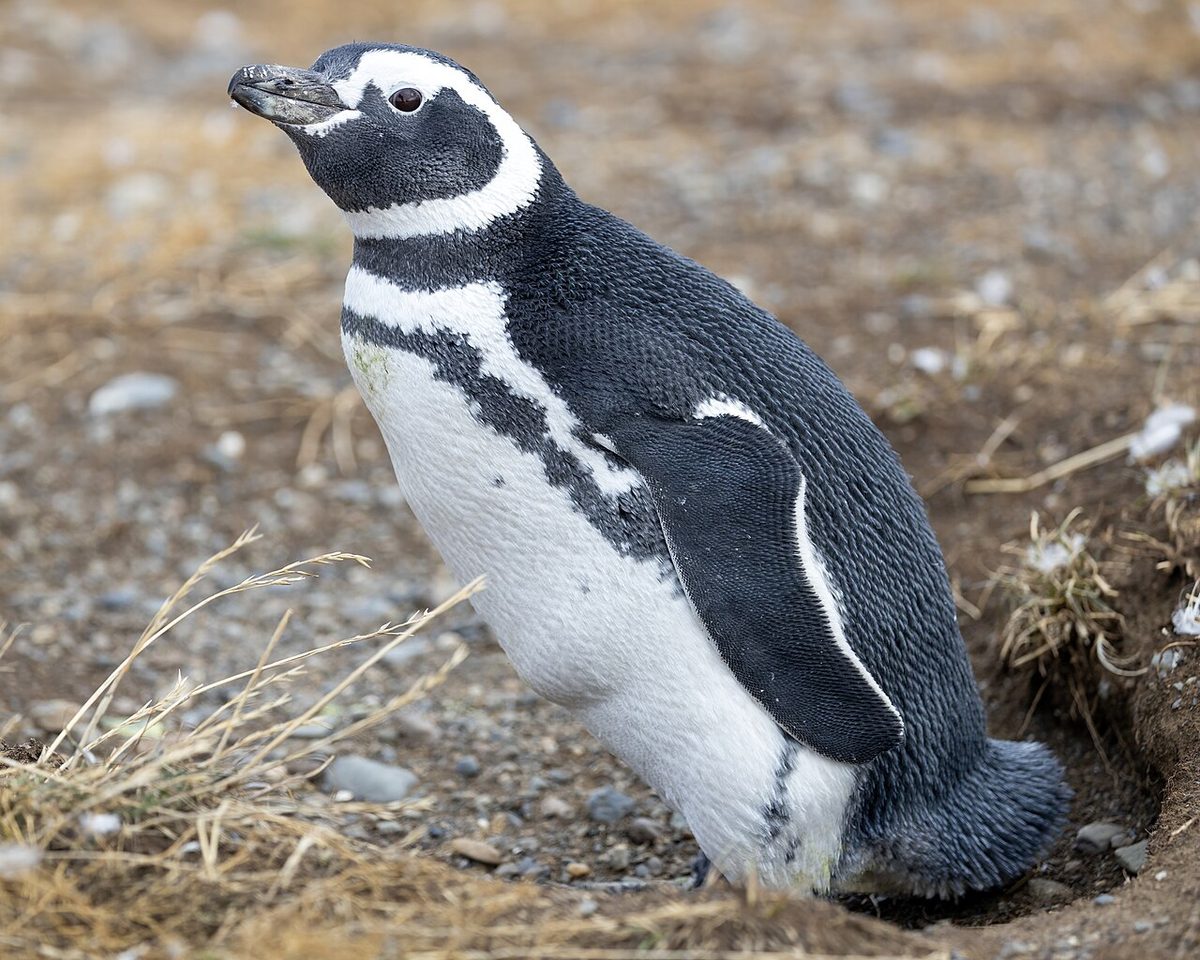
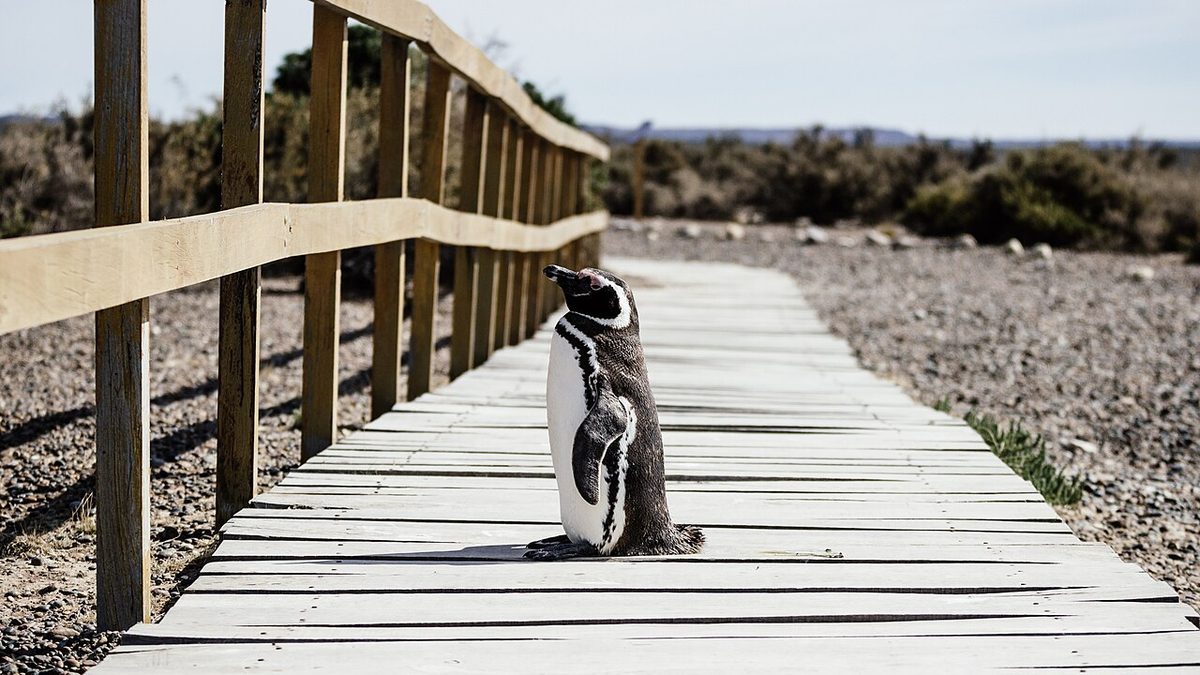
0 — 2 km Fig. 1 · A Magellanic penguin standing on a gravel path, one of the penguins in Patagonia · Photo: Polinova / CC BY-SA 4.0 via Wikimedia Commons
The first penguin I met at Punta Tombo walked straight at me on the gravel path, stopped about a meter short, looked up with one flat black eye, and then carried on past my boots toward the sea like I was a shrub it had walked around a thousand times. There were hundreds of thousands of them around me, braying like tiny donkeys, and the smell was honestly a lot. I had pictured a quiet beach. I got a city.
Here is the short version. The best time to see penguins in Patagonia is roughly September to April, when Magellanic penguins fill the Atlantic colonies — Punta Tombo, Península Valdés, and Isla Magdalena near Punta Arenas — with the busy chick weeks of December to February as the peak. For penguins year-round, you go south to the king penguin colony on Chilean Tierra del Fuego. Most colonies empty out over the southern winter.
This guide is for the traveler who has decided penguins are a real reason to come south and now wants to choose the right colony for the right month, not just show up and hope. I’ll cover every main option — the giant Atlantic rookeries, the walk-among-them experience near Ushuaia, and the strange, wonderful king penguins down in Tierra del Fuego — and I’ll hedge every price, ferry, and season, because this is Patagonia and the details drift. Verify before you book.
One thing to set straight up front: “penguin season” is not one date on a calendar. The birds arrive, pair up, lay eggs, hatch chicks, and leave across about seven months, and what you actually see depends heavily on which week you turn up. A colony in late September is courtship and digging. The same colony in January is a chaos of fat grey chicks. Pick your month for the experience you want.
When to see penguins in Patagonia, colony by colony
Before the detail, here’s the whole picture on one screen. This is the table I wish someone had handed me before I started cross-referencing tour pages. Five very different ways to see penguins, four of them seasonal and one open all year.
Colony
Species
Best season
How you visit
Base town
Punta Tombo
Magellanic
Sept–April; chicks Dec–Feb
Walk wooden trails through the colony
Puerto Madryn / Trelew
Península Valdés
Magellanic
Sept–April
Smaller colonies on a peninsula wildlife loop
Puerto Madryn / Pirámides
Isla Magdalena
Magellanic
Oct–April (closed May–Sept)
Boat across the Magellan Strait, walk a marked path
Punta Arenas
Martillo Island
Magellanic + Gentoo
Oct–April
Beagle Channel; the only “walk among them” tour
Ushuaia
Parque Pingüino Rey
King
Year-round (open ~Oct–May)
Drive in Chilean Tierra del Fuego; view from a boardwalk
Punta Arenas / Porvenir
Swipe to see all columns
Table 1
A few honest notes on that grid. The four Magellanic options are all variations on the same animal and the same broad calendar, so you rarely need more than one of them — the choice is mostly about which part of Patagonia your trip already touches. The king penguins are the genuine outlier: a different species, a different region, and the one colony that doesn’t pack up and leave in winter.
If I had to send a first-timer to a single colony, I’d say Punta Tombo from a Puerto Madryn base, in November or December. It’s the biggest, the most accessible, and it overlaps beautifully with the southern right whale and Península Valdés wildlife that make this coast worth the flight. For the whole regional picture across whales, orcas, pumas, and penguins, our breakdown of where to see whales is the place to start, and the timing guide for whales and penguins lines every species up month by month.
Punta Tombo: the largest Magellanic colony
If you only visit one penguin colony in South America, this is the one. Visit Argentina calls Punta Tombo the largest colony of Magellanic penguins in the world, and standing in it, you believe them. It sits on the Atlantic coast of Chubut province, the reserve covers 210 hectares, and the colony spreads along roughly three kilometers of low, scrubby coastline, according to Welcome Argentina.
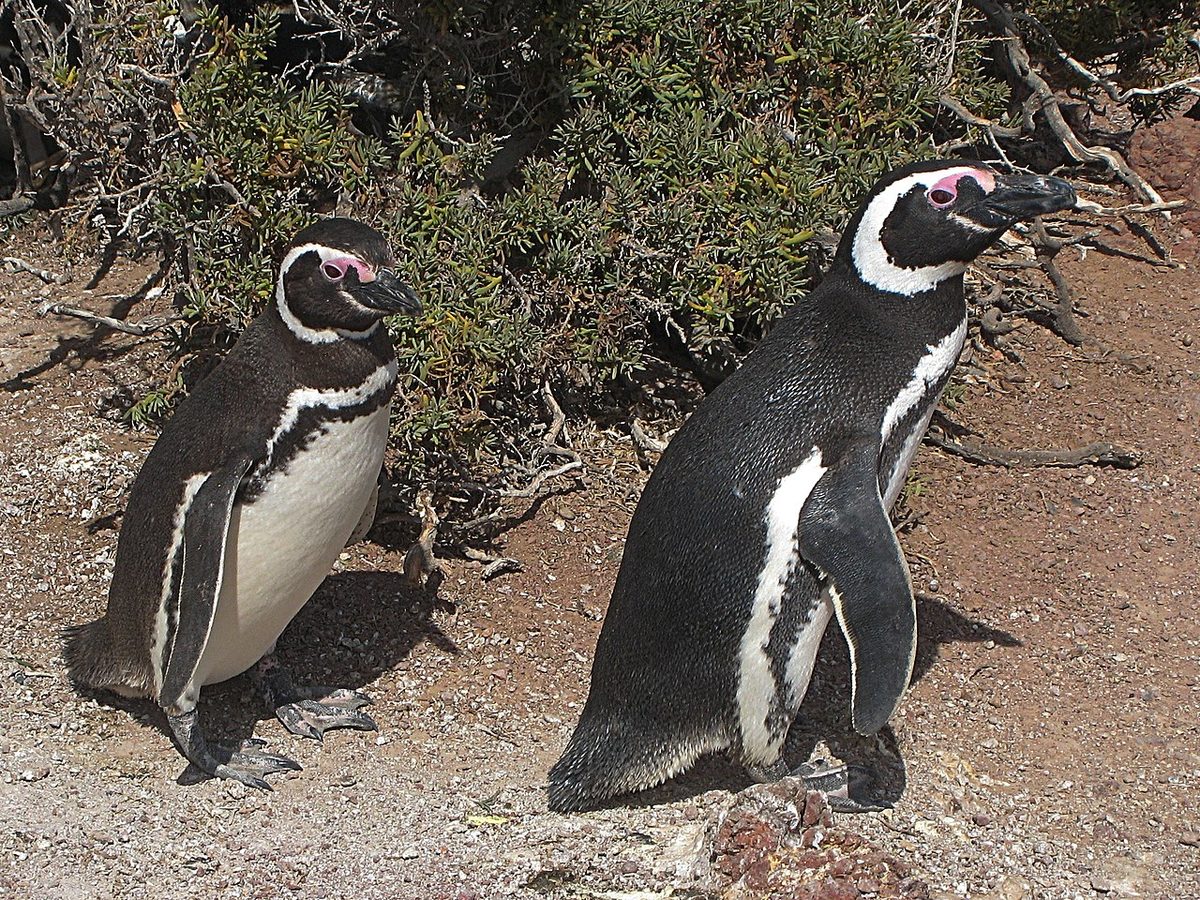
Numbers here are slippery because they swing year to year and roughly double once the chicks hatch, but you’ll see estimates ranging from several hundred thousand birds up to figures near two million at the season’s peak. Either way, the practical truth is the same: there are more penguins than you can take in. They nest in burrows dug under the bushes, the same pair returning to the same little cave each year. They eat small anchovy, mollusks, and shrimp they catch at sea. The males stand about 70 centimeters tall in their tuxedo plumage.
When to go to Punta Tombo
The reserve is open roughly September to April, and closed over winter while rangers protect the empty habitat. Within that window, here’s how the season reads:
September to October: adults return from months at sea, reclaim burrows, court, and lay eggs. Quieter, fewer chicks, but a fascinating “colony waking up” feel.
Mid-November: the first chicks hatch. Chubut Patagonia flags this as one of two special moments to aim for.
December to February: peak. Burrows full of grey, downy chicks, parents shuttling constantly to the sea, the colony at full volume. Hot, busy, and the most rewarding for most travelers.
Late January: Chubut Patagonia calls this the high point, with chicks, juveniles, and adults all present at once.
March to April: chicks moult into adult feathers and head to sea; the colony gradually empties. Check current status before building a late-season trip around it.
So if your priority is chicks and maximum activity, go December to February. If you’d trade some of that for cooler weather and courtship behavior, late October to mid-November is lovely and less crowded.
Punta Tombo is a day trip, and a real one — it’s not close. From Trelew it’s about 123 km via Ruta Nacional 3, per Visit Argentina; from Puerto Madryn it’s farther, roughly two and a half to three hours of driving each way. Most independent travelers base in Puerto Madryn for its hotels, restaurants, and easy access to Península Valdés, then either rent a car or take a guided day tour. Trelew is closer and works if logistics push you there, but it’s a quieter base.
If you drive, fill the tank before you leave — there are essentially no service stations on the long stretch out to the point. On arrival you’ll go through a visitor center, then follow wooden walkways and marked gravel paths that thread right through the nesting areas. The penguins have right of way, literally; they cross the path on their own commute and you stop and let them. Give the full outing the better part of a day once you add the drive.
You don’t actually have to drive all the way to Punta Tombo to see Magellanic penguins on the Atlantic coast. Península Valdés itself holds smaller colonies, and Chubut province has others, including Cabo Dos Bahías, per Chubut Patagonia. On a full-day peninsula wildlife loop in season, penguins can fold in alongside sea lions, elephant seals, guanacos, and the coastal birdlife.
The honest trade-off is scale. The peninsula colonies are a fraction of the size of Punta Tombo, so if the sheer overwhelming mass of penguins is the dream, Punta Tombo wins. But if your time is tight, or you’d rather have one varied wildlife day than a long out-and-back drive for penguins alone, the peninsula option is genuinely good — and it stacks neatly with the southern right whales that make this coast famous. See our Puerto Madryn whale watching guide for how the whale season overlaps, and the orcas in Patagonia guide if the peninsula’s famous predator drama interests you too.
The same season applies: the Magellanic penguins are around the peninsula roughly mid-September to April. Outside that window, the colonies are empty and you’re looking at bare burrows.
Isla Magdalena: penguins by boat from Punta Arenas
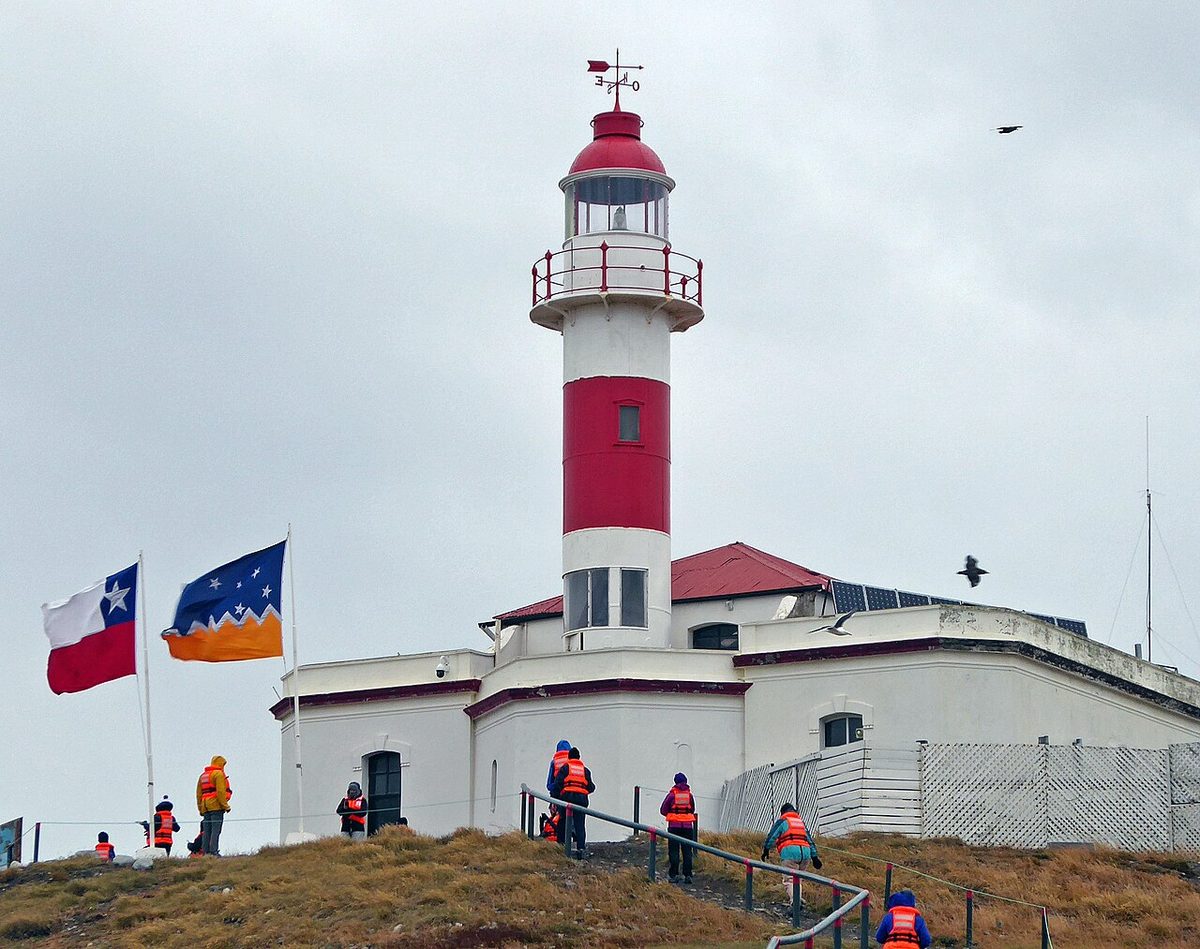
Cross to the Chilean side and the headline penguin experience is Isla Magdalena, a low island out in the Strait of Magellan, reached by boat from Punta Arenas. It’s the heart of the Los Pingüinos Natural Monument, and it’s home to more than 120,000 Magellanic penguins, according to Chile Travel. You disembark and walk a marked path that runs straight through the colony, sharing the ground with the penguins and the cormorants, skuas, and other seabirds that nest alongside them.
This one has a hard season. The monument is open only October to April and closed May to September, per Chile Travel, which also notes you must travel with a maritime operator registered with Sernatur, Chile’s tourism authority. Many trips also pass Isla Marta on the way, where you can watch a big colony of sea lions from the deck, and dolphins sometimes ride alongside the boat.
How the Isla Magdalena trip works
There are broadly two ways across, and they’re quite different days:
The slower public-style ferry is the cheaper option but takes around two hours each way and gives you roughly an hour on the island.
Faster speedboat tours run by private operators cut the crossing to around an hour each way; the whole excursion typically runs a half-day, often quoted around four to six hours door to door.
Either way, book ahead — sailings are weather-dependent and capacity is limited, and like everything on the water here, a windy day can scrub the trip. Treat any price you read, including mine, as approximate and confirm current fares and schedules with a registered operator before you commit.
Isla Magdalena makes the most sense if your trip already runs through Punta Arenas — which it often does on the way to or from Torres del Paine and southern Chile. If you’re already spending days at Punta Tombo on the Argentine side, ask whether you really need a second big Magellanic colony, or whether that time is better spent elsewhere. For the wider far-south picture, our Ushuaia and Tierra del Fuego guide maps the region.
Martillo Island: the “walk among penguins” experience near Ushuaia
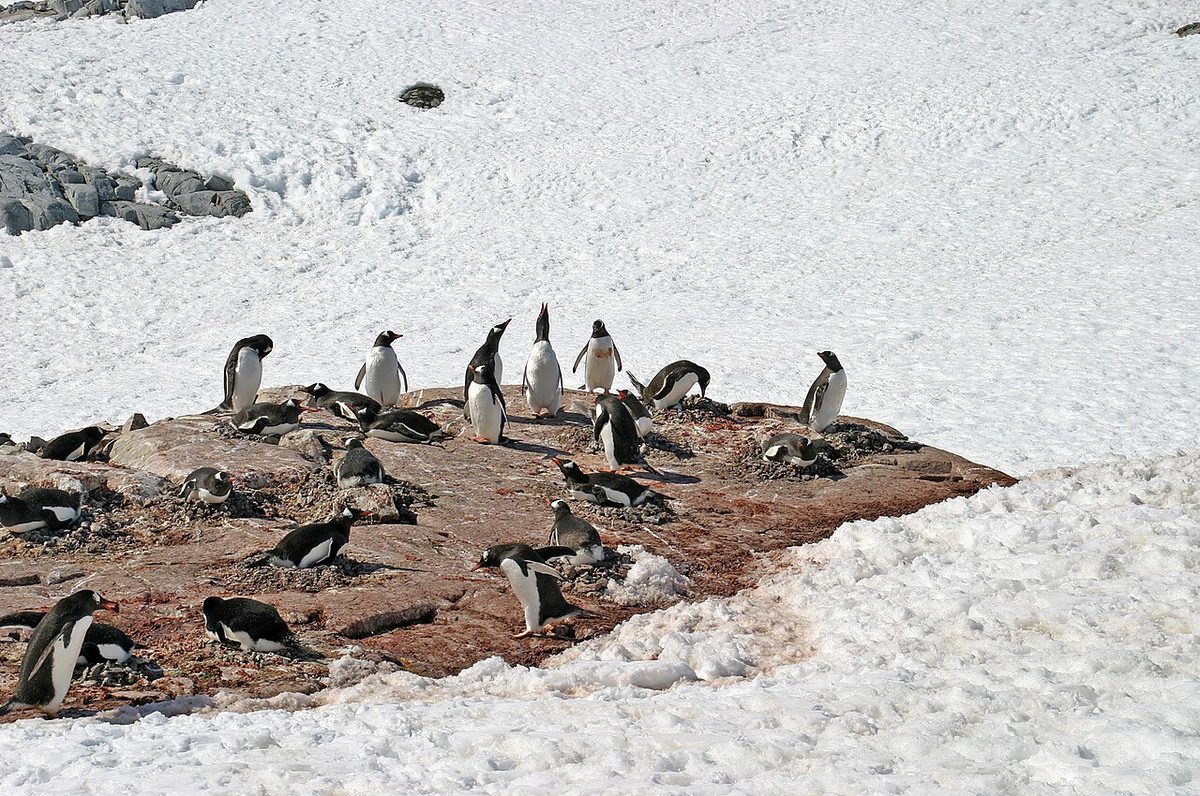
This is the one people get most excited about, and for good reason. On Martillo Island in the Beagle Channel, near Ushuaia, you can do something almost nowhere else allows: walk a route on land inside a working penguin colony, among both Magellanic and Gentoo penguins (and, occasionally, a stray king penguin), with the birds going about their day around you.
Here’s the catch that trips people up, and the single most important booking fact in this whole guide. Landing on Martillo Island is tightly controlled, and only one operator — Piratour — is authorized to actually set foot on the island and run the walk. Daily numbers are capped low (commonly cited around 50 people per day) to protect the colony, so the walk-among-them tour sells out well ahead in high season. Plenty of other Beagle Channel cruises will take you near the island and let you watch the penguins from the boat, which is a fine experience — but only the authorized land tour puts you on the ground among them. If walking among penguins is the dream, book that specific tour early and confirm exactly what your booking includes.
How the Martillo walk works
The land version is a full day. The typical shape: a road transfer from Ushuaia out to historic Estancia Harberton, then a short crossing — around 15 minutes in an inflatable boat — over to Martillo Island, where you spend about one hour walking through the colony with a specialized guide before returning. Many itineraries pair it with a Beagle Channel navigation past the sea lion islands and the Les Éclaireurs lighthouse, so you get the wildlife cruise and the walk in one outing.
The penguins are usually present October to April, matching the broad Magellanic season; the Gentoos hold a more permanent colony here. It’s a pricier day than the Atlantic colonies — you’re paying for the access, the small group, and the boat logistics — so weigh it against the rest of your Ushuaia plans. Our Beagle Channel cruise guide explains the boat-only options, and the things to do in Ushuaia guide helps you decide whether the city earns the detour for you.
A note on expectations: this is a privilege, not a petting zoo. You walk a defined route, you keep the distance your guide sets, and you let the birds cross in front of you. The whole reason the experience still exists is that it’s run carefully.
King penguins on Tierra del Fuego: the year-round outlier
Everything above is a Magellanic story with one Gentoo cameo. The king penguin is a different animal entirely — the second-largest penguin species in the world after the emperor, with that unmistakable orange-and-grey plumage you picture when you imagine a “proper” penguin from a nature documentary. And in Patagonia you can see them in just one place: a small wild colony in Chilean Tierra del Fuego.
The colony lives at the Parque Pingüino Rey (King Penguin Natural Reserve) in Bahía Inútil. Chile Travel explains that king penguins arrived in the area around 2010 and a private reserve was created to protect them — it’s one of the very few king penguin colonies anywhere in South America. The colony is small and intimate rather than vast; reports put it at somewhere around a hundred or so individuals in recent years, and operators describe it as the world’s most accessible place to see wild king penguins.
Why king penguins are the year-round option
Here’s the key planning difference. Unlike the Magellanic colonies that empty out in winter, some king penguins remain in Bahía Inútil year-round, taking advantage of the rich feeding waters. The reserve itself is usually open roughly October to May, so practical access is still mostly a spring-to-autumn affair, but the birds themselves don’t vanish the way the Magellanics do. December and January are good for chicks. If you specifically want to see king penguins and your trip falls outside the busy Atlantic-colony chick weeks, this is your colony.
How to reach the king penguins
It’s a committed day from Punta Arenas, and there are two routes. By land, you take the ferry across the Strait of Magellan to Porvenir (around two hours), then drive about 115 km south on Route Y-85 to the reserve, per Chile Travel — most people do this with a guided tour rather than self-driving, given the distances and gravel. The faster alternative is a short scenic flight from Punta Arenas to Porvenir (around 15 minutes), used by specialized small-group wildlife trips, which then drive on to the colony. Either way you view the penguins from a boardwalk at a set distance; this is observation, not a walk among them.
Because it’s remote and access is limited, book ahead and confirm current opening dates and prices. It’s a longer, more expensive outing than the Magellanic colonies, but it’s also the only king penguins you’ll find this side of the Falklands or South Georgia.
Atlantic coast vs Tierra del Fuego: which side for penguins?
You don’t have to do both sides of Patagonia for penguins — and most people shouldn’t. Let me lay out the real decision.
Atlantic coast (Argentina)
Tierra del Fuego / Magellan (Chile)
Flagship colony
Punta Tombo (Magellanic, the largest)
Isla Magdalena + king penguins
Species
Magellanic
Magellanic, Gentoo, King
Best base
Puerto Madryn
Punta Arenas / Ushuaia
Season
Sept–April
Magellanic Oct–April; king ~year-round
The standout
Sheer scale of the colony
“Walk among them” + king penguins
Pairs well with
Whales, Península Valdés, orcas
Torres del Paine, Beagle Channel, end-of-world scenery
Swipe to see all columns
Table 2
Choose the Atlantic coast if you want the biggest Magellanic colony on Earth, you’re drawn to the southern right whales and Península Valdés wildlife, and a Puerto Madryn base fits your route. This is the easiest, richest single-region penguin trip for most first-timers.
Choose the Tierra del Fuego / Magellan side if you’re already heading to Torres del Paine, Punta Arenas, or Ushuaia, if you want the species variety (Gentoo and king alongside Magellanic), or if the once-in-a-lifetime walk among penguins on Martillo is the thing you can’t skip.
Do both only if you’ve got a genuinely long Patagonia trip and accept the travel days — the Atlantic coast and the deep south are a flight apart, not a drive. For the wider birdlife beyond penguins on either side, our Patagonia birdwatching guide is worth a read.
How much do penguin trips cost?
I’ll be upfront and a little annoying about this, exactly as I am with whales: Argentina’s exchange rate and the gap between operators make any printed price go stale fast, and Chilean tours shift too. So treat this as a pattern, not a price list, and reconfirm before booking.
Punta Tombo costs the reserve entry plus either fuel for a long self-drive or a guided day-tour fare. It’s the most budget-friendly of the big experiences if you share a car.
Isla Magdalena is a boat excursion. The slower public-style ferry is the cheaper way across; faster private speedboat tours cost more for the shorter crossing and longer island feel.
Martillo Island’s walk-among-penguins tour is a premium day — you’re paying for exclusive land access, a small group, and the boat-and-transfer logistics. Expect it to be one of your pricier Ushuaia activities.
King penguins at Parque Pingüino Rey is the most expensive, especially the fly-in small-group version, because of the distance, the ferry or flight, and the tiny group sizes.
So the spread is wide: a penguin day can be a modest add-on at a peninsula colony, or a serious line in the budget if you fly to the king penguins. For modeling the whole trip, our Patagonia spending estimates puts it in context. Whatever figure you read — mine included — reconfirm it close to your dates.
Watching penguins responsibly
This isn’t a throwaway section. These colonies stay open to visitors only because the rules are taken seriously, and your behavior is part of the deal.
The core rules are simple and they apply everywhere:
Stay on the marked path or boardwalk. Penguins nest in burrows underfoot; step off the trail and you can collapse a nest you never saw.
Let them set the distance. A penguin walking toward you, or crossing the path, is on its commute — stop and let it pass. Don’t step toward it for a photo.
Never touch or feed them. They look harmless, but a Magellanic penguin will defend its nest with a genuinely sharp bill, and human food is bad for them.
Keep your group calm and quiet, especially around burrows with eggs or chicks.
No drones, and follow your guide’s instructions immediately.
The king penguin reserve and the Martillo walk add their own stricter protocols — set approach distances, capped numbers, guides who’ll tell you to back up. Respect them. The goal is a penguin that keeps doing whatever it was doing because you behaved well, not a marginally better phone video. For the full ethics across every Patagonia species, see our responsible wildlife watching in Patagonia guide.
When is the best time to see penguins in Patagonia?
For the Magellanic colonies — Punta Tombo, Península Valdés, and Isla Magdalena — the season runs roughly September to April, and the best weeks for activity and chicks are December to February. Isla Magdalena is open only October to April. King penguins on Tierra del Fuego can be seen close to year-round, though the reserve is usually open about October to May. Always verify current dates.
Where is the best place to see penguins in Patagonia?
For sheer scale, Punta Tombo in Argentine Chubut is the largest Magellanic colony in the world, easiest from Puerto Madryn. On the Chilean side, Isla Magdalena from Punta Arenas is the classic boat trip. For the rare chance to walk among penguins, Martillo Island near Ushuaia is unique, and for king penguins, the reserve in Chilean Tierra del Fuego is the only option.
Can you walk among penguins in Patagonia?
Yes, on Martillo Island in the Beagle Channel near Ushuaia, where you walk a route on land inside the colony among Magellanic and Gentoo penguins. Only one authorized operator, Piratour, can land on the island, and daily numbers are capped low to protect the birds, so the tour books out early. Reserve well ahead and confirm what your booking includes.
Are there king penguins in Patagonia?
Yes, but in just one small wild colony, at Parque Pingüino Rey in Bahía Inútil on Chilean Tierra del Fuego. King penguins arrived around 2010 and a private reserve was created to protect them. It’s one of very few king penguin colonies in South America, reached from Punta Arenas via the Porvenir ferry and a long drive, or by a short flight with specialized tours.
How do you get to Isla Magdalena to see penguins?
You take a boat across the Strait of Magellan from Punta Arenas with an operator registered with Sernatur. The slower ferry takes around two hours each way and gives you about an hour on the island; faster private speedboats cut the crossing to roughly an hour. The monument is open October to April only. Book ahead, as trips are weather-dependent.
Do penguins stay in Patagonia all year?
Mostly no. The Magellanic colonies on the Atlantic coast and at Isla Magdalena empty out over the southern winter, with the birds at sea from around April or May until they return in spring. The exception is the king penguins in Chilean Tierra del Fuego, some of which remain in Bahía Inútil year-round thanks to the rich feeding waters nearby.
Is Punta Tombo worth the long drive?
If you’re visiting in season — and especially December to February when chicks fill the burrows — yes. It’s the largest Magellanic colony in the world, and walking the trails through hundreds of thousands of penguins is genuinely overwhelming. Outside the September-to-April season it’s not worth it, since the colony is empty. Fill your fuel tank, as there are no service stations on the route.
Final thoughts
Penguins surprised me more than the whales did, and I didn’t expect that. Whales are scale and silence; penguins are character and racket. You go expecting a tidy postcard and you get a loud, smelly, comic, weirdly moving city of birds that walk around your boots like you’re furniture.
So pick your colony for your trip, not for a list. If you’re already on the Atlantic coast for whales, Punta Tombo in November or December is the obvious, brilliant choice. If you’re heading deep south for Torres del Paine or Ushuaia, Isla Magdalena, the Martillo walk, or the king penguins fit your route far better. Don’t try to collect all of them. Choose one, give it a proper day, go in the right month, and keep your distance — and let me say it one more time, because Patagonia rewards the cautious: confirm the current season, prices, and ferry or tour details before you book anything.