There is no single best time to see wildlife in Patagonia, and anyone who tells you otherwise is selling a tour.
I learned that the slow way, standing on a cold beach near Puerto Madryn in August watching a southern right whale roll a calf in the shallows, then coming back the following March and finding the same coast given over entirely to a completely different drama of orcas, sea lion pups, and tides. Same region. Different animals, different months, different patience required. Patagonia does not have a wildlife season. It has many of them, stacked on top of each other across a landscape the size of several countries.
So let me give you the honest version, species by species, with the windows that actually matter.
The best time to see wildlife in Patagonia depends entirely on what you want to see. Southern right whales peak around August to October at Peninsula Valdes. Magellanic penguins fill the colonies roughly September to March. The famous beach-hunting orcas come in two narrow windows (around February to April and again October to November). Pumas are best in the southern autumn and winter. Guanacos and condors are there all year.
This guide is for the traveler building a trip around animals rather than mountains. If you want the W Trek and you hope a whale shows up as a bonus, you are planning the wrong trip. If you want whales, penguins, orcas, or pumas to be the reason you flew this far, read on. I will give you a month-by-species table first, then walk through each animal, each region, the single best month if you are greedy and want the most species at once, how to watch ethically, and the questions people actually ask.
For the bigger seasonal picture across hiking, weather, and crowds, pair this with best time to visit Patagonia. For the deep species-and-base-town reference, the Patagonia wildlife and whale watching guide is the parent of this page. This article is the calendar.
Last fact-check: June 2, 2026. Wildlife timing is seasonal but never mechanical. Always recheck current local calendars, tide tables, park rules, and authorized-operator status before you book.
Patagonia Wildlife Calendar: Month-by-Species at a Glance
This table is the heart of the page. Use it to find your window, then read the species section for the detail and the caveats. Treat every month as “around” — animals do not read calendars, and weather, tides, and food supply shift things by weeks.
| Species | Best months | Possible window | Where | Notes |
|---|---|---|---|---|
| Southern right whale | August–October | ~June–early December | Puerto Madryn, Puerto Piramides, El Doradillo (shore) | Sept–Oct best for boats; Jul–Aug best from shore |
| Magellanic penguins | November–February | ~mid-September–mid-April | Punta Tombo, Peninsula Valdes, Isla Magdalena, Martillo Island | Chicks ~mid-Nov; busiest colony ~late Jan |
| Orcas (beach hunting) | mid-March–mid-April | ~Feb–May, plus ~Oct–December | Punta Norte, Caleta Valdes, Punta Delgada | Never guaranteed; tide-dependent; tiny window |
| Pumas | April–September | year-round | Torres del Paine (Laguna Amarga, Sarmiento, Serrano) | Autumn/winter best: thin cover, daytime activity |
| Guanacos | year-round | year-round | Torres del Paine, steppe, Ruta 40, Peninsula Valdes | Calves Nov–Dec; easiest headline animal |
| Andean condors | October–March | year-round | Torres del Paine, El Chalten, Carretera Austral | Stronger thermals in spring/summer |
| Elephant seals | September–November | ~July–March | Caleta Valdes, Punta Delgada, Punta Norte | Breeding season best; at sea otherwise |
| Sea lions | year-round | year-round | Peninsula Valdes, Punta Loma, Beagle Channel | Pups born ~January drive the autumn orca show |
| Commerson’s dolphins | November–February | year-round | Peninsula Valdes, Ria Deseado, Beagle Channel | Playful, inshore in spring/summer |
| Blue & humpback whales (Chile) | January–April | ~Dec–April | Corcovado Gulf, Francisco Coloane Marine Park | Chilean fjords, not the Atlantic coast |
If you only take one thing from the table, take this: the Atlantic coast around Peninsula Valdes is the densest wildlife calendar in Patagonia, and the two big headline experiences there (whales and beach-hunting orcas) happen in almost opposite seasons. You usually cannot have both on one trip. Choose.
How Patagonia Wildlife Seasons Actually Work
Before the species, three ideas that will save you from a disappointing trip.
First, Patagonia is not one habitat. The marine wildlife clusters on the Atlantic coast near Puerto Madryn and in the Chilean fjords to the west. The land predators and grazers cluster in the southern mountains and steppe, above all in Torres del Paine. Penguins are spread across both countries in separate colonies with separate access. You do not see all of this in one loop. You pick a lane.
Second, “best” means two different things and you should be clear which you mean. The best month for a single species (orcas, say) is narrow and risky. The best month for the most species at once is broader and safer. A first-time wildlife traveler usually wants the second. A photographer with a life-list target usually wants the first and accepts the gamble.
Third, the most reliable wildlife is not the most famous. Guanacos, sea lions, foxes, condors, and many birds are present all year and easy to see. Whales and penguins are seasonal but, in their windows, nearly dependable. Orcas and pumas are the prestige animals, and they are exactly the two you should never build a rigid trip around. I will keep saying this because operators will keep implying the opposite.
The official backbone for the Atlantic coast comes from Argentina’s national tourism authority, which lists southern right whales from June to early December, Magellanic penguins from mid-September to mid-April, orcas in March to May plus October and November, elephant seals from July to March, and sea lions, Commerson’s dolphins, guanacos, maras, foxes, and rheas all year. That single calendar explains most of this article.
Whales: Around June to Early December (Peak August–October)
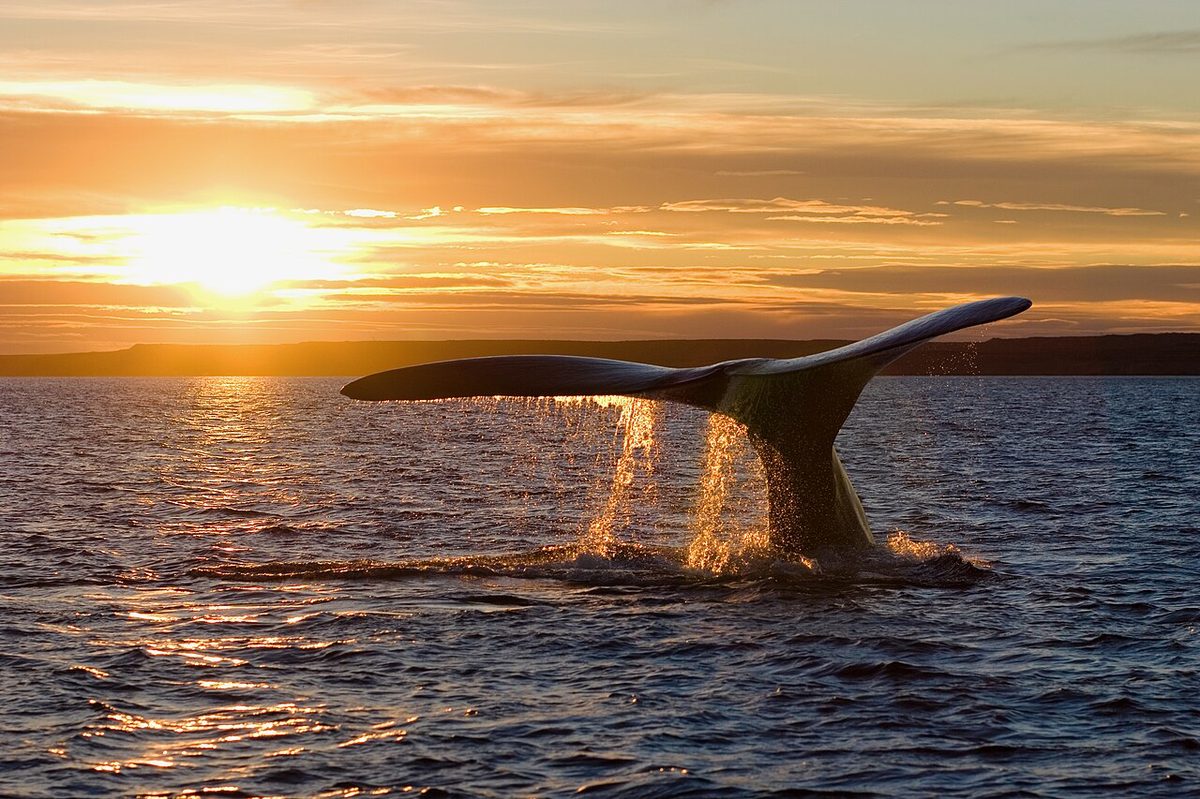
For most people, “Patagonia whale watching” means southern right whales at Peninsula Valdes, and the season is one of the most dependable wildlife windows in South America.
Visit Argentina says the migration begins in late May and runs through mid-December, with the official season June to December. The whales come into the protected gulfs (Golfo Nuevo and Golfo San Jose) to mate, give birth, and raise calves. Up to several thousand return in a strong year.
Here is how I think about the sub-seasons:
- July and August are the best months for shore watching. Mothers and calves come in close, and Playa El Doradillo, about 15 km from Puerto Madryn, can put whales just metres off the beach. It is cold and quiet and wonderful.
- September and October bring more surface activity (breaching, tail-slapping, social behavior) and the calmer conditions that make boat trips from Puerto Piramides shine. Operators and Swoop both describe August–October sightings as close to guaranteed, which is about as strong a promise as wildlife ever offers.
- November to early December is the tail. Whales are thinning out, so do not make a late-season trip your only whale plan.
Boat excursions leave only from Puerto Piramides, the authorized nautical whale-watching site inside the protected area. Boats are weather-dependent, so give yourself more than one possible day. If you are prone to seasickness or travelling with kids, the shore option near Puerto Madryn is genuinely good, not a consolation prize.
One correction worth making, because it trips people up: if you read that Patagonia whale season is “December to March,” that is the Chilean fjords, not the Atlantic coast. Different whales, different ocean. More on those below.
Penguins: Around Mid-September to Mid-April (Peak November–February)
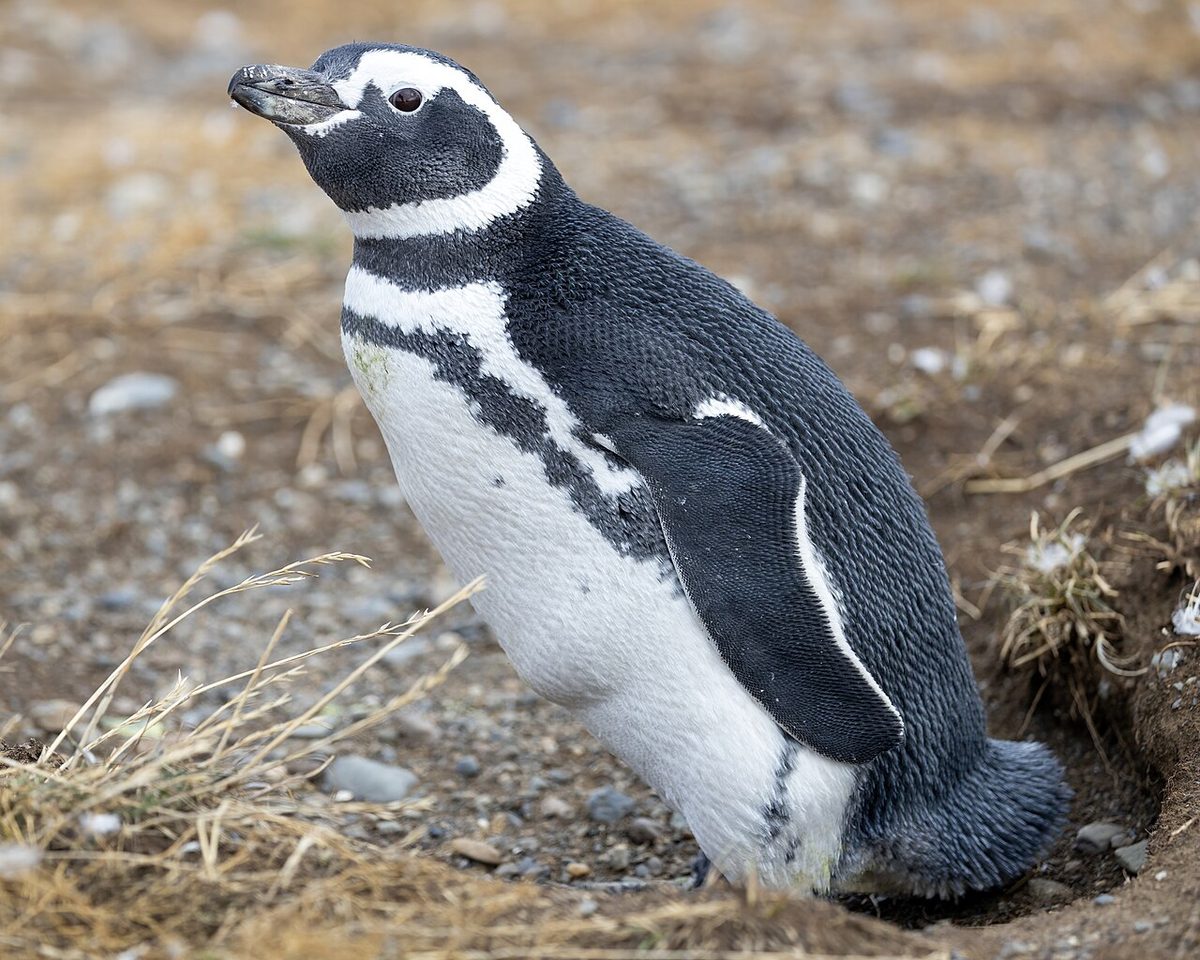
Magellanic penguins are the easiest seasonal wildlife win in Patagonia, and the season is long. The catch is that “penguin season” is not one thing. What the birds are doing changes month to month, so choose your dates around the behavior you want.
The official window for the Peninsula Valdes area is mid-September to mid-April. For the big Chubut colony at Punta Tombo, the regional tourism board lists September to April, with chicks hatching around mid-November and late January as a particularly busy moment in the colony.
A rough rhythm:
- September–October: adults arrive, reclaim burrows, court and nest. The colony fills up.
- November: eggs and the first chicks. Around mid-November you start seeing fluffy grey chicks, which is the moment a lot of people are really after.
- December–February: peak. Big chicks, maximum activity, the colony at full population. Also the warmest and busiest time.
- March–early April: birds preparing to leave; numbers taper. Early March is a sweet spot if you want strong numbers with fewer crowds.
Where you go depends on your route, not just the month. Punta Tombo and the Peninsula Valdes colonies suit an Argentine coast trip from Puerto Madryn. Isla Magdalena from Punta Arenas (a Chile Travel boat trip of roughly four to six hours) suits a Chilean trip built around Torres del Paine. Martillo Island in the Beagle Channel, usually October to April, suits a far-south Ushuaia and Tierra del Fuego itinerary. You rarely need all three. Pick the one that fits the rest of your route.
Orcas: Two Narrow Windows, Never Guaranteed
Orcas are the most misunderstood wildlife target in Patagonia, so I will be blunt. They are spectacular, they are world-famous for a hunting technique seen almost nowhere else, and you can do everything right and still see nothing.
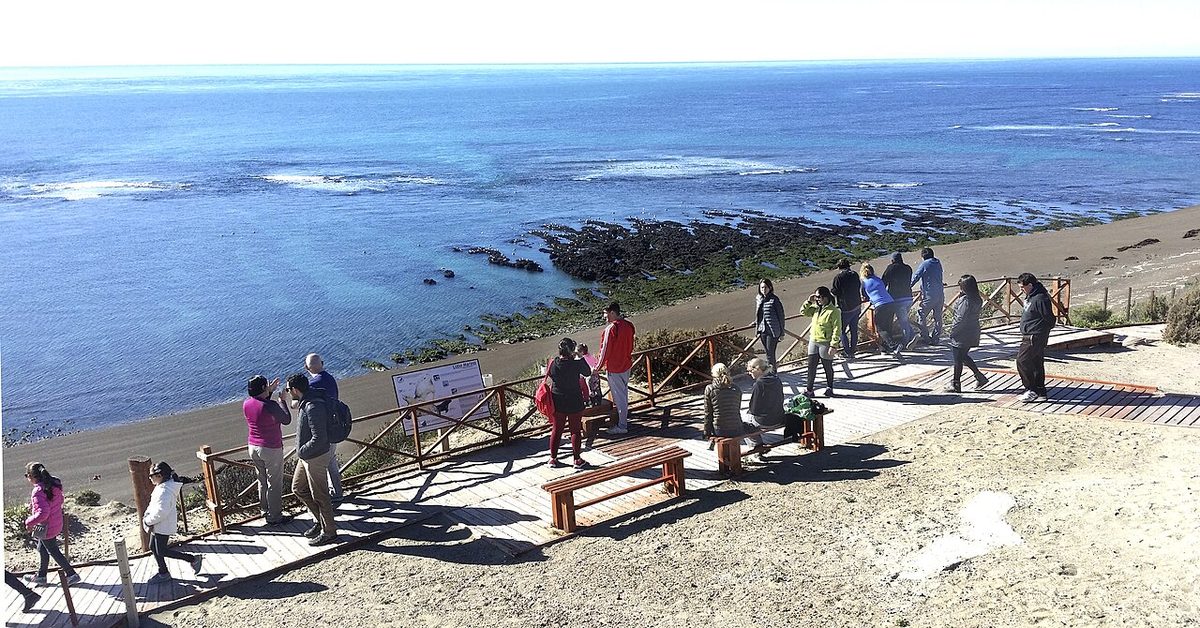
The famous behavior is intentional stranding: orcas deliberately surge onto the beach to snatch sea lion or elephant seal pups, then wriggle back into the water. It happens at Peninsula Valdes and is tide-driven, prey-driven, and rare.
There are two seasons, and getting them right matters:
- Around February to May, peaking roughly mid-March to mid-April, at Punta Norte. This is the classic window, tied to sea lion pups (born early in the year) wandering the shoreline and becoming vulnerable. PeninsulaValdes.com notes that only about 30 orcas know the technique, the true peak may be just 10 to 15 days, and attacks cluster around two hours either side of high tide on specific high-tide days. By late April the surviving pups have wised up and the orcas move on.
- Around October to December, at Caleta Valdes and Punta Delgada, tied to elephant seal pups. Visit Argentina flags orcas as more likely February to May; the official calendar also lists October and November. Both windows are real; both are gambles.
If orcas are your dream, plan like a realist: give yourself several days, learn the tide logic for the viewing area, use guides who know current behavior and access, and accept that no sighting is a normal, common outcome. Do not pressure anyone to get closer, and do not let the whole trip’s success ride on one of the least predictable animals on the coast. Treat an orca as a gift, not a deliverable.
Pumas: Best in Autumn and Winter (Around April–September)
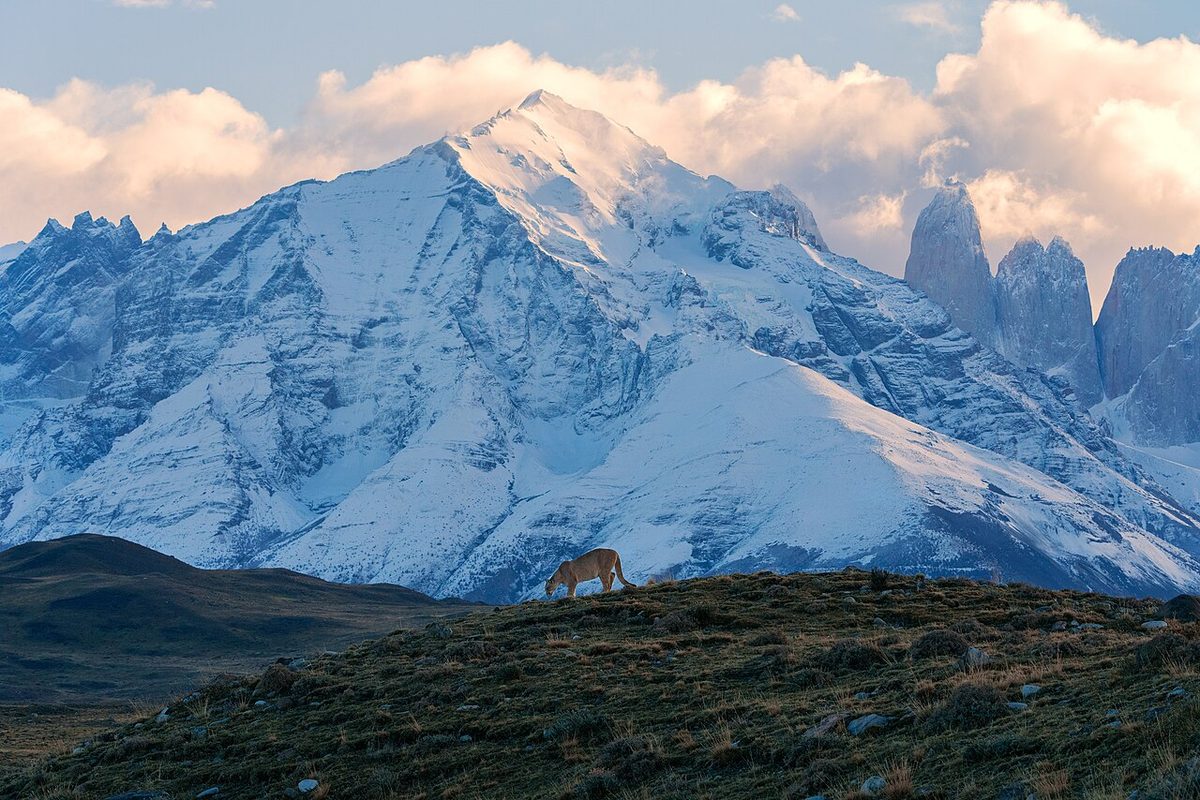
Here is the counter-intuitive one. Most people assume summer is best for everything, but for pumas in Torres del Paine the best season is the southern autumn and winter, roughly April through September.
The reasons are practical. In winter the vegetation thins out, so a tawny cat against open ground is far easier to spot. Guanacos, the pumas’ main prey, move down to lower elevations, and the pumas follow. And because daylight is short, pumas hunt more during the daytime instead of only at dawn and dusk, which means you can track them at civilised hours rather than starting at 4 a.m. as you would in summer. Trackers in the park report markedly higher success rates in the colder months.
April is a particular favourite: autumn colour, calmer wind, shorter days, and improving visibility, before the deep-winter lodge closures. May to September is the “secret season” for serious puma travelers who can handle the cold and the short days. Summer (December to February) still produces sightings, but warm temperatures, tall grass, and strong winds make it the hardest time.
A few non-negotiables, drawn straight from park-level guidance and trackers: keep a minimum distance of around 50 metres, never use flash or drones, and go with a certified tracking guide. A guide is not just about success rate; it is about ethics. They know when to hold back and when to leave. Allow at least three days if a puma is the point. A close photo is never worth changing the animal’s behavior.
Guanacos and Condors: Year-Round, the Reliable Stars
If whales and orcas are the headline acts, guanacos and condors are the dependable supporting cast that often steal the show anyway.
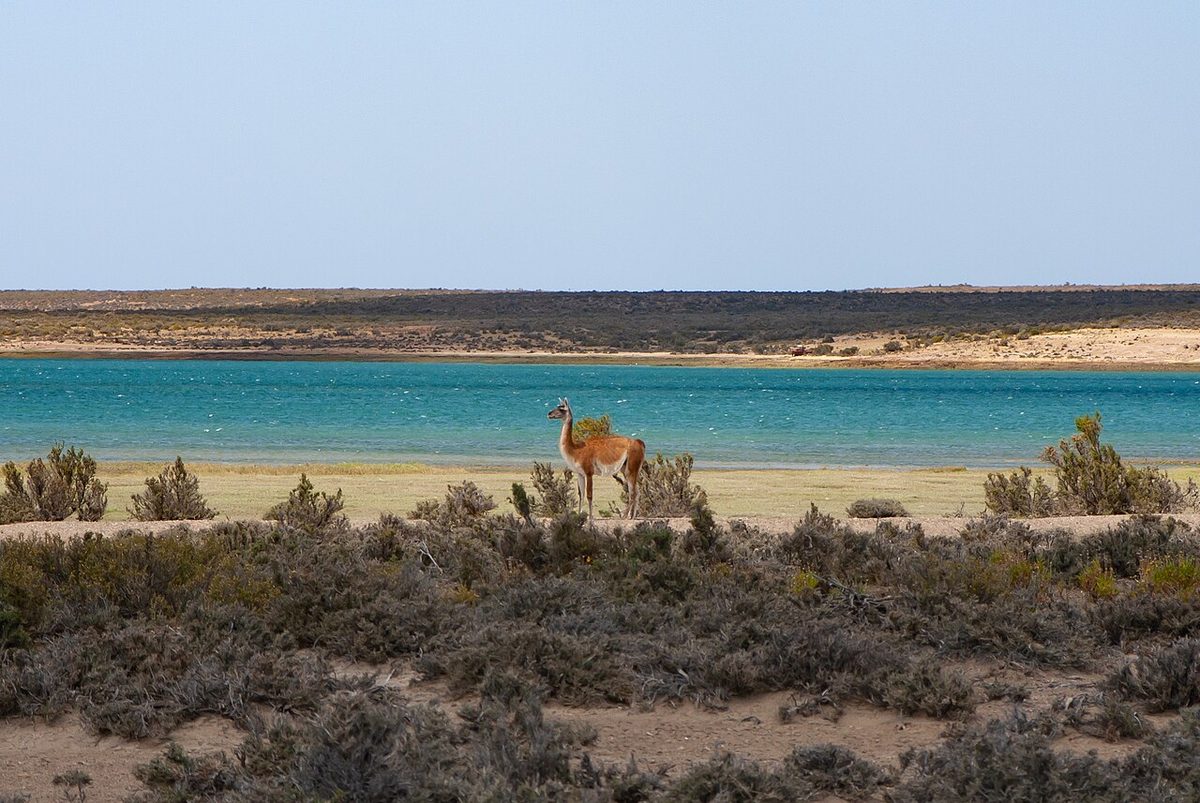
Guanacos are present all year and are genuinely easy to see in Torres del Paine and across the open steppe and Ruta 40. They are elegant, alert, and constantly doing something interesting: sentinels posting watch, alarm calls rippling through a herd, young animals sparring, sudden flat-out sprints. Calving is around November and December. Do not dismiss them because they are common. A herd moving across wind-bent grass with the Paine massif behind it is one of the most Patagonian sights there is, and where guanacos are abundant, puma country gets interesting.
Andean condors are also year-round, but they are most visible from around October to March when stronger thermals keep them aloft along ridges. You will find them in Torres del Paine, around El Chalten, along the Carretera Austral, and above Bariloche’s high viewpoints. The trick is patience and the right terrain: stand at a cliff-edge viewpoint when the wind is moving, use binoculars, and give it time. Condors tend to appear when you stop rushing.
Foxes, rheas (the locals call the lesser rhea a choique), maras, armadillos, flamingos, and black-necked swans round out the land cast across the year. You may remember a grey fox at dusk as vividly as any whale.
Seals, Sea Lions and Dolphins: Coastal Companions
These are the animals that make a Peninsula Valdes day feel full even when the headline species are quiet.
Sea lions are on the peninsula’s beaches all year, and at Punta Loma near Puerto Madryn. Their pups, born around January, are the reason the autumn orca show exists. A full-day peninsula tour will usually include sea lion colonies regardless of season.
Elephant seals are present roughly July to March, hauled out at Caleta Valdes, Punta Delgada, and Punta Norte. The best time is the breeding season, around September to November, when the huge males spar and the pups appear (most pups arrive around October). Outside the breeding months they spend much of their time at sea hunting, so they are easier to find when the colonies are busy. Peninsula Valdes is one of the few mainland breeding sites for the species in the world.
Commerson’s dolphins are a delight and present all year, but most active and inshore in the spring and summer (around November to February). These small, boldly black-and-white dolphins love to play in the bow waves and surf, and you may meet them around the peninsula, in the Beagle Channel, or at Ria Deseado further south, which is a noted breeding area. Bottlenose dolphins also turn up in these waters.
Chilean Fjord Whales: A Different Ocean, a Different Calendar
Most English-language pages forget that Patagonia’s Pacific side has whales too, on a completely different schedule from the Atlantic coast.
In the Chilean fjords, the season runs roughly December to April, the mirror image of the Atlantic right-whale season. Per the Australis fjord-cruise team, humpback whales gather in the Francisco Coloane Marine Park in the Strait of Magellan, where sightings are nearly assured and many travelers see dozens of whales on a multi-day cruise. Blue whales, the largest animal that has ever lived, nurse their young in the Corcovado Gulf south of Chiloe between roughly January and April, though spotting one always takes patience and luck.
This matters for trip design. If you are doing a fjords-and-glaciers cruise in the Chilean summer, you are in humpback season, not Atlantic right-whale season. The two whale experiences are several thousand kilometres and several months apart. You do not combine them casually.
Wildlife by Region: Where Your Month Sends You
The cleanest way to plan is to let the species and season choose your region.
Peninsula Valdes and Puerto Madryn (Atlantic coast)
The densest wildlife calendar in Patagonia, and a UNESCO World Heritage area. Whales June to early December, penguins mid-September to mid-April, orcas in the two narrow windows, plus sea lions, elephant seals, dolphins, guanacos, and birds. Visit Argentina recommends two to three days; for a wildlife-first trip I would give it three to four nights. Puerto Madryn is the easy base; Puerto Piramides puts you next to the whale boats. Read the full breakdown in the wildlife pillar.
Torres del Paine and the southern steppe
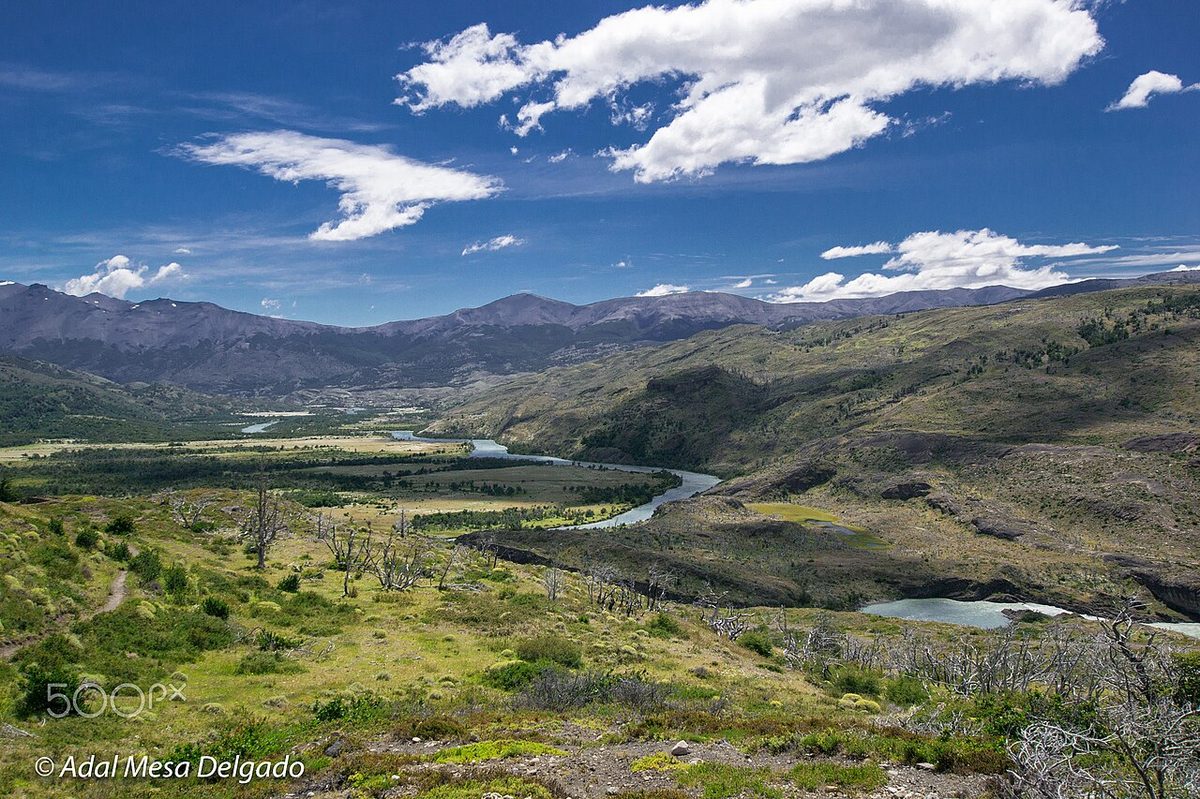
This is the land-wildlife region: guanacos and condors year-round, foxes and rheas, and the best puma tracking on Earth, strongest in autumn and winter. You are not standing at a rookery here; you are scanning open country and reading behavior. Pair it with the Torres del Paine travel guide, and check current CONAF notices because winter access and guide requirements change.
Tierra del Fuego and the Beagle Channel
The far-south add-on. The Beagle Channel from Ushuaia gives you sea lions, cormorants, seabirds, and (October to April) penguin routes toward Martillo Island, set against cold, dramatic water. It is a wonderful wildlife day if Ushuaia already belongs in your itinerary, but it is not where I would send someone whose only dream is whales.
The Best Single Month for the Most Species at Once
If you want to be greedy and stack as many animals as possible into one trip, here is my honest verdict.
Aim for October or November on the Atlantic coast around Peninsula Valdes. That window gives you southern right whales (still strong into October, tapering in November), penguins arriving and nesting, sea lions on the beaches, elephant seals in breeding season, spring birdlife, and an outside chance at the spring orca window at Caleta Valdes. The weather is improving, the days are lengthening, and the coast feels like a wildlife region rather than a single-species stop. It is the cleanest overlap of the year, which is exactly why the seasonality pillar keeps pointing at September to November for wildlife.
September is nearly as good and a little quieter, leaning more toward whales than penguins. If you would rather trade some whale certainty for the fullest penguin colonies, push to late November.
What this month is not good for is pumas (wrong season) or the famous sea-lion-pup orca hunts (that is February to April). No single month does everything in Patagonia. If pumas matter as much as whales, you are looking at two trips, or a long one split between the coast in spring and the south in autumn, with a lot of flying in between. I would rather tell you that now than have you discover it on the ground. For help sequencing it, the Patagonia itinerary planner is the place to start.
Wildlife by Month: The Short Version
If you are scanning, here is the calendar boiled down.
- January–February: penguins at full colony, sea lions, elephant seal pups around, Commerson’s dolphins playful, guanaco calves; Chilean fjord humpbacks and blue whales. Not whale season on the Atlantic. Hot and busy.
- March–April: the orca sea-lion-pup window at Punta Norte; late penguins; pumas improving; autumn colour. A strong mixed month if you accept the whale gap.
- May–August: pumas at their best in the south; southern right whales building then peaking near Puerto Madryn (shore watching superb in July–August). Cold and quiet.
- September–October: the broad sweet spot. Whales strong, penguins arriving, elephant seals breeding, sea lions, spring birds. Best all-rounder.
- November–December: penguins peaking, whales tapering, the spring orca window at Caleta Valdes, guanaco calves, dolphins inshore. Coast feels alive; crowds rising.
For temperatures and packing alongside this, use Patagonia weather by month, and if your dates land in a shoulder month, the dedicated Patagonia in October and Patagonia in March guides go deeper. If you are tempted by the quiet puma season, Patagonia in winter sets expectations honestly.
Watching Wildlife Without Becoming the Problem
This is not a decorative section. It is the part that decides whether your trip is worth taking.
Patagonia’s animals are breeding, feeding, raising young, avoiding predators, and surviving wind and cold. Tourism can support their conservation when it is well managed, and it can become another stressor when travelers want closeness more than respect. A few rules carry everywhere:
- Keep your distance, even when an animal seems calm. Around pumas, that means roughly 50 metres minimum.
- Never feed wildlife, and never touch it. A fox approaching your car is a tragedy in slow motion, not a photo.
- Stay on marked paths in penguin colonies and protected areas. Penguins may cross near you because the path is on their commute; that does not mean you step toward them.
- Use authorized operators for boats and protected-area access, and follow guide instructions immediately.
- No drones around wildlife. Do not surround, chase, or block animals with vehicles or people, and do not post exact live locations of sensitive animals like pumas or orcas.
- With orcas, respect the tide and the guides; a hunt is a life-or-death event for the prey, not a show staged for you.
The single best habit is patience. A good wildlife day is slower and quieter than people expect. Accept that no sighting is always better than a harmful one.
Best Things to Do on a Patagonia Wildlife Trip
A few experiences are worth building a wildlife itinerary around:
- Shore whale watching at El Doradillo (July–August) — whales metres from the beach, no boat required.
- A whale boat from Puerto Piramides (September–October) — water-level encounters with southern right whales in their best behavior.
- A full-day Peninsula Valdes wildlife loop — sea lions, elephant seals, guanacos, birds, dramatic coast, and a chance at penguins, in any season.
- A penguin colony day — Punta Tombo, Isla Magdalena, or Martillo Island, chosen to fit your route, ideally November to February for chicks.
- Puma tracking in Torres del Paine (April–September) — with a certified guide, over at least three days.
- A Beagle Channel cruise from Ushuaia — sea lions, cormorants, lighthouses, and far-south light.
- A Chilean fjords cruise (December–April) — humpbacks, glaciers, and remote wildlife you cannot reach by road.
If you want to anchor the trip in glacier country between wildlife stops, the El Calafate and Perito Moreno Glacier guide and the broader Patagonia travel guide help with sequencing. And if hiking is part of the plan, best time to hike Patagonia shows where the trekking and wildlife calendars overlap (and where they do not).
Best Time to See Wildlife in Patagonia: FAQ
What is the best month to see wildlife in Patagonia?
For the broadest mix on the Atlantic coast, October and November are the strongest, combining southern right whales with arriving penguins, sea lions, elephant seals, and spring birds. September is nearly as good. The “best” month changes entirely if your priority is the autumn orca hunts or winter puma tracking, which fall in other seasons.
When is the best time to see whales in Patagonia?
Southern right whales at Peninsula Valdes run from around June to early December, with the peak roughly August to October. July and August are best from shore near Puerto Madryn, while September and October bring the most surface activity and the calmest conditions for boat trips out of Puerto Piramides. Always recheck the current season before booking.
When can you see orcas at Peninsula Valdes?
There are two windows, and neither is guaranteed. The famous beach-hunting orcas appear at Punta Norte around February to May, peaking roughly mid-March to mid-April with the sea lion pups. A second window runs around October to December at Caleta Valdes, tied to elephant seal pups. Sightings are tide-dependent, brief, and genuinely uncertain.
When is the best time to see penguins in Patagonia?
Magellanic penguins are present from around mid-September to mid-April. For the fullest colonies and chicks, aim for November to February. Chicks start hatching around mid-November, and late January is a famously busy moment at Punta Tombo. Early March still offers strong numbers with fewer crowds as the summer holidays end.
What is the best time to see pumas in Torres del Paine?
Counter-intuitively, the southern autumn and winter (around April to September) are best. Thinner vegetation, guanacos moving to lower ground, and shorter days that push pumas into daytime activity all improve your odds. April balances good visibility with autumn colour before deep-winter lodge closures. Use a certified tracking guide and allow at least three days.
Can you see wildlife in Patagonia in winter?
Yes, and winter is actually the best season for pumas in Torres del Paine, plus southern right whales are arriving near Puerto Madryn from June. The trade-offs are short days, cold, and many closed lodges in the south. Guanacos, condors, foxes, and sea lions remain visible year-round, so a winter wildlife trip can be rewarding if it is deliberate.
Where is the best place to see wildlife in Patagonia?
For sheer variety, Peninsula Valdes near Puerto Madryn is the densest wildlife area, with whales, penguins, orcas, sea lions, elephant seals, and dolphins. Torres del Paine is the best for pumas, guanacos, and condors. Tierra del Fuego and the Beagle Channel add far-south sea lions, seabirds, and penguin routes. Most trips focus on one of these regions.
Can you see whales and penguins at the same time in Patagonia?
Yes, around September to November at Peninsula Valdes, southern right whales overlap with arriving and nesting Magellanic penguins, which is one of the best reasons to visit the Atlantic coast in spring. October is often the cleanest overlap. By midsummer the whales have largely gone, even though the penguin colonies are at their fullest.
Final Thoughts
If I had to compress everything into one piece of advice, it would be this: choose your animal first, then choose your month, then choose your region, and only then book a flight. Patagonia punishes travelers who do it in the other order.
My own favourite wildlife trip would be early October on the Atlantic coast: right whales still close, penguins streaming back into the colonies, elephant seals jostling, and the steppe greening up. If pumas were the dream instead, I would go in April, work with a tracking guide, give it real days, and care more about the cat’s behavior than my photo. And if someone told me they were flying all this way mainly to watch orcas storm a beach, I would tell them the truth before they bought the ticket: come in late March, give yourself a week, learn the tides, and be ready to see nothing at all and still call it worth it.
That is the deal with wild animals. The calendar tilts the odds in your favour. It never settles the bet. Plan around the windows, watch with patience and respect, and let Patagonia surprise you.
Sources
- Argentina.gob.ar — Avistar ballenas en Peninsula Valdes (official wildlife calendar)
- Visit Argentina — Southern right whale in Argentina
- Visit Argentina — Peninsula Valdes
- Chubut Patagonia — Punta Tombo penguins
- Chile Travel — Los Pinguinos Natural Monument (Isla Magdalena)
- CONAF — Torres del Paine National Park
- PeninsulaValdes.com — Orcas: when to see them
- Australis — Patagonia wildlife: where and when (Chilean fjord whales)
Last fact-check: June 2, 2026. Wildlife windows are seasonal but never guaranteed. Recheck current local calendars, tide tables, park rules, and authorized-operator status before you travel.
Image Credits
- Southern right whale surfacing off Peninsula Valdes, a highlight of the best time to see wildlife in Patagonia — Naturedata / CC0 via Wikimedia Commons
- Magellanic penguin standing at a coastal colony in Patagonia during nesting season — Polinova / CC BY-SA 4.0 via Wikimedia Commons
- Orca patrolling the shoreline at Peninsula Valdes during the autumn hunting season — Wolves201 / CC BY-SA 4.0 via Wikimedia Commons
- Guanaco grazing on the open steppe with mountains behind in Patagonia — Francisco Paez / CC BY-SA 2.0 via Wikimedia Commons
- Wild puma resting on rocks in Torres del Paine, best seen in autumn and winter — Ferna.mf / CC BY-SA 4.0 via Wikimedia Commons