A planner's Patagonia wildlife calendar: month-by-month whales, penguins, orcas, pumas and what to book and when, with sources to verify before you go.
By Patagonia Tourism Guide · First published 14 Sep 2026 · Updated 27 Sep 2026
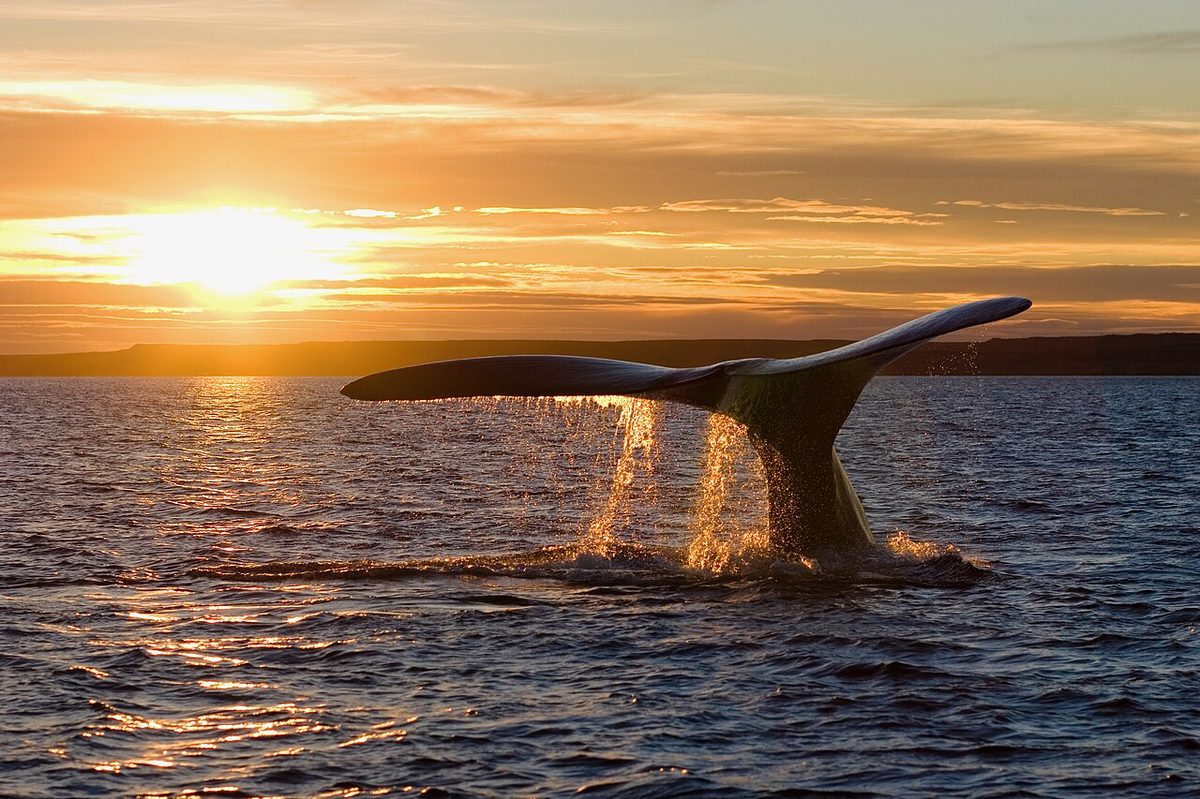
0 — 2 km Fig. 1 · Southern right whale surfacing off Patagonia, an anchor of the Patagonia wildlife calendar · Photo: Hugo Hulsberg / CC0 via Wikimedia Commons
I keep a battered notebook with one page per month, and every line on it is a Patagonian animal doing something on a particular beach or ridge. March: orcas, Punta Norte, two hours before high tide. October: first whales courting off Pirámides, penguins building nests at Punta Tombo. December: guanaco mothers dropping chulengos on the steppe. I built that page the slow way, by going at the wrong times and watching nothing. This Patagonia wildlife calendar is that page, cleaned up and handed to you, month by month.
Here is what you can see, broadly, across the year. Southern right whales run roughly June to December. Magellanic penguins fill the colonies mid-September to April. Orcas hunt at Punta Norte mostly February to mid-May, with a second window in October and November at Caleta Valdés. Pumas are easiest in the austral winter, around April to September. Guanacos birth in November and December. King penguins and condors are year-round. Every month has something.
This is a planner’s Patagonia wildlife calendar: a month-by-month grid built for the practical questions, namely what is happening, where you need to be standing, and what to book and how far ahead. It is the working schedule, not the encyclopedia. If you want the deeper seasonality overview — which animal “peaks” when and why — read our companion which months suit which species guide alongside this one. They are meant to be used together: that page explains the seasons, this page tells you what to do with them.
This guide is for the traveler who already knows the species they care about and now needs to turn that into dates, a base town, and a booking list. If you are still deciding whether wildlife is even your Patagonia, start instead with the pillar, our rundown of penguin and whale seasons, and come back here once you have a shortlist.
One honest caveat before the grid. Animals do not read calendars, and Patagonia’s are seasonal but never mechanical. Weather, tides, sea state, food, and local conservation decisions all shift the experience year to year. Treat every month below as a strong probability, hedge the dates with “around,” and verify current local calendars and operator status before you book. I will point you at official sources throughout, and gather them at the end.
The master Patagonia wildlife calendar at a glance
Here is the whole year on one screen. Read down the Month column to see what overlaps, or read across a species column to find its window. “Possible” means present but not the strong season; “Peak” means the time most travelers should target.
Month
Southern right whales
Penguins (Magellanic)
Orcas
Pumas
Other highlights
January
Off-season
Peak (chicks hatching)
Off
Possible
Sea lion pups born; king penguins; steppe wildlife
February
Off-season
Peak (large chicks)
Building (late Feb)
Possible
Orca pup-hunting season begins; dolphins; condors
March
Possible (first arrivals late)
Strong
Peak (Punta Norte)
Good
Best orca month; mild weather; fewer crowds
April
Building
Tapering (colonies emptying)
Peak (to mid-May)
Excellent
Orcas continue; autumn colour; quiet parks
May
Building (first whales)
Off (colonies empty)
Tapering (to mid-May)
Excellent
Puma tracking strong; whales begin late month
June
Peak begins (shore)
Off
Off
Excellent
Whale shore-viewing at El Doradillo opens; cold
July
Peak (mothers and calves close in)
Off
Off
Excellent
Best shore whales; king penguins; deep winter
August
Peak (mothers and calves)
Off
Off
Excellent
Excellent shore whales; elephant seal males arrive
A few notes on how to read that. The single cleanest all-round month is October: whales at their best for boats, penguins arriving, the chance of orcas at Caleta Valdés, and improving weather. The single best month for drama and rarity is March or April, when orcas hunt at Punta Norte. And the best month for solitude plus a flagship animal is deep winter, June to August, when whales come to the shore and pumas are easiest to track but almost nobody else is around.
The other thing the grid hides is geography. Whales, penguins, elephant seals, sea lions, and orcas all live on the Atlantic coast around Península Valdés and the Chubut shore. Pumas, guanacos, and condors live on the other side of Patagonia, in and around Torres del Paine and the southern steppe. King penguins are a third place again, on Tierra del Fuego. No single week sees all of them. Plan around the species first, then the route. For the wider trip-timing decision, our best time to visit Patagonia guide sets the frame.
How to use this Patagonia wildlife calendar
Three rules make this Patagonia wildlife calendar useful instead of decorative.
First, pick your headline animal and let it choose your month. Do not average the year. If whales are the dream, you are looking at June to December and ignoring the orca columns. If orcas are the dream, you are looking at March and accepting that whales are absent. Trying to “catch everything” produces a trip that catches nothing well.
Second, read the booking lead-time note in each month. Wildlife travel has two clocks: the animal’s calendar and the human one. The animals are free; the beds, boats, guides, and flights are not, and they sell out on a different schedule. I have flagged lead times month by month below, because being in the right place in the right month is worthless if there is no boat seat left.
Third, build in slack. Boats get cancelled by wind. Orcas may not appear for days. Tides dictate when you can even watch. The single most common planning mistake is a one-shot itinerary with no spare day. If an animal genuinely matters to you, give it more than one attempt. Waiting is part of the activity, not a failure of it.
With that, here is the year, month by month.
January: penguin chicks and the steppe in full summer
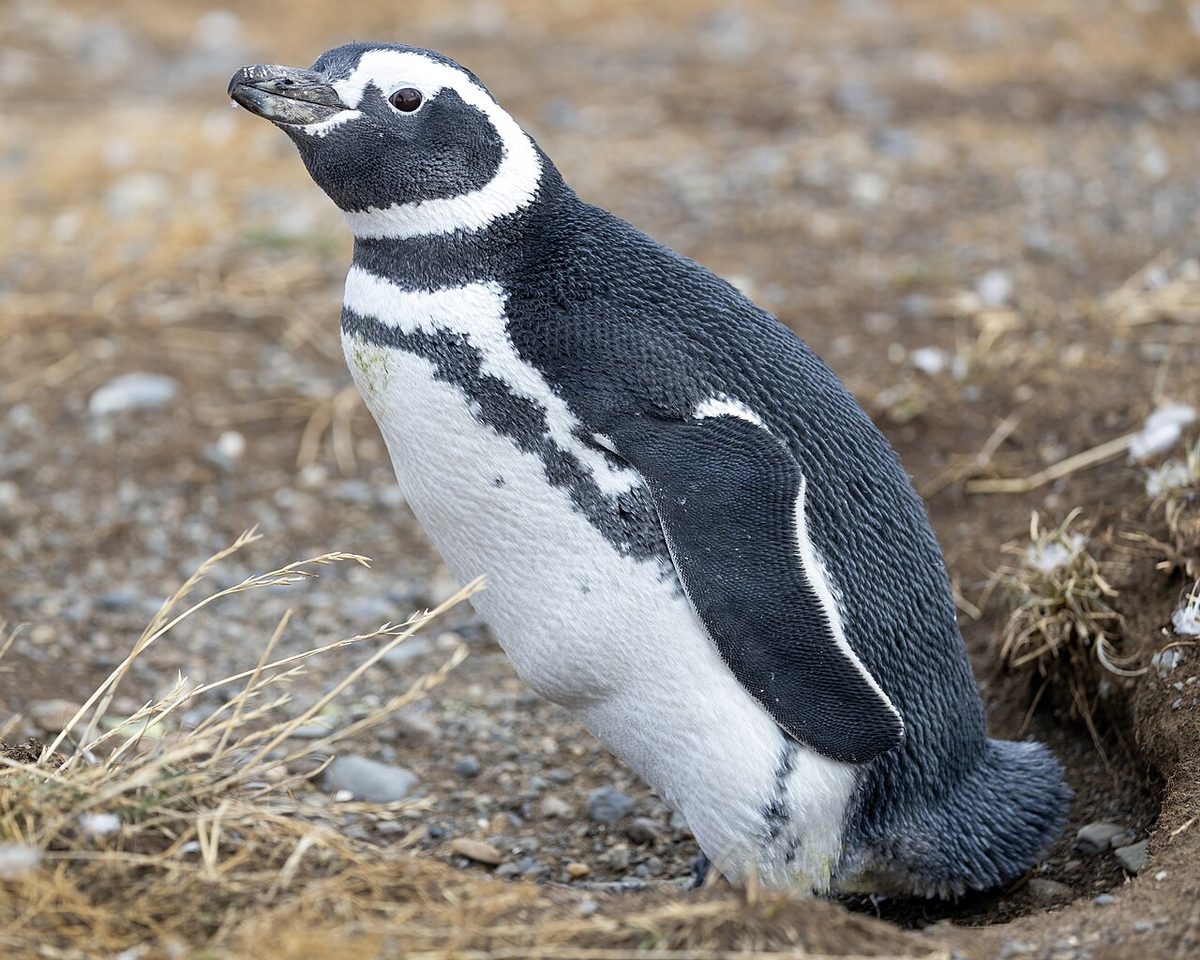
January is high summer, and on the Chubut coast that means penguin colonies at their busiest. At Punta Tombo, the largest Magellanic colony on the continent, chicks have hatched and parents shuttle between nest and sea all day. Chubut’s tourism authority calls late January, when chicks, juveniles, and adults are all present at once, one of the two standout moments of the whole penguin season in Patagonia.
It is not southern right whale season; they have gone. But the coast is far from empty. South American sea lion pups are born around this time, which sets the stage for the orca drama still two months away. King penguins are on Tierra del Fuego year-round. And the southern steppe is alive with guanacos, rheas, foxes, and maras.
January is also the hardest month to book. This is peak season across all of Patagonia, competing with summer trekkers for the same flights and beds. Lead time: book flights and lodging three to six months ahead, more if you want a specific lodge near Punta Tombo or in El Calafate. Expect crowds, heat haze on the steppe at midday, and strong UV.
February: large chicks, first orcas, building heat
February continues the penguin peak — the chicks are bigger and more active — and adds the first edge of the year’s most coveted event. Sea lion pups born in January are now learning to swim in the shallows, and that is exactly what draws the orcas. The Puerto Pirámides tourism office dates the Punta Norte orca season to late February through mid-May, correlating it directly with South American sea lion pupping. Late February is the early shoulder; sightings build from here.
Still no right whales. Commerson’s dolphins, the small striking black-and-white dolphins of the Atlantic coast, are around the gulfs. Condors ride thermals over the Andean parks. The penguin colonies remain excellent.
February shares January’s booking pressure as a summer-peak month. Lead time: three to six months for flights and beds. If orcas are the reason you are coming, do not build a February-only orca trip; the strong window is March and April. Come in late February only if you can stay into March, or if penguins are your real target and orcas are a hoped-for bonus.
If there is one month travellers cross the world for, it is March, for one reason: the intentional stranding of orcas at Punta Norte. This is one of only two places on Earth where orcas deliberately beach themselves to seize sea lion pups off the shoreline, and March is its heart. The hunt happens in a tight tidal window — roughly three hours either side of high tide — and only when wind and sea cooperate, so this is a watch-and-wait game measured in days, not a guaranteed show. Read our dedicated orcas in Patagonia guide before you plan around it, because expectations are everything here.
March is also a quietly excellent all-round month. Penguins are still in the colonies. The first southern right whales sometimes begin to trickle in late in the month, though it is too early to plan a whale trip around. Weather is mild, the summer crowds are thinning, and the light is beautiful. On the other side of Patagonia, puma tracking is getting good as autumn arrives.
Lead time for March is specific and strict: book orca-focused trips and Punta Norte access well ahead, and give yourself at least three to five days in the area. The orcas reward patience more than money; a single afternoon at the viewpoint is a long-odds bet.
April: orcas continue, pumas turn excellent, parks empty out
April is the overlap month for two flagship predators. The orca season at Punta Norte runs strong into April and tapers toward mid-May, so the hunt is still very much on. At the same time, on the Chilean side, puma tracking turns excellent: as autumn deepens, vegetation thins, guanacos move to lower ground, and the cats become far more visible. Guides cite late March through early June, alongside the winter proper, as a prime window in Torres del Paine.
Southern right whales are building now, with more arriving through the month, though the focus is still shore-viewing rather than boats. Penguin colonies are emptying as the birds head to sea; you may still catch stragglers early in the month, but do not count on a full colony.
April is one of my favourite months to travel here precisely because the crowds have gone. Lead time eases to roughly one to three months for general logistics, but specialist puma tracking and orca trips still need booking well ahead — the good guides are few and they fill regardless of season. Weather is cooler and less stable; pack for it.
May: the quiet hinge of the year
May is transitional and underrated. The orca season closes around mid-May. The first southern right whales of the new season begin arriving late in the month, though it is early and you should not build a fixed-expectation whale trip around May alone. Penguin colonies are empty. But puma tracking is at its best as the austral winter sets in, with snow making tracks easier to read and the cats hunting newly born guanacos and other prey in the open.
This is a flexible-traveller’s month, not a first-timer’s. The rewards are solitude, autumn-into-winter landscapes, and excellent puma odds for those willing to be cold and patient. King penguins remain on Tierra del Fuego, though note the Bahía Inútil park typically closes for parts of winter, so verify access.
Lead time: one to three months for most things; book puma guides early. Many coastal operators wind down between the orca and whale seasons, so confirm what is actually running before you commit.
June: whale shore-viewing opens, and so does deep winter
June flips the coast back on. The official southern right whale season opens, and the Visit Argentina calendar runs it June to December, with the first whales arriving from late May. Early season means the whales concentrate in Golfo Nuevo, the gulf Puerto Madryn sits on, which is exactly why shore-viewing at El Doradillo is so good now — mothers and calves drift close to the pebble beaches. Our Puerto Madryn whale watching guide covers the shore-versus-boat decision in detail.
This is deep winter, cold and quiet, with almost no other tourists. Pumas remain excellent in Torres del Paine, where winter is one of the very best tracking seasons. King penguins persist on Tierra del Fuego. There are no penguins or orcas on the Atlantic coast now.
Lead time relaxes considerably: one to two months is usually fine for the coast in June, since you are well outside the September-to-November peak. The trade-off is genuine cold and short days, so bring serious layers and a thermos for the long, still waits at the beach.
July: peak shore whales, mothers and calves close in
July is the month for whales from the beach. Newborn calves cannot float well on their own for their first weeks, so mothers keep them in the calm, shallow water near shore — and that puts them within meters of land at El Doradillo on a rising tide. Visit Argentina specifically flags July and August as ideal for watching mothers and calves from land. It is cold, atmospheric, and often nearly empty.
Elsewhere, July is still prime puma season, and king penguins are present on Tierra del Fuego. The coast has no penguins or orcas yet. This is also when the elephant seal story begins to stir offshore, with the big males due to arrive in the coming weeks.
Lead time: one to two months is generally comfortable for the whale coast in July, though a winter shore-viewing trip is more about flexibility and warm clothing than scarce bookings. If you are also chasing pumas in the same trip, give the southern parks their own dates and a guide booked well ahead; the two regions are not next door.
August: excellent shore whales, elephant seal males arrive
August holds the peak shore-whale window — mothers and calves still close in — and adds the opening act of the elephant seal breeding drama. The dominant male southern elephant seals haul out around August, ahead of the females, to claim and hold beach territory at the Península Valdés colonies. The pieces are assembling for the spring spectacle.
Still no penguins or orcas on the coast. Pumas remain excellent. King penguins continue on Tierra del Fuego. August is cold and the wind has teeth, but the combination of close whales and almost no crowds makes it one of the most intimate months on the whole calendar.
Lead time: one to two months for the coast. Watch the weather more than the booking window here; boats run when the wind allows, and shore-viewing simply requires you to be there on a good rising tide. Confirm current whale-season status with a local source before you travel, as exact timing drifts year to year.
September: courtship whales, elephant seal pups, the season turns
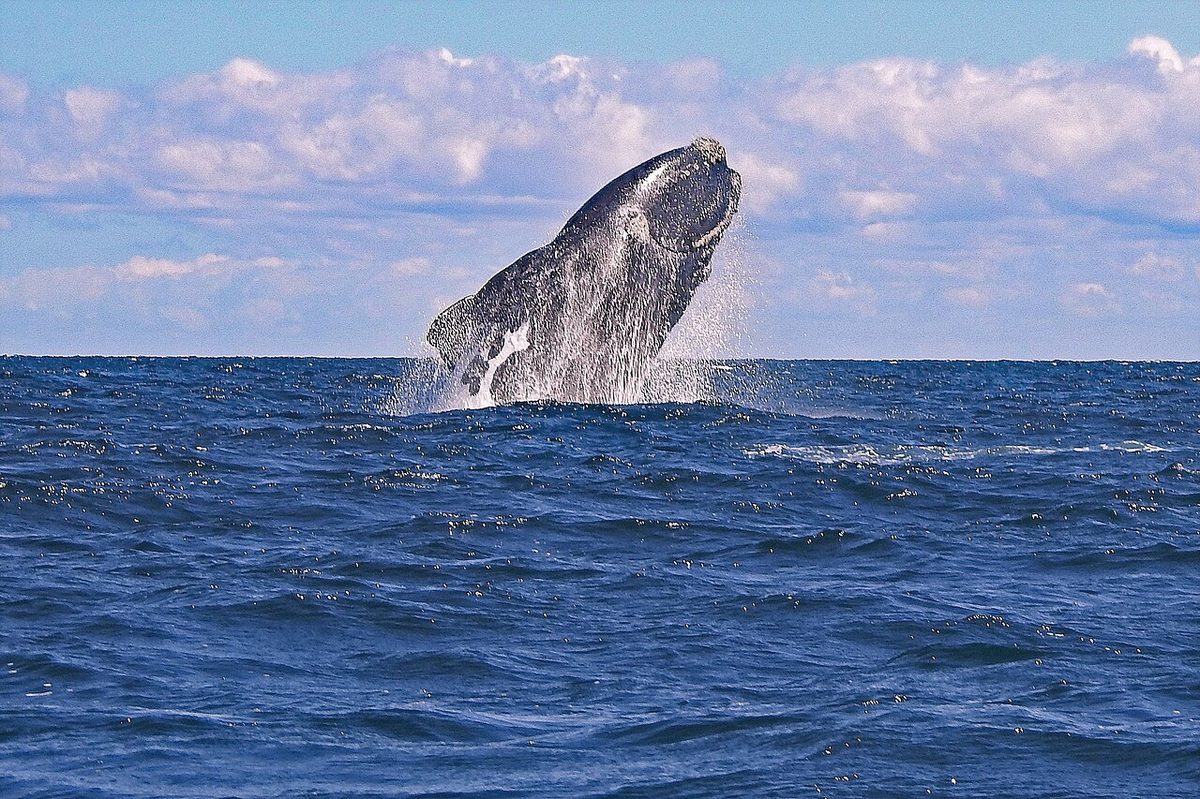
September is where the calendar comes alive and the all-round peak begins. Spring arrives, and the whales become far more active: breaching, tail-slapping, vocalising, and gathering in courtship groups. They also start shifting from Golfo Nuevo toward Golfo San José on the peninsula’s far side, which is why boats out of Puerto Pirámides come into their own from now. Visit Argentina rates September and October the best months for boat excursions.
On land at the colonies, female elephant seals arrive in early September to give birth, per the Puerto Pirámides calendar, so the beaches fill with pups. And the penguins are back: Magellanic penguins begin returning to the colonies to nest, opening the penguin season in Patagonia that the Chubut authority dates from September. Pumas remain good as winter loosens.
Lead time tightens sharply from here: book three to six months ahead for September through November. This is the start of the busy wildlife season, and Visit Argentina explicitly names September to November as peak, advising early booking of accommodation and tours. If you want a boat seat or a room in tiny Puerto Pirámides, reserve early.
October: the strongest all-round month
If you can only come once and want the fullest wildlife coast, come in October. Whales are at their best for boat trips, with peak interaction and the calmest sea conditions of the season. Penguins are well into nesting, with eggs in the burrows. Elephant seal and sea lion colonies are busy with young. And there is a real bonus: orcas return to Caleta Valdés in October and November, where they hunt elephant seal pups using the same stranding technique as at Punta Norte, as the Puerto Pirámides office describes for the spring orca window. Weather is improving and the days are lengthening.
This is the cleanest overlap on the whole grid, which is why October is the month I most often recommend to a first-time wildlife traveller who wants variety over a single rarity. Pumas are tapering on the Chilean side as spring vegetation returns, but the coast more than compensates.
Lead time: three to six months, and toward the longer end for boats and Pirámides lodging. October sits squarely in the peak booking season. Build a spare day for wind; even in the best month, a cancelled boat is a normal outcome.
November: first penguin chicks, guanacos begin to birth
November keeps the coast strong and opens the steppe’s own event. The first penguin chicks hatch around mid-November, which Chubut’s tourism authority names as one of the colony’s two special moments. Penguins are abundant and busy. Whales are still present but beginning to depart late in the month, so verify current status if whales are your main reason to come. Orcas may still appear at Caleta Valdés early in the month.
Across in the south, the guanaco birthing season begins. Mothers drop their chulengos — leggy, precocious calves that can run within hours — through November and December in and around Torres del Paine. That, in turn, draws pumas back to hunt, a connection worth understanding if either animal interests you. Condors ride the spring thermals over the cliffs.
Lead time: three to six months; November is still peak booking. It is one of the best months for a combined coast-and-steppe trip if you have the days to cross Patagonia properly. For the broader weather picture that shapes all of this, our Patagonia weather by month guide is the companion reference.
December: chulengos and long days, but whales bow out
December is high summer arriving. The southern right whales are mostly gone by mid-December, so this is the tail end and not a safe bet if whales are the goal — check the current season status before planning around them. But the rest of the calendar is generous. Penguin colonies are full of growing chicks. The guanaco chulengos are on the ground across the steppe, one of the most charming sights in Patagonia, and the long daylight hours give you more time to find wildlife.
This is also when summer crowds and prices climb hard, especially around the holidays. King penguins continue on Tierra del Fuego. Condors and steppe birds are active. On the coast, the marine-mammal colonies of sea lions remain, even as the whales depart.
Lead time: three to six months, and longer over the Christmas and New Year peak, when flights and lodging across all of Patagonia are at their most contested. If you are coming in December, lean into penguins, guanacos, and the southern parks rather than expecting whales.
Best single month for each species
Sometimes you do not want a grid; you want one answer. Here is the month I would choose if a single animal were the entire point of the trip.
Southern right whales (shore): July. Mothers and calves closest to the beach at El Doradillo, and you do not need a boat. Cold but intimate.
Southern right whales (boats and behaviour): October. Best sea conditions and the most active whales — breaching, courtship — out of Puerto Pirámides.
Orcas (the Punta Norte stranding hunt): March. The heart of the late-February-to-mid-May window. Bring patience and several days.
Orcas (at Caleta Valdés, hunting elephant seals): October or November. The spring sub-season most travellers don’t know about.
Magellanic penguins (chicks): late January. Adults, juveniles, and chicks all present at the colony at once.
Magellanic penguins (arrival and nesting): October. Quieter colonies, courtship and burrow activity.
Pumas: the austral winter, around June to August, when thin vegetation and snow make the cats most visible and trackable.
Elephant seals (breeding spectacle and pups): September to October, when females give birth and the beaches are busiest.
Guanaco chulengos: November to December, the birthing season across the southern steppe.
Condors and steppe birds: spring (October to December), when thermals are reliable and the parks are alive — see our birding guide from condors to flamingos guide.
King penguins: any month they are accessible; the Tierra del Fuego colony is year-round, though verify the park’s winter opening days before you go.
If you want the broader reasoning behind these picks — why “peak” means what it means for each animal — that is exactly what the companion best time to see wildlife in Patagonia overview is for.
A word on watching well, every month
Whatever the calendar says, the way you watch matters more than the date. The reason this coast and these parks are still worth visiting is that people have protected the animals’ space, and your behaviour is part of that bargain.
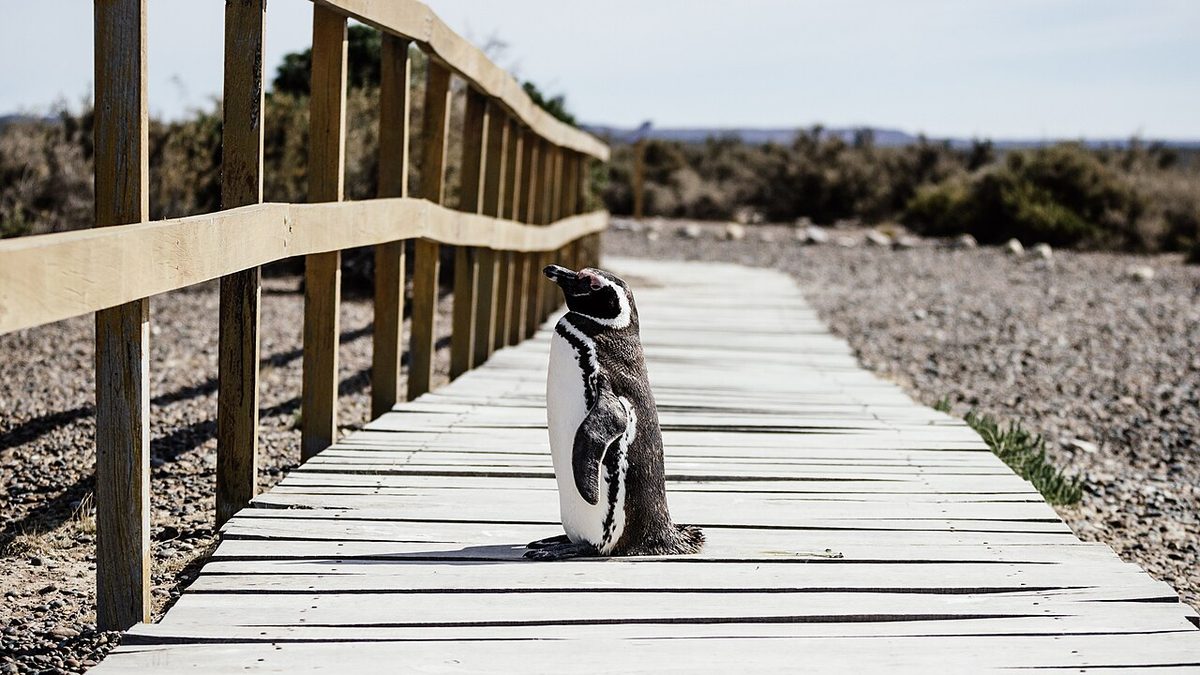
Use authorised operators for boats and protected-area access. Let guides manage distance and the encounter; a whale surfacing near the hull is not an invitation to chase it, and an orca hunting is not a cue to crowd the shoreline. Stay on marked paths in penguin colonies — the birds may cross near you because the path intersects their commute, which is not permission to step toward them. Never feed wildlife. No drones around animals. And accept, genuinely, that no sighting is a better outcome than a harmful one. Our responsible wildlife watching in Patagonia guide lays out the full code, species by species.
Frequently asked questions
What is the best month for wildlife in Patagonia overall?
For the fullest single-month overlap, October is hard to beat: southern right whales at their best for boats, penguins nesting, busy elephant seal and sea lion colonies, and the chance of orcas at Caleta Valdés. September and November are nearly as strong. If your priority is orcas or pumas instead, the best month shifts to March or to the austral winter respectively.
When is whale season in Patagonia?
The southern right whale season around Península Valdés runs roughly June to December, according to Visit Argentina, with the first whales arriving in late May. July and August are best for shore-viewing of mothers and calves at El Doradillo, while September and October bring the most active whales and the calmest conditions for boat trips. Whales mostly depart by mid-December.
When can you see penguins in Patagonia?
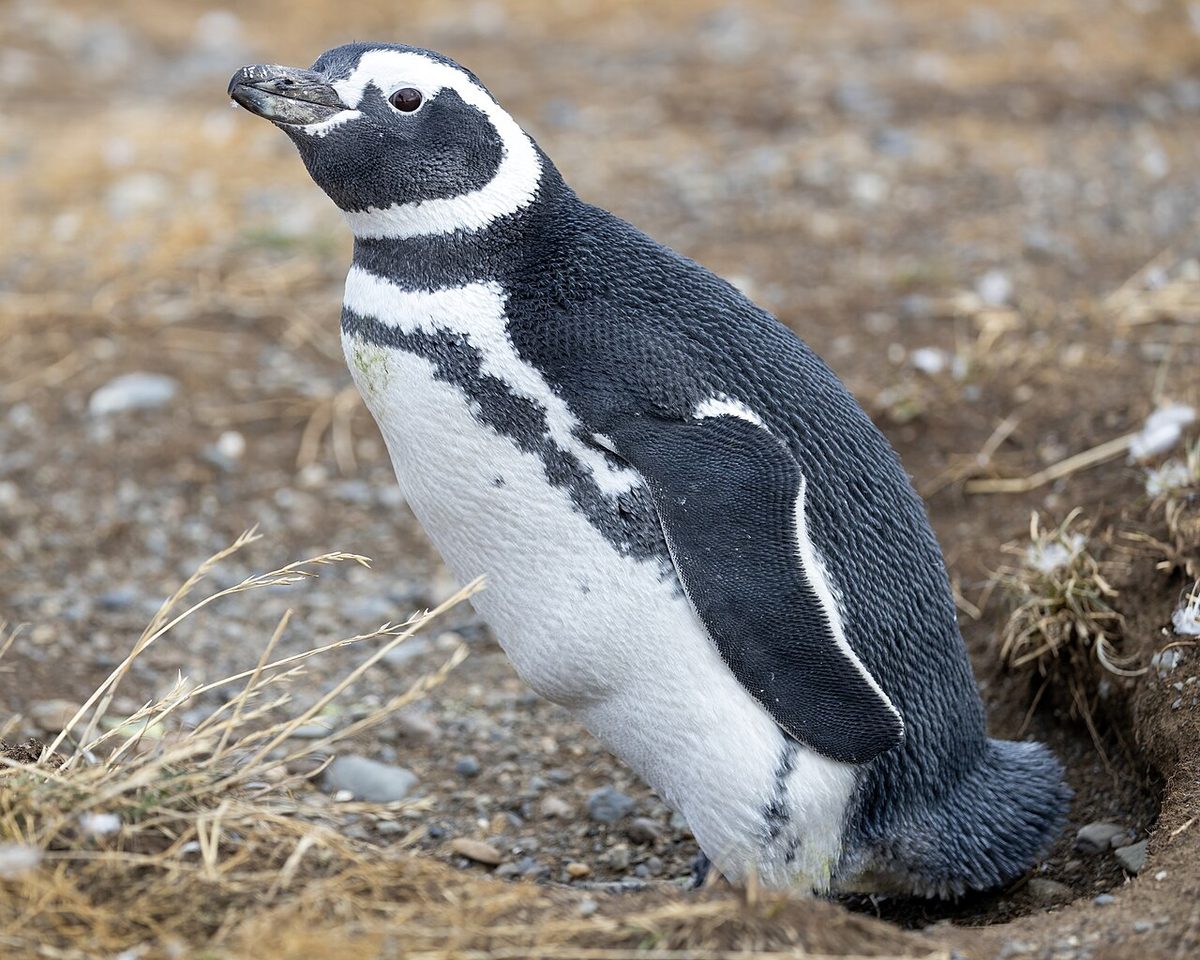
Magellanic penguins fill the Chubut colonies, including Punta Tombo, from about mid-September to April. Chubut’s tourism authority highlights mid-November, when the first chicks hatch, and late January, when chicks, juveniles, and adults are all present, as the two standout moments. King penguins on Tierra del Fuego are present year-round, though verify the colony’s winter opening days.
What month is best for orcas at Punta Norte?
March is the heart of it. The Puerto Pirámides tourism office dates the intentional-stranding hunt to late February through mid-May, tied to sea lion pupping. The orcas can only hunt within about three hours either side of high tide, and only in suitable weather, so give yourself several days and treat any sighting as a gift, never a guarantee.
When is the best time to track pumas in Patagonia?
The austral winter, roughly May to September, is widely considered best in Torres del Paine: thinner vegetation, guanacos at lower elevations, and snow that makes tracks easier to read all increase visibility. Late March to early June and the spring months also offer good conditions with fewer visitors. Use a reputable guide and prioritise the animal’s space over a close photo.
When do guanacos have their babies?
Guanaco mothers give birth to their chulengos mainly in November and December across the Patagonian steppe and in Torres del Paine. The calves are remarkably precocious, able to stand and run within hours. This birthing season also concentrates puma activity, since the cats hunt the newborns, so November and December can be rewarding for both species at once.
Can you see whales and penguins on the same trip?
Yes, and the cleanest overlap is roughly late September to November on the Chubut coast. In that window southern right whales are still active out of Puerto Pirámides while Magellanic penguins are nesting at Punta Tombo and around Península Valdés. October is the sweet spot. Outside that window you usually get one or the other, not both.
Final thoughts
A wildlife trip to Patagonia lives or dies on timing, and timing here is not one season but a dozen overlapping ones strung across two coasts and a mountain range. The good news is that there is no empty month. There is only the question of which animal you are building the trip around, and whether you have left it enough room to wait.
So do this. Pick your headline species. Find its month in the grid. Then book the scarce things — boats, guides, Pirámides beds, peak-season flights — on the human calendar, which runs months ahead of the animal one. Leave a spare day for the wind. And verify the current season before you commit, because every date on this page is a strong probability, not a promise. Cross-check with the best time to see wildlife in Patagonia overview, lean on the Patagonia wildlife and whale watching guide for the species detail, and you will arrive in the right place, in the right month, with a seat already saved.