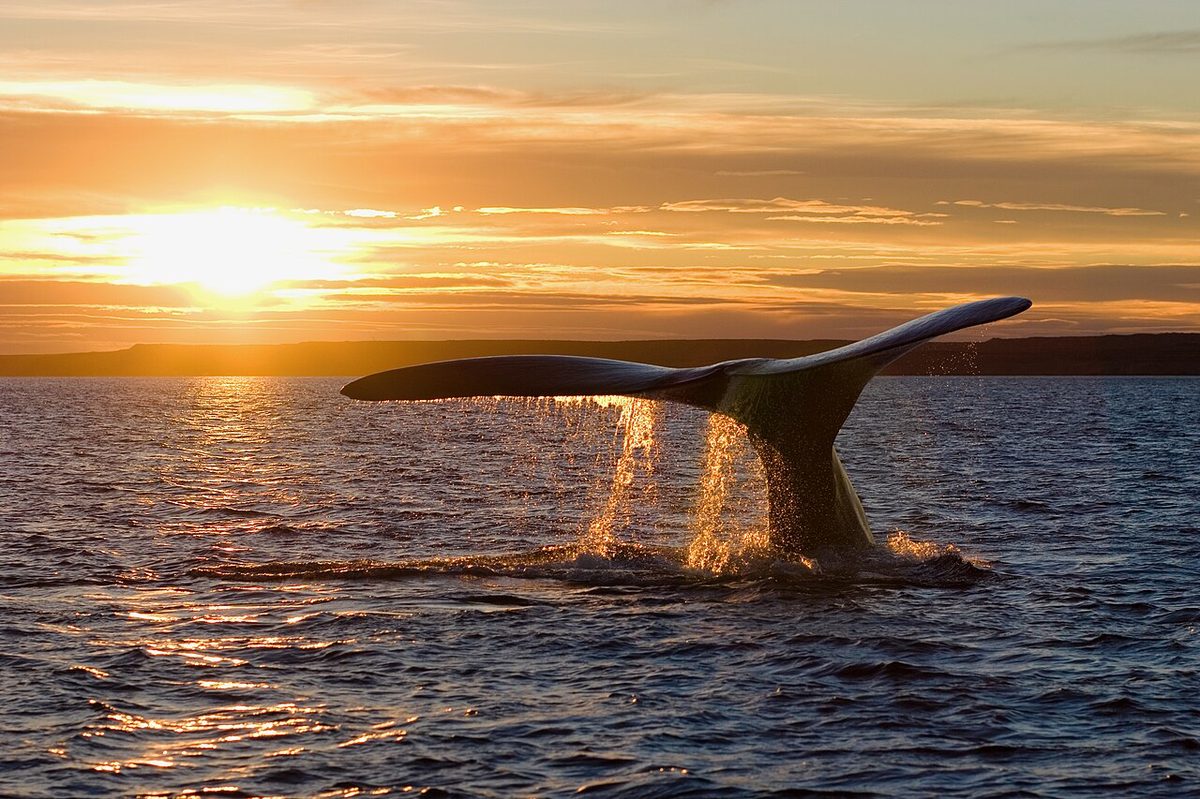
Patagonia is not only mountains.
That is the first thing I would tell anyone planning a wildlife trip here. The granite towers, glaciers, lakes, and wind get most of the attention, but the animal calendar is its own Patagonia. It has different routes, different best months, different base towns, and a very different idea of success. A good wildlife day might be standing quietly on a beach while a whale and calf surface just offshore. It might be waiting hours at Punta Norte and seeing no orca at all. It might be a guanaco alarm call in Torres del Paine, a condor circling above a ridge, a penguin stepping across your path because you are on its commute, or a Beagle Channel boat drifting past sea lions in cold southern light.
This guide is for the traveler who cares about that.
If your Patagonia dream is wildlife, do not plan the trip with a hiking calendar and hope animals appear as a bonus. Plan around the species first. Southern right whales, Magellanic penguins, orcas, elephant seals, sea lions, pumas, guanacos, condors, rheas, foxes, dolphins, and seabirds all have different rhythms. Some are seasonal. Some are present all year but easier to see in certain places. Some require a dedicated detour. Some require patience more than money. And some, especially orcas and pumas, should never be treated as guaranteed sightings no matter how convincing a tour page sounds.
This is the practical Patagonia wildlife and whale watching guide: when to go, where to base yourself, which species overlap, how many days to allow, how to combine wildlife with a wider Patagonia itinerary, and how to watch animals without making your trip part of the problem.
Last fact-checked: May 27, 2026. Wildlife timing is seasonal but not mechanical. Always recheck current local calendars, park rules, sea conditions, and authorized operator status before booking.
Quick Answer: Best Wildlife in Patagonia
| Wildlife goal | Best base | Strongest broad timing | Notes |
|---|---|---|---|
| Southern right whales | Puerto Madryn or Puerto Piramides | June to December, strongest for many travelers in September and October | Boat trips leave from Puerto Piramides; shore viewing is possible near Puerto Madryn in season |
| Whales plus penguins | Puerto Madryn, Peninsula Valdes, Punta Tombo | September to November, with October often a strong compromise | This is the easiest wildlife overlap for most first-time travelers |
| Magellanic penguins in Argentina | Punta Tombo, Peninsula Valdes, Chubut coast | Mid-September to mid-April | Chicks and colony activity change by month |
| Magellanic penguins in Chile | Punta Arenas, Isla Magdalena | Spring and summer, commonly October to March | Boats are weather-dependent and should be booked ahead |
| Penguins near Ushuaia | Beagle Channel and Martillo Island | October to April | Tour details matter: some view from boats, some may include controlled land access |
| Orcas | Peninsula Valdes, especially Punta Norte/Caleta Valdes areas | March to May plus October and November, with no guarantee | Plan for possibility, not certainty |
| Pumas | Torres del Paine and nearby private conservation areas | Year-round possible; guided tracking often targets quieter or colder periods | Ethical guides and distance matter more than a close photo |
| Guanacos, condors, foxes, rheas | Torres del Paine, Patagonian steppe, Ruta 40, Parque Patagonia | Year-round, with local variation | Often easier to see than the headline species |
| Beagle Channel sea lions and seabirds | Ushuaia | Year-round for some wildlife, penguin season for penguin-specific routes | Good add-on if Ushuaia already fits your itinerary |
If I had to choose one broad Patagonia wildlife window for a first-time trip, I would look hardest at September through November around Peninsula Valdes and Puerto Madryn. That is not because every animal peaks then. It is because the overlap is strong: southern right whales are still the headline, penguins are active, sea lions and elephant seals add variety, and the coast feels like a wildlife region rather than a single-species stop.
If I were going specifically for orcas, I would plan a slower, more patient trip and accept the risk of seeing none. If I were going specifically for pumas, I would not rely on a casual day tour. I would use a reputable guide, build in more than one attempt, and care more about animal behavior than a close encounter.
Table of Contents
- Is Patagonia Good for Wildlife?
- Patagonia Wildlife Regions
- Patagonia Wildlife Calendar
- Peninsula Valdes and Puerto Madryn
- Whale Watching in Patagonia
- Penguins in Patagonia
- Orcas in Patagonia
- Pumas, Guanacos and Condors
- Beagle Channel Wildlife
- Wildlife Itineraries
- Logistics, Costs and Booking
- Responsible Wildlife Watching
- FAQ
Is Patagonia Good for Wildlife?
Yes, Patagonia is excellent for wildlife, but it rewards travelers who understand geography.
The mistake is imagining one neat “Patagonia wildlife” experience. There is no single safari loop where every species appears in one week. The Atlantic coast around Peninsula Valdes is the region’s strongest whale, penguin, sea lion, elephant seal, dolphin, and orca zone. Torres del Paine is the better place for guanacos, condors, foxes, rheas, and puma tracking. Ushuaia and the Beagle Channel add sea lions, cormorants, penguin routes, and far-south birdlife. Punta Arenas opens the door to Isla Magdalena and the Magellan Strait. The Carretera Austral and Chilean parks add quieter wildlife moments, but they are not as simple for a first-time species-focused trip.
Visit Argentina describes Patagonia as a region of native fauna including deer, pumas, foxes, guanacos, condors, and rheas, with marine wildlife such as southern right whales, Magellanic penguins, sea lions, orcas, and dolphins. That variety is real. The catch is that the animals are spread across a huge region. If you want whales, you go to the coast. If you want pumas, you go to Torres del Paine or nearby tracking areas. If you want penguins, you choose between Chubut, Punta Arenas, Ushuaia, and other colonies based on month and route.
This is why wildlife planning should come before flight booking. A person visiting El Chalten in January may have a brilliant hiking trip and almost no whale chance. A person visiting Puerto Madryn in October may have a rich wildlife trip and no Fitz Roy. A person trying to combine every animal with the W Trek, Perito Moreno Glacier, Ushuaia, Bariloche, and the Carretera Austral in two weeks is not building an itinerary. They are building a list of disappointments.
The good news is that a focused wildlife trip can be easier than a high-effort trekking trip. You do not need to carry camping gear. You do not need to book Torres del Paine refugios a year ahead just to see your first whale. Families, photographers, older travelers, non-hikers, and people who prefer wildlife to summit views can have a deeply satisfying Patagonia trip if they choose the right base and the right season.
The better question is not “Is Patagonia good for wildlife?” It is “Which Patagonia wildlife trip are you actually planning?”
Patagonia Wildlife Regions
Think of Patagonia wildlife in five practical regions.
Peninsula Valdes, Puerto Madryn and the Chubut Coast
This is the core wildlife region for most travelers. Peninsula Valdes is the name that appears again and again because it concentrates marine wildlife in a way the rest of Patagonia does not. Southern right whales come to the protected waters around the peninsula. Magellanic penguins breed in the region. Sea lions, elephant seals, dolphins, guanacos, maras, foxes, rheas, and many birds add depth. Orcas are possible in certain windows, but they are not a dependable checklist animal.
Visit Argentina’s Peninsula Valdes page says the peninsula is in Chubut, about 56 km from Puerto Madryn by Ruta Provincial 2, and covers about 4,000 km2. It lists September through November as the ideal broad time of year and recommends 2 to 3 days. That is a useful baseline, but if wildlife is the main reason for your trip, I would often give the area 3 to 4 nights.
Puerto Madryn is the easiest city base. Puerto Piramides is the smaller, more atmospheric whale-watching base inside the Peninsula Valdes protected area. Trelew can work for flights and Punta Tombo access, but it is less appealing as a wildlife base unless logistics dictate it.
Punta Tombo and Other Penguin Colonies in Chubut
Punta Tombo is one of the classic Magellanic penguin stops in Argentine Patagonia. It is usually visited as a day trip from Puerto Madryn or Trelew. Chubut Patagonia says Chubut has several penguin colonies, including Punta Tombo, Cabo Dos Bahias, and spots in Peninsula Valdes, with penguins reproducing, hatching, and becoming independent from September to April. It also highlights mid-November for chicks being born and late January as a strong colony moment.
This matters because “penguin season” is not one thing. Early season can mean adults arriving and nesting. Later spring can mean eggs and chicks. Summer can mean larger chicks, more movement, more heat, and more visitors. If penguins are a top priority, do not just ask whether the colony is open. Ask what the birds are doing in that month.
Torres del Paine and the Southern Steppe
Torres del Paine is the best-known land wildlife destination in Patagonia. It is famous for views, but it is also one of the best places to see guanacos, condors, foxes, rheas, and, with luck and the right approach, pumas.
Chile Travel says Torres del Paine covers 227,000 hectares and is home to pumas, guanacos, and condors. CONAF’s Torres del Paine page describes easily observable wildlife such as guanaco, fox, nandu, swan, and condor, and lists mammals including puma, guanaco, huemul, foxes, and other species. This is a different wildlife style from Peninsula Valdes. You are not usually standing at a single rookery or boarding a whale boat. You are scanning open country, watching behavior, and moving slowly through a landscape where animals live around the roads and trails.
For pumas, I would strongly favor a specialized guide over a casual self-drive hope. Not because a guide can guarantee anything, but because a good guide changes the ethics and the quality of the experience. They know how to keep distance, read behavior, manage people, and avoid turning a sighting into harassment.
Punta Arenas, Isla Magdalena and the Magellan Strait
Punta Arenas is the main Chilean base for Isla Magdalena, part of Los Pinguinos Natural Monument. Chile Travel says the monument protects an island ecosystem accessible only by sea. Visitors disembark on Isla Magdalena and follow a path among thousands of Magellanic penguins and young, while Isla Marta can add sea lions from the boat. The same page notes that visitors travel from Punta Arenas piers, the one-way voyage lasts about 2 hours, and the total excursion usually takes 4 to 6 hours with advance booking.
This is a strong penguin option if you are already using Punta Arenas for Torres del Paine, Puerto Natales, or southern Chile. It is less obvious if your route is entirely Argentine and you are already visiting Punta Tombo. In that case, ask whether you need two penguin experiences or whether your time is better spent on whales, hiking, or a rest day.
Ushuaia, Martillo Island and the Beagle Channel
Ushuaia is a far-south wildlife add-on, not the main whale base. Its strength is the Beagle Channel: sea lions, cormorants, seabirds, penguin routes, cold water, mountains, and the atmosphere of Tierra del Fuego.
Ushuaia municipal tourism says the Beagle Channel, also known as Onashaga in the Yaghan language, has biodiversity, history, landscapes, and excursions that may visit islands with cormorants, penguins, sea lions, and Les Eclaireurs Lighthouse. A municipal tourism provider listing for Tolkeyen says Martillo Island is about 90 km from Ushuaia and that Magellanic and gentoo penguins are usually present from October to April, with occasional king penguins.
Ushuaia wildlife fits best if you already want the city for Tierra del Fuego, Antarctica logistics, winter, king crab, or the Ushuaia and Tierra del Fuego guide. It is not the first place I would send someone whose only dream is whales.
Patagonia Wildlife Calendar
Use this calendar as a planning guide, not a promise. Animals do not read travel blogs. Weather, sea state, food availability, migration timing, access rules, and local conservation decisions can shift the experience. For a month-by-month planner with booking lead times for each species, see our dedicated Patagonia wildlife calendar.
| Month | Wildlife planning notes |
|---|---|
| January | Strong for penguins in several colonies, summer Beagle Channel routes, sea lions and steppe wildlife. Not whale season for southern right whales in Peninsula Valdes. |
| February | Good for penguins and summer wildlife. Orca possibility begins building around Peninsula Valdes, especially later in the sea lion pup window, but sightings are uncertain. |
| March | Stronger orca possibility around Peninsula Valdes, penguins still possible in many places, hiking routes still active. A good mixed month if you accept whale limitations. |
| April | Late penguin season in some colonies, orca possibility continues, fewer travelers. Weather and operator schedules need more checking. |
| May | Transitional. Some southern right whales may begin arriving late in the month, but this is early. Good for flexible travelers, not for a first wildlife trip with fixed expectations. |
| June | Southern right whale season begins around Peninsula Valdes. Shore viewing can be compelling. Mountain winter conditions build. |
| July | Whales near Puerto Madryn and Peninsula Valdes are a real focus. Cold, quiet, and useful for shore-based whale watchers. |
| August | Excellent whale month, especially for mothers and calves near shore. Cold weather remains part of the deal. |
| September | One of the strongest all-around wildlife months: whales, penguins beginning, sea lions, elephant seals, and spring movement. |
| October | Often the cleanest broad wildlife month: whales, penguins, orca possibility, better weather, and strong overlap. |
| November | Still a strong overlap month, especially for penguins and broader coastal wildlife. Some whale activity remains, but always recheck season status. |
| December | Whale season tapers toward early/mid December depending on year and source; penguins and summer wildlife continue. Peak travel pressure rises. |
For Peninsula Valdes specifically, Argentina.gob lists southern right whales from June to early December, Magellanic penguins from mid-September to mid-April, orcas from March to May and October to November, elephant seals from July to March, and several species such as sea lions, Commerson’s dolphins, guanacos, maras, foxes, rheas, tinamous, and many birds all year.
That official calendar is one of the reasons September, October, and November keep coming up. They are not perfect for every species, but they give the best overlap for a traveler who wants a full wildlife feel without building the entire trip around one low-probability event.
Peninsula Valdes and Puerto Madryn

If this article has a center of gravity, it is Peninsula Valdes. Our full Peninsula Valdes guide walks the wildlife route, Puerto Piramides, and the best stops in detail.
The peninsula is not just a side trip from Puerto Madryn. It is the main reason many wildlife travelers add the Atlantic coast to Patagonia at all. It is a UNESCO World Heritage protected area, a major southern right whale destination, and a place where the flatness of the steppe makes the sea feel even more dramatic. You drive through dry, open land and then suddenly there are cliffs, coves, sea lions, elephant seals, birds, and the possibility of something huge surfacing offshore.
Puerto Madryn or Puerto Piramides?
Puerto Madryn is the practical base. It has more hotels, restaurants, agencies, services, and flights or transfer options. It works well for families, travelers without a rental car, and anyone who wants more infrastructure after days in remote Patagonia. It is also close to Playa El Doradillo, one of the most famous shore-based whale-watching areas in season.
Puerto Piramides is smaller and sits inside the Peninsula Valdes protected area. It is the boat-whale-watching hub. Visit Argentina’s whale article says Puerto Piramides is the only authorized location in Argentina for nautical whale-watching excursions. If whale boats are the core of your trip, sleeping in Puerto Piramides can make the experience feel less like a day trip and more like a wildlife stay.
I would choose Puerto Madryn if:
- You want more lodging and food choice.
- You are doing multiple day trips, including Punta Tombo.
- You need easier logistics with flights, transfers, or agencies.
- You are traveling with family or want city services.
- You want to include El Doradillo shore viewing.
I would choose Puerto Piramides if:
- Whale watching is the whole point.
- You want to be closer to the boat departures.
- You are comfortable with fewer services.
- You like waking up already inside the landscape.
- You have a car or a clearly arranged tour plan.
For many first-time travelers, Puerto Madryn is simpler. For a slower whale-focused trip, Puerto Piramides can be special.
How many days for Peninsula Valdes?
Two nights is the minimum. Three to four nights is better if wildlife matters.
With 2 nights, you can usually do one Peninsula Valdes day and one whale/shore/Puerto Madryn day if timing and weather cooperate. With 3 nights, you gain a cushion for sea conditions, a second wildlife outing, or Punta Tombo. With 4 nights, the area begins to feel less like a detour and more like a proper wildlife section.
Visit Argentina recommends 2 to 3 days. I agree for a general traveler. For a wildlife-first traveler, I would lean toward the upper end or beyond it.
What can you see around Peninsula Valdes?
The headline species are southern right whales, Magellanic penguins, sea lions, elephant seals, orcas, dolphins, guanacos, maras, foxes, rheas, and coastal birds.
Do not expect them all on one day. Peninsula Valdes is large. Distances are real. Road conditions can be dusty and slow. Some viewing depends on tides. Some animals are seasonal. Some animals are present but hidden. A good full-day peninsula tour might include sea lions, elephant seals, guanacos, birds, and dramatic coast even if the orcas never appear.
This is also where realistic expectations protect the trip. If you see wildlife travel as a scoreboard, Patagonia can frustrate you. If you see it as time spent in the right habitat, with the right patience, it becomes much richer.
Whale Watching in Patagonia
For most travelers, “Patagonia whale watching” means southern right whales around Puerto Madryn, Puerto Piramides, and Peninsula Valdes. Our dedicated Puerto Madryn whale watching guide covers the season, boat tours, and free shore viewing in depth.
Visit Argentina’s 2025 southern right whale article says the whales arrive along the coast of Peninsula Valdes to mate, give birth, and care for calves. It says the migration begins in late May and extends through mid-December, with the official season running June to December. July and August can be good for mothers and calves near the coast, while September and October often bring more activity and favorable conditions for boat excursions.
That gives you a simple planning frame:
- June to August: colder, quieter, strong shore-viewing potential, especially for patient travelers.
- September to October: excellent whale focus with broader wildlife overlap and better travel conditions for many visitors.
- November: still strong for broader wildlife, with whales possible but requiring current local checks.
- Early December: possible tail end, not the safest first choice if whales are your main reason.
Boat whale watching from Puerto Piramides
Boat trips are the classic experience. They get you onto the water with specialized guides and increase the feeling of being in the whales’ world. From Puerto Piramides, excursions usually depend on wind and sea state. You can book the right day and still have a cancellation. That is not a failure; it is part of doing wildlife in the ocean.
The practical rule is simple: do not arrive with one narrow weather window if whales are a life-list priority. Give yourself more than one possible outing.
Boat trips are best if:
- You want a close water-level experience.
- You are visiting in the main season.
- You can tolerate weather-dependent changes.
- You are booking an authorized operator.
- You are comfortable following guide instructions around distance and behavior.
Ask operators about boat type, duration, cancellation policy, whether children are allowed, sea conditions, accessibility, and what happens if weather prevents departure.
Shore whale watching near Puerto Madryn
Shore whale watching is one of the gifts of this coast. Visit Argentina’s whale article highlights Playa El Doradillo, about 15 km from Puerto Madryn, as a place where whales can be seen from shore during winter months. That changes the economics and accessibility of whale watching. You do not always need to be on a boat to feel close to the animals.
Shore viewing is especially attractive for families, photographers with long lenses, travelers prone to seasickness, budget travelers, and anyone who wants to slow down. You still need timing, tide awareness, patience, and warm clothing. You also need to keep your distance and avoid treating the beach like a stage.
Should you do both boat and shore viewing?
If whales are central, yes, I would try to do both.
They feel different. A boat gives you movement, scale, and guide interpretation. Shore viewing gives you quiet and control over your pace. One is not a replacement for the other. If weather cancels the boat, a shore-viewing plan can save the day. If shore conditions are quiet, a boat can give the trip structure.
The best whale trip is not the one with the most expensive excursion. It is the one with enough time to respond to conditions.
Penguins in Patagonia

Penguins in Patagonia are not one destination. The main traveler-facing options are Chubut’s Atlantic colonies, Isla Magdalena from Punta Arenas, and Martillo Island or Beagle Channel routes from Ushuaia. Each has a different logistics profile. For colony-by-colony timing and how to choose between them, see our full guide to penguins in Patagonia.

Punta Tombo
Punta Tombo is one of the best-known Magellanic penguin experiences in Argentine Patagonia. It is often visited from Puerto Madryn or Trelew. The appeal is not only seeing penguins, but seeing the colony as a busy place: birds walking, nesting, calling, resting, and moving between land and sea.
Chubut Patagonia says penguins are present from September to April and that mid-November and late January are especially interesting moments in the colony cycle. That is the kind of detail you should use when choosing dates. A penguin colony is not static. It changes from arrival to nesting to chicks to fledging.
Choose Punta Tombo if:
- You are based in Puerto Madryn or Trelew.
- You want a classic Argentine Patagonia penguin experience.
- You have enough time for a long day trip.
- You want penguins as part of a broader Peninsula Valdes/Puerto Madryn wildlife stay.
Do not add Punta Tombo casually to a packed route. It takes time. If you have only two nights in Puerto Madryn and whales are the main goal, you may have to choose.
Peninsula Valdes penguins
Peninsula Valdes itself can also include penguin viewing in season, depending on route and access. This can be useful if you do not have time for Punta Tombo or if you want a wildlife day that mixes coast, penguins, sea lions, elephant seals, and land animals.
The tradeoff is scale. Some travelers want the biggest classic penguin colony experience, in which case Punta Tombo may be more satisfying. Others want a varied wildlife loop, in which case Peninsula Valdes can be enough.
Isla Magdalena from Punta Arenas
Isla Magdalena is the major Chilean penguin experience for many travelers. It fits naturally before or after Torres del Paine if you pass through Punta Arenas.
Chile Travel says visitors reach Los Pinguinos Natural Monument by authorized boat from Punta Arenas, disembark on Isla Magdalena, and walk a path surrounded by thousands of Magellanic penguins and young. It also notes the outing usually takes 4 to 6 hours and should be booked in advance.
Choose Isla Magdalena if:
- You are already traveling through Punta Arenas.
- You want penguins near the Chilean side of your trip.
- You are not also spending several days in Puerto Madryn.
- You can tolerate boat weather risk.
- You have a spare day around Puerto Natales/Punta Arenas logistics.
The common mistake is trying to force Isla Magdalena from Puerto Natales on a tight Torres del Paine schedule. It may be possible with planning, but ask what the day costs in fatigue. If you just finished the W Trek or O Circuit, a long penguin day may not feel as charming as it sounded on paper.
Martillo Island and Beagle Channel penguins
Ushuaia penguin trips are different again. Some Beagle Channel cruises focus on the lighthouse, sea lion islands, and cormorants. Some go toward penguin colonies. Some view from the boat. Some may include controlled land access through specific arrangements. Read the details carefully.
The Ushuaia tourism provider page says Martillo Island is about 90 km from Ushuaia and that Magellanic and gentoo penguins are usually present between October and April, with occasional king penguins. That does not mean every “penguin tour” is identical.
Choose Ushuaia penguins if:
- Ushuaia already belongs in your trip.
- You want Beagle Channel scenery with wildlife.
- You like the far-south context.
- You are comfortable paying more for a specialized outing.
Do not fly to Ushuaia only for penguins if Puerto Madryn or Punta Arenas fits your route better. The Ushuaia guide can help you decide whether the city deserves the detour.
Orcas in Patagonia
Orcas are the most misunderstood wildlife target in Patagonia. Our orcas in Patagonia guide is a full reality check on seasons, the Peninsula Valdes stranding behavior, and your real chances of a sighting.
They are spectacular. They are also unreliable.
The famous Peninsula Valdes orca behavior, where orcas may intentionally strand while hunting sea lion or elephant seal young, is one of the most dramatic wildlife events people imagine when they plan this coast. It is also a terrible thing to build a short, rigid trip around. You can be in the right place, in the right month, at the right tide, with the right patience, and still see nothing.
Argentina.gob lists orca windows as March to May and October to November. Visit Argentina’s Peninsula Valdes page says killer whales are more likely from February to May. Those are useful windows, but the words “more likely” matter.
If orcas are your dream, plan like this:
- Give yourself multiple days.
- Learn the tide logic for the viewing area.
- Use local guides who know current behavior and access.
- Accept that no sighting is a normal outcome.
- Do not pressure guides or operators to get closer.
- Do not make orcas the only reason your trip can succeed.
If you are a general wildlife traveler, treat orcas as a possible gift while planning around more reliable wildlife: whales in season, penguins in season, sea lions, elephant seals, birds, guanacos, and the broader coast.
I know that is less exciting than saying “come in March and see orcas.” It is also more honest.
Pumas, Guanacos and Condors
The mountain and steppe side of Patagonia has a different rhythm from the coast. You are usually not looking at dense colonies. You are reading open country.

_-_Torres_del_Paine_National_Park_20.jpg)
Guanacos
Guanacos are one of Patagonia’s great everyday animals. They are elegant, alert, and often easier to see than people expect, especially in Torres del Paine and open steppe areas. They are also part of the puma story. Where guanacos are abundant, puma habitat becomes more interesting.
Do not dismiss guanacos because they are common. A herd moving across wind-bent grass with mountains behind it can be one of the most Patagonian scenes you get. Watch their behavior: sentinels, alarm calls, young animals, dust, grazing, sudden running. Wildlife is more interesting when you stop treating each animal as a species to tick off and start watching what it is doing.
Pumas
Pumas are the premium land-wildlife target. Torres del Paine and surrounding private lands are among the best-known areas for puma tracking, but the experience should be handled carefully.
A puma is not a roadside attraction. It is a predator with territory, energy needs, cubs, stress responses, and a right to space. The best puma experience is not the closest one. It is the one where the animal keeps doing what it was doing because your group behaves properly.
Use a reputable guide if pumas are a priority. A good guide brings spotting skill, local knowledge, safety judgment, optics, and restraint. They also know when to leave. That last part matters. See our puma tracking in Patagonia guide for ethics, guides, the best season, and what a tracking day really costs.
Do not chase. Do not surround. Do not block movement. Do not pressure a puma with vehicles or people. Do not use drones. Do not post exact real-time locations. Do not confuse an animal’s tolerance with permission.
Condors
Andean condors are another highlight of mountain Patagonia. You may see them in Torres del Paine, El Chalten, the Carretera Austral, Bariloche’s high viewpoints, and other cliff-and-thermal landscapes. They do not need to be sold as rare miracles; they need patience and the right terrain. For condors, rheas, flamingos, and coastal birds across the region, see our Patagonia birdwatching guide.
Look up when the wind is moving along ridges. Use binoculars. Watch cliffs. Give yourself time at viewpoints instead of arriving, taking a photo, and leaving in two minutes. Condors often appear when you stop rushing.
Foxes, rheas, huemul and other land wildlife
Patagonia’s quieter animals often make the trip feel fuller. Foxes near roads, rheas moving through grassland, flamingos in wetlands, caracaras, black-necked swans, armadillos, maras, and huemul in rare places all add texture. You may remember a fox at dusk as clearly as a headline species.
The key is not to feed wildlife. Feeding turns wild animals into roadside beggars, changes behavior, increases vehicle risk, and can get animals killed. A fox approaching a car is not cute if the reason is human food.
Beagle Channel Wildlife
Ushuaia is often treated as an “End of the World” destination first and a wildlife destination second. That is fair, but the Beagle Channel is still one of the easiest ways to add sea wildlife to a far-south Patagonia trip.
The standard Beagle Channel experience may include sea lions, cormorants, seabirds, islands, the Les Eclaireurs Lighthouse, and mountain views back toward Ushuaia. Longer or more specialized routes may include penguin-focused areas. Weather matters. Boat size matters. Route details matter.
Choose a short Beagle Channel cruise if:
- You want a low-effort wildlife-and-scenery outing.
- You have limited time in Ushuaia.
- You are not trying to land near penguins.
- You want sea lions, birds, lighthouse views, and a sense of the channel.
Choose a penguin-focused route if:
- Penguins are a priority.
- You are visiting in season.
- You understand whether the tour views from the boat or includes controlled landing access.
- You have enough time for a longer outing.
If you are already visiting Peninsula Valdes, Punta Tombo, or Isla Magdalena, ask whether another penguin trip is worth the money and time. Sometimes yes, because the landscape is different. Sometimes no, because your itinerary needs breathing room more than another colony.
Which Wildlife Base Should You Choose?
Use this as a practical base-town comparison.
| Base | Best for | Weakness |
|---|---|---|
| Puerto Madryn | Whales, El Doradillo, Peninsula Valdes day trips, Punta Tombo access, services | Less atmospheric than staying inside the peninsula |
| Puerto Piramides | Boat whale watching, slower Peninsula Valdes stay | Fewer services, more limited lodging, more planning needed |
| Trelew | Airport access, Punta Tombo logistics, Welsh valley add-ons | Not the best wildlife atmosphere for most travelers |
| Punta Arenas | Isla Magdalena, Magellan Strait, staging for Puerto Natales | Weather-dependent boats, not ideal if you are only on Argentine route |
| Puerto Natales | Torres del Paine, guanacos, condors, puma tracking access | Not a whale/penguin base unless adding long day trips |
| Ushuaia | Beagle Channel, sea lions, cormorants, penguin routes, Antarctica gateway | Remote and expensive as a wildlife-only detour |
| Bariloche | Birds, lake scenery, soft wildlife, family nature days | Not a headline whale/penguin/puma destination |
For a first wildlife trip, I would usually choose Puerto Madryn or Puerto Piramides. For a classic mountains-plus-wildlife trip, I would combine Puerto Madryn with El Calafate/El Chalten or Torres del Paine if I had enough time. For a Chile-focused trip, I would use Punta Arenas/Isla Magdalena and Torres del Paine. For a far-south trip, I would use Ushuaia as its own wildlife-and-landscape base.
Patagonia Wildlife Itineraries
3 days: Puerto Madryn wildlife short trip
This is the shortest wildlife-focused plan I would consider.
Day 1: Arrive in Puerto Madryn. Walk the waterfront, visit local interpretation spaces if open, and check current whale, tide, and road conditions.
Day 2: Full-day Peninsula Valdes route or whale boat from Puerto Piramides plus nearby wildlife, depending on season.
Day 3: El Doradillo shore whale watching in season, Punta Loma/sea lions, or a half-day wildlife outing before departure.
Best for: whale-season travelers, families, non-hikers, and people adding wildlife to a longer Argentina trip.
Weakness: too short for weather problems or Punta Tombo plus whales plus full peninsula.
4 to 5 days: Puerto Madryn and Peninsula Valdes properly
This is the better version.
Day 1: Arrive Puerto Madryn. Local orientation and current fauna-calendar check.
Day 2: Peninsula Valdes full-day wildlife loop.
Day 3: Whale boat from Puerto Piramides or El Doradillo shore viewing, depending on season and weather.
Day 4: Punta Tombo penguins, sea lion snorkeling, or a second whale attempt.
Day 5: Buffer, photography morning, or transfer out.
Best for: wildlife-first travelers who want a realistic chance of multiple experiences.
7 days: Chubut coast wildlife trip
With a week, you can slow down.
Days 1 to 3: Puerto Madryn and Peninsula Valdes.
Day 4: Whale boat or shore viewing, with weather flexibility.
Day 5: Punta Tombo or another penguin route.
Day 6: Extra wildlife day, Welsh valley/Trelew add-on, sea lion snorkeling if appropriate, or rest.
Day 7: Departure.
This is a good trip for people who do not need the famous mountain circuit. It is also a strong shoulder-season alternative if hiking access elsewhere is limited.
10 days: Wildlife plus El Calafate and El Chalten
This is the Argentina-only combination.
Days 1 to 4: Puerto Madryn and Peninsula Valdes.
Days 5 to 6: Fly or transfer via Buenos Aires routing as needed to El Calafate. Visit Perito Moreno Glacier using the El Calafate and Perito Moreno Glacier guide.
Days 7 to 10: El Chalten for Fitz Roy hiking if season and weather fit, using the El Chalten hiking guide.
This route works best if you accept the travel day. Patagonia does not reward pretending the Atlantic coast and the Andes are next door.
10 to 12 days: Wildlife plus Torres del Paine
This is the whales/pumas dream, but it is logistically heavier.
Days 1 to 4: Puerto Madryn/Peninsula Valdes.
Day 5: Travel toward southern Patagonia. Depending on flights, this may require routing through Buenos Aires or another connection.
Days 6 to 9: Puerto Natales and Torres del Paine. Focus on scenic drives, guanacos, condors, and guided puma tracking if budget and ethics align.
Days 10 to 12: Add Base Torres, Grey Glacier, or more wildlife time depending on the broader plan.
Use the Torres del Paine travel guide before committing. The travel logistics are real.
14 days: Wildlife, glaciers and far south
This is a broad but still sane route if you like variety.
Days 1 to 4: Puerto Madryn, Peninsula Valdes and whales/penguins.
Days 5 to 7: El Calafate and Perito Moreno Glacier.
Days 8 to 10: El Chalten or Torres del Paine, depending on whether you want hikes or Chilean wildlife/scenery.
Days 11 to 14: Ushuaia for Beagle Channel wildlife, Tierra del Fuego, penguins in season, and food.
This is a lot. It works best for travelers who can handle flights and transfer days without resenting them. If your budget is tight or you hate logistics, choose fewer regions and go deeper.
For route-level decisions, use the Patagonia itinerary planner before locking this in.
Combining Wildlife With the Rest of Patagonia
Wildlife is often an add-on, but it should not be an afterthought.
If you have 7 days, choose one wildlife region or one mountain region. Do not try to do Puerto Madryn, El Calafate, El Chalten, Torres del Paine, and Ushuaia in a week.
If you have 10 days, wildlife plus one mountain/glacier region can work. Puerto Madryn plus El Calafate/El Chalten is usually easier than Puerto Madryn plus Torres del Paine.
If you have 2 weeks, you can combine the wildlife coast with the classic southern highlights, but you still need to protect transfer days.
If you have 3 weeks, wildlife becomes much easier to add without making the trip feel like a flight itinerary. You can use the wildlife coast as a seasonal anchor, then add El Calafate, El Chalten, Torres del Paine, Ushuaia, Bariloche, or a road-trip section.
If you are choosing travel dates and wildlife matters, read the best time to visit Patagonia guide first. Patagonia’s best hiking season and best wildlife season overlap in some places, but not perfectly.
Logistics, Costs and Booking
Wildlife logistics are simpler than trekking logistics in some ways and messier in others.
You do not need to reserve a chain of mountain campsites to watch whales. But you do need to respect seasonal demand, flight routing, road distances, boat weather, and operator availability.
Flights and access
For Peninsula Valdes and Puerto Madryn, the practical gateways are Puerto Madryn and Trelew, often connected through Buenos Aires. Visit Argentina’s Peninsula Valdes page notes that travelers can fly from Buenos Aires to Puerto Madryn or Trelew, with Trelew International Airport about 66 km from Puerto Madryn.
For Punta Arenas/Isla Magdalena, the gateway is Presidente Carlos Ibanez del Campo Airport in Punta Arenas.
For Ushuaia, fly to Ushuaia and plan Beagle Channel trips from the port.
For Torres del Paine, most travelers use Puerto Natales or Punta Arenas, then arrange park transport, rental car, or guided wildlife outings.
How to Get to and Around Patagonia is the main logistics support page for airport choice, buses, rental cars, ferries, and border timing.
Do you need a rental car?
A rental car helps around Peninsula Valdes, El Doradillo, Punta Tombo, and Torres del Paine scenic wildlife routes. It gives you flexibility for tide timing, stops, and photography. It also adds responsibility. Distances are long, roads can be gravel, fuel planning matters, and wildlife can appear near roads.
If you do not want to drive, tours can work well in Puerto Madryn and Peninsula Valdes. For puma tracking, guided is usually better anyway. For Isla Magdalena and Beagle Channel, boats are required.
Do not rent a car just because the internet says Patagonia is a road trip. Rent one when it actually improves your wildlife plan.
Booking timing
Book earlier for:
- September to November whale and wildlife trips around Puerto Madryn.
- Christmas, January, and February Patagonia travel.
- Penguin tours from Punta Arenas in peak season.
- Specialized puma tracking.
- Small lodges in Puerto Piramides or inside/near wildlife areas.
- Family travel where room type matters.
Leave flexibility for:
- Boat weather.
- Tide-dependent shore viewing.
- Orca attempts.
- Road conditions.
- A second try if your main outing cancels.
The wildlife trip that looks inefficient on paper can be better in real life because it has room to wait. Waiting is part of wildlife travel.
Costs
Costs vary too much by year, exchange rates, and operator to give one evergreen number. The pattern is more useful:
- Shore whale watching can be low-cost if you have transport.
- Boat whale watching is a paid excursion and weather-dependent.
- Full-day Peninsula Valdes tours cost more than simple city outings because of distance and guide time.
- Punta Tombo adds transport and entrance/tour costs.
- Isla Magdalena and Beagle Channel trips are boat excursions and can be expensive relative to short land activities.
- Puma tracking is premium, especially with specialist guides and private lands.
The Patagonia trip cost and budget guide handles broader route budgets. For wildlife specifically, assume it can be budget-friendly if you focus on shore viewing and public-access experiences, or expensive if you stack boats, private guides, and premium lodges.
Responsible Wildlife Watching
This is not a decorative section. It is the section that decides whether your wildlife trip is worth taking.
Patagonia’s animals are not props. They are breeding, feeding, resting, migrating, raising young, avoiding predators, avoiding humans, and surviving wind, cold, hunger, and habitat pressure. Tourism can support conservation when it is managed well. It can also become another stressor when travelers want closeness more than respect.
Use these rules everywhere:
- Keep distance, even when animals seem calm.
- Never feed wildlife.
- Do not touch animals.
- Stay on marked paths in colonies and protected areas.
- Use authorized operators for boats and protected-area access.
- Follow guide instructions immediately.
- Do not use drones around wildlife.
- Do not block animal movement.
- Do not surround or chase animals with vehicles or people.
- Keep children close and calm.
- Do not post exact live locations of sensitive wildlife.
- Accept that no sighting is better than a harmful sighting.
Whale watching has its own ethics. Choose authorized operators. Respect approach distances and vessel rules. Let guides manage the encounter. A whale surfacing close to a boat is not an invitation for the boat to pursue it.
Penguin colonies also require restraint. Stay on the path. Penguins may cross near you because the path intersects their movement; that does not mean you should step toward them. Give them space to pass.
Puma viewing requires even more discipline. If you are close enough to change the animal’s behavior, you are too close. If a guide says back up, back up. If an animal has cubs or a kill, the stakes are higher. A good sighting is one where the puma remains a puma, not where the group gets a better phone video.
Good wildlife travel is slower and quieter than people expect. That is part of why it works. For the specific distance rules, drone bans, and official park regulations, see our guide to responsible wildlife watching in Patagonia.
What to Pack for a Patagonia Wildlife Trip
Wildlife packing is not the same as trek packing. You need warmth, patience, optics, and weather protection.
Bring:
- Windproof outer layer.
- Warm midlayer.
- Hat and gloves, even outside deep winter.
- Waterproof layer for boats and shore weather.
- Sunglasses and sunscreen.
- Binoculars.
- Camera with longer lens if photography matters.
- Extra batteries or power bank.
- Small daypack.
- Water and snacks.
- Motion-sickness plan for boats.
- Comfortable shoes for gravel, boardwalks, and windy viewpoints.
- Patience.
The last item is not cute filler. Patience is gear. It keeps you from pressuring guides, rushing viewing platforms, chasing animals, or turning a quiet day into a failed day.
For broader clothing and hiking preparation, use the Patagonia Hiking, Camping, Gear and Safety Guide.
Common Patagonia Wildlife Mistakes
The first mistake is using a hiking itinerary for a wildlife trip. If you want whales, the W Trek does not solve that. If you want pumas, a penguin colony does not solve that. Start with the species.
The second mistake is treating September to November as magic for everything. It is a strong broad window, especially around Peninsula Valdes, but it is not the only answer and not every species peaks then.
The third mistake is planning orcas as if they are guaranteed. They are not. Build a trip that works even if no orca appears.
The fourth mistake is allowing too little time for boats. Wind and sea conditions can cancel excursions. A one-shot plan is fragile.
The fifth mistake is choosing too many penguin colonies. Punta Tombo, Isla Magdalena, and Martillo Island are all interesting, but you do not automatically need all three. Choose based on route.
The sixth mistake is assuming all Beagle Channel cruises include penguins. Many focus on sea lions, birds, islands, and the lighthouse. Read the route.
The seventh mistake is thinking closer is better. In wildlife, closer is often just worse behavior by humans.
The eighth mistake is ignoring boring logistics. Flights, transfers, gravel roads, tide timing, and weather windows determine whether your wildlife trip feels smooth or strained.
The ninth mistake is making wildlife an afterthought after every famous mountain destination. If animals matter, give them real days.
Suggested Internal Reading Path
If you are planning a wildlife-first Patagonia trip, read in this order:
- Best Time to Visit Patagonia to choose your month.
- Patagonia Itinerary Planner to decide how much wildlife coast your trip can actually hold.
- This Patagonia wildlife guide for species and base-town decisions.
- Where to Stay in Patagonia to choose between Puerto Madryn, Puerto Piramides, Ushuaia, Punta Arenas, and park-based wildlife stays.
- Ushuaia and Tierra del Fuego Guide if you are considering Beagle Channel wildlife.
- Torres del Paine Travel Guide if pumas, guanacos, condors, or scenic wildlife drives matter.
- El Calafate and Perito Moreno Glacier Guide if you want to combine wildlife with glacier country.
Patagonia Wildlife FAQ
What is the best month for wildlife in Patagonia?
For the broadest wildlife overlap around Peninsula Valdes, September and October are often the strongest months. They can combine southern right whales with penguins, sea lions, elephant seals, and broader coastal wildlife. November is also strong, especially for penguins and spring travel. The best month changes if your priority is orcas, pumas, or summer hiking.
When can you see whales in Patagonia?
Southern right whales around Peninsula Valdes and Puerto Madryn are generally a June to December wildlife target, with first arrivals often beginning in late May. July and August can be good for shore viewing, while September and October are especially strong for many boat-based travelers. Recheck local whale-season updates before booking.
Where is the best place for whale watching in Patagonia?
Puerto Madryn, Puerto Piramides, and Peninsula Valdes are the main whale-watching area for most Patagonia travelers. Puerto Piramides is the authorized departure point for nautical whale-watching excursions in Argentina, while the Puerto Madryn area can offer shore viewing in season, especially around El Doradillo.
Can you see whales from shore in Puerto Madryn?
Yes, in season, shore whale watching is possible around Puerto Madryn, especially near Playa El Doradillo. Timing, tide, patience, and current local conditions matter. Shore viewing is a strong option for families, photographers, budget travelers, and people who do not want a boat trip.
When can you see penguins in Patagonia?
Magellanic penguins are generally a spring-to-autumn target, with local variation. Argentina.gob lists Magellanic penguins around Peninsula Valdes from mid-September to mid-April. Chubut Patagonia says penguins in Chubut are present from September to April. Ushuaia tourism provider information says Martillo Island penguins are usually present from October to April. Isla Magdalena is generally a southern spring/summer trip from Punta Arenas.
Where is the best place to see penguins in Patagonia?
For Argentine Patagonia, Punta Tombo is the classic large Magellanic penguin colony, often visited from Puerto Madryn or Trelew. For Chilean Patagonia, Isla Magdalena from Punta Arenas is the classic option. For far-south routes, Martillo Island and Beagle Channel tours from Ushuaia can be excellent in season.
Can you see orcas in Patagonia?
Yes, orcas can be seen around Peninsula Valdes, but sightings are never guaranteed. Argentina.gob lists orca windows as March to May and October to November, while Visit Argentina says they are more likely from February to May. Plan for a chance, not a promise.
Where can you see pumas in Patagonia?
Torres del Paine and nearby conservation/private land areas are the best-known puma tracking region for travelers. Sightings are possible but not guaranteed. Use reputable guides, keep distance, and prioritize ethical behavior over close photos.
Is Peninsula Valdes worth it?
Peninsula Valdes is worth it if wildlife is a real priority, especially whales, penguins, sea lions, elephant seals, orcas, and coastal birds. It is less worth it as a rushed detour on a short hiking-first itinerary. Give it at least 2 nights, and preferably 3 to 4 nights if wildlife matters.
How many days do you need for Puerto Madryn and Peninsula Valdes?
Two nights is the minimum for a taste. Three to four nights is better for whale watching, a Peninsula Valdes loop, El Doradillo, Punta Tombo, and weather flexibility. Visit Argentina recommends 2 to 3 days for Peninsula Valdes, but wildlife-first travelers often benefit from more time.
Do you need a guide for Patagonia wildlife?
Not always. Shore whale watching, some penguin colonies, and many scenic wildlife areas can be visited independently with preparation. Guides are strongly recommended for puma tracking, boat-based whale watching, remote routes, and travelers with limited time. In protected areas and boat excursions, use authorized operators and follow rules.
Can you combine Patagonia wildlife with the W Trek?
Yes, but not casually. A realistic trip might combine Puerto Madryn/Peninsula Valdes with Torres del Paine if you have 10 to 14 days or more and accept flight/transfer complexity. If you only have 7 to 10 days and the W Trek is the priority, adding the wildlife coast can make the trip rushed.
Official Sources and Image License Notes
This article uses official destination, wildlife-season, tourism, park, and local calendar sources for planning facts:
- Visit Argentina – Patagonia Region
- Visit Argentina – Peninsula Valdes
- Visit Argentina – Southern right whale in Argentina
- Puerto Madryn Tourism – Nuestra Fauna
- Argentina.gob – Avistar ballenas en Peninsula Valdes
- Chubut Patagonia – Punta Tombo penguins
- Chile Travel – Los Pinguinos Natural Monument
- Chile Travel – Torres del Paine
- CONAF – Torres del Paine National Park
- Ushuaia Tourism – Beagle Channel
- Ushuaia Tourism – Tolkeyen/penguin colony provider listing
Images are sourced from Wikimedia Commons under their respective licenses (CC BY, CC BY-SA, or public domain). Each photo links to its source page and author on Wikimedia Commons. Hero image: Naturedata / CC0 via Wikimedia Commons.