Patagonia in January: Weather, Crowds, Costs & What to Book
Patagonia in January: peak-summer weather, long daylight, strong wind, crowds, prices, and how far ahead to book. Honest pros, cons, and region tips.
By Patagonia Tourism Guide · First published 29 Jun 2026 · Updated 1 Aug 2026
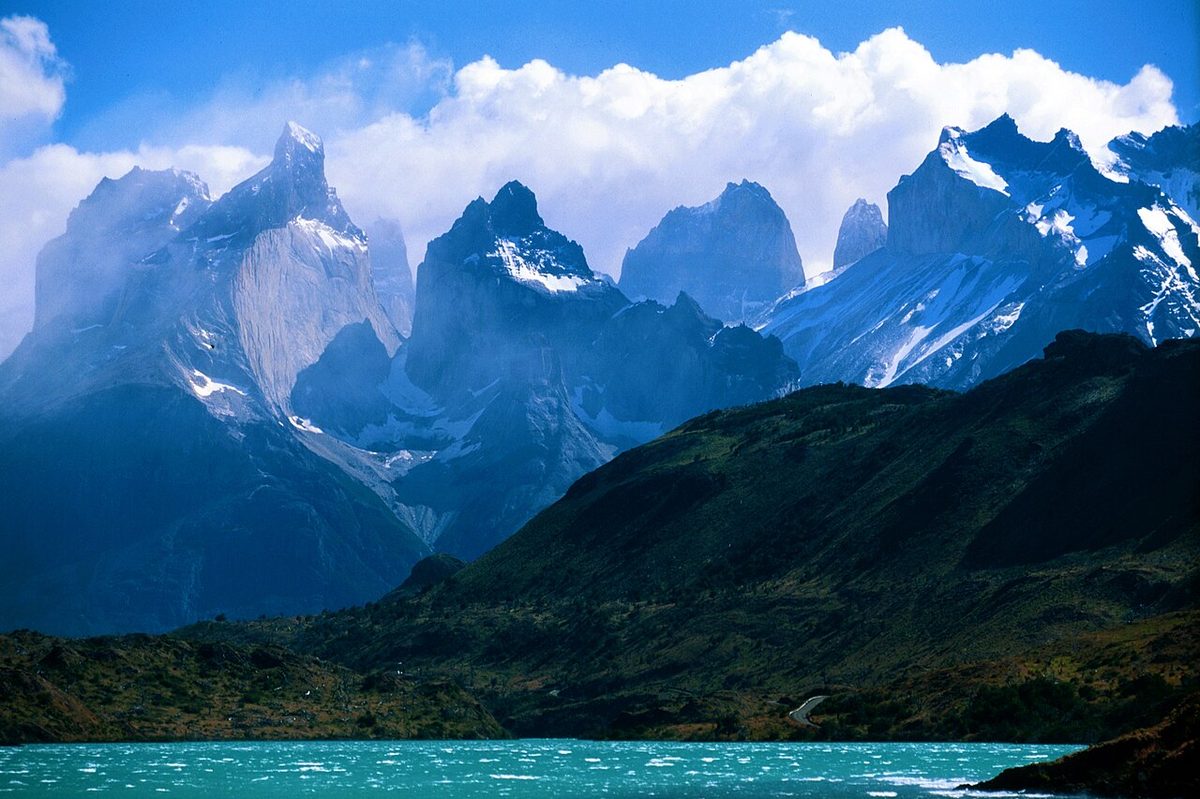
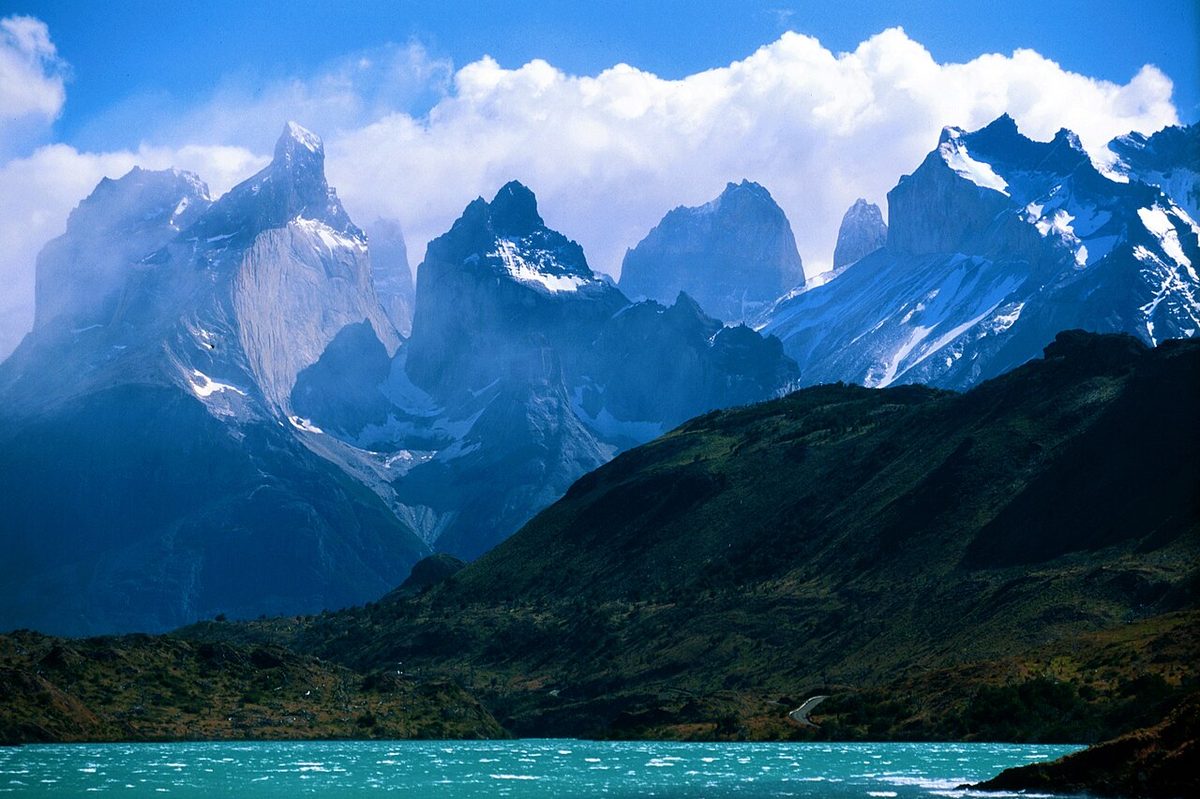
0 — 2 km Fig. 1 · Torres del Paine granite towers under long summer daylight, Patagonia in January · Photo: Winky from Oxford, UK / CC BY 2.0 via Wikimedia Commons
I have a soft spot for Patagonia in January, and a long list of warnings to go with it.
This is the month the whole region is awake at once. The trails are open, the buses are running, the refugios are full of people swapping blister stories, and the sun is up so long you start to lose track of dinner. It is also the month when everyone else has the same idea, beds vanish months ahead, and prices reach their annual ceiling.
Patagonia in January is peak austral summer: the warmest temperatures of the year, daylight stretching to around 15 to 17 hours, the famous wind at its strongest, and the broadest access to hikes, glaciers, and wildlife you will find all year. It is genuinely one of the best months to come. The single most important thing to know is that you must book early, often months ahead.
This guide is for you if your dates are pointing at January, whether by choice or because school holidays decided for you, and you want the honest version: what the weather actually does by zone, how busy it really gets, what to reserve and how far ahead, the best things to do, a region-by-region breakdown, and a clear-eyed look at who should come in January and who should quietly switch to another month.
If you are still weighing months against each other, start with the parent guide on the best time to visit Patagonia, then come back here once January is on your shortlist.
Patagonia in January at a Glance
Use this table before you fall in love with the idea. It is the fastest way to see what you are signing up for.
Factor
What to expect in January
Season
Peak austral summer (high season)
Day temps (south)
Around 13-20 C / mid-50s to upper-60s F; warmest month
Night temps (south)
Around 5-9 C / low-to-mid 40s F
North (Bariloche)
Warmer, often low-to-mid 20s C / high-60s to mid-70s F
Daylight
Around 15-17 hours; long, usable evenings
Wind
Strongest of the year; gusts can exceed 100 km/h on exposed ground
Rain
El Chalten wettest; El Calafate and Torres del Paine drier
Crowds
Highest of the year, especially Torres del Paine and El Chalten
Prices
Peak; flights, lodging, and tours at their most expensive
What’s open
Essentially everything: W Trek, O Circuit, all day hikes, glacier tours, boats
Booking lead time
Treks 5-6+ months; lodging months ahead; holidays up to a year
Best for
First-timers, W Trek hikers, El Chalten day hikes, families, wildlife
Skip if
You dislike crowds, want lower prices, or left planning late
Swipe to see all columns
Table 1
January is excellent if you want certainty of access and long days, and you are willing to plan ahead and pay peak rates. It is the wrong month if your priorities are solitude, savings, or spontaneity. For those, look at the Patagonia weather by month overview, or read ahead to the “who should pick another month” section.
January Weather in Patagonia, by Zone
The first rule of Patagonia weather is that “Patagonia” is not a forecast. The region spans Pacific fjords, ice fields, granite towers, dry steppe, and an Atlantic wildlife coast. A January day can be hot and still in El Calafate and raw and wind-blasted on a Torres del Paine pass on the same afternoon. So think by zone.
Across the southern mountains, January brings the warmest temperatures of the year. Visit Argentina describes the region’s defining features as lower temperatures the farther south you go and wind as a near-constant, especially in summer. That is exactly what you get in January: comfortable hiking warmth when the sun is out, and a sharp drop the moment the wind picks up or a cloud rolls through.
Here is the planning-level picture I work from. Treat these as typical ranges, not promises, and always check a current forecast close to travel.
Torres del Paine and Puerto Natales
January is the warmest and one of the driest months in Torres del Paine, with daytime highs often around 17 to 20 C (low-to-upper 60s F) and nights around 5 to 8 C. Rainfall is relatively low for the park by Patagonian standards, but “low” is still several wet days, and the weather can flip within hours. This is also the windiest month here, which matters more than the temperature on exposed sections like the John Gardner Pass or the open stretches toward the towers.
El Calafate and Perito Moreno
El Calafate sits on dry steppe and is one of the more forgiving January bases. Expect day highs around 17 to 20 C, cool nights, and comparatively little rain, though wind is a constant companion. This dryness is part of why El Calafate makes such a reliable anchor: even when mountain summits elsewhere are hidden, Perito Moreno Glacier delivers in almost any weather.
El Chalten and Fitz Roy
El Chalten is the wettest of the classic southern bases, and January is no exception. Day highs run around 15 to 18 C, but this is the place where “four seasons in a day” earns its name, and cloud loves to sit on Fitz Roy. The mountain hides far more often than it shows. The practical takeaway: mornings, roughly 6 to 11 am, tend to bring the calmest air and the clearest summit views, so start early and give yourself more than one shot.
Bariloche and the northern Lake District
The north is the warm exception. Bariloche and the Argentine Lake District can climb into the low-to-mid 20s C (high-60s to mid-70s F) on a good January day, which is genuine lake-swimming, late-dinner-on-the-terrace weather. This is the Patagonia that feels like a proper summer holiday, and it is exactly why January is high season for domestic Argentine travelers here.
Ushuaia and Tierra del Fuego
The far south stays cool even at the height of summer. Ushuaia day highs often sit in the low teens C, and you will want layers and a windproof shell even in January. What you gain down here is light: the days are long, the Beagle Channel is at its most navigable, and Tierra del Fuego National Park is in full swing.
Daylight and Wind: The Two Things That Define a January Day
These two factors shape a January trip more than the thermometer does.
Long days are your secret weapon
January daylight is glorious. In the far south, around Punta Arenas and Ushuaia, you get roughly 15 to 17 hours of usable light, and civil twilight stretches it even longer. In Torres del Paine, sunrise can be around 6 am and the sun does not set until close to 10 pm, with afterglow lingering past that.
This is not just pretty. It is operationally useful. You can start a big day hike late and still finish in daylight. You can wait out a cloudy morning at Fitz Roy and still have a full afternoon if it clears. You can drive between bases without racing darkness. Long days are the quiet reason January feels so generous, and they are a big part of why this is the easiest month to fit a lot into a tight itinerary.
Wind is the price you pay
Summer is when Patagonia’s infamous wind is at its strongest. In Torres del Paine, average January wind speeds sit around the high teens in km/h, but averages hide the truth: the gusts are what get you. On exposed ground, summer gusts can exceed 100 km/h, strong enough to knock you off balance, flatten a poorly pitched tent, or turn a lake crossing choppy.
Plan around it rather than fighting it. Pitch tents in sheltered spots and stake everything down. Use trekking poles on exposed passes. Keep a windproof shell within reach at all times, even on a warm, sunny morning. And do not panic when the forecast looks windy, because in January it almost always will. The wind is not a sign something has gone wrong. It is simply Patagonia being Patagonia.
Crowds and Prices: January Is the Busy, Expensive Peak
Let me be blunt, because the tour-selling sites tend to soften this. January is the single busiest and most expensive month to visit Patagonia.
It is a double peak. January overlaps the Southern Hemisphere summer holidays, so Argentine and Chilean families are traveling at the same time as the wave of international visitors chasing the famous hikes. Torres del Paine in particular gets rated as about as busy as it ever is, with many locals visiting during summer holidays. El Chalten’s trailheads fill, El Calafate’s glacier tours run at full tilt, and Bariloche turns into a proper domestic-holiday town.
That demand pushes prices to their annual ceiling. Flights to Patagonia gateways are priciest now. In-park and small-town lodging is both expensive and scarce, because remote Patagonia simply does not have many beds to begin with. Tours, transfers, and rental cars all command peak rates.
There is one neat trick worth knowing. If you are routing through Santiago or Buenos Aires, those big cities often have some of their cheapest, quietest weeks in January, because locals leave town for vacation. So you can sometimes offset peak Patagonia costs with a bargain city stopover on either end.
None of this means January is a mistake. It means you trade money and elbow room for the best access and the longest days. If that trade does not sit right, the Patagonia trip cost and budget guide will show you where the money actually goes, and the shoulder-season siblings later in this article will show you cheaper alternatives.
What to Book in January, and How Far Ahead
This is the part that quietly ruins more January trips than weather ever does. In peak season, the best month on paper becomes a frustrating month if you book too late. Patagonia’s remote infrastructure has hard capacity limits, and in January those limits get hit early.
Here is the rough order in which things sell out, and how far ahead I would lock each one for January travel. Treat these as planning guidance and confirm current availability directly.
What to book
Typical January lead time
Why it bites
Torres del Paine refugios and campsites (W/O)
Around 5-6+ months; popular ones earlier
Tiny capacity, mandatory bookings, sells out first
In-park and near-park hotels
Up to around 12 months for top lodges
Very few rooms in a huge area
El Chalten and El Calafate lodging
Several months ahead
Small towns, limited beds, high demand
Flights to Patagonia gateways
Around 10 months (released ~10 months out)
Best fares go early; routes fill
Rental cars
Several months, especially cross-border
Limited fleets; paperwork for border crossings
Christmas / New Year anything
Around 1-2 years for the best options
The absolute crunch of the season
Glacier trekking, puma tracking, boats
A few months
Small-group caps fill in peak
Swipe to see all columns
Table 2
The non-negotiable lesson: if Torres del Paine’s W Trek or O Circuit is your dream, start with trek availability, not flights. Your dates only matter if the refugios, campsites, and trail rules line up. Reserve the trek first, then book transport and lodging around it. The dedicated Torres del Paine travel guide walks through the booking sequence in detail, and the broader which towns make good bases guide covers lodging across every base.
One more practical note on Torres del Paine specifically. Everyone entering the park needs an advance digital entry ticket through Chile’s CONAF system, Pases Parques. These passes are tied to your passport, sold for specific dates with daily visitor caps, and must be bought ahead of your visit. In January, with caps and demand both high, do not leave this to the last minute.
This is where January earns its reputation. With everything open and the days this long, your only real problem is choosing.
Hike the W Trek or O Circuit in Torres del Paine
January is prime time for the park’s headline treks. The trails are snow-free on the standard routes, the refugios and campsites are all operating, and the long days give you margin if the weather slows you down. The classic W Trek links the base of the towers, the French Valley, and Grey Glacier over four to five days; the longer O Circuit loops the remote backside over the John Gardner Pass. Expect company on the trail and book the lodging first, as covered above.
Tackle the Fitz Roy day hikes from El Chalten
El Chalten is, for my money, the best day-hiking base in Patagonia, and January is its busiest, brightest month. The walk to Laguna de los Tres for the head-on Fitz Roy view is the marquee day; Laguna Torre, Loma del Pliegue Tumbado, and the Huemul approaches fill out a brilliant few days. The catch is cloud, not access. Give El Chalten several nights, hike on your clearest mornings, and use the El Chalten and Fitz Roy hiking guide to sequence the trails around the weather.
Stand in front of Perito Moreno Glacier
If one thing on your itinerary is nearly weatherproof, it is Perito Moreno. The network of walkways puts you face to face with a calving glacier wall, and January’s long light makes the blues almost absurd. You can add a boat approach or book ice trekking on the glacier itself. The guide to El Calafate and the glacier compares the walkway, boat, and ice-trek options so you pick the right one.
Watch wildlife at its most active
Long days mean active animals. In Torres del Paine and the surrounding steppe you will see guanacos, foxes, soaring condors, and rheas; pumas are around for those on dedicated trackers. On the coast, January is a strong stretch for Magellanic penguins at colonies like Punta Tombo and Isla Magdalena, often with chicks. Note that the big southern right whale season at Peninsula Valdes is largely winding down by January, so if whales are the dream, check the wildlife calendar before you bank on them.
Get on the water and into the mix
With the weather at its kindest, January is the month for the soft-adventure menu: kayaking among icebergs, boat trips to glacier faces, white-water rafting and biking around Bariloche, fjord and Beagle Channel cruises out of Ushuaia, and horseback riding on the steppe. If you want to thread several of these together, the guide to sequencing a Patagonia trip helps you build a route that actually connects.
Catch a summer festival
January is festival season in Patagonia’s small towns. The Fiesta de la Cereza (Cherry Festival) in Los Antiguos, Argentina, lands around the second week of January with rodeos and live music. Over in Chile’s Lake District, the Semanas Musicales de Frutillar bring weeks of concerts, and the Festival Nacional de la Esquila in Rio Mayo leans into Patagonian ranching culture. They are a lovely reminder that this is high summer for locals, too.
The cleanest way to plan January is to choose your region first, then build around its quirks.
Torres del Paine
January is the park at full volume: warmest, driest, windiest, and busiest, with around 15 to 16 hours of daylight. Access could not be easier, with every trail and campsite open, but that ease is shared with a lot of other people, and the wind on the passes is real. Reserve refugios and campsites months ahead, buy your Pases Parques entry ticket in advance, and pitch tents like you mean it. If the W or O is your goal, this is a textbook month for it, provided you booked early.
El Chalten
The trekking capital is humming in January. Expect full hostels, busy trailheads, and the wettest weather of the classic bases, with Fitz Roy playing hide and seek. The fix is time and timing: more nights, early starts, and patience. Do not give El Chalten a single day and hope. Give it a buffer, and January will likely reward you with at least one clear, unforgettable morning.
El Calafate
El Calafate is the dependable one. Dry, sunny-ish, and built around Perito Moreno Glacier, it holds up even when the high peaks elsewhere are socked in. Two nights covers a straightforward glacier visit; three or four lets you add a boat trip, ice trekking, or a buffer day. It pairs naturally with El Chalten, since the two share the Los Glaciares region and an easy road connection.
Bariloche and Northern Patagonia
If you want Patagonia that feels like a warm summer holiday, January Bariloche is it: lake swims, kayaking, rafting, chocolate shops, and long terrace evenings. It is also peak domestic-holiday season, so the town is lively and busy in a different way than the southern trekking hubs. For families and travelers who want infrastructure and softer adventure, Bariloche can be a better January fit than forcing the deep south into a packed schedule.
Ushuaia and Tierra del Fuego
The end of the world is cool but very much open. January suits Beagle Channel boat trips, Tierra del Fuego National Park, and pre- or post-Antarctica travel. Bring layers regardless of the date, and lean into the long light and the far-south atmosphere rather than expecting beach weather.
After all that, here is the trade-off in plain terms.
The pros are real. You get the warmest temperatures of the year, the longest days, and the widest-open access in Patagonia. Every famous hike is in play, every glacier tour is running, the refugios are social and lively, and wildlife is active. For a first trip where you want the best odds that everything works, January is hard to beat.
The cons are equally real. It is the busiest month, so trails and towns are crowded and the sense of wilderness solitude is harder to find. It is the most expensive month, top to bottom. It demands the most advance planning, with treks and lodging selling out months ahead. And the wind is at its annual strongest, which is a genuine factor on exposed terrain.
If you can accept crowds and cost as the price of access and daylight, January delivers. If those are dealbreakers, the next section is for you.
Who Should Visit in January, and Who Should Pick Another Month
Choose January if you are a first-time visitor who wants the broadest access and the safest bet that services are running; if your dates are fixed by school holidays; if you are traveling as a family and want long days and a full activity menu; if the W Trek or O Circuit is your goal and you can book the trek early; or if active wildlife and warm-ish hiking weather top your list. For all of these, January is a strong, sometimes ideal, choice.
Pick another month if crowds bother you more than weather uncertainty, if you are budget-conscious, or if you left planning late and the treks are already full. In that case:
For a calmer peak-season feel with most of the same benefits, look at Patagonia in February, which stays warm and busy but eases slightly in the back half of the month.
For fewer crowds, lower prices, autumn color, and beautiful light, Patagonia in March is one of my favorite answers for travelers with flexibility.
If your trip is built around trekking specifically, the best time to hike Patagonia guide compares the months by trail and access.
And if you are still assembling the whole picture, the start-to-finish trip planner ties the regions, logistics, and seasons together in one place.
Patagonia in January FAQ
Is January a good time to visit Patagonia?
Yes, January is one of the best months to visit Patagonia for access and weather. It is peak austral summer, with the warmest temperatures, the longest daylight (around 15 to 17 hours), and everything open, from the W Trek to glacier tours. The trade-offs are heavy crowds, peak prices, and strong wind, so book well ahead.
What is the weather like in Patagonia in January?
January is the warmest month, but it is not tropical. Southern bases like Torres del Paine and El Calafate see day highs around 17 to 20 C (low-to-upper 60s F) and cool nights near 5 to 9 C. Northern Bariloche is warmer, often low-to-mid 20s C. Expect strong wind, plus the chance of sun, rain, and gusts all in one day.
How many hours of daylight does Patagonia get in January?
A lot. In the far south, around Punta Arenas and Ushuaia, January delivers roughly 15 to 17 hours of usable daylight, and twilight extends it further. In Torres del Paine, the sun can rise around 6 am and set close to 10 pm. Those long days are one of the biggest practical advantages of visiting Patagonia in January.
Is January the busiest month in Patagonia?
Yes. January is generally the busiest month, because Southern Hemisphere summer holidays bring large numbers of Argentine and Chilean travelers at the same time as the international peak. Torres del Paine and El Chalten feel especially full. If you dislike crowds, consider late February or March, or read the best time to visit Patagonia guide.
How far in advance should I book Patagonia for January?
Early, and earlier than feels necessary. Torres del Paine refugios and campsites for the W or O Circuit often need booking around five to six months ahead or more, small-town lodging fills months out, and flights are best secured around ten months ahead. Christmas and New Year travel can require a year or more for the best options.
Is Patagonia windy in January?
Very. Summer is when Patagonia’s wind is strongest, and January is squarely in it. Average wind speeds in places like Torres del Paine sit in the high teens of km/h, but gusts on exposed ground can exceed 100 km/h. Pack a windproof shell, stake tents securely, use trekking poles on passes, and expect wind as the normal condition rather than the exception.
Can you hike the W Trek in January?
Yes, January is one of the best months to hike the W Trek. The trails are open and snow-free on the standard route, refugios and campsites are operating, and long days give you margin. The main challenge is demand: lodging sells out months ahead, so reserve the trek first and verify current park rules with CONAF and Pases Parques before you commit.
Is January or February better for Patagonia?
Both are excellent peak-season months. January is the warmest and brightest but also the busiest and priciest. February stays warm with long days and tends to ease slightly in its second half as the summer-holiday crowds thin. For peak access with marginally less crowding, many travelers prefer Patagonia in February; for the absolute longest days, January wins.
Final Thoughts
If you can only travel in January, do not hesitate. Go. Just go in with your eyes open.
January gave me some of my favorite Patagonia memories: a near-windless dawn at Laguna de los Tres after two cloudy mornings of waiting, late golden light on the towers at nine in the evening, the easy camaraderie of a packed refugio after a long day. Those moments are possible precisely because January throws the doors wide open, with the warmth, the daylight, and the full menu of trails and tours.
But the trips that go well in January are the ones that respect the month. They book the treks and the beds early, sometimes embarrassingly early. They build in buffer days for Fitz Roy and the passes. They pack for wind and for four seasons in an afternoon. And they accept crowds and cost as the fair price of the best access window in the calendar.
Do that, and January is not just a good time to visit Patagonia. It can be the trip of a lifetime. If crowds or budget give you pause, glance at March before you commit, then book whichever month you choose with the kind of lead time peak-season Patagonia quietly demands.
Weather ranges, daylight, wind, and booking lead times were cross-checked against multiple Patagonia specialists, including Swoop Patagonia, Quasar Expeditions, and on-the-ground accounts; figures are approximate and seasonal, so verify current conditions, park rules, and availability close to your travel