Puerto Almanza and King Crab: Food Trip from Ushuaia
Plan a Puerto Almanza king crab food trip from Ushuaia: how to get there, centolla season and veda, what to order, the restaurants, costs, and Harberton.
By Patagonia Tourism Guide · First published 30 Aug 2026 · Updated 1 Aug 2026
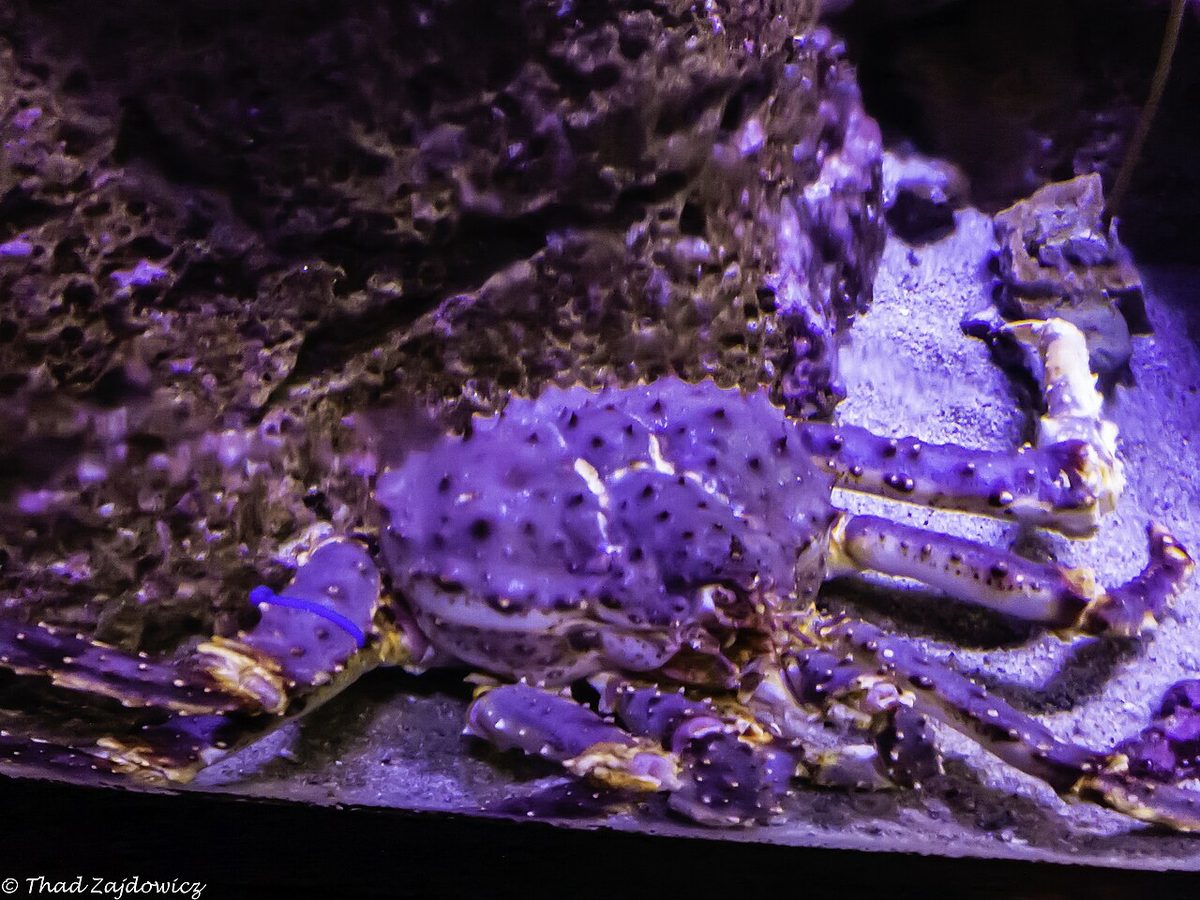
0 — 2 km Fig. 1 · Southern king crab (centolla), the centerpiece of a Puerto Almanza king crab lunch · Photo: Thad Zajdowicz / CC0 via Wikimedia Commons
The first time I drove east out of Ushuaia for crab, I almost talked myself out of it. It was grey, the wind was doing its usual thing, and the road turned to gravel sooner than I expected. Then the forest opened onto the Beagle Channel, a cluster of fishing boats appeared, and I understood why people make this drive on purpose.
That place is Puerto Almanza, and the reason to go is sitting in a tank by the door.
A Puerto Almanza king crab lunch is the most memorable meal in Tierra del Fuego: centolla (southern king crab) eaten in Argentina’s southernmost fishing village, on the Beagle Channel about 75 km east of Ushuaia, often cheaper and fresher than in the city. This guide is for food-minded travelers deciding whether the drive is worth a half or full day, and how to pull it off.
Here is the fast version of what you are signing up for. Times and prices are rough and depend on season, weather, and how long you linger over a whole crab.
What to know
The short answer
Where
East coast of the Beagle Channel, on Bahía Almirante Brown
Distance from Ushuaia
About 75 km / 47 mi
Drive time
Around 1 to 1.5 hours each way
How to get there
Rental car, taxi, or organized food/fishing tour
Road
National Route 3, then Provincial Route J (part gravel)
Generally July to November for fresh catch; tanks year-round
Book ahead?
Yes, especially weekdays. Many places close Mondays
Combine with
Estancia Harberton and Isla Martillo penguins
Worth it?
Yes if you like seafood and have a spare half or full day
Swipe to see all columns
Table 1
The single most useful line on that table is the booking note. Puerto Almanza is a tiny village, not a restaurant strip. Places keep their own hours, several close on Mondays, and some only open when they have a tour group booked. Call ahead, or go on a weekend, or accept that you might drive 75 km to a closed door. More on that below.
What and Where Puerto Almanza Is
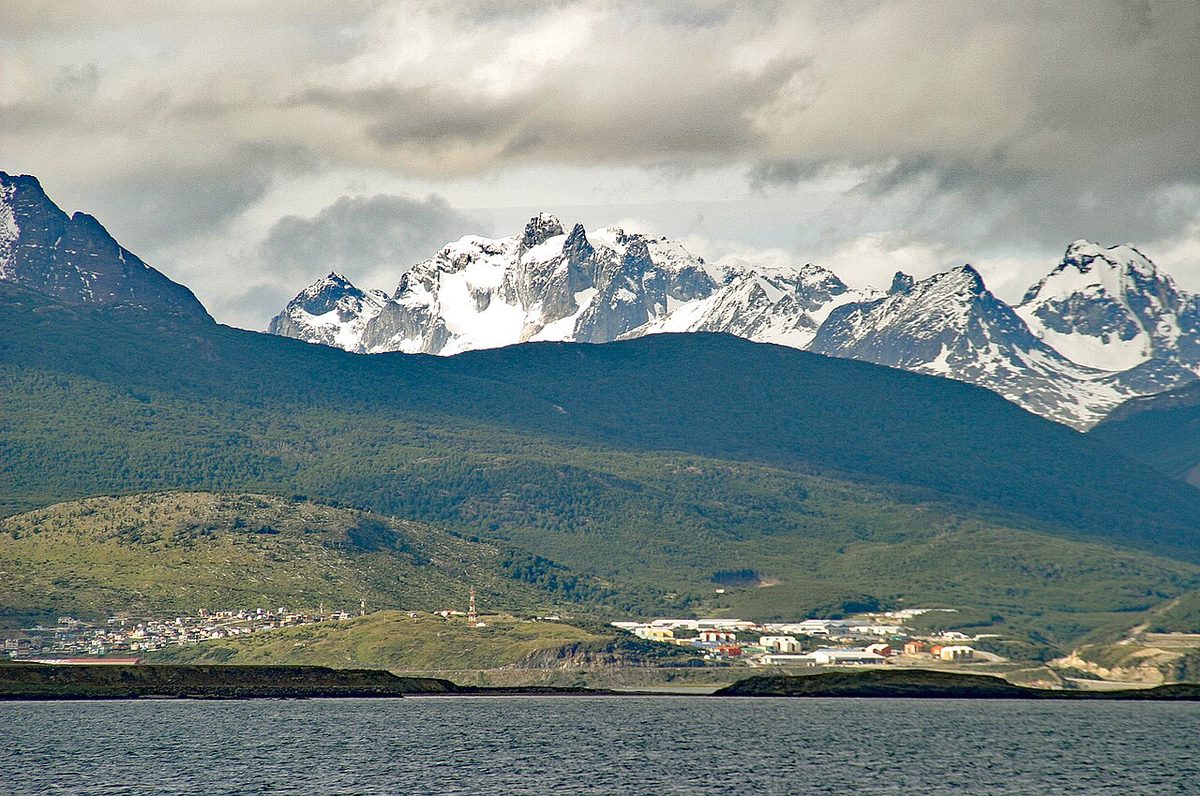
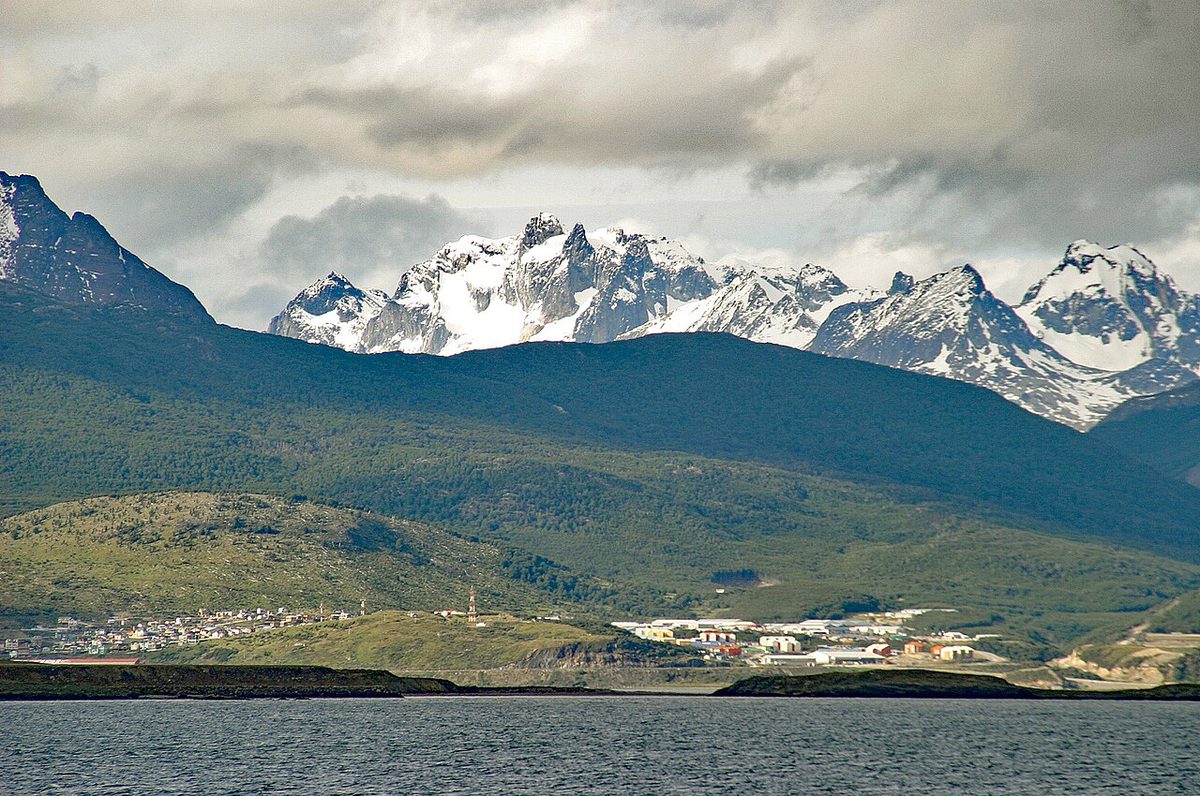
Puerto Almanza is a small fishing village on the east coast of the Beagle Channel, about 75 km from Ushuaia, sitting on the shore of Bahía Almirante Brown. According to the Tierra del Fuego tourism board, you reach it by taking National Route 3 and then Provincial Route J.
It is often called the southernmost town in Argentina, which is a fun thing to say out loud given that Ushuaia already markets itself as the End of the World. Puerto Almanza is further south still, just smaller and quieter, with no branding budget.
The numbers are small in the best way. Depending on who you ask, somewhere between fifteen and forty families live here, and the place exists because of fishing, not tourism. The tourism board notes the artisanal fishing centers on king crab, mollusks, and snook from the Beagle Channel, and that locals have also built small operations farming mussels, sea urchins, and trout.
The history is short and human. The official account traces the name to a sawmill that worked the area in the 1940s and 1950s. The Argentine naval prefecture installed a post in 1966 that still stands. The first settlers were registered in the 1990s, and in 2001 a group of fishermen settled here permanently. That is the whole story. This is a working place that learned to feed visitors, not a tourist set that pretends to fish.
Look across the water and you are looking at Chile. The village of Puerto Williams sits on Navarino Island, on the far side of the Beagle Channel. You will not get there from Puerto Almanza without a proper border crossing, but on a clear day the view does something to your sense of where you are.
The whole area now carries a tidy nickname: La Ruta de la Centolla, the King Crab Route. It is a marketing line, but for once it is also just accurate.
The Centolla Story: Season, Sustainability and Veda
Before you eat one, it helps to know what you are eating.
Centolla is the southern king crab, Lithodes santolla, a big, spiny, long-legged crab that lives in the cold water of the Beagle Channel and the broader Fuegian sea. It is the regional delicacy, the thing Ushuaia is genuinely famous for among Argentines, and the reason Puerto Almanza exists in its current form.
The flavor is sweet, clean, and a little briny, closer to a fine lobster than to the brown crab you might know from the northern hemisphere. Most of the meat is in the legs.
When Is King Crab Season?
The honest answer is that you can almost always eat it, but the catch has a season.
The Beagle Channel king-crab fishery generally runs in the colder months, commonly cited as roughly July through November, with a closed season, the veda, protecting the crabs while they breed. Scientific work on the Tierra del Fuego king-crab fishery describes a managed fishery with seasonal closures and size and sex limits rather than a free-for-all.
Here is the practical part. Restaurants keep live crab in seawater tanks, so even outside the active fishing window you can usually order centolla pulled fresh from the tank that day. “Out of season” rarely means “no crab.” It means the supply chain is tighter and prices can move.
If eating the freshest possible just-landed crab matters to you, aim for the open fishing months and ask the restaurant when their crab came in. If you just want excellent king crab in a beautiful spot, almost any month works.
Why the Rules Matter
The veda is not bureaucratic nonsense. King crab is slow-growing, and a fishery like this only stays good if it is managed.
The regulations typically allow only male crabs above a minimum size to be landed, which protects breeding females and lets younger crabs mature. That is why a responsible restaurant will sometimes tell you a particular size or preparation is not available on a given day. Take it as a good sign, not an inconvenience.
When you eat centolla in Puerto Almanza, you are eating something that is genuinely local, genuinely seasonal in the wild, and genuinely managed. That is rarer than it sounds, and it is part of what makes the meal feel like it belongs to the place. For the bigger picture on eating well and traveling lightly in the region, see our Patagonia food, culture and responsible travel guide.
You can eat centolla in Ushuaia without driving anywhere. So why bother with the gravel and the hour each way?
Three reasons, and I think they hold up.
First, it is usually cheaper. Multiple sources, and my own bills, put Puerto Almanza prices below the Ushuaia waterfront for the same crab. You are buying closer to the boat.
Second, it is fresher and more direct. The crab in the tank may have been in the channel that morning, pulled by the family that is now cooking it. There is no middle step.
Third, and this is the real one, the setting is the meal. Eating king crab while looking at the working harbor that produced it, with Chile across the water and the forest behind you, is a different experience from eating it on a busy city street. The drive is not a tax on the meal. It is part of it.
I will be candid about who should skip it. If you have one tight day in Ushuaia, the guide to the park outside Ushuaia and a Beagle Channel boat trip guide are the higher priorities, and you can eat very good centolla in town instead. If you do not eat seafood, this is a long way to drive for a side of lamb. And if the weather has collapsed, the view that makes the trip worthwhile may be a wall of grey.
But if you like seafood and you have a spare half or full day, this is one of the most satisfying things you can do near Ushuaia. It is the food half of why I send people to the far south.
The Eating Experience: What to Order
Walk in and the first thing you will usually pass is the tank.
That is the point. In a real centolla place, the crab is alive until you order it, and the staff fetch your crab and cook it to order. It is theater, but it is honest theater. The freshness is not a claim, it is a process you can watch.
There are two classic ways to eat king crab here, and I would try to taste both if you can.
The first is al natural: the crab served cool and plain, the meat untouched so you taste the crab itself. Purists swear by it. It is clean and sweet and a little sweet-salty from the sea.
The second is a la parmesana: the meat served warm, gratinated with melted parmesan on top. It is richer, more indulgent, and frankly my favorite on a cold Fuegian afternoon, though a purist might tell me I am ruining a good crab.
If there are two of you, the move is to order a whole centolla to share. It comes as a project, not a plate, and cracking through it together over a couple of hours with a cold drink is the experience people remember. If one of your group is squeamish about wrestling a whole crab, most places also do crab dishes, pastas, and stews where someone else has done the work.
Beyond the crab, lean into the rest of the channel. Depending on the day and the kitchen you may find mussels, sea urchin (erizos, for the adventurous), snook or other local fish, and farmed Fuegian trout. A glass of Argentine white or a local beer rounds it out.
One practical note that catches people: a whole crab is usually priced by weight or by the piece, not as a fixed menu item, so the bill depends on the crab you choose. Ask before you commit, and bring cash, because card service in a village this small can be unreliable.
The Restaurants: What to Expect (and Verify)
This is where I have to be careful, and so should you.
Puerto Almanza is small, family-run, and seasonal. Restaurants open, close, change hands, take winters off, and adjust their hours around tour bookings. I am not going to promise you that any single place will be open on the day you show up, because that is exactly the promise that gets travelers stranded. Treat every name below as “a place that has existed and is worth asking about,” not “a guarantee.”
With that warning attached, here is the lay of the land.
In the village itself, the names that come up again and again include spots like La Sirena y El Capitán and La Mesita de Almanza. These are the classic in-village centolla restaurants: simple, fish-forward, with the tank by the door and the channel out the window. Expect a short menu built around crab and whatever else came in.
A short drive beyond the village, roughly twenty minutes, there are a couple of more ambitious places. Puerto Pirata is often described as a slightly more polished sit-down restaurant in a relaxed setting. Alma Yagán is the one people get romantic about, reached by a short walk through the forest to a spot perched above the channel. Both trade a little of the rough-edged village feel for a more designed experience and bigger views.
Whichever you aim for, do three things first. Call ahead or have your hotel call, because many places close on Mondays and some only open when a tour group is booked. Confirm they are open the day you want and that they have crab. And have a backup in mind, because a single closed restaurant should not end your day.
If you would rather not gamble on hours at all, an organized tour solves this. Operators running the Ruta de la Centolla pre-arrange the restaurant, which is precisely why those trips are reliable.
For the in-town alternative, plenty of Ushuaia restaurants do excellent centolla, often the same crab from the same channel. The famous no-reservations waterfront spots and the better seafood houses downtown are covered in our wider Beagle Channel trips and city sights guide. If a closed-Monday village trip does not fit your dates, the city is a perfectly good plan B.
Getting there is simple in principle and slightly rugged in practice.
The route, per the tourism board, is National Route 3 east out of Ushuaia to the junction with Provincial Route J, then along Route J toward the coast. The total is about 75 km and takes somewhere around an hour to an hour and a half, depending on conditions and how often you stop for the view.
The thing nobody warns you about until you are on it: a good chunk of Route J is gravel, not pavement. One guide bluntly notes that about half the distance is unpaved. It is a normal, well-used road, not an off-road expedition, but it is not a smooth highway either. Drive to the surface, leave more following distance, and do not be in a rush.
By Rental Car
This is my preferred way, and it is the reason a car earns its keep in Ushuaia.
With your own vehicle you own the day. You can leave when you like, stop at viewpoints, fold in Estancia Harberton, and stay as long as lunch wants to last. You are not tied to a tour clock.
A few practical notes. Fuel up in Ushuaia, because services out here are thin to nonexistent. Carry the things you would carry for any Patagonian drive: layers, water, snacks, a charged phone, and an offline map, since signal is patchy. And if you are visiting outside summer, ask the rental company about the road and about tires, because gravel plus ice is a different proposition. Our Ushuaia and Tierra del Fuego guide covers the wider car-versus-tour question for the region.
By Taxi or Remis
You can hire a taxi or remis for the round trip, and for a small group splitting the fare it can be reasonable. Agree the price and the wait time before you leave the city, because you are asking the driver to take you out, wait through a long lunch, and bring you back. This is less flexible than a car but removes the gravel-driving worry.
By Organized Tour
If you do not want to drive, a guided Ruta de la Centolla tour is the easy answer, and honestly the most foolproof one.
The big advantage is reliability. The operator has arranged the restaurant in advance, so you are not gambling on village hours, and a guide handles the route and adds local context. Many tours also bundle in a short walk or a stop, and some build the day around catching crab with a local fisherman before it is cooked for you. The tradeoff is the usual one: a fixed pace and a set group. If your idea of a great food day is lingering for three hours, check that the tour allows it.
There is no reliable, traveler-friendly public bus for this. Local transit toward the area exists in some form, but I would not build a day trip on it. Use a car, a taxi, or a tour.
Combining with Estancia Harberton and the Beagle Coast
The smartest way to do Puerto Almanza is to not do only Puerto Almanza.
A few kilometers away sits Estancia Harberton, the oldest estancia in Tierra del Fuego, the historic home of the Bridges family, with a small museum and activities including walks and sailing. It is a genuine piece of Fuegian history and an easy, logical pairing with a crab lunch. The tourism board lists it as a near neighbor of Puerto Almanza for exactly this reason.
From the Harberton area you can also reach the penguin colonies on Isla Martillo, the island where boat trips let you see the colony up close and, through specific operators with controlled access, sometimes walk among them in season. That turns a food outing into a proper wildlife-and-history day.
The clean version of a full day looks like this: drive out in the morning along the Beagle coast, visit Harberton or do a Martillo penguin trip, then land in Puerto Almanza for a late lunch of centolla, and drive back in the afternoon light. It is one of the best self-guided days in the whole region, and it uses the long drive twice instead of once.
If wildlife is your main reason to be in the far south, weigh this land route against a water-based sailing the Beagle Channel from Ushuaia, which reaches different islands and wildlife from the city side. They are not the same trip, and which one fits depends on what you want to see.
When to Go and How to Book
Timing this outing is really two questions: which season, and which day of the week.
On season, the broad rule for Ushuaia holds. December through March is the easiest window: longer days, better odds with the weather, more tours running, restaurants more reliably open. This is also peak fresh-crab eating even if it is not peak fishing, because the tanks are stocked and the village is busy. For the wider seasonal logic across the region, see best time to visit Patagonia.
If catching the freshest just-landed crab matters, the colder fishing months skew the odds in your favor, but you trade away daylight, comfort, and some open doors. Winter visitors can still eat beautifully here, but more places run reduced or weather-dependent hours, so the booking advice below matters even more. If you are planning a cold-season trip generally, our Ushuaia in winter guide covers what changes.
On the day of the week, this is the part that actually trips people up. Several Puerto Almanza restaurants close on Mondays, and because it is a small village, hours can shift around tour bookings the rest of the week. Weekends are the safest bet for finding doors open.
So before you drive: pick a non-Monday if you can, call ahead or have your accommodation call, confirm they are open and have crab, and keep a second option in your pocket. If that feels like too much uncertainty, take a tour and let the operator carry the risk. For fitting all of this into a day-by-day plan, our Ushuaia itinerary shows where a Puerto Almanza day slots in.
I am not going to print exact prices, because in Argentina they would be wrong by the time you read this. What I can give you is the shape of the spending so you are not surprised.
A whole centolla to share is the big-ticket item, and it is usually priced by weight or by the piece rather than as a set menu price. The bill therefore depends on the size of the crab you pick, so ask what a typical crab will run before you point at one. Crab dishes, pastas, and stews are meaningfully cheaper than a whole crab and are the budget-friendly way to taste it.
The reliable comparison, rather than a number, is this: Puerto Almanza is generally cheaper than the Ushuaia waterfront for the same crab. You are paying closer to the source. Add the cost of getting there, fuel for a car, a negotiated round-trip fare for a taxi, or the tour price, and weigh that against the savings on the meal.
Two habits will save you grief. Bring cash, because a tiny village is not a guaranteed card-payment environment. And confirm the price of the crab before it is cooked, the same way you would with any market-priced seafood anywhere in the world. For region-wide budgeting, the breakdown of how many days to spend where and our wider guides put food costs in context.
Is It Worth It? Who Should Go and Who Should Skip
Let me give you the honest filter, because not everyone needs to make this drive.
Go if you like seafood, you have a spare half or full day, and the idea of eating king crab where it is landed appeals to you more than eating it on a city street. Go if you want a self-guided day that combines food with Harberton history or Martillo penguins. Go if you are the kind of traveler who thinks the drive and the setting are part of the meal, not an obstacle to it.
Think harder if your Ushuaia time is tight. On a two-night trip, the national park and a Beagle Channel cruise are the experiences I would protect first, and you can eat very good centolla in town without the round trip. Think harder if the weather has turned, because a grey wall erases the view that justifies the distance.
Skip it if you do not eat seafood. There is no nice way to say that 150 km of round-trip driving for a plate of lamb does not make sense when Ushuaia has lamb in town.
For most food-curious travelers with a flexible day, though, this lands firmly in the “worth it” column. It is specific, it is local, and it is the kind of meal you describe to people back home.
Responsible Travel in a Fishing Village
A small village is easy to love and easy to overwhelm, so a few quiet habits go a long way.
Book ahead and honor your booking. These are family kitchens, not a food court, and a no-show whole-crab reservation is a real cost to a small operation.
Eat what is offered. If the kitchen says a size or species is not available, that is the veda and the size rules working as intended. Eating within those limits is the whole reason the centolla is still good.
Spend with the locals, tip fairly, and treat the harbor as a working place rather than a backdrop. Do not block boats or working areas for photos. Take your rubbish with you, since a village this small does not need your packaging.
And drive gently. The gravel road, the wildlife, and the quiet are all part of why this corner of the Beagle Channel is worth protecting. Traveling well here is not complicated. It is mostly about showing up grateful and leaving the place as good as you found it.
Puerto Almanza King Crab FAQ
Is Puerto Almanza worth it?
Yes, for most seafood lovers with a spare half or full day. Puerto Almanza serves fresh king crab where it is landed, usually cheaper than Ushuaia, in a working fishing village on the Beagle Channel with Chile across the water. Skip it if you do not eat seafood, your schedule is very tight, or the weather has erased the views.
How do you get to Puerto Almanza?
Puerto Almanza is about 75 km east of Ushuaia. Drive National Route 3 to the Provincial Route J junction, then follow Route J to the coast, around one to one and a half hours, with part of Route J on gravel. You can self-drive, hire a taxi or remis for the round trip, or join an organized Ruta de la Centolla tour.
What is centolla?
Centolla is the southern king crab, Lithodes santolla, a large, spiny, long-legged crab from the cold waters around Tierra del Fuego. It is the regional delicacy, sweet and clean in flavor with most of the meat in the legs, and it is the main reason travelers visit Puerto Almanza and eat king crab in Ushuaia.
When is king crab season in Ushuaia?
The Beagle Channel king-crab fishery generally runs in the colder months, often cited as roughly July to November, with a closed season (veda) protecting breeding crabs. Because restaurants keep live crab in tanks, you can usually order centolla year-round, but the freshest just-landed crab is most likely during the open fishing window.
How much does king crab cost in Puerto Almanza?
Prices change with Argentina’s economy, so verify locally, but expect a whole crab to be priced by weight or by the piece rather than a fixed menu price. Puerto Almanza is generally cheaper than the Ushuaia waterfront for the same crab. Crab dishes and pastas cost less than a whole crab, and you should bring cash.
Do I need a car to visit Puerto Almanza?
No, but a car gives you the most freedom for a Puerto Almanza king crab day, letting you set your own pace and add Estancia Harberton. Without one, hire a taxi or remis for the round trip and agree the wait time, or join a guided tour, which also pre-arranges the restaurant so you are not gambling on village hours.
Can you combine Puerto Almanza with Estancia Harberton?
Yes, and it is the smart way to do it. Estancia Harberton, the oldest estancia in Tierra del Fuego, sits a few kilometers away, and the Isla Martillo penguin colonies are reachable from the same area. A common full day pairs Harberton or a penguin trip in the morning with a late centolla lunch in Puerto Almanza before driving back.
Final Thoughts
Puerto Almanza is not a polished destination, and that is exactly the point.
It is a handful of fishing families, a gravel road, a tank of live crab, and a view of Chile across cold water. Nobody built it for you. They built it to fish, and then they learned to feed the people who came looking for what they catch. Eating there feels less like a tourist activity and more like being let in on something.
So here is my honest take. If you love seafood and you can spare the day, drive out, pair it with Harberton, and eat a whole centolla slowly while you watch the boats. Call ahead, avoid Mondays, bring cash, and do not rush the road. It is the best meal in Tierra del Fuego, and the drive is half of why.