Things to Do in Bariloche: A Local-Style Guide by Type
The best things to do in Bariloche, grouped by type: viewpoints, mountains, chocolate, lakes and easy walks, with effort, time and honest advice.
By Patagonia Tourism Guide · First published 16 Aug 2026 · Updated 1 Aug 2026
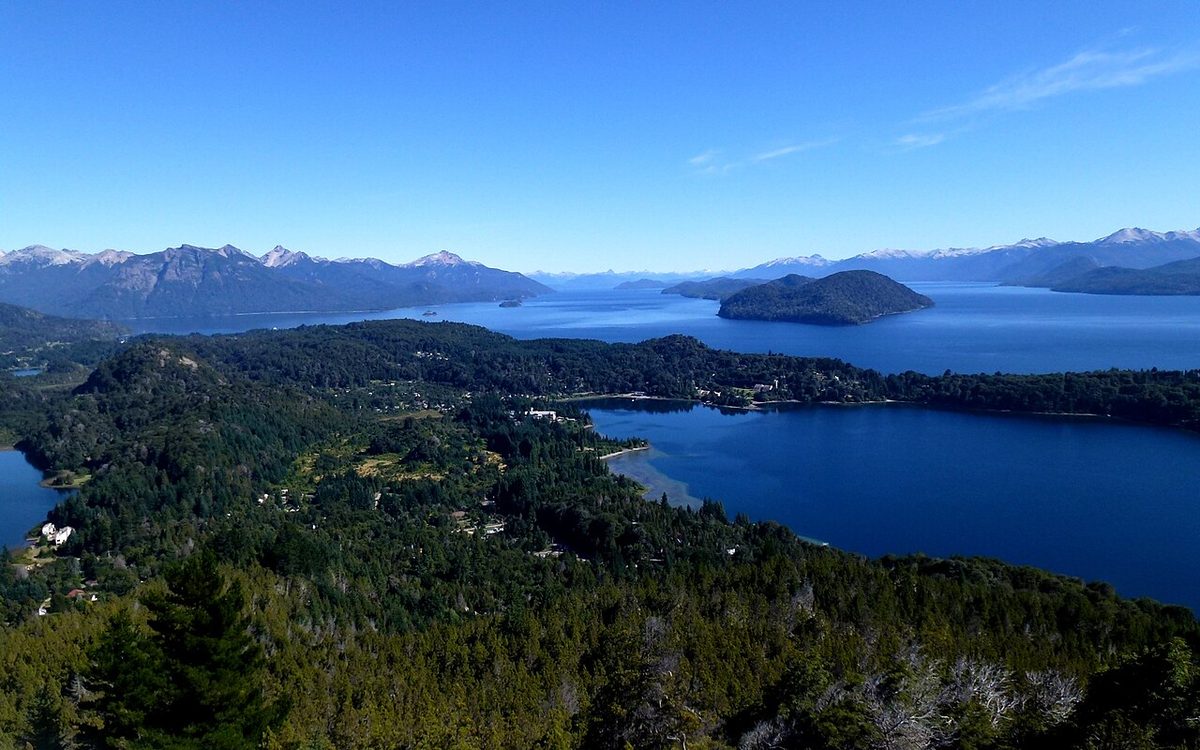
0 — 2 km Fig. 1 · Panoramic view of lakes and mountains from Cerro Campanario, one of the top things to do in Bariloche · Photo: Hiroki Ogawa / CC BY 3.0 via Wikimedia Commons
Most “things to do in Bariloche” lists hand you twenty numbered items and walk away, as if a forest walk and a ten-hour mountain day belong in the same breath.
They do not. The whole skill of a good Bariloche trip is matching the activity to the day you actually have, the weather you actually got, and the energy in your group. So I’ve grouped everything below by what it is and how much it asks of you, not by some ranking I made up.
The best things to do in Bariloche are: ride the chairlift up Cerro Campanario for the famous lake panorama, drive or cycle the Circuito Chico loop, eat your way down the chocolate shops on Mitre Street, take a boat to Isla Victoria and the Bosque de Arrayanes, walk the Llao Llao peninsula, and ski Cerro Catedral in winter. Everything else fills in around those.
This guide is for anyone who has decided to come to Bariloche and now wants to plan the actual days — first-timers, families, foodies, and hikers alike. If you’re still deciding whether Bariloche fits your trip at all, start with the Bariloche and Northern Patagonia guide, the parent hub this article hangs from. For dates, read Best Time to Visit Patagonia. To slot these into days, use the breakdown of what to fit in each day.
Things to Do in Bariloche at a Glance
Here is the whole menu in one scannable table. Effort is my honest read: “Easy” is anyone, “Hard” means a real mountain day. Times assume you’re starting from town.
Thing to do
Type
Effort / time
Cerro Campanario chairlift
Viewpoint
Easy / 1–2 hrs on site
Circuito Chico loop
Scenic drive
Easy–moderate / half to full day
Cerro Otto cable car
Viewpoint
Easy / 2–3 hrs
Centro Civico + lakefront
Town
Easy / 1–2 hrs
Chocolate on Mitre Street
Food
Easy / as long as you like
Isla Victoria + Bosque de Arrayanes
Lake / boat
Easy / full day
Puerto Blest + Cascada de los Cantaros
Lake / boat
Easy / half to full day
Kayaking or SUP on the lakes
Water
Moderate / half day
Llao Llao peninsula walks
Easy walk
Easy / 1–3 hrs
Cerro Llao Llao summit
Short hike
Moderate / ~2 hrs
Colonia Suiza + curanto
Food / village
Easy / half day
Cerro Catedral (ski or lifts)
Mountain
Easy–hard / full day
Refugio Frey hike
Hike
Hard / full day
Cerro Tronador + Ventisquero Negro
Full-day trip
Easy (you’re driven) / 9–10 hrs
Craft breweries
Food
Easy / an evening
Swipe to see all columns
Table 1
If you only do one thing on a clear morning, make it Cerro Campanario. If you only have one full day, make it the Circuito Chico with Campanario built in. Everything after that is about your interests.
Viewpoints and the Circuito Chico
Bariloche’s scenery isn’t a single postcard. It’s a pattern — lake, peninsula, island, ridge, forest, repeat — and the way you understand it is by getting up high and looking down. That’s why I always start a trip with a viewpoint, ideally on the first clear morning, because clouds roll in here and the view is genuinely the point.
Cerro Campanario
This is the one. Bariloche’s official tourism site calls the summit views among “the best in the world,” and for once the marketing isn’t lying. From roughly 1,050 metres you can see Nahuel Huapi and Moreno lakes, little El Trebol, the San Pedro peninsula, Victoria Island, and the peaks of Otto, Lopez, Catedral, and Capilla, plus the Llao Llao hotel and Colonia Suiza. In ten minutes of looking, the whole geography of your trip clicks into place.
The base sits at kilometre 17.5 of Avenida Bustillo, which you reach by car, the #20 bus, or as a stop on a Circuito Chico tour. A chairlift carries you up in about 7 minutes, or you can walk the forest trail in around 30 minutes — it’s a pleasant climb, not a slog. My advice: if the sky is clear, don’t overthink it. Take the lift, save your legs for somewhere that needs them, and have a coffee at the summit cafeteria while you take it in.
The Circuito Chico
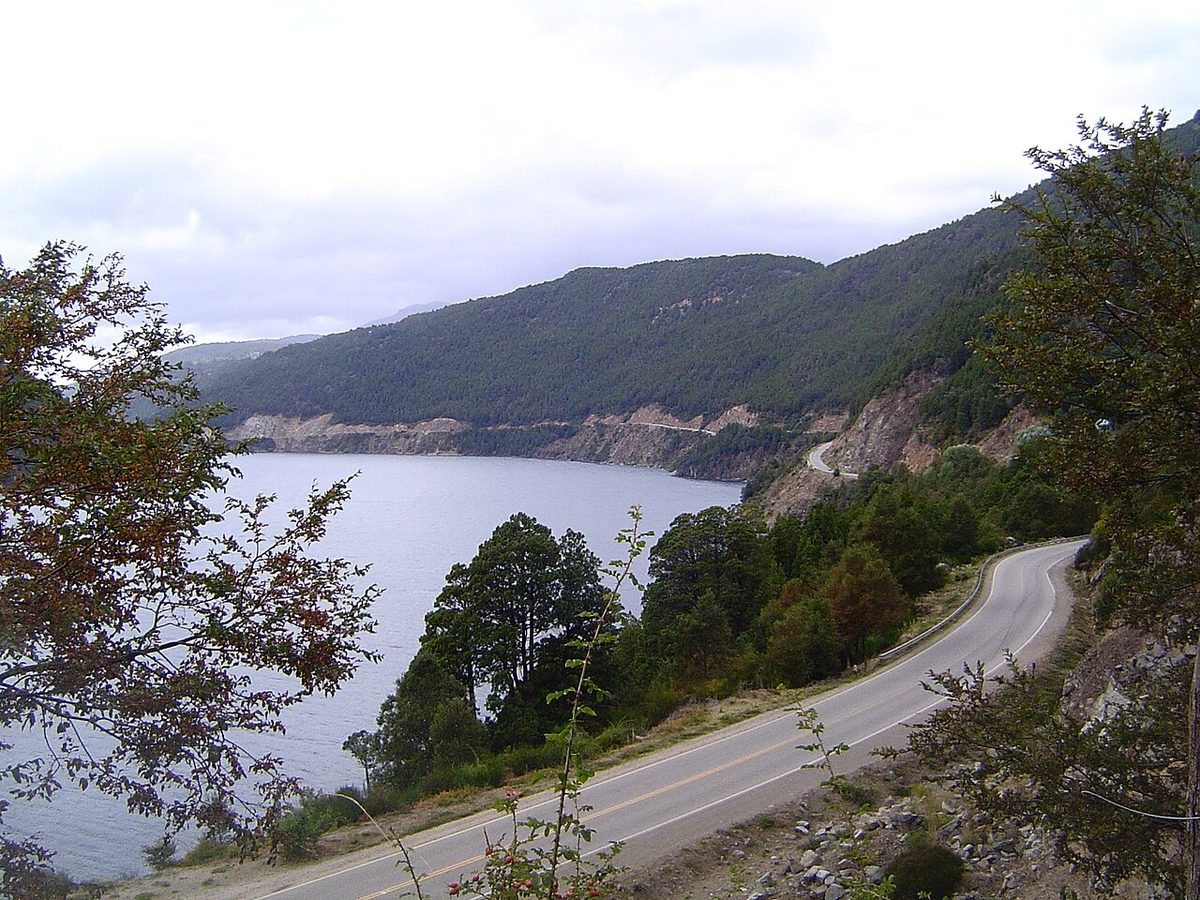
If Campanario is the single best view, the Circuito Chico is the single best half-day. It’s a scenic loop of roughly 24 to 27 kilometres that runs west of town around Lago Moreno, threading past beaches, viewpoints, the Llao Llao peninsula, and a brewery or two. The official site notes the full outing is about 60 kilometres counting the drive from downtown, and a guided version runs about 3.5 to 4 hours — but go independently and it can happily eat a whole day.
You have four ways to do it: a guided tour (easiest, least planning), a rental car (best for stopping whenever the lake looks too good to ignore), a bike rented near Campanario (beautiful, but only for confident riders who respect the traffic and hills), or buses plus walking (cheapest, most schedule-dependent). My favourite version isn’t the fastest. Start at Campanario, drift toward Llao Llao, stop at Punto Panoramico for photos, dip down to a beach at Bahia Lopez or Lago Escondido, and end with a pint at the Patagonia brewery on the loop. Don’t treat it as a checklist shouted from a van window.
Cerro Otto
Otto is the other easy viewpoint, reached by a cable car from Avenida de los Pioneros (the free #50 city bus drops you near the base). The draw, beyond the sweeping lake-and-mountain panorama, is the slowly revolving summit restaurant — the only one of its kind in Argentina. It’s a good rainy-or-tired-day option, or a gentle afternoon when you want a view without committing to a full Circuito Chico.
The Mountains
Bariloche is ringed by serious peaks, and they offer two very different experiences: a lift-served, anyone-can-do-it mountain (Catedral), and a properly long, weather-dependent day out (Tronador). Don’t confuse the two when you plan.
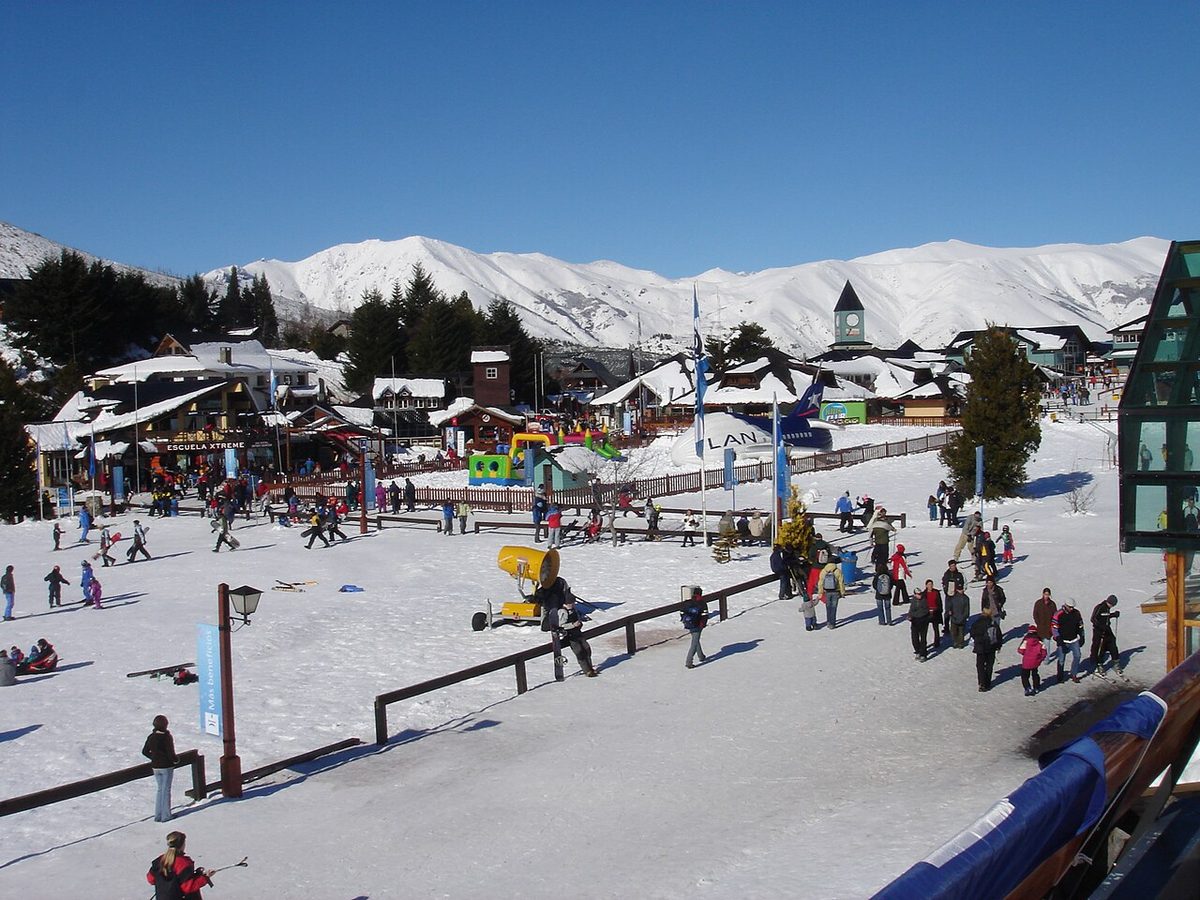
Official tourism bills Cerro Catedral as the largest ski resort in the southern hemisphere — around 120 kilometres of slopes, 600 hectares, 32 lifts — about 40 kilometres round trip from downtown, reachable on the #55 bus. In winter it’s the heart of the whole destination (more on that below). But it’s a year-round mountain: in summer the lifts run for ridgeline hikes, mountain biking, climbing, and restaurants with enormous views.
Catedral is also the trailhead for Refugio Frey, the classic Bariloche day hike — roughly 9.5 kilometres each way to a stone mountain hut beside a glacial lagoon ringed by granite spires. It’s a real outing, not a stroll, and depending on season it may need snow awareness and trail registration. If you’re doing only one hard hike and conditions are good, Frey is the one. For the full picture of trails, refuges, and registration, see the dedicated Bariloche hiking guide.
Cerro Tronador and Ventisquero Negro
Tronador is the big full-day pilgrimage, and you should know what you’re signing up for. The mountain is 3,554 metres, straddling the Argentina–Chile border, and its name means “the thunderer” — for the sound the ice makes as it breaks off its glaciers. The official Tronador page puts it about 160 kilometres from downtown, with authorized tours running 9 to 10 hours door to door.
The highlight is Ventisquero Negro, a dark, debris-covered glacier that looks nothing like the white ice you’re expecting, plus the meltwater lagoon below it and the alpine hamlet of Pampa Linda. On the way back, a short detour reaches the 30-metre Los Alerces waterfall. One crucial logistic: much of the access road is one-way on a timetable. The official guidance lists entry from Los Rapidos toward Pampa Linda roughly 10:30 a.m. to 2:00 p.m., exit 4:00 to 6:00 p.m., and a two-way window in the evening — which is exactly why a guided tour is the easy call here. Weather can restrict access too, so check park reports before you go. Honestly, if you only have one flexible day, weigh Tronador carefully: it’s spectacular, but it’s almost entirely spent moving.
Chocolate and Food
Bariloche is Argentina’s chocolate capital, and this isn’t a tourist gimmick bolted on for the photos — it’s a genuine local obsession with deep roots in the town’s Swiss and German heritage. Eating well here is one of the easiest pleasures of the trip, and a great rainy-day fallback.
The chocolate scene
The action is on and around Avenida Mitre, the main shopping street, where chocolatiers sit shoulder to shoulder. Mamuschka is the name most people leave with — its window displays alone are worth the walk — and Rapa Nui is my personal pick for hot chocolate and ice cream, with a small skating rink in the back during winter. The big chains are famous for a reason, but duck into the smaller independent shops too; the lines are shorter and the chocolate is just as good. If you want the story behind it, the Museo del Chocolate (Havanna) on the edge of town does a quick history-of-chocolate tour that ends, sensibly, in samples — a solid pick on a wet afternoon.
Time it right and you’ll catch the Bariloche Chocolate Festival around Easter, when Mitre Street fills with displays, decorative eggs, and the ceremonial making of an enormous chocolate bar down the middle of the road.
Beyond chocolate
The savoury side is just as good. Expect Patagonian trout, slow-cooked lamb and asado, smoked meats and cheeses, mountain berries, and a strong craft-beer scene — there’s the flagship Patagonia brewery out on the Circuito Chico, plus plenty of taprooms in town. Save a meal for Colonia Suiza (below) and its curanto, and don’t skip the tea houses if you want an afternoon that’s pure indulgence. For the wider context of regional food and eating responsibly, see Patagonia food, culture and responsible travel.
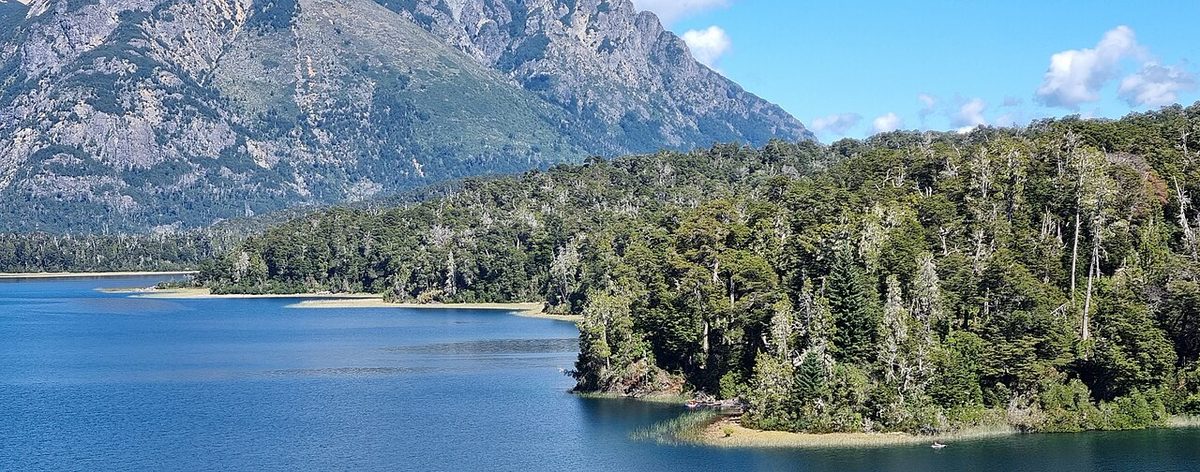
You’re sitting on the southern shore of Lago Nahuel Huapi, a 550-square-kilometre lake that defines the whole region. Experiencing Bariloche from the water — not just looking at it — is one of the things first-timers most often skip and most often regret skipping.
Boat trips: Isla Victoria and the Bosque de Arrayanes
The marquee excursion, and deservedly the most popular, is the boat from Puerto Panuelo (on the Llao Llao peninsula) out to Isla Victoria, the lake’s largest island, and the Bosque de Arrayanes on the Quetrihue peninsula. The arrayanes are a rare forest of cinnamon-barked myrtle trees, some around 300 years old, with twisting trunks that look straight out of a fairy tale. It’s a full-day trip and the easiest way to feel like you’ve entered the lake rather than circled it by road.
Puerto Blest and Cascada de los Cantaros
The other classic navigation runs west along the Blest arm to Puerto Blest, through lush Valdivian rainforest, with a short walk to the Cascada de los Cantaros waterfall and an option to add the emerald Lago Frias. Official tourism describes the route from Puerto Panuelo across Nahuel Huapi’s Blest branch. If Victoria/Arrayanes is the iconic island-and-forest circuit, Blest is the greener, wetter, more rainforest-feeling alternative. Pick by mood.
Kayaking, SUP, and beaches
For something more active, kayaking and stand-up paddleboarding are superb here, usually on Lago Moreno or quieter arms of Nahuel Huapi, with gear and guides easy to arrange. Lago Moreno is a good shout for swimming, too — it’s shallower and warmer than its neighbours. Rafting on the Manso river is the adrenaline option. And if you just want to lie on a beach with a mountain backdrop, Playa Bonita and the little coves around Bahia Lopez deliver. Even committed hikers should give the water a day; it’s a different and gentler way to see Patagonia.
Llao Llao and Easy Walks
If “hiking” sounds like too much but you still want to be out in the forest with a view, the Llao Llao peninsula is the answer. It’s the prettiest, most accessible corner of the Circuito Chico, and it’s where I send anyone who wants Patagonia scenery without a hard day.
The grand Llao Llao hotel anchors the peninsula, with its lawns and lake views (you don’t have to stay there to wander nearby). The Parque Municipal Llao Llao has a network of gentle, mostly flat trails through coihue forest to small beaches and viewpoints. The standout short walk is Cerro Llao Llao, a roughly 5.6-kilometre out-and-back that climbs to a rocky lookout over the lake — about two hours, moderate, and one of the best effort-to-reward ratios near town. Add the Sendero de los Arrayanes trail and the little San Eduardo chapel, and you have an easy, deeply satisfying half-day that families handle well.
These walks sit inside Nahuel Huapi National Park. For anything longer or higher, note that the park asks hikers to register (it’s free); the park’s trekking guidance covers the details.
It’s easy to treat the town as just a base, but give it an unhurried evening, ideally on arrival day. The Centro Civico is the heart of Bariloche — a handsome plaza of grey-green stone and timber in an Alpine style, looking out over Nahuel Huapi. Notice the cobblestones, painted with the white kerchief motif that honours the desaparecidos of Argentina’s last dictatorship; it’s a quiet, sobering detail most visitors miss. The national park visitor centre is a block uphill if you want maps or to register a hike.
Down the steps you reach the lakefront and boardwalk, the giant “Bariloche” letters everyone photographs, and a free arts centre. From here, Avenida Mitre runs through the commercial core — chocolate, of course, but also Patagonian leather, woollens, and souvenirs. The 1940s Catedral Nuestra Senora del Nahuel Huapi, with its stone interior and stained glass, is worth a small entrance fee and a few minutes of calm. For deeper context on the town’s layered history — Indigenous, immigrant, and otherwise — a guided historical walking tour is time well spent.
Colonia Suiza
A short detour off the Circuito Chico, Colonia Suiza is a tiny Swiss-Bavarian village on Lago Moreno that’s worth timing your day around. Its specialty is curanto — a hearty meat-and-vegetable feast cooked underground over hot stones, lifted out steaming in front of you. The village comes alive on its craft-fair days (Wednesday and Sunday), when the food stalls and artisan stands are in full swing. It’s small and very popular, so parking and traffic can be a pain at peak times; the infrequent #10 bus also runs out here. Treat it as a relaxed half-day, not a quick stop.
Things to Do in Bariloche by Traveler Type
Same town, very different trips depending on who you are. Here’s how I’d steer each.
Families
Bariloche is one of Patagonia’s strongest family bases because the activity ladder is so wide. Chairlift up Campanario, the easy Llao Llao park trails, a beach afternoon at Lago Moreno, the Isla Victoria boat, chocolate shops on Mitre, and in winter, ski lessons or sledding at Catedral. Nobody has to be bored and nobody has to be pushed too hard. For a wider family framework, see the Patagonia family trip guide.
Foodies
Build a loose food crawl: chocolate and hot chocolate on Mitre (Rapa Nui, Mamuschka), trout or lamb for dinner, a brewery stop on the Circuito Chico, curanto at Colonia Suiza on a fair day, and a tea house in the afternoon. Bariloche makes it genuinely easy to eat well between the views.
Active travelers
Refugio Frey from Catedral for the headline day hike, Cerro Llao Llao for a shorter summit, kayaking or SUP on the lakes, mountain biking off the Catedral lifts in summer, and rafting on the Manso. If hiking is the main reason you’re coming, the Bariloche hiking guide is your next read.
Rainy day
Weather turns fast here, so have a plan B. The chocolate museum, a long lunch and the chocolate shops on Mitre, the cathedral interior, Cerro Otto’s revolving restaurant (cloud permitting), a covered boat trip, or simply a tea house and a book. A grey day in Bariloche is not a wasted one.
Bariloche is genuinely a year-round destination, but a summer trip and a winter trip can feel like different towns.
Summer (roughly December to March) is the easiest season for most visitors: long days, warm enough for the lakes, every hike and water activity in play, and the Circuito Chico at its best. The trade-off is crowds — it’s peak season for Argentine and international travellers alike, so book ahead.
Autumn (April to May) brings beautiful forest colour and a calmer town, though some services thin out and mountain weather gets more variable.
Winter (roughly June to September) is why Bariloche isn’t just a summer place. Cerro Catedral turns into the southern hemisphere’s biggest ski resort, the town takes on a cosy mountain-resort mood, Rapa Nui opens its ice rink, and snow play is everywhere. The catch is logistics: mountain roads can need chains, some lake activities pause, and conditions drive the schedule. If a ski trip is the goal, the Bariloche in winter guide goes deeper. Spring (October to November) is a transition — lingering snow up high, unsettled weather, fewer crowds.
For matching your dates to the right activities across the whole region, Best Time to Visit Patagonia is the companion piece. And if you’re stretching beyond town, the scenic driving ruta de los siete lagos north toward San Martin de los Andes is the obvious add-on.
How to Plan These Into a Trip
A few honest planning notes so you don’t over-stuff your days.
You don’t strictly need a car — stay central, use the buses (you’ll want a SUBE card, sold at kiosks all over town) and book tours for the bigger outings. But a car transforms the Circuito Chico, Llao Llao, and Colonia Suiza into a relaxed, stop-where-you-like day. Visit Argentina suggests a stay of two to seven days, and that’s about right: three nights covers Campanario, the Circuito Chico, and one big choice; five lets the trip breathe. For the full day-by-day, see the week-long plan for Bariloche, and for the bigger regional route, the Patagonia itinerary planner.
Two practical cautions. First, don’t burn your one flexible day on a ten-hour Tronador or Seven Lakes drive unless you genuinely love being in a vehicle — a slower Circuito Chico day or a lake navigation often gives a tired traveller more. Second, prices and hours shift, so treat everything here as “around” and confirm current details close to your trip. On where to base yourself across these activities, the where to stay in Bariloche and where to stay in Patagonia guides will help.
Frequently Asked Questions
What is the best thing to do in Bariloche?
For most visitors, the best thing to do in Bariloche is ride the chairlift up Cerro Campanario for its panorama over Nahuel Huapi and the surrounding peaks, ideally as part of a Circuito Chico day. It orients you to the whole landscape in a couple of low-effort hours and works for almost any age or fitness level.
How many days do you need in Bariloche?
Most first-time visitors do well with three to five days. Three nights covers the Centro Civico, the Circuito Chico with Cerro Campanario, and one bigger outing such as a lake trip or Cerro Catedral. Five nights lets you add a hike, a water day, and a weather buffer without feeling rushed.
Is Bariloche worth visiting?
Yes. Bariloche is worth visiting if you want lakes, forests, mountain viewpoints, chocolate, skiing, soft adventure, or a flexible Patagonia base. It’s especially strong for families, foodies, and first-timers because the range of activities runs from gentle lakefront walks to serious mountain hikes, all from one comfortable town.
What is there to do in Bariloche in winter?
Winter (around June to September) is ski season at Cerro Catedral, the largest ski resort in the southern hemisphere, with skiing, snowboarding, sledding, and snowshoeing. Off the slopes you can ride Cerro Otto’s cable car, skate at Rapa Nui, tour the chocolate shops, and enjoy the cosy mountain-resort atmosphere in town. Watch road conditions and chains.
Do you need a car in Bariloche?
No, you don’t strictly need one. Stay central, use the city buses with a SUBE card, and book tours for longer excursions like Tronador or the Seven Lakes Route. That said, a rental car makes the Circuito Chico, Llao Llao, and Colonia Suiza far more flexible, letting you stop at beaches and viewpoints whenever the lake looks too good to pass.
What is there to do in Bariloche when it rains?
Plenty. Tour and taste your way through the chocolate shops on Mitre Street, visit the chocolate museum, step inside the cathedral, ride Cerro Otto’s cable car to its revolving restaurant when cloud allows, take a covered lake boat trip, or settle into a tea house. Bariloche’s weather changes fast, so a grey morning often clears by afternoon.
Is Bariloche expensive?
It varies. Bariloche can be moderate or pricey depending on season and style — ski trips, lake-view hotels, rental cars, and guided tours add up quickly, while staying central, using buses, and choosing a few activities carefully keeps it manageable. Prices shift with Argentina’s economy, so check current costs and payment options close to your trip.
Final Thoughts
What I love about Bariloche is that it refuses to be only one kind of trip. The same town gives you a chairlift view a child can manage and a granite-ringed refuge that’ll test a fit hiker, a slab of chocolate on Mitre Street and a black glacier two hours up a one-way mountain road.
So don’t try to do all of it. Pick the morning’s weather, pick your group’s energy, and choose from the right column of that table. Start with Campanario and the Circuito Chico, eat the chocolate, get out on the water once, and leave a day loose for whatever the sky decides. That’s the trip people come home raving about — not the one with the most boxes ticked.