Bariloche Itinerary: 2, 3, 5 and 7-Day Plans That Work
A candid Bariloche itinerary for 2, 3, 5 and 7 days: Circuito Chico, Cerro Campanario, Tronador, Seven Lakes, plus how to get around and when to go.
By Patagonia Tourism Guide · First published 15 Aug 2026 · Updated 1 Aug 2026
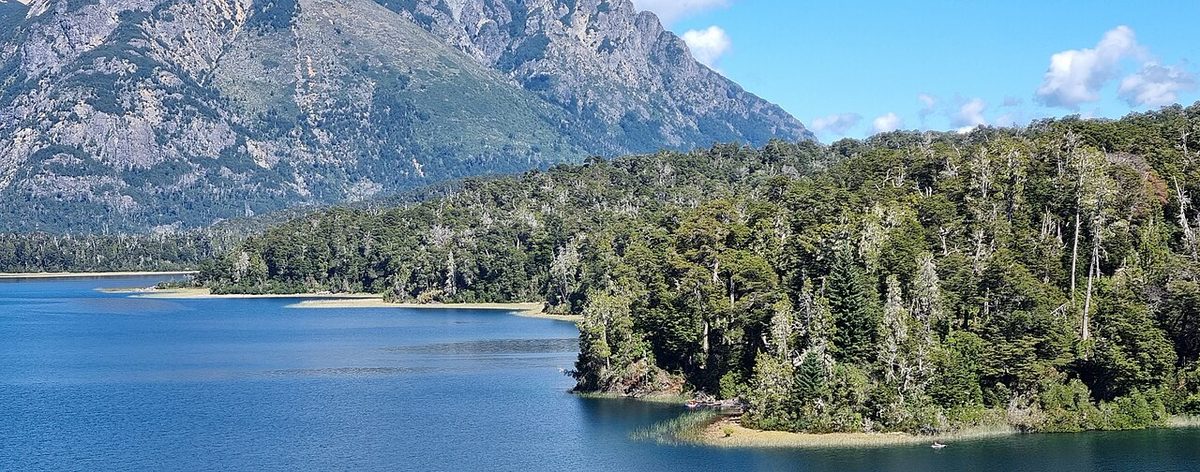
0 — 2 km Fig. 1 · Lakes, forest and mountains around Bariloche, the heart of any Patagonia itinerary · Photo: Kinkojim / CC BY-SA 4.0 via Wikimedia Commons
I have watched people plan Bariloche the same wrong way more than once: they read a list of forty things to do, panic, and try to cram all of them into three days. Then they spend the trip in a car, exhausted, wondering why the lake district felt stressful instead of relaxing.
The fix is almost embarrassingly simple. You stop collecting and you start choosing. A good Bariloche itinerary is not the one with the most stops. It is the one that matches the number of days you actually have to the kind of trip you actually want.
So here is the honest version, by length, with real routes and real tradeoffs.
The best Bariloche itinerary, in brief
For most first-time visitors, the best Bariloche itinerary is 3 to 5 days. With 3 days you do Circuito Chico and Cerro Campanario, one full city-and-chocolate day, and one big choice (a lake trip, a hike, or Cerro Tronador). Five days adds a boat excursion and a buffer for weather. Two days is a taste; seven becomes a road trip.
This guide is for the traveler who wants a plan they can trust, not a wish list. It works whether you are flying in from Buenos Aires for a long weekend, building Bariloche into a bigger Patagonia itinerary, or treating it as the soft, lake-and-food stop after the harder south. If you want the wider context first, the Bariloche and Northern Patagonia guide is the parent hub for everything below.
I have anchored the routes and distances to official sources, mostly Bariloche’s tourism authority and Visit Argentina, and I have hedged anything that changes by season. Last fact-check: June 3, 2026.
Bariloche itinerary at a glance
Use this to pick a plan, then read the matching section below.
Days
Route focus
Best for
2 days
City + Circuito Chico + one boat or viewpoint
A weekend taste; a stopover on a bigger Argentina trip
3 days
Circuito Chico, Campanario, city, plus one big day
First-timers; the standard “see the highlights” trip
5 days
All of the above + a lake excursion + a mountain day + a buffer
The sweet spot; relaxed, weather-proof, no car required
7 days
Bariloche base plus Seven Lakes, Tronador, and an El Bolson or south-lakes day
Road trips, slow travelers, hikers, families
Swipe to see all columns
Table 1
A few rules that apply to every length, so I do not have to repeat them:
Do Cerro Campanario on the clearest morning you get. The view is the whole point, and clouds move fast.
Do not spend your only full day driving the Seven Lakes Route unless you genuinely love long road days. There are better uses of a single day near Bariloche.
Build in one flexible slot. Patagonian weather will eventually make you grateful you did.
2 days in Bariloche
Two days is a weekend. It is enough to fall for the place and not enough to feel you have seen it, which is fine. The goal here is one good city-and-water day and one good scenic-loop day, with no heroics.
Day 1: City, chocolate, and a boat or the lakefront
Start slow with breakfast on Calle Mitre, the main drag, where the chocolate shops cluster. Rapa Nui and Mamuschka are the famous two, and yes, you can absolutely have ice cream at 9 a.m. on holiday. Then walk the Centro Civico, the photogenic alpine-style town square, drop into the Patagonia museum if the weather turns, and stroll the Nahuel Huapi lakefront.
For the afternoon, pick one. Either take the catamaran to Isla Victoria and the Arrayanes forest, the cinnamon-barked myrtle woods that everyone photographs, or keep it mellow with a longer lakefront walk and an early dinner. If you do the boat, note that it leaves from Puerto Panuelo out by the Llao Llao hotel, roughly an hour from town on local bus line 20, so it eats the afternoon. Bring cash for the national park access fee at the dock.
Dinner is where Bariloche quietly excels. A parrilla (steakhouse) or one of the brewpubs in the center will not disappoint. Argentine kitchens open late, often around 8 p.m., so plan accordingly.
Day 2: Circuito Chico and Cerro Campanario
This is the day that makes the trip. Circuito Chico is the classic loop, an asphalt road that Bariloche tourism lists at around 60 km / 37 miles from downtown. A guided tour runs about 3.5 to 4 hours; on your own you can stretch it to a full, lovely day.
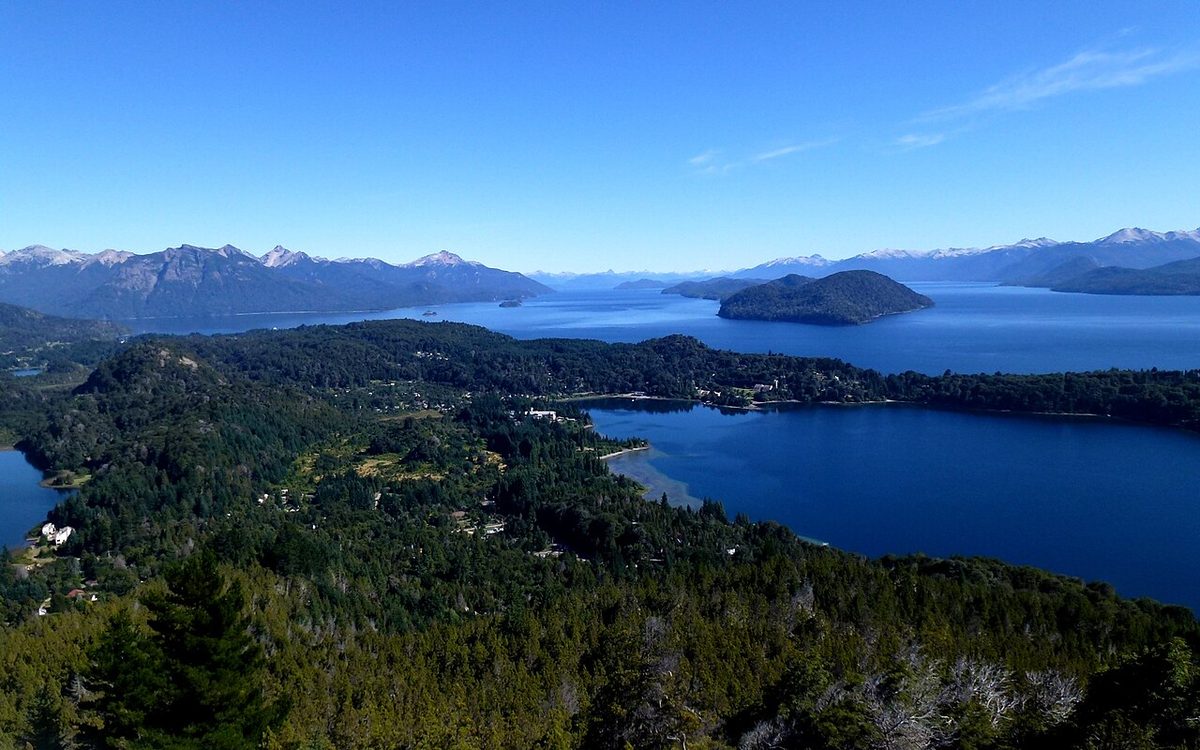
Stop first at Cerro Campanario, at Bustillo avenue kilometer 17.5. The official site puts the summit around 1,050 m / 3,400 ft, with a chairlift that takes roughly 7 minutes and a forest trail that takes about 30 minutes if you would rather walk. From the top you see Nahuel Huapi, Lago Moreno, the peninsulas, Victoria Island, and the surrounding peaks all at once. Travel guides have called it one of the best views in the world, and for once the hype is roughly fair. Take the chairlift and save your legs.
Continue the loop past Llao Llao, the Punto Panoramico viewpoint, and, if you have a car and the timing works, the Swiss village of Colonia Suiza. Lunch at a brewery with a lake view, such as Cerveceria Patagonia, or somewhere quieter in the forest. End back in town.
If you are tempted to add the Seven Lakes Route to a two-day trip, please do not. You would spend your only real day staring through a windshield. Save it.
Three days is the standard first-timer answer and, honestly, the one I recommend if you are short on time. You get two full days plus arrival, which means Circuito Chico, a proper city day, and one bigger choice that you make based on weather and what you love.
Day 1: Arrive, lakefront, Civic Center, chocolate
Keep arrival day light. Settle in, walk the lakefront, see the Centro Civico, work your way down Mitre through the chocolate shops, and have an unhurried dinner. You have just flown across Argentina or stepped off a long bus. Do not schedule a summit for tonight.
Day 2: Circuito Chico and Cerro Campanario
Run the loop exactly as in the two-day plan: Campanario early for the view, then Llao Llao, the viewpoints, a brewery lunch, and Colonia Suiza if you are driving. With a car you can dawdle at the small beaches and add a short forest walk in Parque Municipal Llao Llao, a flat, family-friendly trail near Lago Moreno. With a tour you will be back by mid-afternoon, with time for the lakefront or a tea house.
Day 3: Your one big day, chosen honestly
This is where three-day trips succeed or fail. Pick one, and pick it for the right reasons:
A lake excursion (Puerto Blest with the Cantaros waterfall, or Isla Victoria and the Arrayanes forest) if you want scenery without a hard hike, or if the peaks are clouded in.
Refugio Frey, the classic mountain day hike from the Cerro Catedral base, if conditions are good and you are fit. Competitors quote it at roughly 20 km round trip and 5 to 8 hours; it is a real outing, not a stroll. Note that Nahuel Huapi National Park requires free trekking registration, so do it close to your hike.
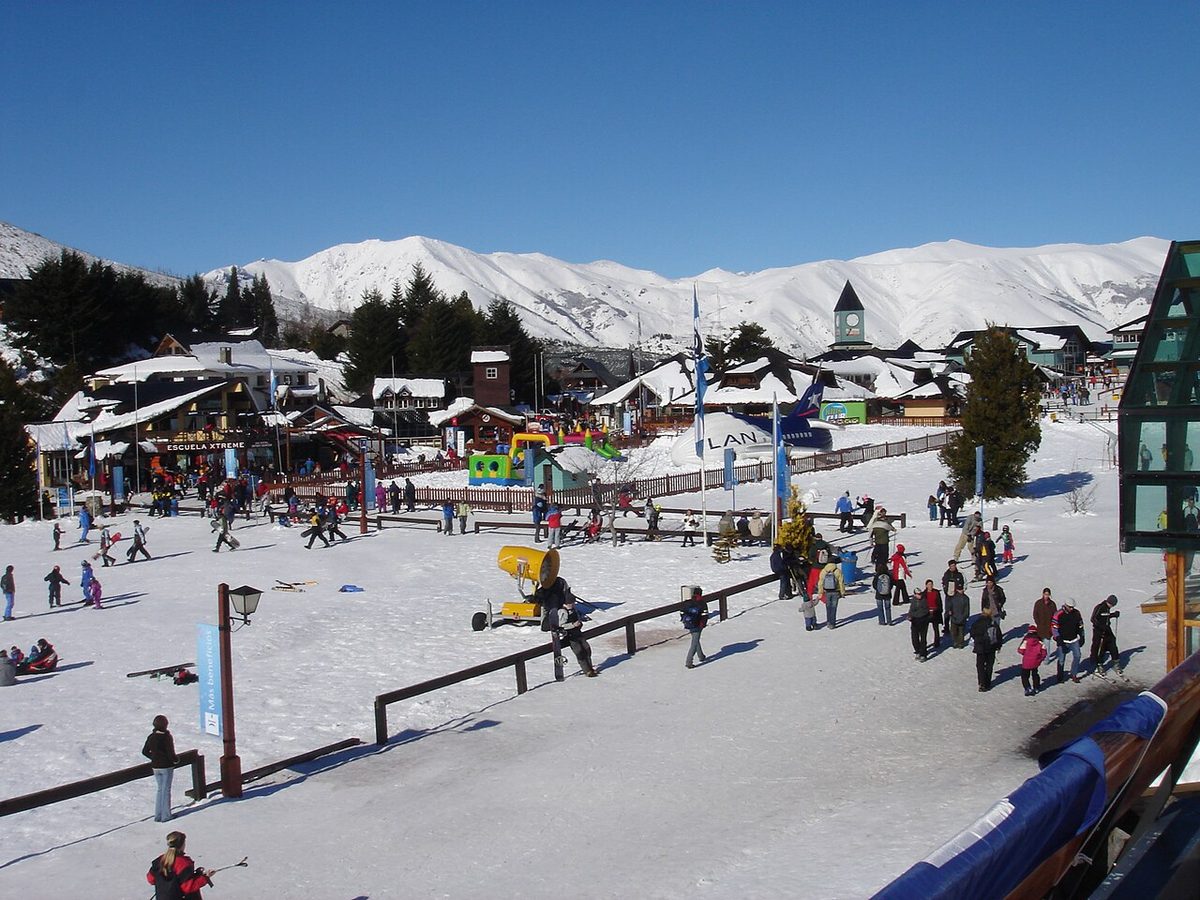
Cerro Catedral, especially in winter for skiing, or in summer for the lift-served viewpoint and trailheads.
The Seven Lakes Route as a guided day or self-drive, if and only if you love scenic driving. More on that route below.
If you cannot decide, default to the lake excursion. It is the most weather-resilient choice and it shows you a side of Nahuel Huapi the road never does.
5 days in Bariloche
Five days is the sweet spot, and it is the length I would choose if I were not in a hurry. You can keep Bariloche as a single base, skip the rental car if you want, and still see almost everything that matters, with a real buffer for weather. This is roughly the plan most expert pages converge on, and I agree with them.
Day 1: Arrive, city, lakefront, food
Same gentle arrival as the three-day plan. City, lakefront, chocolate, dinner.
Day 2: Circuito Chico and Cerro Campanario
The loop, unhurried. With five days you have permission to take it slowly: Campanario, a forest walk near Llao Llao, a long lunch, Colonia Suiza if it is a Wednesday or Sunday when the village does its traditional curanto feast.
Day 3: A lake day or kayaking
Get on the water. Take the boat to Puerto Blest, with its Valdivian rainforest and the Cantaros waterfall, or to Isla Victoria and the Arrayanes forest. If you would rather paddle than ride, rent a kayak on Lago Moreno, which is often calmer than the big lake. After two days of city and loop, a water day resets the trip.
Day 4: A mountain day
Now go up. Hike to Refugio Frey, ride the lifts at Cerro Catedral, or, if you want the single most dramatic day near Bariloche, take the full-day trip to Cerro Tronador and the Ventisquero Negro. Tronador is the big snow-capped massif on the Chilean border; the Ventisquero Negro is a hanging glacier that looks dark because the Manso glacier’s melt carries ground sediment into it. Be warned: part of the access road is gravel and traffic is one-way on a timed schedule, which is exactly why most people do it as an organized tour rather than fighting the logistics themselves.
Day 5: Buffer, or the thing you missed
Keep this open on purpose. Use it for whatever the weather stole earlier, or for Colonia Suiza, Cerro Otto, a slow food-and-viewpoint afternoon, or simply a lie-in before your flight. If everything went perfectly, this is your reward day. If it did not, this is the day that saves the trip.
Seven days is where Bariloche stops being a single destination and becomes a region. You have two ways to play it: stay in Bariloche and day-trip widely, or split your nights and turn it into a proper Northern Patagonia road trip. With a week and a rental car, I lean toward splitting. Here is a base-in-Bariloche version that still reaches the big outlying highlights.
Day 1: Arrive and settle
City, lakefront, chocolate, dinner. You know the drill by now.
Day 2: Circuito Chico and Cerro Campanario
The classic loop, slowly, with Campanario early.
Day 3: Cerro Tronador and Ventisquero Negro
Give the Tronador day its own slot. It is a full day out, the scenery is the most alpine you will get near Bariloche, and the gravel road and timed access mean you do not want to rush it. A guided trip removes the driving stress.
Day 4: A lake excursion
Puerto Blest or Isla Victoria and the Arrayanes forest. A boat day fits beautifully between two big land days and lets your legs recover.
Day 5: The Seven Lakes Route
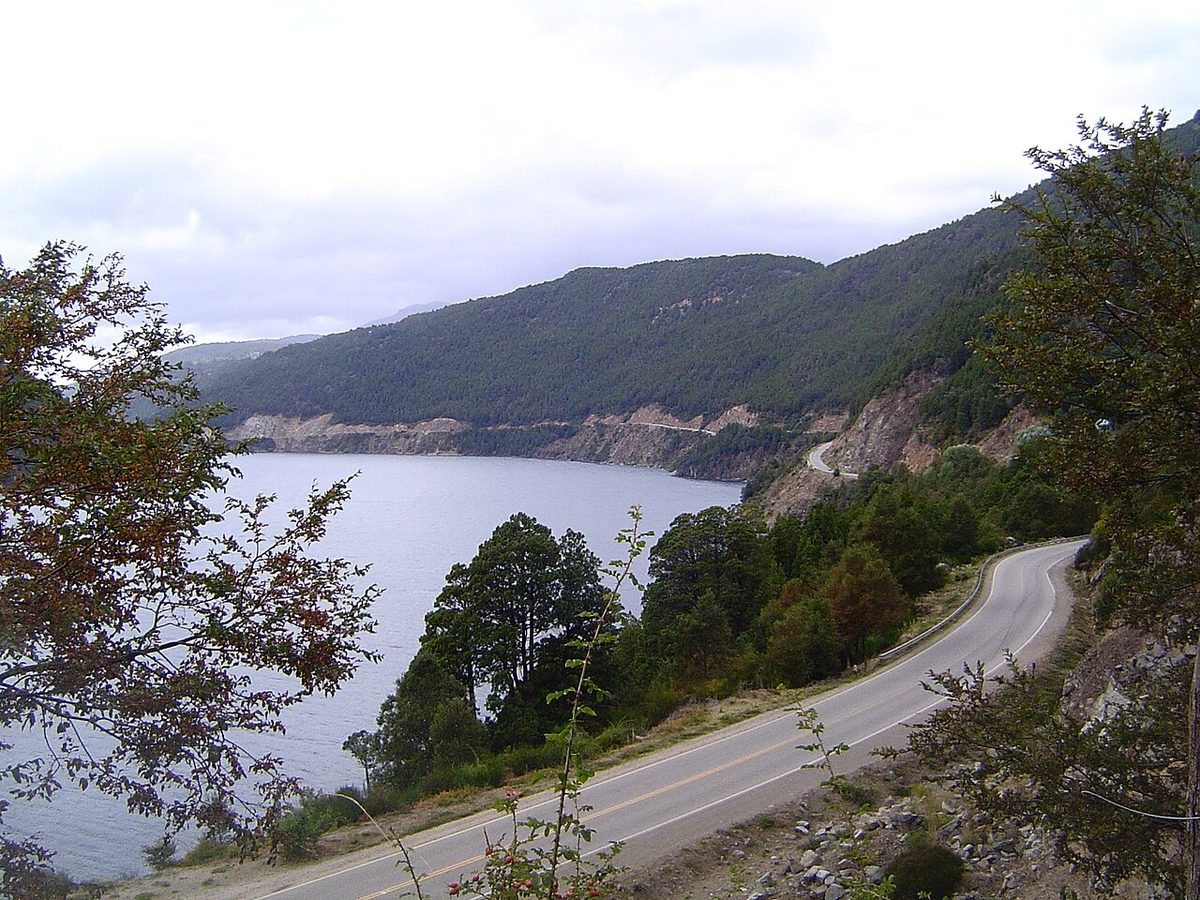
Now you have earned the road trip. The Siete Lagos route proper runs between Villa La Angostura and San Martin de los Andes, and Bariloche to San Martin is around 185 km / 115 miles one way. The lakes you pass include Espejo, Correntoso, Villarino, Falkner, Escondido, Machonico, and Lacar, across three national parks. A same-road round trip is roughly 370 km of pavement; an authorized tour runs about 10 to 11 hours. If you can, do not make it an out-and-back day. Sleep a night in Villa La Angostura or San Martin de los Andes and let the lakes be places, not photo stops.
Day 6: Villa La Angostura or San Martin, or the south lakes
If you slept up north, spend the morning in San Martin de los Andes on Lago Lacar before returning. If you stayed based in Bariloche, swap in the southern lakes instead, Gutierrez, Guillelmo, and Mascardi on Ruta 40, which are gorgeous and far less driven than the Seven Lakes.
Day 7: El Bolson, or a slow finish
Drive south to El Bolson, the laid-back, craft-oriented town about two hours away, for its artisan market and the nearby Lago Puelo National Park. Or, if you are road-weary, keep it slow in Bariloche: a final tea house, one more viewpoint, and the chocolate you meant to buy as gifts. With kids in tow, this is a good day for the easy stuff; our Patagonia family trip guide has more on pacing with children.
How to get around for each plan
The single biggest variable in any Bariloche itinerary is how you move. It changes the cost, the pace, and which plans are even realistic. For the regional picture see how to get to Patagonia; here is the Bariloche-specific version.
Without a car
You can do an excellent 2, 3, or 5-day trip with no rental at all, as long as you stay central. Local bus line 20 runs along Avenida Bustillo and reaches Cerro Campanario, Llao Llao, and Puerto Panuelo for the boats. You will need a SUBE transit card, the same one used in Buenos Aires, bought at a kiosk. Buses get crowded and you lose the freedom to stop at every small beach, but the savings are real.
The compromise is the longer trips. Doing the Seven Lakes or Tronador without a car means booking a guided day, which is genuinely the easier option for those two because of the distances and the gravel.
With a rental car
A car transforms Circuito Chico, the south lakes, Colonia Suiza, El Bolson, and especially the Seven Lakes, where stopping when the water looks unreal is the entire pleasure. It is most worth it on the 5 and 7-day plans. Book ahead in peak summer and winter, because demand is high and automatics are scarce in Argentina. And if you drive between roughly May and September, treat snow chains and road reports as part of the plan, not an afterthought; Bariloche tourism specifically recommends carrying chains for winter routes like the Seven Lakes.
With guided tours
Tours shine exactly where logistics would eat your day: Tronador, the Seven Lakes, and the lake excursions that leave from a port you would otherwise bus to. They are least useful for Circuito Chico, where the whole point is to linger. A sensible hybrid for a 5-day trip with no car: bus and walk for the close-in days, guided tours for the two long ones.
If you are still deciding the length, here is the decision in plain terms.
Choose 2 days if Bariloche is a stopover on a larger Argentina route and you mainly want the lake, the food, and one scenic loop. Accept that you are sampling, not finishing.
Choose 3 days if it is your first visit and you want the highlights without rushing. This is the most common sweet spot for time-pressed travelers connecting onward to El Calafate, El Chalten, or Buenos Aires.
Choose 5 days if you want Bariloche to feel generous: lake trips, a hike, a buffer day, real meals, and no car required. This is my default recommendation.
Choose 7 days or more if you want a road trip, a ski week, a hiking-and-refuge run, or slow family travel, and you are happy to split nights across Villa La Angostura, San Martin, or El Bolson.
One more honest note: more days only helps if you slow down to fill them. Seven days spent doing a different long drive every day is more tiring than rewarding. The point of a longer trip is buffer and depth, not a longer checklist.
When to go, and how it changes the plan
Bariloche is a genuine year-round base, which is rare in Patagonia, but a summer trip and a winter trip are almost different vacations. If your dates are still flexible, read the best time to visit Patagonia before you book, because the north and south do not always share the same best month.
Summer (December to March) is easiest for first-timers: long days, open trails, lake activities, simple driving. The tradeoff is crowds and prices, especially mid-summer when Argentine families travel.
Autumn (April and May) is quietly one of the best times. The forests turn, the light softens, and the town calms down. Some services thin out and high trails get more conditional, so stay flexible.
Winter (June to September) is ski season, built around Cerro Catedral, and it reshapes the whole itinerary toward snow, lifts, and fireplaces. Roads get serious: chains and closures are real. If snow is your reason for coming, our Bariloche in winter guide goes deeper.
Spring (October and November) is a transition: lingering snow up high, unsettled weather, ramping services. Rewarding, but plan with a buffer and check trail conditions.
Whatever the season, where you sleep matters more than people expect. Central for easy logistics, the Bustillo corridor for lake views, Catedral for skiing; our where to stay in Patagonia guide breaks down the zones.
What to skip
Because I would rather you spend your hours well, here is what I would cut.
Do not force the Seven Lakes into a 2 or 3-day trip unless a long road day is genuinely your idea of fun. On a short stay it costs you the only flexible day you have.
Do not try to do Tronador and the Seven Lakes on back-to-back days without a recovery day between them. Two ten-hour outings in a row turns a vacation into a commute.
Do not over-schedule arrival day. Jet lag, long buses, and Patagonian altitude shifts are real; a gentle first evening pays off all week.
Do not skip the buffer day on a 5-day trip. It feels indulgent on paper and saves the trip in practice, because the weather will eventually not cooperate.
And if your heart is set on the most iconic Patagonia hiking, be honest that Bariloche is not El Chalten. For deeper trails near town, see which Bariloche trails to pick; for the full menu of activities, things to do in Bariloche.
Most first-time visitors need 3 to 5 days. Two days is a weekend taste, enough for the city and Circuito Chico. Three days adds one big excursion. Five days is the sweet spot, giving you a lake trip, a hike, real meals, and a weather buffer without a rental car. Seven days turns it into a road trip.
What is the best thing to do in Bariloche?
Circuito Chico with Cerro Campanario is the best single thing to do, especially first. The roughly 60 km loop introduces you to Nahuel Huapi, the peninsulas, Llao Llao, and the viewpoints, and Campanario’s summit, reachable by a 7-minute chairlift, gives you the whole landscape in one panorama on a clear day.
Do you need a car in Bariloche?
No, not for a 2, 3, or 5-day trip if you stay central. Local bus line 20 plus a SUBE card reaches Campanario, Llao Llao, and the boat port, and guided tours cover the long days like Tronador and the Seven Lakes. A car pays off most on 5 to 7-day trips with Colonia Suiza, the south lakes, El Bolson, and self-paced driving.
Is the Seven Lakes Route worth it from Bariloche?
Yes, if you enjoy scenic driving and have the time. Bariloche to San Martin de los Andes is around 185 km one way, and an organized day runs about 10 to 11 hours. It is far better as an overnight road trip with a night in Villa La Angostura or San Martin than as a rushed out-and-back, which costs you a whole day in the car.
Can you do Bariloche without hiking?
Easily. Take the chairlift up Cerro Campanario, drive or tour Circuito Chico, ride the boats to Isla Victoria or Puerto Blest, wander the chocolate shops and breweries, relax on lake beaches, and use the Cerro Catedral lifts. Plenty of travelers do a full, satisfying Bariloche itinerary without a single serious trail.
What is the best month to visit Bariloche?
It depends on your trip. December to February is best for hiking, lakes, and long days, but it is busy. March and April bring milder crowds and autumn color. July to September is peak skiing at Cerro Catedral. October and November are quieter spring shoulder months with more variable weather, so build in flexibility.
Is 2 days enough in Bariloche?
Two days is enough for a satisfying taste, not a complete visit. You can do one city-and-lakefront day with a boat or the chocolate scene, and one Circuito Chico and Cerro Campanario day. Skip the Seven Lakes and Tronador on a two-day trip; there is not enough time to do them without wrecking your pace.
Final thoughts
The trips I have seen go well in Bariloche were never the ambitious ones. They were the ones where someone picked a length, picked a small number of things, and left room to breathe. Campanario on the first clear morning. A loop taken slowly. One big day chosen for the weather, not the bucket list. A long dinner, good chocolate, a lake that does not need a filter.
Bariloche makes that kind of trip easy if you let it. So decide how many days you have, choose the plan above that fits, protect one flexible slot, and stop trying to see everything. You will see more, oddly, by chasing less. And when you are ready to widen the trip, the Bariloche region primer and the Patagonia itinerary planner will help you connect it to the rest.