Is Perito Moreno Wheelchair Accessible? A Mobility Guide
Is Perito Moreno wheelchair accessible? Yes - the step-free walkway, free shuttle, toilets, what's not accessible, and tips for limited mobility.
By Patagonia Tourism Guide · First published 14 Aug 2026 · Updated 1 Aug 2026
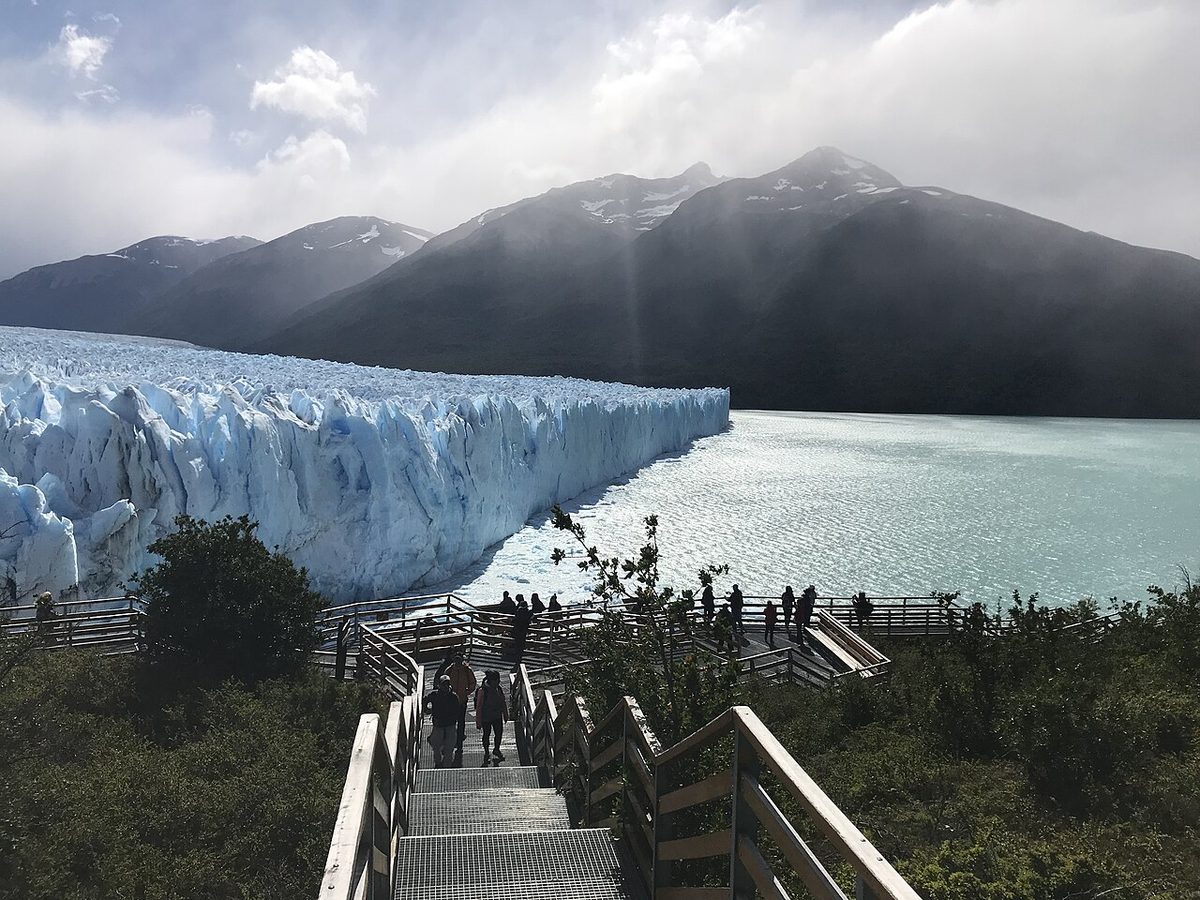
0 — 2 km Fig. 1 · Wide accessible walkway facing Perito Moreno Glacier in Patagonia, Argentina · Photo: Iscream icecream / CC BY-SA 4.0 via Wikimedia Commons
I have stood at a lot of viewpoints in Patagonia that I would never describe as easy to reach. Perito Moreno Glacier is the rare exception, and that is exactly why this question matters so much. If you, or someone you love, uses a wheelchair, walks with a cane, tires quickly, or pushes a stroller, you deserve a straight answer before you spend money and fly to the end of the world. So here it is, as honestly as I can give it.
Yes: Perito Moreno wheelchair accessible visits are not just possible, they are good. The glacier’s walkways are among the most accessible glacier viewpoints on Earth. There is a step-free accessible circuit, a free shuttle that skips the uphill walk, and a balcony where you face the ice across the water. The boat tours and ice trekking are not accessible.
This guide is for wheelchair users, seniors, anyone with reduced mobility or low stamina, families with strollers, and the people planning trips on their behalf. I will tell you what is genuinely step-free, what has stairs, where the toilets and parking are, what to skip, and how to get there. I will also tell you, more than once, to verify the current conditions with the park before you go, because access details do change.
At a Glance: What Is Accessible at Perito Moreno?
Before the detail, here is the honest scorecard. Treat the notes as planning guidance, not a guarantee, and confirm anything critical with the park close to your visit.
Experience
Accessible?
Notes
Accessible walkway circuit (the balconies)
Yes
Step-free section with ramps and an elevator to a balcony; the main reason this trip works
Free internal shuttle (lower to upper parking)
Yes
Skips the uphill walk to the walkway entrance; runs frequently in daytime, check current hours
Upper / first balcony glacier view
Yes
Reached step-free via ramp and elevator; this is where you face the ice
Visitor center, café, accessible toilets
Mostly yes
Reported accessible toilets near the restaurant; verify current condition
Accessible parking
Yes
In the main lower lot near the visitor center; arrive early in peak season
Lower balconies / longer trails
No
Hundreds of stairs and steep sections; one trail signs around 520 steps
Boat tour / Nautical Safari
No
Dock and boarding are not step-free; not designed for wheelchairs
Mini Trekking / Big Ice
No
Crampons, ice, a boat crossing, strict health and mobility rules
Kayak
No
Water-level boarding and conditions make this unsuitable
Swipe to see all columns
Table 1
If you read nothing else, read this: you do not need to walk on the ice or board a boat to have a real Perito Moreno experience. The accessible balconies are not a consolation prize. They are the headline.
Is Perito Moreno Wheelchair Accessible, Really?
Let me be precise, because “accessible” gets used loosely online and that helps nobody.
Perito Moreno’s walkways, called the pasarelas in Spanish, are a network of elevated metal balconies and paths on the Magallanes Peninsula, facing the glacier across a narrow channel of Lago Argentino. They sit at different heights, so each one gives you a different angle on the wall of ice. The official tourism authority, Visit Argentina, describes the circuit as offering scenic views “from wide walkways located at various heights and accessible for persons with reduced mobility.” That is the line I trust most, and it is encouraging.
But the network is not uniformly accessible, and you should know that going in. The balconies are connected by a mix of ramps, level boardwalk, and stairs. Some sections are gentle and step-free. Others descend steeply toward the ice with long flights of stairs. One of the lower, more strenuous trails reportedly carries a warning sign citing around 520 steps and advising that good physical condition is required. That is not a wheelchair route, and it is not a route I would send most seniors down either.
So the accurate answer is layered. There is a genuinely accessible circuit that gets you to a strong glacier view without stairs. There is also a wider network that is not accessible at all. The trick is knowing which is which before you arrive, so you head straight for the part that works for you and do not waste energy discovering a staircase the hard way.
Two more honest notes. First, the surface in places is metal grating and boardwalk, and Patagonia weather means it can be wet, cold, and windy. Non-slip footwear and gloves help, and a companion is a sensible idea. Second, multiple visitor sources note that people using wheelchairs should be accompanied on the walkways. None of this should scare you off. It is the normal reality of an outdoor viewpoint in a wild place, and Perito Moreno handles it better than almost anywhere comparable.
If you want the full picture of every walkway, tour, and ticket option for all visitors, the parent guide covers it in depth: see the breakdown of visiting Perito Moreno.
The Accessible Balcony Circuit and the Free Shuttle
This is the heart of an accessible Perito Moreno visit, so I will spend real time here.
There is a dedicated step-free route, often referred to as the accessible circuit or Sendero Accesible. Sources describe it as a level, ramped path of around 560 to 565 metres that leads to a balcony with a wide-open view of the glacier, with no stairs along the way. I would treat the exact length as approximate and the exact balcony it reaches as something to confirm on the day, but the consensus is clear: there is a purpose-built route you can roll along to face the ice.
To reach the upper balcony area without climbing, there is also reported to be an elevator for visitors with reduced mobility, widely described as serving the first or upper balcony. Several sources say it has been in place since around 2011. An elevator at a glacier viewpoint is genuinely unusual, and it is the single feature that turns “technically possible” into “actually enjoyable” for many wheelchair users. That said, mechanical things break and seasons change, so do not build your whole day around the elevator without checking that it is currently in service.
Then there is the part that quietly saves the most energy: the free internal shuttle. When you arrive, you reach a lower area with the main car park, the visitor center, the café and restaurant, the ticket booth, and the toilets. From there, a complimentary shuttle bus runs up to the upper parking area near the start of the walkways, so you do not have to tackle the uphill stretch on foot or by wheel. It runs frequently through the day. Reports suggest it stops running by late afternoon, often cited around 5:30 pm, so plan your return with margin and verify the current timetable. For seniors, anyone with limited stamina, and families with a stroller, this shuttle is a small gift. Use it both ways.
Put together, the accessible flow looks like this: arrive at the lower area, use the accessible parking or get dropped off, use the toilets and grab a coffee, take the free shuttle up, then follow the step-free accessible circuit (and the elevator where needed) to the balcony and the glacier. That is a visit that works for a lot of bodies.
Gradients, Surfaces, and What Your Body Will Actually Feel
Numbers are reassuring, but what does the day feel like physically? Here is my candid read.
The accessible circuit is described as level to gently graded. You will not find the brutal ramps that make some “accessible” attractions a workout in disguise. The walkway surface is largely metal boardwalk and grating, which is sturdy but can be slick when wet and can rattle a little under wheels. The transitions between sections are generally smooth, but a self-propelling wheelchair user on a windy, wet day may appreciate a push on the gentler grades, and an attendant is recommended regardless.
Away from the accessible route, the gradients change dramatically. The trails toward the lower balconies, closer to the ice, drop steeply and use long staircases. That strenuous lower trail with the roughly 520-step warning is the clearest example. These routes reward fit hikers with dramatic close-up angles, and they are simply off the table if stairs are a barrier. There is no shame in that. The view from the accessible balcony is still vast, still loud, and still the thing people fly here to see.
Weather is the other variable nobody can schedule. Wind funnels off the ice field and can be strong, especially in late spring. Cold makes hands clumsy and metal handrails unfriendly. Rain or melt can leave boards damp. None of this is unique to mobility needs, but it lands harder when you are managing a wheelchair, a cane, or tired legs. Layers, gloves, non-slip shoes, and patience go a long way.
For the wider seasonal context across the whole region, the advice on when to go guide is worth a read before you lock in dates.
Accessible Parking, Toilets, and Services
Practical logistics make or break an accessible day, so let me cover the unglamorous essentials.
Parking. If you arrive by car, taxi, or private transfer, you reach the main lower car park near the visitor center and restaurant. There is accessible parking here, along with space for buses and private vehicles. In peak summer the lot fills, so aim to arrive earlier in the day. Earlier also tends to mean a calmer atmosphere on the balconies, which helps if crowds are stressful.
Toilets. The visitor center area, beside the restaurant in the lower zone, has toilets that multiple sources report as accessible for people with reduced mobility, and they are free. Because there is a stretch of time and travel between the lower area and the upper balconies, I would use the facilities before you take the shuttle up. As always, verify the current state of the accessible toilet on the day rather than assuming.
Food and warmth. The café and restaurant in the lower area are a genuine asset on a cold, windy day. You can warm up, eat, and watch the glacier through glass if the weather turns. Food options inside the park are limited and not cheap, so many visitors bring snacks and water. If you need to manage medication, blood sugar, or energy carefully, pack accordingly rather than relying on the café.
Wheelchair rentals. Some sources report that outdoor wheelchairs can be rented at the visitor center. I would treat this as a “nice if available” rather than a plan you depend on. If you need a chair on site, contact the park in advance to confirm whether rentals currently exist, what type, and whether you must reserve.
Tickets and entry. Park entry to Los Glaciares National Park is separate from any tour or transfer price, and you will usually need to show a passport or DNI for your fare category. Fees and rules change, so check the current details before you travel. For the ticket specifics, the sibling guide on how much Perito Moreno costs breaks it down, and the practical what a Perito Moreno visit involves guide covers the visit logistics end to end.
What Is Not Accessible at Perito Moreno
I would rather you hear this clearly from me now than feel let down at the dock. Several of the famous Perito Moreno experiences are not accessible, and that is unlikely to change soon because of how they physically work.
Boat tours and the Nautical Safari are not accessible. The short glacier-face boat rides board from docks several kilometres from the main walkway area, and the boarding, gangways, and vessels are not designed for wheelchairs. I have seen these described loosely online as a good option for limited mobility because they involve little walking, but boarding a boat in Patagonia is its own challenge, and I would not assume step-free access. If a boat matters to you, contact the operator directly and ask very specific questions about boarding before you book.
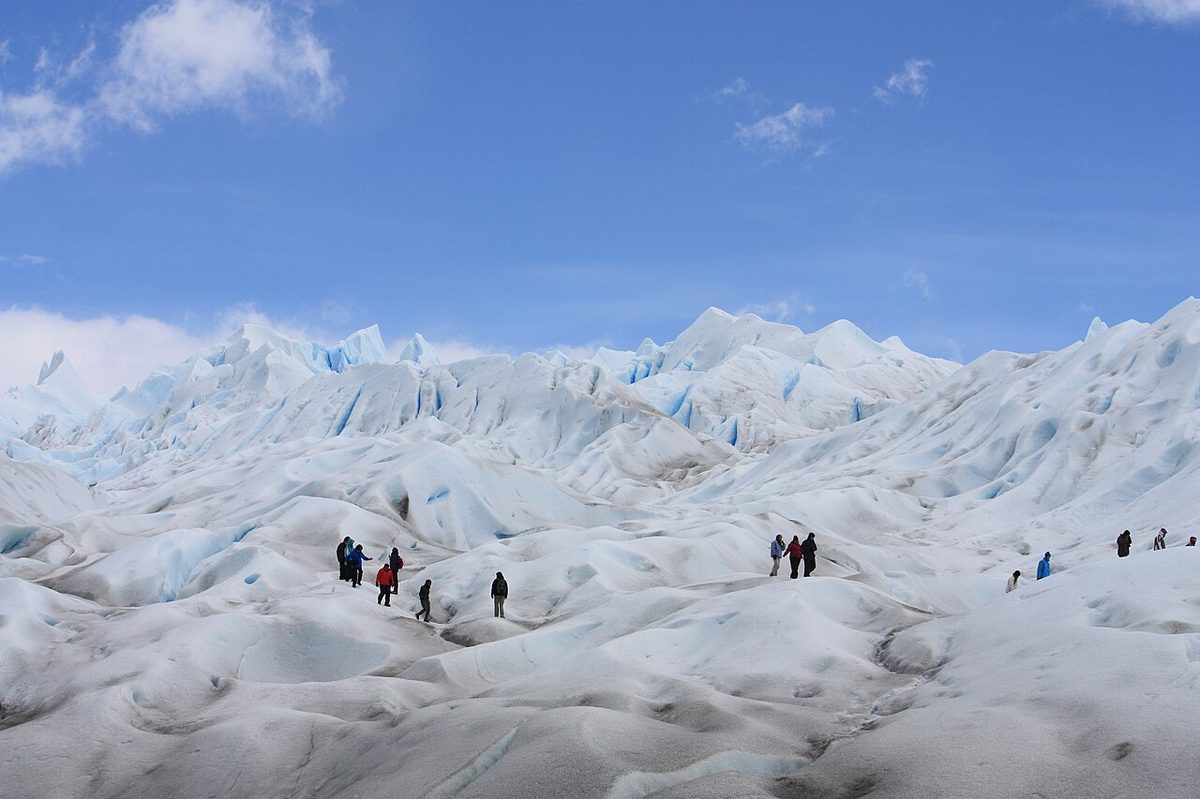
Mini Trekking and Big Ice are not accessible. These are guided walks on the glacier itself, using crampons, crossing a lake by boat, and moving over uneven ice. The main operator’s terms list strict age and health rules and explicitly exclude conditions affecting mobility, coordination, or balance, severe vertigo, and certain cardiovascular conditions, among others. This is not gatekeeping for its own sake. It is a real ice environment with real risk. If you are unsure whether you qualify, ask the operator directly, but for most wheelchair users and many seniors these are not options.
Kayaking is not accessible for similar reasons: water-level boarding, balance demands, and weather exposure.
None of this diminishes the trip. It just means you build the day around the walkways, which were practically designed for this, and you let go of the parts that were never going to fit. If your wider Patagonia plans lean toward sightseeing over strenuous adventure, the rundown of low-effort sightseeing guide is a good companion to this one.
Tips for Wheelchair Users, Seniors, Strollers, and Limited Mobility
Different needs, different game plans. Here is how I would approach each.
Wheelchair users
Head straight for the accessible circuit and use the free shuttle from the lower area up to the walkway entrance. Do not attempt the uphill stretch on your own steam if you can ride.
Confirm the elevator is in service before you arrive if it is central to your plan; have a backup mindset if it is not.
Bring a companion. Wet metal, wind, and gentle grades are all easier with a second pair of hands, and sources note accompaniment is expected.
Pack gloves and a windproof layer. Cold handrails and gusts off the ice are real.
Skip the lower balconies and the strenuous stair trails entirely. The accessible balcony view is the one worth your energy.
Seniors and visitors with low stamina
This is one of the most senior-friendly major sights in Patagonia, but pace it. Use the shuttle, sit on the benches, and give yourself two to three unhurried hours.
A private transfer or taxi from El Calafate removes the timing stress of public buses and lets you rest on arrival and departure.
Watch your footing on metal grating, especially when wet, and consider trekking poles if you use them.
Families with strollers
The accessible circuit is your friend; it is reported as suitable for strollers and step-free. The longer stair trails are not stroller territory.
A baby carrier is a useful backup if you want to peek at a viewpoint the stroller cannot reach, but you will not need it for the main accessible balcony.
The shuttle takes strollers up the hill, so save your legs for the balconies.
Limited mobility generally (canes, recovery, chronic conditions)
Plan the shortest path: shuttle up, accessible circuit out, benches as needed, shuttle down.
Manage energy and medication proactively; do not count on the café for essentials.
Build in a buffer. A glacier day is a long day from El Calafate, and fatigue is the most common reason a visit turns sour.
For trips centered on travelers with mixed abilities or younger kids, the Patagonia family trip guide pairs well with this, and the broader Patagonia itinerary planner helps you fit the glacier day into a route that does not exhaust anyone.
Getting There with Reduced Mobility
Perito Moreno sits about 80 kilometres west of El Calafate on the paved Ruta Provincial 11, roughly an hour and a half each way. The road is good by Patagonian standards, which is part of why this glacier is so reachable. The question is how you cover that distance comfortably.
Private transfer or taxi. For most travelers with mobility needs, this is the calmest choice. You set the pace, you are dropped at the lower area near the accessible parking and toilets, and you are not racing a fixed bus schedule. Ask the operator in advance about the vehicle, whether they can accommodate a folding wheelchair, boarding height, and total round-trip timing including your time at the glacier. The sibling guides on the guide to structuring your calafate days and El Calafate airport help you slot transfers around flights.
Organized tours. Many walkway tours include round-trip transfers and free time on the balconies. They are convenient, but the vehicles are not guaranteed to be step-free, and the schedule is fixed. If you book one, ask directly about accessibility, boarding, and how much balcony time you get.
Regular buses. These are the budget option and a fine independent choice for many visitors, but standard coaches are not guaranteed accessible, and the return time can rush you. If steps are a barrier, confirm the specific vehicle before relying on the bus.
Self-drive. A rental car gives you total control over timing and lets you arrive early for quieter balconies and easier parking. Just factor in the long day and Patagonia’s weather, including possible winter requirements for chains or studded tires outside summer.
Wherever you are based for the trip, the where to stay in Patagonia guide can help you pick a town and lodging that keep transfers short and mornings unhurried.
Perito Moreno is open year-round, and the glacier is impressive in any weather, which is a genuine advantage if mobility or stamina makes you cautious about complicated trips. But some windows make an accessible visit noticeably easier.
For fewer crowds and a calmer atmosphere on the balconies, I lean toward the shoulder months: roughly October to November in spring, and March to early April in autumn. The balconies are less packed, parking is easier, and the accessible circuit feels less like navigating a moving crowd. Light is often beautiful in autumn too.
Peak summer, December to February, brings the longest daylight and the fullest range of services, but also the most visitors, the busiest car park, and more pressure on the shuttle and walkways. If you visit then, go early in the day. Winter, May to August, is quiet and atmospheric with snow, but services can be reduced, daylight is short, and roads may require chains or studded tires, so it asks more of you logistically.
Whenever you go, the same comforts apply: arrive earlier rather than later, use the shuttle both directions, build in rest, and dress for wind and cold. The glacier does not care what the calendar says, and neither does the weather.
Frequently Asked Questions
Is Perito Moreno Glacier wheelchair accessible?
Yes, in the way that matters most. Perito Moreno’s walkways include a step-free accessible circuit with ramps, an elevator to a balcony for reduced-mobility visitors, and a free shuttle that skips the uphill walk. You can face the glacier across the water without stairs. The boat tours and ice trekking are not accessible. Verify current conditions with the park before you travel.
Are the Perito Moreno walkways suitable for limited mobility?
Partly. There is a genuinely accessible circuit, reported around 560 metres and step-free, that suits wheelchairs, strollers, and seniors. But the wider walkway network includes long staircases and steep trails toward the lower balconies, including one strenuous route signed at roughly 520 steps. Stick to the accessible circuit and the upper balcony, and skip the stair trails.
Is there an elevator at Perito Moreno Glacier?
Sources widely report an elevator serving the first or upper balcony for visitors with reduced mobility, often described as in place since around 2011. It is unusual and genuinely helpful for wheelchair users. That said, mechanical equipment can be out of service and conditions change, so confirm the elevator is currently operating with the park before you build your day around it.
Is there a free shuttle at Perito Moreno?
Yes. A complimentary internal shuttle runs between the lower area, where the car park, visitor center, café, and toilets are, and the upper parking near the start of the walkways. It saves you the uphill stretch and runs frequently during the day. Reports suggest it stops by late afternoon, often cited around 5:30 pm, so check the current timetable and plan your return.
Is Perito Moreno Glacier good for seniors and elderly visitors?
It is one of the most senior-friendly major sights in Patagonia. The accessible circuit, free shuttle, benches, accessible toilets, and a café for warming up make a relaxed visit realistic. Pace yourself, use the shuttle both ways, watch your footing on metal walkways, and consider a private transfer from El Calafate to remove timing stress on a long glacier day.
Is Perito Moreno stroller friendly?
The accessible circuit is reported as suitable for strollers because it is step-free and level. Use the free shuttle to skip the uphill walk, then follow the accessible balcony route. Avoid the longer trails toward the lower balconies, which have many stairs and are not stroller-friendly. A carrier is a handy backup, but you will not need it for the main accessible view.
Can wheelchair users do the boat tour or ice trekking at Perito Moreno?
Generally no. Boat tours board from docks that are not step-free, and the vessels are not designed for wheelchairs. Ice trekking like Mini Trekking and Big Ice involves crampons, uneven ice, and a boat crossing, with operator rules excluding conditions affecting mobility, balance, or coordination. Focus on the accessible walkways instead, and contact operators directly if you have specific questions.
How do you get to Perito Moreno with reduced mobility?
The glacier is about 80 kilometres from El Calafate on paved Ruta Provincial 11, around 90 minutes each way. A private transfer or taxi is usually the most comfortable option, letting you set the pace and avoid fixed bus schedules. Ask in advance about the vehicle, boarding, and whether a folding wheelchair can be accommodated. Regular buses are not guaranteed accessible.
Final Thoughts
If you have spent years quietly assuming that a place like this was not for you, I want to gently push back. Perito Moreno is one of the few truly world-class natural wonders where the path to the view was built with reduced mobility in mind, not bolted on as an afterthought. The accessible circuit, the elevator, the free shuttle, the benches, and the accessible toilets add up to a day that a lot of people count out of unnecessarily.
It is not flawless. The lower balconies have stairs, the boat and ice tours are off the table, and the weather can be unkind to anyone managing a wheelchair, a cane, or tired legs. I would be doing you a disservice to pretend otherwise. But the part everyone comes for, standing across the water from a living wall of blue ice while it cracks and calves, is reachable. That is the whole point.
Do one thing before you go: contact the park or check current official information to confirm the elevator, shuttle hours, accessible toilets, and any seasonal closures, because these details genuinely shift. Then go, take your time, and let the glacier do what it does. It rewards the patient, and it does not ask you to climb a mountain to be moved.
Accessibility details such as the elevator, shuttle hours, accessible toilets, and wheelchair rentals are reported by official and visitor sources but can change. Verify current conditions with Los Glaciares National Park (intendencia in