Patagonia Honeymoon Itinerary: A Low-Stress Romantic Route
A comfort-first Patagonia honeymoon itinerary: fewer bases, private transfers, all-inclusive lodges, plus 7-day and 2-week options and romantic touches.
By Patagonia Tourism Guide · First published 10 Jul 2026 · Updated 1 Aug 2026
0 — 2 km Fig. 1 · Torres del Paine peaks reflected in a lake, a romantic backdrop for a Patagonia honeymoon · Photo: Winky from Oxford, UK / CC BY 2.0 via Wikimedia Commons
A honeymoon is the one trip where the goal is not to see the most. It is to feel the most, together, with the least friction. That changes how you should plan Patagonia.
Most Patagonia itineraries are built for hikers chasing summits and travelers stretching a budget. A honeymoon wants the opposite: fewer bases, more nights in each, someone else driving, a warm lodge at the end of the day, and a couple of moments you will still be describing to each other in twenty years.
The best Patagonia honeymoon itinerary is a slow, comfort-first route: two or three bases instead of five, private transfers instead of long public buses, and all-inclusive lodges near the parks where meals, drinks, and guided outings are handled for you. A recommended 10-day version pairs El Calafate with Torres del Paine, with romantic touches built in.
This guide is for couples who want Patagonia’s scenery without turning their honeymoon into a logistics project. If you would rather earn every view on a multi-day trek and split refugio bunks, this is not your route, and that is fine. This is the version where the landscape does the heavy lifting and you do not.
If you are still shaping the overall trip, start with the Patagonia itinerary planner, which lays out the classic routes by length. This article takes one of those routes and rebuilds it specifically for a honeymoon.
The Honeymoon Route at a Glance
Here is the shape of the trip before we get into days. The thread running through all of it: protect your energy, spend on location and ease, and let fewer places go deeper.
Trip length
Best honeymoon route
Bases
Comfort level
Best for
7 days
El Calafate + Torres del Paine (one country each, one border)
2
High, if you use private transfers
A focused romantic first taste
10 days (recommended)
El Calafate + El Chalten day + Torres del Paine
2 to 3
Very high
The sweet spot: icons without rushing
12 to 16 days
Add El Chalten nights, or a Lake District / Bariloche soft-landing
3 to 4
Very high, slow pace
Couples who want variety and downtime
Swipe to see all columns
Table 1
For most couples, the recommended honeymoon route is:
Two to three nights in or near El Calafate for Perito Moreno Glacier and a private glacier boat.
A scenic day trip or short overnight toward El Chalten for the Fitz Roy skyline, with no pressure to hike hard.
Three to four nights at an all-inclusive lodge in or near Torres del Paine, reached by a private cross-border transfer that handles the paperwork for you.
A normal Patagonia trip optimizes for coverage. A honeymoon should optimize for ease, and the two are not the same route with nicer hotels.
The single biggest upgrade you can make is fewer bases. Every time you change towns in Patagonia, you lose a half-day to packing, transfers, and check-in, and you gamble the day on weather and schedules. Three nights in one lodge is not lazy. It is what makes the trip feel like a honeymoon instead of a relocation tour.
The second upgrade is private transfers instead of public buses. The classic route involves a cross-border drive between Argentina and Chile, with a produce-free vehicle requirement, a Chilean SAG declaration, and a tourist card on entry. On a budget trip you ride the public bus and handle it yourself. On a honeymoon, a private transfer or your lodge’s included airport pickup absorbs all of that. You sit in the back, watch guanacos, and let someone else manage the border post.
The third upgrade is all-inclusive lodges near the parks. The marquee Patagonia lodges bundle transfers, full board, an open bar, and daily guided excursions into one price. That bundle is not just comfort. It is stress removal. You stop booking individual tours, stop hunting for dinner reservations in a tiny town, and stop driving gravel roads in crosswinds. You wake up, a guide tells you the two or three best options for today’s weather, and you choose.
Spend money where it changes the trip: location, views, transfer simplicity, and time saved. Do not blow the budget on one palatial property if it forces one-night stays everywhere else. A calmer route in a very good lodge beats a frantic route in a famous one.
The Recommended 10-Day Patagonia Honeymoon Itinerary
This is the version I would build for most couples. It uses two to three bases, leans scenic rather than strenuous, and bakes in a romantic touch most days. Run it in either direction depending on flights; I will describe it starting in Argentina.
Day 1: Arrive in El Calafate
Fly into El Calafate after your international connection, most likely through Buenos Aires. Today is a soft landing, not a sightseeing day. Have your hotel or lodge arrange the airport pickup so your first Patagonia decision is which wine to open, not how to find a taxi.
Settle in, walk the lakefront if you have energy, and sleep early. You just flew a long way to the bottom of the world. Let the trip start tomorrow.
Romantic touch: a quiet first dinner in town. El Calafate does Patagonian lamb and Argentine Malbec well, and you do not need a reservation chase on night one.
Day 2: Perito Moreno Glacier, slowly
Perito Moreno is the easiest great glacier to visit anywhere, and that makes it perfect for a honeymoon. Visit Argentina notes it sits about 80 kilometers from El Calafate on Ruta Provincial 11, roughly 90 minutes each way by car. You do not hike to reach it. You walk a network of balconies right up to a wall of ice that cracks and calves into the lake while you stand there.
Go with a private guide or a small-group transfer so you control the pace. Spend the morning on the walkways, have a long lunch, and let the glacier perform.
Romantic touch: the ice. Some excursions hand you a whisky cooled with glacier ice and a square of chocolate while you watch the south face. It is a little theatrical, and on a honeymoon that is exactly the point.
Day 3: A private glacier boat or Estancia Cristina
This is the day that separates a honeymoon from a day-tripper’s visit. Instead of repeating the walkways, get on the water.
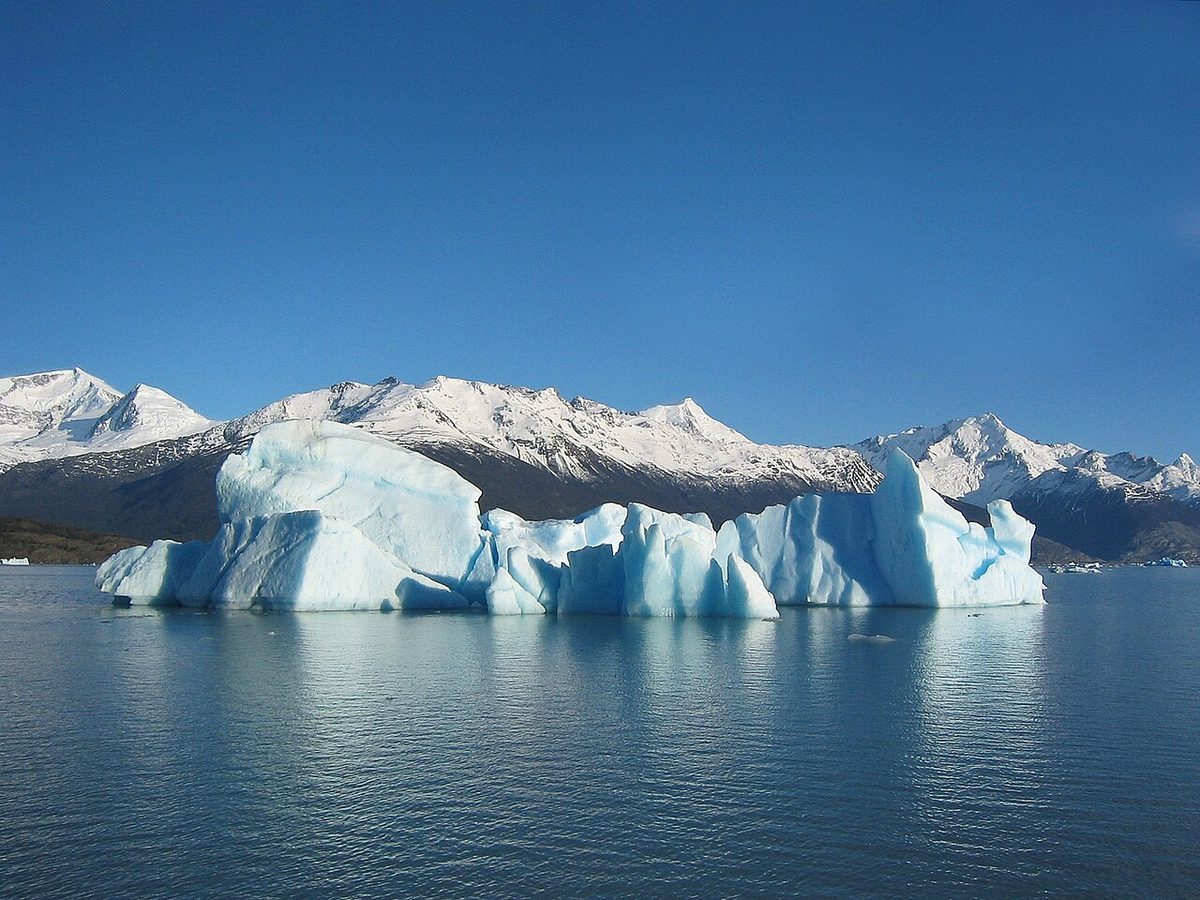
A boat trip across Lago Argentino takes you to the towering blue faces of the glaciers from below, a completely different scale than the balconies. The standout option is a full-day sail to Estancia Cristina, a remote ranch reached only by boat, passing icebergs calved off the Upsala Glacier on the way. You get the lake, the ice, and a working estancia in one calm, scenic day.
If you would rather slow down further, swap the boat for a half-day at an estancia near town: a gentle horseback ride across the steppe with a gaucho, then a long lunch. Either way, you are choosing scenic over strenuous, which is the whole ethos here.
Romantic touch: the estancia lunch. A lamb asado at a Patagonian ranch, with the wind outside and a fire inside, is one of the trip’s best meals.
Day 4: Scenic transfer toward El Chalten and the Fitz Roy skyline
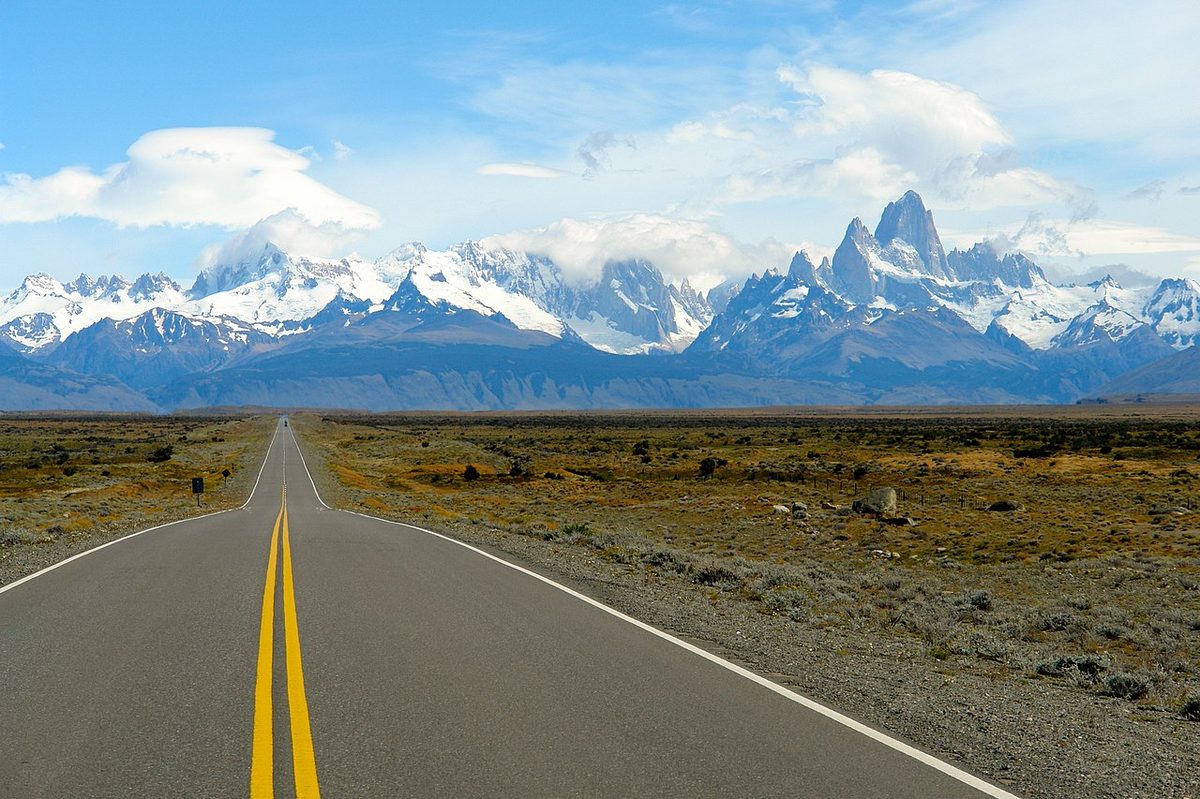
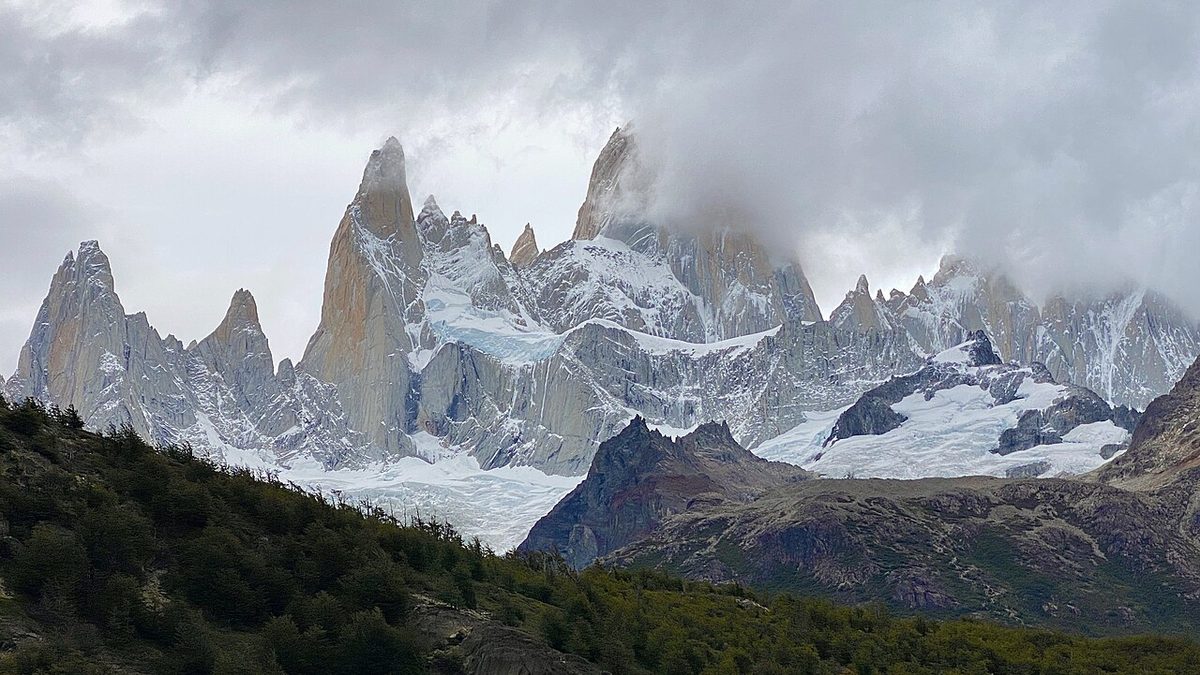
El Chalten is the trekking capital of Argentina, but you do not have to trek it. Visit Argentina describes El Chalten as reached from El Calafate, about 215 kilometers away, roughly three hours by road. The drive itself is the experience: open steppe, then the sudden, almost unreal spike of Monte Fitz Roy on the horizon.
Take a private transfer or a guided day trip so you can stop for photos when the light is good. If you want the full Fitz Roy theater without a hard hike, the short walks near town reach genuine viewpoints in under an hour. The rundown of El Chalten’s day hikes lays out which short trails reward the least effort.
You can do this as a long day trip back to El Calafate, or stay one night in El Chalten to catch the mountain at sunrise. For a honeymoon I lean toward one overnight if your schedule allows it, because the morning light on Fitz Roy is worth waking up for and the town is calmer after the day-trippers leave.
Romantic touch: sunrise at an easy viewpoint. Sunrise is calmer than sunset here, and the first gold hitting Fitz Roy turns the whole sky pink. Bring a thermos and a blanket. No summit required.
Day 5: Private cross-border transfer to Torres del Paine
Today you cross into Chile, and this is exactly the day a honeymoon should not be spent on a public bus. The drive from El Calafate to Torres del Paine runs around four to five hours including the Cancha Carrera and Cerro Castillo border posts. There is a no-fresh-produce rule into Chile, a SAG declaration, and a tourist card on arrival.
Book a private transfer, or arrive on a day your park lodge includes its own pickup. Let the driver handle the border. You handle the view. The landscape opens up as you approach the Paine Massif, and arriving relaxed at a warm lodge beats stumbling off a bus at a roadside stop.
Settle into your lodge, take the spa or hot tub, and have your first dinner with the towers somewhere out the window. The next three days are the heart of the trip.
Romantic touch: arrival itself. An all-inclusive lodge in the park means the moment you arrive, everything is handled. That first evening, with nothing left to organize, is the honeymoon clicking into place.
Days 6 to 8: Torres del Paine at honeymoon pace
This is where staying at an all-inclusive lodge earns its keep. Each morning, a guide reads the weather and offers you options, and you pick the one that suits your mood and the sky. Chile Travel describes Chilean Patagonia through Torres del Paine, its fjords, forests, ice fields, and lakes, and the park alone holds more than enough for three unhurried days.
A comfort-first three days might look like this:
A boat to Grey Glacier. A small or semi-private vessel weaves among floating blue icebergs to the face of the glacier. It is quieter and closer than the big group boats, and it asks almost nothing of you physically.
A scenic drive and easy walks. The viewpoints around Lago Pehoe, the Cuernos, Salto Grande waterfall, and the lake shores deliver the park’s signature images on short, gentle paths.
A gaucho horseback ride. Many estancias near the park run guided rides across wide valleys, a peaceful way to see the peaks from new angles at a pace that lets you actually talk.
One optional bigger day. If you both want it, the trail toward the base of the towers is the famous one. Treat it as a choice, not an obligation. The honeymoon does not fail if you skip it for the hot tub.
The point of three nights is that weather here changes fast, often within a day. With a buffer built in, a cloudy morning is not a crisis. You wait, you swap plans, you go to the spa, and the mountain usually shows itself before you leave.
Romantic touch: stargazing. Patagonia has very little light pollution, and on a clear night the sky is staggering. Many lodges have an outdoor hot tub pointed at the dark. Use it.
Day 9: Slow morning, transfer toward your exit
Use this day according to your departure airport. Most couples fly out of Punta Arenas in Chile or loop back to El Calafate, so today is a private transfer day with a relaxed start.
If you have an extra morning in the park, take one more easy walk or one more soak before you leave. Do not book a same-day international connection out of a long transfer unless you have a very clear plan and a high tolerance for risk. Patagonia distances are real.
Romantic touch: a last unhurried breakfast with the view, before the landscape hands you back to the airport.
Day 10: Depart
Fly home, or connect onward to Buenos Aires or Santiago for a city night to decompress. You will land already nostalgic. That is the sign of a route that gave you moments instead of a checklist.
The Shorter Version: A 7-Day Patagonia Honeymoon
If you have seven days, do not try to squeeze the full route. Cut, do not cram. The honeymoon version of a week is two bases, one border, and zero rushing.
The cleanest seven-day route is El Calafate plus Torres del Paine, skipping the El Chalten overnight:
Days 1 to 3, El Calafate. Arrive and settle, spend a full day at Perito Moreno Glacier, then a private glacier boat or estancia day.
Day 4, private transfer to Torres del Paine. Cross the border with a driver handling the logistics, and arrive at your lodge by evening.
Days 5 to 6, Torres del Paine. Two unhurried days: a Grey Glacier boat, scenic viewpoints, and a horseback ride, with weather flexibility between them.
Day 7, depart via Punta Arenas or back through El Calafate.
What you give up is El Chalten and the Fitz Roy skyline. That is a real loss, but a honest one. A week with two relaxed bases beats a week with four hurried ones. If your heart is set on Fitz Roy specifically, flip the route to El Calafate plus El Chalten and save Torres del Paine for a future trip. For more on fitting the icons into a tight window, the 7-day Patagonia itinerary covers the trade-offs in detail.
The Longer Version: A Two-Week Patagonia Honeymoon
Two weeks is genuinely the most comfortable length for this trip, and it is where a honeymoon can breathe. You are not adding more places so much as adding more nights and a softer landing.
Take the recommended 10-day route and improve it, do not inflate it:
Add two or three nights in El Chalten instead of a day trip, so the Fitz Roy area becomes a base with its own boutique lodge, a lake walk, and a rest day, rather than a drive-by.
Add a gentle bookend in the Lake District. A few days around Bariloche or the Chilean lakes at the start or end gives you forests, lakes, hot springs, craft food, and softer weather, an easy decompression before or after the dramatic south. The guide to sequencing a Patagonia trip covers how to connect Bariloche by flight.
Or add a far-south flourish in Ushuaia, the end-of-the-world city, with a Beagle Channel cruise, if the “we went to the bottom of the planet” story matters to you.
A two-week honeymoon might run: two nights Bariloche or the lakes, three nights El Calafate, three nights El Chalten, then four nights Torres del Paine, with a buffer day. That is four bases across fourteen days, which is a humane pace for Patagonia. For the full structure, the 2-week Patagonia itinerary maps the nights and transfers.
If hard hiking is not your thing at all, you can build the entire two weeks around scenery, boats, wildlife, and lodges. The no-trek plan for Patagonia guide is the companion piece for couples who want the views without the trails.
Patagonia’s famous lodges are the engine of a low-stress honeymoon, so it is worth understanding the styles rather than fixating on names. Rates shift with season and inclusions, so treat everything below as experience types and check current rates directly. Lodges book out roughly six to twelve months ahead for the November to March season, and the marquee park lodges go earliest, so reserve as soon as your dates are set. For the full lay of the land, the rundown of towns and lodging guide compares regions and price tiers.
All-inclusive park lodges (the low-stress core)
The defining Patagonia luxury experience is the all-inclusive park lodge, and Torres del Paine has the most famous cluster. The model is consistent: one price covers roundtrip airport transfers, accommodation, full board, an open bar including regional wines and spirits, and daily guided excursions. You arrive and stop making logistics decisions for the rest of your stay.
Within that model there are flavors. One classic style is the iconic in-park lodge set right on a lake overlooking the Paine Massif, with panoramic windows, strong small-group guiding, and a choice of excursions each day. Another is the design-and-spa lodge, polished and modern, with the best pool and spa in the region and a calmer, more architectural feel, sometimes a slightly longer drive to trailheads in exchange for that serenity. The most private style is the fully tailor-made lodge, where each room is assigned its own private guide and 4×4 vehicle, so every outing, a hike, a ride, a wildlife drive, a private picnic, is just the two of you and your guide. That last style is as honeymoon-friendly as Patagonia gets.
Estancia-style lodges near El Calafate
On the Argentine side, the romance leans toward the estancia. A standout style is the steppe estancia lodge between El Calafate and the open plains, secluded and stylish, designed for couples who want calm luxury and big-sky quiet rather than a busy town. These often run on a similar all-inclusive logic, with glacier excursions and estancia experiences bundled in. There are also remote estancias reached only by boat across Lago Argentino, which combine a glacier cruise with a working-ranch stay.
Luxe glamping and design hotels
If you want something between a hotel and the wild, the luxury yurt camp style gives you lake-and-mountain views from a heated, en-suite tent, with some units adding a private hot tub on the terrace. It is romantic and adventurous at once. In the gateway towns, design-led hotels, including a striking converted industrial building in Puerto Natales, offer sophisticated comfort with easy access to the park. Geodesic dome suites in the park itself are another distinctive, lower-footprint option.
The honest advice: pick one or two lodges you love and stay put. The lodge is not just where you sleep on this trip. With the all-inclusive model, it is the trip’s command center, and switching too often undoes the whole low-stress plan.
The Most Romantic Experiences in Patagonia
If you only splurge on a few things, make them these. Each one is scenic rather than punishing, and each gives you a story.
A private or semi-private glacier boat. Whether it is sailing among the icebergs to the face of Grey Glacier in Torres del Paine or across Lago Argentino to Perito Moreno and Estancia Cristina, being on the water puts you at the foot of the ice in a way the walkways cannot.
An estancia dinner and gaucho ride. A guided horseback ride across the steppe followed by a lamb asado is the most quintessentially Patagonian romantic day there is, and it asks very little of your legs.
A scenic flight over the ice field. A small-plane flight over the Southern Patagonian Ice Field shows you the scale of the place in a way no viewpoint can, an unforgettable splurge for a milestone trip.
An ice trek, for the adventurous couple. If you do want one shared adrenaline moment, a guided minitrekking outing straps crampons to your boots and walks you across the surface of Perito Moreno, blue crevasses and all. Some operators run a heli add-on for the bigger budget. This is the one strenuous suggestion on the list, and it is optional by design.
Stargazing under southern skies. Free, effortless, and one of the most memorable things you will do. Low light pollution plus a clear night plus a lodge hot tub is the whole recipe.
For a honeymoon specifically, the window is late November through March, and within that, I would steer most couples toward March.
Summer, December through February, brings the warmest weather and the longest days, with daytime temperatures often around 59 to 72°F (15 to 22°C). It is reliable and beautiful, but it is also peak season, which means more people at the viewpoints and higher lodge rates.
March is the honeymoon sweet spot. The crowds thin out, the wind often eases, the autumn color comes into the forests, and lodge rates frequently soften. Shoulder season, roughly October to November or March to April, can cut accommodation rates by around 10 to 25 percent and gives the parks a more private, just-the-two-of-us feel, which is precisely what a honeymoon wants. November is the other shoulder option, with spring wildflowers and fewer people, though the weather is a touch less settled.
Whenever you go, plan around the one constant: the weather changes fast. Locals say you get all four seasons in a day, and the southern wind is real. That is not a reason to avoid Patagonia. It is the reason to build in flexible days and to choose warm lodges. For a full month-by-month breakdown, see the best time to visit Patagonia guide.
What a Patagonia Honeymoon Costs
Patagonia is not a cheap honeymoon, and the remoteness is why. Everything has to be brought in over long distances, and the lodges that make the trip easy are priced accordingly. Treat the ranges below as planning expectations and check current rates, because they move with season and inclusions.
Mid-range hotels in the gateway towns run around $350 to $550 per night.
All-inclusive luxury lodges run around $900 to $2,000 or more per night per couple, but that figure usually folds in transfers, all meals, drinks, and daily guided excursions, so it is not comparing like with like against a room-only rate.
Meals in town are around $20 to $35 per person.
Packaged honeymoon tours are often quoted from around $2,850 per person and climb well beyond that for fully private, lodge-based trips.
The way to manage cost without gutting the experience is the same as the way to lower stress: fewer bases, more nights. A few longer stays in all-inclusive lodges can actually simplify the math, because transfers, food, drinks, and tours stop being separate line items. Traveling in shoulder season trims the lodge rates too. For a complete breakdown of where the money goes, the Patagonia trip cost and budget guide covers it in detail.
Keeping It Low-Stress: Logistics and Private Transfers
The whole promise of this route is that it feels like a honeymoon, not an expedition. A few logistics choices protect that.
Fly smart with open-jaw tickets. Most couples enter through El Calafate in Argentina and exit through Punta Arenas in Chile, or the reverse. Flying into one airport and out of another saves a full day of backtracking. Compare the open-jaw routing against a round trip, because sometimes it costs more and sometimes it saves you a whole travel day.
Let private transfers do the cross-border work. The El Calafate to Torres del Paine drive crosses an international border with a produce rule, a Chilean SAG declaration, and a tourist card on entry. On a honeymoon, you should not be managing any of that from a public bus seat. A private transfer or your lodge’s included pickup handles the paperwork and the timing, and you get the scenery with none of the friction.
Book the route-defining pieces first. Lock in the lodges as soon as your dates are set, then the private transfers, then the open-jaw flights, then the signature experiences like a glacier boat or scenic flight. The famous lodges sell out months ahead in summer, so they drive the calendar.
Build in weather-flexible days. Three nights in Torres del Paine and a buffer near your departure are not wasted time. They are insurance. When a cloudy morning rolls in, you swap to the spa, the lake walk, or a boat, and the big view usually arrives before you leave.
Pack for all four seasons, even in summer. Lodges are warm, but the weather outside swings fast. A windproof shell, a waterproof layer, warm mid-layers, and a swimsuit for the hot tubs cover almost everything. You are on a honeymoon, not a survival show, so bring a few comforts too.
If a Patagonia cruise appeals as part of the trip, a few days sailing the fjords and glaciers is one of the most romantic, genuinely low-effort ways to see the far south, and it pairs naturally with this route. The Patagonia cruises, fjords and glaciers guide covers how to slot one in.
What to Book and in What Order
A honeymoon route fails in the same place every Patagonia trip fails: booking order. Do it like this.
Lodges, especially the all-inclusive park lodges, the moment your dates are fixed.
Private transfers, including the cross-border El Calafate to Torres del Paine leg.
Open-jaw flights: international, then the domestic Patagonia gateway hops.
Signature experiences: the glacier boat or Estancia Cristina sail, a scenic flight, an ice trek if you want one.
Travel insurance with trip-delay and evacuation coverage, which matters more here than in most destinations because of weather and remoteness.
Park entry and any official passes close to travel, following current rules. Check CONAF for current Torres del Paine notices, especially outside peak summer.
Do that in order and Patagonia stops feeling like a logistics puzzle and starts feeling like the trip you actually wanted.
Patagonia Honeymoon FAQ
Is Patagonia good for a honeymoon?
Yes, if you want dramatic scenery and shared adventure over a beach. Patagonia’s remoteness gives couples a real sense of privacy, and its luxury lodges deliver comfort that matches the views. It is best for couples who find glaciers, mountains, and big skies more romantic than a poolside resort, and who do not mind variable weather.
How many days do you need for a Patagonia honeymoon?
Plan for at least seven days for a focused two-base trip, around ten days for the comfortable recommended route, and two weeks if you want a slow pace with downtime. Fewer than seven days rarely justifies the long flights to reach Patagonia. More nights in fewer bases almost always beats trying to add another region.
How much does a Patagonia honeymoon cost?
It varies widely with style and season, so check current rates. Mid-range hotels run around $350 to $550 per night, while all-inclusive luxury lodges run around $900 to $2,000 or more per night per couple, usually including transfers, meals, drinks, and guided excursions. Packaged honeymoon tours are often quoted from around $2,850 per person upward.
When is the best time for a Patagonia honeymoon?
Late November through March is the season, with December to February the warmest and busiest. For a honeymoon, March is often the sweet spot: thinner crowds, calmer wind, autumn color, and frequently softer lodge rates. Shoulder months can cut accommodation prices by around 10 to 25 percent and feel more private, which suits newlyweds.
Is Patagonia too cold or too rugged for a honeymoon?
Not in summer, and not if you choose comfort-first lodges. Summer daytime temperatures often sit around 59 to 72°F (15 to 22°C), and warm all-inclusive lodges make the variable weather a non-issue. The route in this guide leans scenic rather than strenuous, so you can experience Patagonia’s drama without hard hiking or roughing it.
Should we choose Argentina or Chile for a Patagonia honeymoon?
For a first honeymoon, the best answer is usually a bit of both, using the classic southern route. Argentina gives you El Calafate, Perito Moreno Glacier, and the Fitz Roy skyline; Chile gives you Torres del Paine and its famous all-inclusive lodges. A private cross-border transfer connects them without the bus-hop stress.
What are the best honeymoon lodges in Patagonia?
The standout style is the all-inclusive park lodge near Torres del Paine, where transfers, meals, drinks, and guided excursions are bundled, and some offer a private guide and 4×4 per room. Near El Calafate, secluded steppe estancia lodges and luxe yurt camps are the romantic picks. Check current rates and book six to twelve months ahead.
Do you have to hike on a Patagonia honeymoon?
No. You can build the whole trip around glacier boats, scenic drives, estancia rides, viewpoints, a scenic flight, and lodge spas. The famous hikes are optional. This guide treats them as one choice among many, and a companion guide on Patagonia without hiking lays out a fully trail-free version if that suits you better.
Final Thoughts
If a newly married friend asked me how to do Patagonia, I would not start with a map of everything they could see. I would tell them to pick two or three bases, stay a few nights in each, let private transfers handle the borders, and book lodges that take the logistics off their plate.
A honeymoon is not the trip where you prove you are tough or that you saw it all. It is the trip where you sit in a hot tub under the southern stars, or share a whisky cooled with glacier ice, and feel like the only two people at the bottom of the world. Patagonia gives you that easily if you let the landscape do the work and refuse to overschedule.
Plan the route, protect the weather days, and leave room for the moments you cannot plan. Patagonia tends to deliver one of those at exactly the right time.