Patagonia Budget Itinerary: Save on Buses & Hostels
A Patagonia budget itinerary that saves on buses, hostels, food and parks, with a day-by-day route, rough daily costs, and where not to cut. Verify prices.
By Patagonia Tourism Guide · First published 25 Sep 2026 · Updated 27 Sep 2026
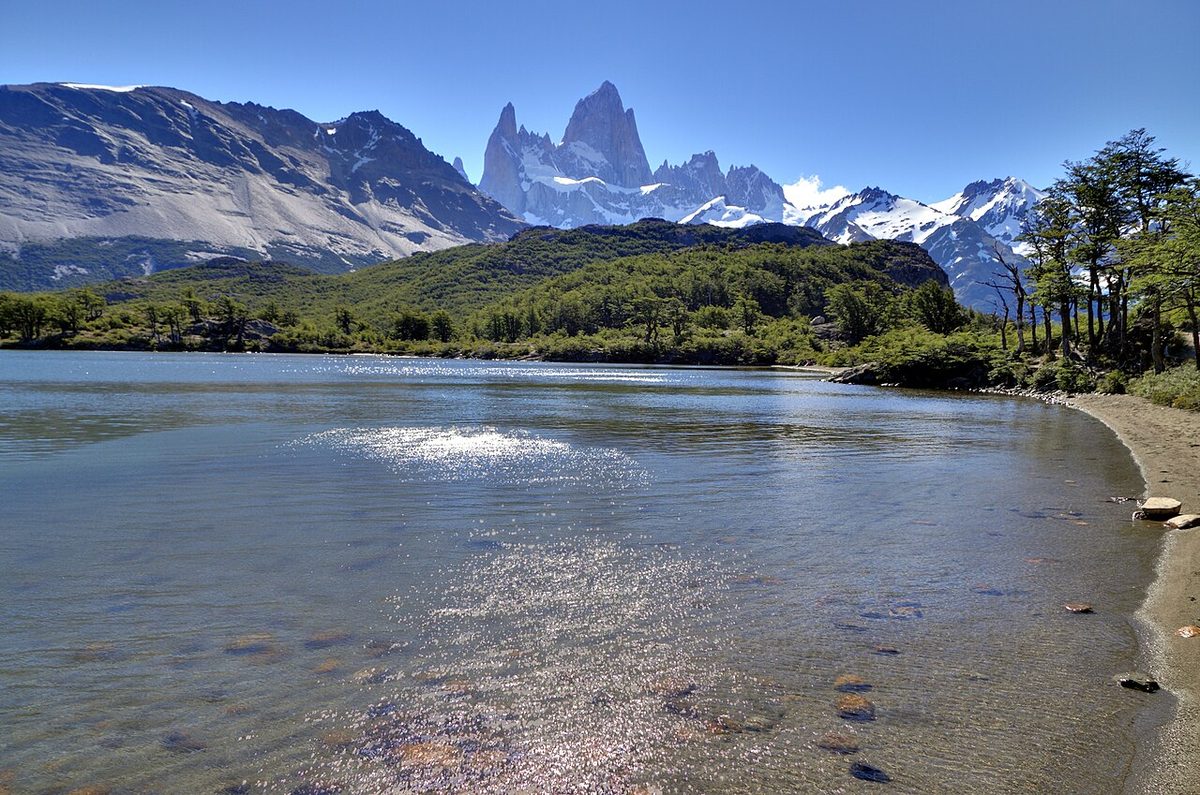
0 — 2 km Fig. 1 · Laguna Capri below the Fitz Roy massif, a free hike that anchors a Patagonia budget itinerary · Photo: Martin St-Amant (S23678) / CC BY-SA 3.0 via Wikimedia Commons
The cheapest day I ever had in Patagonia cost me almost nothing. I woke up in a hostel dorm in El Chaltén, ate eggs and bread I’d cooked the night before, walked out the edge of town with a daypack, and spent ten hours hiking to a frozen lagoon under Fitz Roy. No ticket. No guide. No tour van. I came back, made pasta in the shared kitchen, and split a bottle of cheap Argentine wine with two strangers from the same dorm. That day is the whole argument for a Patagonia budget itinerary in one sentence: the landscape is free, and most of what costs money is logistics.
A realistic Patagonia budget itinerary runs roughly USD 75 to 125 per day for a shoestring backpacker, or about USD 130 to 180 per day for budget-comfort, excluding international flights (verify, as of 2026). You save by riding buses not flights, sleeping in hostel dorms or campsites, cooking your own food, and choosing free hikes over paid tours. Those four levers do most of the work.
This guide is for the traveler who has decided Patagonia is happening but the budget is real: students, long-term backpackers, couples stretching savings, anyone who would rather spend three weeks here cheaply than one week expensively. I’ll give you a day-by-day skeleton, the rough cost of each piece, and the few places where saving money actually makes the trip worse. I’ll hedge every price, because Argentina in particular changes fast, and you should reconfirm before you book. For the full cost picture across every travel style, this sits under our Patagonia trip cost and budget guide, where the “Shoestring Backpacker” and “Budget-Comfort” tiers come from.
One honest warning before the tactics. Cheap Patagonia is real, but the cheapest version is not the right version for everyone. The travelers who do it for USD 15 a day are camping, hitchhiking, and cooking every meal, and that takes time, Spanish nerve, and a tolerance for waiting on roadsides. Most readers want a middle path: genuinely budget, but the trip still functions. That’s the path I’ll map.
Patagonia budget itinerary at a glance
Here’s the whole money-saving strategy on one screen. Each row is a cost category, the tactic that cuts it, and a rough sense of the saving. Treat the savings as directional, not precise — they shift with the exchange rate, the season, and how disciplined you are.
Cost category
Budget tactic
Rough saving
Long-distance transport
Buses instead of domestic flights where the route allows
Often USD 100+ per leg vs late-booked flights
Accommodation
Hostel dorms or campsites instead of private rooms or hotels
Frequently half the nightly cost or more
Food
Self-cater from supermarkets; cook in hostel kitchens
Cooking ~USD 25-35/day vs ~USD 60-90 eating out
Big hikes
Free day hikes (El Chaltén) and self-guided treks
A guided multi-day trek can cost many times the DIY version
W Trek lodging
Camp with your own gear instead of refugio beds
Camping roughly USD 15-25/night vs refugios USD 130+
Season
Travel shoulder season (Nov or Mar)
Reportedly ~30-40% on accommodation
Tours
Cut filler tours; keep one or two route-defining ones
Hundreds of dollars, depending on what you skip
Swipe to see all columns
Table 1
Sources for those ranges are listed at the end, and I’ll unpack each one below. The single biggest lever, by a distance, is the one most people overlook: choose fewer regions and move slowly. Every flight you avoid and every long bus you don’t need is money kept. Speed is the most expensive thing you can buy in Patagonia.
A realistic Patagonia budget itinerary: 12 days, mostly by bus
This is the route I’d hand a first-time budget traveler with around two weeks. It stays on the classic southern corridor where buses are frequent and good value: El Calafate, El Chaltén, Puerto Natales, and Torres del Paine. It crosses one border. It assumes you fly into El Calafate (or Punta Arenas) rather than busing the enormous distances from Buenos Aires or Santiago, because those overland legs eat days you don’t have.
Costs below are rough, per person, and exclude your international flight. Verify everything close to your dates.
Days 1-2: El Calafate and Perito Moreno
Arrive in El Calafate. It’s the glacier town and the cheapest big supermarket hub before you head into hiking country, so stock up here. Sleep in a hostel dorm — budget rooms here are some of the better value in the south. Day two, take a shared shuttle or local bus to Perito Moreno Glacier and walk the free boardwalks. The walkways alone are worth the trip; you do not need the Big Ice tour to make the day count.
Food: cook breakfast and dinner; pack a trail lunch. Around USD 15-20 for groceries (verify).
Skip the glacier boat cruise and ice trek unless walking on the ice is your one dream. Read our is Patagonia expensive breakdown before you decide which upgrades, if any, are worth it.
Days 3-6: El Chalten, the free-hiking capital
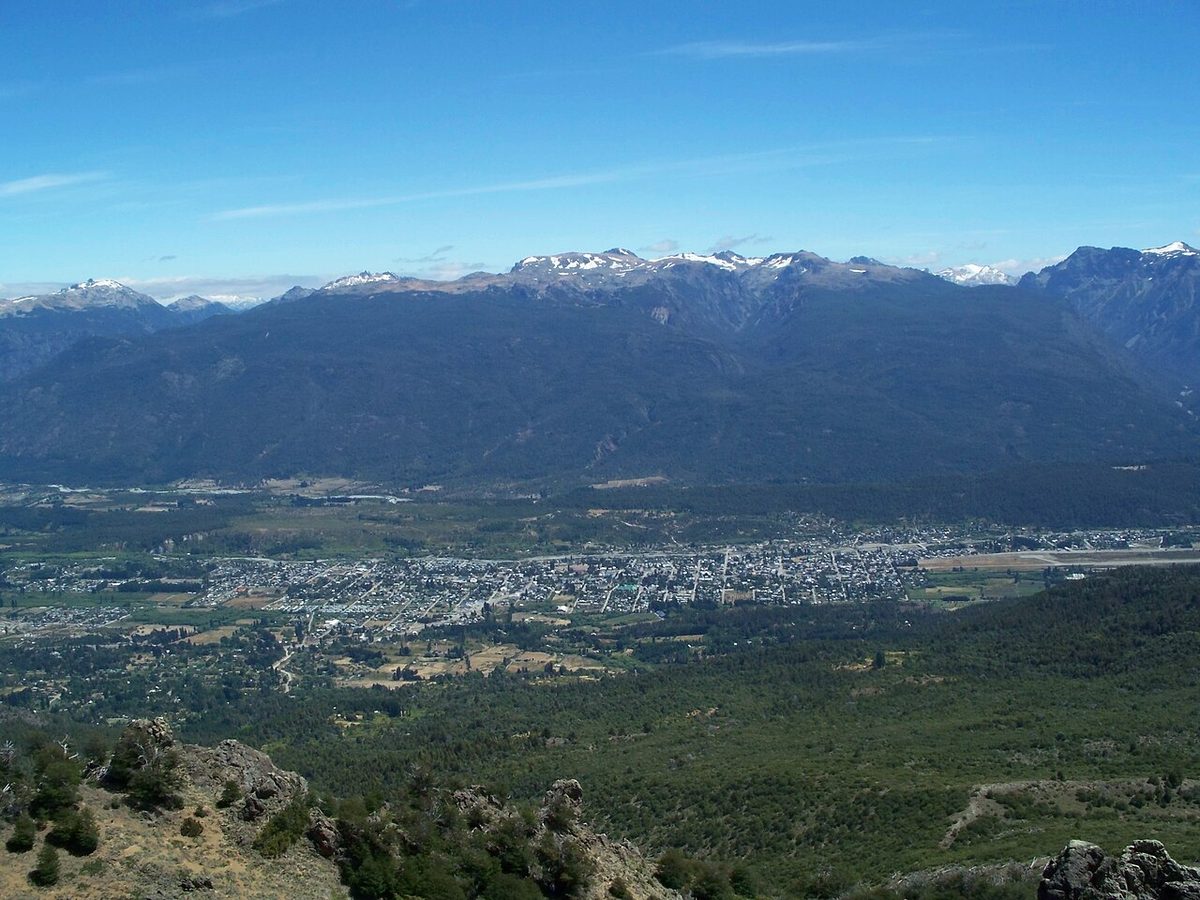
Take the bus from El Calafate to El Chaltén — roughly a three-hour ride, often around USD 40-43 each way as of 2026 (verify). El Chaltén is the budget traveler’s dream because the trailheads start in town and the northern El Chaltén sector of Los Glaciares has long been free or low-cost to hike, though Argentina has been introducing a daily access fee, so check the current rule before you go.
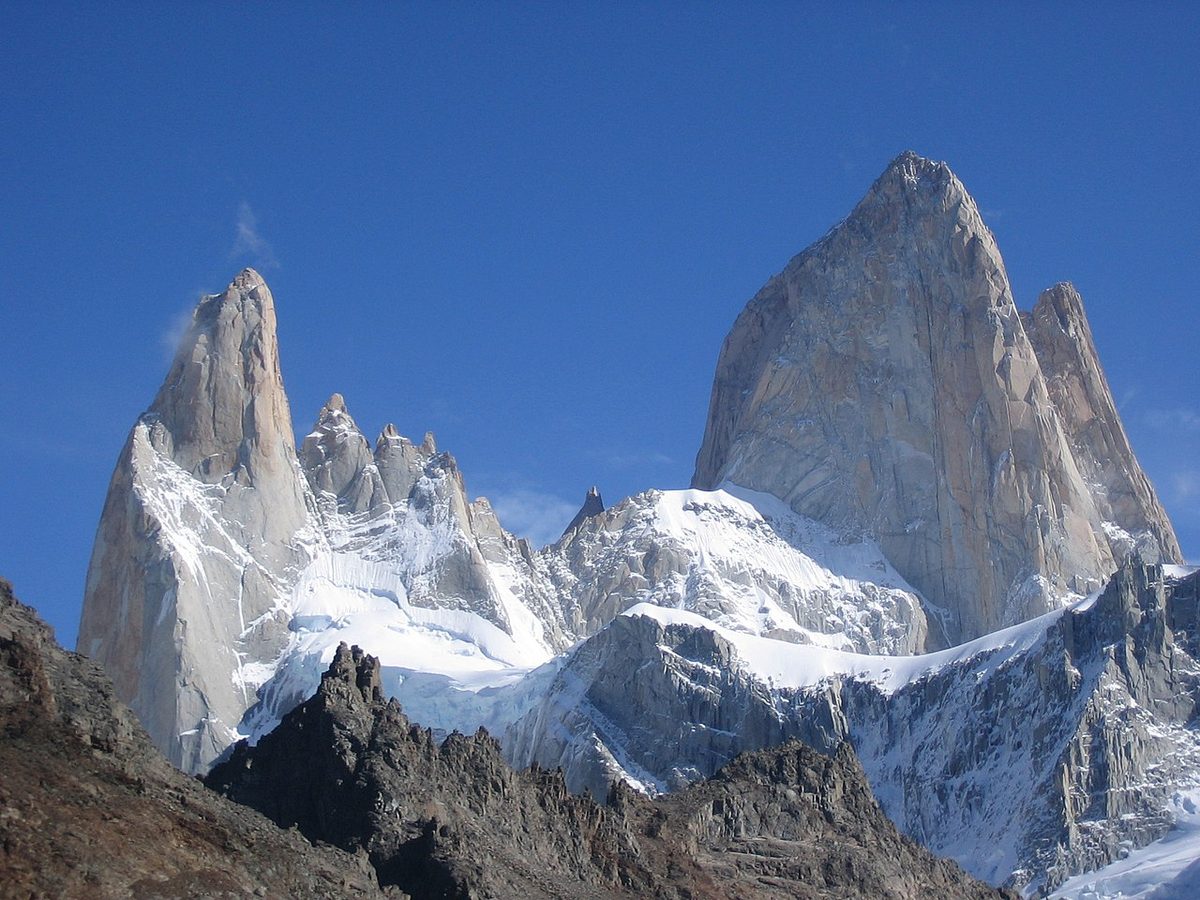
Spend three or four days here. Hike Laguna de los Tres (the Fitz Roy viewpoint), Laguna Torre, and the shorter miradors. All are well-marked, free to walk, and need no guide in normal summer conditions. There are also free campsites inside the park if you want to drop your accommodation cost to almost zero.
Dorm or simple guesthouse: El Chaltén lodging runs pricier and tighter than El Calafate, so book early.
Hiking: free.
Food: self-cater. The town has small markets; prices climb the smaller and remoter the shop, so carry staples in.
This stretch is where a Patagonia backpacking itinerary earns its keep — you can fill four days with world-class hiking and spend almost nothing beyond bed and food.
Days 7-8: Back to El Calafate, bus to Puerto Natales
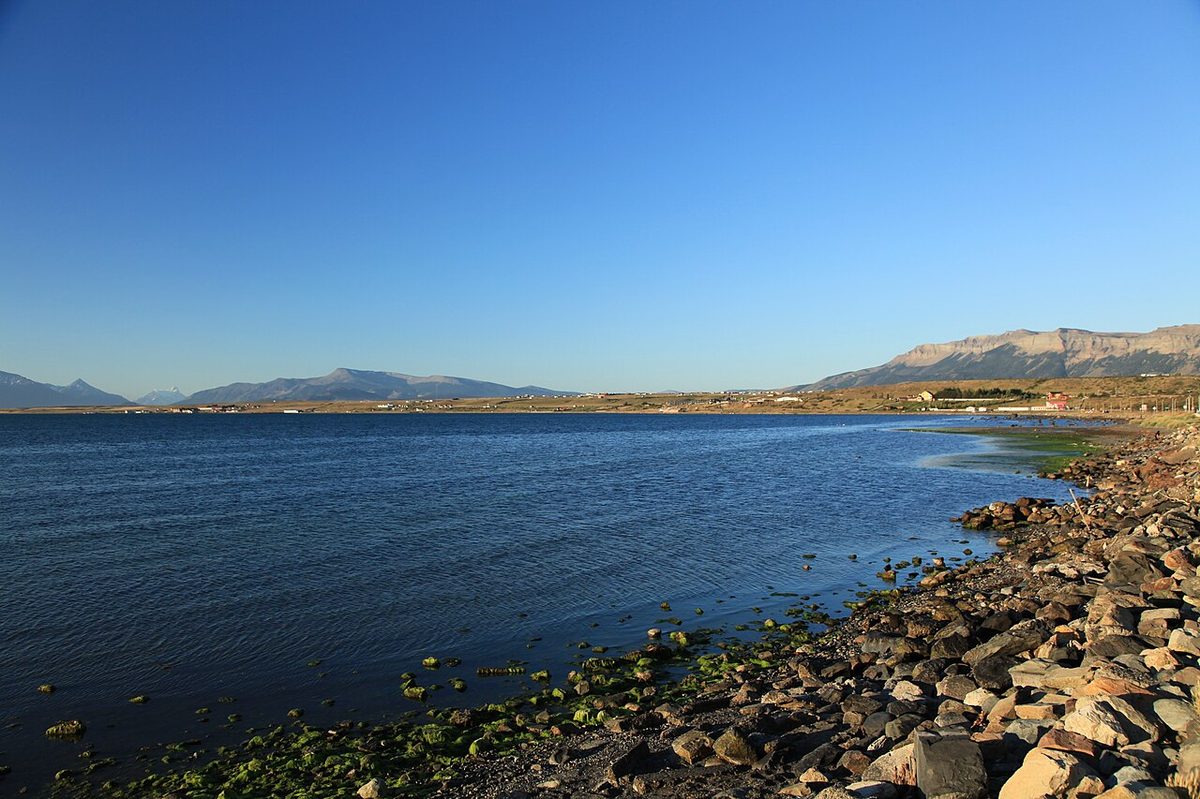
Bus back to El Calafate, then on to Puerto Natales in Chile — a roughly five-hour ride, commonly from around USD 37 as of 2026 (verify), crossing the border en route. Important: at the border you cannot bring fresh fruit, vegetables, cheese, or meat across, so eat or ditch them before the checkpoint or risk a fine. Puerto Natales is the gateway town for Torres del Paine and a good place to rent any camping gear and buy your trek food in a proper supermarket.
Buses for the day: roughly USD 40-55 combined (verify).
Puerto Natales hostel dorm: a comparable USD 18-28 range; some include a light breakfast, which quietly saves you a meal.
Use the day in Natales to shop and pack. Our Patagonia buses guide covers the operators and how to book these legs without overpaying.
Days 9-12: Torres del Paine, camping the W
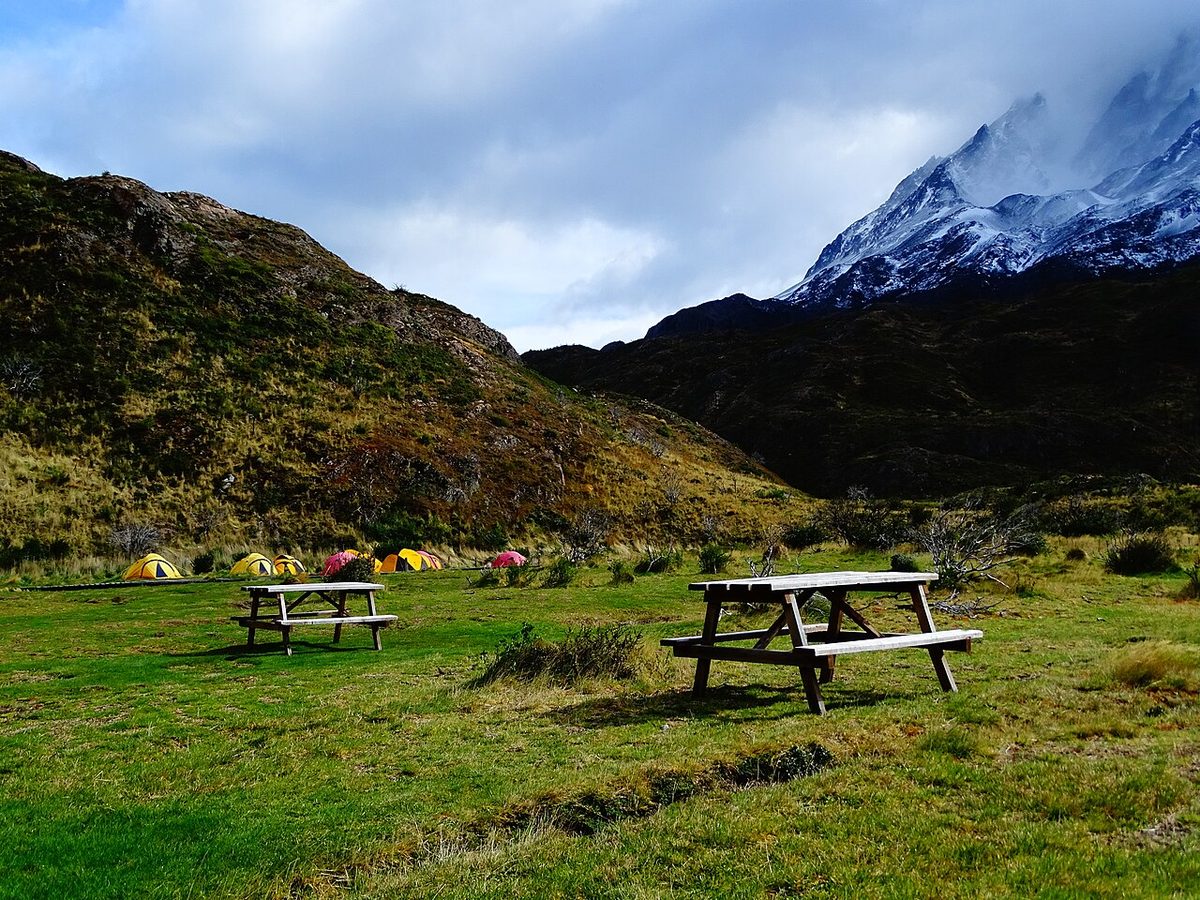
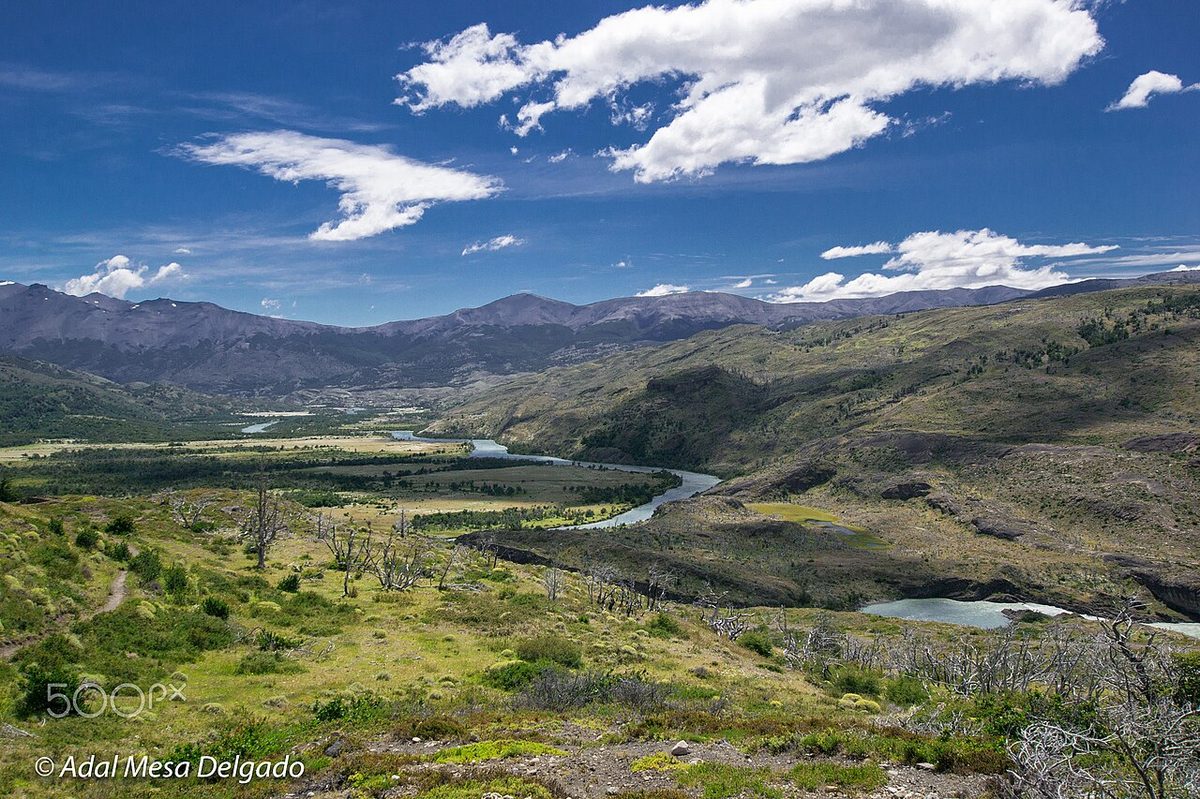
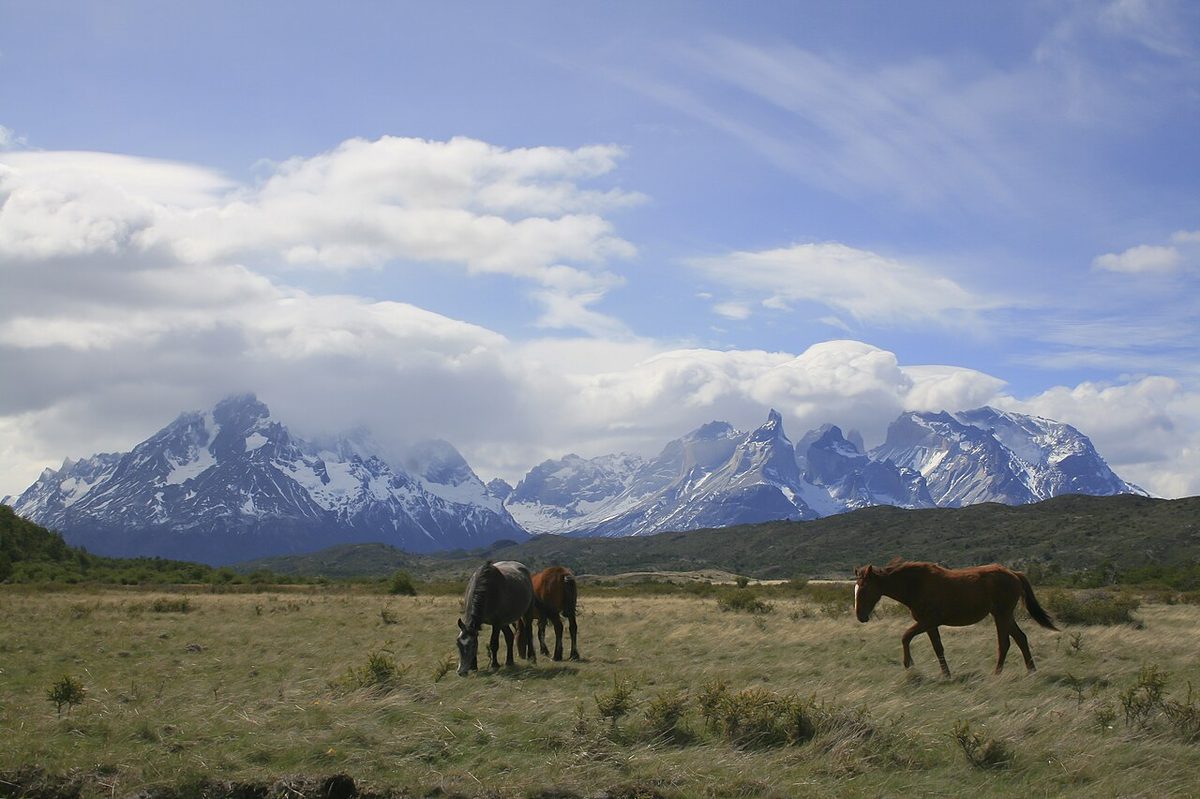
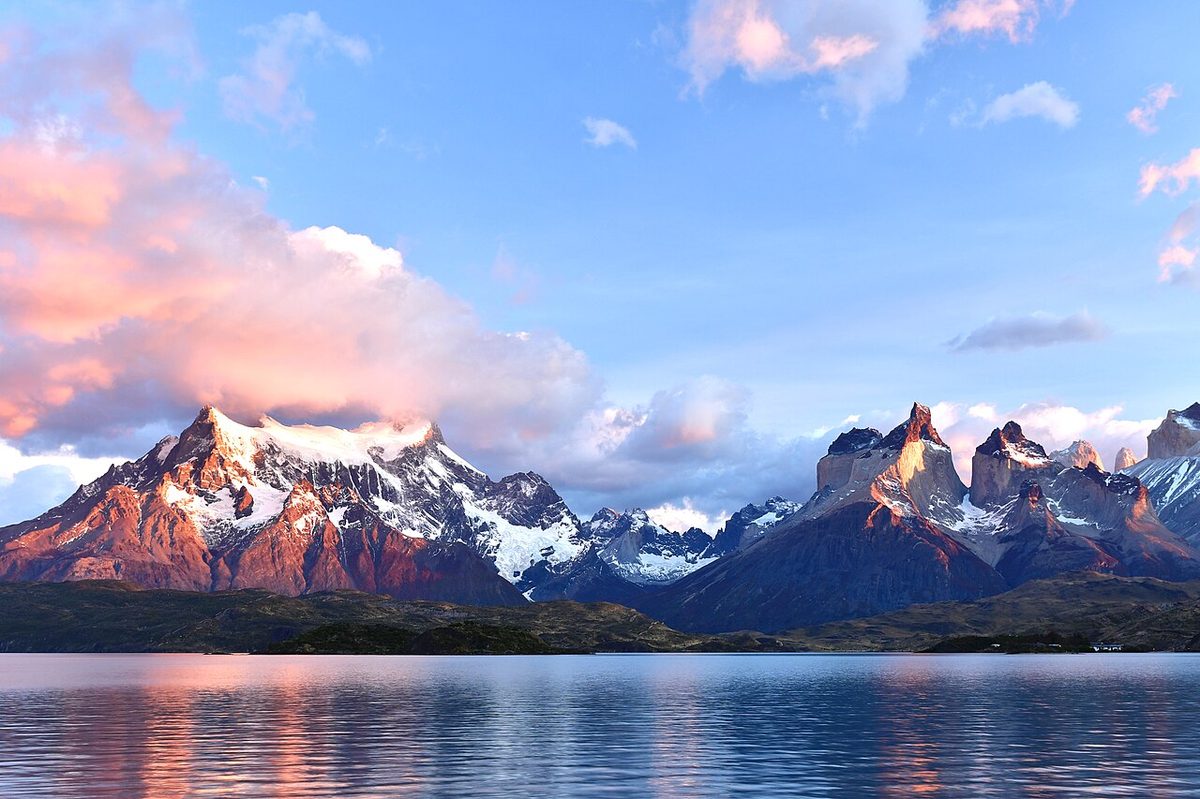
This is the expensive part of any Patagonia trip, so it’s where budget discipline matters most. The cheapest way to do the famous W Trek is to camp with your own gear, carry your own food, and book the free and paid campsites directly rather than the refugio beds. Refugio dorm beds have been reported around USD 130 or more per night; campsites are a fraction of that, roughly USD 15-25 where they charge at all, with some free sites on the trail.
A four-to-five day W is realistic. You’ll also pay the park entry — around USD 35 for foreigners in the 2025/26 season, with a higher multi-day rate (one traveler reported about USD 49 for a 3-plus-day ticket) — plus the bus into the park and the catamaran across Lago Pehoé if your route needs it.
Park entry: around USD 35-49 depending on duration (verify with CONAF/Pases Parques).
Campsites: roughly USD 15-25/night, some free (verify and book ahead).
Food: carry it from Natales; refugio meals and snacks on the trail are expensive (one hiker paid around USD 30 for a pizza and a drink inside the park).
Bus to the park: commonly around USD 15 each way (verify).
One real-world anchor: a solo backpacker documented a full three-week southern Patagonia trip, camping most nights and busing between towns, for about USD 2,137 all in excluding international airfare, with nine nights camping in Torres del Paine costing around USD 207 total. That’s the shape of a genuinely cheap Patagonia trip. For the trek’s full cost math, see our budget breakdown for the W Trek guide and the self-guided W Trek walkthrough.
If even the camping W feels like too much money or logistics, you can day-hike the Base Torres viewpoint from Puerto Natales instead and skip the multi-day booking entirely. It’s not the same experience, but it’s a fraction of the cost.
How to save on buses
Buses are the spine of a cheap Patagonia trip, and on the classic southern routes they’re genuinely good value. The corridor I just described — El Calafate to El Chaltén, El Calafate to Puerto Natales, Punta Arenas to Puerto Natales, Natales into the park — is all well-served and affordable, often in the rough USD 35-65 band per intercity leg as of 2026 (verify).
A few tactics that actually move the needle:
Avoid domestic flights where a bus works. Internal flights in Argentina especially can be expensive and need booking months ahead. On the southern corridor, buses are the obvious win. Save flights for the genuinely huge jumps, like reaching Ushuaia or Bariloche.
Book popular legs a day or two ahead in peak season so you’re not forced onto a pricier operator or a bad time. Buses fill in January and February.
Don’t pay for speed you don’t need. A direct shuttle can cost more than the scheduled bus for the same road.
Tip the luggage handlers in small cash at busy terminals like El Calafate — it’s a couple of coins, not a fare, but in practice your bag goes on the bus.
The one trap: don’t take a brutal 24- or 30-hour overland bus just because it’s cheap if it costs you a weather day before a major hike. Time has value here. Our how to get to and around Patagonia via buses guide lays out which routes are worth it and which are false economies.
What about hitchhiking? It’s a real and normal way to travel here — hacer dedo in Chile, auto stop in Argentina — and the budget legends who do Patagonia for USD 15 a day rely on it heavily. But it’s slow, weather-exposed, and on popular roads like the one out of El Chaltén you can find twenty backpackers competing for the same lifts. I’d treat it as a bonus skill, not the backbone of a two-week plan.
Accommodation is one of the two biggest costs in Patagonia, so this is where a budget is won or lost. The good news: the region is full of hostels with shared kitchens, which is the combination that makes a cheap trip possible — a bed you can afford and a stove that lets you skip restaurants.
Rough patterns to plan around (all verify, as of 2026):
Dorm beds in the main towns run roughly USD 18-28 per night.
Town campgrounds are cheaper still, often around USD 10-15.
In-park campsites vary widely, roughly USD 8-25 depending on services, with some free sites on trekking routes.
Private rooms cost far more, though for two people sharing they can rival two dorm beds — do the math per couple, not per person.
The savings tactics:
Pick hostels with a real kitchen. Erratic Rock in Puerto Natales and the Hostel del Glaciar family in El Calafate are long-standing examples with communal kitchens; the kitchen is where the actual money is saved.
Book scarce beds early. El Chaltén, Puerto Natales around W Trek dates, and anything inside Torres del Paine sell out and get expensive late. Booking early isn’t about luxury; it’s about not being forced into the costly leftover rooms.
Camp where it’s easy. El Chaltén’s free park campsites and the W’s campsites can drop your lodging cost close to zero if you carry a tent.
Stay in gateway towns, not inside the parks. Puerto Natales is much cheaper than sleeping inside Torres del Paine. El Calafate is the practical base for the glacier.
For the full lodging decision — dorms versus cabins versus camping by trip type — our Patagonia accommodation guide guide breaks it down, and Patagonia solo travel covers how dorms also solve the single-supplement problem and make it easy to find trekking partners.
How to save on food
Food is the quiet budget leak that sinks more trips than any single big-ticket item, because it happens three times a day and feels small each time. The fix is simple and it’s the same one every budget traveler here lands on: self-cater.
The numbers tell the story. Cooking your own meals in hostel kitchens has been reported to bring food costs down to roughly USD 25-35 a day, versus USD 60-90 a day eating out (verify). Pure grocery shopping — bread, eggs, pasta, cheese, vegetables, coffee — can cover breakfast, lunch, and a basic dinner for around USD 15-20 a day. That gap, multiplied over two or three weeks, is often the difference between a trip you can afford and one you can’t.
Practical food tactics:
Shop in the big supermarket towns. Stock up in El Calafate, Puerto Natales, Punta Arenas, or Bariloche. Smaller and remoter shops, like those in El Chaltén or inside parks, are poorly stocked and pricier.
Carry your own trail food. Refugio and in-park meals are expensive and logistically captive — that USD 30 trail pizza is real. Bring pasta, instant soups, oats, nuts, and snacks from town.
Use the menú del día. When you do eat out, the set lunch — soup or starter, a main, a drink — is the cheapest restaurant move, often around USD 10-14 midday (verify), far better value than dinner à la carte.
Eat one restaurant meal a day, not three. You don’t have to make every meal a budget exercise. Cook breakfast and lunch, then enjoy one dinner out without guilt.
Remember the border rule. You can’t carry fresh produce, meat, or cheese across the Argentina–Chile border, so plan your shopping around the crossing, not against it.
How to save on parks and activities
Here’s the freeing truth: many of Patagonia’s greatest days are free or nearly free. The famous hikes around El Chaltén cost nothing beyond your bed and your food. The Perito Moreno boardwalks need only the park entry and transport. A huge share of the trip’s wonder is simply walking.
Where money goes, and how to keep it down:
Park fees are real but rarely the biggest line. Torres del Paine is around USD 35 for foreigners (2025/26 season, more for multi-day), and Argentina has been updating its national park fees, including a daily charge in the El Chaltén sector with a 50% second-day discount within 72 hours. Always check current fees through CONAF and Pases Parques in Chile and Argentina’s national parks site — old blog numbers age fast. Our Patagonia park fees guide tracks the official sources.
Choose paid tours ruthlessly. Decide on one or two route-defining experiences — maybe an ice trek on Perito Moreno if that’s your dream, or a wildlife boat — and cut the filler. The mistake is spending on forgettable add-ons and then being out of money for the thing you came for.
Go self-guided where it’s safe. The W Trek, the El Chaltén day hikes, and Perito Moreno’s walkways don’t need a guide in normal summer conditions. A guided multi-day trek can cost many times the independent version.
Time it for shoulder season. Traveling in November or March has been reported to save roughly 30-40% on accommodation, with thinner crowds and trails that still work, though you trade some weather reliability and a few operators may be closed. Our primer on atms and exchange rates guide covers timing, cash, and cards together.
A budget should make the trip cleaner, not weaker. There are a handful of places where saving money quietly damages the trip, and I’d protect every one of them.
Travel insurance. Don’t skip it because “I’m only hiking.” Patagonia has remote trails, fierce weather, cancelled boats, road risk, and real medical-evacuation scenarios. Read the policy, check the hiking and activity exclusions, and match it to what you’ll actually do. This is not the line item to be clever on — see our cover you need for trekking and evacuation guide for what to look for.
Weather buffer days. Patagonia’s weather cancels plans. If Fitz Roy, the towers, a catamaran, or a glacier is central to your trip, build in spare days. Cutting your only buffer to save a night’s accommodation is how you end up flying home having seen cloud.
Essential gear. Don’t underbuy wind protection, rain protection, warm layers, or footwear. Light packing that’s light because it’s incomplete gets punished here. Renting heavier camping gear in Puerto Natales is fine and saves money; arriving without a windproof shell is not.
The one thing you came for. If your whole dream is the W Trek, fund the trek and simplify everything else. If it’s the glacier, do the glacier properly. Cut around the core of the trip, never through it.
Route logic. Don’t pick the cheapest airport if it creates an awful route, and don’t take the cheapest bus if it costs your only weather day. The cheapest individual decision is sometimes the most expensive overall.
Frequently asked questions
How much does a budget Patagonia trip cost per day?
A shoestring backpacker who camps or uses hostel dorms, rides buses, cooks their own food, and sticks to free hikes can travel for roughly USD 75-125 a day, excluding international flights (verify, as of 2026). The most extreme budget travelers report doing it for far less — around USD 15-50 a day — by camping, hitchhiking, and cooking every meal, but that takes time and tolerance for rougher logistics. Most travelers land in the budget-comfort range of about USD 130-180 a day.
Can you really do Patagonia cheaply?
Yes. The landscape itself is free, and the most famous hikes around El Chaltén and the W Trek can be done independently for the cost of a bed, your food, and modest park fees. The expensive parts are flights, private rooms, restaurants, and paid tours — all of which you can minimize. One traveler documented three weeks across southern Patagonia for about USD 2,137 excluding airfare. Cheap Patagonia is real; it just rewards slow travel and self-catering.
What’s the cheapest way to get around Patagonia?
Public buses on the classic southern corridor — El Calafate, El Chaltén, Puerto Natales, Punta Arenas — are the cheapest practical option, often in the USD 35-65 band per intercity leg (verify). Hitchhiking is cheaper still and a normal local practice, but it’s slow and weather-exposed. Avoid expensive domestic flights except for the genuinely long jumps like Ushuaia or Bariloche, and never take a brutal multi-day bus if it costs you a weather day before a key hike.
Is it cheaper to camp or stay in hostels in Patagonia?
Camping is cheaper, often roughly USD 8-25 a night and sometimes free on trekking routes, versus around USD 18-28 for a hostel dorm (verify). Camping shines on the W Trek, where campsites cost a fraction of refugio beds reported at USD 130 or more. But hostels with shared kitchens are the real budget engine in towns, because the kitchen lets you cook and skip restaurants. Many budget travelers mix both: camp on treks, hostel in towns.
How do I save money on the W Trek specifically?
Camp instead of using refugios, carry your own tent and sleeping bag (or rent gear in Puerto Natales, which still beats refugio prices), bring your own food from a Natales supermarket rather than buying meals on the trail, and book your campsites directly and early, ideally three to six months ahead. Go self-guided rather than joining a guided group. Park entry is around USD 35-49 depending on duration; verify with the official Chilean park sources before you go.
When is the cheapest time to visit Patagonia?
The shoulder months of November and March are often the best value, with reported savings of roughly 30-40% on accommodation, thinner crowds, and trails that mostly still function. October and April can be cheaper again but riskier — colder, with fewer operators open and more weather uncertainty. Peak summer (December to February) has the most reliable access but the highest prices and the tightest availability, so it’s the worst window for a tight budget.
Do I need cash for a budget Patagonia trip?
Carry some cash in both countries for small purchases, tips, taxis, and remote spots, but you don’t need to carry huge piles. In Argentina, foreign cards have at times received favorable exchange rates, and many hostels exchange crisp large USD bills at good rates — verify current behavior before relying on it. In Chile, cards work widely in towns but remote businesses may be cash-only. Our cash and card guide guide covers cards, cash, and exchange in detail.
Final thoughts
A Patagonia budget itinerary isn’t about suffering. It’s about spending your money where it matters and letting the free things — the hikes, the light, the long bus rides across the steppe — carry the trip. Ride the buses. Sleep in dorms and campsites. Cook your own food. Walk the free trails. Keep one or two tours that genuinely define the journey, and cut the rest.
Then protect the few things that aren’t negotiable: insurance, weather buffers, real gear, and the one experience you came all this way for. Get that balance right and Patagonia becomes what it should be — not a luxury you saved years for, but an adventure you can actually afford to take slowly.
Whatever prices you take from this guide, including mine, reconfirm them close to your dates. Argentina especially moves fast. Plan the route first, count the nights, then build the budget around it — and start with our Patagonia trip cost and budget guide for the full picture.