Marble Caves Chile: Puerto Río Tranquilo Tours & Tips
Plan the Marble Caves Chile: boat vs kayak tours from Puerto Río Tranquilo, best season, wind and lake conditions, around-prices, and how to book.
By Patagonia Tourism Guide · First published 2 Sep 2026 · Updated 1 Aug 2026
0 — 2 km Fig. 1 · Boat inside the glowing blue marble chambers of the Marble Caves Chile on Lago General Carrera near Puerto Río Tranquilo · Photo: Edukatori / CC BY-SA 4.0 via Wikimedia Commons
I had seen photos of the Marble Caves Chile for years before I ever stood on the dock at Puerto Río Tranquilo: those swirling, smooth-walled marble chambers glowing an unreal blue, with a tiny boat tucked inside for scale. I half-assumed the color was a filter.
It is not. On the right morning, with the sun high and the lake flat, the water under those marble arches really does turn that electric turquoise. On the wrong morning, the wind is howling, the tours are cancelled, and you are drinking coffee in a gravel-road village wondering if you wasted two days getting here.
That gap between the two outcomes is the whole reason this guide exists. Getting the Marble Caves right is less about luck than people think, and mostly about which tour you pick and when you go.
Short answer: The Marble Caves Chile (Capillas de Mármol) are wave-carved marble formations on Lago General Carrera, reached only by boat or kayak from Puerto Río Tranquilo on the Carretera Austral. You book a short boat tour, a longer “full” boat tour, or a kayak trip on arrival or online, ideally on a calm, sunny morning. Costs run around CLP 20,000–50,000.
This guide is for anyone road-tripping the Carretera Austral road trip who wants to visit the caves without gambling their whole schedule on the weather. Self-drivers, bus travelers, kayakers, families, photographers chasing that blue: you are all in the right place.
The Marble Caves Chile at a Glance
Before we get into the detail, here is the decision most people actually need: which tour, how long, and roughly what it costs. Treat the prices as approximate and seasonal, not quotes. Operators adjust them, and I would always confirm the current figure at the pier before you commit.
Tour type
Duration
Approx price (per person)
Best for
Short boat tour (Capilla de Mármol)
~1.5 hrs
~CLP 20,000 (~USD 21)
First-timers, tight schedules, families, “just see the caves”
Full boat tour (Full Mármol)
~2.5–3 hrs
~CLP 30,000 (~USD 32)
More time on the water, extra sights (Puerto Sánchez, shipwreck)
Kayak tour
~4 hrs total (~1.5 hrs paddling)
~CLP 50,000 (~USD 52)
Photographers, getting closest, paddling into the tunnel
Swipe to see all columns
Table 1
A few things that table cannot shout loudly enough. You cannot visit the caves independently — there is no path, no road in, no public ferry. Every visit is a boat or kayak tour with a registered operator. Mornings are calmer and cancellations are real. And the single biggest lever on whether the water glows is sunlight, which means timing matters as much as the tour you choose.
What Are the Marble Caves?
The Marble Caves are a cluster of marble formations sitting right on the shoreline of Lago General Carrera, in Chile’s remote Aysén region. Over thousands of years — most sources say more than 6,000 — wind-driven waves have ground and polished the marble peninsula into caverns, arches, and a free-standing islet, all rising straight out of the lake.
Locally they are called the Capillas de Mármol, the “marble chapels,” and the name fits. The water has carved the rock into shapes that genuinely look like the inside of a cathedral, with smooth columns and vaulted ceilings.
There are really three formations you will hear named:
La Catedral (the Cathedral) — the largest, with the most vivid striations and the deepest caverns. The showpiece.
La Capilla (the Chapel) — a free-standing islet you can circle right up close.
Las Cuevas (the Caves) — the lower marble caverns most people picture, where boats and kayaks slip under the arches.
There is also a narrow marble tunnel that only kayaks can fit through. Boats are too wide, so if paddling through the rock is on your wish list, that decides your tour for you.
The marble itself is streaked with yellow, grey, brown, and green veins from the minerals in the stone. But the famous blue is not the marble at all. It comes from the lake. Glacial meltwater carries fine mineral sediment into Lago General Carrera, and when sunlight hits that suspended sediment, the water glows turquoise and throws that color up onto the pale cave walls. No sun, no glow. That single fact governs almost everything about timing your visit.
Where Are the Marble Caves, and Getting to Puerto Río Tranquilo
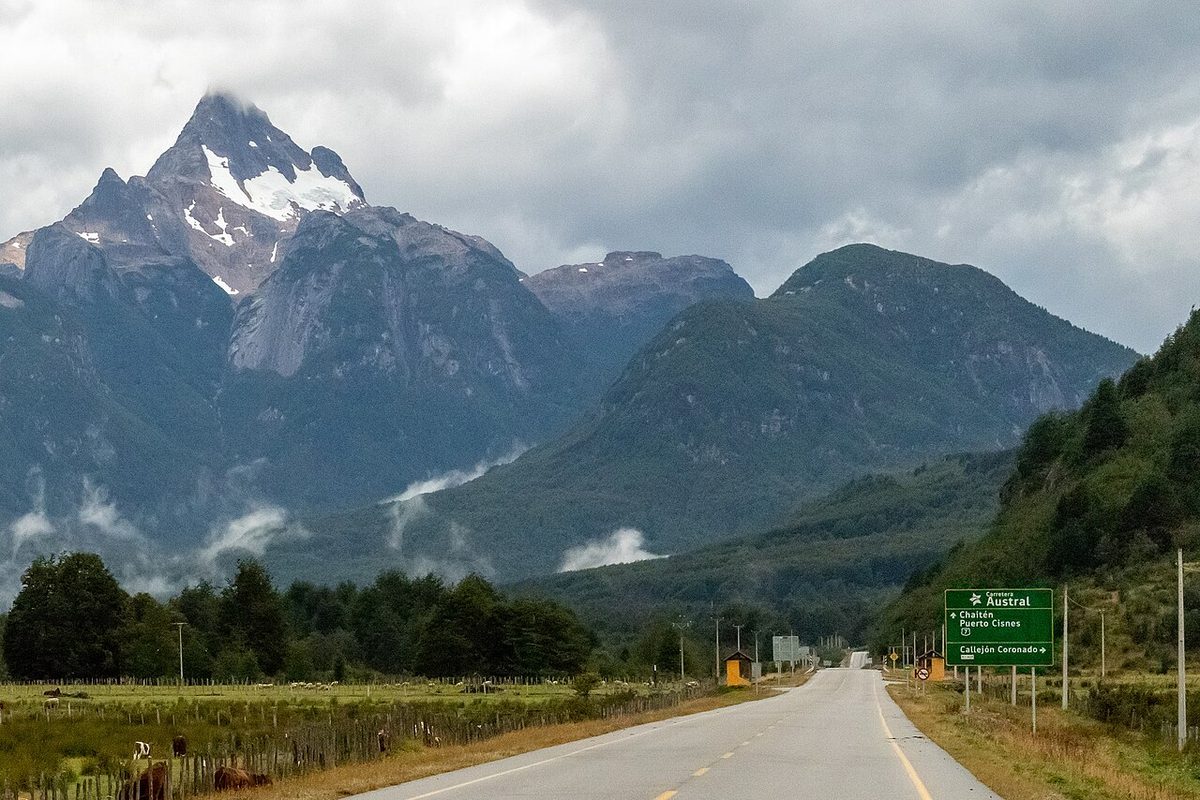
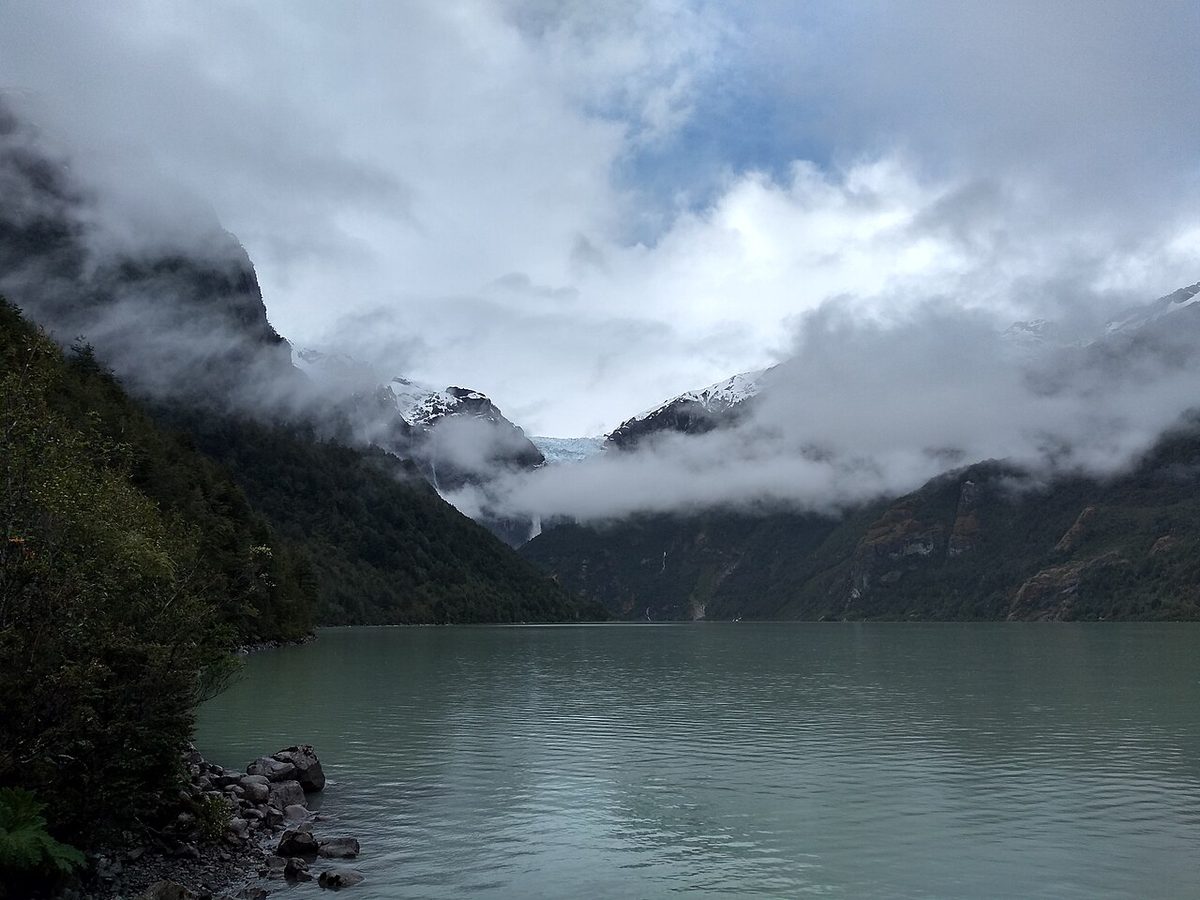
The caves are about 5 km from Puerto Río Tranquilo, a small lakeside village strung along the Carretera Austral (Ruta 7) roughly halfway down Chilean Patagonia’s great gravel road. Lago General Carrera is the largest lake in Chile and one of the largest in South America, shared with Argentina, where the same body of water is called Lago Buenos Aires.
Here is the thing to fix in your head early: you cannot reach the caves from the Argentine side. The marble is on the Chilean shore, accessed only from Puerto Río Tranquilo. If you are coming from Argentina, you cross the border at Chile Chico and drive around to the village.
By car (the way most people do it)
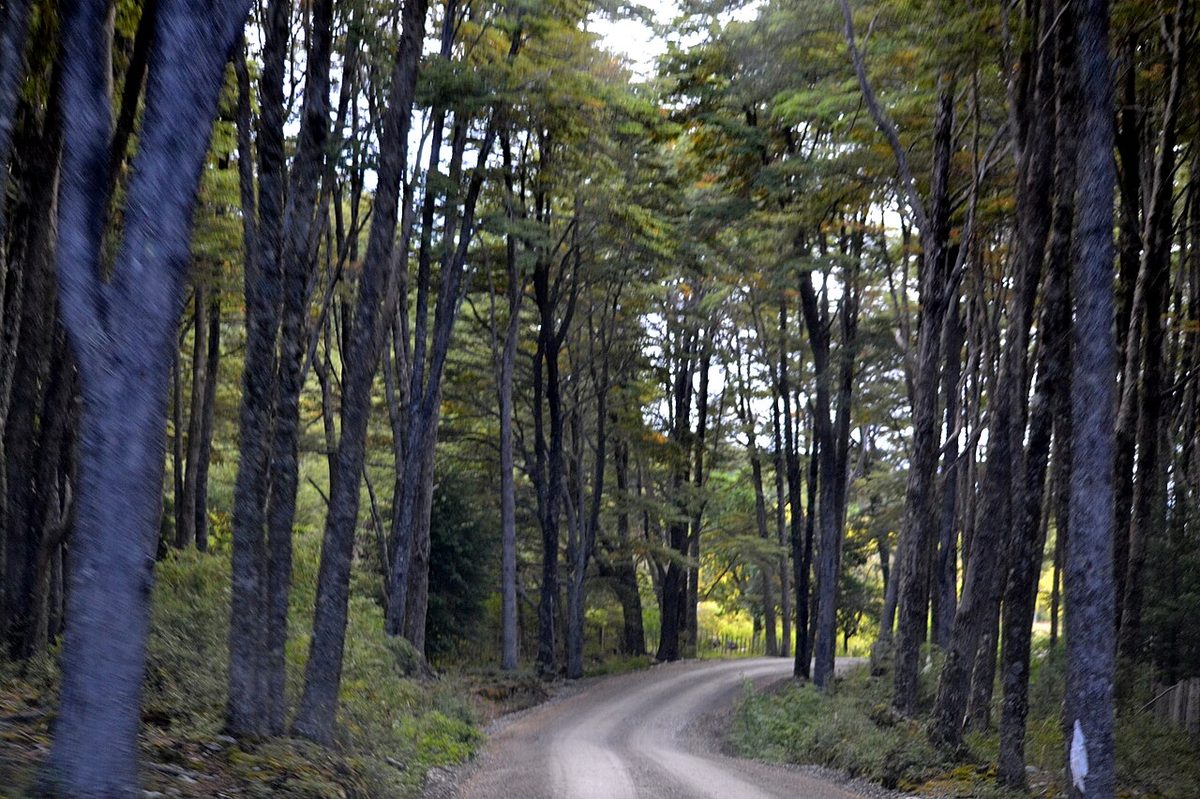
Self-driving is the natural way to do this, because the Marble Caves are a stop on a road trip, not a standalone destination. From the regional capital Coyhaique, it is roughly 215–240 km south on the Carretera Austral, which takes about 5 hours. The road is paved until a little past Villa Cerro Castillo and then turns to gravel (ripio) for the rest of the way.
From the south, Cochrane is also about a 5-hour drive north. Either way, you want a vehicle that handles gravel comfortably. I would not want to do that road in a rush or on bald tires. If you are planning the whole drive, our drive the Carretera Austral guide covers road conditions, fuel stops, and timing in detail.
By air, then road
The nearest airport is Balmaceda (BBA), just outside Coyhaique, with flights from Santiago and Puerto Montt. From Balmaceda you still have that ~5-hour drive south to Puerto Río Tranquilo. Some travelers fly into Puerto Montt (PMC) instead and drive the whole Carretera Austral, which is more than 700 km and a multi-day adventure in its own right. For the full picture of reaching this corner of Patagonia, see how to get to Patagonia.
By bus or without a car
You can absolutely do this without your own vehicle, it just takes planning. Buses run along the Carretera Austral between Coyhaique and Cochrane and stop in Puerto Río Tranquilo, and there are services from Chile Chico too. Seats are limited, so buy at least a day ahead in high season. Hitchhiking is a Patagonian tradition along Ruta 7, though rides thin out outside summer. Once you are in the village, everything — agencies, pier, guesthouses — is walkable.
One small but genuinely useful tip: mobile coverage in Puerto Río Tranquilo is patchy, and Entel is the carrier most likely to have a signal. If you are buying a local SIM for Patagonia, that is the one to get for this stretch.
Once you are in town, you have two ways onto the water — a motorized lancha (small boat) or a kayak — and within the boat option there are two lengths. They are different experiences, and the “best” one genuinely depends on what you want.
The short boat tour (Capilla de Mármol)
This is the classic, the one most visitors do, and honestly it is plenty for many people. You board a small open boat at the pier, ride out across the lake, and the captain noses in among the Cathedral, Chapel, and Caves, holding position so you can photograph and gawp. It runs around 1.5 hours including the ride out and back, and costs somewhere around CLP 20,000 per person.
If you are short on time, traveling with kids, or just want to see the marble and move on with your road trip, the short boat tour does the job. Life jackets are mandatory and provided.
The full boat tour (Full Mármol)
The longer boat option, often called the “Full Mármol,” runs around 2.5 to 3 hours and costs roughly CLP 30,000. It covers everything the short tour does and then keeps going across the lake to add sights like the Puerto Sánchez marble caves, a shipwreck, and an island. I did this one, mostly out of curiosity, and I am glad I did — you reach marble formations that are simply too far for the short tour or a kayak to get to.
Pick the full tour if more time on the lake sounds like a feature rather than a chore, and if you would rather see more than tick the famous chambers and leave.
The kayak tour
This was the reason I came. Kayaking is the immersive, photogenic, slow option, and it is the only way to get truly close to the rock or to paddle through the marble tunnel that boats cannot enter.
A kayak tour runs around 4 hours in total, though only about 1.5 hours of that is actually on the water. You get driven roughly 5 km to a launch point (often Bahía Mansa), kitted out and briefed, then it is a paddle of about 20 minutes out to the formations. Expect to pay around CLP 50,000 per person. It is the priciest option for the least time on the water, and I would still choose it again — low-angle photos from water level, the quiet of no engine, and the ability to nose right up to the marble are worth it to me.
The trade-offs are real, though. You are far more exposed to wind and cold spray than in a boat, the tour is more physical (basic fitness and ideally some swimming comfort), and kayak trips are the first to get cancelled when the wind comes up. For preservation, you generally cannot paddle inside the most delicate caverns like the Cathedral, but you can get gloriously close.
My honest take: if you only do one and the weather is kind, the short boat tour will not disappoint anyone. If you are a photographer or you came specifically for the caves, pay up for the kayak. If you are a curious traveler with a spare morning, the full boat tour is the sweet spot. Some people — me included — do both a boat and a kayak on the same visit and consider it money well spent.
Best Time to Visit: Season, Weather and Lake Conditions
This is where the Marble Caves reward a little knowledge, because three separate things — season, time of day, and lake level — all pull on your experience.
Best season
The tour season runs roughly November through March, the Patagonian spring and summer. Peak is December to February, with long daylight, the warmest (still cool) weather, the most departures, and the lowest wind. If you want the highest odds of calm water and that blue glow, mid-January to mid-February is the safest window, though it is also the busiest and the most likely to need a booking.
The shoulder months — November, and March into early April — bring fewer crowds and cooler air, and many regulars (me included) prefer them. In winter (June to August) tours largely stop running, so this is not a year-round attraction. For the bigger regional picture, our guide to the Patagonia seasons rundown puts the Carretera Austral season in context.
Best time of day
Within whatever day you are there, mid-morning to early afternoon (roughly 10:00 to 14:00) is the sweet spot. That is when the sun is high enough to light up the suspended glacial sediment and set the water glowing, and it tends to be before the afternoon wind. Operators will tell you the same: book the morning.
I can confirm the difference firsthand. I did one boat tour late, around 4:30pm, and the water in the shadows was noticeably duller than it had been at midday. The marble is beautiful in any light, but the famous turquoise needs the sun up.
Wind, lake level and cancellations
Two weather realities shape every visit here.
First, wind. The Patagonian wind is not a myth, and Lago General Carrera can turn choppy fast. When it does, the boat ride gets bumpy and cold with spray, and if it is bad enough, operators cancel for safety. Mornings are calmer, which is the other reason to go early. Kayak tours cancel more readily than boats. Crucially, operators usually will not post cancellations online — you have to ask them in person or message them — so build in a buffer and stay flexible.
Second, lake level, which is the subtle one most guides skip. In high summer the lake is at its fullest, which covers the lower marble veins and can block the entrances to some of the lower caverns. In the shoulder season and spring, the water sits lower, exposing more marble and the deeper, bluer veins, and making it easier to get inside more of the formations. So the trade-off is real: peak summer gives you frequency, warmth, and the best odds of sun; the shoulder gives you a lower lake, bluer veins, and elbow room.
The single most useful planning move that follows from all this: stay at least two nights in Puerto Río Tranquilo. If your first morning gets blown out, you have a second shot, and you will not have driven five hours of gravel for nothing.
Let me put the money in one place. As of this writing, expect roughly:
Short boat tour (Capilla de Mármol): ~CLP 20,000 per person
Full boat tour (Full Mármol): ~CLP 30,000 per person
Kayak tour: ~CLP 50,000 per person
Those are approximate and they drift, so treat them as a guide and verify the current price when you book. Many operators now take cards, but bring some cash as a backup — this is a remote village and connectivity is unreliable. If you are budgeting the whole trip, our guide to what a Patagonia trip costs helps you slot the caves into a realistic total.
Booking in person
For boat tours, you genuinely do not need to book far ahead. The waterfront in Puerto Río Tranquilo is lined with little agency booths, a dozen or more, and most run the same routes at similar prices and similar times. Walk the row, ask a couple of questions, and pick one. In mid-November I have known people book a boat barely an hour before it left.
Two things to ask at the booth: when is the next calm-weather departure, and does the guide speak English. Not every tour does, and on the kayak especially you will miss the geology if you cannot follow the guide. Operators like Mármol Expediciones are known for an English-speaking guide, which is worth seeking out if that matters to you.
Booking online or in advance
For kayak tours, book a day or two ahead if you can — there are fewer kayak operators and spaces are more limited. In peak season, or if you simply want it locked in, you can also reserve boat trips online through platforms like GetYourGuide, often with free cancellation, which is handy given how often the wind reshuffles schedules. Pre-booking buys peace of mind; showing up and booking at the pier buys flexibility and usually a marginally better price. Either works.
Combining the Marble Caves with Your Carretera Austral Road Trip
Here is the honest framing that will keep you from being disappointed: the Marble Caves are a spectacular stop, not a destination you travel days to see on their own. The boat tour itself can be barely an hour or two. What makes the trip worth it is that you are already on one of the world’s great road trips, and the caves are one jewel along it.
Puerto Río Tranquilo sits almost exactly midway on the southern Carretera Austral, between Coyhaique to the north and Cochrane to the south. That central position makes it a natural overnight, and it pairs beautifully with the rest of the route. Our 7, 10 and 14-day route plans shows how to sequence it with everything else.
The obvious add-on is the Exploradores Glacier, reached on a separate day trip from the same village — a valley walk onto glacier ice that is one of the best half-day adventures in the area. Wanting to do both the caves and Exploradores is the main reason I would tell you to budget a third night here rather than two.
From Puerto Río Tranquilo you are also within a day’s drive of the wild green valleys of Patagonia National Park to the south, and further north the route serves up the Queulat hanging glacier and the temperate rainforest of Pumalín National Park. If your route involves the long fjord crossings up north, check our Carretera Austral ferries guide so the boat timetables do not derail you. And because beds are limited in these small towns, sort lodging early with Carretera Austral accommodation.
Zooming out, the Marble Caves slot neatly into a broader Patagonia itinerary that strings together the Chilean and Argentine highlights. Plenty of travelers pair the Carretera Austral with Torres del Paine or El Chaltén on a longer loop.
Practically speaking, the marble tour eats only a morning. The reason to give Puerto Río Tranquilo more time is weather insurance and the glacier, not the caves themselves.
My rule of thumb:
Bare minimum: 1 night. Risky. One shot at the weather. Fine only if your schedule is rigid and you are lucky.
Recommended: 2 nights. A weather buffer for the caves. This is what I would tell most people.
Ideal: 3 nights. Caves, a margin for wind, and a full day for the Exploradores Glacier.
What to skip: do not obsess over doing every tour. If the weather is glorious and you have done a satisfying boat or kayak trip, you do not need to chase the others for completeness. And do not plan to drive in, do the tour, and drive out the same day from Coyhaique — that is a brutal day on gravel for one boat ride, and one gust of wind turns it into a wasted ten hours.
When to go, in one line: a calm, sunny morning between November and March, with a spare day in your pocket. If you nail that, the Marble Caves Chile deliver exactly the photo that pulled you here, and usually better.
A few on-the-water notes worth knowing before you go. Dress for wind chill even on a sunny day — a waterproof or windproof layer, a fleece, sunglasses, and sunscreen, plus a dry bag for your phone and camera. The lake is glacial and stays cold all year, so swimming is not part of the deal and is genuinely dangerous; you stay in the boat or kayak. Drones are not permitted near the formations, life jackets are required, and you should never touch the cave walls (and if kayaking, keep your paddle off the marble). It is a protected natural sanctuary, and it stays beautiful because people treat it that way.
You reach them only by boat or kayak from Puerto Río Tranquilo, a village on the Carretera Austral (Ruta 7) beside Lago General Carrera. All tours leave from the pier in town. There is no way to walk or drive to the caves, and you cannot visit independently — you must go with a registered operator on the water.
Are the Marble Caves worth visiting?
Yes, if you are already on the Carretera Austral. The marble chambers and that glowing blue water are genuinely one of Patagonia’s most surreal sights, and on a calm sunny day they exceed the photos. The catch is that they are remote, so treat them as a highlight stop on a road trip rather than a destination you fly across the world to see alone.
How much does a Marble Caves tour cost?
Plan for around CLP 20,000 (about USD 21) for the short boat tour, around CLP 30,000 for the longer “Full Mármol” boat tour, and around CLP 50,000 for a kayak tour. These prices shift with the season and operator, so confirm the current figure at the pier. Many operators take cards, but carry cash as a backup in this remote area.
What is the best time to visit the Marble Caves?
The season runs roughly November to March, with December to February the warmest and calmest. Within the day, aim for mid-morning to early afternoon (around 10:00–14:00), when the sun lights up the water’s blue and the wind is usually lowest. Shoulder months bring fewer crowds, a lower lake level, and more vividly exposed marble veins.
Should I do the boat or the kayak tour?
Choose the boat for ease, comfort, and a tighter schedule — it is cheaper and weatherproof enough for families. Choose the kayak if you want to get closest to the rock, paddle through the marble tunnel, and shoot photos from water level. Kayaking is more physical and the first to cancel in wind, but for many travelers the intimacy is worth the extra cost.
Do you need to book the Marble Caves tour in advance?
For boat tours, usually no — the waterfront is full of agency booths offering near-identical trips, and you can often book the same day, even an hour before. For kayak tours, book a day or two ahead, as spaces are limited. In peak season you can also reserve online with free-cancellation options, which helps given how often wind reshuffles departures.
Do Marble Caves tours get cancelled because of wind?
Often, yes. Lago General Carrera can get very windy, especially in the afternoon, and operators cancel for safety when it does. Kayak tours cancel more readily than boats. Operators rarely post cancellations online, so ask them directly and watch the forecast. This is exactly why you should plan at least two nights in Puerto Río Tranquilo as a buffer.
Can you go inside the Marble Caves or swim there?
You can glide inside the lower caverns and arches by boat or kayak, but you do not get out and walk in, and you cannot paddle into the most delicate formations like the Cathedral for preservation. Swimming is not part of any tour — the lake is glacial and cold year-round, so going in the water is both discouraged and genuinely dangerous. You stay aboard.
Final Thoughts
The Marble Caves are one of those rare sights that actually live up to the hype, but only if you respect how Patagonia works. The water, the wind, and the sun are in charge here, not your itinerary.
So give yourself a buffer day, plan for a calm morning between November and March, and pick the tour that matches what you came for: an easy boat ride to see the marble, the longer trip to see more of the lake, or the kayak to get nose-to-rock and through the tunnel. Do that, and you walk away with the photo and the memory rather than a story about the day the wind won.
And remember the bigger picture — this is one glittering stop on the Carretera Austral road trip. The drive to reach it is half the reward. Pair it with the Exploradores Glacier, take the gravel slowly, and let Puerto Río Tranquilo be the kind of unhurried lakeside pause the whole road is famous for.