El Chalten Camping: Trekking Campsites, Fees and Rules
El Chalten camping guide: which trekking campsites serve each hike, the new reservation and fee system, facilities, gear, and camping vs day-hiking.
By Patagonia Tourism Guide · First published 4 Aug 2026 · Updated 1 Aug 2026
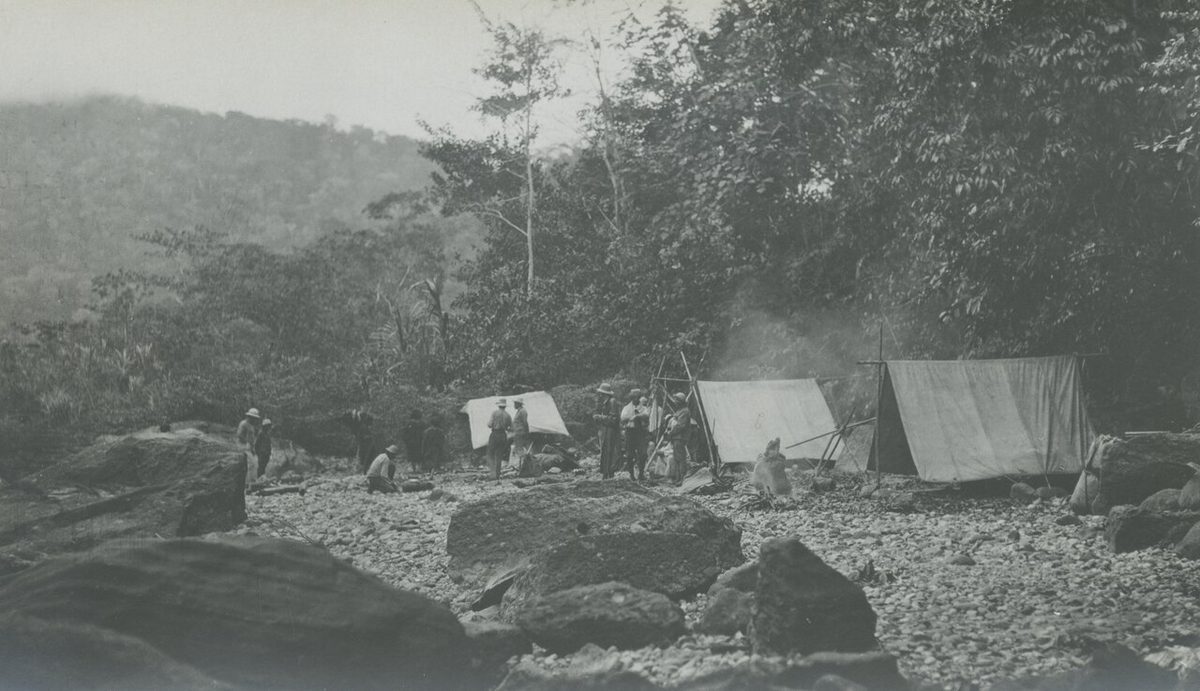
0 — 2 km Fig. 1 · Tent pitched while camping in El Chalten, Patagonia, beneath the mountains · Photo: Unknown authorUnknown author / Public domain via Wikimedia Commons
I have camped under Fitz Roy and I have day-hiked it from a warm bed in town, and I would not tell you that one is right and the other is wrong. They are different trips.
What I will tell you is that El Chalten camping changed in a way that older blog posts have not caught up with. For years the trekking campsites in the park were free and unreserved. That is no longer true. So before anything else, here is the honest state of play.
El Chalten camping now means a small fee and an advance reservation for the main trekking campsites. As of the 2024-25 season, Campamento Poincenot, Campamento Laguna Capri and Campamento De Agostini are managed by the Asociacion Amigos del Parque Nacional Los Glaciares, and you must reserve before you hike. They stay rustic: latrines, stream water, no showers, no power, gas stoves only, no fires.
This guide is for anyone deciding whether to sleep on the trail or in town. It is for the photographer chasing sunrise on Laguna de los Tres, the budget backpacker trying to stretch pesos, and the careful planner who wants the current rules instead of a 2019 forum thread. I will walk you through how the system works now, each campsite in detail, the leave-no-trace rules, the gear that actually matters in Patagonian wind, whether camping beats day-hiking, and how to book step by step.
If you have not read it yet, start with the El Chalten and Fitz Roy hiking guide. This camping guide is the deep dive on sleeping in the park; that one is the master plan for the trails themselves.
El Chalten Camping at a Glance
Here is the quick version. Campsites split into two worlds: rustic trekking camps inside Los Glaciares National Park (reserve ahead, basic facilities) and organized campgrounds in town (showers, kitchens, walk to a restaurant).
Campsite
Serves which hike
Free or paid + reservation
Facilities
Campamento Poincenot
Laguna de los Tres / Fitz Roy sunrise
Paid + reserve ahead (Amigos PNL)
Forested, dry toilets, stream water, no power/signal, gas stoves only, no fire
Campamento Laguna Capri
Laguna de los Tres side, lakefront Fitz Roy view
Paid + reserve ahead (Amigos PNL)
Trees by lake, latrine, lake/stream water, no services, gas stoves only
Campamento De Agostini
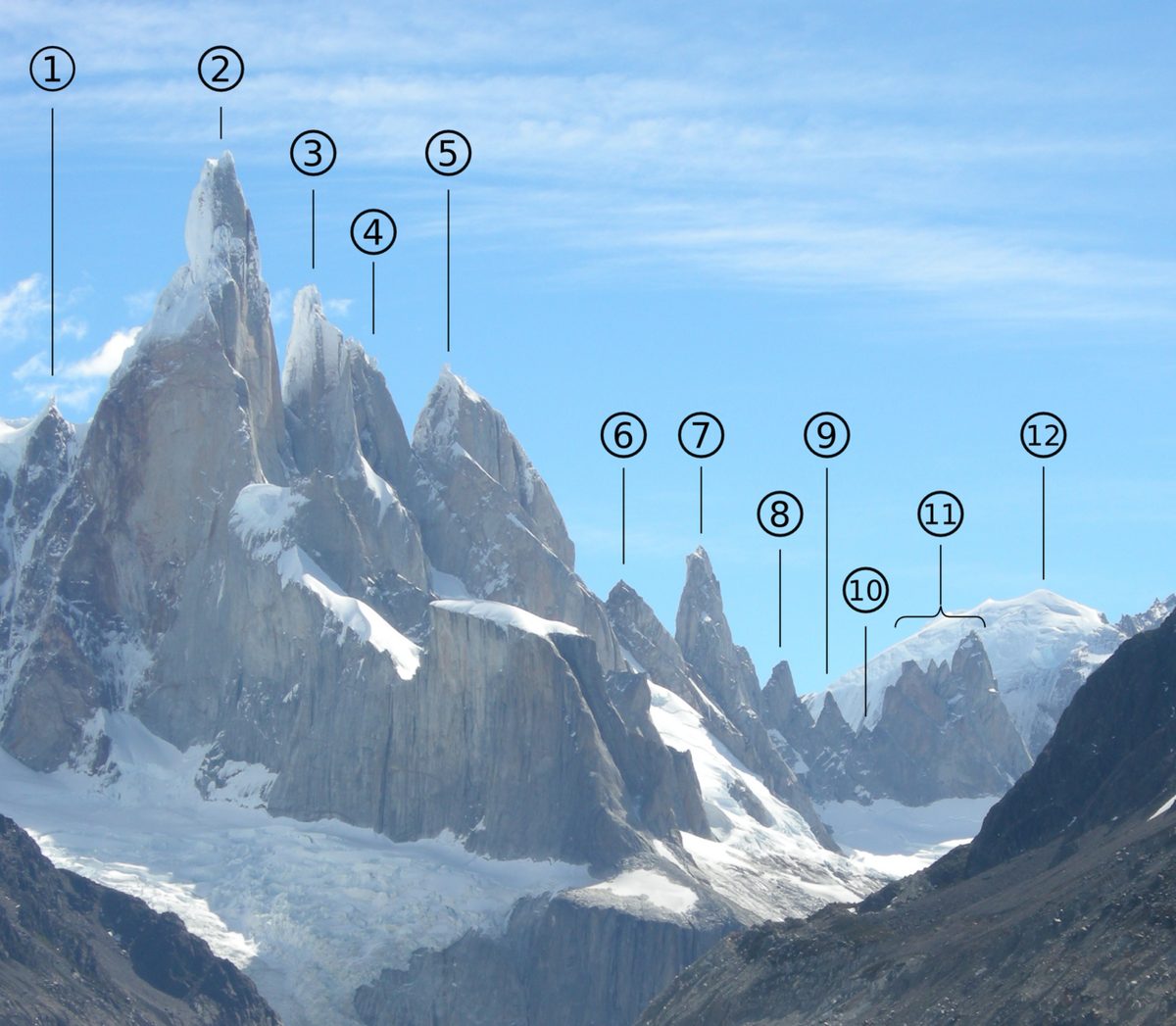
Laguna Torre / Cerro Torre
Paid + reserve ahead (Amigos PNL)
Tree cover, latrine, river water, no services, gas stoves only, no fire
Campamento Laguna Toro
Huemul Circuit (day 1), advanced only
Remote, basic, register at visitor center
Long-drop toilet, simple cooking shelter, water nearby, wind breaks
El Relincho (in town)
Base for any day hike
Paid, no park reservation needed
Hot showers, communal kitchen, electricity, gear rental, central
La Torcida (in town)
Near Laguna Torre trailhead
Paid, no park reservation needed
Hot showers, kitchen, wifi, family-run, ~20 pitches
Swipe to see all columns
Table 1
A few headline truths before we go deeper:
The town itself is free to enter, but the trails into the park now require a paid ticket, whether you day-hike or camp.
The three big trekking camps require an advance reservation through the Amigos del Parque portal. Walk-up is not the system anymore.
Fees are modest but the Argentine peso is volatile, so I will give ranges and tell you to confirm current rates.
Camping is the only practical way to be standing at Laguna de los Tres for sunrise without a brutal pre-dawn march from town.
The old free options people remember, like Camping Libre Madsen and Confluencia, no longer take overnight campers.
How El Chalten Camping Works Now (the Fee and Reservation Changes)
This is the part that trips people up, so let me be precise and then tell you how to handle it.
For a long time, El Chalten was the budget hiker’s dream: free trails, free trekking campsites, roll out of your tent and walk to Fitz Roy. Then the rules tightened. A park entrance fee for the El Chalten trekking sector came in (reported around January 2024), and the trekking campsites moved to a paid, reservation-required model for the 2024-25 season.
The official El Chalten tourism site states it plainly: “From the 2024-25 season, campsites located within the National Park are no longer free and open to the public; they have public latrines but they do not have services and to heat or cook your food you must take your gas stove as it is forbidden to make fire.” That is the official elchalten.com campsites page.
Argentina’s National Parks service confirms the reservation requirement from the government side. Its visitor recommendations for Los Glaciares say, in the North Zone section, that the De Agostini, Capri and Poincenot campsites are administered by the Asociacion Amigos del Parque Nacional Los Glaciares and that a reservation is required, linking to the Amigos booking portal. When the park’s own site and the town’s own site agree, that is as solid as it gets.
So there are really two charges to plan for.
The first is the park entrance ticket. The second is the per-night camping fee. They are separate. Paying to enter the park does not cover your campsite, and reserving a campsite does not cover park entry.
On the money, I am going to hedge hard, and you should too. Travelers in 2025 reported the trekking campsite fee at around ARS 15,000 (roughly USD 14) per night, with the park entrance for non-nationals reported anywhere from around ARS 20,000 to ARS 45,000 depending on the month and pass type. Those numbers are moving targets because the peso moves constantly. Treat every figure here as orientation, not gospel, and confirm the current rates at the official ticket portal and the Amigos reservation page before you rely on them. If a blog quotes you an exact peso price with confidence, check the date it was written.
A practical note on the ticket portals. There are three official entrances into the north sector where rangers check tickets, generally from around 7am to 8pm: Rio Electrico (for Piedra del Fraile, Piedras Blancas, Poincenot and Laguna de los Tres from that side), the Fitz Roy trailhead at the north end of San Martin (for Laguna Torre, Laguna de los Tres and Chorrillo del Salto), and the Ceferino Fonzo Visitor Center / Los Condores portal (for the viewpoints, Loma del Pliegue Tumbado and Laguna Toro). You can buy park tickets online through the National Parks system or at the gate, but the campsite reservation is a separate booking through Amigos.
If you want the full breakdown of trail tickets, Flexipass options and entry portals, the El Chalten and Fitz Roy hiking guide covers the fee structure in detail, and the broader cost picture lives in the Patagonia itinerary planning hub.
The Trekking Campsites in Detail
The trekking campsites are not lodges. They are clearings in the forest with a latrine and a water source. That is the deal, and honestly that is the charm. You fall asleep under granite spires and wake up to them. But you need to bring everything and reserve your spot.
Let me take them one at a time.
Campamento Poincenot (for Laguna de los Tres)
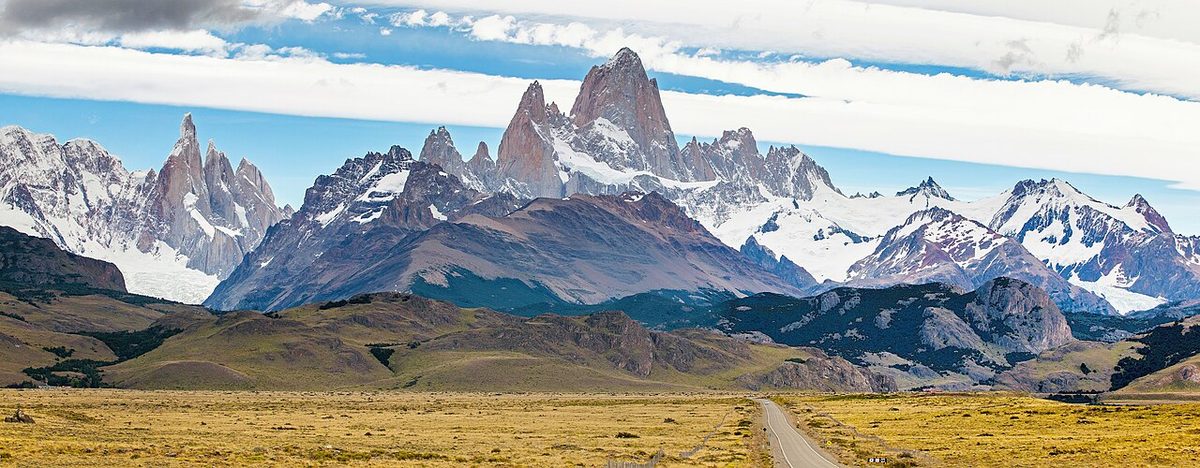
Poincenot is the famous one. It sits roughly 8 to 10 kilometers from town, about two and three-quarter hours of walking, tucked into forest below Fitz Roy. From here the final climb to Laguna de los Tres is only about 2 kilometers, but it gains roughly 400 meters and it is steep, so allow at least an hour going up.
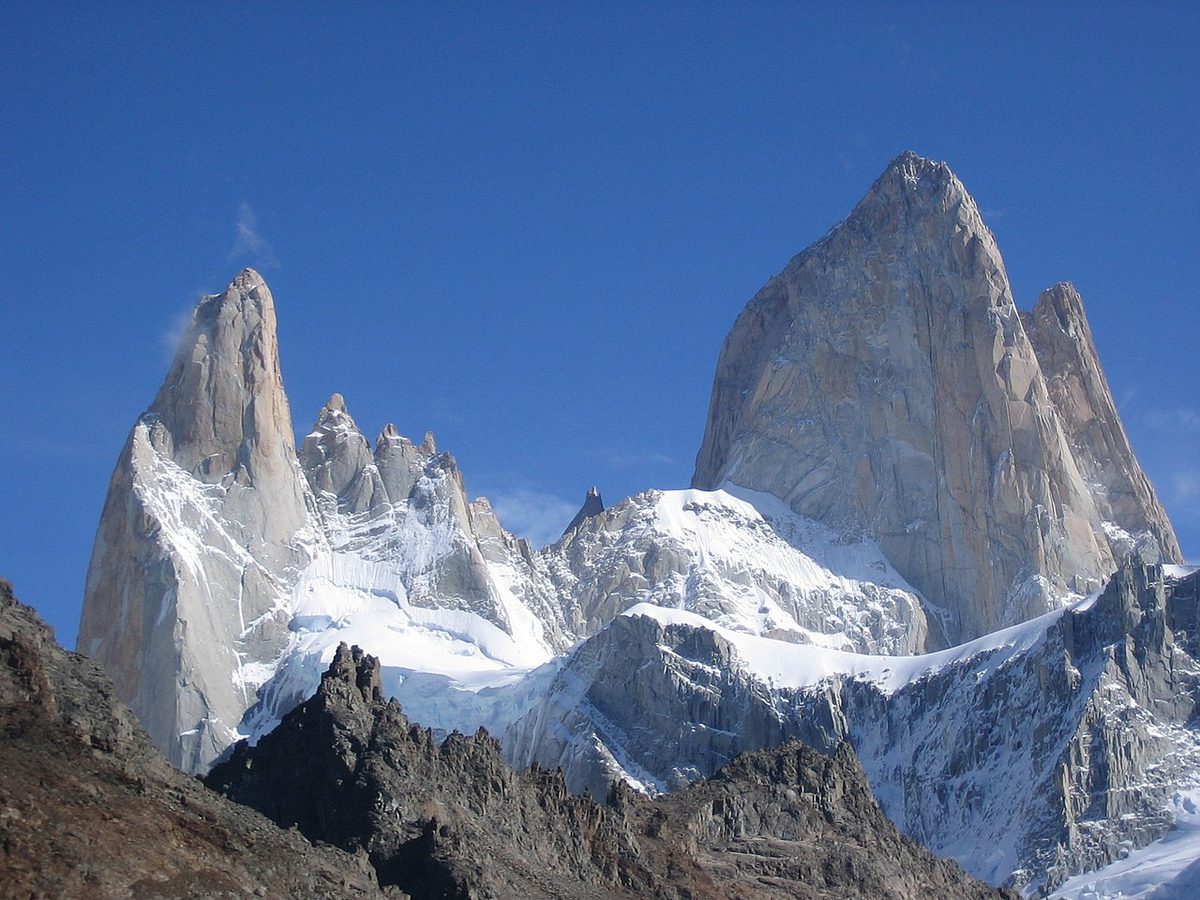
This is the campsite to choose if the Fitz Roy sunrise is your dream. Sleeping at Poincenot means you can leave camp in the dark maybe two hours before first light and be standing at the lake when the granite turns red-orange, instead of marching the whole way from town through the night. The forest gives you genuine shelter from the wind, which in Patagonia is not a luxury.
Facilities are basic: two dry toilets, drinking water from a stream, no electricity, no light, no signal. It can get busy and a little noisy in peak season, so arrive early enough to claim a sheltered pitch back in the trees. For the hike itself, the full route detail is in the Laguna de los Tres hike guide.
Campamento Laguna Capri (for the Fitz Roy side, gentler)
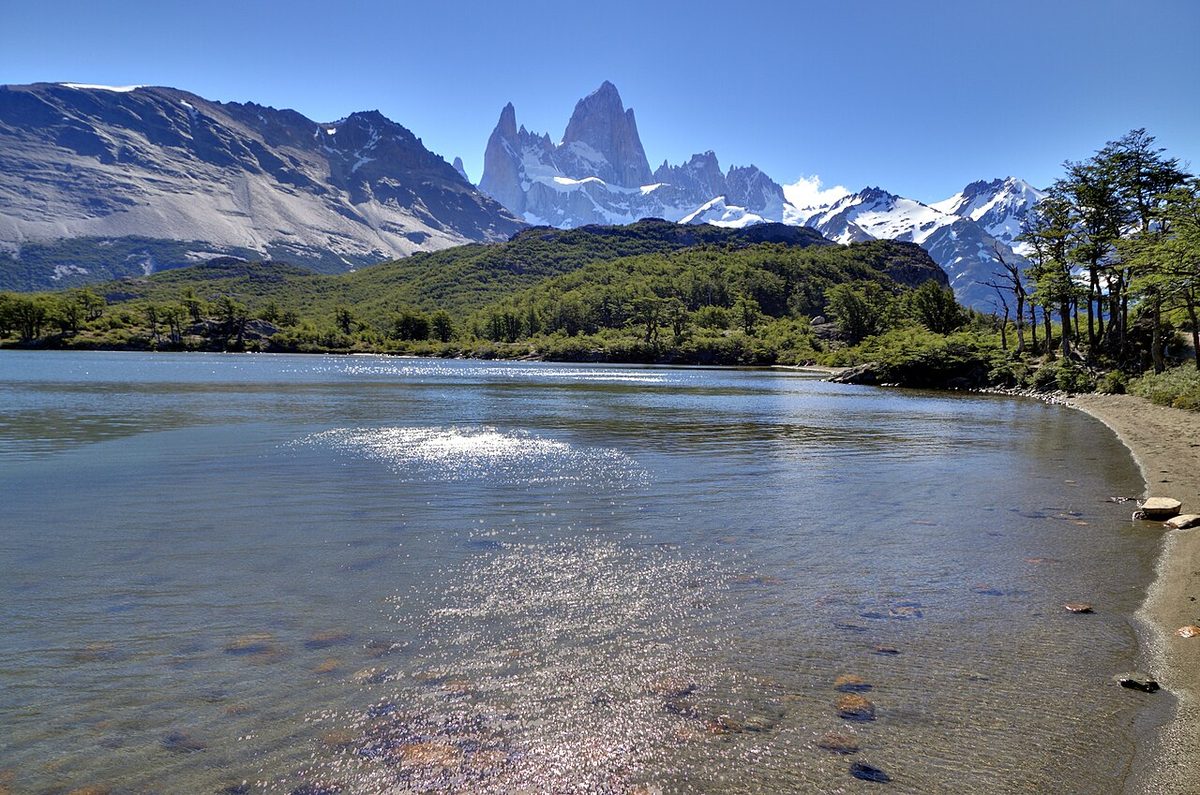
Laguna Capri is the softer option on the Fitz Roy side. It is closer to town, roughly 4 to 7 kilometers and under two hours, set among trees on the shore of a lake that frames Fitz Roy across the water.
Capri suits you if you want a gentler overnight, a mixed-fitness group, or a beautiful Fitz Roy view without committing to the full pre-dawn push to Laguna de los Tres. You will not be at the famous lake for sunrise from here, but watching the first light hit Fitz Roy across Laguna Capri is its own reward, and it is a calmer night than busy Poincenot.
Facilities match the pattern: a latrine, water from the lake or a nearby stream, no services, gas stoves only. It works well as the first night of a multi-day loop, or as a lower-stakes introduction to camping in the park.
De Agostini, sometimes written Padre De Agostini or D’Agostini, is the camp for the Cerro Torre valley. It is about 9 to 10 kilometers from town along the Laguna Torre trail, which is well signposted with kilometer markers the whole way, so it is hard to get lost.
The payoff is the location: the tent pitches are only a couple of minutes from a stunning view of Cerro Torre over the lake. Camp here and you can be at the water for sunrise, or walk the extra 2.5 kilometers around to Mirador Maestri for a closer angle on Glaciar Torre and the South Patagonian Ice Field. I have done that Maestri walk in the morning quiet and it is worth setting the alarm for. The Laguna Torre hike guide covers the day route in full.
The campsite sits under tree cover near the Fitz Roy river, with a latrine and river water nearby. If you are linking it to Poincenot on a multi-day traverse, the two camps are roughly 17 kilometers apart on foot. Same rules apply: no fire, gas stove only, pack everything out.
Campamento Laguna Toro (for the Huemul Circuit)
Laguna Toro is a different animal, and I want to be clear about that. It is the most remote of the camps, around 15 to 16 kilometers from town, and it is the first-night base for the Huemul Circuit, a serious multi-day route around Cerro Huemul.
The campsite has a long-drop toilet, a simple shelter you can cook in, water a short walk along the path, and some wind breaks among the trees. But the Huemul Circuit itself is not a beginner trip. It demands a high fitness level, the ability to carry a heavy pack over rough terrain in changeable weather, and gear for Tyrolean rope crossings of glacial rivers, plus mandatory registration at the visitor center. If you are new to backpacking, this is not where you start. Treat Laguna Toro as advanced territory and build up to it.
Camping in Town: Organized Campgrounds
If “camping” to you means a tent, a hot shower and a kitchen, the in-town campgrounds are what you want, and they do not require a park reservation. They are a completely different product from the trekking camps.
Camping El Relincho is the popular one, right on Avenida San Martin in the center of town. It is spacious and grassy with some windbreak palisades, has communal kitchens and dining rooms, hot showers around the clock, electricity at some pitches, a motorhome dump station, and you can rent camping gear on site, which is gold if you flew in without a tent. It is a short walk to the supermarket, restaurants and the trailhead. Prices have run roughly USD 8 to 11 per person in recent seasons, plus a small vehicle fee, though that shifts with the exchange rate.
Camping La Torcida is the smaller, family-run alternative, around 20 pitches, near the Laguna Torre trailhead on the southwest side of town. It has hot showers, toilets, electricity points, wifi and a kitchen, though you may want to bring your own utensils. It sits near the Rio Negro in a more open, windier spot, so a sturdy tent helps. There is a common house with books and board games, and the staff know the trails well.
The town also has other options like Del Lago, El Paredon, El Mochilero and Mini Refugio, and outside town you will find Piedra del Fraile up the Rio Electrico valley (with dorms and a restaurant), plus glamping domes like Chalten Camp and the Patagonia Eco Domes for travelers who want comfort with a view. For the bigger accommodation picture across the region, see which towns make good bases.
One thing worth saying for budget travelers: the historic free campsites near town, Camping Libre Madsen and Confluencia, no longer allow overnight camping. So the “just pitch for free in town” plan from older guides does not work anymore. Budget your nights accordingly.
Leave-No-Trace Rules You Have to Follow
Los Glaciares is a protected national park, and the rules are not suggestions. Most of them come straight from the park’s own visitor recommendations, and rangers do enforce them. Here is what matters most for campers.
No fires anywhere in the El Chalten sector. You cook on a gas or camp stove, in the designated cooking areas only. This is non-negotiable in a region this dry and windy.
Pack out everything. All trash goes back to town with you. The park’s guidance is blunt: take your rubbish out, leave no trace of your visit.
Protect the water. Drinking water comes from streams and rivers. Collect it upstream of camp, and never wash or use the toilet within about 30 meters of a water source. This is how the water stays drinkable for the next person.
Camp only in official campsites. No wild camping. Pitch where you are permitted and nowhere else.
No pets, no drones. Pets are banned across Argentina’s protected areas, and drones are prohibited.
Do not feed wildlife. Your food changes their diet and behavior. This is puma country too, so stay aware, hike with a partner, and keep food managed.
Register for remote and climbing routes at the visitor center before you enter the area, including the Huemul Circuit.
Plan to be back before dark and respect ranger instructions; in some sectors there is little or no phone signal.
In winter, from roughly May to September, the park adds requirements because ice, mud and snow make the trails genuinely dangerous. Crampons and trekking poles become mandatory on park routes, and walking on frozen lagoons is forbidden. If you are even thinking about a shoulder-season or winter camp, read El Chalten weather and the month-by-month weather breakdown first, then check conditions in person.
The single word to keep in your head is wind. El Chalten weather can swing from hot sun to driving rain to a gale in the same afternoon, and your gear has to handle the gale. I have watched flimsy tents fold in the Patagonian wind, and it is not a fun night.
For the trekking camps, bring:
A genuinely wind-worthy tent. A solid three-season tent with good guy-out points will do in summer, but it needs to take wind, not just rain. A low-profile, freestanding design pitches better in exposed spots.
A warm sleeping bag. Nights are cold even in summer. A bag rated for at least a few degrees below freezing gives you a margin.
An insulated sleeping pad. Cold ground steals more heat than people expect.
A gas or camp stove plus fuel. Remember, no fires, so this is your only way to cook or boil water. Buy fuel in town, as you cannot fly with canisters.
All your food for the whole stay. There are no shops at the camps. Plan meals, pack out the packaging.
A real headlamp with spare power. There is no light at the camps, and you will want it for the pre-dawn sunrise push and the midnight toilet walk.
Layers: a waterproof and windproof shell, an insulating mid-layer, warm hat and gloves, plus sun protection. Patagonian sun burns even when the air is cold.
A way to carry and treat water, a power bank for your phone, and an offline map.
If you flew in light, you can rent tents, bags and pads from gear shops in town and from El Relincho. For the complete equipment and safety rundown, including layering systems and trekking-specific advice, lean on the hiking and camping essentials. A good packing setup is also what makes the difference between a one-night camp and a comfortable multi-day loop, which matters when you are deciding how many days in El Chalten to spend.
El Chalten Camping vs Day-Hiking From Town
Here is the question I get asked most, so let me give you a real answer instead of a fence-sit.
Day-hiking from town is the right choice for most first-time visitors. The trails to Laguna de los Tres, Laguna Torre and the viewpoints are all walkable from El Chalten in a single long day. You sleep in a bed, eat a hot dinner, dry your boots, and react to the weather each morning. Given how moody Fitz Roy is, that flexibility is genuinely valuable. If clouds sit on the summit, you swap to a different trail or a rest day with zero penalty.
Camping is the right choice for one specific prize: being at the viewpoint for sunrise or sunset, and for slowing down to feel the place. To catch sunrise at Laguna de los Tres as a day hiker in midsummer, you would need to start walking from town around 1:30am in the dark. From Poincenot, that same sunrise is a short, steep pre-dawn push. That is the whole argument for camping in one sentence: it buys you the light that day hikers cannot easily reach.
So I would frame it like this.
Camp if you want the sunrise or sunset image, you have or can rent the right gear, you are comfortable cooking and sleeping in cold, windy conditions, and you can lock in a reservation. Stay in town if your main goal is to see the big sights, you value rest and flexibility, the weather looks unstable, or you are already worn out from another trek and do not want to manage pack weight and bookings.
There is no wrong answer. A camper and a day hiker can stand at the same lake and both go home happy. The mistake is camping just because it sounds more hardcore, or day-hiking sunrise on a whim and finding yourself navigating a steep moraine in the dark. Match the choice to the trip you actually want.
The booking is not complicated once you know the two separate pieces. Here is the order I would do it in.
Pick your nights and campsites. Decide which camps serve your hikes: Poincenot or Laguna Capri for the Fitz Roy side, De Agostini for Laguna Torre. Sketch a rough plan, but keep it weather-flexible.
Reserve the trekking campsites in advance through the Asociacion Amigos del Parque Nacional Los Glaciares portal at amigospnlosglaciares.org/campamentos. Capacity is limited, so book before you start hiking, not at the trailhead.
Buy your park entrance ticket separately through the official National Parks system, or at one of the three entrance portals. Match the pass length to your hiking days and carry the ID that fits your ticket category.
Confirm current fees at the moment of booking. Because the peso moves, the price you see today may not be the price next month. Trust the official portals over any blog figure, including the ranges in this guide.
Sort your gear and food in town. Buy fuel and groceries, rent a tent or pad if needed, and download an offline map.
Check conditions and register if required. Ask at the visitor center about trail status, and register there for remote or climbing routes including Huemul.
Keep everything offline. Save your reservation voucher and ticket details on your phone, because signal is weak to nonexistent in the park.
If your trip is months out, check the rules again closer to departure. This is exactly the kind of detail that shifts season to season, which is why I keep nudging you back to the official sources.
Frequently Asked Questions About El Chalten Camping
Is camping free in El Chalten?
No, not anymore. As of the 2024-25 season, the main trekking campsites (Poincenot, Laguna Capri and De Agostini) require an advance reservation and a per-night fee, and a separate park entrance ticket is also needed for the trails. The town is free to enter, but the historic free campsites like Madsen and Confluencia no longer allow overnight camping. Always confirm current fees before you go.
How much does it cost to camp in El Chalten?
Travelers in 2025 reported the trekking campsite fee at around ARS 15,000, roughly USD 14, per night, plus a separate park entrance ticket. The Argentine peso is volatile, so these figures are orientation only and change frequently. Verify the current camping fee on the Amigos del Parque portal and the entrance fee on the official National Parks ticket system before you travel.
Do you have to reserve campsites in El Chalten?
Yes. Argentina’s National Parks service and the official El Chalten tourism site both confirm that the De Agostini, Capri and Poincenot campsites are now managed by the Asociacion Amigos del Parque Nacional Los Glaciares and require an advance reservation. Capacity is limited, so book through the Amigos portal before you start hiking rather than turning up and hoping for a spot.
Where do you camp to see Fitz Roy at sunrise?
Camp at Campamento Poincenot. It sits in the forest below Fitz Roy, only about 2 kilometers and a steep 400-meter climb from Laguna de los Tres, so you can reach the lake for sunrise with a short pre-dawn push instead of a long night hike from town. Laguna Capri also offers a sunrise Fitz Roy view from across its lake, but from farther away.
What facilities do El Chalten campsites have?
The trekking camps are rustic: dry or long-drop latrines and drinking water from a stream or lake, and nothing else. There are no showers, no electricity, no lights, no shops and usually no phone signal, and fires are forbidden, so you cook on a gas stove. In-town campgrounds like El Relincho are different, with hot showers, kitchens and electricity.
Can you camp at Laguna de los Tres?
You cannot camp right at Laguna de los Tres itself. The closest campsite is Campamento Poincenot, in the forest below the final climb, roughly 2 kilometers and 400 meters of ascent from the lake. Campers stay at Poincenot and make the short, steep walk up for sunrise. Wild camping anywhere outside the official campsites is not permitted in the park.
Can you rent camping gear in El Chalten?
Yes. Several gear shops in town rent tents, sleeping bags, pads and other equipment, and Camping El Relincho also offers rental gear. This makes camping realistic even if you flew into Patagonia without a full kit. Buy stove fuel locally since you cannot fly with canisters, and check that any rented tent is sturdy enough for strong Patagonian wind before you head out.
Is camping worth it or should you day-hike from town?
It depends on your goal. Camping is worth it if you want sunrise or sunset at the viewpoints and a slower mountain experience, since reaching Laguna de los Tres for dawn from town means starting around 1:30am. Day-hiking from town is better for most visitors who want flexibility, comfort and easy weather decisions. Both can give you an unforgettable trip.
Final Thoughts
If you take one thing from this guide, let it be that El Chalten camping is no longer the free-for-all it used to be, and that is genuinely fine. The fees are modest, the reservation system is simple once you know it is two separate bookings, and the camps are still gloriously basic in the best way.
My honest steer: if this is your first time and you mostly want to see Fitz Roy and Cerro Torre, day-hike from town and sleep somewhere warm. Save camping for the trip where sunrise on the granite is the whole point, or for a multi-day loop linking the valleys. When that is what you want, a night at Poincenot or De Agostini is one of the great experiences in Patagonia.
Whatever you choose, book your campsite ahead, carry everything in and out, respect the no-fire rule, and check the current fees before you go, because this is exactly the kind of detail that keeps changing. Then stop worrying about logistics and go stand under those spires at first light. That is what you came for.