A self-drive Peninsula Valdes guide: the wildlife loop stop by stop, orcas at Punta Norte, whales at Puerto Piramides, gravel distances, fees and season.
By Patagonia Tourism Guide · First published 9 Sep 2026 · Updated 1 Aug 2026
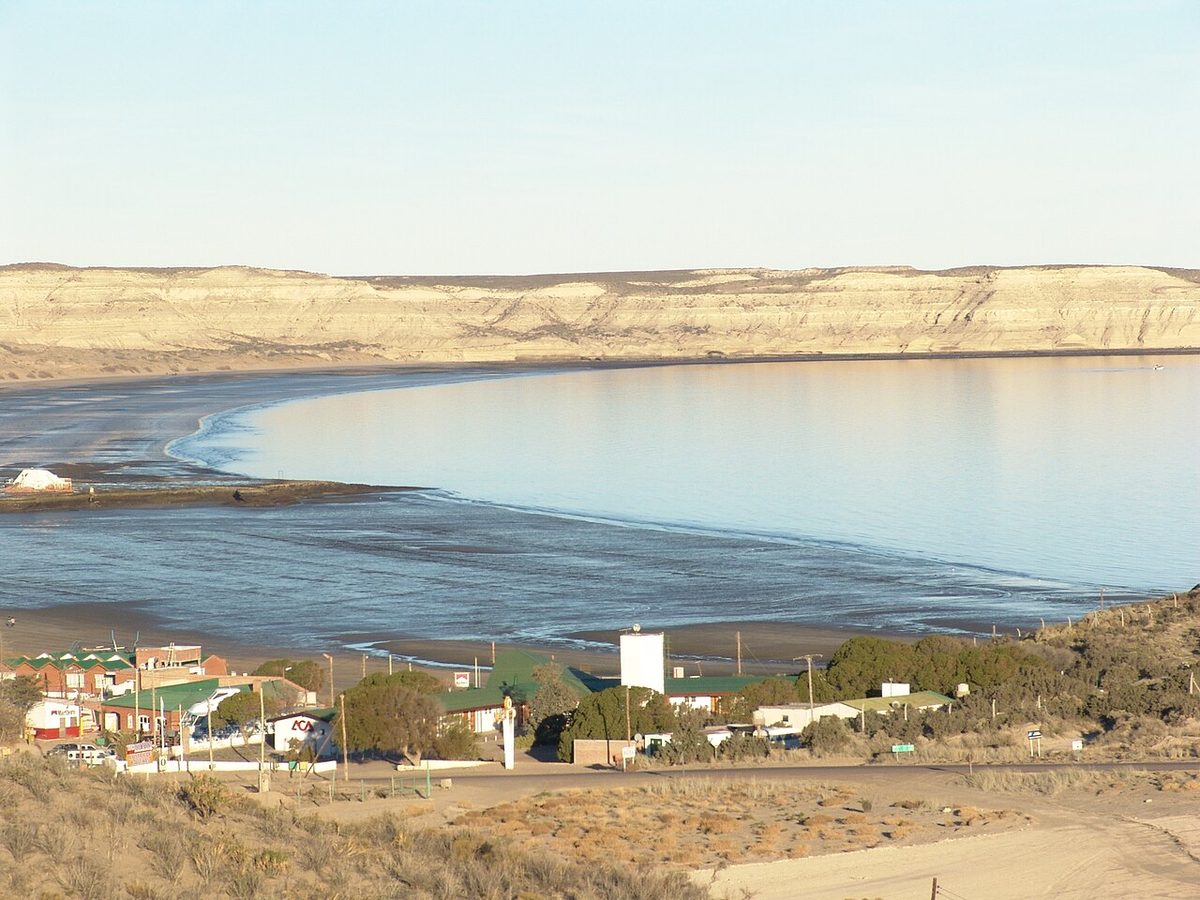
0 — 2 km Fig. 1 · Coast and steppe of Peninsula Valdes, the UNESCO wildlife reserve this Peninsula Valdes guide drives · Photo: Giorgio Parravicini parradesign / CC0 via Wikimedia Commons
The first time I drove onto Península Valdés, I treated it like a theme park where the animals are arranged for your convenience. I had a checklist and a tight schedule. Six hours later I was on a cliff at Punta Norte, wind tearing at my jacket, having seen sea lions, guanacos, a rhea, two armadillos and no orcas at all, and I finally understood the place. It is not a zoo. It is a wild peninsula where you go to the animals, on gravel, on their timetable.
So let me save you my mistake. This Peninsula Valdes guide is the route plan I wish I had brought.
It is a self-drive plan for the wildlife loop: where to go, in what order, what you actually see at each stop, how far apart they are on gravel, what it costs, and when to come for whales, orcas, penguins and elephant seals. Drive it as a loop from Puerto Pirámides, give it a full unhurried day or two, and treat every sighting as a gift rather than a guarantee.
It is written for the traveler who has decided the Atlantic coast is worth the detour and now wants a real plan instead of a tour brochure. If you are still deciding whether wildlife should anchor your whole trip, start with the Patagonia wildlife and whale watching guide, then come back here to drive the peninsula properly.
One promise up front: every distance, fee, tide window and season below is approximate. Roads are gravel and weather-dependent, fees change with Argentina’s economy faster than any page can track, and the marine animals are seasonal visitors that do not read calendars. Verify the current entrance fee and road status at the gate, and check tide tables locally. I will point you at the official sources as we go.
Peninsula Valdes at a glance
Before the stop-by-stop detail, here is the loop in one table. Drive times are from Puerto Pirámides, the natural base inside the reserve, on gravel where the posted limit is 60 km/h and you will often want to go slower because there is a guanaco on the verge.
Stop
What you come to see
Drive from Pirámides
Best season
Isla de los Pájaros
Seabird colony from a shore platform, fixed monoculars
~32 km, ~30 min (mostly paved)
Spring peak; birds all year
Puerto Pirámides
Southern right whale boat trips (your base)
0 km (you sleep here)
Whales mid-June to December
Punta Pirámides
South American sea lion colony, land whale-watching cliff
~5 km, ~10 min
Sea lions from early December; whales June–Dec
Punta Norte
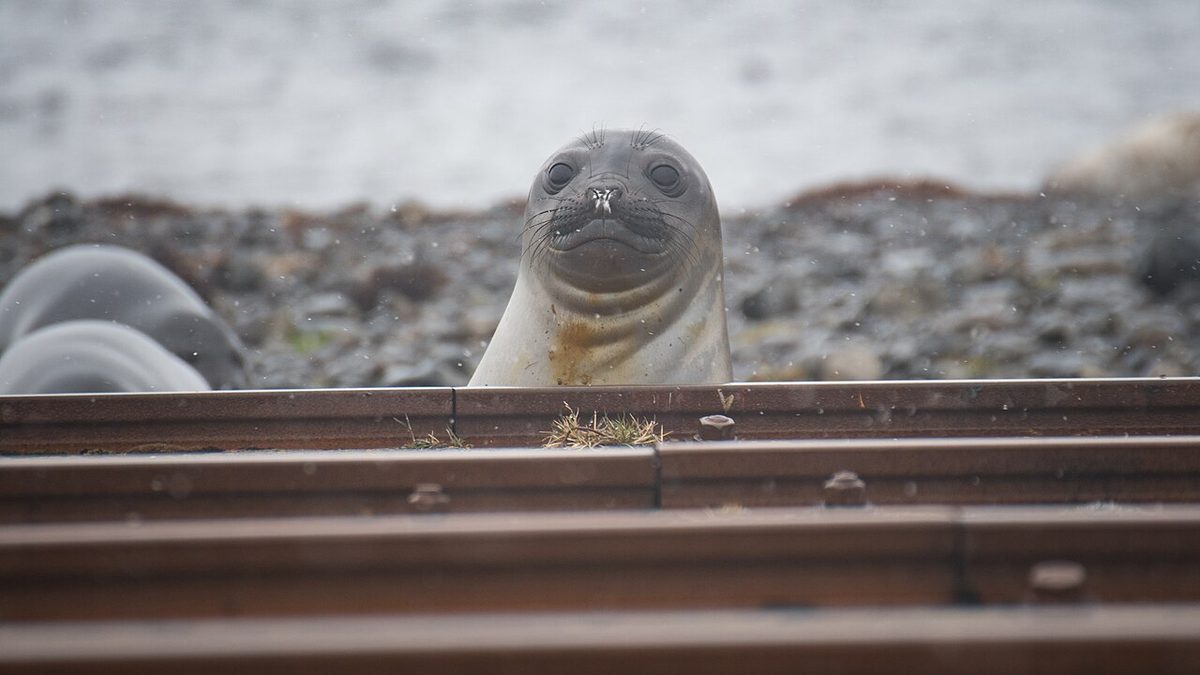
Sea lions, elephant seals, the famous orca strandings
~80 km, ~1.5 hr (gravel)
Orcas late Feb to mid-May
Caleta Valdés / Punta Cantor
Elephant seal rookery, Magellanic penguins, Oct–Nov orcas
A few honest notes on that table. The stops are far apart, so a full loop from Puerto Madryn and back is roughly 400 km, most of it gravel. That is a long day, not a casual morning. You cannot do Isla de los Pájaros, both whale activities, Punta Norte and Caleta Valdés justice in one rushed outing, especially if you also want the right tide for orcas. This is why I base inside the reserve at Pirámides and split the loop across two days when wildlife is the point.
Read the loop as a sequence, not a menu. The stops below run in the order you would naturally drive them, clockwise from the entrance. Península Valdés is a UNESCO World Heritage Site, inscribed in 1999 as a place of global significance for marine mammals, so the route is also a set of rules: stop at official viewpoints, keep your distance, respect the rangers.
The geography makes it work. The peninsula is a mushroom-shaped landmass joined to the mainland by a single narrow isthmus, reaching more than 100 kilometres into the South Atlantic, with around 400 kilometres of shoreline and cliffs up to 100 metres high, according to UNESCO’s listing. Two great gulfs bracket it: Golfo San José to the north and Golfo Nuevo to the south. The calm water in those gulfs is exactly why the whales come to breed, and the cliffs and beaches are where the sea lions, elephant seals and penguins haul out. You enter across the isthmus, where the visitor centre and entrance gate sit, and the gravel roads fan out from there.
Everything from here is built around two things you cannot control: the season and the tide. Get those right and the peninsula is extraordinary. Get them wrong and you will have a beautiful, windswept drive past a lot of empty beach.
The wildlife loop, stop by stop
Isla de los Pájaros (the first stop in)
Just past the isthmus, about 32 kilometres from Puerto Pirámides and a roughly 30-minute drive on mostly paved Route 2 with a short gravel link, you reach Isla de los Pájaros, “Bird Island.” You do not land on it; you watch from a shore platform fitted with fixed monoculars, which keeps disturbance off a sensitive seabird colony. Diversity peaks in spring, and you will usually pick out cormorants, gulls, terns, herons and shorebirds depending on the season.
It is a low-effort, high-reward warm-up, with a charming footnote: the shape of the island is said to have inspired Antoine de Saint-Exupéry’s drawing of the boa that swallowed an elephant in The Little Prince. Most people, he wrote, see a hat. There is also a replica of the chapel of Fort San José, the only Spanish settlement that ever stood on the peninsula. Give it fifteen minutes, get your eye in with the monoculars, and drive on.
Puerto Pirámides (your base and the whale boats)
Puerto Pirámides is the only town inside the protected area, and where I tell wildlife travelers to sleep. It is small, sand-blown and tucked under cliffs, with a single beach that doubles as the launch ramp. Crucially, it is the licensed port for southern right whale boat trips, and one of only two places in Argentina from which whale-watching excursions depart at all.
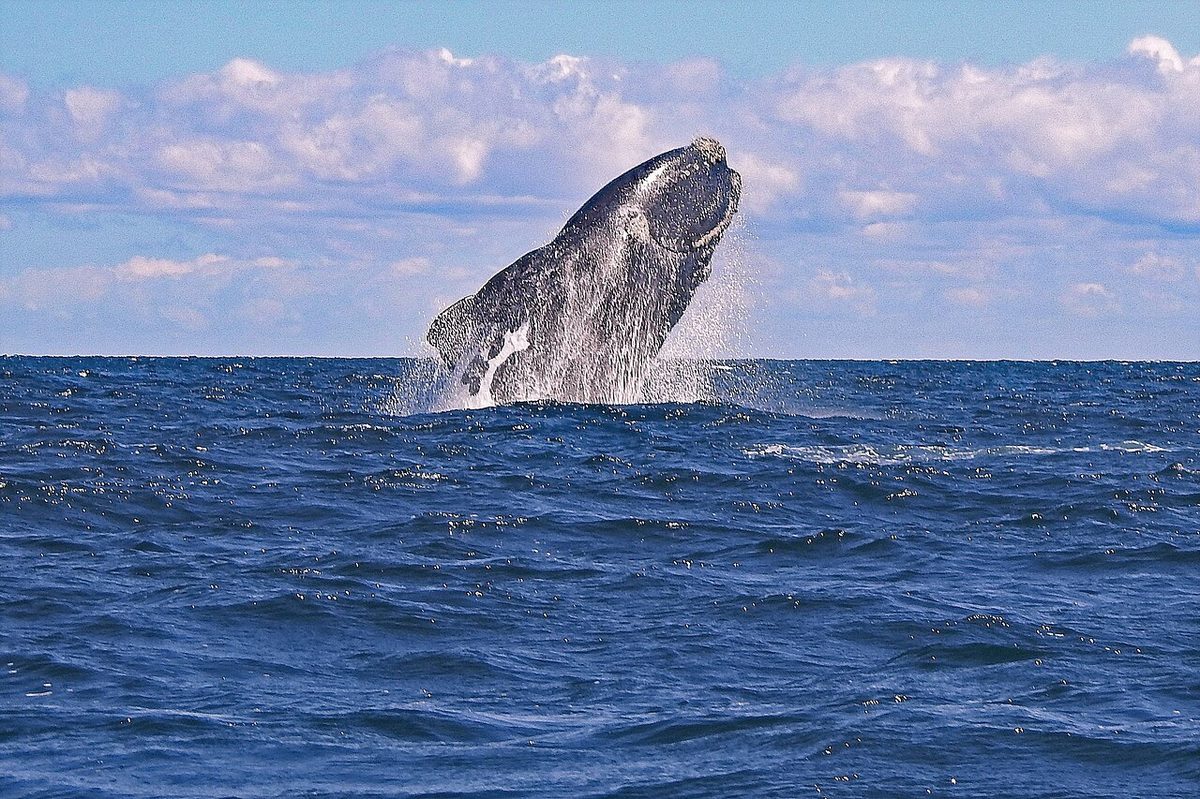
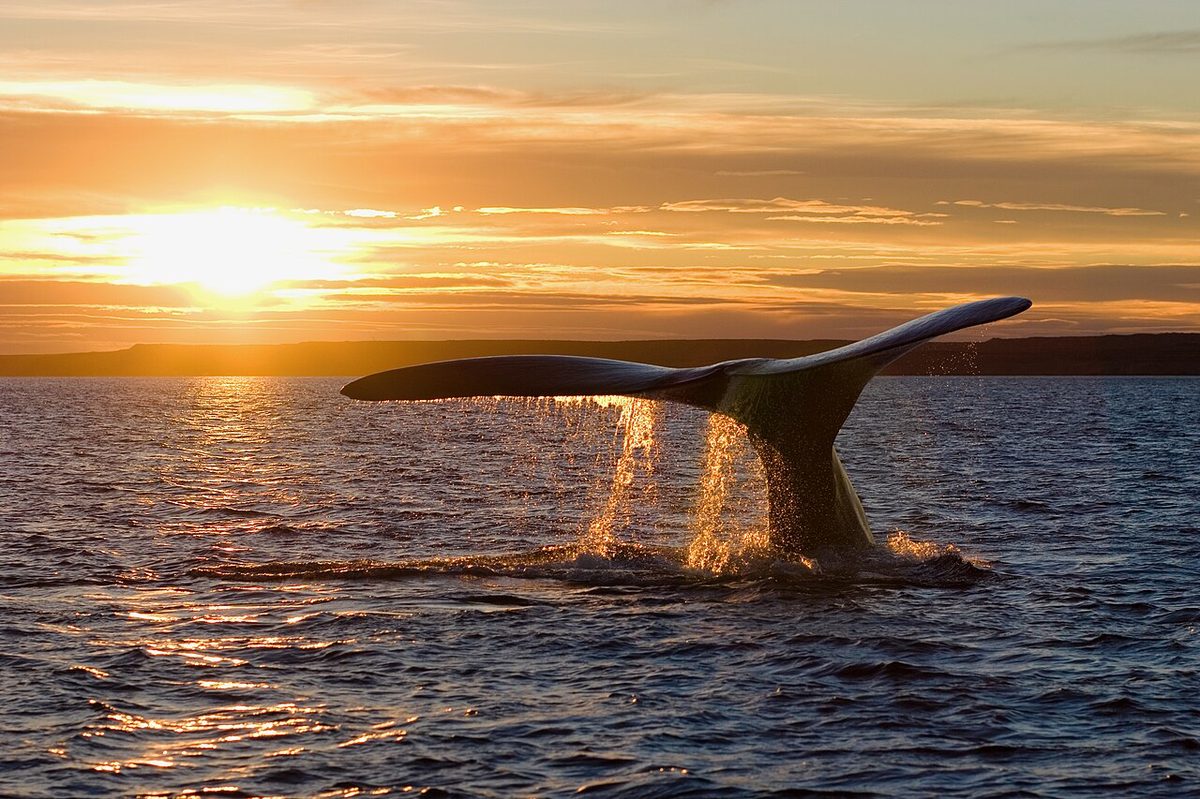
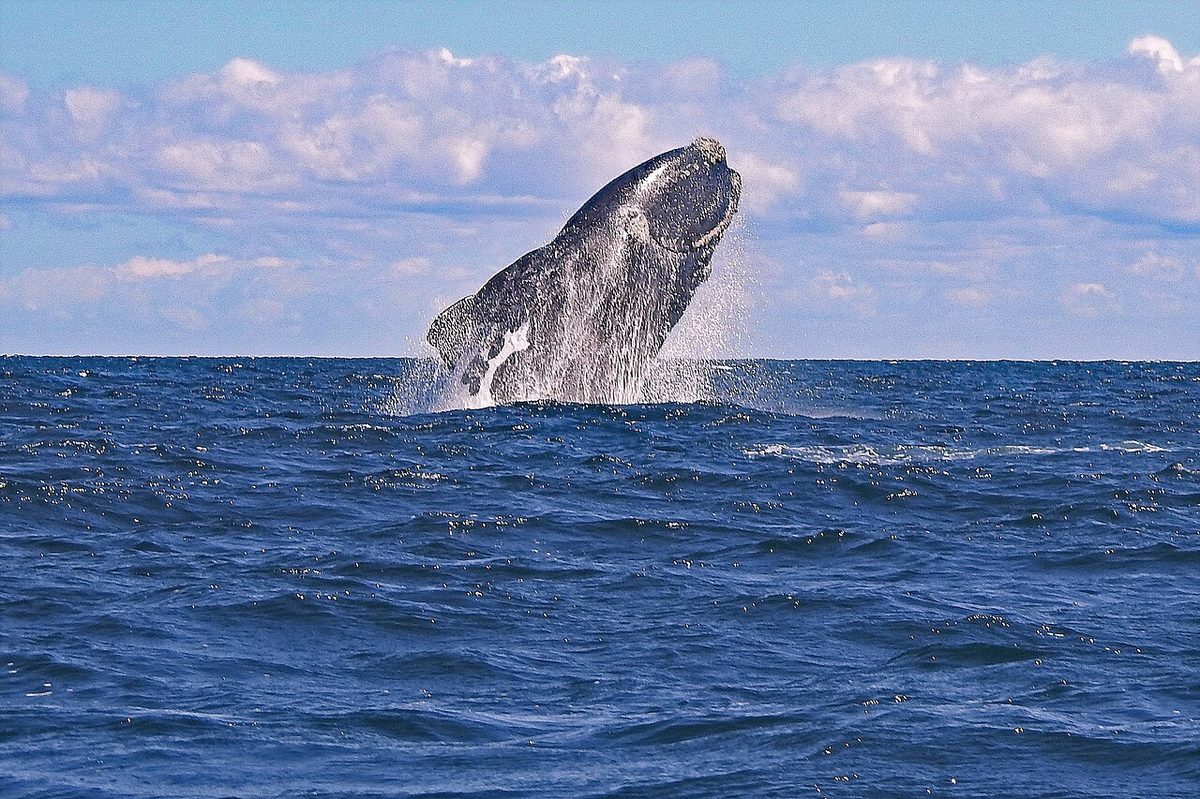
The whale season runs from mid-June to December, when around 2,000 southern right whales gather in the sheltered gulfs to mate, give birth and nurse calves, according to the Puerto Pirámides municipality. Six certified operators run the boats; each takes about 70 passengers every two hours, and a typical trip lasts around 90 minutes. The captains developed what is known worldwide as the “Patagonian whale-watching technique,” a code of conduct refined since 1974 to maximise the experience while minimising disturbance. There is also a semi-submersible option, roughly July through October, that gives you an underwater window without getting wet.
A few candid pointers. Boats are weather-dependent; strong wind cancels trips, and that system protects both you and the whales. Do not arrive with a single narrow window if the boat is the whole reason you came. The water-level experience is special, but it is not the only way to see whales here, which brings me to the next stop. For the deeper whale playbook, including shore viewing from the mainland at Playa El Doradillo, see the guide to whale season in madryn guide.
Punta Pirámides (sea lions and a free whale cliff)
Only about 5 kilometres from town, a short drive or even a walk, sits the Punta Pirámides reserve. Under the cliff is a breeding colony of South American sea lions, which swells past 2,000 animals from early December, watched from a mirador set above the rookery. Visit at low tide and you see far more of them hauled out on the rocks.
Here is the underrated part: between June and December, that same clifftop is one of the best land-based whale-watching platforms on the peninsula. If your boat gets blown out, or you simply do not want to pay for one, you can stand here with a coffee or a mate and watch southern right whales spouting in Golfo Nuevo for free. It is the kind of stop the tour brochures skip because nobody profits from it.
Punta Norte (sea lions, elephant seals and the orcas)
Now the long gravel leg. Punta Norte sits at the far northern tip, about 80 kilometres from Puerto Pirámides and roughly an hour and a half of gravel away. This is the headline: where orcas hunt sea lion pups using their spectacular intentional-stranding technique, surfing right up onto the beach to grab prey and thrashing back into the water. It is one of the most dramatic predatory events in the animal kingdom, filmed for countless documentaries.
It is also the single most over-promised sighting on this coast, so let me be straight about how the Punta Norte orcas actually work. The window is late February to mid-May, timed to when sea lion pups, born in January, start learning to swim and become catchable prey. The tide matters enormously: the orcas can only cross the rocky reefs and beach themselves roughly three hours before to three hours after high tide. The municipality even gives you the math, noting that high tide at Punta Norte runs about 3 hours and 20 minutes after high tide at Puerto Madryn. Strong winds from the north spoil it by drowning out the prey sounds the orcas hunt by.
And then there is what locals honestly call the “orca factor”: all three conditions can be perfect and the whales still may not appear, because some range 150 kilometres or more away after other prey. The reserve has an interpretation centre, observation areas, restrooms and a café, so you can settle in, because the only real strategy is time: the longer you stay, the better your chances. Bring binoculars, and a 400mm-plus lens if you shoot. Even with no orca, Punta Norte gives you huge sea lion and elephant seal colonies and an enormous end-of-the-world horizon, so it is rarely a wasted drive.
Caleta Valdés and Punta Cantor (elephant seals, penguins, spring orcas)
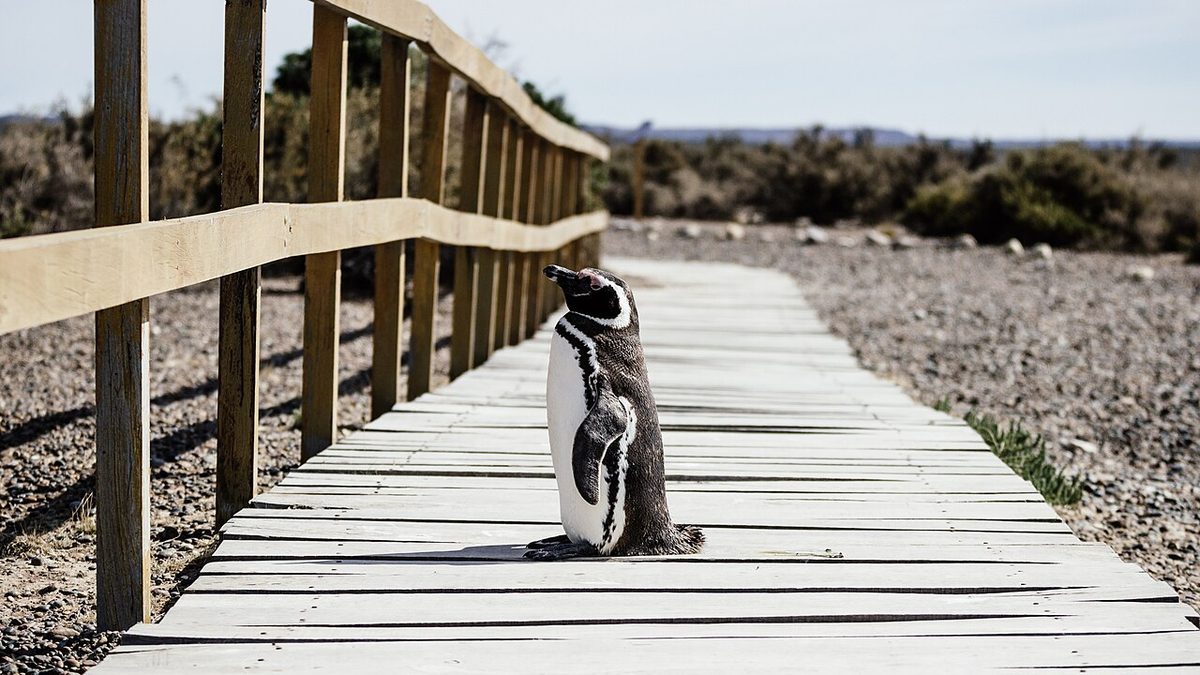
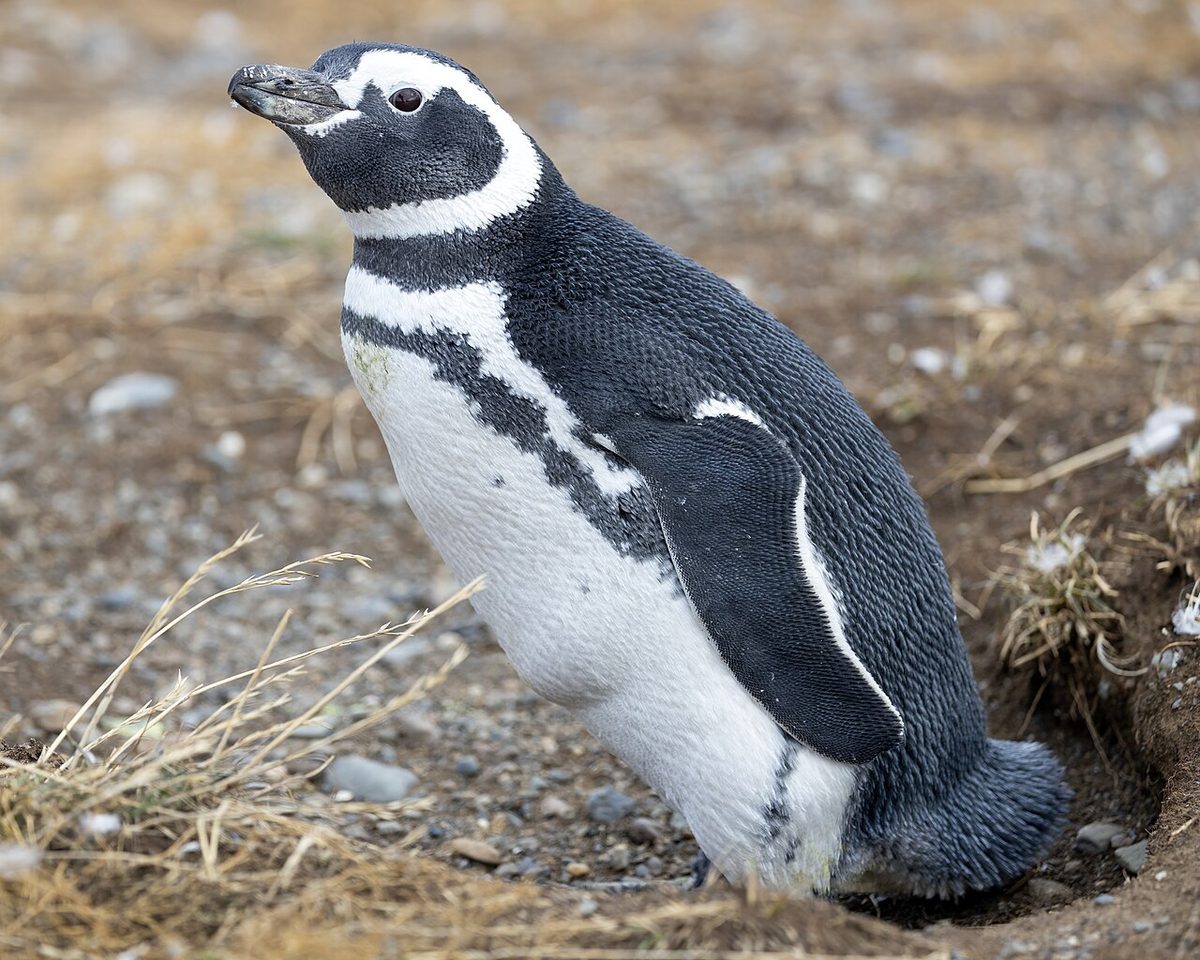
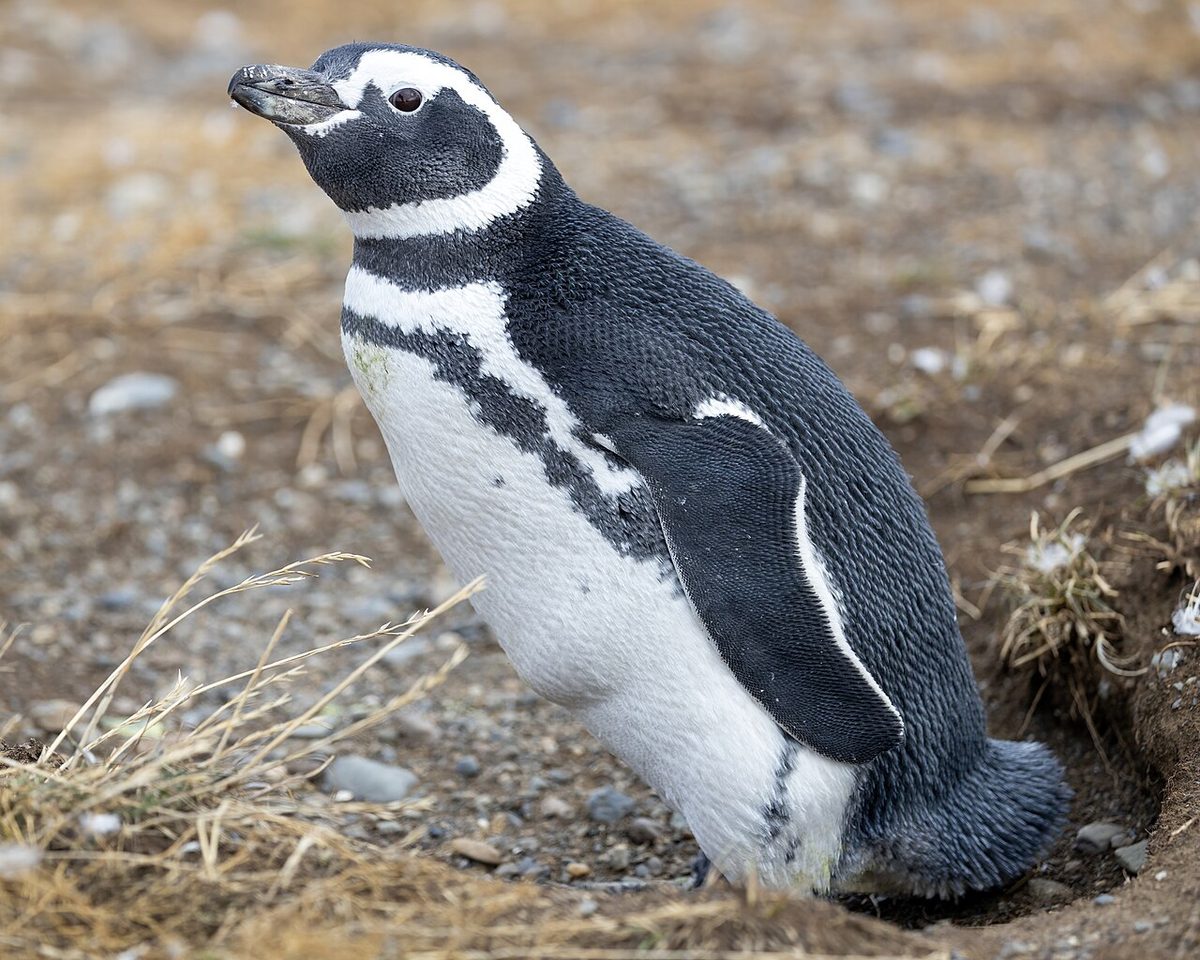
Heading down the eastern shore, about 77 kilometres from Puerto Pirámides and an hour or so of gravel, you reach Caleta Valdés, a long, narrow lagoon almost sealed from the sea by a shifting gravel spit. The Chubut tourism board calls it the most diverse marine-mammal rookery on the peninsula, and it earns the title. On the southern tip, at Punta Cantor, there is a rookery of southern elephant seals plus a small colony of Magellanic penguins, and the trails are graded for reduced mobility with accessible toilets, rare in wild Patagonia.
Timing, again, is everything. The Magellanic penguins are present from late September to mid-April, according to Chubut Patagonia. The elephant seals come ashore to breed from September to November and to molt, shedding their coats in great wallowing heaps, from December to March. At low tide you may also spot guanacos, maras and rheas wandering out onto the lagoon’s interior flats.
Caleta Valdés is also the peninsula’s second orca window. In October and November, orcas move inside the caleta to feed on weaned elephant-seal calves, using the same stranding technique as at Punta Norte; if you are here for that, arrive about two hours before high tide and stay until two hours after. The reserve opens at 8 a.m. and closes at sunset, has rangers, restrooms and a restaurant, and the views down into the lagoon are some of the best on the loop.
Punta Delgada and the southern estancias
Closing the loop on the southeastern corner, Punta Delgada is marked by a lighthouse and a historic estancia above the cliffs, with elephant seals on the beaches below in season. You reach Caleta Valdés by following Route 2 to this lighthouse and then turning, so the two connect naturally on a clockwise drive. This corner is quieter, more about landscape than a single dense colony, and a fitting place to end before the long run back to the isthmus.
This is also estancia country. Working ranches like Rincón Chico in the southeast and La Ernestina up at Punta Norte sit on prime coast, and some offer lodging that puts you on the beach for the tide windows. They are premium and need arranging well ahead, but for a dedicated orca trip they change the odds more than any day visit can.
Peninsula Valdes wildlife by season
The peninsula has a microclimate the rest of Patagonia would envy: cold from May to August, but pleasant from September through April. What you see depends almost entirely on the month, so here is the honest calendar for the headline species. Treat it as a planning frame, not a promise, because these are seasonal animals and every year shifts a little.
Season
What is happening
June–August (winter)
Peak southern right whale shore viewing; cold, quiet, atmospheric. Boats run, weather permitting. No penguins, no orca strandings.
September–November (spring)
The strongest all-rounder. Whales still present early, sea lion colonies building, elephant seals breeding, penguins arriving, and the Caleta Valdés orca window in Oct–Nov.
December (early summer)
Whale season tapering off; sea lion colony at Punta Pirámides peaks; penguins and elephant-seal molt underway.
January–March (summer)
Penguins active, elephant seals molting, warm and busy. Late-summer orca chances at Punta Norte build toward autumn.
Late February–mid-May (autumn)
The Punta Norte orca-stranding window, timed to sea lion pups. Whales begin returning late in this period.
Swipe to see all columns
Table 2
One official anchor worth knowing: Visit Argentina names September through November as the ideal time and recommends a stay of two to three days, with southern right whales usually visible June to October and killer whales more likely February to May. For a first trip with broad expectations, spring is the sweet spot: it stacks the most species without betting everything on one low-probability event. If orcas are your dream, you are choosing autumn at Punta Norte or spring at Caleta Valdés, and accepting the real chance of seeing none.
Self-drive vs guided tour
This is the decision most people get wrong, so here is how I think about it.
Self-drive is what I prefer, and what this guide is built around. The freedom is the point: you set your own pace, sit at Punta Norte for three hours on the right tide instead of being herded back to a minibus, pull over for a roadside guanaco, and choose your days by the weather and tide tables rather than a fixed departure. A rental car turns the peninsula from a tour into an expedition you control, and the reserve is set up for it with official viewpoints, rangers and signage at every stop. The trade-offs are real: the roads are gravel, distances are long, fuel planning matters, and a full loop is a committed day of driving. Rain can rough up the gravel, so check road status at the isthmus before heading out, carry binoculars, and accept that a guide would have spotted things you missed.
A guided tour removes all of that. A good full-day tour from Puerto Madryn or Pirámides handles the driving, knows where the animals were yesterday, reads the tides for you, and adds interpretation that deepens the day. For travelers without a car, nervous gravel drivers, or anyone short on time who wants the highlights in one efficient sweep, it is the better call. The cost is flexibility: you move on the tour’s schedule, not the tide’s.
My rule: if wildlife is the real reason for your trip and you have at least two days, self-drive and base inside the reserve. If you have one day, no car, or you would rather watch than navigate, take the guided tour. Either way, use authorized operators and follow the rangers, in the spirit of watching animals without disturbing them.
The entrance fee, distances and timing
Let me handle the practical grit, with the appropriate hedging.
The entrance fee. Península Valdés charges a per-person entrance fee, collected at the El Desempeño gate on the isthmus as you drive in. It is tiered by residency, with Argentine nationals paying less than foreign visitors, and children under six, people with disabilities and Malvinas ex-combatants generally free. The numbers move constantly with Argentina’s inflation, so any figure printed here would be wrong by the time you read it. Budget for a foreign-visitor fee well above the old posted rates, carry ID for everyone in the car because the charge is per person, and verify the current amount at the gate before you go. Whatever it is, it funds the rangers and conservation, so it is money well spent.
Distances and timing. The peninsula entrance is about 56 kilometres from Puerto Madryn via Ruta Provincial Nº2, and Trelew airport is roughly 66 kilometres from Puerto Madryn. From there it is gravel. A full loop touching the isthmus, Punta Norte and Caleta Valdés and back is on the order of 400 kilometres round trip from Puerto Madryn, which is why an early start is non-negotiable if you do it in a day. The posted speed limit on the gravel is 60 km/h; treat that as a ceiling, not a target, because wildlife wanders onto the road and the surface punishes overconfidence.
The best timing tip on the whole peninsula: plan your Punta Norte or Caleta Valdés visit around high tide, not around your watch. The orcas at Punta Norte work roughly three hours either side of high tide; at Caleta Valdés, aim for two hours before to two hours after. Get the tide table at the isthmus tourist office, do the arithmetic, and build your loop around that one fixed point. Everything else flexes.
Where to stay: Puerto Pirámides or Puerto Madryn
You have two sensible bases, and they suit different trips.
Puerto Pirámides is the only town inside the reserve, and for a wildlife-first trip it is my pick. You wake up already inside the landscape, walk to the whale boats, sit minutes from the Punta Pirámides sea lions, and chase the tide to Punta Norte or Caleta without first driving in from the mainland. The trade-off is scale: a small village with limited lodging and few services, so book ahead, especially in whale season. If the boat trips and a slow, immersive stay are the goal, it is worth the smaller comforts.
Puerto Madryn is the practical city base on the mainland, with far more hotels, restaurants and transfer options, plus easy access to Playa El Doradillo for shore-based whale watching and to Punta Tombo for the big penguin colony. It is the better choice for families, travelers without a car, or anyone combining the peninsula with several other day trips. The cost is that every peninsula day starts with the drive across the isthmus. The guide to picking a base town guide lays out the region-wide options, and how to get to Patagonia covers flights into Trelew and Puerto Madryn.
For most first-timers, Madryn is simpler and Pirámides is more magical. If you can, split it: a couple of nights in Pirámides for the whales and early-tide wildlife, then drop back to Madryn if you are adding Punta Tombo or El Doradillo.
What to bring
Peninsula packing is about wind, distance and patience more than anything technical. Bring:
A windproof outer layer; the peninsula is exposed and the wind is relentless, even on warm days.
Warm layers and a hat, even outside winter; the cliffs and boats are cold.
Binoculars, non-negotiable, plus a 400mm-plus lens for the orca strandings if you shoot.
Sunscreen and sunglasses; the desert sun and glare off the water are strong.
Water, snacks and a full tank of fuel before you head out onto the gravel.
Cash and ID for the per-person entrance fee at the gate.
A motion-sickness plan if you are taking a whale boat in a swell.
Patience, which on this peninsula is genuine equipment. It keeps you parked at Punta Norte long enough for the tide to do its work.
Frequently asked questions
Is Peninsula Valdes worth visiting?
Yes, if wildlife is a real priority. It is a UNESCO World Heritage Site and the most important breeding ground on earth for southern right whales, plus elephant seals, sea lions, penguins and the famous orca strandings. It is less worth it as a rushed half-day detour. Give it at least one full unhurried day, ideally two.
How many days do you need for Peninsula Valdes?
Two to three days is the sweet spot. Visit Argentina recommends two to three days, and I agree for wildlife travelers. With one day you can drive the loop and see a lot, but you will not have flexibility for tides, weather or a second attempt. Two days lets you split the whale boats from the long Punta Norte and Caleta drive comfortably.
When can you see orcas at Punta Norte?
The Punta Norte orca-stranding window is late February to mid-May, when sea lion pups become catchable prey. The orcas hunt roughly three hours before to three hours after high tide, and strong north winds spoil the chances. Even in season they are never guaranteed, so plan multiple visits and treat any sighting as a bonus, not a certainty.
Can you drive around Peninsula Valdes yourself?
Yes. Self-driving is a great way to explore the peninsula, with official viewpoints, rangers and roadside stops, and the freedom to follow the tide at your own pace. The roads are gravel with a 60 km/h limit, a full loop is long, and rain can affect conditions, so fuel up, carry binoculars and check road status at the isthmus before setting out.
How much is the entrance fee for Peninsula Valdes?
There is a per-person entrance fee collected at the isthmus gate, tiered by residency, with foreign visitors paying more than Argentine nationals and young children and people with disabilities generally free. The exact amount changes constantly with Argentina’s inflation, so budget generously and verify the current fee at the gate or with the reserve administration before you visit.
Where should you stay to visit Peninsula Valdes?
Puerto Pirámides, the only town inside the reserve, is best for a wildlife-first trip: you are close to the whale boats and the early-tide wildlife, though services are limited. Puerto Madryn, on the mainland 56 km away, offers far more hotels and restaurants and easy access to El Doradillo and Punta Tombo, at the cost of driving in each day.