El Calafate to El Chalten: Bus, Car, Transfer and Day-Trip Guide
How to get from El Calafate to El Chalten: bus times and fares, self-drive route, private transfers, and an honest day-trip verdict for your trip.
By Patagonia Tourism Guide · First published 6 Aug 2026 · Updated 1 Aug 2026
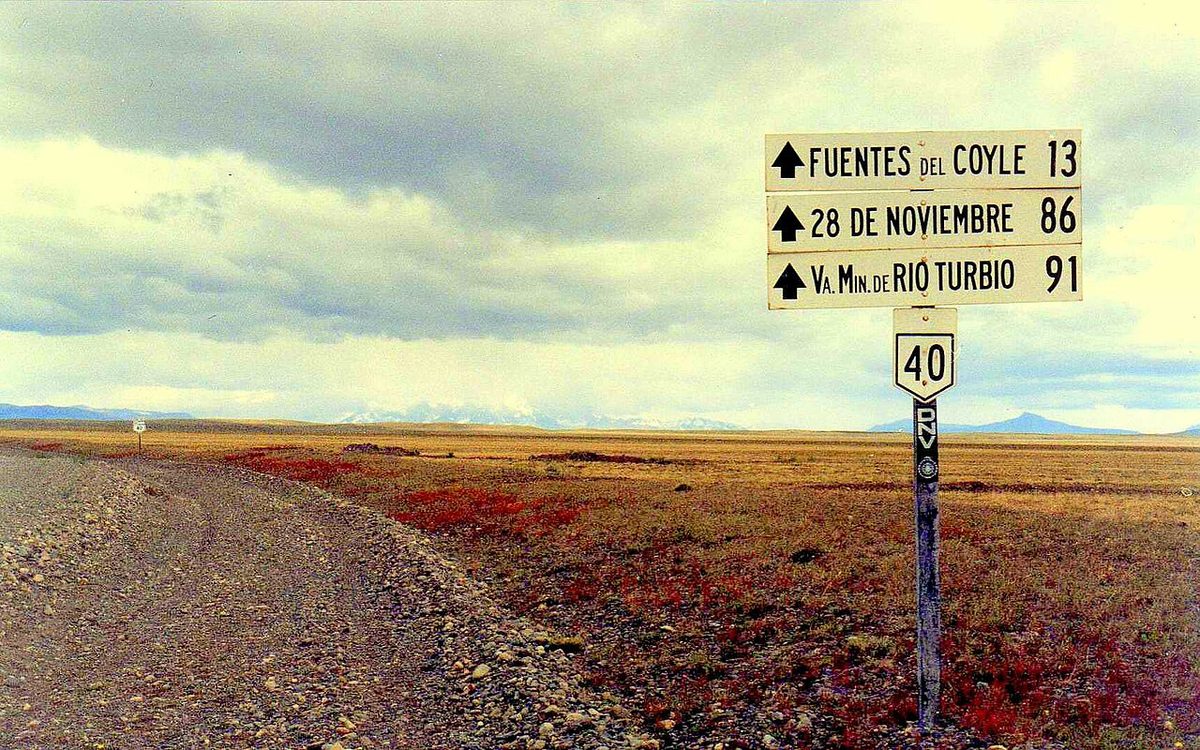
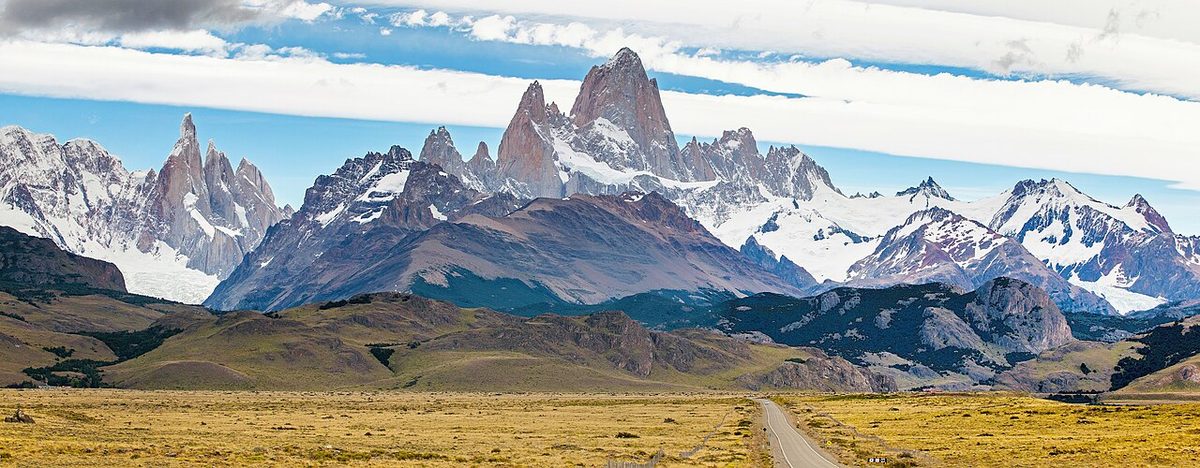
0 — 2 km Fig. 1 · The paved Ruta 40 crossing the Patagonian steppe on the El Calafate to El Chalten drive · Photo: Martin St-Amant (S23678) / CC BY-SA 3.0 via Wikimedia Commons
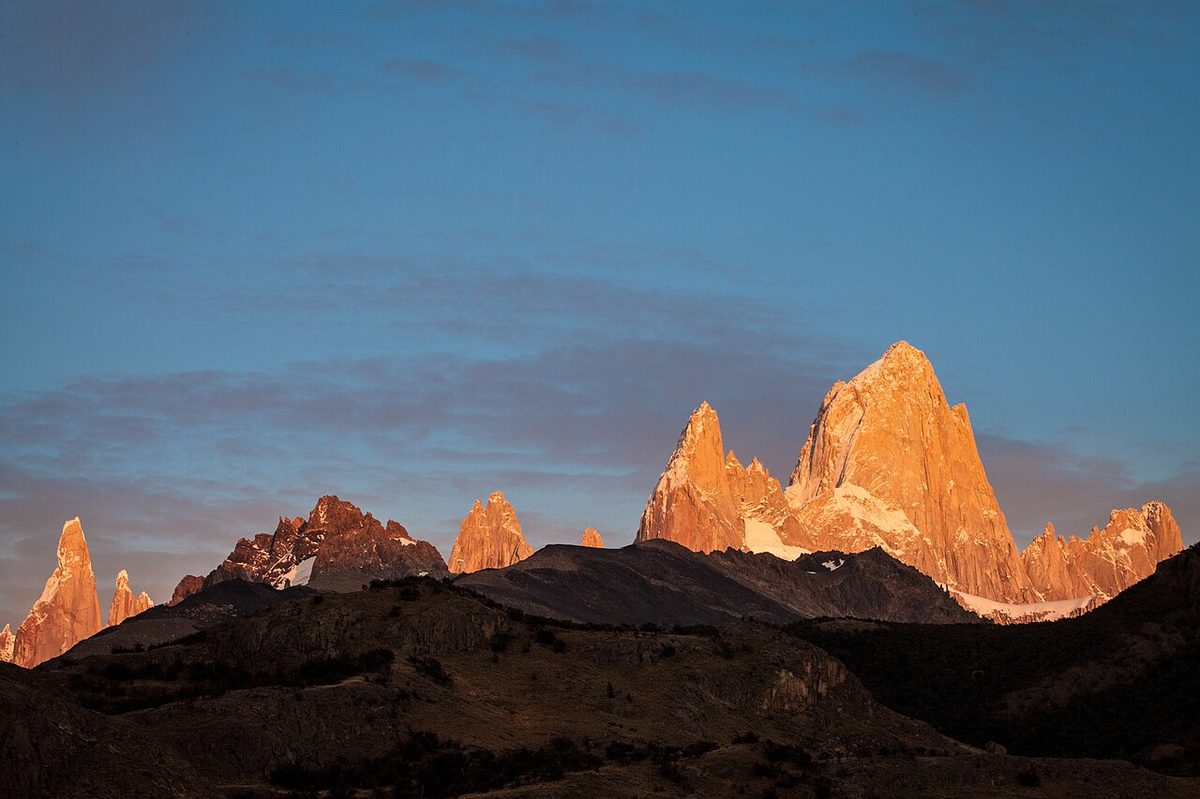
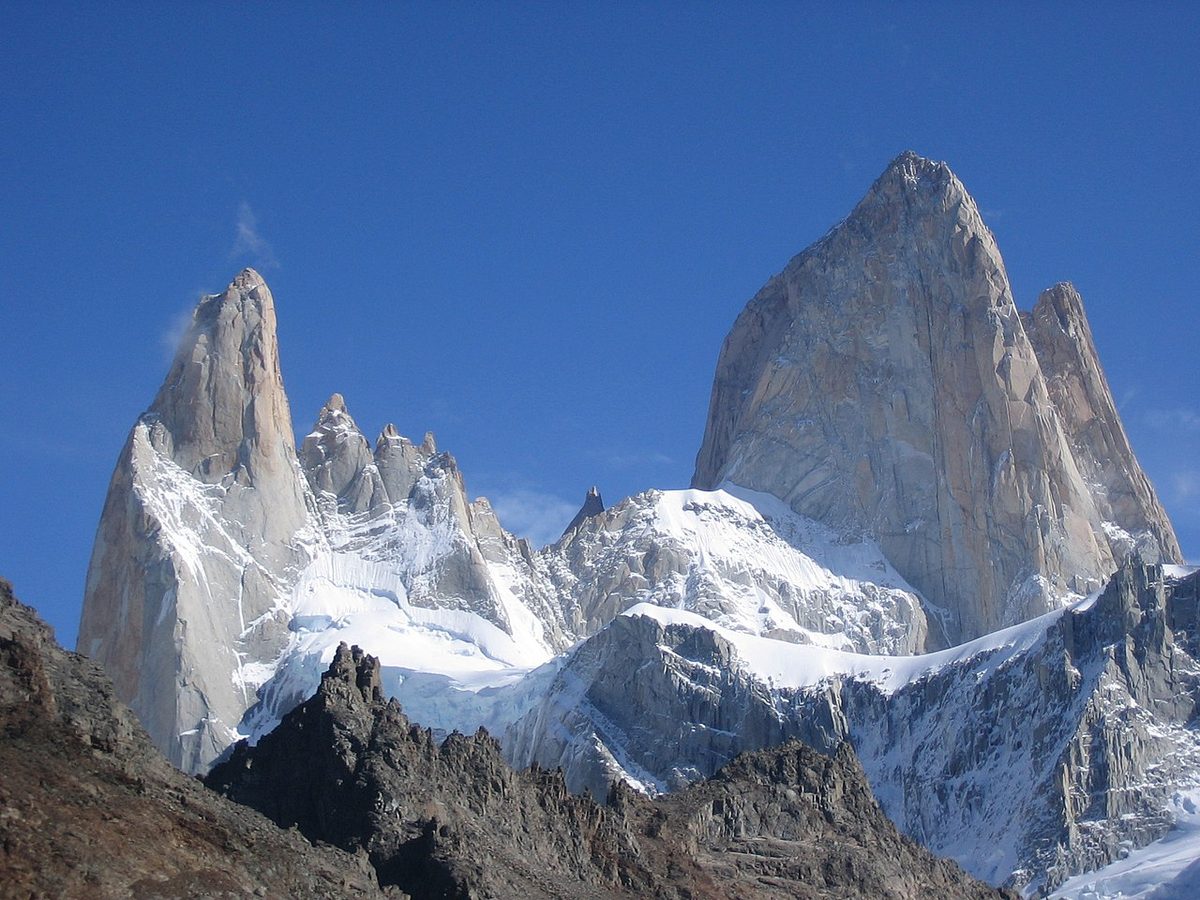
The first time I made this trip, I spent the whole bus ride worried I had booked it wrong. Three hours felt like a lot for two towns that sit so close together on the map. By the time the bus rounded the last bend and the Fitz Roy range filled the windshield, I understood. This is not a transfer to rush. It is the on-ramp to the best hiking in Argentine Patagonia.
Getting from El Calafate to El Chalten is genuinely easy, which is rare in this part of the world. But the easy part hides one real decision that trips people up, and I want to get it right with you before you book anything.
Quick answer: how to get from El Calafate to El Chalten
The easiest way to get from El Calafate to El Chalten is the bus: roughly a 3-hour ride, about 215 km up Ruta 40, with several daily departures from the El Calafate terminal and the airport. A one-way ticket runs around US$30 to US$45. Self-drive and private transfers also work. Do not treat it as a day trip if you want Fitz Roy.
That last sentence is the one most guides bury, so I will say it plainly here: El Chalten is a place to sleep, not to visit between buses. More on why below.
This guide is for anyone planning the El Calafate-to-El Chalten leg of a Patagonia trip and trying to decide between the bus, a rental car, a private transfer, or a day tour. I will cover the route, every realistic option with current-ish prices and schedules, the honest day-trip verdict, how long to actually stay, and the small logistics that make the day smooth. If you are still mapping the whole region, start with how to get to and around Patagonia and the Patagonia itinerary planner.
At a glance: your options from El Calafate to El Chalten
Option
Time
Approx cost
Best for
Regular bus
About 3 hours
~US$30-45 one-way per person
Most travelers, solo, budget, simple
Private transfer (door to door)
About 3 hours
~US$120-220 per vehicle
Families, groups, lots of gear, fixed schedule
Self-drive rental car
About 3 to 3.5 hours
Car hire + fuel (varies)
Rio Electrico, Lago del Desierto, photo stops, flexibility
Full-day tour from El Calafate
~7 hours in town
Tour price varies
Seeing the town only, no serious hiking
Swipe to see all columns
Table 1
The bus is the default for a reason. It is cheap, comfortable, frequent in season, and drops you in the center of a town you can walk across in fifteen minutes. A car earns its keep only if you plan to drive beyond El Chalten itself. A private transfer is a comfort upgrade, not a necessity. And the day tour is the one option I would steer most hikers away from, which I will explain honestly later.
The route: El Calafate to El Chalten in context
El Chalten sits at the northern edge of Los Glaciares National Park, tucked under the Fitz Roy and Cerro Torre massifs. El Calafate is the regional hub to the south, home to the only nearby airport and the gateway to the Perito Moreno Glacier. There is no airport at El Chalten and no train. Everyone arrives by road, and that road comes from El Calafate.
Visit Argentina gives the distance as about 215 kilometers and says you reach El Chalten by private car or regular bus from El Calafate. The official El Chalten tourism site puts it at roughly 200 km from El Calafate’s Comandante Armando Tola International Airport and quotes about three hours of travel time along National Route 40 and the paved provincial access road into town.
In practice the drive looks like this. You leave El Calafate, join Ruta Nacional 40 (the famous RN40) heading north across open Patagonian steppe, then turn west onto the paved road that runs the final stretch to El Chalten. The whole corridor is sealed asphalt, there is no toll, and you do not need a 4×4 to reach the town. The scenery shifts from flat steppe and the milky-turquoise expanse of Lago Viedma to the first jagged silhouette of Fitz Roy on the horizon. On a clear day, that reveal is one of the great arrivals in South America.
It is worth knowing that route numbers get reported inconsistently online. Some sources name the final turnoff as Provincial Route 23, others reference Provincial Route 41 for the Rio Electrico area further up the valley. Do not overthink it. There is essentially one paved way in, it is well signed, and your bus driver or GPS will not be confused.
About halfway along Ruta 40, roughly 110 km from El Calafate where the road meets the La Leona river near Lago Viedma, sits a small historic roadhouse called Parador La Leona. Most buses stop here for fifteen or twenty minutes, and almost every self-driver pulls in too.
It is worth the pause. The parador dates to 1894, built by a family of Danish immigrants beside what was then a river ferry crossing. The name comes from a story locals love to tell: the explorer Francisco “Perito” Moreno was supposedly attacked here by a female puma, a “leona,” during an 1877 expedition, and the river took her name. Famous climbers used La Leona as a staging post before heading to Fitz Roy and Cerro Torre. Today it is a cozy resto-bar known for its cakes and its photogenic riverside setting, and it has been declared provincial historical heritage.
Have a coffee and a slice of cake, stretch your legs, take the photo. Then get back on the road. It is the kind of stop that turns a transfer into part of the trip.
El Calafate to El Chalten by bus
For most travelers, the bus is the answer. It is the option I have used most, and it is the one I recommend to friends who are not renting a car for the wider trip.
Operators
Three companies run the regular line between El Calafate and El Chalten, and the official El Chalten tourism page lists them clearly:
Chalten Travel (Av. San Martin 724) — a long-running Patagonian operator with daily departures and onward sleeper connections north to Los Antiguos, Esquel, El Bolson and Bariloche in summer.
Cal-Tur (Caltur) — decades on the route, with several daily departures plus regular service to the Perito Moreno Glacier.
TAQSA (also branded Marga / Taqsa) — wide Patagonia network, with a direct airport-to-El Chalten connection and onward links across Santa Cruz and into Chile.
There is also Las Lengas, which focuses on door-to-door shuttle service direct from El Calafate airport to your El Chalten hotel rather than the terminal-to-terminal line. It is a useful middle ground between a bus and a private transfer.
Honestly, you do not need to agonize over which company to pick. Service levels are similar: air conditioning, a toilet, reclining seats and luggage storage. Choose by the departure time that fits your day.
Schedule
The corridor is well served, especially in the October-to-April high season. Per the official schedule (last updated December 1, 2025), departures from El Calafate to El Chalten run across the operators at roughly 08:00, 09:00, 10:00, 12:00, 12:30, 14:00, 14:30, 16:30, 18:00 and 20:00, with many buses also picking up at the airport about twenty minutes after the town stop. Return departures from El Chalten to El Calafate run at roughly 08:00, 11:30, 12:30, 13:30, 14:00, 14:30, 18:00, 19:20 and 19:30, plus an early 03:00 service.
Chalten Travel’s own line, as an example, lists departures at 8:00, 11:00, 12:00, 14:30, 18:00 and 20:00, with returns at 8:00, 10:30, 11:30, 14:30, 18:00 and 19:30.
Two things to keep in mind. First, the official site notes at least two daily frequencies year-round, with several extra added in the tourist season, so winter has fewer options. Second, schedules shift seasonally and these specific times will drift, so treat them as a planning guide and confirm with the operator when you book. The bus ride takes about three hours, a touch longer than driving because of the La Leona stop.
Fares and the terminal tax
Here is where I will give you the official numbers and then translate them. The El Chalten tourism site lists a one-way ticket at AR$50,000 per person, plus a small AR$2,000 municipal terminal-use tax that you pay at the El Chalten bus terminal (Window 7, from 7:00 a.m.). In US dollar terms, booking aggregators currently quote roughly US$30 to US$45 one-way, depending on operator and season.
Argentina’s peso moves a lot, so any fare you read today is a snapshot. Older blog posts still quote US$18 to US$30, and that gap tells you everything about why you should verify the current price rather than budget off a number from two years ago. The good news: even at the higher end, this is an inexpensive leg.
You can buy tickets online through each operator, or in person at the El Calafate terminal with cash or card. In the December-to-February peak, buses do sell out, so book a few days ahead. Outside high season you have more slack, but I still like locking in a morning departure.
The terminals (and a seat tip)
The El Calafate bus terminal sits on the edge of town, about a twenty-minute walk from the center. Taxis are not something you flag down easily in El Calafate and ride-hailing apps basically do not operate there, so arrange a taxi in advance or budget time for the walk with your bag.
At the El Chalten end, the terminal is right at the entrance of town. Here is a detail first-timers do not expect: buses typically stop first at the El Chalten Welcome Center, where everyone files off into an English- or Spanish-language room for a short, genuinely useful national park briefing on rules and safety. The rangers hand out trail maps and point you toward the trailheads. Then you reboard for the short hop to the terminal. Build a few extra minutes into your arrival for this.
One last tip that pays off on a clear day: the best Fitz Roy and Cerro Torre views from the bus are on the driver’s (left) side traveling toward El Chalten. If you can, grab a front seat on the upper deck of a double-decker, or a front-row, driver’s-side seat. The driver gets the headline view; sit where you can share it.
Self-driving from El Calafate to El Chalten is straightforward and scenic. The question is whether you actually need the car once you arrive.
The route and conditions
The drive is about 200 to 220 km and takes roughly three to three and a half hours at a relaxed pace with stops. You pick up the car in El Calafate town or at the airport, head out on the provincial road to Ruta 40, turn north, and follow RN40 before turning onto the paved access road to El Chalten. It is sealed the whole way, there is no toll, and a standard sedan handles it fine. The road is simple enough that even drivers new to Patagonia manage it comfortably.
Two practical notes. Mobile signal is patchy across the steppe, so download offline maps before you leave. And most rental cars in Argentina are manual transmission, so if you can only drive an automatic, reserve well ahead and expect to pay more.
Fuel: fill up before you leave
This is the one self-drive fact you cannot ignore. There are no gas stations between El Calafate and El Chalten. None. You fill your tank in El Calafate before you set off, and you refuel at the single gas station in El Chalten once you arrive.
Do not count on Parador La Leona for fuel; it is a cafe and roadhouse, not a service station. A full tank from El Calafate covers the round trip comfortably, but if you plan to drive further north on Ruta 40 or out to remote trailheads, plan your fuel deliberately and top up whenever you can.
Do you actually need a car?
This is the honest part. For the classic El Chalten experience, you do not need a car. The famous hikes start from the edge of town, so a rental car would mostly sit parked outside your guesthouse while you walk to the trailheads. I cover this in detail in the notes on trekking from El Chalten, but the short version is that Laguna de los Tres, Laguna Torre, Laguna Capri, Los Condores and the town trails are all walk-from-town routes.
A car makes real sense if you want to reach the Rio Electrico portal, drive out to Lago del Desierto north of town, chase the best light for photography, or string El Chalten into a bigger self-drive loop. If that is your trip, rent the car. If you just want to hike the headline trails and relax in town, skip it and take the bus. You can always arrange a local transfer or remis (a hired car-with-driver) for the occasional outing.
One-way vs round trip
If you are flying in and out of El Calafate, you have two clean shapes. Drive a round trip from El Calafate, basing in El Chalten for several nights and returning when you are done. Or, less commonly, do a one-way rental if your itinerary continues elsewhere, though one-way drop fees and limited El Chalten rental desks can make this fiddly. Most people doing the El Calafate-El Chalten loop simply drive there and back, or skip the car entirely and bus it.
Private transfers from El Calafate to El Chalten
A private transfer is the comfort option. A driver collects you from your El Calafate hotel or the airport and delivers you to the door of your El Chalten accommodation, no terminals, no luggage juggling, on a schedule you choose.
The official El Chalten transfer directory lists a long roster of operators running minivans, 4x4s and cars, including Las Lengas, Don Atilio, Via Chalten, El Chalten Transfers, MyR Transfer and Martin Transfer, among others. Many also offer scenic detours, airport meet-and-greet, and connections onward to Lago del Desierto or even the Perito Moreno Glacier.
Pricing depends on vehicle and season, but expect roughly US$120 to US$150 for a standard car and up to US$160 to US$220 for larger or premium vehicles. Split among a family or a group of four, that gets surprisingly competitive with four individual bus tickets once you factor in the convenience and the door-to-door pickup.
I would book a private transfer if I were traveling with kids, hauling a lot of hiking gear, arriving on an awkward flight, or simply valuing a relaxed, private start to the trip. For a solo traveler or a couple on a budget, the bus is hard to beat.
Is a day trip to El Chalten from El Calafate worth it?
Here is the honest verdict, because this is the decision that quietly ruins itineraries.
Can you visit El Chalten as a day trip from El Calafate? Yes, technically. Take the 8:00 bus, arrive around 11:00, take the roughly 18:00 bus back, and you have about seven hours in town. Plenty of tour operators sell exactly this as a full-day excursion, and if your only goal is to see the village, breathe the mountain air, and walk a short trail, it can be a lovely day.
But should you, if Fitz Roy is the reason you came? No.
Do the math. With seven hours on the ground, you can comfortably do the short, flat options: Mirador de los Condores, the Chorrillo del Salto waterfall walk, or a partial out-and-back toward Laguna Capri and the Fitz Roy viewpoint. What you cannot do is the hike most people actually dream about. Laguna de los Tres, the classic Fitz Roy hike, runs eight to ten hours round trip. You would need superhuman pace to do it and still catch the last bus, and you would spend the whole day racing instead of looking up.
Two more honest problems with the day trip. First, daylight. Patagonian summer days are gloriously long, with light past 10 p.m. in December and January, which is part of why day trips feel feasible then. In the shoulder and winter months, your return bus leaves in the dark and your window shrinks. Second, weather. Fitz Roy hides behind cloud for days at a time and then appears for twenty minutes at sunset. A day-tripper who lands on a grey day has spent six hours on buses to stare at clouds. Someone staying three nights just waits for the good morning.
So my recommendation is firm: do not day-trip El Chalten if you can possibly avoid it. Sleep there. The whole character of the place rewards people who slow down, and you have already done the hard part by getting there.
How long should you actually stay in El Chalten?
If the day-trip section convinced you of anything, let it be this: base yourself in El Chalten for at least two to three nights, and ideally more.
The reasoning is all about weather and the long hiking days. With two nights you get one full hiking day, which is a bet on the forecast. With three nights you get two full days, enough for one big Fitz Roy day plus a second hike, and far more resilient if the first day is socked in. Our El Chalten and Fitz Roy hiking guide makes the case for three to four nights if Fitz Roy views matter, and I agree. For a deeper breakdown by trip length, see how many days to spend in El Chalten.
A common and sensible split for a one-week southern Patagonia trip is two nights in El Calafate for the Perito Moreno Glacier and three or four nights in El Chalten for hiking. Perito Moreno is extraordinary but it is a half-day outing that does not depend on a single summit being visible. Fitz Roy is moody and deserves the buffer. If you want help wiring the whole thing together, the 7-day Patagonia itinerary and 10-day Patagonia itinerary lay out realistic night-by-night plans.
A quick myth to retire while we are here: you may read older posts claiming El Chalten’s hikes are all free. That used to be true. As of the official sources, the town itself is free to enter, but the trails into the park toward Fitz Roy and Cerro Torre now require a paid national park ticket. Visit Argentina confirms a ticket is required for those trails, with three entry portals, and the Argentina National Parks fee page lists current rates. Budget for it and check the latest fee before you go.
Practical tips for the El Calafate to El Chalten trip
A handful of small things make this leg smoother:
Book ahead in peak season. From December to February, buses fill. Reserve a few days out, especially for a morning departure.
Time your arrival as a half day, not a hiking day. By the time you ride three hours, check in, buy food and get a briefing, the day is mostly gone. Plan a short walk like Los Condores or Chorrillo del Salto, not Laguna de los Tres, for arrival afternoon.
Carry cash. El Chalten is only lightly on the card system, and you will want pesos for food, the terminal tax, and small purchases. There is an ATM by the bus station, but it can run dry.
Buy trail food before you walk. El Chalten’s shops sell excellent pre-made sandwiches and boxed lunches. There is nowhere to buy food once you are on a trail.
Download offline maps and any tickets. Signal is patchy on the road and in the park. Keep your bus ticket and park ticket accessible offline.
Pack a layer in your day bag, not your checked luggage. The bus drops you into mountain weather that can change fast. You want your shell and a warm layer reachable on arrival.
Get your park ticket sorted. Since the trails are now paid, check the current fee and buy through the official channel rather than relying on outdated “it’s free” advice.
I have made the El Calafate to El Chalten trip by bus and by car, and I would happily do either again. The bus is the easy, cheap, sociable default, and for most people it is simply the right call. A car opens up the valleys beyond town if that is your kind of trip. A private transfer buys comfort that families and groups will appreciate.
The only mistake I would actively warn you against is treating El Chalten as a tick-box day trip. The towns are close, the road is good, and that ease can fool you into thinking a few hours is enough. It is not. Fitz Roy does not perform on cue. Give yourself the nights, let the mountain show itself when it is ready, and this short, scenic three-hour leg becomes the doorway to the best part of your Patagonia trip rather than a frantic round trip you half remember.
Get the bus booked, fill the tank if you are driving, and save your energy for the trails. El Chalten is worth staying for.
Last fact-check: June 3, 2026. Bus schedules, fares and park fees change with the season and with Argentina’s currency, so verify current details with the operators and the official National Parks site before you travel.
El Calafate to El Chalten FAQ
How long does the bus from El Calafate to El Chalten take?
The bus takes about three hours, occasionally closer to four, covering roughly 215 km up Ruta 40. It runs slightly longer than driving because most buses pause for fifteen to twenty minutes at the historic Parador La Leona, about halfway. Driving yourself takes around three to three and a half hours with stops.
How much does the El Calafate to El Chalten bus cost?
The official El Chalten tourism site lists a one-way ticket around AR$50,000 plus a small AR$2,000 municipal terminal tax. In US dollars, aggregators currently quote roughly US$30 to US$45 one-way. Argentina’s peso shifts quickly, so confirm the current fare when you book rather than relying on older figures.
Is El Chalten worth a day trip from El Calafate?
For seeing the village and walking a short, flat trail, a day trip is feasible and can be enjoyable. For serious hiking it is not worth it. With about seven hours in town you cannot do the Laguna de los Tres Fitz Roy hike and catch the last bus. If Fitz Roy is your goal, stay at least two to three nights instead.
Can you do the Fitz Roy hike as a day trip from El Calafate?
Not realistically by bus. The Laguna de los Tres hike to the classic Fitz Roy viewpoint runs eight to ten hours round trip, and the day-trip bus window only gives you about seven hours in El Chalten. You would need to base yourself in El Chalten overnight, or drive very early, to hike Laguna de los Tres properly.
Do you need a car to get from El Calafate to El Chalten?
No. The bus is frequent, cheap and easy, and El Chalten’s main hikes start from the edge of town, so a car often just sits parked. Rent a car only if you want to reach the Rio Electrico portal, drive to Lago del Desierto, chase photography light, or combine El Chalten into a wider self-drive route.
Are there gas stations between El Calafate and El Chalten?
No. There are no fuel stations on the road between the two towns, and Parador La Leona is a cafe, not a service station. Fill your tank in El Calafate before you leave, and refuel at the single gas station in El Chalten once you arrive. A full tank covers the round trip comfortably.
Is the road from El Calafate to El Chalten paved?
Yes. The entire corridor along Ruta 40 and the provincial access road into El Chalten is paved and in good condition, with no toll. You do not need a 4×4 to reach the town in a standard car. Mobile signal is patchy across the steppe, so download offline maps before you set off.
Where do the El Calafate to El Chalten buses leave from?
Buses depart from the El Calafate bus terminal on the edge of town, about a twenty-minute walk from the center, and many also pick up at the airport. Arrange a taxi in advance, as ride-hailing apps do not operate locally. In El Chalten, buses stop at the Welcome Center for a park briefing before continuing to the terminal at the town entrance.
Should I book the El Calafate to El Chalten bus in advance?
In the December-to-February high season, yes. Several companies run the route, but buses do sell out, so reserve a few days ahead, particularly for popular morning departures. Outside peak season you have more flexibility, though booking a morning bus still gives you the most daylight to settle into El Chalten on arrival day.