The best things to do in El Calafate beyond Perito Moreno: Laguna Nimez, Glaciarium, estancia days, Patagonian lamb, easy walks, and rainy-day picks.
By Patagonia Tourism Guide · First published 11 Aug 2026 · Updated 1 Aug 2026
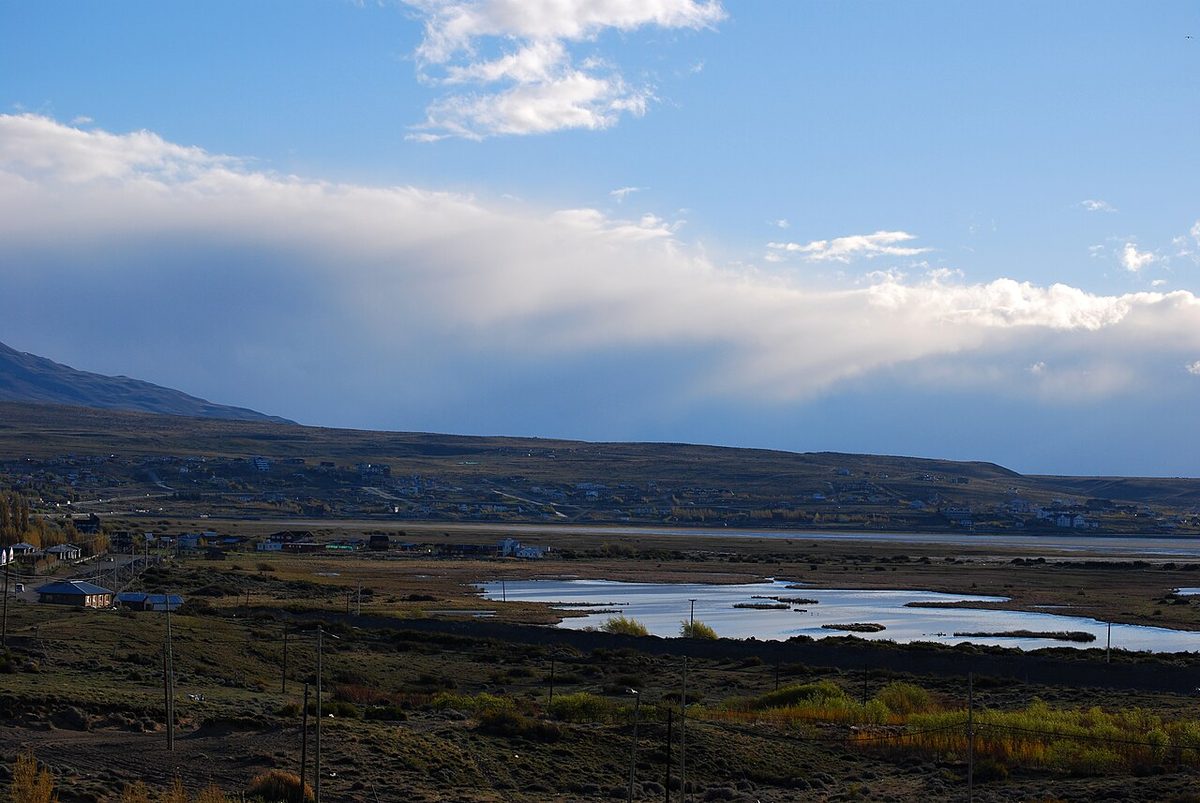
0 — 2 km Fig. 1 · Avenida del Libertador and the town of El Calafate, Patagonia, with the steppe beyond · Photo: Fernando de Gorocica / CC BY-SA 4.0 via Wikimedia Commons
Almost everyone arrives in El Calafate for one reason, and you probably know what it is. Perito Moreno Glacier is the headline, and it deserves to be. But the glacier has its own guides, and the best things to do in El Calafate are not all out at the ice. This is a town with more going on than a single day trip.
I have watched too many travelers treat the place as a bus stop with an ice wall attached, then end up with a spare afternoon, a windy “rest” day, or a flight that does not leave until evening, and no idea what to do with the gap. That gap is where El Calafate quietly gets good, once you stop thinking of the glacier as the whole town.
The best things to do in El Calafate beyond the glacier are the Laguna Nimez nature reserve for flamingos and an easy walk by town, the Glaciarium ice museum, a day at a working estancia with horses and Patagonian lamb, the Lago Argentino shoreline, and the town’s own food scene on Avenida del Libertador. Most are easy, and several work in bad weather.
This guide is for the second and third days, the rest days, the wind-and-rain days, and anyone who wants El Calafate to be more than a glacier and a hotel. If you still need to plan the glacier itself, start with the breakdown of visiting Perito Moreno.
At a Glance: Things to Do in El Calafate Beyond Perito Moreno
Here is the quick triage version. Use it to match an activity to the kind of day you have, then read the section that fits.
Thing to do
Type
Effort / time
Laguna Nimez Nature Reserve
Nature, birds, easy walk
Easy, around 1.5 hours
Bahia Redonda promenade & Lago Argentino shore
Nature, walk, photos
Easy, 30 min to 2 hours
Glaciarium ice museum & GlacioBar
Museum, indoor
Easy, around 1.5-2 hours
Historical Interpretation Center
Museum, indoor
Easy, around 2 hours
Estancia day (Nibepo Aike, Cerro Frias)
Culture, food, horses
Half to full day
Estancia Cristina + Upsala by boat
Boat, hiking, history
Full day
Avenida del Libertador (food, shops, beer)
Town, food
Flexible, 1-3 hours
Patagonian lamb dinner
Food
Evening, 1.5-2 hours
Walichu Caves
Light history, short stop
Easy, around 2 hours
Cerro Frias 4×4 / horseback
Steppe, soft adventure
Half day
La Leona Petrified Forest
Guided hike, geology
Full day
Kayaking (La Leona / Santa Cruz River)
Active, water
Half to full day
Lago Argentino catamaran (Upsala, Spegazzini)
Boat, glaciers
Full day
Swipe to see all columns
Table 1
Treat every duration and price in this guide as “around.” Patagonia opening hours, shuttle times, and Argentine prices move quickly, so check current details locally before you commit a day to any one thing.
Nature and Wildlife in and Around El Calafate
You do not have to drive 80 kilometers to a glacier to find Patagonian nature here. Some of it is a ten-minute walk from your hotel.
Laguna Nimez Nature Reserve (Flamingos, Right by Town)
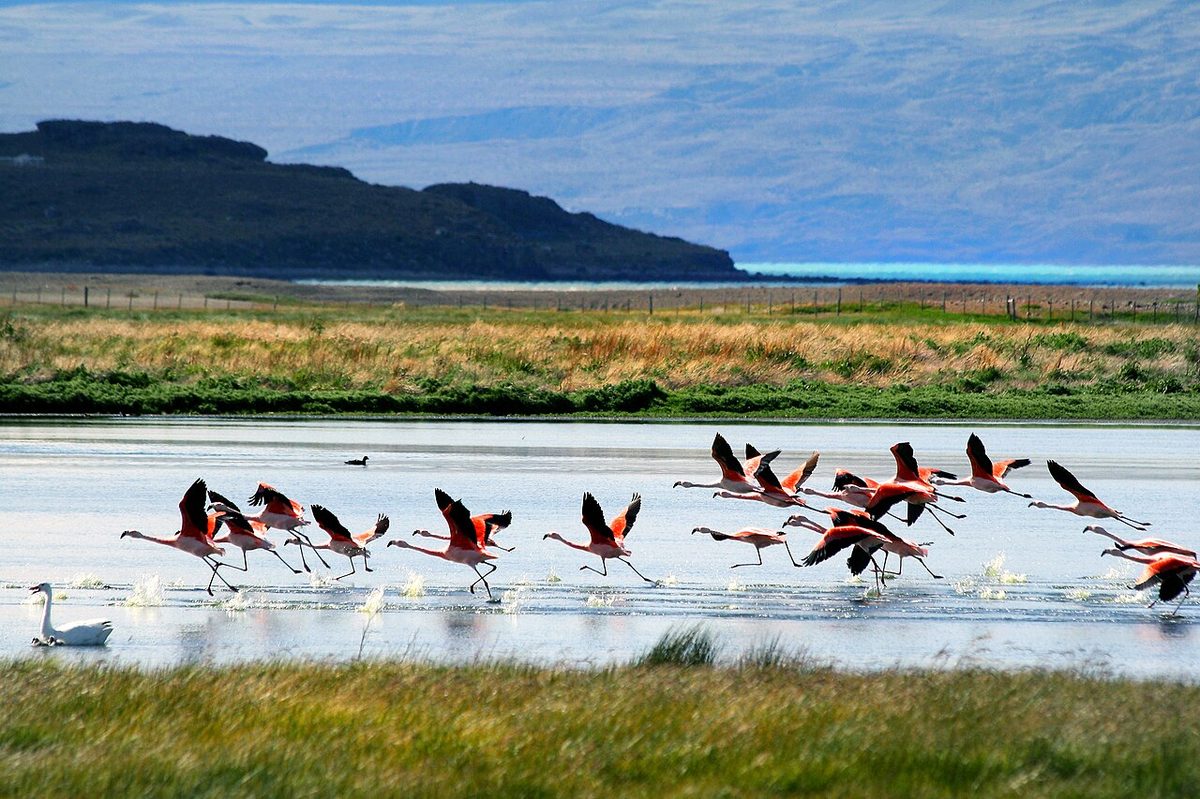
If you do one non-glacier thing in El Calafate, make it Laguna Nimez. It is a small wetland reserve on the edge of town, between the built-up streets and the shore of Lago Argentino, and it is the easiest wildlife you will find in southern Patagonia.
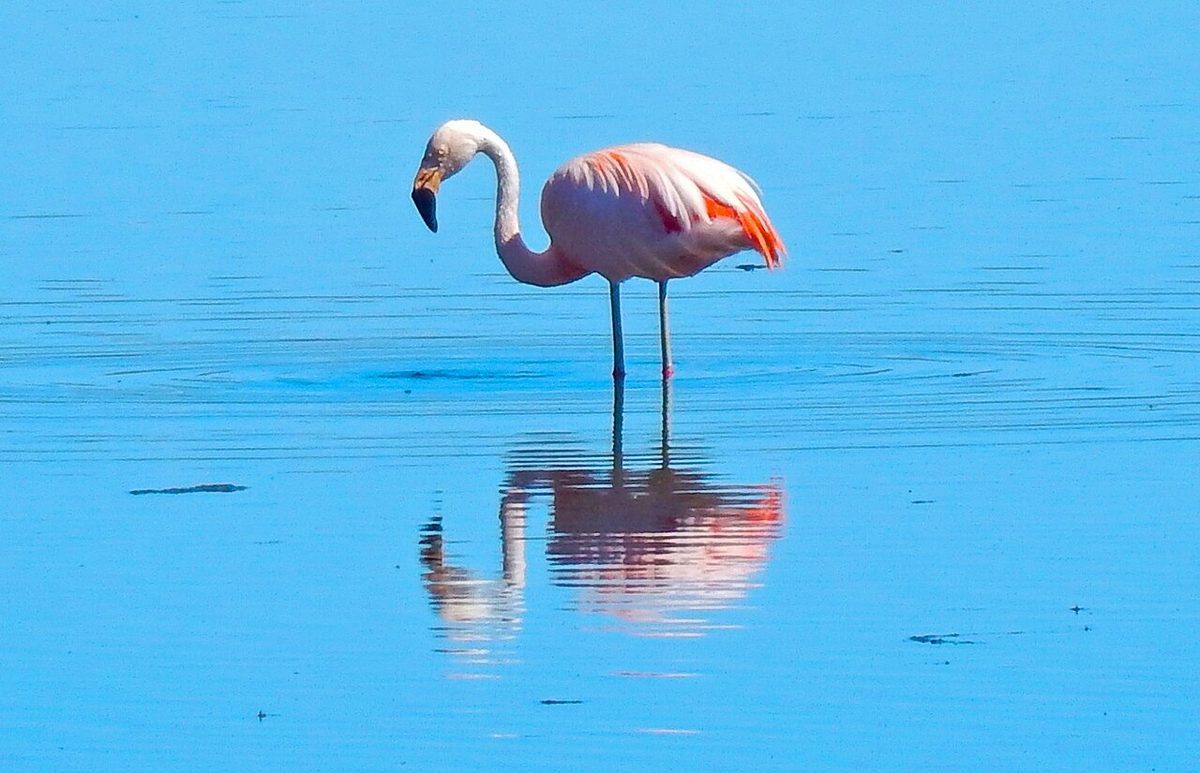
I did not expect flamingos this far south, and the first time I saw them wading in a Patagonian lagoon with the wind flattening the grass, it reset my idea of the place. Visit Argentina lists Laguna Nimez among the things to do in the city itself, and other sources put the resident and migratory bird count at around 80 species, including flamingos and black-necked swans. Spring and summer are best, because many of the birds are migratory.
The practical part:
It is a self-guided loop, roughly 3 kilometers of flat trail and boardwalk, with information boards along the way.
Give it around an hour and a half, more if you want to use the access down to the Lago Argentino beach.
There is a visitor center where you pay and where you will find restrooms and picnic tables.
It is not free, and like most things in El Calafate it costs more for non-residents. Bring a little cash.
Go on a calm morning if you can. Wind makes the birds hunker down and makes the walk less pleasant.
This is the rare El Calafate activity that fits into a half-day, a slow morning, or even the hours before an afternoon flight. Bring binoculars if you have them.
Lago Argentino Shore and the Bahia Redonda Promenade
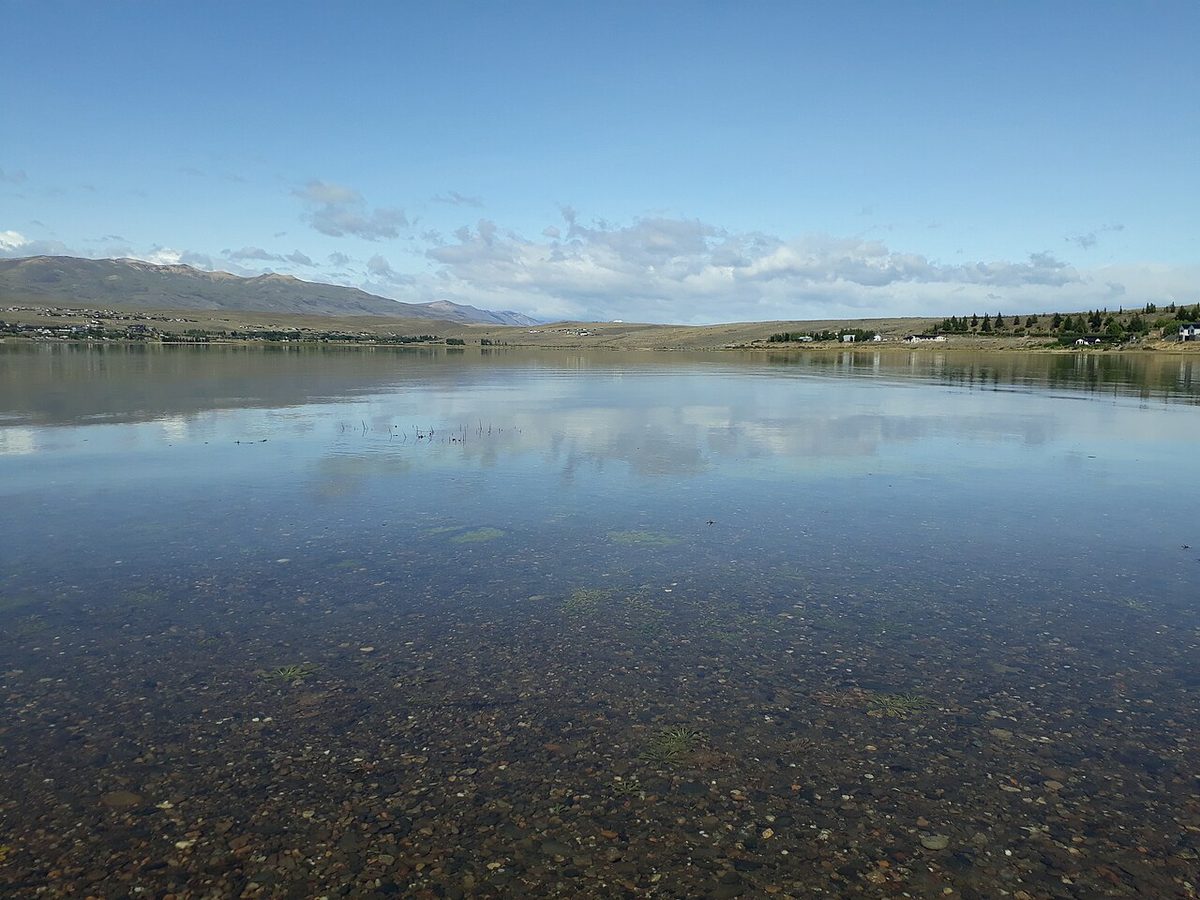
El Calafate sits on the southern shore of Lago Argentino, the largest lake in Argentina, and the water is an almost unreal turquoise. You can walk to it from town.
The Bahia Redonda promenade is the easy, free version: a lakeside walk with viewpoints, good for birds, and home to the big “El Calafate” letters that everyone photographs. Visit Argentina specifically points visitors to the Bahia Redonda promenade for that iconic photo and the lake views.
Go at sunset. The light on the water and the steppe behind it is the kind of thing you do not need a tour for. On a windless evening it is one of the nicer free hours in town.
The Glaciarium: El Calafate’s Best Bad-Weather Pick
The Glaciarium is a proper glacier museum a few kilometers outside town, and it is the activity I most often recommend for a windy or rainy day, or for the day before you actually see Perito Moreno.
Visit Argentina describes it as an interpretive center dedicated to glaciers and their ecosystems, around 6 kilometers from El Calafate, reachable by public transport or private vehicle, with interactive exhibits on glacier formation and the impact of climate change, plus the GlacioBar made entirely of ice. Plan on roughly one to two hours.
A few things I have learned from travelers about the Glaciarium:
See it before the glacier if you can. You will understand what you are looking at on the walkways far better once you have seen how the Southern Patagonian Ice Field works.
There are usually free shuttles from a meeting point in town, running roughly hourly, which means you do not need a car. Confirm the current schedule before you go.
The GlacioBar is a gimmick, but a fun one. They hand you a parka and you drink from a glass made of ice, inside a room kept below freezing. With kids, it is a hit.
It is genuinely indoor. When the wind is howling off the steppe and the glacier day got cancelled, this is where I would go.
It is not free, and prices change, so check current admission. For the responsible note on why the “Perito Moreno is an advancing glacier” line you may have read elsewhere is now out of date, the science is covered in the El Calafate trip planner. The Glaciarium itself is honest about glaciers changing, which is part of why it is worth your time.
Historical Interpretation Center and the Town Museum
If the weather is still bad and you have already done the Glaciarium, the Historical Interpretation Center is the other solid indoor stop. Visit Argentina lists it among the things to do in the city, for the region’s history and the origins of the glaciers.
It covers deep history, from dinosaur and megafauna fossils through the Tehuelche peoples and the arrival of European settlers, and it is genuinely good with children. Expect to spend around two hours. Hours are usually something like 10am to 6pm, but check locally. Its little café is a nice place to try mate, which you rarely get served in a restaurant.
There is also the Intendencia of Los Glaciares National Park, right in town, which is free, has some historical displays and gardens, and only takes 20 minutes or so. It is a small, easy filler rather than a destination.
Estancia Days: Gauchos, Horses, and Lamb
If you want the side of Patagonia that is not ice, spend a day at an estancia. These are the big sheep ranches of the steppe, and a “dia de campo” (day in the country) is one of the most rewarding non-glacier things to do in El Calafate. You usually get a horseback ride or a steppe walk, demonstrations of ranch life, and a long lunch built around Patagonian lamb.
Nibepo Aike is my default recommendation for a day at a ranch, because it sits inside Los Glaciares National Park on the shore of Lago Argentino, with views toward the Perito Moreno area, and it is close enough to be practical. A day visit typically includes a horseback ride and a traditional Patagonian lamb lunch. You can also stay overnight if you want the slow version.
The lamb is the point. Grass-fed Patagonian lamb, cooked slowly, is the dish that converts people who think they do not like lamb.
Cerro Frias
Cerro Frias is the soft-adventure estancia, around 23 kilometers from town on the road toward the national park. It runs 4×4 excursions up to steppe viewpoints, plus zip lining and horseback rides, and you have a decent chance of seeing guanaco on the way. It is a good half-day if you are short on time, on a travel day, or you want something different from the standard glacier circuit.
Estancia Cristina (and a Boat to Upsala)
Estancia Cristina is the dramatic, remote one. You reach it by boat across Lago Argentino from Puerto Bandera, sailing past icebergs with views of the Upsala Glacier, then combine a guided hike and the historic ranch. Some itineraries add the Cañadon de los Fosiles, a canyon strewn with marine fossils.
It is a full day and it is expensive, but it is the kind of place you genuinely cannot reach any other way. If you have a third or fourth day and you want one big, memorable outing that is not Perito Moreno, this is the one I would point you to.
El Calafate is not a wild outpost. It is a tourist town built to feed and outfit glacier visitors, and that is good news on a rest day or a wet afternoon, because the eating and pottering is genuinely enjoyable.
Avenida del Libertador
Visit Argentina calls Avenida del Libertador the heart of the city, lined with restaurants, souvenir shops, and accommodation, and that is exactly how it feels. It is the one street you will walk again and again. Browse the artisan market and the chocolate shops, pick up wool and crafts, and use it as your evening base.
Patagonian Lamb and Local Plates
In Patagonia, you skip the beef and order the lamb. Cordero cooked “a la cruz,” splayed on an iron cross over a low fire and roasted for hours, is the regional dish, and it is the reason the asado matters here.
For a proper lamb dinner, Don Pichon and La Zaina come up again and again from people who have eaten well in this town. If you want something more casual, look for a plate cooked “al disco,” the big steel-plough-disc cooking that Patagonian kitchens do well. None of this requires a tour. It just requires showing up hungry.
Calafate Berries, Ice Cream, and Beer
The town is named after the calafate berry, and the legend says that if you eat it you will return to Patagonia. The easiest way to test the legend is in dessert form.
Acuarela, on the main avenue, does a calafate-berry sorbet you will not easily find elsewhere in Argentina. The artisanal ice cream here is excellent.
Dulce Lugar, nearby, is the alfajor stop, with calafate and raspberry versions of the dulce-de-leche-filled cookie.
Argentina runs on craft beer, and Patagonia especially. La Zorra Taproom and Cervecería Chopen are good places to end a windy day. Patagonia also makes surprisingly good wine if beer is not your thing.
Not everything has to be a full-day excursion. Several things slot neatly into a half-day, which is exactly what you want around a glacier day or a flight.
Walichu Caves
The Walichu Caves are a short hop from town, around ten minutes out on Ruta 11 toward the airport. They hold reproductions and remains of cave paintings linked to the Tehuelche and their predecessors, the nomadic hunters who lived here long before the town existed. A visit takes around two hours, including the interpretation, and it is easy to do with your own car or a taxi.
Be honest with yourself about your interest level: if ancient rock art lights you up, you will enjoy it; if it does not, it is a modest stop, and the road out is partly gravel. It earns its place mainly as a short, sheltered thing to do on a windy day, or as a quick add-on the morning you head to the airport.
Kayaking and Active Half-Days
If you want to move, there is kayaking near El Calafate, usually on the La Leona River or as a longer paddle down the Santa Cruz River, often combined with a stop at the petrified forest. These run mostly in the warmer months and most are guided. They are a good way to swap a “rest” day for an active one without committing to a hard mountain hike.
For mellow exploring right in town, you can rent a bike for the day and ride the lakeshore. It is one of the cheaper ways to fill a few hours.
Calafate Mountain Park, with a Caveat
You will see Calafate Mountain Park, a viewpoint and small adventure area on the hill above town, on a lot of lists. I would manage your expectations. The view is decent, but the access road is rough and unpaved, and at least one careful recent visitor found the park appearing closed. If you are curious, ask locally whether it is currently open and accessible before you drive a rental car up there. There are easier viewpoints.
If you have three or four days in El Calafate, you have room for one big outing beyond the glacier. These are the ones worth the whole day.
Lago Argentino Catamaran to Upsala and Spegazzini
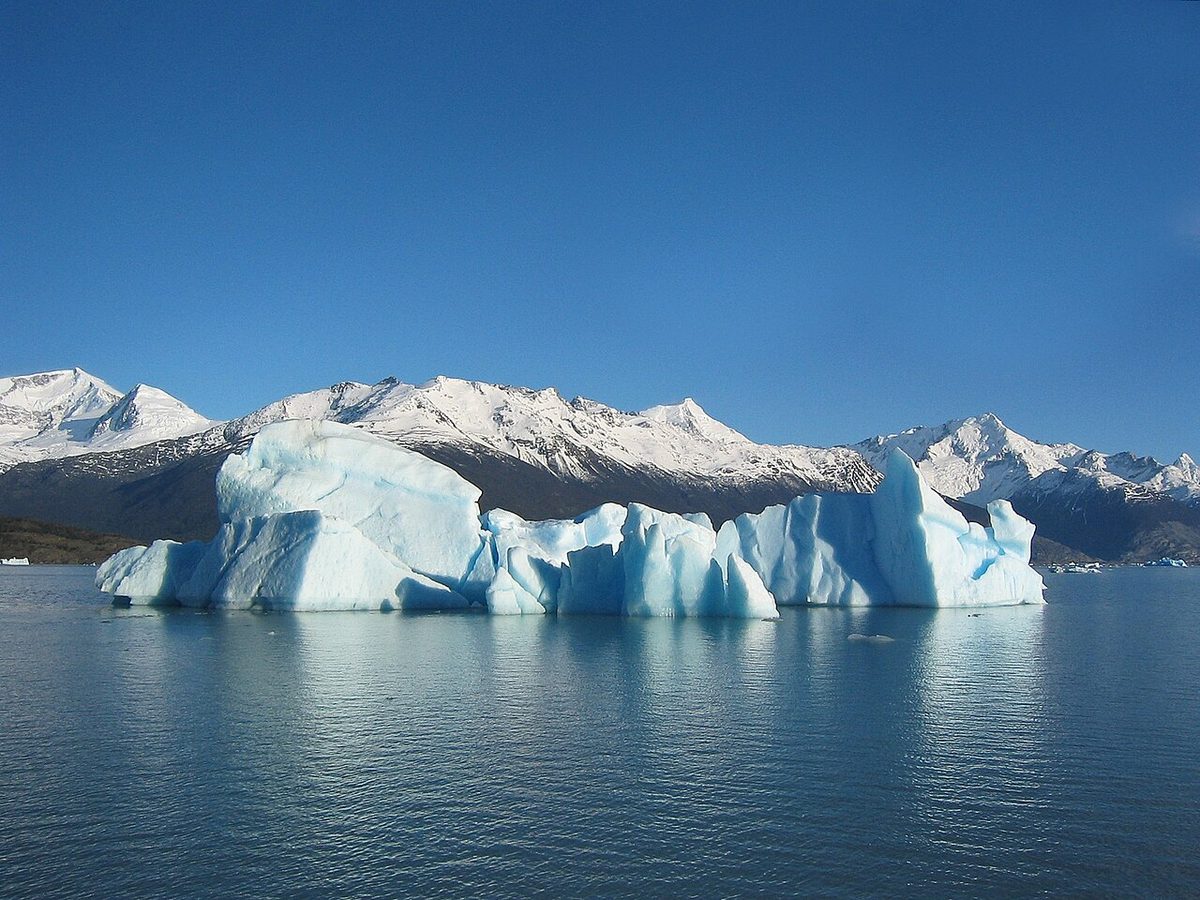
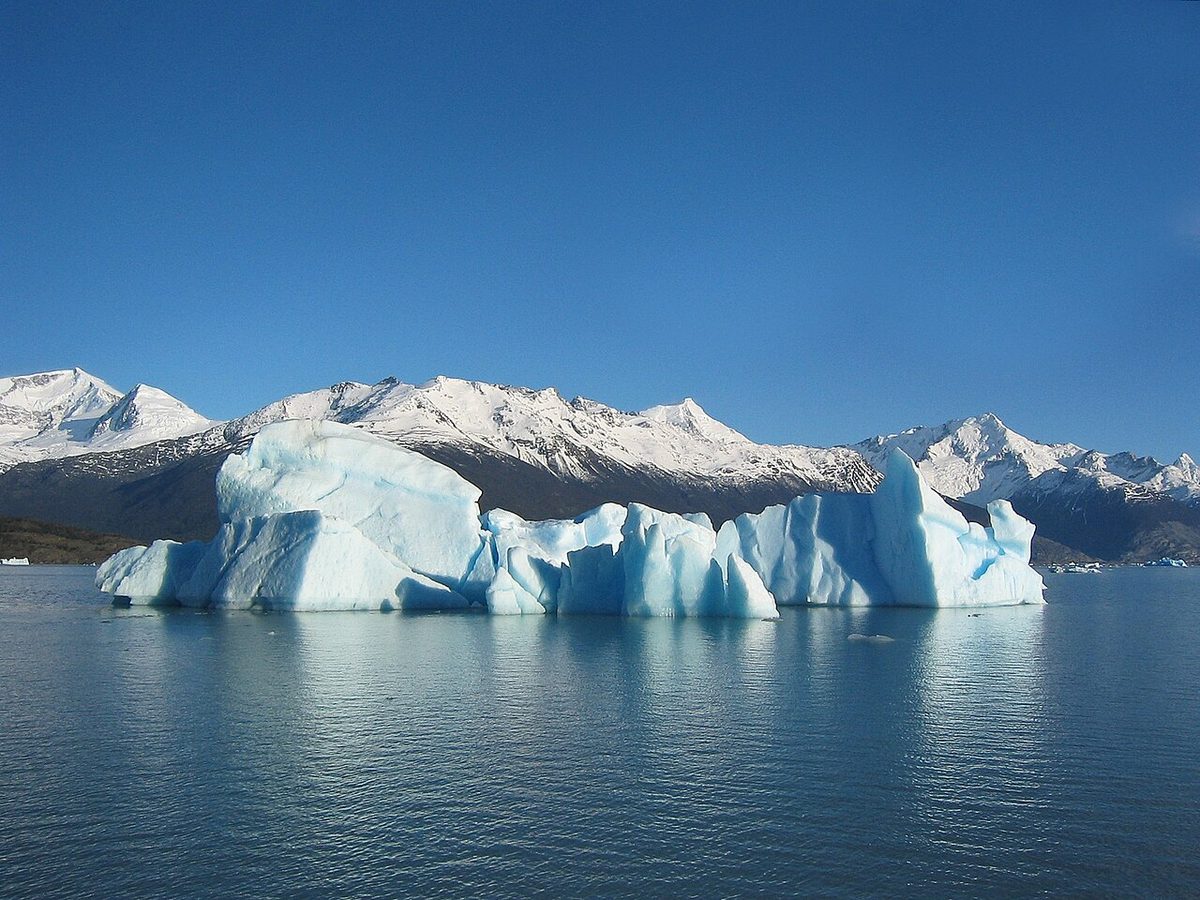
This is the classic “more glaciers, by boat” day. Visit Argentina describes catamaran excursions to glaciers such as Upsala, Spegazzini, and Viedma, running half-day (around 4-5 hours) or full-day (around 8-10 hours), departing from Puerto Bandera about 50 minutes from El Calafate. Upsala is the largest glacier in the park, and Spegazzini has walls up to around 135 meters high.
It is a different experience from standing in front of Perito Moreno. You trade the close-up wall for a long day on the water among icebergs and several glaciers. It belongs on a second or third day, not your only glacier day. The detail on the boat options lives in the Todo Glaciares tour guide.
La Leona Petrified Forest
About halfway between El Calafate and El Chalten, La Leona is an otherworldly landscape of petrified trees, some tens of millions of years old, scattered across a moon-like terrain. It is on private land, so you can only visit on a guided tour, usually with around three hours of hiking, and it generally runs from roughly October to April. Many tours also stop at the historic Hotel La Leona, where Butch Cassidy and the Sundance Kid reportedly hid out.
A neat trick: because La Leona is on the road to El Chalten, you can sometimes arrange to do the tour on a transfer day rather than backtracking. If El Chalten is on your route, see the El Calafate itinerary for how to sequence it.
Things to Do in El Calafate by Traveler Type
The right “extra” day depends entirely on who you are. Here is how I would steer different travelers.
Traveler type
Best beyond-the-glacier pick
Families with kids
Laguna Nimez, Glaciarium + GlacioBar, an estancia day
Rest-day traveler
Lago Argentino shore, town and food, a slow Laguna Nimez walk
Bad-weather day
Glaciarium, Historical Interpretation Center, town and lamb
Foodies
Patagonian lamb at Don Pichon or La Zaina, calafate-berry ice cream, craft beer
Active travelers
Kayaking, Cerro Frias 4×4/horseback, a bike day
Culture / history
Estancia day, Walichu Caves, the town museum
Bird and nature lovers
Laguna Nimez, Lago Argentino shore at dawn
Swipe to see all columns
Table 2
Families
El Calafate is easy with kids. Laguna Nimez is short, flat, and full of flamingos. The Glaciarium has interactive exhibits and the ice bar, which children love, and the Historical Interpretation Center has dinosaur and megafauna skeletons. An estancia day adds horses and a big lunch. For the wider family logistics across the region, see the Patagonia family trip guide.
Rest Days and Recovery
If you are using El Calafate to recover between hard hiking in El Chalten or Torres del Paine, do not over-program it. A slow morning at Laguna Nimez, a lakeside walk, lunch on Avenida del Libertador, and an early lamb dinner is a genuinely good day. That is the whole point of a rest day.
Bad-Weather Days
Patagonian weather will, at some point, hand you a day of wind and rain. The good news is that El Calafate has more indoor options than most Patagonian towns. The Glaciarium and the Historical Interpretation Center are both proper indoor experiences. The Walichu Caves give you shelter from the wind. And the town itself, with its cafés, chocolate shops, and lamb restaurants, is a pleasant place to wait out a storm. There is even a casino in the center if you want it, though it is mostly slot machines, so set expectations accordingly.
Foodies
Build a day around eating. Start with pastries and coffee, do something easy outdoors, then commit to a full lamb asado in the evening. Add calafate-berry ice cream and a craft beer and you have an itinerary that needs no booking and no early alarm.
How to Fit These Around Your Glacier Day
The most common question I get is not “what is there to do” but “how do I fit any of it in.” Here is the honest planning math.
If you only have 2 nights in El Calafate, the glacier eats your one full day, and your extra hours are the arrival evening and the departure morning. Use them for the close-to-town things: Laguna Nimez (around 1.5 hours), the Lago Argentino promenade, the town, a lamb dinner. Do not try to add a full-day boat trip or estancia on a 2-night stay.
If you have 3 nights, you get one full glacier day plus one full extra day. That extra day is where the estancia, the Upsala and Spegazzini catamaran, La Leona, or a kayak day fits. Pick one.
If you have 4 nights or more, you can do the glacier, one big full-day outing, and a slower town-and-nature day, with weather margin built in. That is the relaxed version, and it is great for families and non-hikers.
A few sequencing tips:
Do the Glaciarium before the glacier, not after, so you understand what you are seeing.
Laguna Nimez and the lakeshore are perfect for the morning before an afternoon flight, since you can do them on foot.
If you are continuing to El Chalten, slot La Leona into the transfer day rather than backtracking.
Most boat trips leave from Puerto Bandera, around 50 minutes from town, so they genuinely consume a whole day, including the drive.
For the bigger picture of how El Calafate fits a 7, 10, or 14 day trip, use the Patagonia itinerary planner, and to time your visit around weather and crowds, the advice on when to go guide is the place to start. If wildlife is a priority across your trip, the rundown of penguin and whale seasons covers what you can see and where.
The Torres del Paine day trip from El Calafate sounds tempting and is, in practice, brutal: roughly three and a half to four hours each way just to reach the park gate, which leaves very little time in one of the world’s great parks. If Torres del Paine matters to you, give it its own days from Puerto Natales rather than a punishing day trip.
El Chalten as a day trip has the same problem in miniature. It is around three hours each way, so a day trip gives you one rushed hike. El Chalten deserves its own nights. See getting to Perito Moreno from El Calafate and the El Calafate itinerary for how the region actually slots together.
Calafate Mountain Park I have already flagged: check it is open before you commit. The casino is fine if you like slots and not much more. And the Walichu Caves are a modest stop best kept for a windy hour, not a centerpiece.
None of this is to be negative. It is to keep your limited days pointed at the things that actually reward them.
Where to Stay and Getting Around
For almost everyone, stay in El Calafate town. You will be walking distance from Avenida del Libertador, the restaurants, the bus station, the tour pickups, and Laguna Nimez, and most excursions either pick up from town or meet centrally. The region-wide strategy is in hostels, refugios and estancias compared.
You do not need a rental car for most of the things in this guide. Laguna Nimez, the lakeshore, the town, and the museums are walkable or have shuttles, and the estancias, boat trips, and tours all provide transport. A car helps for Walichu, Cerro Frias, and flexible timing, but for a short stay it is rarely worth it. You will likely arrive and leave through El Calafate airport, which is close to town, so even an airport day can include a quick lakeside or Laguna Nimez stop.
Frequently Asked Questions
What is there to do in El Calafate besides the glacier?
Plenty. The strongest non-glacier options are the Laguna Nimez nature reserve for birds and flamingos, the Glaciarium ice museum, a day at a working estancia with horseback riding and Patagonian lamb, walking the Lago Argentino shore, a Lago Argentino catamaran to Upsala and Spegazzini, and eating and shopping in town on Avenida del Libertador.
Is El Calafate worth visiting for more than a day?
Yes, if you want more than the glacier. Two nights covers Perito Moreno comfortably, but a third or fourth night lets you add an estancia day, a boat trip to other glaciers, Laguna Nimez, the Glaciarium, and the town itself. Visit Argentina suggests around a week to enjoy the wider area’s highlights, including nearby El Chalten.
What can you do in El Calafate on a rainy or windy day?
El Calafate has good bad-weather options. The Glaciarium ice museum and the Historical Interpretation Center are both indoor and genuinely interesting, the Walichu Caves offer some shelter, and the town’s cafés, chocolate shops, craft-beer taprooms, and lamb restaurants make a wet afternoon easy to fill. There is also a casino in the center.
Is the Glaciarium worth it?
For most people, yes, especially before you see the glacier or on a bad-weather day. It is a well-made interpretive museum about Patagonian glaciers and climate change, around 6 kilometers from town with free shuttles, and it includes the novelty GlacioBar made of ice. Allow around one to two hours. Prices change, so check current admission.
Is Laguna Nimez worth visiting?
Yes, and it is one of the easiest things to do in El Calafate. It is a small reserve on the edge of town with a flat self-guided trail of around 3 kilometers, home to roughly 80 bird species including flamingos and black-necked swans. It takes about an hour and a half and is best on a calm morning. Bring a little cash and binoculars.
What food is El Calafate known for?
Patagonian lamb, cooked “a la cruz” on an iron cross over a slow fire, is the signature dish; Don Pichon and La Zaina are well-regarded spots. The town is also named after the calafate berry, which turns up in ice cream and alfajores, and Argentina’s craft-beer culture is strong here. Save the steak for Buenos Aires.
Can you see flamingos in El Calafate?
Yes. Laguna Nimez, the nature reserve on the edge of town, is the reliable place to see flamingos, along with black-necked swans and many other species. Spring and summer are best, because many of the birds are migratory, and a calm, non-windy morning gives you the best viewing.
Do you need a car to do things around El Calafate?
Usually not. The town, the Lago Argentino shore, Laguna Nimez, and the museums are walkable or have shuttles, and estancias, boat trips, and most excursions include transport from town or a central meeting point. A car helps for places like Walichu Caves and Cerro Frias and for flexible timing, but for a short stay it is rarely necessary.
Final Thoughts
El Calafate surprised me, and not because of the glacier. The glacier is exactly as advertised. What I did not expect was how good the in-between hours could be: flamingos a ten-minute walk from a town center, an ice bar to duck into when the wind turned vicious, a plate of lamb that genuinely changed my mind about lamb, and a turquoise lake glowing at sunset with nobody charging for the view.
So give the glacier its day, and then give El Calafate one more. Treat the second day as the town’s chance to show you the rest of itself, rather than as time to kill before a flight. Pick one outing that fits your weather and your legs, eat well, walk the lakeshore, and let the place be more than a stop on the way to ice.
When you are ready to plan the headline act, the El Calafate planning guide has the tickets, tours, and logistics.