Patagonia in Winter: Skiing, Ushuaia, Pumas and Snow (June-August)
Patagonia winter (June-August) is a different trip: skiing, Ushuaia, pumas, snow and fewer crowds. What's open, what's closed, and who it's for.
By Patagonia Tourism Guide · First published 3 Jul 2026 · Updated 21 Aug 2026
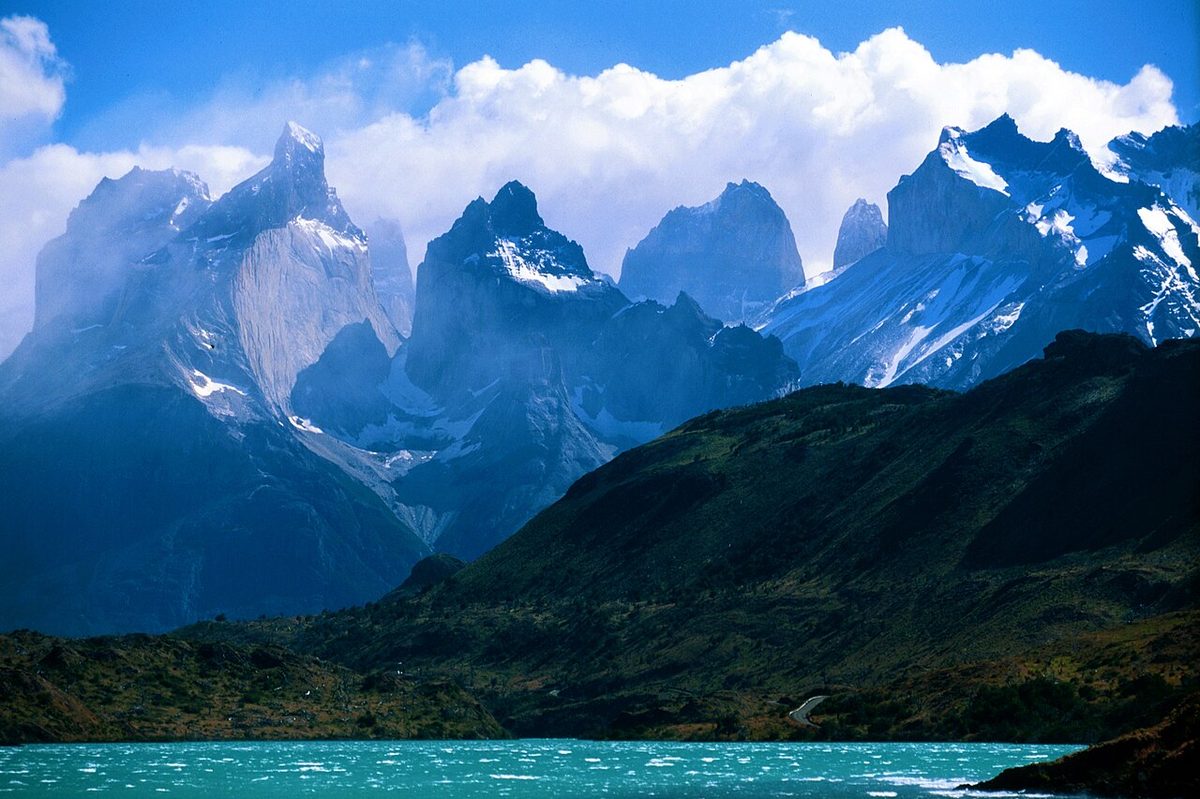
0 — 2 km Fig. 1 · Snow-covered towers of Torres del Paine in Patagonia winter under a clear sky · Photo: G. Hüdepohl (atacamaphoto.com)/ESO / CC BY 4.0 via Wikimedia Commons
I have a soft spot for Patagonia winter, but I will not lie to you about it.
If you are picturing a quieter version of the summer trip you saw on Instagram, with the same hikes, the same long days, just a jacket on top, you are picturing the wrong season. Winter here is its own animal. It is short on daylight and long on cold, and it closes a lot of doors. But it opens a few that summer keeps shut, and for the right traveler those few are worth the whole trip.
Patagonia winter runs roughly June through August, the heart of the Southern Hemisphere cold season, and it is not the season for a broad first-time trekking itinerary. It is excellent for skiing in Bariloche or Ushuaia, for the end-of-the-world snow atmosphere of Tierra del Fuego, for tracking pumas in Torres del Paine, and for snow photography and solitude with almost nobody else around.
So who is this guide for? It is for the traveler who can only get away in June, July, or August and wants to know if it is worth it. It is for the skier eyeing the southern Andes. It is for the photographer who wants Torres del Paine dusted in white, and the wildlife lover who has heard that winter is prime puma time. If that is you, read on. If you want the easiest, most flexible Patagonia trip, your season is the summer described in our best time to visit Patagonia guide, and winter is probably not your answer.
A note before we start: winter is the season where official notices change the trip. Park rules, road closures, and ski openings all shift year to year. I have cited authoritative sources throughout and hedged the numbers, but you must verify time-sensitive items close to your dates. In winter, one official notice can be the difference between a magical day and an impossible one.
At a Glance: Patagonia in Winter
Use this before you fall in love with a date. It is the fastest way to see whether winter fits the trip you actually want.
Winter reality (June-August)
Daylight
Around 7-9 hours; longer toward late August
Typical temps
Roughly -5 to 8 C by day depending on region; nights below freezing
Wind
Often calmer than summer, especially in the far south
Best winter bases
Bariloche (skiing), Ushuaia (skiing + snow), Torres del Paine (pumas, guided)
Mostly open
Cerro Catedral and Cerro Castor ski areas, Ushuaia, Perito Moreno Glacier, Peninsula Valdes wildlife
Reduced or closed
Most refugios and campsites, many southern multi-day treks, El Chalten tour services, the Carretera Austral
Torres del Paine
Open year-round but heavily restricted; guides required, O Circuit closed, parts of the W only with an operator
First-timers wanting the classic hiking circuit with maximum flexibility
Swipe to see all columns
Table 1
Patagonia Winter Weather and Daylight
Let me set expectations honestly, because this is where most winter trips go wrong before they begin.
Winter in Patagonia is cold, but it is rarely the brutal, record-breaking cold that the phrase “end of the world” implies. Daytime temperatures sit roughly between -5 C and 8 C depending on where you are, and nights drop below freezing. Quasar Expeditions puts a typical July day in the far south around 1 to 6 C, and notes the wind can make it feel a good deal colder than the thermometer claims. Ushuaia, the southernmost city, hovers around 0 to 10 C all year, with July its coldest month and average highs barely above freezing.
The thing that catches people out is not the temperature. It is the daylight.
In the depths of winter you get only around 7 to 9 hours of usable light, and in the far south it can feel like the sun barely clears the mountains before it starts thinking about setting again. By late August the days are noticeably longer, which is one reason late winter is often a better window than the start. Plan your outdoor time for the middle of the day, build in nothing tight, and accept that a “full day” outside is short.
Here is the pleasant surprise, though. Patagonia’s famous wind, the thing that defines summer hiking, often eases in winter. Swoop Patagonia notes that in May through August around Torres del Paine the wind really drops, and you are more likely to get clear skies and the kind of still, sharp days that summer hikers would trade a refugio booking for. The towers can stand crisp against a blue sky with no gale trying to blow you off the trail. That stillness, plus snow, is the whole visual argument for winter.
Snow is part of the picture too. It blankets the mountains, dusts the steppe, and turns the classic granite landscapes monochrome and quiet. It is beautiful. It also closes roads and trails, which brings us to the hard part.
What’s Open and What’s Closed in Winter
This is the section that decides your trip, so I will be blunt.
A lot closes in winter. Most camping spots shut from roughly June to August, along with many hotels, tour agencies, and restaurants in the smaller hiking towns. Snow and winter storms regularly shut down roads and trails. The Carretera Austral, Chile’s great Patagonian road trip, becomes genuinely difficult, with some sections impassable and bus routes often suspended. If your dream is that road trip, save it for summer and read the Carretera Austral road trip guide for the right season.
But plenty stays open if you build the trip around winter instead of against it.
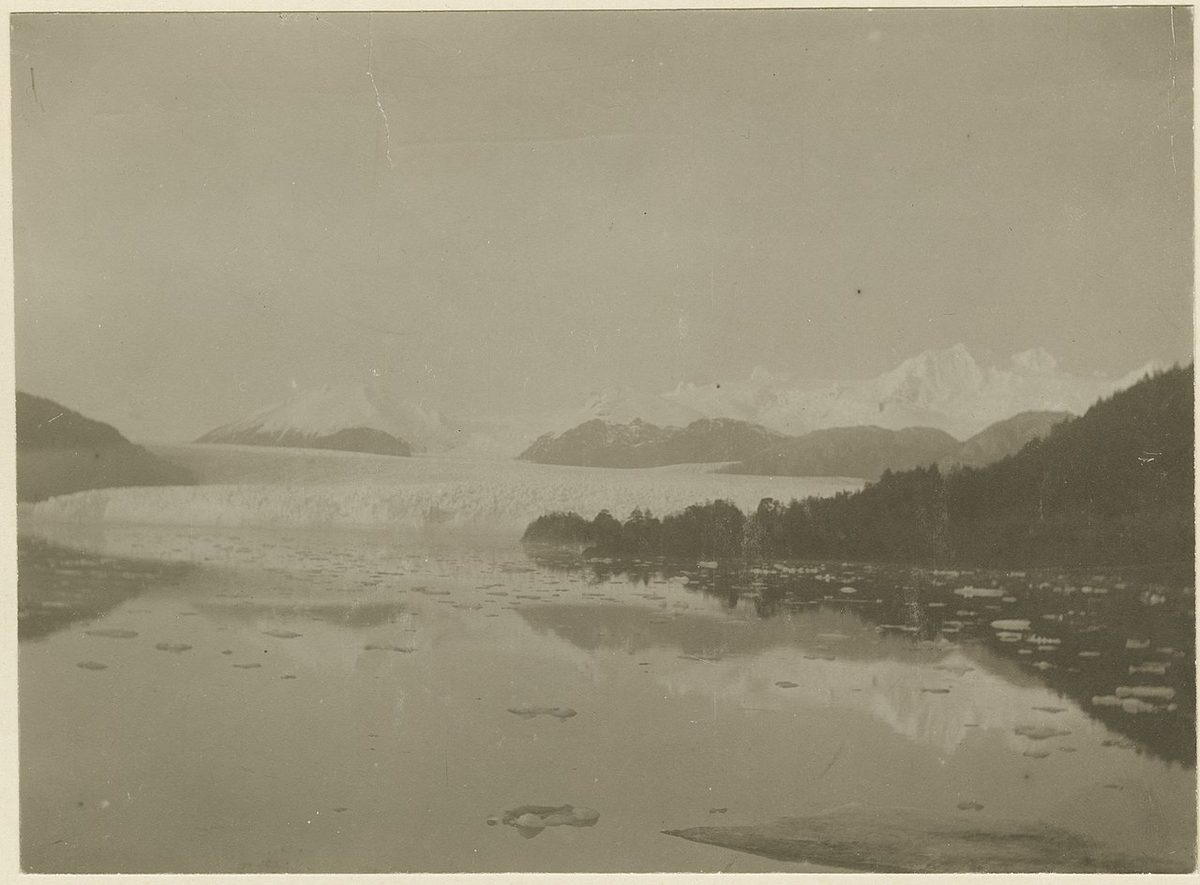
Skiing is the headline. Cerro Catedral near Bariloche and Cerro Castor near Ushuaia both run full winter operations, and they are the most natural anchors for a winter trip. Perito Moreno Glacier near El Calafate can be visited year-round, according to Visit Argentina, which makes El Calafate a reliable winter base even when the high trails are buried. Ushuaia, with the longest winter season in the country, stays busy with snow sports and far-south atmosphere. And on the Atlantic coast, Peninsula Valdes keeps producing wildlife, with southern right whales usually arriving from around June.
What you give up is the thing that makes summer summer: easy, flexible, self-guided multi-day trekking across the famous circuits. El Chalten, the trekking capital, stays technically open in winter, with hotels and stores running, but most tour facilities close, the days are short, and self-guided trekking on the bigger routes is not the plan it is during peak January conditions. The town becomes a quiet place to admire Fitz Roy in the cold, not a hiking hub. For the full-strength version of those hikes, see the El Chalten and Fitz Roy hiking guide and plan for the warmer months.
The simplest way to think about it: in winter you do not chase the classic hiking itinerary. You build a focused trip around skiing, a specific base, wildlife, or photography, and you let the season set the menu.
Skiing in Patagonia: Bariloche and Ushuaia
If there is one thing winter Patagonia does better than summer, it is snow sports. The southern Andes hold some of the most striking ski terrain in the Southern Hemisphere, and the season lines up perfectly with the Northern Hemisphere summer, which is part of why international skiers come.
Cerro Catedral, Bariloche
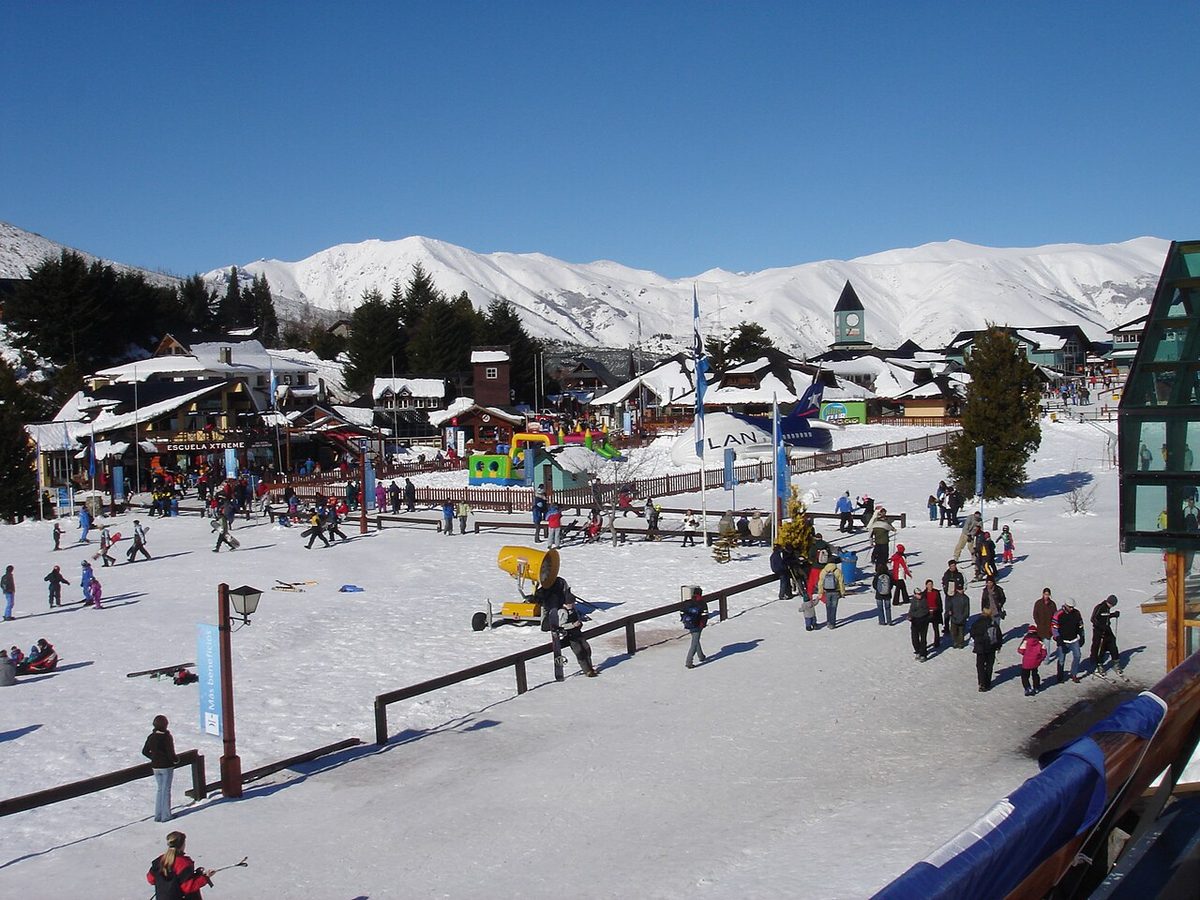
Cerro Catedral, just outside Bariloche in northern Patagonia, is the big one. It is one of the largest and most established ski resorts in South America, set above Lake Nahuel Huapi with views that make the lift lines easier to forgive. The Bariloche ski season typically runs from around late June into early October, with July and August as the peak.
A word of honest advice: peak does not mean best. The last two weeks of July overlap with Argentine school holidays, and Cerro Catedral fills with families and a lot of first-time skiers. Snow early and late in the season can be unpredictable. Several seasoned ski writers I trust point to early-to-mid August onward as the sweet spot, when the snow base is more reliable and the holiday crush has eased. If you can choose, aim there.
Bariloche is also more than its lifts. You can ski-tour into the backcountry, snowshoe, and combine snow days with the town’s famous chocolate shops and lake scenery. The annual Fiesta Nacional de la Nieve, the National Snow Festival, lands around the school holidays and is a spectacle if you like that energy, or a reason to come a week later if you do not. For the full picture of this region in every season, use the Bariloche and northern Patagonia guide.
Cerro Castor, Ushuaia
Then there is Cerro Castor, about 26 kilometers from Ushuaia, which holds a title nothing else can match: it is the southernmost ski resort in the world. Visit Argentina describes a snow season running from around mid-June to the end of September and sometimes into October, the longest of any major Argentine ski center thanks to that far-south latitude.
Castor is no novelty. It runs around 35 trails and connecting paths across four difficulty levels, with a reputation for dry, light powder. Beyond alpine skiing it offers snowboarding, cross-country skiing, ski touring, snowshoeing, and a ski school, plus a cluster of restaurants on the mountain. There is also the only ice-skating rink in Argentina, open daily through the season.
What I love about a Castor trip is that you are skiing at the literal end of the continent, with the Beagle Channel and Tierra del Fuego’s forests below you. It is skiing with a sense of place that bigger resorts cannot fake. Pair it with the city itself, covered next, using the notes on visiting Tierra del Fuego.
Ushuaia and Tierra del Fuego in Winter
If I had to send one type of traveler to Patagonia in winter without hesitation, it would be the person who wants the end-of-the-world feeling. Ushuaia in the snow delivers it better than any month of summer.
Ushuaia has the longest winter season in Argentina, and the city leans into it. Beyond Cerro Castor, Visit Argentina highlights a genuinely deep menu of winter experiences. You can ride the End of the World train through snow-draped forest, go horseback riding in the snow, take a 4×4 off-road snow adventure, snowshoe through silent woods, or go husky sledding behind a team of dogs. There is ice climbing on frozen waterfalls for the adventurous, and snowmobile trips for the speed-inclined.
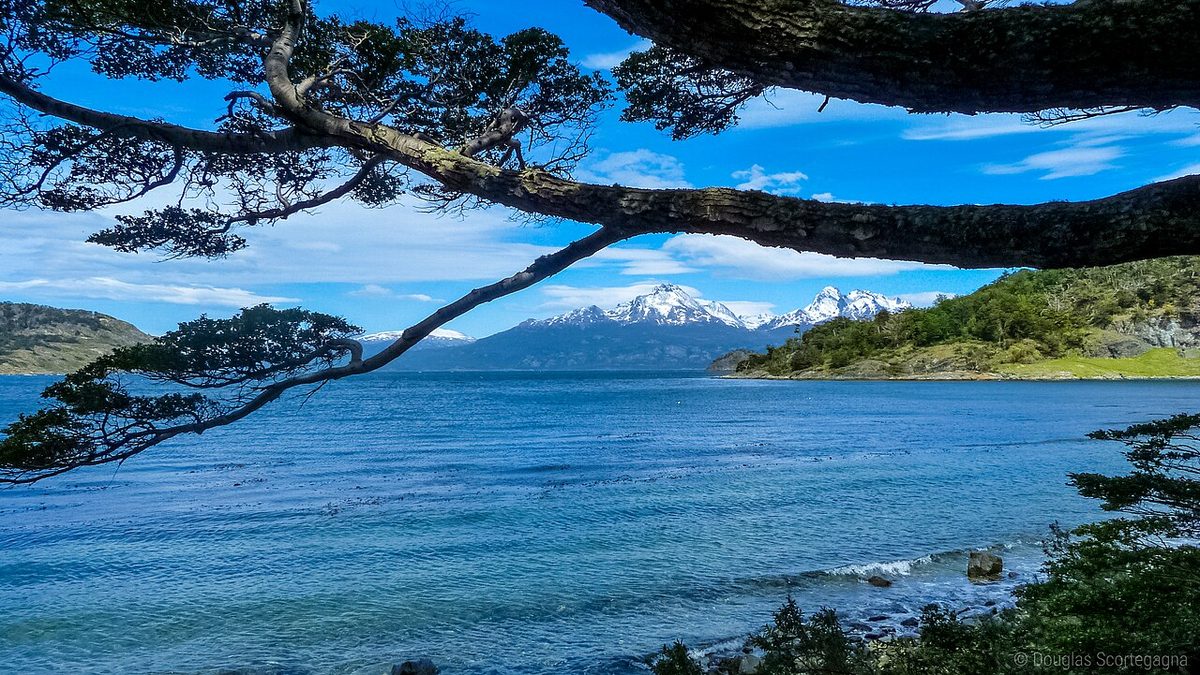
The Beagle Channel still runs in winter too, and sailing it under low grey light with snow on the surrounding peaks is a different, moodier experience than the summer version. Tierra del Fuego National Park, just outside town, takes on a hushed beauty when the lengas are bare and the lagoons start to freeze.
June brings one of the city’s signature events: the winter solstice celebration, marking the longest night of the year at the bottom of the world. It is a multi-day affair with music and shows, and it is popular enough that hotels can fill up even in the middle of the low season, so book ahead if your dates land near it.
Ushuaia is also where the practical and the magical meet. It is a real, working city with an airport, hotels, and restaurants that stay open through winter, which means you get the far-south atmosphere without the logistical fragility of the smaller hiking towns. For a winter trip, that reliability matters more than people expect.
Torres del Paine in Winter: Rules and Pumas
Torres del Paine deserves its own careful section, because it is the place where winter advice online goes stale fastest, and where getting it wrong can ruin a trip.
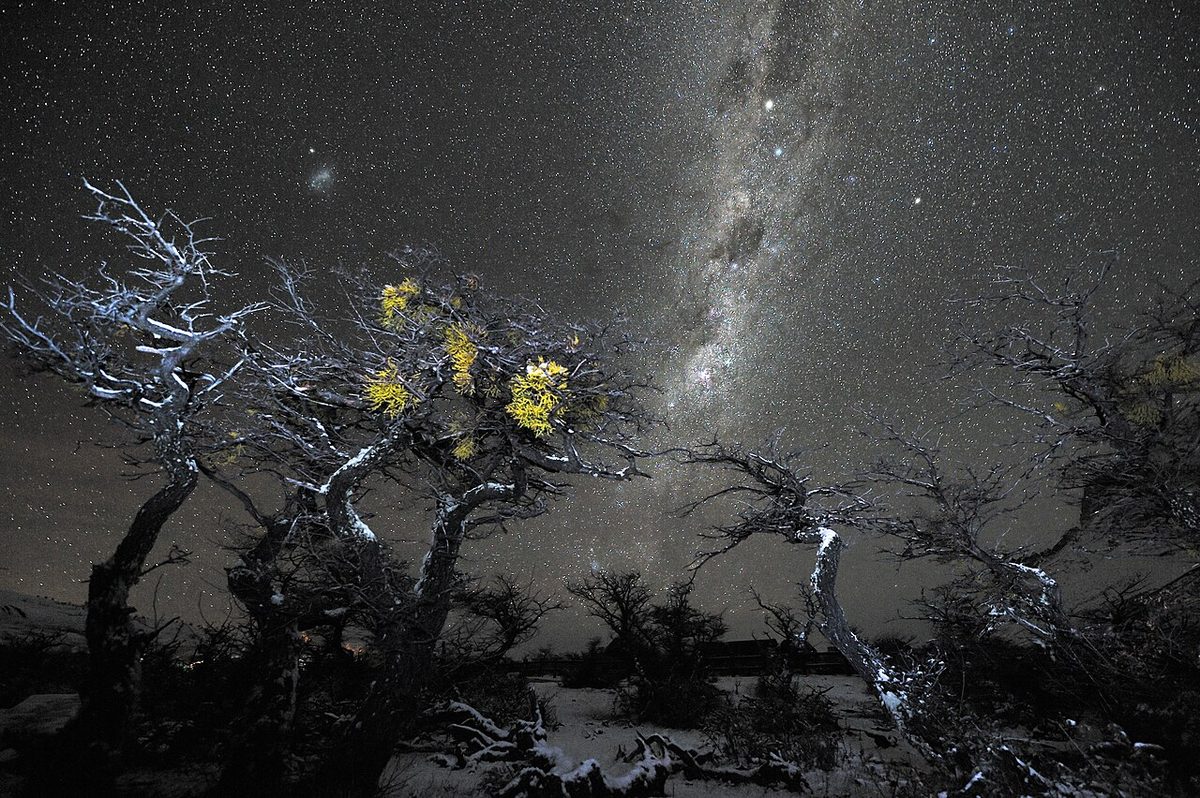
First, the good news: the park is open year-round, and winter is arguably the most photogenic it ever looks. The towers and horns dusted in snow, the wind dropped to a whisper, clear skies more likely than in the chaos of summer, autumn and winter color in the lower vegetation. Swoop Patagonia’s winter travelers describe going days without seeing another hiker. If you have only seen Torres del Paine in crowded summer photos, the winter version is a revelation.
Now the rules, because they are strict and they are not optional.
In winter the park does not work the way it does in summer. Solo and self-guided trekking on the major routes is prohibited, and you must join a guided group with a licensed operator. The O Circuit is closed. Only parts of the famous W Trek can be done, and only with a certified guide, and because most refugios and campsites do not reopen until September or October, the W in winter often means camping rather than sleeping in a warm refugio. Day hikes for a range of abilities are available with a guide, which for most winter visitors is the realistic way to experience the park.
To give you a concrete sense of how specific these notices get: when we last checked the CONAF Torres del Paine page on May 26, 2026, the official notices included a mandatory authorized guide requirement for the Base Torres route from late April through the end of August, closure of the W’s mountain sections during June and July, suspended visitor crossings by navigation on Grey and Pehoe lakes, and an early closure of the O Circuit for the low season. Do not treat those exact dates as permanent. Treat them as proof that you must verify current notices through CONAF and Pases Parques before you book anything. This is exactly why a dedicated how to visit Torres del Paine exists on this site.
Winter Is Prime Puma Season
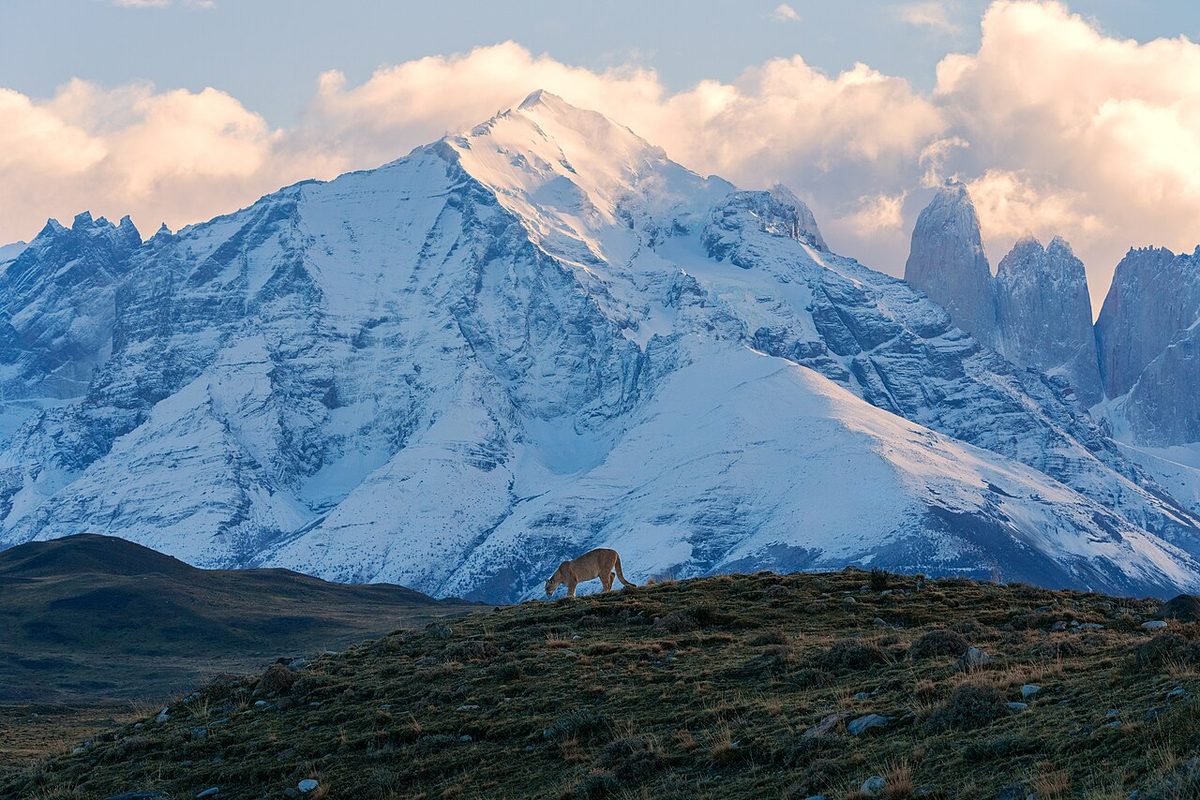
Here is the reward that makes a guided winter visit worth the restrictions: pumas.
Winter is one of the best times in the entire year to see pumas in Torres del Paine. The cold pushes them down from the high ground into the warmer valleys, the same valleys that are no longer full of summer tourists. The vegetation is thinner, so they are easier to spot, and fresh snow makes tracking dramatically easier for experienced guides. Several puma-tracking operators quote sighting rates close to certain across a multi-day trip, though no wild animal is ever guaranteed.
If pumas are your goal, build the trip properly. They are most active at dawn and dusk, so be ready for cold, dark early starts with binoculars in hand. Give yourself at least three days to maximize your odds. Go with an authorized guide, keep a respectful distance, and let the animal’s behavior, not your photo ambitions, set the pace. This is genuine, ethical wildlife tracking, and it is one of the few things Patagonia does better in winter than at any other time of year. For the wider wildlife calendar, including whales and penguins, see the Patagonia wildlife and whale watching guide.
Driving and Safety in Winter
Driving in Patagonia is rewarding in summer and demanding in winter. I would not want you to underestimate this part, because the distances are vast and help can be far away.
If you plan to drive in winter, it should be a deliberate choice, not a default. Snow and ice are common on the roads, especially at higher elevations and in the south. Many parts of Ruta 40 and the connecting Patagonian routes can be affected, and some sections or feeder roads close temporarily during storms. Strong winds and the occasional blizzard are possible. The Carretera Austral in particular is best avoided in winter, when roads can be impassable and bus services are often suspended.
Practically, this means a few non-negotiables. Drive in winter only if you have genuine experience driving in snow and ice, and strongly favor a 4WD vehicle. Carry snow chains and, just as importantly, know how to fit them before you need them in a gale. Winter tires marked M+S are highly recommended. On gravel and unpaved sections, slow down; locals advise not exceeding around 70 kilometers per hour because grip and stability drop sharply. Carry a spare fuel can, a small shovel, a flashlight, and water, and plan your fuel stops carefully, because there are long stretches with no services and no phone signal.
Check road status frequently. In Argentina, the national roads authority, Vialidad Nacional, publishes conditions, and provincial Patagonia tourism sites post the state of routes and roads. Verify before each leg, not just at the start of the trip. For the full driving and border-crossing picture across seasons, use the Patagonia road trip and Ruta 40 guide, and pair it with the Patagonia hiking, camping, gear and safety guide for cold-weather clothing and backcountry caution.
Honestly, for many winter travelers the smarter move is to skip self-driving altogether and base yourself in one well-connected town, Bariloche, Ushuaia, or El Calafate, using transfers and guided trips. Winter is not the season to improvise a long, remote drive.
Best Things to Do in Patagonia in Winter
Pulling it together, here is what a winter trip is genuinely good for. These are the experiences I would build a June, July, or August trip around.
Ski the southern Andes. Cerro Catedral above Bariloche and Cerro Castor outside Ushuaia, the southernmost resort on earth.
Track pumas in Torres del Paine. The best wildlife window of the year for these big cats, with guided multi-day trips.
Soak up Ushuaia’s end-of-the-world winter. Husky sledding, snowshoeing, the End of the World train, the Beagle Channel, ice skating, and the June solstice festival.
Photograph snow-covered Torres del Paine. Clear, calm days and white-dusted towers, on guided day hikes.
Visit Perito Moreno Glacier in the quiet. Open year-round, dramatic in any weather, and far less crowded than summer. See the guide to El Calafate and the glacier.
Try the smaller snow centers. Snowshoeing, snow biking, and tubing in the Calafate Mountain Park, plus the chairlift to the Calafate balcony for a high view.
Watch coastal wildlife on Peninsula Valdes. Elephant seals, sea lions, penguins, and southern right whales beginning to gather from around June.
Embrace the solitude. The single most underrated winter activity is standing somewhere world-famous with nobody else in sight.
Because Patagonia is not one place, here is the quick winter reality for each major base, so you can match the season to the region.
Bariloche and the Lake District
The strongest all-round winter base in Argentine Patagonia. Cerro Catedral skiing, backcountry ski touring, snowshoeing, the National Snow Festival, and a town built for winter tourism, with good infrastructure and easy airport access. If skiing is the point, this is your first choice. Plan around the school-holiday crowds and read the highlights around Bariloche.
Ushuaia and Tierra del Fuego
The best base for atmosphere and variety. Cerro Castor, husky sledding, the End of the World train, the Beagle Channel, snowshoeing, and the longest snow season in the country. Reliable city services make it the most logistically comfortable far-south winter trip. Details in the Ushuaia and Tierra del Fuego guide.
Torres del Paine and Puerto Natales
The base for pumas and photography, but only with guides and within the winter rules. Stunning, quiet, and strict. Verify CONAF notices before booking, expect day hikes rather than the full circuits, and prepare for cold dawns.
El Calafate and El Chalten
El Calafate works in winter because Perito Moreno Glacier is open year-round and the town stays serviceable, with smaller snow activities nearby. El Chalten is quiet, beautiful, and largely outside the active trekking season, with most tour services closed; come to look at Fitz Roy in the cold, not to hike the big routes.
Peninsula Valdes and the Atlantic Coast
The wildlife base. Winter brings the start of the southern right whale season and the year-round coastal colonies. A different trip entirely from the mountains, and a good add-on if you are already committed to a winter itinerary. The Patagonia wildlife and whale watching guide has the full calendar.
Pros and Cons of Patagonia in Winter
Let me lay it out plainly, because the honest tradeoff is the whole decision.
The pros. Far fewer crowds, sometimes total solitude at famous sites. Skiing in the southern Andes, including the world’s southernmost resort. Prime puma tracking. Snow-covered landscapes that summer never shows you. Often calmer wind and clearer skies in the far south. Lower prices in some places, especially outside the ski towns. A genuine sense of having the place to yourself.
The cons. Short daylight, around 7 to 9 hours. Real cold, with nights below freezing. Many trails, refugios, campsites, and tour services closed. The big self-guided treks largely off the table. Torres del Paine restricted to guided access with the O Circuit shut. Demanding, sometimes impossible, driving. The Carretera Austral effectively out of reach. Ski towns can still be busy and pricey during school holidays. And a constant need to verify current rules and conditions.
If those cons sound like dealbreakers, winter is not your season, and that is a perfectly good thing to learn before you book. If they sound like an acceptable trade for solitude, snow, and skiing, you are exactly who winter is for.
Who Should Visit Patagonia in Winter
So, should you go? Here is how I would decide.
Go in winter if you want to ski, if you specifically want the snow-covered version of these landscapes, if pumas are high on your list, if you crave solitude over convenience, or if winter is simply when you can travel and you are willing to build the right kind of trip. Go if you are happy to base yourself in one or two well-connected towns, take guided trips, and let the season shape the itinerary instead of fighting it.
Do not go in winter if this is your first Patagonia trip and you want to hike the classic circuits, if you need maximum flexibility and long days, if you are nervous about cold and ice, or if you are hoping to improvise a long, remote road trip. For that trip, the summer and shoulder seasons in our best time to visit Patagonia guide will serve you far better, and the Patagonia weather by month breakdown can help you pick the exact window.
Winter Patagonia is a specialist’s season. It rewards travelers who come with a clear purpose and punishes those who treat it like discounted summer. Know which one you are, and the decision makes itself.
Patagonia Winter FAQ
Is Patagonia worth visiting in winter?
Yes, for the right traveler. Winter Patagonia is worth it if you want to ski, track pumas, photograph snow-covered landscapes, or enjoy near-total solitude at famous sites. It is not worth it if you want the classic self-guided hiking trip with long days and maximum flexibility. Match the season to your goal and it can be unforgettable.
How cold is Patagonia in winter?
Cold but rarely extreme. Daytime temperatures sit roughly between -5 C and 8 C depending on region, with nights below freezing. Ushuaia, the southernmost city, stays around 0 to 10 C year-round, with July its coldest month. Wind often eases in winter, but it can still make the air feel noticeably colder, so dress in warm layers.
Can you hike the W Trek in Torres del Paine in winter?
Only partly, and only with a licensed guide. In winter, self-guided trekking is prohibited and the O Circuit is closed. Some sections of the W can be done with a certified operator, often camping because most refugios stay shut until spring. Guided day hikes are the realistic option. Always verify current CONAF and Pases Parques notices before booking. For the window when self-guided access reopens, see our month-by-month hiking conditions guide.
Where can you ski in Patagonia?
The two main bases are Cerro Catedral near Bariloche in northern Patagonia, one of South America’s largest resorts, and Cerro Castor near Ushuaia, the southernmost ski resort in the world. Both run full winter operations with lifts, schools, and rentals. The season runs roughly late June into September or October, with August often offering the most reliable snow.
How many hours of daylight does Patagonia get in winter?
Around 7 to 9 hours in the depths of winter, with the far south at the shorter end. Days lengthen noticeably toward late August, which is one reason late winter is often a better window than early winter. Plan outdoor activities for the middle of the day and avoid tight schedules, because usable light is short and disappears early.
Is winter a good time to see pumas in Patagonia?
Yes, it is one of the best. In winter the cold draws pumas down into the valleys, the vegetation thins out, summer crowds are gone, and fresh snow makes tracking easier. Go with an authorized guide, allow at least three days, expect dawn and dusk outings, and keep a respectful distance. Torres del Paine is the prime location.
What should you pack for Patagonia in winter?
Pack serious layers: thermal base layers, insulating mid-layers, and a heavy waterproof down jacket as your outer shell. Add insulated trousers, very warm socks, good gloves, a hat, and waterproof boots. Even though wind often eases in winter, exposed skin still suffers, so cover up. The safety checklist for multi-day treks has the full cold-weather list.
Is Patagonia cheaper in winter?
Often, but not everywhere. Many towns and accommodations cost less in the low season, and crowds thin dramatically. The exception is the ski towns, where Bariloche and Ushuaia can be busy and pricey during Argentine school holidays in July. The cheapest flight month is not useful if the experiences you want are closed, so plan around what is actually open.
Final Thoughts
I will admit it: winter is not how I would tell a first-timer to see Patagonia. The first trip should be the easy, generous summer version, with long days and open trails and room to wander.
But winter is where Patagonia stops performing for the crowds and shows you something quieter. It is standing below the towers of Torres del Paine in fresh snow with no one else around. It is skiing at the literal end of the world above the Beagle Channel. It is a puma moving through a white valley at dawn while your breath fogs the binoculars. It is the kind of trip that does not photograph as easily as a summer one but stays with you longer.
If you come, come with a purpose and come prepared. Pick a base, go with good guides, pack like you mean it, and verify the rules close to your dates. Do that, and winter will give you a Patagonia that most travelers never see. That, to me, is the whole point.