El Calafate Itinerary: How to Plan 2, 3 or 4 Perfect Days
A candid El Calafate itinerary for 2, 3 or 4 days: Perito Moreno, glacier boat tours, estancias, what to book ahead, and how to pair it with El Chalten.
By Patagonia Tourism Guide · First published 10 Aug 2026 · Updated 1 Aug 2026
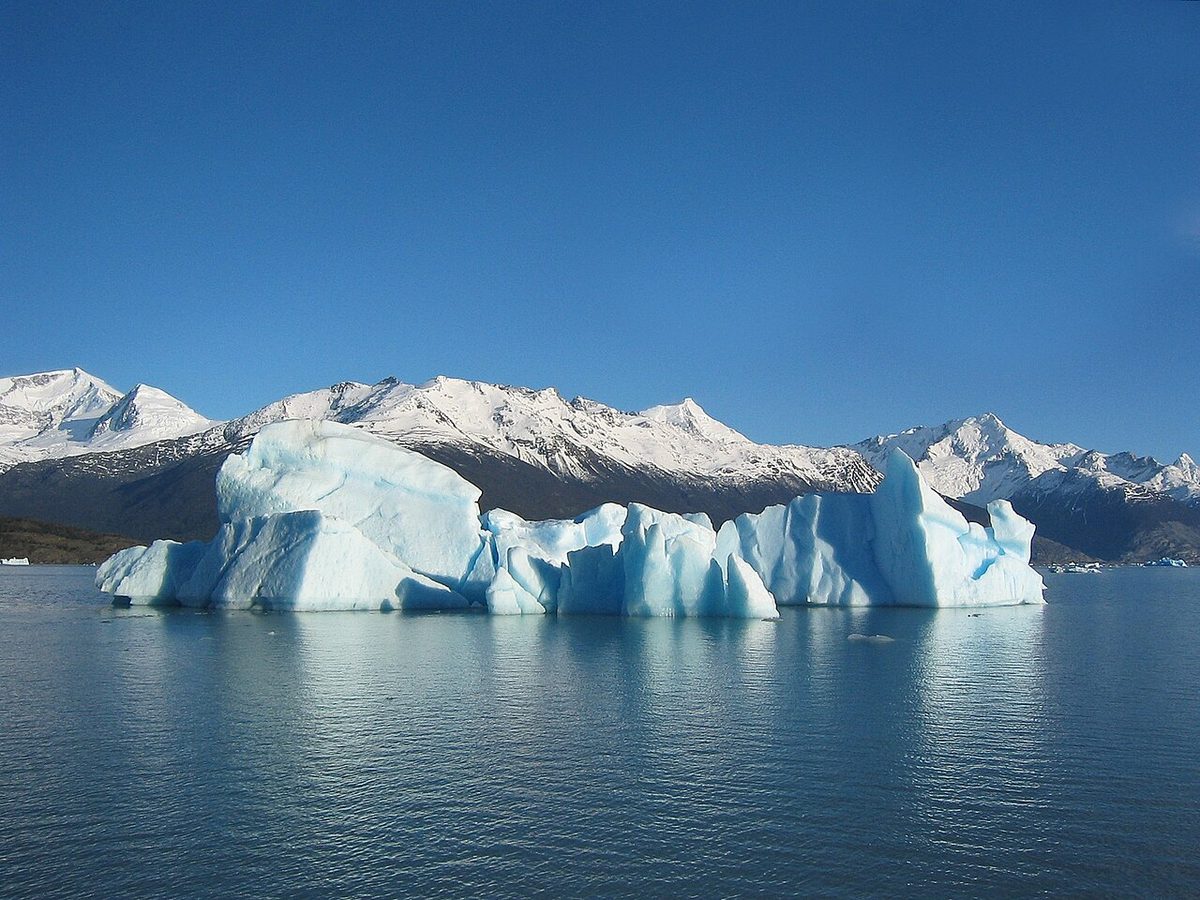
0 — 2 km Fig. 1 · Perito Moreno Glacier near El Calafate, the centerpiece of any El Calafate itinerary · Photo: IlyaHaykinson / CC BY 2.0 via Wikimedia Commons
Most people overthink El Calafate, then under-plan it. They agonize over which glacier tour to book six months out, then arrive and realize they gave the town one rushed night squeezed between flights.
I want to save you from both mistakes. After helping a lot of travelers slot this stop into bigger Patagonia trips, I’ve landed on a simple truth: the planning here is mostly about time, not tours.
The best El Calafate itinerary for most first-timers is 2 to 3 days: one full day at Perito Moreno Glacier, a second day on a Lago Argentino boat tour or an ice trek, and an optional third day for an estancia, the town, or a run up to El Chalten. Two nights covers the essentials; a third buys you a weather buffer and a slower pace.
This guide is for anyone building a Patagonia trip who wants a realistic day-by-day plan, honest tradeoffs, and the logistics that actually decide your days, not a list of every possible activity. If you want the deeper booking detail on the glacier itself, pair this with the El Calafate planning guide, which is the parent hub for everything below.
El Calafate Itinerary at a Glance
Here is the fast version, days against what you can realistically fit in. Times and order shift with flights, weather, and tour availability, so treat this as a planning shape, not a fixed schedule.
Days in El Calafate
What you fit in
Best for
What you skip
1 day (tight)
Perito Moreno walkways, maybe a short boat
Travelers passing through
Buffer, second glacier, the town
2 days / 2 nights
Full Perito Moreno day + one more (boat or ice trek)
Most first-time routes
Estancia, slow town day, El Chalten
3 days / 3 nights
Perito Moreno + Todo Glaciares boat OR estancia + town/Laguna Nimez
The balanced sweet spot
Deep exploration, multiple add-ons
4 days / 4 nights
Glacier, a boat day, an estancia or El Chalten day trip, a rest morning
Families, slower travelers, non-hikers
More time in El Chalten
5+ days
A broad base with weather margin and remote tours
Slow travel, photographers
Efficiency on a short trip
Swipe to see all columns
Table 1
If you only remember one line: book your nights generously and your tours specifically. The expensive part of this trip is usually the days, not the tickets.
How Many Days Do You Need in El Calafate?
Most travelers need 2 nights in El Calafate. That gives you one arrival evening, one full glacier day, and a departure or transfer morning. It is the plan I default to when El Calafate is one stop in a 10 to 14 day southern Patagonia route, and it is the answer the rest of the internet keeps circling for good reason.
But “enough” depends on what you actually want.
Two nights is enough if the glacier is the goal and you are moving on to El Chalten or Torres del Paine. Three nights is the comfortable sweet spot, and it is what I’d choose if you want a second glacier experience by boat, an estancia afternoon, or simply a buffer in case your glacier day arrives under thick cloud. Four nights suits families, non-hikers, and slow travelers who want the steppe, the museum, and a lazy morning without watching the clock.
Visit Argentina’s El Calafate guide actually suggests a minimum of about a week to enjoy the wider area’s highlights, but that figure folds in El Chalten and longer excursions. For the town and the glacier alone, 2 to 4 nights is the honest range, and most people land at 3.
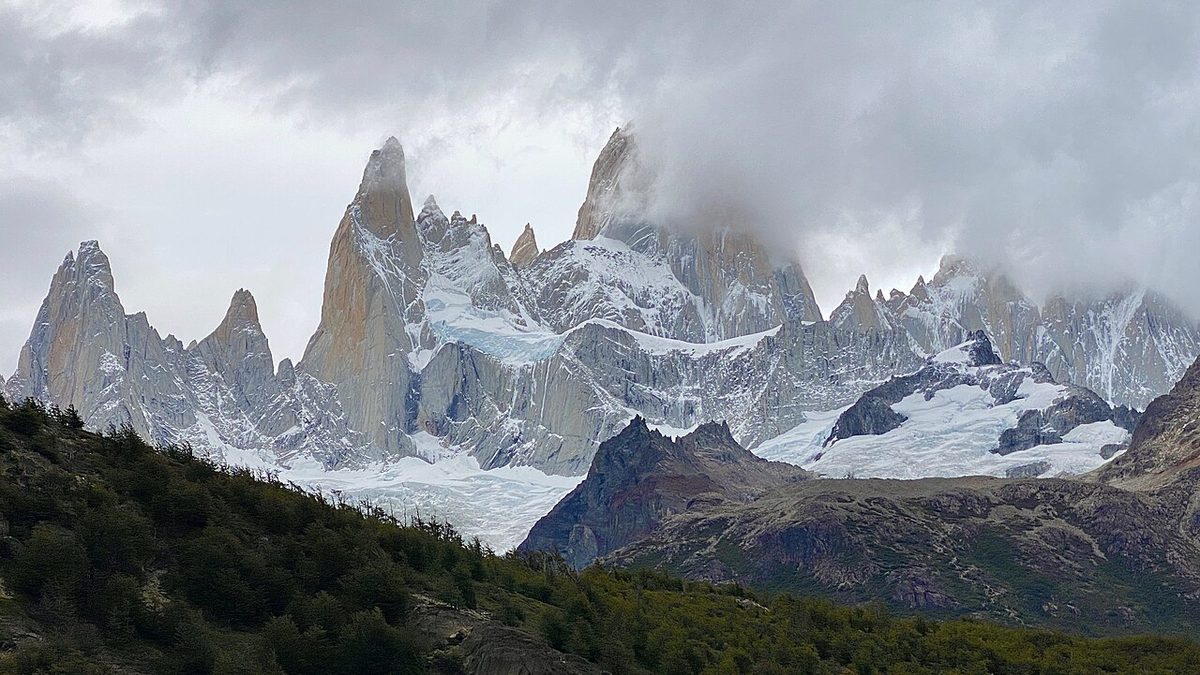
Here’s my rule of thumb: if hiking is the real reason you’re flying to Patagonia, do not steal nights from El Chalten to pad El Calafate. Perito Moreno is forgiving in mediocre weather. Fitz Roy can vanish behind cloud for days, so it needs the buffer more. The El Chalten and Fitz Roy hiking guide explains why that weather window matters.
Is one day enough for El Calafate?
One day works only if your flights cooperate. Arrive the night before, spend the full day at Perito Moreno, and keep it simple with the walkways and maybe a short boat. I would not build a once-in-a-lifetime glacier visit on a fragile same-day arrival, because a delayed flight, slow luggage, and a 1.5-hour transfer can quietly erase the whole thing. If one day is truly all you have, protect it by sleeping in town first.
A 2-Day El Calafate Itinerary
This is the classic, and it is genuinely good. You will not feel like you missed the point of Patagonia.
Fly into El Calafate airport (FTE), which sits about 20 to 25 minutes from town. The common flight from Buenos Aires can leave painfully early, so by the time you check in, you may not have a full afternoon left. That’s fine, this is your setup day.
Walk Avenida del Libertador, the main street, to get your bearings and grab dinner. This is the night to confirm your glacier transport or tour for tomorrow, buy snacks and water for the park, and sort out cash and cards. If you’re doing an ice trek or a boat add-on, double-check the pickup point and time now, not at 7 a.m. tomorrow.
For the food, lean into it. Patagonian lamb, slow-roasted, is the regional dish, and the local calafate berry shows up in everything from ice cream to alfajores. Legend says if you eat the berry you’ll return to Patagonia, which is as good an excuse for dessert as any.
Day 2: Perito Moreno Glacier
This is the day you came for. Perito Moreno sits about 80 km west of town via Ruta Provincial 11, roughly 1.5 hours each way by road. The heart of the visit is the network of walkways, or pasarelas, on the Magallanes Peninsula, where you stand across the channel from a wall of blue-white ice and wait for it to crack and calve into the lake.
The walkways are not a budget consolation. They are the main event, and they’re enough for a lot of people. There are several connected circuits at different heights, ranging from short easy loops to longer moderate ones, plus an accessible circuit near the top viewpoints. Give yourself at least 2 to 3 hours, pick a few balconies, and just listen. The glacier announces itself with a crack before a slab drops; patience is the whole experience.
If you want more, add one experience that matches your body and budget:
A short boat ride along the glacier face from Puerto Bajo de las Sombras for a closer, taller-looking perspective. Visit Argentina puts the Brazo Rico boat tour at around an hour.
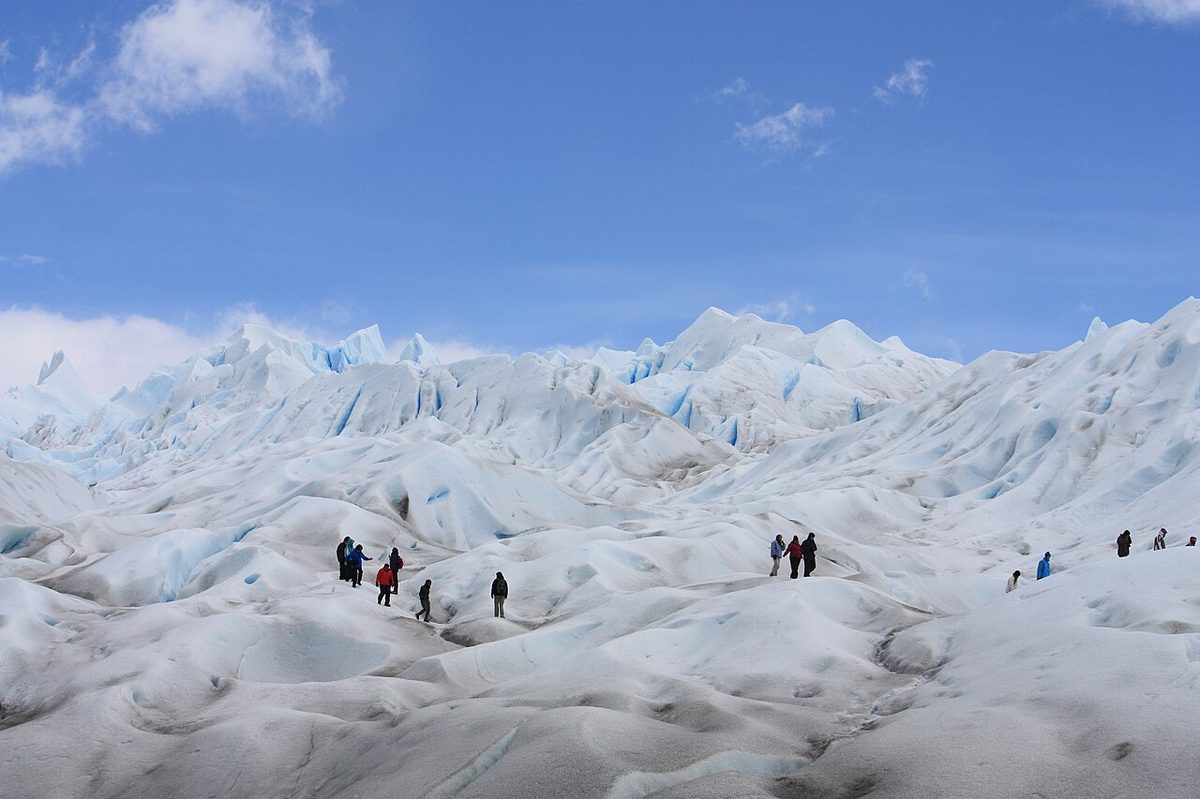
Mini Trekking, the classic full-day option that gets you onto the ice in crampons for about an hour, with age and fitness rules.
Big Ice, the longer, harder trek with closer to three hours on the ice, for fit travelers in a narrower age range.
Kayaking near the ice for a water-level view, weather and season permitting.
To get there, you have three sane choices: an organized tour or private transfer (easiest, often with hotel pickup), a regular bus (cheaper, fixed times), or a rental car (most freedom). Caltur and similar companies run a morning and an afternoon bus from the El Calafate terminal that give you roughly six hours in the park. For the full breakdown of each option and the current park-fee picture, see planning a glacier day trip and the mini trekking vs Big Ice comparison.
One honest tip from people who’ve done it: if you have a car or a flexible tour, arrive early. The gates open in the morning well before the tour buses roll in, and that first quiet stretch with the balconies nearly empty is the version of Perito Moreno you’ll remember.
Day 3: Depart or transfer
Your third morning is for moving on, whether that’s the bus to El Chalten, a transfer toward Puerto Natales and Torres del Paine, or a flight out. If your departure is late, you have time for a slow breakfast and a last walk along the Bahia Redonda promenade for the iconic photo by the El Calafate sign.
This two-day shape slots cleanly into a one-week El Calafate plus El Chalten trip or a longer southern Patagonia loop. For the big picture, the Patagonia itinerary planner shows how the pieces connect.
A 3-Day El Calafate Itinerary
Three nights is where I’d put my own money. You keep the glacier day, add a genuinely different experience, and build in a weather cushion. This is also the most common “perfect itinerary” answer across the better travel blogs, and it earns it.
Same as the two-day plan, but with breathing room. If you land with energy to spare, use the afternoon for the Glaciarium ice museum (about 6 km from town, with a free shuttle and the novelty GlacioBar where the glasses are carved from ice) or a stroll through the Laguna Nimez bird reserve on the lakefront. If you’re wiped from a dawn flight, do nothing and eat well. Sol Salute, who writes about this region from years of living in Argentina, is candid that the arrival day can be a jet-lag wash, and there’s no shame in planning for that.
Day 2: Perito Moreno Glacier
Your main glacier day, exactly as described in the two-day plan above: the walkways at your own pace, plus an optional boat ride, Mini Trekking, Big Ice, or kayak. With three nights, this is also the day to splurge on a full-day ice trek if that’s your dream, because you have a buffer day on either side if weather or fatigue gets in the way.
Day 3: A second glacier by boat, or an estancia
Now you choose your own adventure, and this is the day that makes three nights worth it.
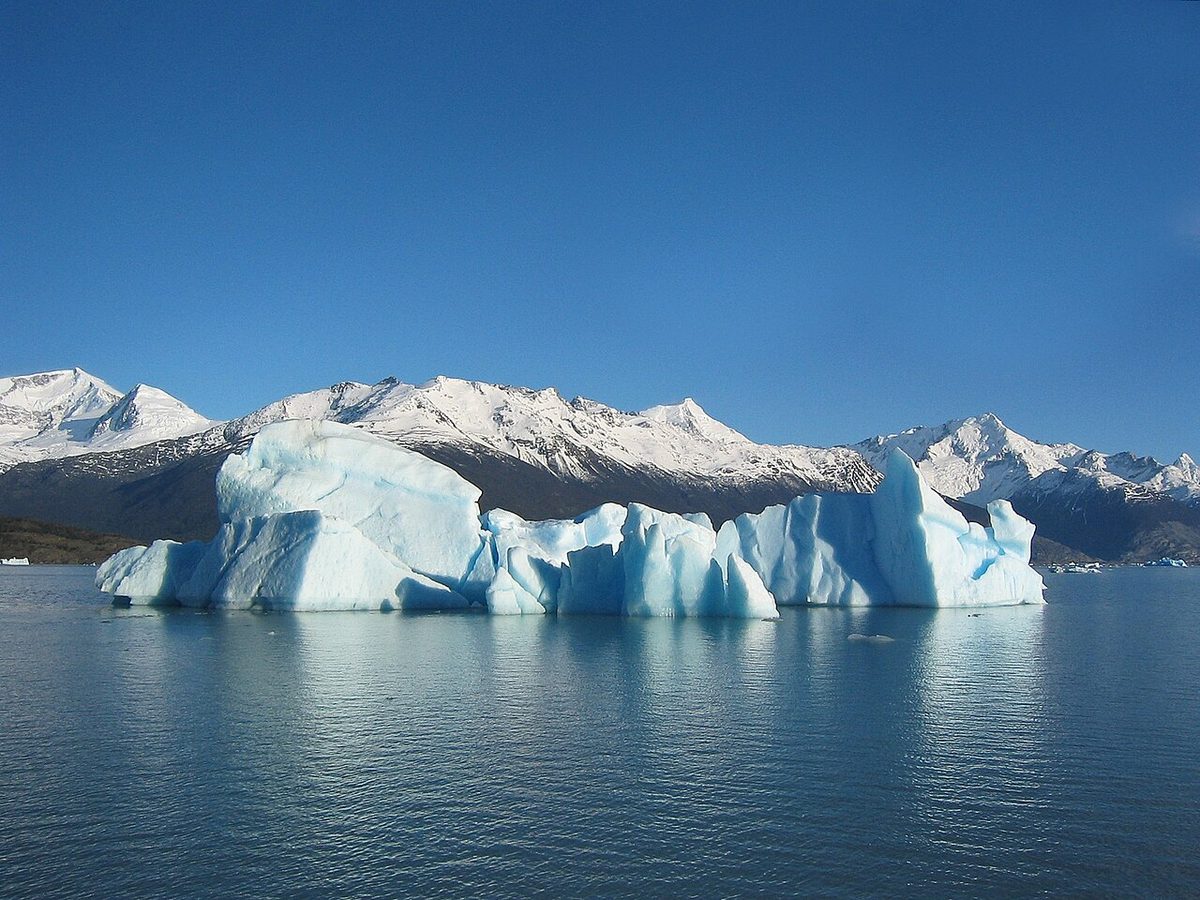
Option A, the Lago Argentino boat tour. Perito Moreno is famous, but it is not the only glacier here. A full-day navigation, often called Todo Glaciares, sails the milky turquoise lake toward the Upsala and Spegazzini glaciers, departing from Puerto Bandera about 50 minutes from town. Visit Argentina notes Upsala is the largest glacier in the park and Spegazzini’s walls reach up to about 135 meters. It’s a long, scenic day on the water, and for a lot of travelers the quiet picnic in front of a calving glacier is the highlight of the whole trip. See the Todo Glaciares tour guide for the details.
Option B, an estancia day. If you’d rather trade ice for culture, book a dia de campo at a working ranch like one of the estancias inside the national park. These typically mix a sheep-shearing demonstration, a hike to the lakeshore, and a proper Patagonian asado, with an optional horseback ride on the full-day version. It’s a softer, warmer day that rounds out two days of glaciers, and the food is excellent.
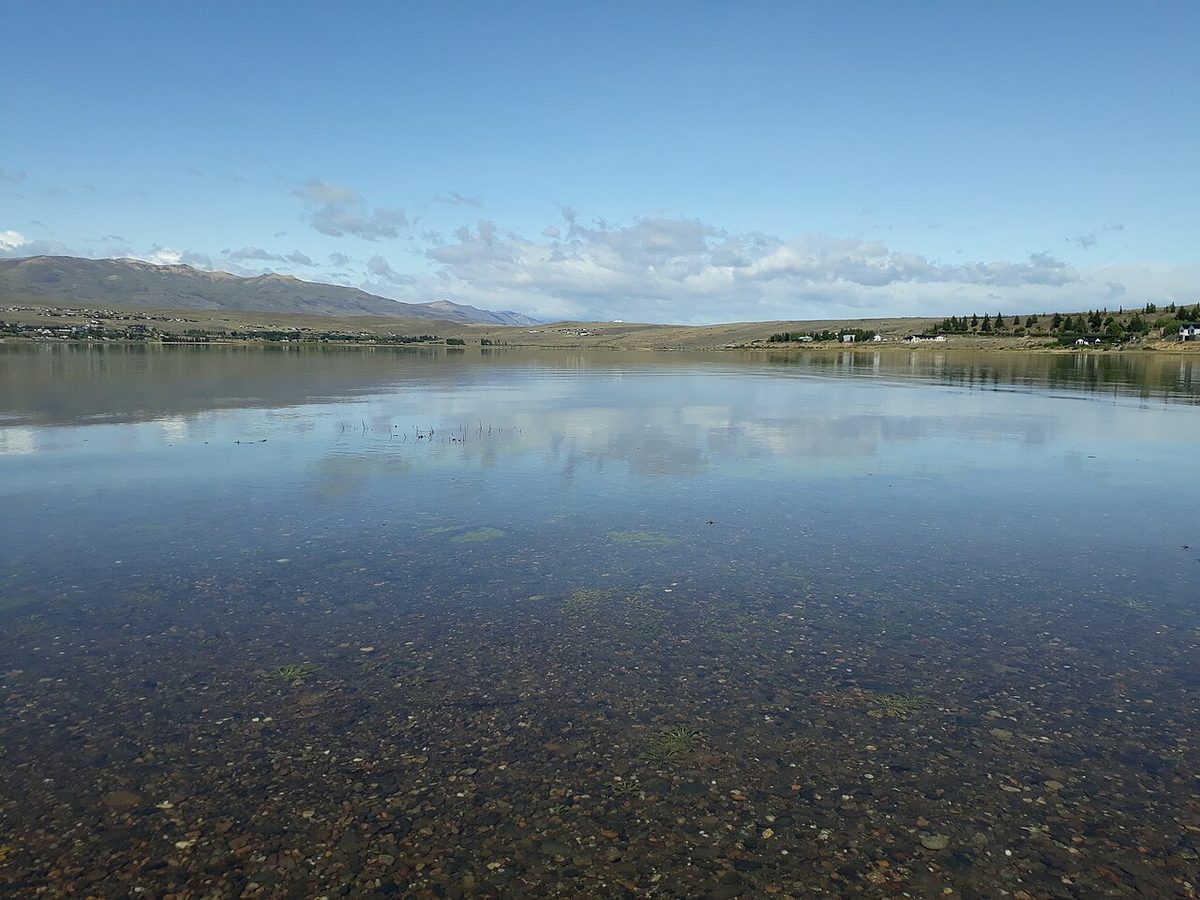
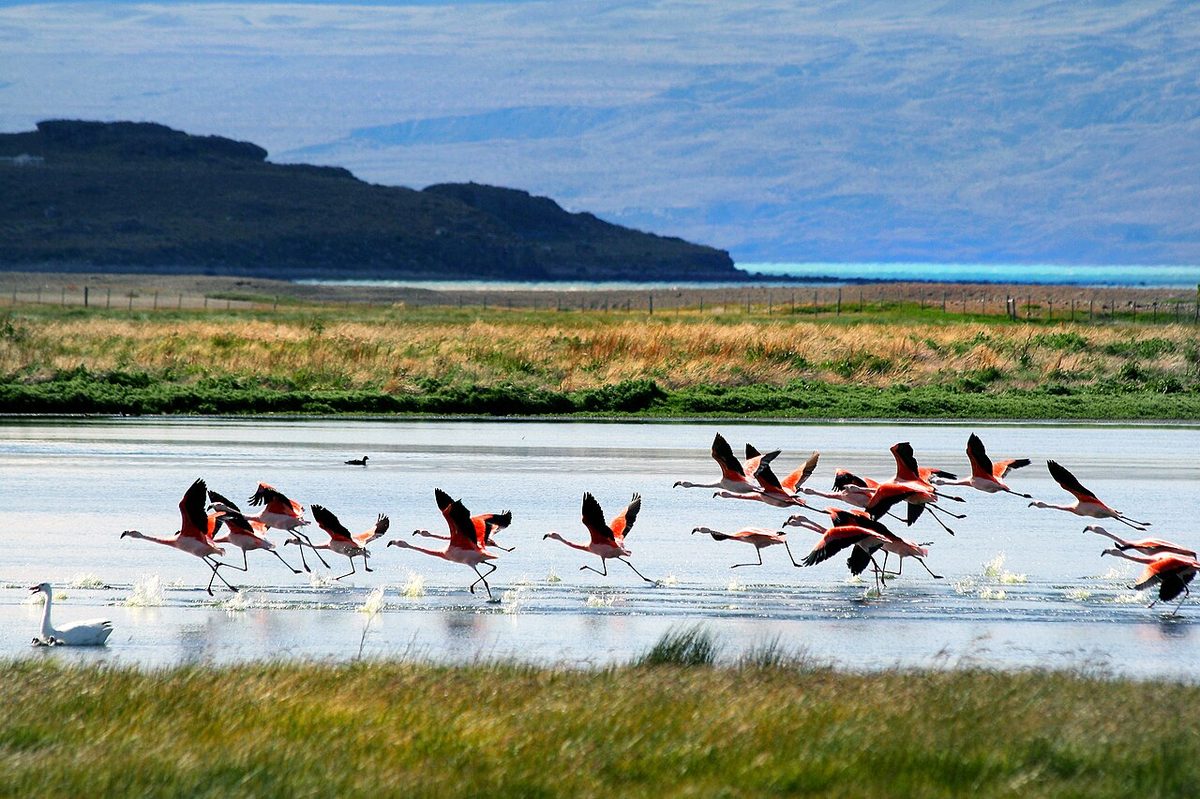
Option C, the town and the lake. Lower-key but lovely: Laguna Nimez in the morning (a flat 1.5-hour loop with flamingos, black-necked swans, and easy birding), lunch in town, then the Glaciarium or a 4×4 viewpoint in the afternoon. Good for families and for the day after a hard ice trek.
Day 4: Depart
Travel out on the fourth morning. If your itinerary continues to El Chalten, this is a natural hand-off point, since the bus is only about three hours north.
A 4-Day El Calafate Itinerary
Four nights is a deeper, slower stay. It suits families, non-hikers, photographers who want flexibility, and anyone treating El Calafate as a recovery base between harder destinations. The risk is filling time by default, so spend the extra day deliberately.
Land, settle, walk the town, eat lamb. If you have energy, do the Glaciarium or Laguna Nimez. No pressure to perform on day one.
Day 2: Perito Moreno Glacier
The walkways plus your chosen add-on: short boat, Mini Trekking, Big Ice, or kayak. With four nights you have the most flexibility to pick the big ice-trek day here and still have margin afterward.
Day 3: Lago Argentino boat tour
The Todo Glaciares navigation toward Upsala and Spegazzini, a full day on the water from Puerto Bandera. This is the natural second-glacier day when you have the time for it.
Day 4: Estancia, El Chalten day trip, or a slow day
Three honest ways to spend the bonus day:
An estancia for the gaucho-life experience and an asado.
A day trip to El Chalten if you only want to see Fitz Roy from the village and the easy viewpoints rather than hike the long trails. It’s a big day out and back (around three hours each way), but doable. If you actually want to hike Laguna de los Tres, don’t day-trip it; sleep in El Chalten instead.
A genuine rest day in town: Laguna Nimez, the Walichu Caves on the lakeshore, the promenade, cafes, and shopping on Avenida del Libertador.
Day 5: Depart
Move on to El Chalten, Chile, or your flight home.
If you have these extra nights, the best use is almost always a second glacier experience or a cleaner, slower transition toward El Chalten, rather than inventing activities to fill the calendar.
Things to Do in El Calafate Beyond Perito Moreno
Perito Moreno is the reason most people come. It doesn’t have to be the only thing you do. The strongest second and third experiences, roughly in the order I’d pick them:
Todo Glaciares / Upsala and Spegazzini boat tour — the best “more glaciers” day.
An estancia day — sheep, horses, asado, and steppe history.
Glaciarium and the GlacioBar — a genuinely good ice museum about 6 km from town, open daily (check current hours).
Laguna Nimez Reserve — an easy lakefront loop for birds, flamingos, and a quiet morning.
Cerro Frias — a private hill about 30 minutes out, with horseback riding, ziplining, 4×4, or hiking and big lake views.
La Leona Petrified Forest — a full-day trip toward El Chalten through a stark paleontological landscape; some tours can drop you in El Chalten afterward.
Walichu Caves — a short trip from town to see rock-art-style paintings on the shore of Lago Argentino.
Avenida del Libertador and the Bahia Redonda promenade — shops, breweries, lamb, calafate ice cream, and the photo by the town sign.
El Calafate rewards a little advance planning, especially from December through February and around holidays. Here’s what to lock in versus what you can sort on the ground.
Book before you arrive:
Ice trekking (Mini Trekking or Big Ice). There’s effectively one operator for glacier transit, capacity is limited, and these sell out days ahead in peak season.
Todo Glaciares / Lago Argentino boat tours. Popular full-day departures fill up fast.
Hotels for January, February, and holiday dates. The best places go early.
The El Chalten bus if you’re moving on during high season and want a specific departure.
You can usually sort locally or on the day:
The walkways visit and the short glacier-face boat, which can often be arranged in town or even bought on the spot.
The Caltur or regular bus to Perito Moreno, though peak-season seats are safer booked ahead.
Estancia day trips, with a day or two of notice.
One thing to verify rather than assume: whether the Los Glaciares National Park entrance fee is included in your tour. Some tours include transfer and guide but not park entry. Fees and rules change, so check the official Los Glaciares National Park information close to your trip, and bring your passport for the ticket category. The El Calafate and Perito Moreno guide tracks the current fee picture in more detail.
Do You Need a Car in El Calafate?
For a 2-day stop, no. Honestly, skip it. Tours and the regular bus cover Perito Moreno comfortably, hotel pickups are common, and you’d be paying for a car that mostly sits parked. Several experienced writers on this route say the same: it’s not worth renting for two days.
A rental car starts to make sense if you’re staying 3 or 4 nights, want to reach the glacier before the tour crowds, are traveling as a family or group, or you’re already road-tripping the wider region toward El Chalten. In winter, factor in possible chain or studded-tire requirements on park roads. For the bigger transport picture, see how to get to and around Patagonia and the airport transfer breakdown guide for arrivals.
This is the most common question I get, so let’s be clear about it. El Calafate and El Chalten are the two anchors of Argentine Patagonia’s south, about 200 km apart, linked by a bus that takes roughly 3 hours with daily departures year-round and more frequencies from October to April.
They do completely different jobs. El Calafate is glaciers, comfort, and logistics. El Chalten is hiking, raw mountain scenery, and Fitz Roy. The classic, and in my view ideal, one-week split is:
2 nights in El Calafate for Perito Moreno and maybe a boat day.
3 to 4 nights in El Chalten for Fitz Roy and the trail network.
That gives you the famous glacier and the famous mountain without crossing into Chile, which keeps a 7-day trip sane. Most planners agree you need around 5 days minimum to do both towns comfortably, and that you should keep El Calafate shorter and give El Chalten the buffer, because its weather is far more temperamental.
A few specifics worth knowing:
Can you day-trip El Chalten from El Calafate? Only if you just want to see Fitz Roy from the village and the easy viewpoints. To actually hike Laguna de los Tres, the standout (and hardest) trail, you really want three nights in El Chalten.
Which way round? It depends on flights, any Torres del Paine W Trek bookings, and the weather forecast. Many people use El Calafate as the arrival and departure airport and put El Chalten in the middle.
If you want the master route that ties El Calafate, El Chalten, and Torres del Paine together, start with the Patagonia itinerary planner.
Best Time to Visit El Calafate
Perito Moreno is open year-round, but the easiest months are spring through early autumn. Visit Argentina points to roughly November through March as the high season, with the clearest, longest days, and notes that summer is when the dramatic ice calving is most active. Spring (September to December here) brings fewer people and lower prices; autumn (March to about June) brings golden colors and pleasant if slightly wetter weather.
Quick planning version:
December to February: peak summer, longest days, every tour running, but the crowds and prices to match. Best for families and first-timers who want everything open.
October, November, March, early April: my favorite windows. Fewer people, good light, most things running, with a little more weather uncertainty.
May to August: winter. Quiet and atmospheric, snow on the peaks, but shorter days, reduced services, and possible road and chain requirements.
If you’re combining with El Chalten, your hiking weather window there should drive the dates more than the glacier day, since Perito Moreno still delivers under cloud. For the month-by-month detail, see the best time to visit Patagonia.
Where to Stay in El Calafate, Briefly
For almost everyone, stay in El Calafate town. It keeps the logistics easy: restaurants, the bus terminal, tour pickups, shops, and rental agencies are all close. Options run from social hostels and self-catering apartments up through comfortable mid-range and lake-view hotels, plus a handful of higher-end lodges and estancia stays just outside town.
Choose based on your next move. Early bus to El Chalten? Stay near the terminal or a confirmed pickup point. Doing a tour with hotel pickup? Check your lodging is actually on the route. Renting a car? Parking matters. Peak-season dates in January and February book out, so reserve early. For the regional strategy, see hostels, refugios and estancias compared.
A Note on the “Advancing Glacier” Myth
You’ll read on a lot of itinerary pages that Perito Moreno is “one of the few advancing glaciers in the world” or that it “melts and grows at an identical rate.” Be careful repeating that. It was a fair description for decades, but it’s increasingly out of date.
A 2025 paper in Communications Earth & Environment reports that Perito Moreno, long considered stable, has shown accelerated surface lowering and retreat, with frontal lowering rates jumping from about 0.34 meters per year in 2000-2019 to around 5.5 meters per year in 2019-2024. That doesn’t mean you should skip it. It means you should go see this glacier with respect rather than the lazy comfort of thinking it will always look exactly the same.
Final Thoughts
If you take nothing else from this, take this: El Calafate is easy to enjoy and easy to misjudge. Two nights is enough to do it justice if you’re moving on. Three is the sweet spot if you want a second glacier, an estancia, or a weather cushion. Four is for slow travelers and families who’d rather savor than sprint.
The decision that actually matters isn’t which tour costs the most. It’s how many nights you give the town, and how honestly you split your time with El Chalten. Get that right and the rest falls into place: the walkways are genuinely enough, the boat day is a bonus, and the lamb and the calafate ice cream take care of themselves.
Plan your nights generously, book the sellout tours early, leave room for one bad-weather day, and go listen to the ice. It’s one of the few famous places in the world that lives up to the photographs.
FAQ
How many days do you need in El Calafate?
Most travelers need 2 nights for a simple Perito Moreno Glacier visit: one arrival evening, one full glacier day, and a departure morning. Stay 3 nights if you want a Lago Argentino boat tour, an estancia day, or a weather buffer. Four nights suits families, non-hikers, and slower travelers who’d rather not rush.
Is El Calafate worth visiting?
Yes. El Calafate is worth it almost entirely for Perito Moreno Glacier, one of the most accessible and dramatic glaciers on earth, plus easy boat tours to Upsala and Spegazzini. The town itself is small but pleasant, with good Patagonian lamb and a walkable lakefront. It also works as the practical hinge between El Chalten and Torres del Paine.
Is 2 days enough for El Calafate?
Two days is enough for the highlights: one full day at Perito Moreno Glacier and a second for either a Lago Argentino boat tour or simply the town and Laguna Nimez. It’s the most common plan for a first visit slotted into a bigger Patagonia trip. A third day adds a buffer and a second experience, but two days does not feel rushed.
How far is Perito Moreno Glacier from El Calafate?
Perito Moreno Glacier is about 80 km from El Calafate via Ruta Provincial 11, roughly 1.5 hours each way by road. You can reach it by organized tour, a regular bus with morning and afternoon departures, a rental car, or a private transfer. Plan on a full day, since the walkways alone reward 2 to 3 hours.
Can you visit El Chalten as a day trip from El Calafate?
You can, but only if you just want to see Fitz Roy from the village and the easy viewpoints. The bus is about 3 hours each way, so it’s a long day. To actually hike the main trails, especially Laguna de los Tres, you need around 3 nights in El Chalten. Most people sleep there rather than day-tripping it.
Do you need a car in El Calafate?
Not for a 2-day stop. Tours and the regular bus cover Perito Moreno comfortably, and a car would mostly sit parked. A rental starts to make sense for 3 to 4 nights, for families, for beating the tour crowds at the glacier, or if you’re already road-tripping toward El Chalten. In winter, watch for chain or studded-tire requirements on park roads.
What is the best time to visit El Calafate?
The high season runs roughly November through March, with the longest, clearest days and the most active ice calving at Perito Moreno. October, November, March, and early April are excellent shoulder windows with fewer crowds. Winter (May to August) is quiet and scenic but has shorter days, reduced services, and possible road restrictions.
El Calafate or El Chalten: where should I spend more time?
Spend more time in El Chalten if you came to hike, and keep El Calafate shorter. A strong one-week split is 2 nights in El Calafate for Perito Moreno and 3 to 4 nights in El Chalten for Fitz Roy. El Chalten’s weather is more temperamental, so it needs the extra buffer days far more than the glacier does.
Do you need to book El Calafate tours in advance?
In peak season, yes, for the popular ones. Ice trekking (Mini Trekking and Big Ice) and the Todo Glaciares boat tours sell out days ahead, and hotels for January and February book early. The walkways visit, a short glacier-face boat, and the regular bus can often be arranged in town, though seats are safer reserved in summer.