Puerto Madryn Whale Watching: Season, Boats & Shore
Plan Puerto Madryn whale watching: southern right whale season, El Doradillo shore viewing, Puerto Piramides boat tours, costs and how to book.
By Patagonia Tourism Guide · First published 8 Sep 2026 · Updated 1 Aug 2026
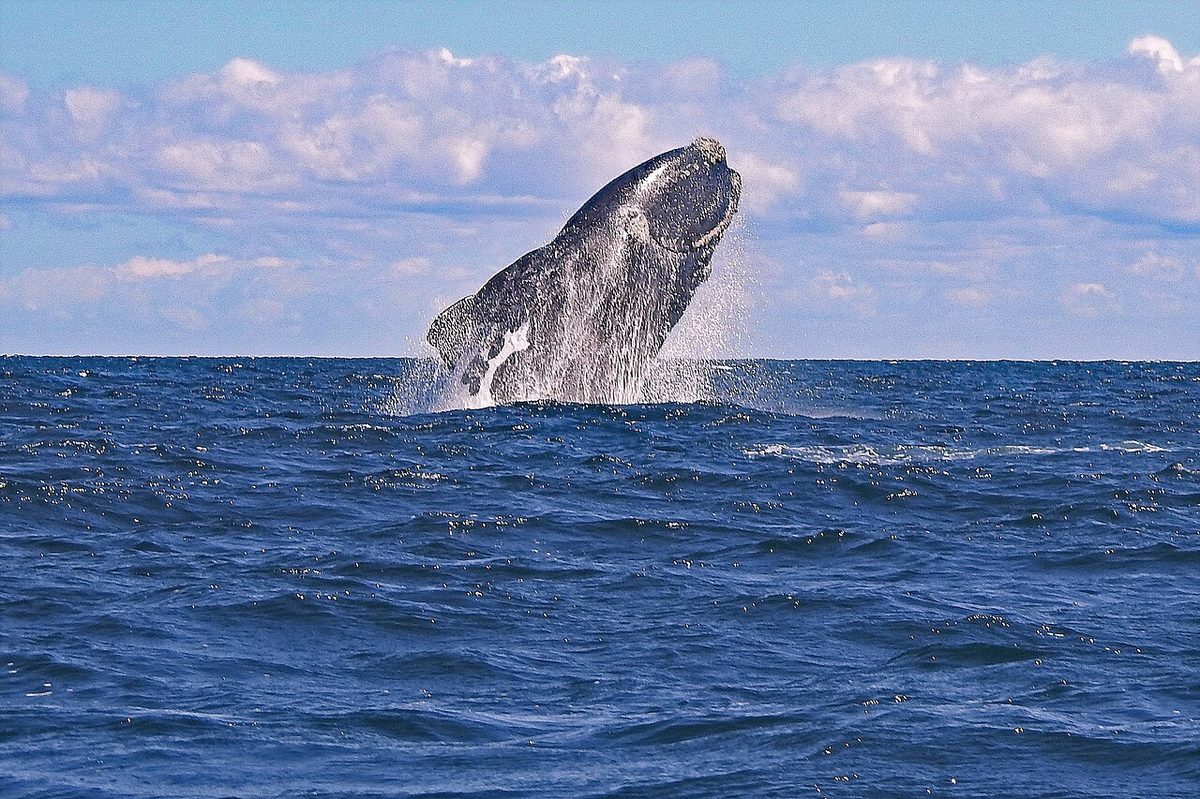
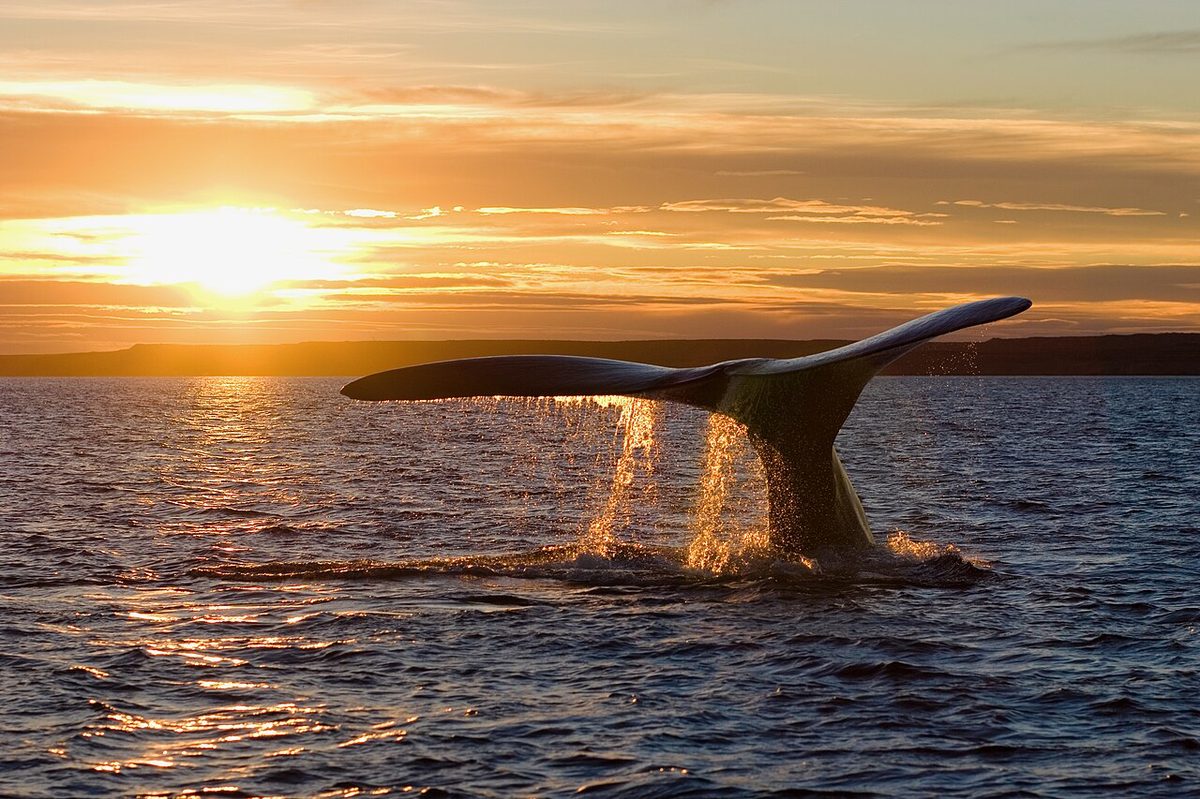
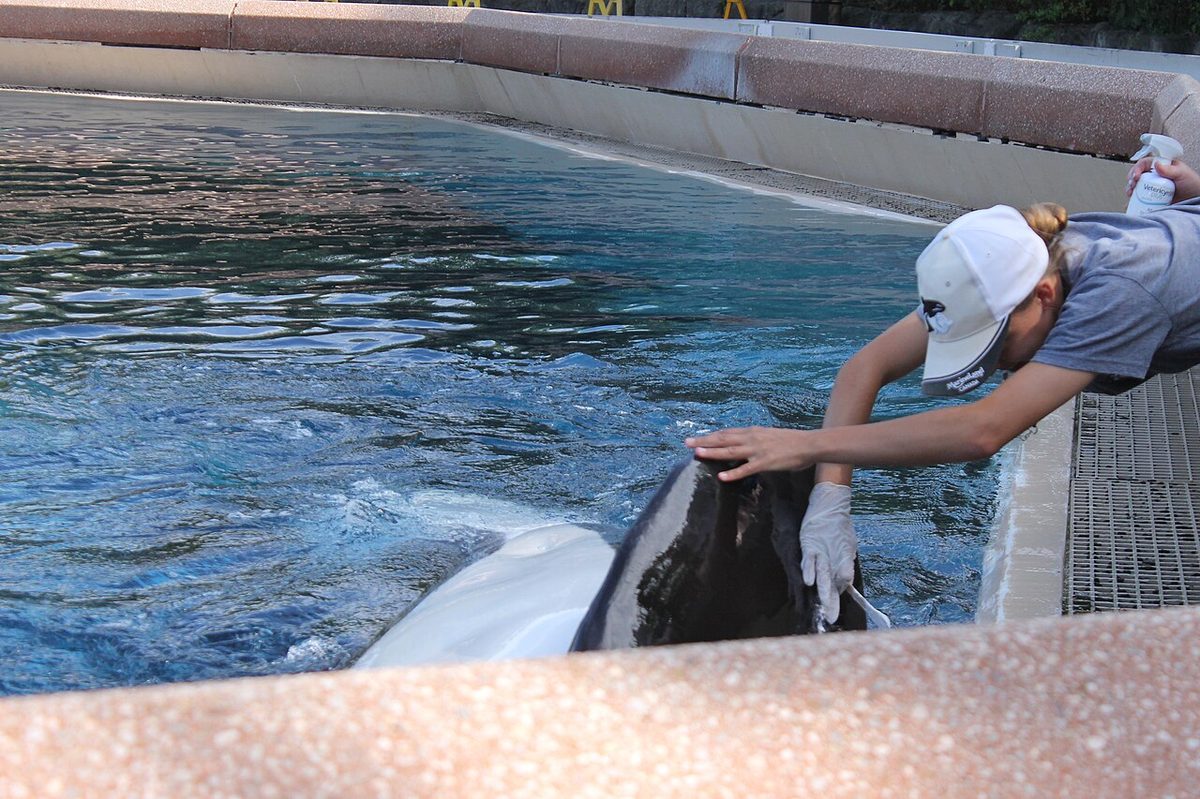
0 — 2 km Fig. 1 · Southern right whale surfacing off Puerto Madryn, the heart of Puerto Madryn whale watching · Photo: Hugo Hulsberg / CC0 via Wikimedia Commons
The first whale I saw at El Doradillo did not breach, did not slap its tail, and did not pose for anyone. It just rose, breathed out a V-shaped cloud of warm air, rolled a flipper above the surface with a calf tucked beside it, and sank again. I was standing on a pebble beach in a wool hat, holding a thermos, maybe forty meters away. Nobody clapped. Everyone went quiet. That is the version of Puerto Madryn whale watching nobody sells you, and it is the one I think about most.
Here is the short answer. Puerto Madryn is the gateway to the best southern right whale watching in South America: roughly June to December, with the strongest months around September and October. You can watch for free from the shore at El Doradillo beach early in the season, or take a boat from Puerto Pirámides inside Península Valdés. Sightings are common but never guaranteed.
This guide is for the traveler who has decided whales are the reason to come to Patagonia’s Atlantic coast and now wants a real plan: when to go, boat versus shore, what it costs, where to sleep, and how to do it without treating a wild animal like a theme-park ride. I’ll hedge every price and season and point you at official sources, because this coast changes year to year and you should verify before you book.
One promise up front: I will never tell you a sighting is guaranteed. Some operator pages do. The truth is that these are wild animals in an open gulf, the wind cancels boats, and a quiet afternoon at the beach is a normal outcome. Plan for a good chance and more than one attempt, not a certainty.
Puerto Madryn whale watching at a glance
Before the detail, here’s the month-by-month picture. This is the table I wish I’d had the first time, because the single biggest planning mistake is assuming “whale season” is one uniform thing. It isn’t. The whales move within the season, and where you should stand moves with them.
Month
Whale activity
Best way to watch
Notes
May (late)
First arrivals trickle in
Shore, if any
Too early to build a trip around
June
Season opens; mothers and calves near shore
Shore (El Doradillo)
Cold, quiet, atmospheric
July
Strong shore viewing; calves being born
Shore; boats running
Calves can’t float yet, stay near coast
August
Excellent for mothers and calves close in
Shore; boats running
Still cold; fewer crowds
September
Activity intensifies; breaching, courtship
Boat or shore
One of the two best months
October
Peak interaction; best boat conditions
Boat (Puerto Pirámides)
Often the single best month
November
Still good; whales shifting and thinning
Boat
They start leaving late in the month
December
Season tapers; many have left
Boat, early December
Verify status; not a safe first choice
Swipe to see all columns
Table 1
A few honest notes on that grid. From June to roughly mid-September the whales concentrate in Golfo Nuevo, the gulf Puerto Madryn sits on, which is exactly why shore viewing at El Doradillo is so good early in the season. From mid-September into December they shift toward Golfo San José on the far side of the peninsula, and Puerto Pirámides becomes the better base for boats. If you remember one thing from this article, remember that the location moves with the calendar.
If I had to pick a single window for a first trip, I’d choose late September through October. You get the best of both: enough whales still near Madryn to make the shore worthwhile, plus the courtship, breaching, and calmer-weather boat days that make Puerto Pirámides unforgettable. For the wider seasonal view across every species, our seasonal wildlife breakdown guide lays out the whole calendar.
When is the southern right whale season?
The official whale season in Península Valdés runs June to December, although the Visit Argentina southern right whale article notes the first whales begin arriving in late May. Each year around 2,000 southern right whales (Eubalaena australis) come to these protected gulfs to mate, give birth, and raise calves, according to the Puerto Pirámides municipal tourism site. They don’t all arrive or leave at once; they filter in and out across the whole season.
This is not a migration corridor where whales pass through. It’s a nursery. Research cited by Visit Argentina suggests these whales have used the Nuevo and San José gulfs as breeding grounds for over 1,000 years, drawn by the calm, shallow water that’s ideal for raising young. So you’re not trying to catch a fast-moving pod on one lucky day. You’re visiting a place where whales settle in for months.
Early season: June to mid-September
Cold, quiet, and intimate. This is when mothers and calves stay closest to the coast, because newborn calves can’t float on their own until they’re around 30 to 40 days old, so the mothers keep them in calm, shallow water near shore. Visit Argentina calls July and August ideal for watching mothers and calves from land. Bring serious warm layers. The reward is whales close to the beach and almost nobody around.
Peak season: September and October
As spring arrives the whole gulf wakes up. You get more interaction between animals: breaching, vocalizing, tail-slapping, courtship groups of several males competing for one female. The weather also settles, which means more boats actually run. For most travelers, September and October are the best months, and the Península Valdés whale guide agrees that this is the prime window for both behavior and boat conditions.
Late season: November into December
Still good early on, but the whales begin leaving in late November and are mostly gone by mid-December. November works, especially for boats out of Puerto Pirámides, but I wouldn’t build a December-only trip around whales without checking the current season status first. Recheck before booking; the exact end date drifts year to year.
El Doradillo whale watching: the free shore option
If you only know one thing about this coast, know El Doradillo. It is one of the very few places on Earth where you can watch large whales from the beach, for free, with your feet on dry land. No boat, no ticket, no seasickness. Just patience and a tide chart.
El Doradillo sits about 15 to 20 km north of Puerto Madryn, a 20 to 30 minute drive, with free parking right at the beach. It was declared a municipal protected area in 2001 and stretches roughly 30 km of coast from Punta Arco to Cerro Prismático, per Welcome Argentina’s El Doradillo page. What makes it special is the bathymetry: the water gets deep very close to shore, so whales can come in astonishingly near. At high tide, mothers and calves often drift within 10 to 25 meters of the pebbles.
How to time El Doradillo
Timing is everything here, and it’s the part most visitors get wrong. The whales come closest as the tide is rising toward high, so check a Puerto Madryn tide table and aim to be on the beach for the couple of hours around high tide. Early morning, when the sea is calmest and the light is low and gold, is my favorite slot. Then do the hardest thing in wildlife watching: wait. Some sessions the whales are right there. Some afternoons, as both InterPatagonia and I can confirm, they stay shy and you simply enjoy a beautiful, empty Patagonian beach. That is the deal.
Who El Doradillo is perfect for
Shore viewing is the great equalizer of this coast. It’s ideal for:
Families with young kids who can’t sit still on a boat.
Travelers prone to seasickness who’d rather skip the open water.
Budget travelers — it costs nothing but transport.
Photographers with a long lens and time to wait for the light.
Anyone visiting June to August, when the whales are closest to Madryn.
The best season for shore viewing is roughly June through August, tapering as the whales drift north toward the peninsula. You’ll want a car, a taxi, or a short shore-watching tour to reach the beach; there’s no town out there, just coast. And keep your distance and your noise down even from land. A mother and a days-old calf resting in the shallows do not need an audience crowding the waterline.
Puerto Pirámides whale tours: the boat experience
For the close, water-level encounter most people picture, you want a boat, and in Argentina that means Puerto Pirámides. It’s the only town inside the Península Valdés protected area, about an hour and a half by road from Puerto Madryn, and crucially it is the only authorized port in Argentina for nautical whale-watching excursions, confirmed by both Visit Argentina and the Península Valdés whale guide. Every legitimate whale boat on this coast launches from that one beach.
A standard trip lasts around 1.5 to 2 hours in a semi-rigid boat or a larger catamaran. You head out into Golfo Nuevo with a specialized guide, and on a good day you’ll see whales blowing, fluking, lobtailing, and sometimes breaching just meters from the hull. The guides narrate the biology as you go, which turns a sightseeing trip into something closer to a field lesson.
The operators and how booking works
According to Puerto Pirámides tourism, there are six certified operators working from the town, all licensed for safety, service quality, and environmental impact. Boats typically carry up to around 70 passengers, and historically there are several departures a day, commonly mid-morning, midday, and early afternoon, though exact times shift with the season and conditions.
A few practical booking notes:
Book ahead in peak season. September to November fills up; reserve your boat and your bed early.
Build in a spare day. Boats are weather-dependent and the wind in Golfo Nuevo cancels trips. If whales are a life-list goal, don’t arrive with a single narrow window.
Ask the right questions. Boat type, trip length, cancellation and rebooking policy, whether young children are allowed, and what happens if weather scrubs the departure.
Confirm current departure times and prices directly with the operator close to your dates. Don’t trust a number you read months earlier, including mine.
The Yellow Submarine and other variations
If you want something different, one operator runs a semi-submersible boat (the Yellow Submarine) with underwater viewing windows, so you can watch whales below the surface as well as above. Per the Península Valdés whale guide, the underwater experience generally runs July 1 to October 31. There are also private charters for photographers, couples, and families who want an intimate trip, and occasional science-focused outings with biologists aboard. Kayaking near whales exists too, but only with licensed operators under strict rules — it is regulated for the animals’ protection, not a free-for-all.
You don’t actually have to choose. If whales are central to your trip, I’d do both, because they’re completely different experiences and one rescues the other when the weather doesn’t cooperate. But if you only have time or budget for one, here’s how I’d decide.
Boat from Puerto Pirámides
Shore at El Doradillo
Cost
Paid excursion (verify current price)
Free (just transport)
Best months
September–December
June–August
Closeness
Meters, at water level
10–25 m at high tide
Weather risk
High — wind cancels boats
Low — you just wait
Seasickness
Possible
None
Guide/biology
Yes, narrated
No, self-guided
Best for
The classic close encounter
Families, budget, calm pace
Swipe to see all columns
Table 2
Choose the boat if you want the close, water-level encounter, you’re visiting in the back half of the season, you can absorb a weather cancellation, and you want a guide interpreting the behavior in real time.
Choose the shore if you’re traveling early season, on a budget, with kids, or prone to seasickness, and you value a slow, quiet, self-paced morning over the drama of the open water.
Do both if you can. A boat gives you scale and motion; the beach gives you stillness and control. If the wind kills your boat day, El Doradillo can still save the trip. If the beach is quiet, the boat gives the trip a centerpiece. The best whale trip isn’t the one with the priciest excursion — it’s the one with enough days to respond to the conditions.
Where to stay: Puerto Madryn or Puerto Pirámides?
This trips up a lot of first-timers, so let me make it simple. Puerto Madryn is the city base; Puerto Pirámides is the tiny whale village. Most people should base in Madryn, but there’s a real case for a night or two in Pirámides if whales are the whole point.
Puerto Madryn
Madryn sits right on Golfo Nuevo and is the practical hub: the most hotels, restaurants, agencies, and the easiest logistics, with its own El Tehuelche Airport (PMY) and Trelew’s airport (REL) about 60 to 66 km away, per Visit Argentina. It’s also closest to El Doradillo and to extras like the clifftop Ecocentro (where you can sometimes spot whales from the terraces) and the sea-lion snorkeling at Punta Loma. Base here if you want choice, services, family-friendly logistics, and a car-free trip is workable.
Puerto Pirámides
Pirámides is small, atmospheric, and inside the protected area, steps from where the boats launch. Sleeping here turns whale watching from a day trip into a stay: you wake up already in the landscape and can catch an early, calmer departure. The trade-off is fewer hotels, restaurants, and services. Base here if whale boats are the core of your trip, you want to be at the departure beach, and you’re comfortable with a quieter, simpler town.
For the broader lodging decision across the whole region — including how this coast compares with mountain bases — our where to stay in Patagonia guide breaks it down by trip type.
How much does Puerto Madryn whale watching cost?
I’ll be honest and a little annoying about this: exact prices move too much with the exchange rate, the operator, and the year to print a number you can trust. Argentina’s currency makes any quoted figure go stale fast. So treat what follows as a pattern, not a price list, and verify current rates before you book.
Shore viewing at El Doradillo is free. Your only cost is getting there — a rental car, a taxi, or a budget shore-watching tour.
Boat tours from Puerto Pirámides are a paid excursion. One operator site lists trips from around USD 115 as an example, but this varies widely; confirm the current price with the operator.
Private charters and the Yellow Semi-submersible sit at a premium above the standard group boat.
Add the entry and transport for Península Valdés if you’re combining the boat with a full peninsula day, which most people do.
So the spread is real: whale watching here can be nearly free if you stick to the shore, or a meaningful line in the budget if you stack a boat, a private charter, and a peninsula tour. For modeling the whole trip, our full cost breakdown for Patagonia puts it in context. Whatever you read, including the figure above, reconfirm it close to your dates.
Responsible whale watching and the Patagonian technique
This isn’t a throwaway section. The reason whale watching here is so good is that the people who run it have protected it for fifty years, and your behavior is part of that bargain.
Whale watching in Puerto Pirámides began in 1974, when a single boat took around 60 passengers a season, according to the local tourism authority. Over decades, the captains — many with 40-plus years on the water — developed a code of conduct known worldwide as the “Patagonian whale-watching technique,” built from thousands of hours of observing how to approach whales without disturbing them. It worked: Península Valdés was named one of the world’s ten best whale-watching spots by National Geographic Travel in 2018 and won a World Travel Award as South America’s Leading Whale Watching Destination in 2019.
What that means for you is simple. Use authorized operators only. Let the guide manage the encounter and the distance — a whale surfacing close to the boat is not an invitation to chase it. From shore, hang back from the waterline and keep your group calm, especially around mothers and newborn calves. No drones. Don’t pressure anyone to get closer. The goal is a whale that keeps doing whatever it was doing because you behaved well, not a slightly better phone video. For the full ethics across every Patagonia species, see our rundown of approach distances guide.
Combining whales with Península Valdés and beyond
Almost nobody comes all this way only to watch whales, and you shouldn’t either. The whales are the headline of a much richer wildlife coast, and a little planning lets you stack experiences without rushing.
Make it a Península Valdés trip
The whale boat launches from inside Península Valdés, so it folds naturally into a full peninsula day: sea lions and elephant seals along the cliffs at Punta Norte and Caleta Valdés, guanacos and rheas on the steppe, and big coastal birdlife. Give the area at least two nights, and three or four if wildlife is your main reason for the trip. Our Península Valdés guide covers the loop, the distances, and what to see where.
Add penguins, and maybe orcas
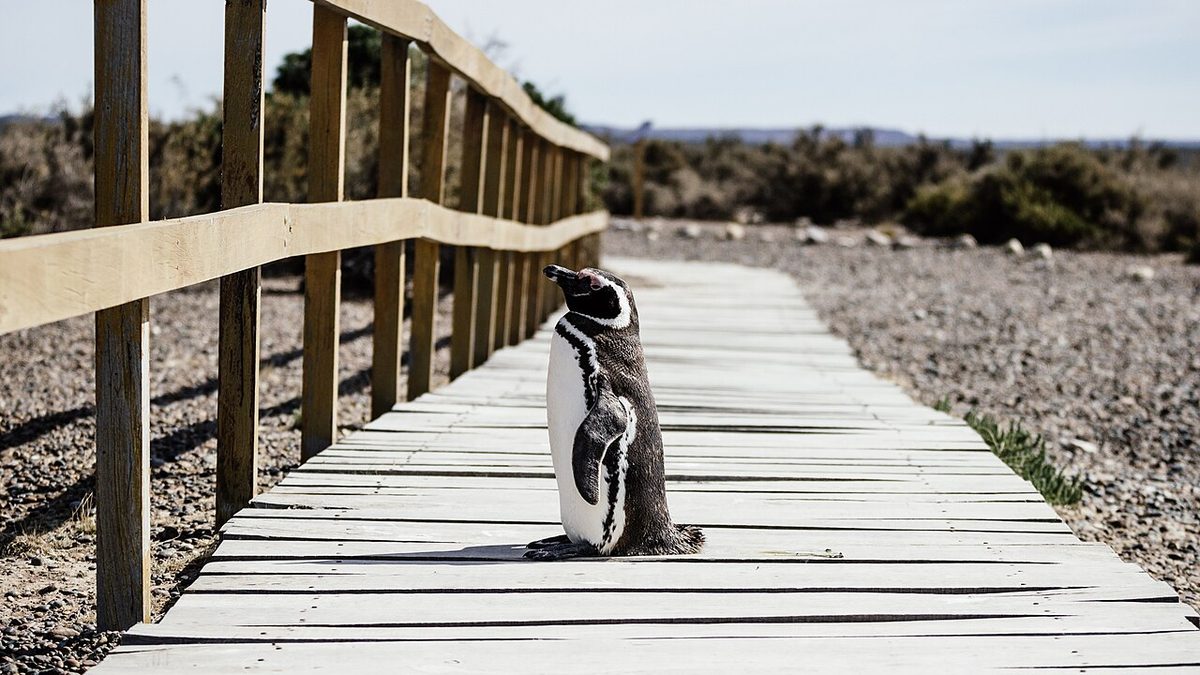
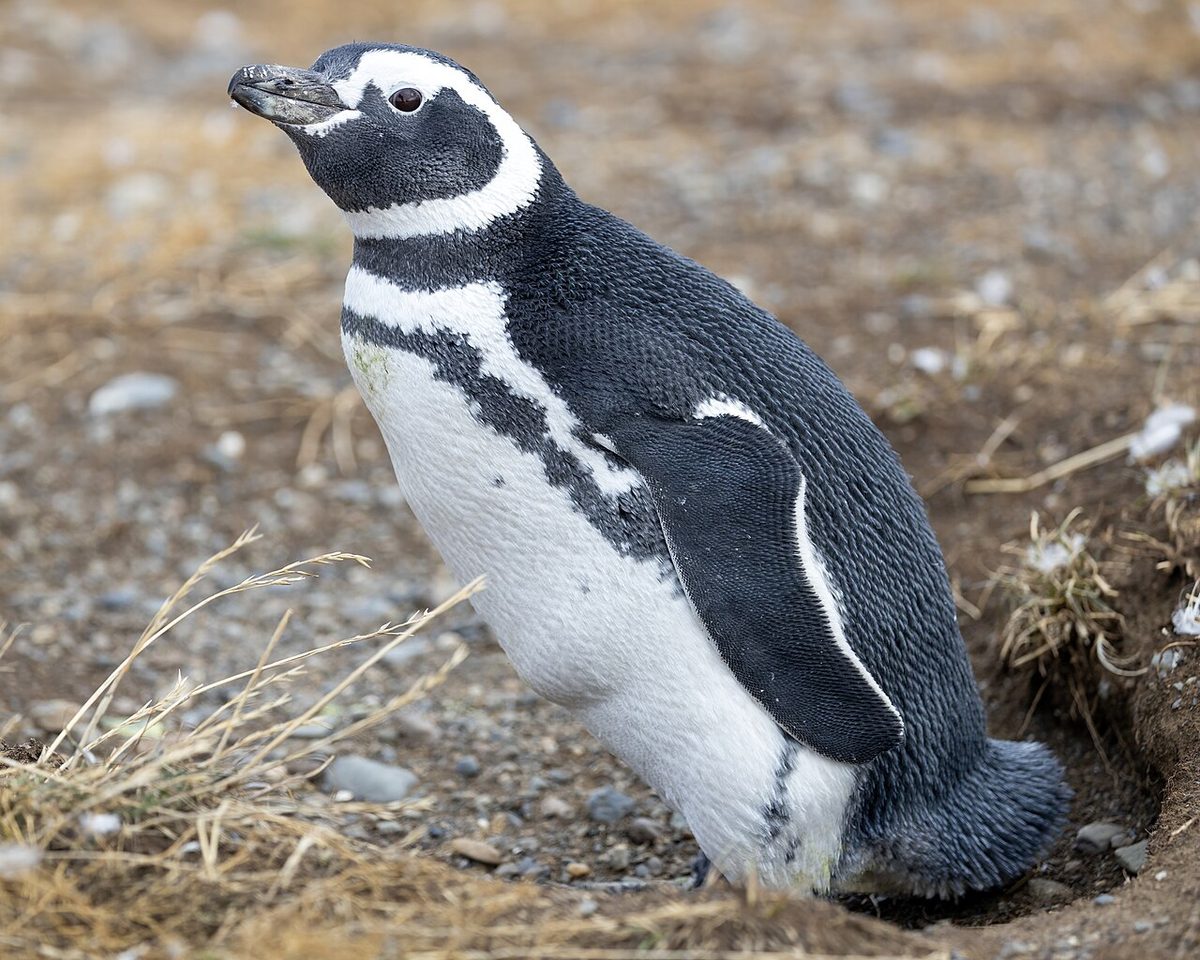
From a Madryn base you’re within reach of the great Magellanic penguin colonies of the Chubut coast — our penguins in Patagonia guide explains which colony suits which month. And the peninsula is famous for one of the planet’s most dramatic predator events: orcas intentionally stranding to hunt sea-lion and elephant-seal pups, mostly around March and April at Punta Norte. That’s outside the right-whale season and never guaranteed, but if it fascinates you, read our guide to orca season at valdes guide before you plan around it. To line up every species against the calendar, the seasonal guide to animal sightings is the quickest reference.
Fit it into a bigger Patagonia route
Whales pair well with the rest of Patagonia if you respect the travel days — the Atlantic coast and the Andes are not next door. Many travelers combine Puerto Madryn with El Calafate’s glaciers or, with more time, the far south around Ushuaia and Tierra del Fuego for Beagle Channel wildlife. To choose your overall travel window, start with our seasonal guide to Patagonia guide, and for the species-first view of the whole region, loop back to our Patagonia wildlife guide.
Whatever the calendar says, this is cold-water Patagonia and you’ll spend time standing still or sitting in wind. Dress for it.
Windproof, waterproof outer layer — essential on the boat and the beach.
Warm midlayer, plus hat and gloves, even outside deep winter.
Sunglasses and sunscreen — UV is strong here even under cloud.
Binoculars, especially for shore viewing at El Doradillo.
A long lens if you care about photos; whales are farther than they look.
Motion-sickness tablets before a boat trip, if you’re prone.
A thermos and snacks for the waiting, which is most of shore watching.
Patience. I mean it. It’s what separates a good wildlife day from a frustrated one.
Frequently asked questions
When is the best time for whale watching in Puerto Madryn?
The southern right whale season runs roughly June to December, and the best months for most travelers are September and October, when the whales are most active and boat conditions are calmest. For shore viewing of mothers and calves at El Doradillo, June to August is ideal. Always verify the current season before booking.
Can you see whales from the shore in Puerto Madryn?
Yes. El Doradillo beach, about 15 to 20 km north of the city, is one of the few places on Earth where you can watch southern right whales from land. At high tide, mothers and calves can come within 10 to 25 meters of the shore. It’s free, best from June to August, and best timed around a rising tide.
How much does a whale-watching boat tour cost?
Prices vary a lot with the operator and Argentina’s exchange rate, so verify current rates directly. As a rough guide, one operator site lists boat trips from around USD 115, with private charters and the semi-submersible costing more. Shore watching at El Doradillo is free aside from transport. Treat any quoted figure as approximate and reconfirm before booking.
Where do the whale-watching boats leave from?
All authorized whale-watching boats leave from Puerto Pirámides, the only town inside the Península Valdés protected area and the only licensed port in Argentina for nautical whale excursions. It’s about 90 minutes by road from Puerto Madryn. Six certified operators run trips of roughly 1.5 to 2 hours, weather permitting.
Are whale sightings guaranteed?
No, and be cautious of anyone who promises they are. Sightings are common in peak season, but these are wild animals in an open gulf, and wind frequently cancels boats. The honest plan is to allow more than one attempt and a spare day, especially if you’re traveling far. A quiet day on the water or the beach is a normal outcome.
How many days do you need in Puerto Madryn for whales?
Two nights is the realistic minimum to fit one boat day and one shore or peninsula day with some weather flexibility. Three to four nights is better if wildlife is your main reason to visit, letting you combine a boat trip, El Doradillo, a full Península Valdés day, and a buffer for the wind. Whales reward unhurried trips.