Exactly how far ahead to book Patagonia in advance: flights, W Trek refugios, ice treks, lodging, Antarctica, and tours, with a month-by-month countdown.
By Patagonia Tourism Guide · First published 30 Sep 2026 · Updated 1 Aug 2026
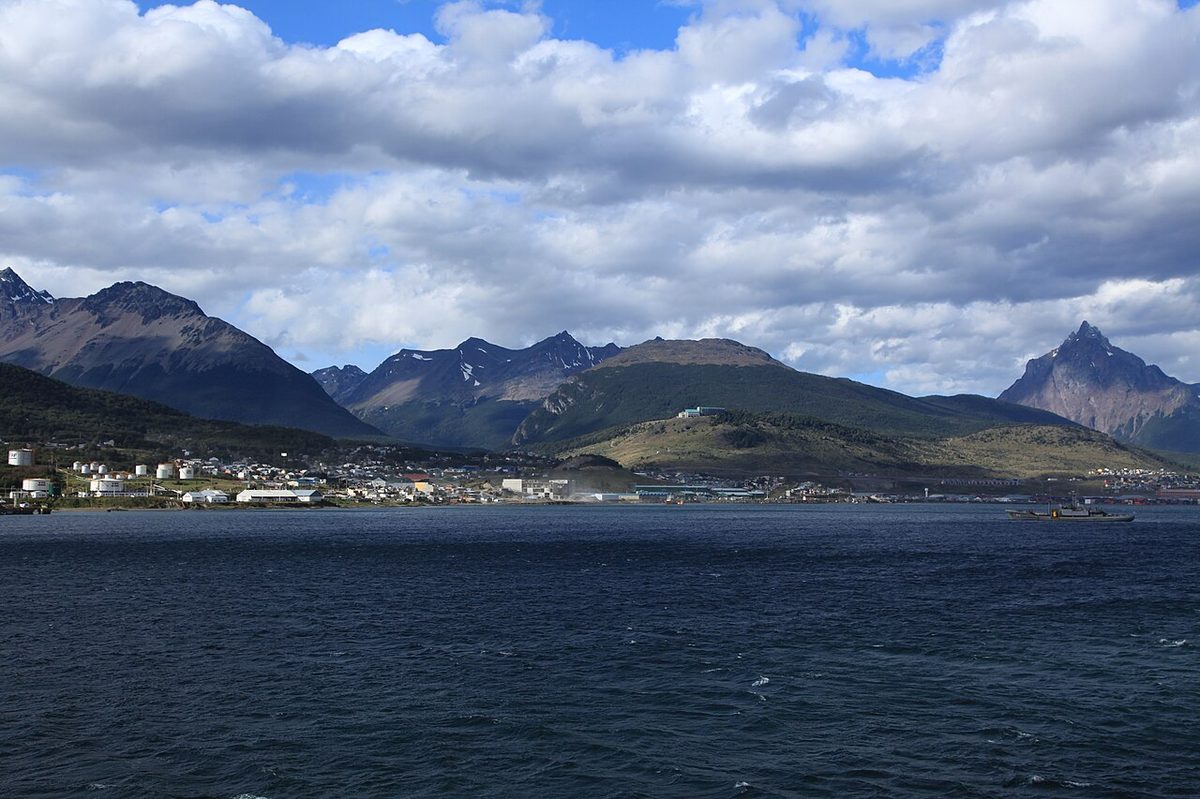
0 — 2 km Fig. 1 · The Beagle Channel off Ushuaia, where cruise berths are claimed many months ahead · Photo: Liam Quinn from Canada / CC BY-SA 2.0 via Wikimedia Commons
The first Patagonia trip I helped plan came apart on a phone screen in August. A friend had her flights, her January dates, her dream of walking the W Trek — and when she opened the refugio site, nearly every bed for December through February was gone. So this is the timing guide I wish she’d had.
To book Patagonia in advance well, treat each piece on its own clock: lock peak-season W Trek refugios and Antarctica cabins around 8 to 12 months out, summer flights and El Chaltén or El Calafate lodging around 4 to 8 months, ice treks 2 to 4 weeks, and leave buses, many hostels, and most day tours for the final weeks. Verify everything close to your dates.
This guide is for the traveler who already knows roughly where and when they’re going, and now needs to know the order and the lead time — what sells out first, what you genuinely can leave late, and how the whole schedule compresses in peak summer. I’ll hedge the timeframes, because operators shift their booking windows year to year, and I’ll point you at where to confirm.
One honest caveat before the timeline: “book early” is not a single instruction. The cost of waiting is wildly different for an Antarctica cabin versus a city-to-city bus. Some things in Patagonia punish lateness brutally, and a few barely care. The whole point of what follows is to tell the two apart so you spend your planning energy where it actually matters.
How far ahead should you book Patagonia in advance?
Here’s the short version before the detail. The components that sell out are the ones with fixed, small capacity and high demand: the limited beds inside Torres del Paine, expedition cabins to Antarctica, the popular ice treks, and the good-value rooms in tiny mountain towns during the busiest weeks. Those are your early bookings.
Everything with flexible or large capacity — buses with multiple daily departures, dorm beds in larger hostels, standard day tours that run several times a week — can usually wait, even in summer.
The single biggest mistake I see is treating the trip as one booking decision made on one day. People either panic-book everything a year out and lose flexibility, or relax and book nothing until the refugios are gone. The right move is to stagger: reserve the scarce, irreversible things as soon as their windows open, then fill in the flexible pieces as your dates firm up.
If you want the broader money picture behind all of this, our Patagonia trip cost and budget guide is the pillar these timing decisions hang off — booking timing and budget are tightly linked, and I’ll come back to that near the end.
At a glance: how far ahead to book each component
This is the table I’d tape to the wall. These are typical peak-season (December–February) lead times for 2026–27; shoulder months relax most of them, and I’ll cover that shift further down. Treat every figure as a planning range and confirm current windows with the operators, because they move.
Component
How far ahead to book (peak season)
Why
Antarctica cruise cabins (from Ushuaia)
~8–12+ months
Tiny berth counts, popular ships sell out; early-bird discounts
W / O Trek refugios & campsites (in-park)
As soon as the system opens, ~6–10 months
Fixed small capacity inside the park; prime dates can go in weeks
Top luxury lodges & estancias
~8–12 months
Few rooms, all-inclusive demand, holiday weeks first
Domestic summer flights
~4–8 months (routes open ~10–12)
Cheapest fares released early; peak dates climb fast
El Chaltén / El Calafate / Natales lodging
~3–6 months
Limited beds in small towns; good-value rooms vanish first
Puma tracking & specialist wildlife
~3–6 months
Small group sizes, limited guides, multi-day to be worth it
Rental cars (summer)
~2–4 months
Fleets are small; one-way and 4×4 options sell out
Perito Moreno ice trek (Big Ice)
~2–4 weeks
Limited daily capacity; peak days sell weeks ahead
Perito Moreno ice trek (Minitrekking)
~1–2 weeks
Larger capacity than Big Ice but still books up in summer
Standard glacier & boat day tours
~1–2 weeks
Frequent departures, decent capacity
Intercity buses
Days to ~2 weeks
Multiple daily departures on classic routes
Hostel dorms & simple rooms
Days to weeks
Flexible, plentiful in gateway towns
Free hikes (El Chaltén, Bariloche)
No booking
Walk out the door
Swipe to see all columns
Table 1
A couple of notes on reading that grid. The lead times stack with demand, not just with the activity itself — a refugio bed for the first week of January is a different animal than the same bed in late March. And “as soon as the system opens” is doing real work in the refugio row, because those windows open on the operators’ schedule, not yours; miss the opening and you’re fighting for scraps.
The month-by-month countdown
Most people don’t think in components; they think in “how long do I have left.” So here’s the same advice rearranged as a countdown. Find where you are now, and do the things in that block.
12 months out: the irreversible big rocks
A year ahead is for the bookings that are genuinely hard or impossible to fix later, and for the ones where early money saves real money.
If Antarctica is on the table, this is the window. Expedition ships from Ushuaia carry small numbers of passengers, the popular departures sell out, and operators reward early commitment with early-bird discounts that can be meaningful — verify the current ones, but the savings are real. Our Ushuaia Antarctica cruise guide covers how that booking works.
This is also when to grab a top-tier lodge or a working estancia if a special-occasion trip is the goal. These places have very few rooms, and holiday weeks go first.
And keep an eye on flights: airlines typically release international and many domestic routes around 10 to 12 months out, and the earliest fares are often the cheapest you’ll see. You don’t have to buy the instant they appear, but for a peak-summer trip, watching from a year out beats discovering inflated fares at six months.
9 months out: refugios and the W Trek
If your trip includes Torres del Paine and you want to sleep inside the park — refugio beds or campsites on the W or O — this is the make-or-break window, and it’s the one that wrecks more itineraries than any other.
The in-park accommodation is run by two operators, Vértice Patagonia and Las Torres Patagonia (the latter formerly known as Fantástico Sur), and you generally need both to complete a route. Their booking systems open on a staggered schedule that varies year to year — often somewhere across April to June, with the peak December-to-February dates released first. Once a system opens, prime summer dates can disappear within weeks.
So the real rule isn’t “book nine months ahead” so much as “be ready the moment booking opens for your dates, which in practice lands roughly six to ten months before a summer trek.” Have your dates, route direction, and group size decided before the window opens, because hesitation costs you the trek. Our W Trek refugios guide walks through the operators and the booking mechanics in detail, and the W Trek cost guide covers what those beds actually run.
6 months out: flights and town lodging
Half a year out is the comfortable sweet spot for the bookings that aren’t quite first-come scarcity but do climb in price and shrink in choice.
For summer flights — Buenos Aires or Santiago down to El Calafate, Ushuaia, Bariloche, or Punta Arenas — six months ahead is a sensible target for the December and January peak, on carriers like LATAM, Aerolíneas Argentinas, JetSMART, and Flybondi. Our how to get to Patagonia guide breaks down the routes and airports.
This is also the window for lodging in the small gateway towns. El Chaltén in particular is tiny relative to its summer demand, and the affordable rooms there and in El Calafate and Puerto Natales tend to sell out months ahead in January and February. Three to six months is the realistic band; closer to six if your dates are in the absolute peak. Our where to stay in Patagonia guide covers the town-by-town picture.
If a rental car is part of the plan, start looking now too — Patagonian fleets are small, and one-way rentals and 4x4s sell out faster than the headline availability suggests.
3 months out: tours, wildlife, and the gaps
By three months you should have the structural bones — flights, in-park beds, town lodging — locked, and this block is for the experiences that hang off them.
Specialist wildlife, especially puma tracking around Torres del Paine, runs in small groups with limited guides, and the good operators fill up; three to six months is wise, and budget at least two to three days on the ground to actually see a cat. Premium day experiences and any guided trekking you want with a specific company belong here too.
This is also your honest gut-check window. Look at the whole route and find the gaps — the travel day with no bus booked, the night between two towns with nowhere to sleep, the buffer day you meant to protect against weather. Three months out, you can still fix those calmly. Speaking of weather buffers, if you haven’t sorted coverage, our insurance guide for Patagonia hikers guide covers why it matters more here than in most destinations.
1 month out: ice treks and confirmations
A month before departure is when the famous Perito Moreno ice walks come into focus.
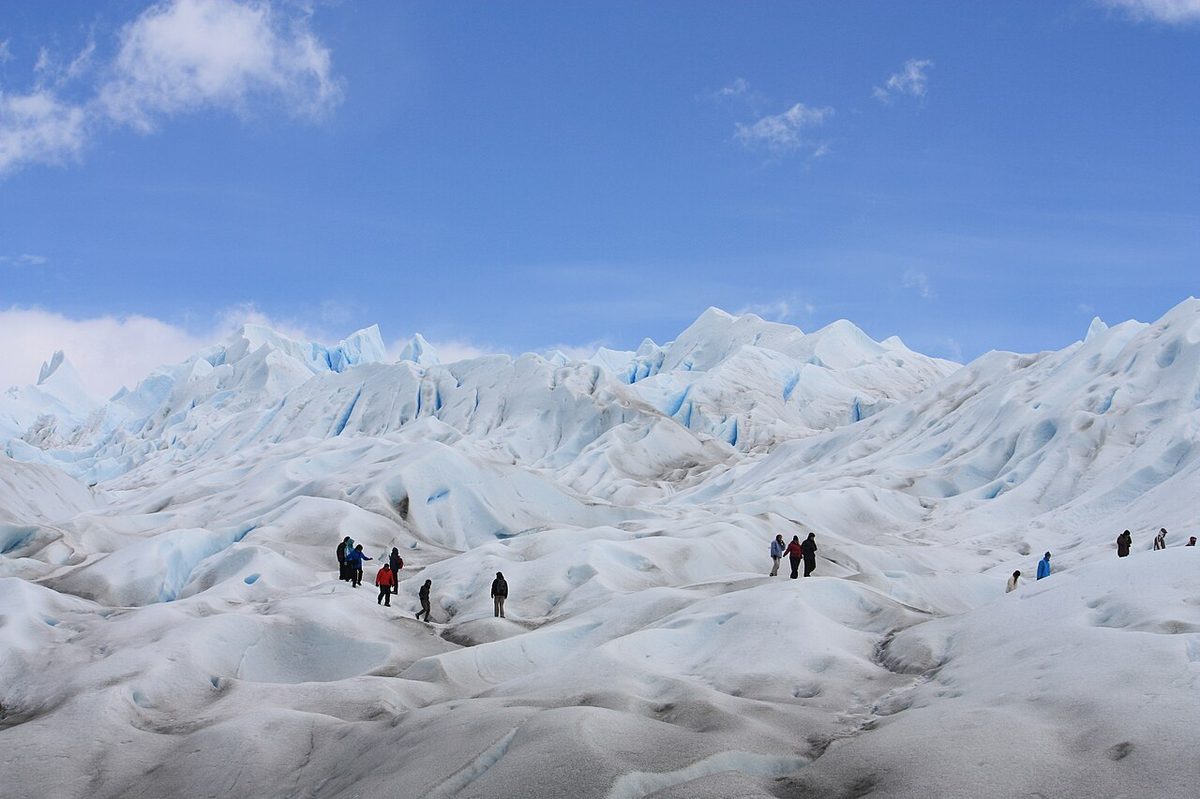
The two versions book on different clocks. Big Ice has limited daily capacity and tends to sell out earlier — two to four weeks ahead in summer, sometimes more for popular dates. Minitrekking has more room but still books up in peak season, so one to two weeks is the safe minimum. If either is a must-do, I’d reserve online rather than gamble on walking up in January. Our Perito Moreno minitrekking vs Big Ice guide helps you choose between them.
This is also confirmation season: re-check every booking, reconfirm pickup times for transfers and treks, verify your park entry situation, and sort your money setup. Our breakdown of how to pay down south guide covers cards versus cash for both countries, which behave very differently.
The final week is for the genuinely flexible pieces, and there are more of them than anxious planners expect.
Intercity buses on the classic routes — El Calafate to El Chaltén, El Calafate to Puerto Natales, Punta Arenas to Puerto Natales — run multiple daily departures, and outside the very peak you can often book days ahead or even at the terminal. I still book popular legs a few days out in January, but this is not where trips fall apart.
Standard glacier and boat day tours, dorm beds in larger hostels, and the free hikes around El Chaltén and Bariloche all live here too. This is the buffer you’ve been protecting all along: with the scarce things locked months ago, the last week is for adjusting to the weather, which in Patagonia is the one variable no booking system controls.
A closer look by component
The countdown tells you when; this section tells you why each one behaves the way it does, so you can make the call for your own trip.
Flights
Flights reward early attention because of pricing, not scarcity — seats rarely vanish, but cheap seats do. The earliest released fares are often the lowest, and on the long Buenos Aires or Santiago legs into the south, leaving it to the final weeks usually means paying a premium. The budget carriers, JetSMART and Flybondi, frequently show the lowest base fares, but their model strips everything out, so a cheap-looking fare can land near a full-service ticket once you add the baggage a trekker needs. Compare totals, not headlines.
W and O Trek refugios and campsites
This is the unforgiving one. The beds and campsites inside Torres del Paine are fixed, small, and managed by Vértice Patagonia and Las Torres Patagonia, on a staggered booking schedule with peak dates first. Decide your dates and route before the window opens, then book the instant it does. The cheapest beds — the campsites — tend to go first, which is why late booking here rarely saves money. If your search comes up empty, check again in September or October when agency-held blocks get released, but treat that as a bonus, not a plan.
Lodging in the towns
El Chaltén, El Calafate, and Puerto Natales are small towns absorbing a summer flood. The pattern is the same one that runs through this whole region: it’s not that every bed is expensive, it’s that the good-value beds disappear first. Book three to six months ahead for the December-to-February peak, and prioritize El Chaltén, which is the tightest market relative to demand. Larger hostels and dorms are the exception — those stay flexible far later.
Perito Moreno ice treks
The ice walks are a short-lead booking with a capacity quirk. Minitrekking takes larger groups and books up roughly one to two weeks ahead in summer; Big Ice runs in much smaller numbers and tends to sell two to four weeks out, sometimes more. Both are worth pre-booking online in peak season rather than hoping for a walk-up slot in El Calafate.
Estancias, wildlife, and specialist tours
Anything built on small group sizes and limited guides — puma tracking, private estancia stays, specialist photography or birding trips — behaves like the lodges: book months ahead in peak. For pumas specifically, plan multiple days; a single attempt often isn’t enough, and the operators design around that.
Antarctica
Antarctica sits at the far end of the early-booking scale. Expedition ships from Ushuaia carry small passenger numbers, the popular departures and cabin categories sell out, and early-bird pricing genuinely rewards booking around eight to twelve months ahead. There’s a famous shoulder-season exception — last-minute cabins occasionally surface in Ushuaia at a discount around November and March — but people sometimes wait weeks for one that never comes, so don’t build a fixed-date trip on that hope.
It’s worth naming the relaxing half of this clearly, because over-booking a trip out of fear costs you the flexibility that makes Patagonia work.
You can comfortably leave these for the final weeks, even in summer:
Intercity buses on the classic routes — multiple daily departures, bookable days ahead.
Dorm beds and rooms in larger hostels in the gateway towns.
Standard day tours — glacier viewpoints, Beagle Channel boats, most non-specialist excursions that run several times a week.
All the free hiking around El Chaltén and Bariloche — no booking exists to make.
Restaurants, gear rental, and laundry — none of this needs advance planning.
The reason this matters: Patagonia’s weather rewards the traveler who keeps slack in the schedule. If you’ve locked the scarce things early, the flexible things become your tool for chasing clear skies instead of fighting a rigid plan. Booking the right things late is a skill, not a failure.
How the timeline shifts by season
Everything above assumes peak summer — December, January, February — which is the most demanding window for every booking system at once. Shift your dates and the whole timeline breathes differently.
In the shoulder months — roughly November and March — most lead times relax by a notch. Refugios that would be gone for January are often available much closer in for March. Town lodging opens up, flights soften, and even the popular ice treks are easier to grab on shorter notice. You still want Antarctica and top lodges early, but the broad scramble eases. Our month-by-month weather breakdown guide weighs the full trade-off, because shoulder season buys you flexibility at the cost of some weather and daylight.
The flip side: the deep peak around the holidays and the first half of January is the tightest it ever gets. If your dates land there — and especially if you’re set on the W Trek in Patagonia in January — treat every lead time in this guide as a minimum and book at the early edge of each range. New Year’s-week refugios and flights are the first things gone and the last to reappear.
If you have any flexibility on dates at all, a shift of even two or three weeks away from the absolute peak can turn an impossible refugio search into an easy one. That single lever does more for your booking life than almost anything else.
How booking early saves money, not just stress
Early booking in Patagonia isn’t only about availability. In most components, the early money is also the cheaper money — which is why I treat the timeline as a budgeting tool, not just a logistics one.
Flights are the clearest case: the earliest released fares are routinely the lowest. Antarctica’s early-bird discounts can shave a real percentage off a very large bill. And on the W Trek, the cheapest accommodation — the campsites — sells out first, so waiting pushes you toward the pricier refugio beds by default.
The relationship runs the other way too. Booking late in Patagonia rarely produces the bargains it sometimes does elsewhere; the structural scarcity means last-minute usually means more expensive or simply unavailable. There’s no off-season fire-sale on the things that matter in summer.
So the budget logic is simple: lock the scarce, price-sensitive things early, and you’ve quietly cut your trip cost while also de-risking it. For the full numbers, see our cost ranges by travel style breakdown and the shoestring itinerary using buses and hostels for a route built around these timing realities. One more line item people forget in all this: park entry. Argentina updated its national park fees in 2026 and Chile administers Torres del Paine access through its own system, so check our Patagonia park fees guide for the current numbers before you finalize the budget.
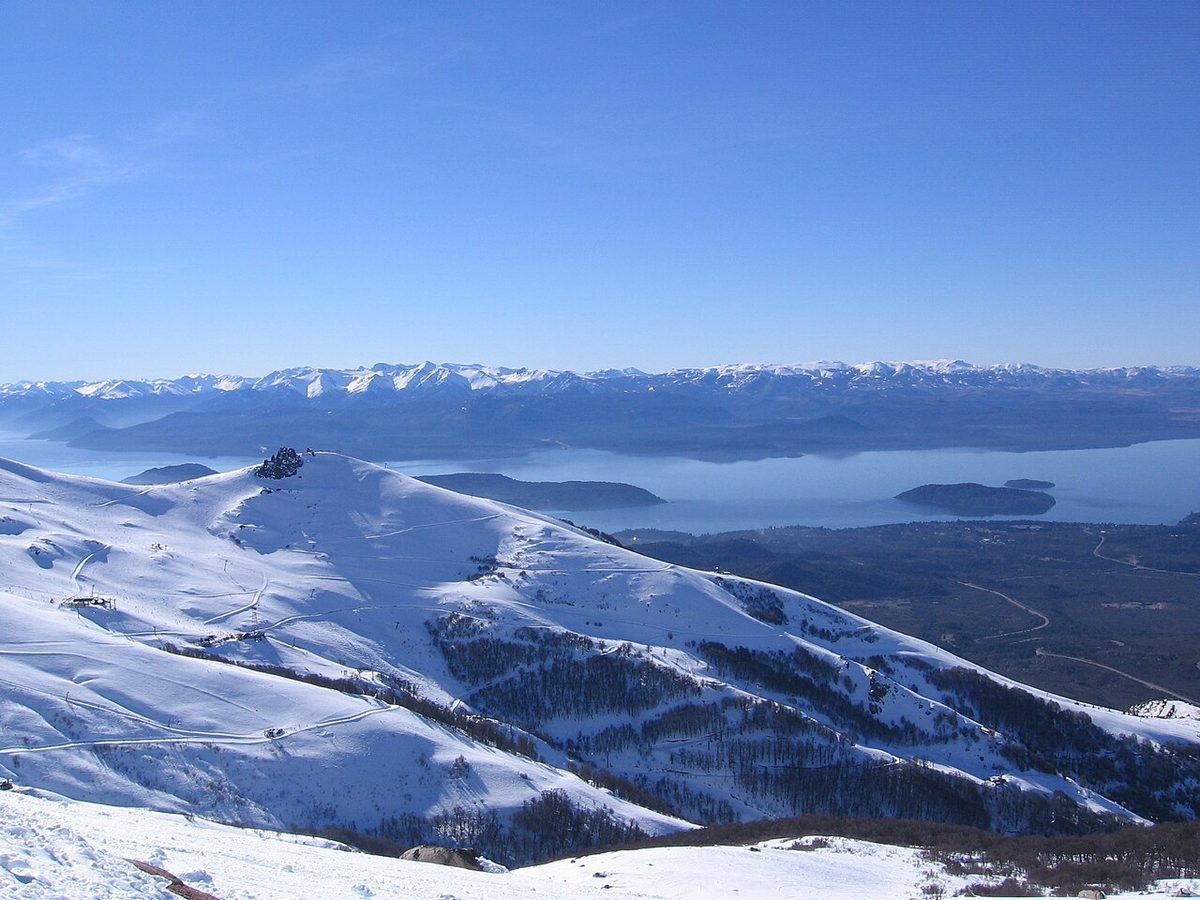
Fig. 5 · Cerro Catedral above Bariloche, where ski-season beds and lift passes are booked far in advancePhoto: Public domain via Wikimedia Commons
Frequently asked questions
How far in advance should I book a Patagonia trip overall?
For a peak-summer trip, aim to have the scarce pieces — Antarctica cabins, in-park W Trek refugios, top lodges — locked around eight to twelve months ahead, and flights and town lodging around four to eight months. Day tours, buses, and many hostels can wait until the final weeks. Shoulder-season trips relax most of these timeframes. Verify current windows with operators.
When do Torres del Paine refugios open for booking?
The in-park refugios and campsites, run by Vértice Patagonia and Las Torres Patagonia, open on a staggered schedule that varies year to year, often somewhere across April to June, with peak December-to-February dates released first. Prime summer slots can sell within weeks. Have your dates and route decided before the window opens, and book the moment it does. Confirm the current season’s opening directly with each operator.
How early should I book flights to Patagonia?
Routes typically open around ten to twelve months out, and the earliest fares are usually the cheapest. For peak December and January travel, four to eight months ahead is a sensible target. Budget carriers like JetSMART and Flybondi often show the lowest base fares, but add baggage costs before comparing, since trekking gear rarely fits a carry-on. Recheck fares close to booking.
Can I book Perito Moreno ice trekking last minute?
In peak season it’s risky. Big Ice has limited daily capacity and tends to sell out two to four weeks ahead; Minitrekking has more room but still books up roughly one to two weeks out in summer. Both are best reserved online rather than gambling on a walk-up slot in El Calafate. In shoulder months you have more last-minute flexibility, but verify availability first.
What can I leave until I arrive in Patagonia?
Quite a lot, actually. Intercity buses on classic routes run multiple daily departures and book days ahead; dorm beds in larger hostels, standard day tours, gear rental, and restaurants need no real advance planning; and all the free hiking around El Chaltén and Bariloche has nothing to book. Keeping these flexible lets you chase good weather, which is the smart way to use slack in a Patagonia schedule.
How far ahead should I book an Antarctica cruise from Ushuaia?
Around eight to twelve months ahead is the standard advice for the best cabin choice and early-bird pricing, since expedition ships carry small numbers and popular departures sell out. Last-minute discounted cabins do occasionally appear in Ushuaia during shoulder months around November and March, but people can wait weeks without success, so don’t build fixed travel dates around that possibility.
Does booking Patagonia early actually save money?
Usually, yes. The earliest released flight fares are typically the cheapest, Antarctica rewards early booking with discounts, and on the W Trek the cheapest beds — the campsites — sell out first, so waiting pushes you toward pricier options. Late booking in Patagonia rarely produces bargains, because the region’s structural scarcity means last-minute often means more expensive or simply unavailable.