Argentina vs Chile Patagonia: Which Side Should You Visit?
Argentina vs Chile Patagonia, compared honestly: sights, hiking, glaciers, cost, logistics, and crowds, plus which side fits your trip best.
By Patagonia Tourism Guide · First published 21 Jun 2026 · Updated 1 Aug 2026
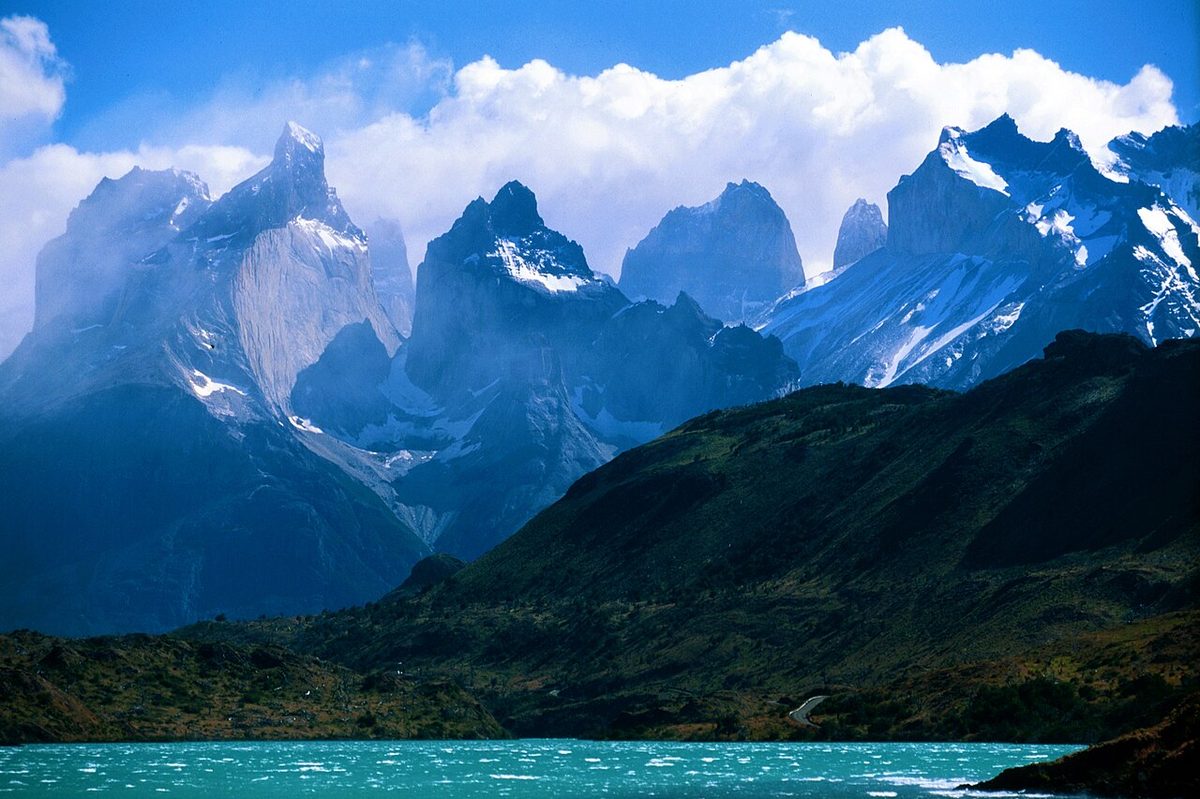
0 — 2 km Fig. 1 · Granite peaks reflected in a turquoise lake in Torres del Paine, Chilean Patagonia · Photo: Miguel Vieira (talk · contribs) / Public domain via Wikimedia Commons
Every Patagonia plan I have ever helped with hits the same wall around tab number fifteen: Argentina or Chile? You have seen the photos from both sides, and to a newcomer they look almost identical, the same jagged peaks, the same impossible blue ice, the same wind-flattened grass. So the honest question is not which one is prettier. It is which one fits the trip you can actually take.
That is what this guide is for.
Argentina vs Chile Patagonia: which side should you visit? Choose Argentine Patagonia for easier logistics, iconic free day hikes around Fitz Roy, close glacier access at Perito Moreno, more wildlife, and lower costs. Choose Chilean Patagonia for the grander mountain drama of Torres del Paine, famous multi-day treks, and wilder road trips. With 10 or more days, honestly, do both.
This is written for the traveler who has decided on Patagonia but is stuck on the first real fork in the road. If you are still earlier than that, the broader Patagonia travel guide is the better starting point, and if you are unsure the whole region is even your kind of trip, is Patagonia worth visiting tackles that head-on. If you are ready to pick a side, keep reading.
Argentina vs Chile Patagonia at a Glance
Here is the whole decision compressed into one table. The rest of the article is just me explaining the trade-offs behind each row, because the row that matters most depends entirely on you.
Buenos Aires, then El Calafate, Bariloche, or Ushuaia
Santiago, then Punta Arenas (or Puerto Natales)
Ideal solo-side trip
Around 6 to 9 days
Around 6 to 10 days
Swipe to see all columns
Table 1
If you only skim one thing, skim that. Now let me earn the rest of your attention.
It Is Not “Better,” It Is “Which Fits Your Trip”
I want to clear this up before anything else, because it is the single most common mistake I see: people treat this like there is a right answer hiding somewhere, and if they research hard enough they will find the side that is objectively better.
There isn’t one. Every honest source I have read, from luxury operators to backpackers who hiked both sides in three weeks, lands in the same place: there is no best side of Patagonia, only a best side for your goals, your dates, and your travel style. I have been on both. I agree.
What actually decides it is a short list of variables:
Time. A week pushes you toward one side. Ten days or more opens up doing both.
Hiking appetite. Day hiker or multi-day trekker? This alone tilts the whole thing.
Glacier priority. If standing in front of a giant glacier is the dream, that changes the math.
Budget. One side is reliably gentler on your wallet.
Logistics tolerance. How much gravel, ferry timetable, and advance booking are you willing to absorb?
Hold those five in your head as you read. By the end you will know which side wins for you, and it may not be the side that wins for your friend.
Argentine Patagonia: The Highlights
Argentina holds the larger share of Patagonia, and it tends to be the easier, more varied, more forgiving side to travel, especially on a first trip.
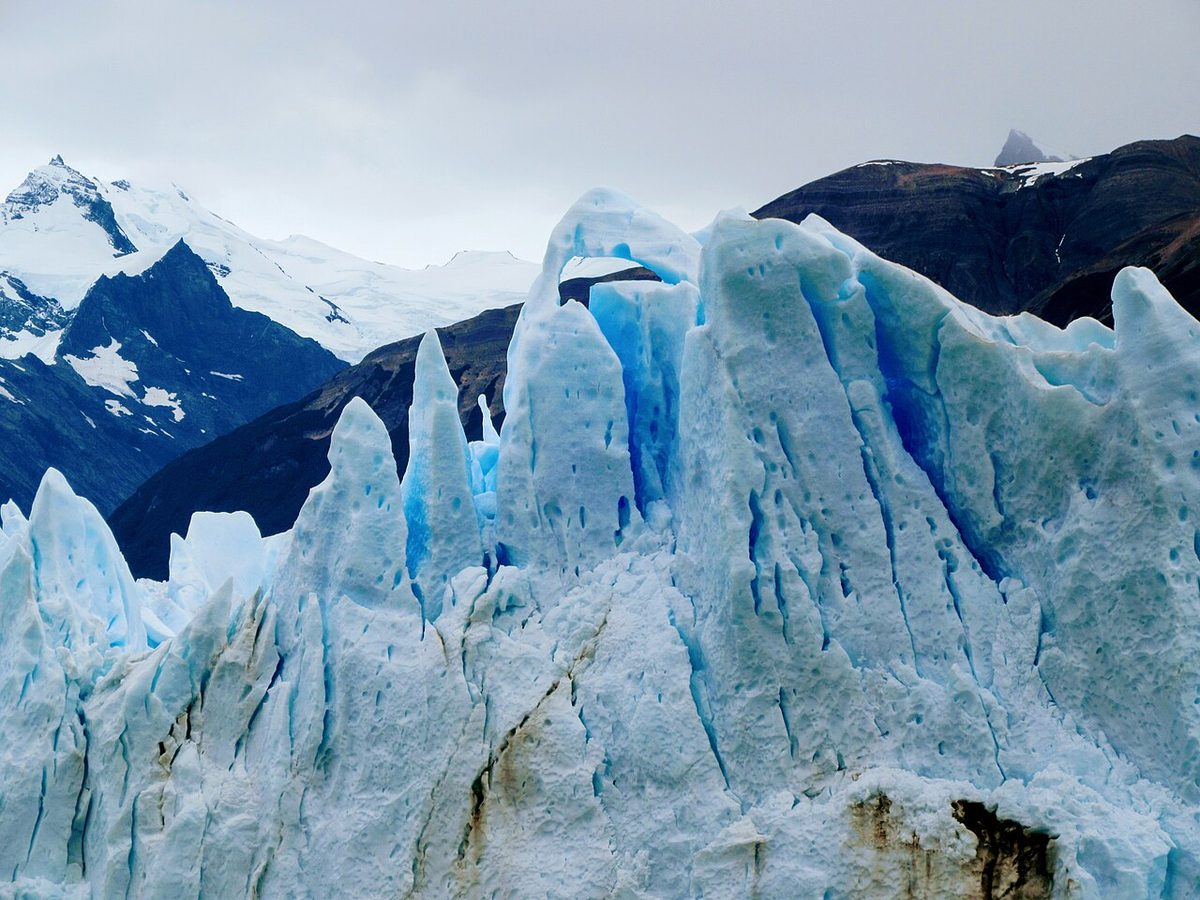
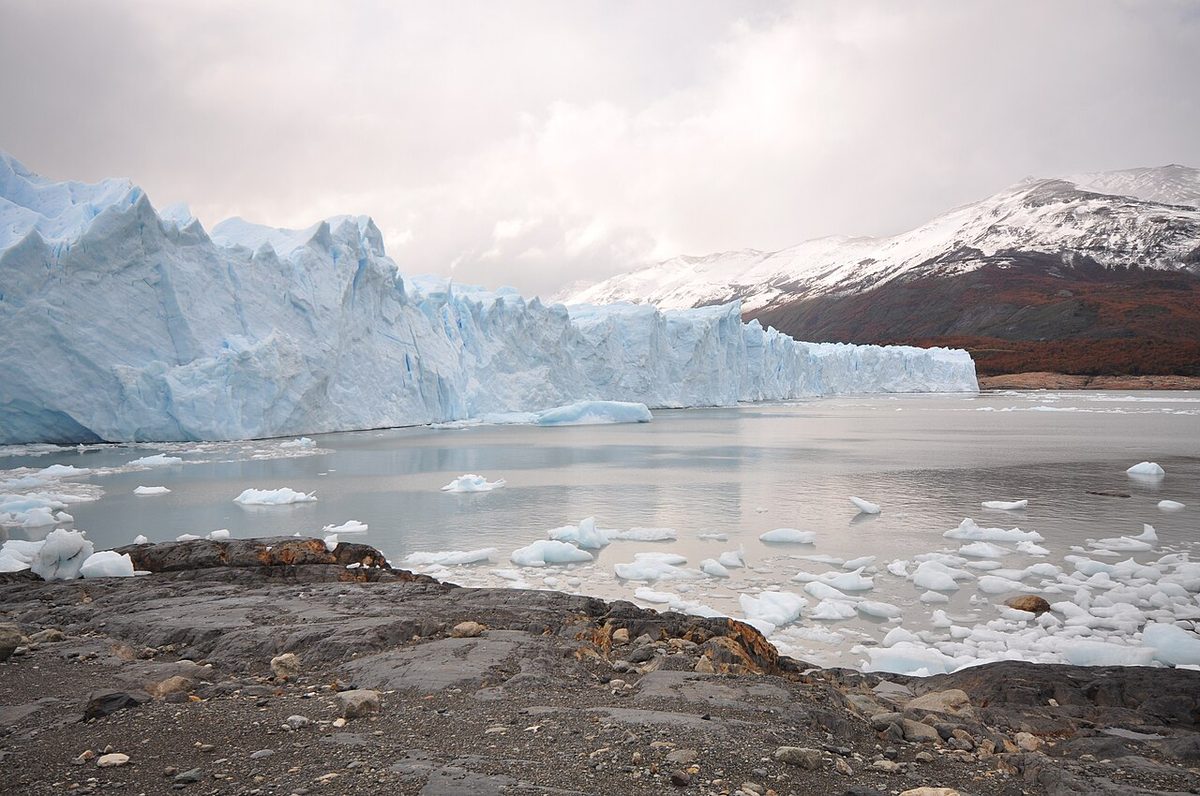
The anchor of the south is El Calafate, gateway to Perito Moreno Glacier. This is, full stop, the most accessible world-class glacier I know of. You drive to it, you walk steel walkways along its face, and you watch apartment-block chunks of ice calve off and detonate into the lake. No hiking required. Visit Argentina notes it sits about 80 kilometers from El Calafate, roughly an hour and a half by road. For a lot of travelers, this single sight justifies the Argentine side.
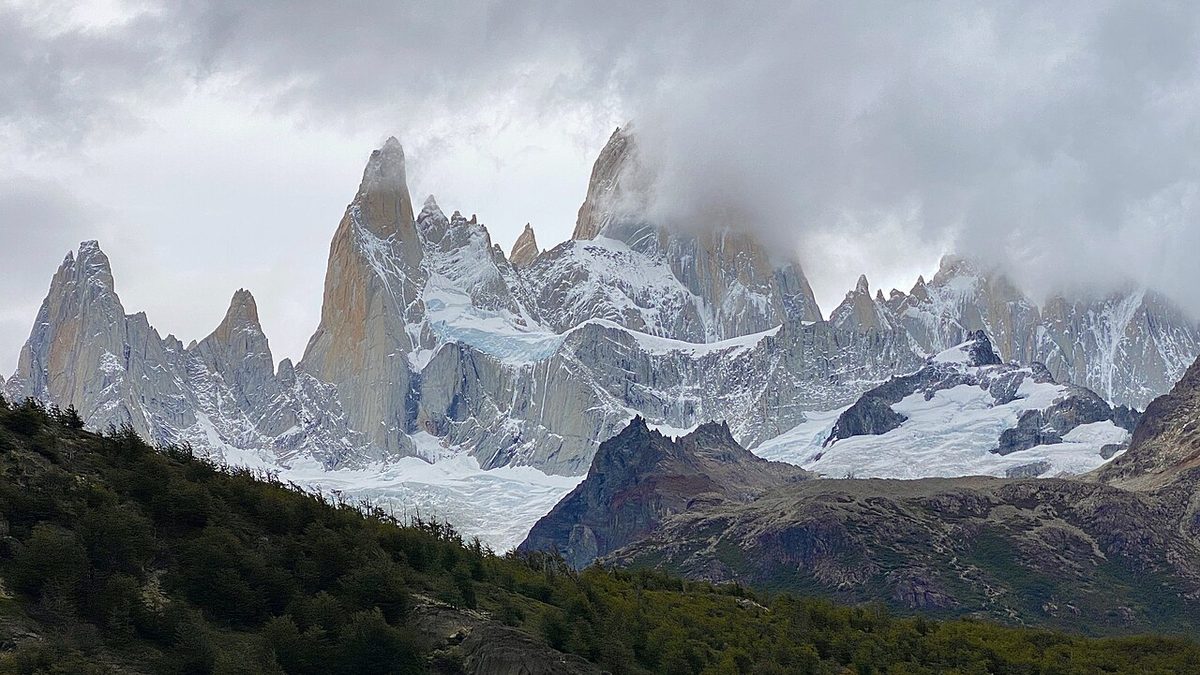
A few hours north is El Chalten, Argentina’s trekking capital and my personal favorite town in all of Patagonia. The trails start from the edge of town, they are free, and the payoff is Mount Fitz Roy, that cluster of granite spikes you have seen a thousand times (it is the Patagonia clothing logo). The walk to Laguna de los Tres is one of the best day hikes on the continent. Visit Argentina’s El Chalten guide puts the town about 215 kilometers from El Calafate. The full hiking breakdown lives in the rundown of El Chalten’s day hikes.
Further afield, the Argentine side keeps giving. Bariloche and the northern Lake District deliver alpine lakes, chocolate shops, easy hikes, and winter skiing, the gentlest introduction to the region. Ushuaia and Tierra del Fuego sit at the literal end of the road, the launch point for Antarctica and Beagle Channel cruises. And on the Atlantic coast, Peninsula Valdes is one of the best wildlife stages in South America; Visit Argentina lists southern right whales, penguins, sea lions, elephant seals, and orcas, each on its own season.
Honestly, if your dream Patagonia is “huge scenery without a complicated trek reservation, plus the option of glaciers, wildlife, and comfortable towns,” Argentina is the natural home base.
Chilean Patagonia: The Highlights
Chile’s slice is narrower on the map but it punches enormously above its width. This is the wilder, more remote, more cinematic side, and for a certain kind of traveler it is the whole reason to come.
The headline is Torres del Paine. Many people, including plenty who have seen both sides, call it the crown jewel of Patagonia, and I find it hard to argue. The three granite towers, the Cuernos horns, the milky-turquoise lakes, the hanging glaciers in the French Valley, Grey Glacier flowing off the ice field, it is a denser concentration of drama than anywhere on the Argentine side. The catch is that it asks more of you. Chile Travel positions it among the country’s signature landscapes, and access is more involved: timed entry tickets, scarce in-park beds, and a park that rewards multi-day trekking over a quick look. The trekking specifics are in the Torres del Paine W Trek and O Circuit guide.
The other great Chilean experience is a road, not a park. The Carretera Austral is one of South America’s legendary drives. Chile Travel describes Route 7 running more than 1,200 kilometers from Puerto Montt toward Villa O’Higgins through fjords, temperate rainforest, glaciers, marble caves, and tiny frontier towns, with barge crossings stitched in. It is magic for the right traveler and a logistical headache for the wrong one.
The trade-off with Chile is consistent: more reward, more friction. Torres del Paine is far from the big airports, the gateway town of Puerto Natales has fewer budget beds than El Calafate, and the wildest routes involve gravel, ferries, and weather you cannot argue with. If “remote, raw, and a little hard-won” sounds like a feature rather than a bug, Chile is your side.
Head-to-Head: Argentina vs Chile Patagonia by Category
This is where the decision actually gets made. Here is how the two sides compare on the things people care about, with a blunt verdict on each, hedged where it genuinely depends.
Scenery
A tie that tilts by taste. Argentina’s Fitz Roy skyline and the steppe-and-glacier vastness around El Calafate are stunning. But for sheer density of jaw-drop per square kilometer, Torres del Paine edges it. If you want one knockout panorama, Chile. If you want variety, steppe, lakes, forests, coast, glaciers, Argentina spreads a wider buffet. Slight edge: Chile for drama, Argentina for variety.
Hiking
This is the cleanest split in the whole comparison, and it mirrors the classic Torres del Paine vs El Chalten debate. El Chalten is a day-hiker’s paradise: trails leave from town, they are free, you can wake up, check the weather, and decide on the spot. Torres del Paine is a trekker’s arena: the W Trek runs around four to five days, the O Circuit seven to nine, with booked refugios or campsites and a timed park entry. Neither is “better.” They are different sports. Edge: Argentina for day hikers, Chile for multi-day trekkers.
Glaciers
Argentina, comfortably. Perito Moreno is the most accessible major glacier I have seen anywhere, and El Calafate is literally the gateway to Los Glaciares National Park. Chile has glaciers too, Grey Glacier in Torres del Paine is spectacular, but you reach it by boat, kayak, or a trekking leg rather than a roadside walkway. If glaciers are high on your list and you do not want to work hard for them, this row alone may decide your trip. Edge: Argentina.
Wildlife
Argentina, by range. The Peninsula Valdes coast adds whales, penguins, orcas, sea lions, and elephant seals that Chile’s southern parks simply do not, and the Patagonia wildlife and whale watching guide covers the seasons. That said, Torres del Paine is genuinely strong for guanacos, condors, and the best puma-tracking in the region. Edge: Argentina overall, Chile for pumas.
Road trips
Chile, and it is not close. The Carretera Austral is a bucket-list drive in a way nothing on the Argentine side quite matches, though Argentina’s Ruta 40 has its own lonely-highway romance, covered in the Ruta 40 and border crossings guide. If a self-drive adventure through remote wilderness is the point of your trip, Chile wins. Edge: Chile.
Argentina, reliably. Every experienced traveler I have compared notes with says the same thing: Argentina has more towns, more competition, and more hostels and mid-range options, which keeps prices softer. El Chalten’s trails are free; Torres del Paine charges a timed-entry fee (more on that below) and its in-park lodges run expensive. Budget beds are easier to find in El Calafate than in Puerto Natales. Currency swings make exact numbers slippery, so build your plan around the Patagonia trip cost and budget guide rather than any single figure online. Edge: Argentina.
Logistics and ease
Argentina, especially for a first trip. Domestic flights from Buenos Aires reach El Calafate, Bariloche, and Ushuaia; the El Calafate to El Chalten bus is paved and runs several times a day. Chilean Patagonia is more spread out, Torres del Paine is far from major airports, more roads are gravel, and the best routes lean on ferries and advance reservations. None of it is hard exactly, but Chile asks for more planning. The full breakdown is in how to get to Patagonia. Edge: Argentina.
Crowds
A wash that depends on where you stand. In peak summer, Torres del Paine concentrates a lot of people onto the W Trek’s main corridor, so it can feel busier per trail than Argentina. El Chalten gets crowded too, but its multiple trailheads spread hikers out. Both sides are calmest in the shoulder months; the advice on when to go maps it month by month. Slight edge: Argentina for breathing room.
Food and culture
Argentina, if you are a foodie. The Argentine side leans into asado, Patagonian lamb, malbec, and a livelier estancia and gaucho culture, plus the chocolate-and-fondue scene up in Bariloche. Chile’s southern food is quieter and more seafood-driven, king crab in Puerto Natales is a genuine treat, but towns are smaller and options thinner. Edge: Argentina.
Add those up and Argentina wins more rows. But notice that Chile takes the two rows that, for some people, are the entire trip: the single most dramatic park and the single best road trip. That is exactly why this is not a scoreboard, it is a fit question.
Which Side Should You Pick? By Traveler Type
Categories are useful, but you are a specific person with a specific trip. Here is my blunt recommendation by who you are.
First-timer with about a week. Argentina, specifically El Calafate plus El Chalten. My pick if you only have a week, every time. You get Perito Moreno and Fitz Roy, no border crossing, paved buses, free trails, and forgiving logistics. It is the highest reward-to-stress ratio in Patagonia.
Serious trekker. Chile, Torres del Paine. If multi-day trekking is the reason you are coming, the W or O Circuit is the main event, and nothing on the Argentine side is built quite like it. Book early.
Glacier seeker or non-hiker. Argentina, El Calafate. Perito Moreno gives you a world-wonder glacier from a walkway, plus boat and ice-trek add-ons if you want them, with zero obligation to hike.
Wildlife traveler. Argentina. Peninsula Valdes and the Atlantic coast are unmatched for whales, penguins, and orcas. Time it to the species, since the seasons do not overlap.
Road-tripper. Chile, the Carretera Austral, assuming you have at least a week to give it. This is a depth experience, not a checklist stop.
Families and soft-adventure travelers. Argentina, usually Bariloche or El Calafate. Easier logistics, more lodging range, shorter walks, and rest days that do not blow up the plan.
Budget travelers. Argentina. More hostels, more competition, free hiking around El Chalten. Your money simply goes further.
Luxury and lodge travelers. Either, honestly, but Chile’s Torres del Paine has arguably the most celebrated high-end lodges and all-inclusive park stays in the region.
If you see yourself in two of these, that is your nudge to consider doing both, which is where we are headed next.
The Do-Both Classic Route
Here is the secret that makes this whole debate dissolve: the southern highlights of both countries are close enough to string together. If you have around 10 days or more, you do not have to choose. The classic first-time Patagonia route runs straight across the border and hits the icons of each side.
The route shape:
El Calafate for Perito Moreno Glacier (2 to 3 nights).
El Chalten for Fitz Roy day hikes (3 to 4 nights, including a weather buffer).
Puerto Natales as the gateway town for Torres del Paine (1 to 2 nights).
Torres del Paine for day hikes, viewpoints, or the W Trek (2 to 5 nights depending on your style).
Fly into one country and out the other so you are not backtracking, for example into El Calafate (FTE) and out of Punta Arenas (PUQ), or the reverse. The detailed day-by-day versions live in the day-by-day Patagonia route plans.
About that border. The El Calafate to Puerto Natales bus is the usual connector, and it takes roughly five to six hours including the crossing at Paso Río Don Guillermo. The crossing itself is straightforward, a declaration form and a passport stamp, but build in an hour or so of waiting, and do not carry fresh fruit, vegetables, meat, or dairy into Chile, because the agricultural rules (SAG) are strict and enforced. If you would rather drive across yourself, the rental and permit details matter a lot; read the Ruta 40 and border crossings guide before you book a one-way car.
One honest caution: the do-both route is the right answer for a lot of people, but not if your “10 days” is really seven once you subtract long-haul flights and a buffer day. In that case, pick one side, do it well, and leave the other for next time. Patagonia rewards spare days far more than it rewards a packed checklist, and the fastest way to ruin this trip is to spend it on buses chasing a map fantasy. If you want a fuller list of those traps, what people get wrong on trip one is the companion read.
A Note on Torres del Paine’s Entry Fee and Booking
Because the cost and logistics rows lean on it, one specific Chilean detail is worth pulling out: Torres del Paine has a paid, timed-entry ticket, and it is sold online only.
As checked on June 2, 2026, the international entrance fee runs around US$35 in high season (roughly November 1 to March 31) and around US$18 in low season, purchased through Pases Parques, the official system Chile Travel describes here. High-season slots sell out weeks ahead, and refugios and campsites for the W and O treks must be booked before you arrive. CONAF also publishes seasonal rules, including winter guide requirements and route closures, on the official Torres del Paine page. Treat all of this as changeable and verify close to your travel date.
El Chalten, by contrast, charges nothing to walk its main trails, which is part of why the Argentine side comes out cheaper. It is a small thing on paper that quietly shapes a budget.
Argentina vs Chile Patagonia FAQ
Is Patagonia better in Chile or Argentina?
Neither is universally better. Argentine Patagonia is easier, cheaper, and stronger for day hikes, glaciers, and wildlife. Chilean Patagonia is more remote and dramatic, with the famous Torres del Paine treks and the Carretera Austral road trip. The right side depends on your time, budget, hiking appetite, and tolerance for logistics, and with 10-plus days you can comfortably do both.
Which side of Patagonia should I visit first?
For most first-timers, Argentina, specifically El Calafate and El Chalten. You get Perito Moreno Glacier and the Fitz Roy day hikes with paved buses, free trails, no border crossing, and the most forgiving logistics in the region. It is the highest reward for the least stress. Save Chile’s Torres del Paine for a longer trip or a dedicated trekking visit.
Is it cheaper to visit Patagonia in Chile or Argentina?
Argentina is generally cheaper. It has more towns, more competition, and more hostels and mid-range options, plus free hiking trails around El Chalten. Chilean Patagonia tends to cost more in the south, with fewer budget beds in Puerto Natales and a paid timed-entry fee at Torres del Paine. Currency swings move the exact numbers, so always check current prices.
Torres del Paine or El Chalten, which is better?
They are different experiences, not better or worse. El Chalten is for free day hikes that start from town and offer total flexibility, milder and cheaper. Torres del Paine is for multi-day trekking through more dramatic, denser scenery, with more planning, a paid entry, and bigger crowds on the W. Pick El Chalten for ease, Torres del Paine for an epic trek.
Can you visit both Argentine and Chilean Patagonia in one trip?
Yes, and many people do. The classic route links El Calafate, El Chalten, Puerto Natales, and Torres del Paine, flying into one country and out of the other. You need around 10 days or more to do it without rushing. The El Calafate to Puerto Natales bus crosses the border in about five to six hours, including a straightforward passport and customs stop.
How hard is the border crossing between El Calafate and Puerto Natales?
Not hard. The bus stops at the Paso Río Don Guillermo crossing, where you fill out a declaration form and get your passport stamped, usually adding about an hour. The main rule is the agricultural one: do not bring fresh fruit, vegetables, meat, or dairy into Chile, because inspections are strict. Total bus time is roughly five to six hours.
Which side of Patagonia is easier to get around?
Argentina, especially on a first trip. Domestic flights from Buenos Aires reach El Calafate, Bariloche, and Ushuaia, and the El Calafate to El Chalten bus is paved and frequent. Chilean Patagonia is more spread out, with Torres del Paine far from major airports, more gravel roads, and routes that rely on ferries and advance reservations, so it takes more planning.
Final Thoughts
If you made me give you one sentence, it would be this: go to Argentina if you want the easiest, most varied, most budget-friendly version of Patagonia, go to Chile if you want the wildest and most dramatic, and do both if your calendar gives you the days, because the border between them is far less of an obstacle than the internet makes it sound.
But the honest truth is that I have never met anyone who came back from either side disappointed. The “wrong” choice here is still one of the great trips on earth. The only real mistake is trying to cram both into a week and spending your vacation on buses, or picking based on a stranger’s ranking instead of your own five variables, time, hiking appetite, glacier priority, budget, and logistics tolerance.
Sort those out, and the side picks itself. Then build in a couple of spare days for the morning the clouds finally lift off Fitz Roy, or the afternoon the towers catch the light. That is the part no comparison table can give you, and it is the part you will actually remember.