First Trip to Patagonia Mistakes: 15 Errors to Avoid (and Fixes)
The 15 most common first trip to Patagonia mistakes, from underestimating wind and distances to skipping key bookings, plus the fix for each one.
By Patagonia Tourism Guide · First published 23 Jun 2026 · Updated 1 Aug 2026
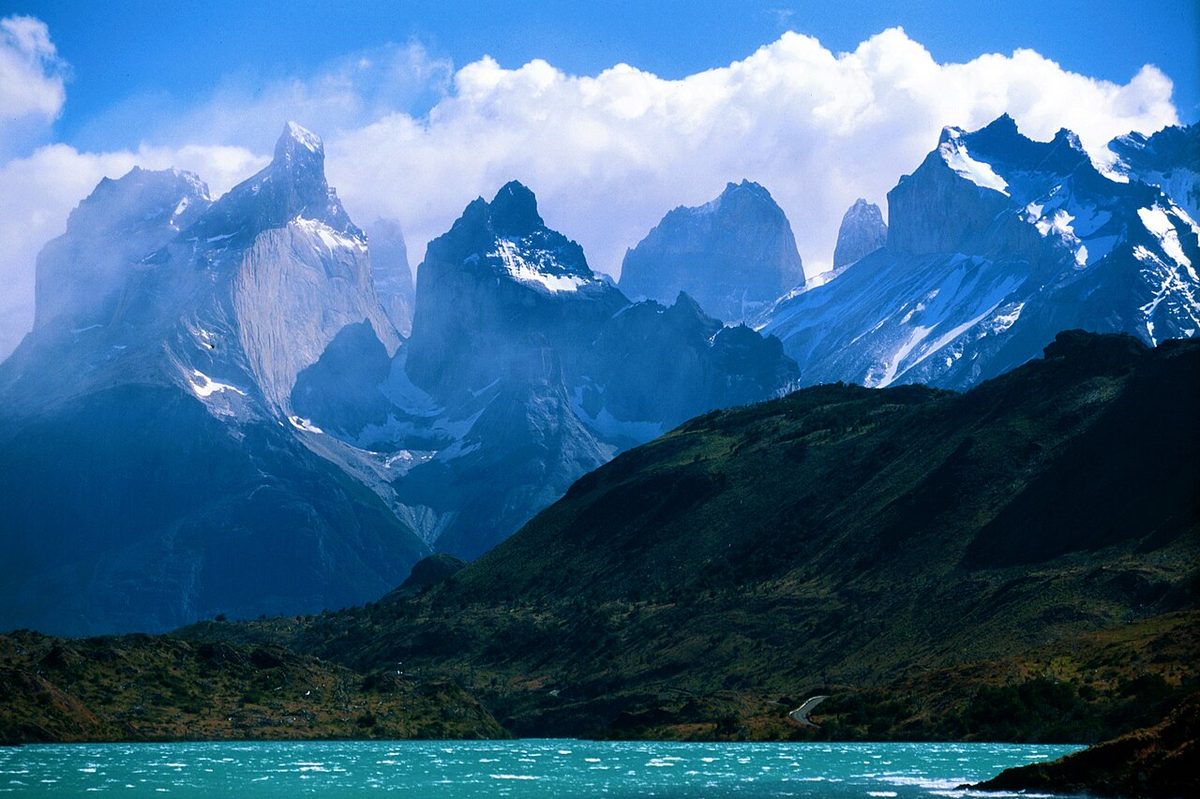
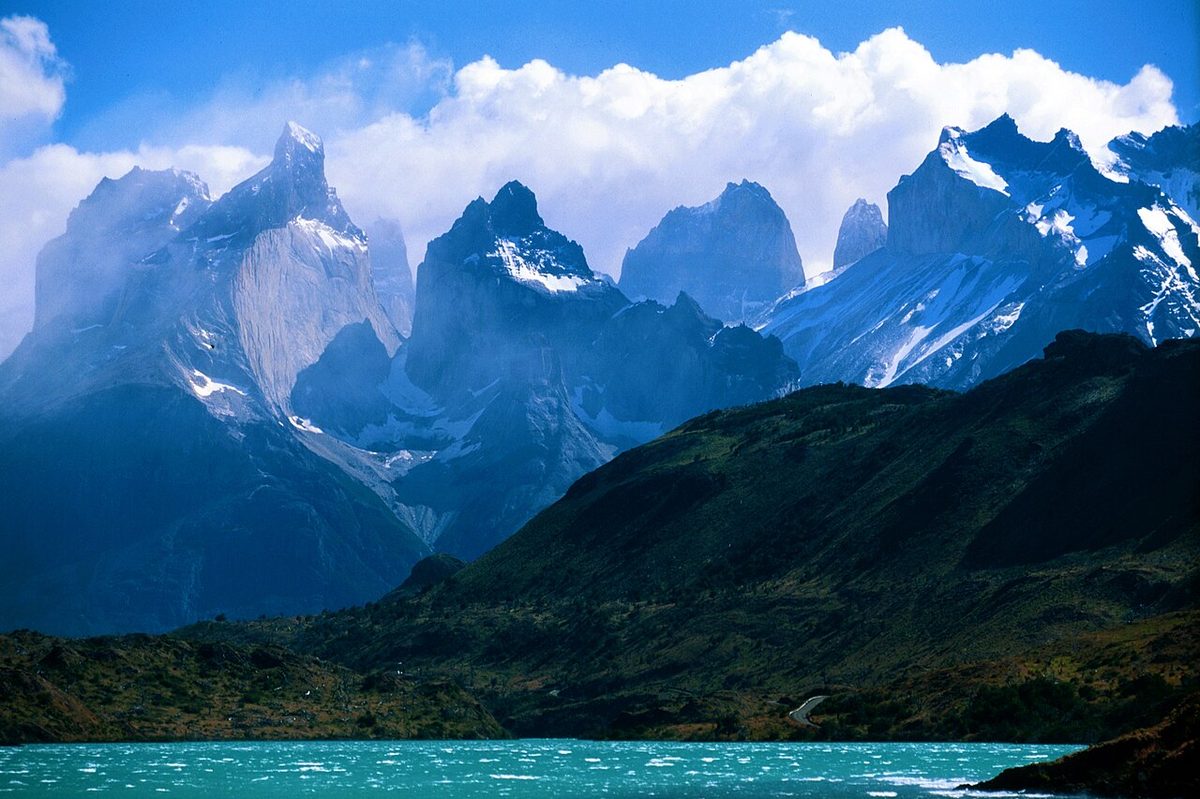
0 — 2 km Fig. 1 · Wind-scoured peaks and dramatic clouds over Torres del Paine on a first trip to Patagonia · Photo: Winky from Oxford, UK / CC BY 2.0 via Wikimedia Commons
I have watched a lot of people plan a first trip to Patagonia, and the pattern is almost always the same. The excitement is huge, the map looks deceptively small, and the itinerary quietly swells until it can only work if the weather, the buses, and the wind all behave perfectly. They rarely do. The good news is that nearly every Patagonia disappointment I have seen traces back to a handful of avoidable errors.
The biggest first trip to Patagonia mistakes are trying to see too much in too little time, underestimating the distances and the wind, picking the wrong season, and not booking scarce things like Torres del Paine refugios early. Build in buffer days, slow the route down, pack real layers, and book the bottlenecks first. Do that and most of the rest sorts itself out.
This guide is for anyone planning their first Patagonia trip, whether you are leaning toward Argentina, Chile, or both. It pairs each common Patagonia travel mistake with a specific “do this instead” fix, drawn from how trips actually unfold on the ground. If you want the broader planning picture first, start with the Patagonia travel guide and come back here to bulletproof the details.
The 15 First Trip to Patagonia Mistakes at a Glance
Here is the whole list before we dig in. Skim it, find the ones that describe you, and jump to the fix.
#
The mistake
The quick fix
1
Trying to see all of Patagonia in one trip
Pick one route, add one extension
2
Underestimating the distances and transfer days
Count travel days as real days
3
Booking flights before you have a plan
Plan the trip, then buy flights
4
Building the budget around the cheapest number
Cost the trip you actually want
5
Picking the wrong season for your goals
Match the month to the activity
6
Underestimating the wind (and trusting a daily forecast)
Plan for gusts; read hourly forecasts
7
No weather buffer or spare days
Add one to two flex days per region
8
Locking a specific hike to a specific day
Keep hikes swappable on the ground
9
Not booking Torres del Paine early
Reserve passes and refugios months ahead
10
Ignoring border-crossing time and food rules
Budget hours, and declare or ditch food
11
One-night stays and changing towns nightly
Fewer bases, more nights each
12
Skipping travel insurance
Get cover that includes the mountains
13
Wrong footwear and no real layers
Broken-in boots, layers, a true shell
14
Cash and currency missteps
Carry pesos and backup cash
15
Ignoring park rules (drones, fire, off-trail)
Read the rules; fines are real
Swipe to see all columns
Table 1
Now the detail, grouped by where things tend to go wrong.
Planning and expectations
This is where most first trip to Patagonia mistakes are born, weeks before you ever board a plane. The errors here are quiet because the itinerary still looks beautiful on paper. They only reveal themselves once you are on the ground, tired, and watching another sunset from a bus window.
1. Trying to see all of Patagonia in one trip
This is the mistake I see most, and it is the parent of half the others. Patagonia is not a destination, it is a region the size of a small continent, shared by Argentina and Chile. People stack Torres del Paine, the W Trek, Fitz Roy, Perito Moreno, Bariloche, Ushuaia, and a chunk of the Carretera Austral into ten days because each one looks unmissable. The result is not a trip. It is a transit schedule with scenery in the gaps.
The places that define Patagonia are genuinely far apart, and the infrastructure runs through gateway cities rather than in straight lines between sights. Every extra region you add is not one more stop, it is a flight or a long bus, a packing-up morning, and a settling-in evening you will not get back.
Do this instead: Pick one main route and add, at most, one optional extension. For a first trip, the classic southern corridor of El Calafate, El Chalten, Puerto Natales, and Torres del Paine is the strongest 10-to-14-day choice. If you are still torn between countries, the Argentina vs Chile Patagonia comparison is the fastest way to decide. If you only have a week, do one region well. Use the Patagonia itinerary planner to choose a shape that fits your days, and let the famous places you skip become the reason for a second trip rather than the cause of a rushed first one.
2. Underestimating the distances and transfer days
The map lies to you. On a screen, El Calafate and Bariloche look like neighbors. In reality, a bus between El Chalten and Bariloche can run around 24 hours. Even the “short” hops add up: El Calafate to El Chalten is around 215 kilometers, El Calafate to Puerto Natales is a half-day with a border in the middle, and Punta Arenas to Puerto Natales can take around three hours when the weather is unkind. None of that is a problem. Pretending it does not exist is.
The deeper issue is that travelers count sightseeing days but forget to count travel days. A “10-day trip” with four transfer days is really a six-day trip. When you do not plan for that, the transfer days feel like failures, and you arrive at the good parts already drained.
Do this instead: Put every transfer on the calendar as its own line and treat a long travel day as a day, not a footnote. Build the route so big moves happen on dedicated days, then protect the days that matter. When a leg is genuinely long, consider a domestic flight to buy back time, and read how to get to and around Patagonia before you commit to a chain of buses you have not actually timed.
3. Booking flights before you have a plan
It feels productive to grab a flight deal first and build the trip around it. In Patagonia it usually backfires. People lock in dates and gateways to save a little on airfare, then discover their plan needs them to land in a different city, or that they have left themselves a single night where the trip really wanted three. Worse is stacking tight, non-refundable connections through a region where weather, ferries, and a late bus routinely break the chain.
Do this instead: Decide the route first, then buy the flights that serve it. Compare gateways honestly, because for the southern circuit your best entry and exit might be El Calafate, Punta Arenas, or Puerto Natales depending on schedules. Avoid same-day, non-refundable connections that depend on a weather-dependent activity finishing on time. The walkthrough for a first Patagonia trip lays out which airports serve which regions so you book in the right order.
4. Building the budget around the cheapest number
Patagonia is not the cheap part of South America, and the single biggest budgeting mistake is anchoring to the lowest figure you saw in a backpacker blog. Those numbers are real for someone camping, cooking in hostels, and taking every bus, but they quietly assume you will skip the things you are flying across the world to do. The cost drivers that actually move your total are flights, peak-season lodging in small towns, in-park Torres del Paine accommodation, guided treks and glacier activities, rental cars, and park fees.
Do this instead: Cost the trip you actually want, not the cheapest version that exists. If ice trekking on Perito Moreno, a refugio on the W Trek, and a comfortable bed in El Chalten are non-negotiable, your budget looks nothing like the camping version, and that is fine, as long as you plan for it. Walk through the real drivers in the Patagonia trip cost and budget guide and check current park and ticket fees from official sources, since they change.
If planning errors are the most common, weather errors are the most painful, because they hit you on the days you were most excited about. Patagonia makes its own weather and does not consult your itinerary.
5. Picking the wrong season for your goals
“Summer” sounds like the safe answer, and for hiking and broad access it usually is. But the wrong-season mistake cuts both ways. People book January expecting warmth and find wind and crowds. Others chase shoulder-season quiet and are surprised when a trail or service has not opened yet. The truth is there is no single best month, only the best month for what you want to do.
December through March gives the longest days and the most reliable access, which is exactly why it is the busiest and priciest. October, November, March, and early April can be wonderful for thinner crowds and autumn or spring color, with more weather uncertainty as the trade-off. Winter is not “bad,” it is simply a different trip built around Bariloche or Ushuaia, not broad trekking.
Do this instead: Choose the season by activity, not by habit. Match your dates to your priority, whether that is the W Trek, Fitz Roy views, wildlife seasons on the coast, or skiing. The guide to picking a travel month guide breaks it down month by month so you are not guessing.
6. Underestimating the wind (and trusting a daily forecast)
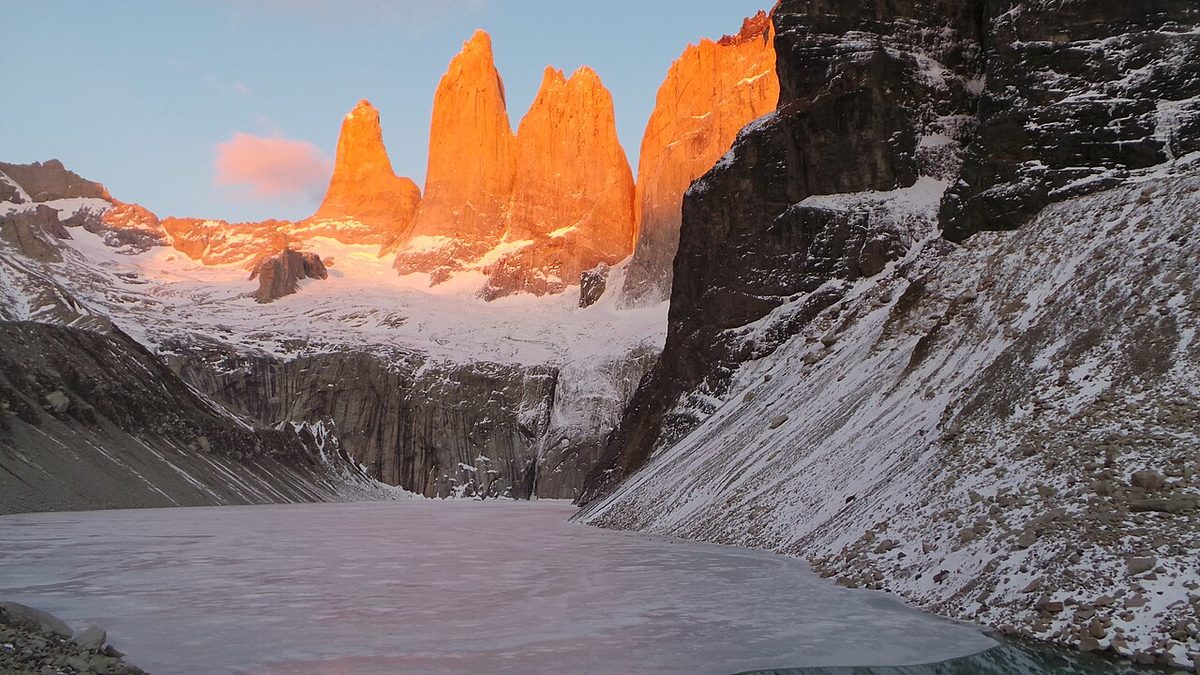
Patagonia wind is not a quirky detail, it is a defining feature, and underestimating it is one of the most common Patagonia travel mistakes. The region sits in the “roaring forties,” where westerlies blow persistently off the Pacific with almost nothing to slow them down. In summer, the windiest season, gusts can run well over 100 km/h in exposed places. Travelers describe struggling to cross the street in Punta Arenas and bracing against gusts on the moraine below the towers. It tangles your hair, it pushes you off balance with a pack on, and it turns a moderate walk into a workout.
The related error is trusting a single daily forecast. A daily summary smooths over exactly the thing that matters: the short calm window at dawn, or the gap between two systems when the towers actually appear.
Do this instead: Plan as if it will be windy, because it often will be. Pack a genuine windproof shell, start big hikes early when conditions are usually calmest, and use trekking poles for stability. Read hourly forecasts rather than daily ones, and ask your guide or guesthouse host, who reads local weather better than any app. The Patagonia hiking, camping, gear and safety guide covers what to carry for it.
7. No weather buffer or spare days
This is the fix that quietly saves trips, and skipping it is the mistake that quietly ruins them. A perfect itinerary on paper assumes every day cooperates. In Patagonia, clouds can hide Fitz Roy for a full day, wind can close a viewpoint, rain can soften a trail to soup, and a ferry can simply not run. If your plan has no slack, you spend the trip losing things you cannot get back.
Do this instead: Build in one to two flex days per region, especially anywhere weather-dependent like El Chalten or Torres del Paine. If you have three nights in El Chalten, you have a real chance of catching a clear Fitz Roy morning. If you have one, you have a plan, not a chance. Blank space is not wasted time here, it is the morning the clouds finally lift.
8. Locking a specific hike to a specific day
Closely related, but worth its own line because so many people do it. Travelers pre-decide “Tuesday is the towers, Wednesday is the French Valley” and then feel obligated to hike the hard thing in bad weather because the spreadsheet said so. That is how you end up on an exposed ridge in a gale, seeing nothing, when the next day was clear.
Do this instead: Decide the order of your hikes on the ground, not before you arrive. Keep your days swappable so you can do the big, exposed, view-dependent hike on the best-weather window and save the sheltered, lower walk for the grey day. Flexibility is the whole point of those buffer days.
Patagonia rewards people who book the scarce things early and punishes people who assume they can sort it out later. In peak season, “later” is often sold out.
9. Not booking Torres del Paine refugios and park passes early
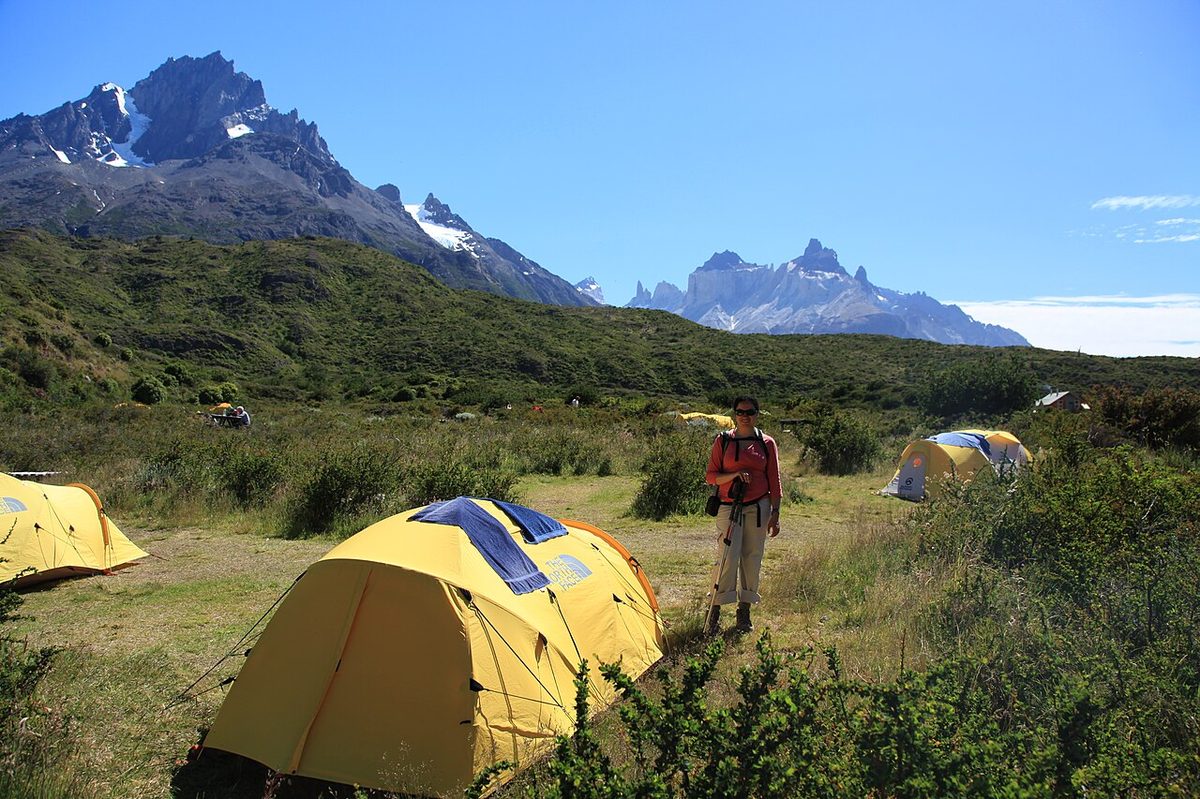
If your trip includes the W Trek or O Circuit, this is the booking that shapes everything, and leaving it late is a classic Patagonia planning mistake. The park runs on a reservation system, and it is not optional. You cannot wild camp, and to sleep on the circuits you must have a confirmed bed or campsite for every night. The accommodation is split between two operators: the eastern sectors such as Central, Chileno, Cuernos, Francés, and Serón are booked through Las Torres Patagonia, and the western sectors such as Paine Grande, Grey, Dickson, and Los Perros through Vértice Patagonia. Some previously free CONAF sites have been closed in recent seasons, so verify current status rather than assuming. On top of that, you need a park entrance pass.
In high season, the popular refugios and campsites book out months ahead, and the daily entrance caps can sell out weeks in advance. Travelers who wait often find their preferred dates gone and have to rebuild the trek around whatever beds remain, or drop it entirely.
Do this instead: Reserve refugios and campsites with both operators as soon as the season’s quotas open, ideally many months before peak dates, and buy your park entrance pass in advance through the official portal, pasesparques.cl, where each pass is tied to a passport. Check the current rules on the CONAF Torres del Paine page before you book, and use the Torres del Paine W Trek and O Circuit guide to sequence your nights. If you are not trekking but still visiting, the walkthrough of Torres del Paine logistics covers day-trip and lodging options.
10. Ignoring border-crossing time and the food rules
The classic southern route crosses between Argentina and Chile, and two things catch first-timers. The first is time: there are surprisingly few crossing points across this long border, the approaches involve gravel and remote country, and at peak times you can wait while a sniffer dog works the bus. People who pencil in a crossing as a quick formality lose half a day they did not budget.
The second is food. Chile’s agricultural service, SAG, strictly controls what you can bring in. Fresh fruit and vegetables, seeds, honey, dairy, and meat are not allowed, and an open packet of trail mix can be a problem. Travelers regularly have items confiscated, and failing to declare can mean a fine starting around 100,000 Chilean pesos, roughly 100 US dollars or more. This applies whichever direction surprises you, but Chile’s checks are the stricter ones.
Do this instead: Treat each border crossing as its own time block, not a footnote, and arrive early in high season to beat the lines. Eat or finish fresh food before the crossing, and when in doubt, declare it rather than risk a fine. For passports, what you can carry, and current entry requirements for your nationality, read Patagonia travel requirements. One quick note on a stale fact you may have read elsewhere: the old Argentina reciprocity fee for US citizens was eliminated years ago, so do not budget for it, but always confirm your own country’s current rules before you go.
11. One-night stays and changing towns every night
This looks efficient on a spreadsheet and feels exhausting in real life. A route that changes base every single night means you spend each morning packing and each evening checking in, and you never get a second shot at anything. It is also where weather hurts most, because a one-night stop gives a place exactly one chance to show itself.
Do this instead: Use fewer bases and more nights in each. For a first trip I almost always prefer three nights somewhere like El Chalten over single nights in three different towns. It gives weather windows room to open, it cuts logistics, and it lets a big place feel big instead of like a series of bus stations. The where to stay in Patagonia guide helps you pick the right bases so you are not hopping unnecessarily.
12. Skipping travel insurance
This is the cheap mistake that can become the expensive one. Patagonia is remote, the activities skew outdoorsy, and medical or rescue costs in a far-flung region add up fast. People skip insurance to save a little, or they buy a basic policy that quietly excludes hiking, high ground, or adventure activities, which is most of why you are there.
Do this instead: Get travel insurance, and make sure it actually covers what you are doing, including trekking, the elevations involved, and any glacier or adventure activities. It protects against the boring stuff too, like flight delays, cancellations, and lost bags, all of which are more likely in a region where weather reshuffles plans. It is one of those things you would rather pay for a hundred times and never use, and it matters even more if you are heading out alone, where the Patagonia solo travel guide covers staying safe on the trails.
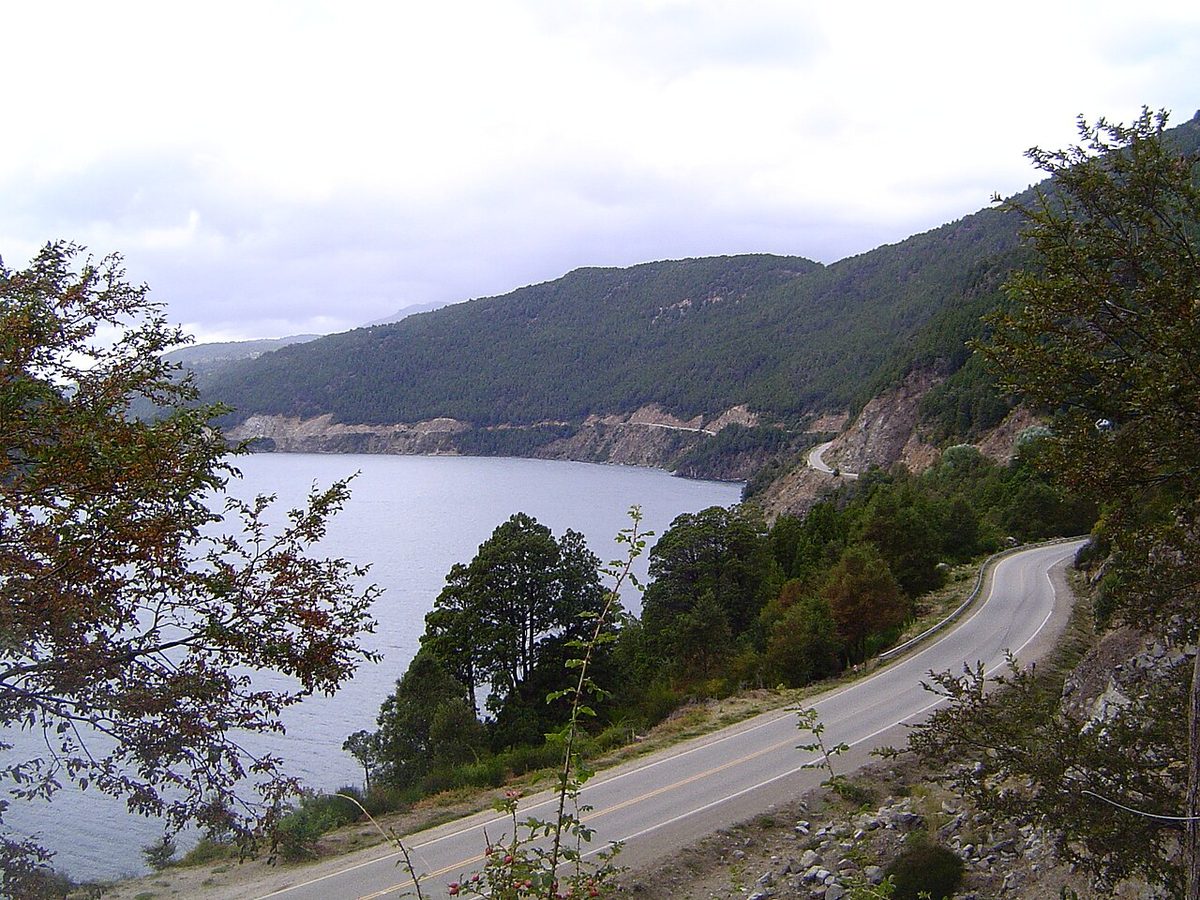
Fig. 4 · A long empty road crossing the Patagonian steppe, showing the vast distances between sightsPhoto: Public domain via Wikimedia Commons
On the ground
These are the small, practical errors that do not ruin a trip but absolutely take the shine off the days you waited months for. They are also the easiest to fix.
13. Wrong footwear and no real layers
Two related gear mistakes do the most damage. The first is hiking in running shoes or brand-new boots. Patagonian terrain runs from rocky moraine to root-laced forest to mud, and the wrong footwear ends a great day with blistered, miserable feet. The second is dressing for the forecast instead of for change. You can get sun, wind, rain, and cold in a single afternoon, and a cotton shirt that soaks through and never dries is a genuinely cold problem when the wind picks up.
Do this instead: Bring sturdy hiking boots and break them in well before the trip, never on day one. Dress in layers, “like an onion,” as every Patagonia guide says: a moisture-wicking base, a warm mid-layer like fleece or light down, and a real windproof and waterproof shell on top. Add a hat, gloves, a buff, and sunglasses, even in summer. Skip the fancy clothes and pack for function. The full breakdown lives in the Patagonia hiking, camping, gear and safety guide.
14. Cash and currency missteps
Travelers assume cards work everywhere and get caught out. In remoter parts, especially along Chile’s Carretera Austral, cash is still king and card machines are scarce. ATMs can run dry, impose low per-withdrawal limits, or charge steep fees, and in small towns the lines to change money can be long right when you need it. One widely shared example: a famous trekking-town ATM that capped withdrawals at an amount barely enough for a day’s food and bed. Argentina adds its own currency wrinkles thanks to inflation, which keep shifting.
Do this instead: Carry enough local currency for the stretches between reliable ATMs, and keep a modest stash of backup cash for emergencies, since US dollars are widely accepted as a fallback. Pull out money in larger towns before heading somewhere remote, do not leave currency for the last minute, and assume connectivity and card payments get patchier the further you go. For how this fits the wider money picture, see the daily budget ranges by travel style.
15. Ignoring park rules: drones, fire, off-trail, and swimming
Patagonia’s national parks have some of the strictest rules you will encounter, and the penalties are real, not theoretical. Drones are banned in Torres del Paine because they disturb wildlife, and flying one can get you expelled and reported. Open fires are prohibited outright, and the park carries the scars of catastrophic fires started by visitors, which is exactly why rangers have expelled and fined people for lighting stoves in unauthorized spots. Littering, including leaving toilet paper, draws fines under Chilean law. Hiking off-trail damages fragile vegetation, and swimming in those tempting turquoise glacial lakes is forbidden and genuinely dangerous given the cold.
Do this instead: Read the rules before you go and follow them without needing to be told. Leave the drone at home unless you have explicit permission, cook only in designated areas, stay on the trail, pack out everything including tissue, and admire the lakes from the shore. None of this is about being a model tourist for its own sake, it is what keeps these places open and intact. The Patagonia travel guide summarizes the safety and etiquette layer, and official CONAF notices are the source to check for current conditions.
What is the biggest mistake people make on a first trip to Patagonia?
Trying to do too much in too little time. Travelers stack distant regions into a short trip, then spend most of it in transit because Patagonia’s distances are huge and its weather is unpredictable. The fix is to pick one main route, add at most one extension, and build in spare days. Slowing down is the single best decision most first-timers can make.
How many days do you need in Patagonia?
Plan at least 7 days to do one region properly, 10 to 14 days for the classic southern route of El Calafate, El Chalten, Puerto Natales, and Torres del Paine, and 3 weeks or more to add northern Patagonia, Ushuaia, wildlife, or the Carretera Austral. With less than a week, choose one base. Anything shorter and spread thin means too much time spent on buses and planes.
What can’t you bring across the Chile and Argentina border?
Chile’s agricultural service prohibits fresh fruit and vegetables, seeds, honey, dairy, and meat, including open packages of food. These rules are strictly enforced, items are confiscated at checkpoints, and failing to declare can bring a fine starting around 100,000 Chilean pesos. Finish or eat fresh food before crossing, and when unsure, always declare it rather than risk the penalty.
Do you need to book Torres del Paine in advance?
Yes. You must buy a park entrance pass in advance through the official portal, and if you are doing the W or O trek you must reserve every night’s refugio or campsite, since wild camping is banned. Accommodation is split between two operators, and popular sites sell out months ahead in high season. Book the moment the season’s quotas open.
Is summer the best time to visit Patagonia?
Summer, December through March, gives the longest days and the most reliable access, which makes it the prime hiking season, but it is also the windiest, busiest, and most expensive. Shoulder months like November and March often bring thinner crowds, spring wildflowers or autumn color, and lower prices, at the cost of more weather uncertainty. Choose by activity, not by default.
How windy is Patagonia really?
Very. The region sits in the “roaring forties,” where westerly winds blow almost constantly with little to slow them, and summer is the windiest season. Gusts can run well over 100 km/h in exposed areas, strong enough to push you off balance with a pack on or make crossing a street difficult. Pack a windproof shell, use poles, and start hikes early.
Do you need a guide for Patagonia?
Not for everything. Many day hikes and town-based routes can be done independently with good preparation. Guides are recommended or required for certain treks, winter conditions, glacier activities, puma tracking, and remote routes, and they are genuinely useful for reading local weather and handling logistics. Always check official park rules first, since some activities are guide-only by regulation.
Final thoughts
The thread running through every one of these mistakes is the same: Patagonia is bigger, wilder, and less predictable than it looks from your couch, and the trips that go well are the ones that respect that. Almost nobody comes home wishing they had crammed in one more region. Plenty come home wishing they had given themselves the extra morning to wait out the clouds, or that they had booked the refugio when they had the chance.
So plan the route you can actually savor, not the one that fits. Protect the weather windows, book the scarce pieces early, pack for change, and leave a little blank space for the place to surprise you. Do that, and the wind, the distance, and the unpredictability stop being problems to survive and become the reason the trip feels like the edge of the map. That is the whole point of going. And if part of you is still asking whether the effort is worth it at all, the honest answer lives in deciding if Patagonia suits you.