Patagonia weather by month: approximate temperatures, daylight, wind, rain, and trail access for every month, plus regional differences and packing tips.
By Patagonia Tourism Guide · First published 28 Jun 2026 · Updated 1 Aug 2026
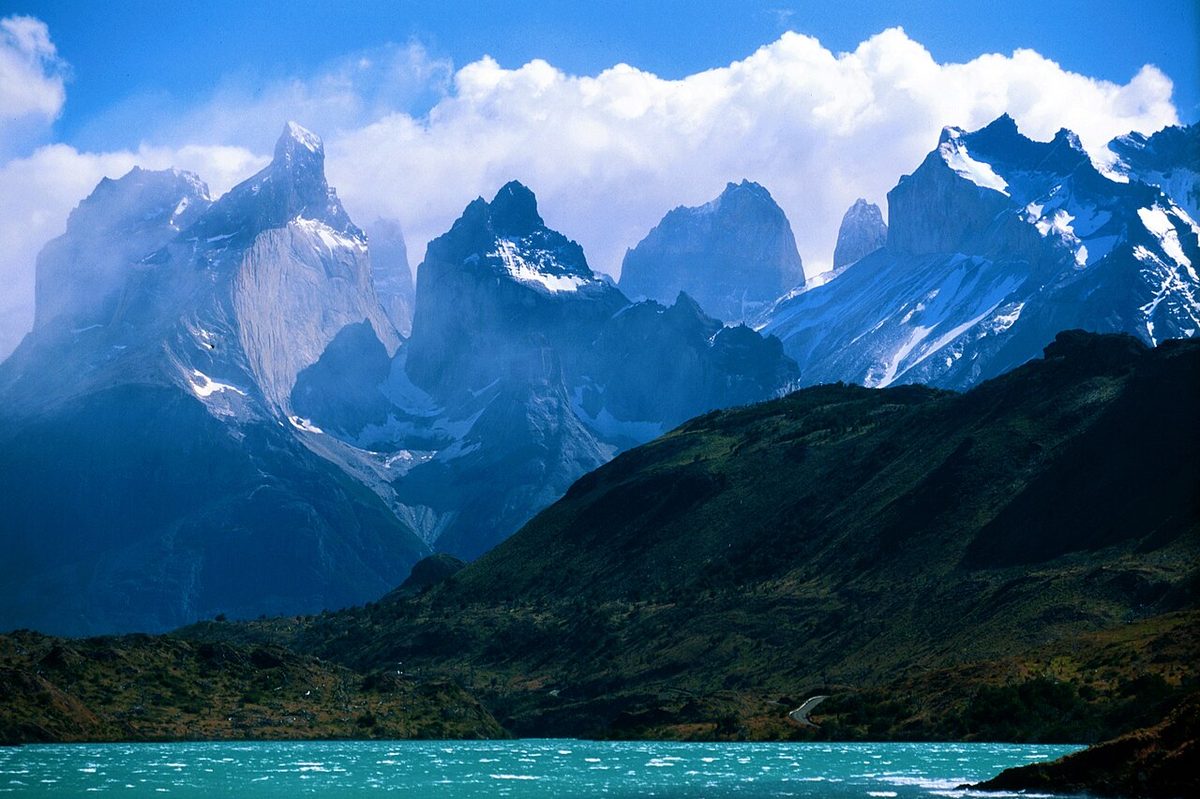
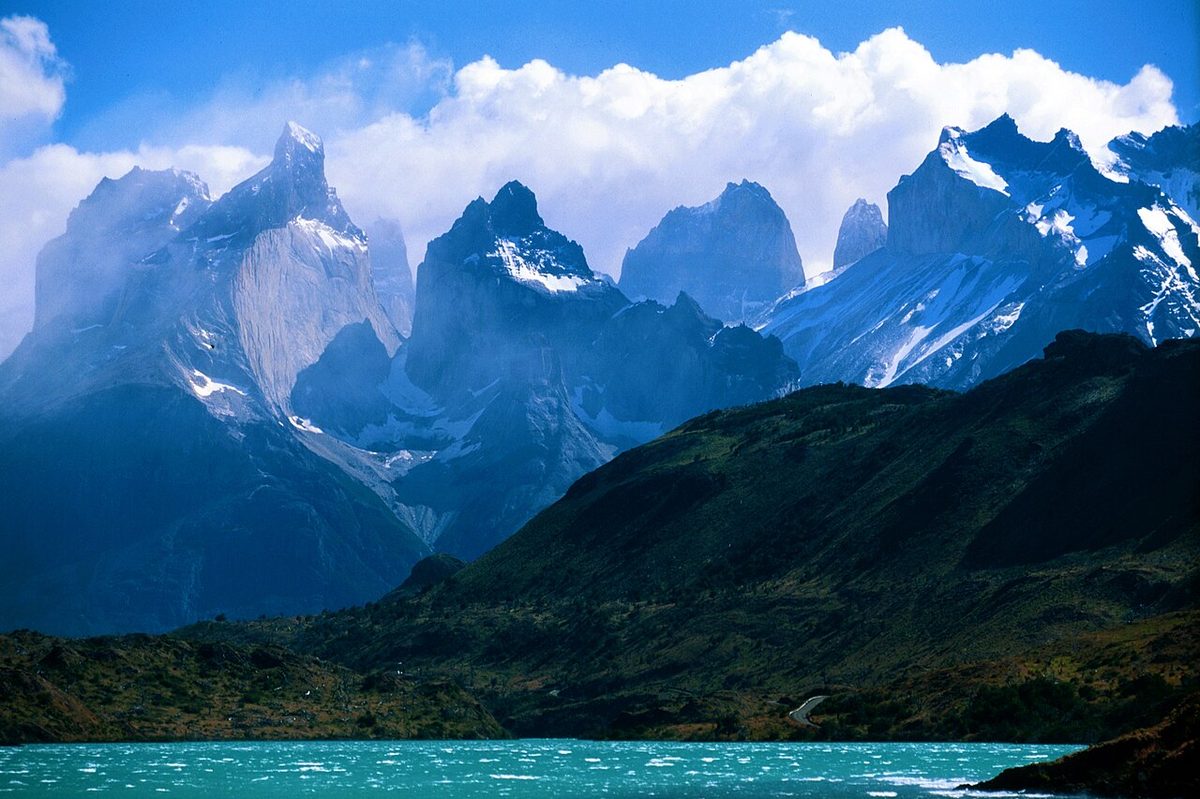
0 — 2 km Fig. 1 · Wind-swept granite towers of Torres del Paine under changeable Patagonia weather · Photo: Winky from Oxford, UK / CC BY 2.0 via Wikimedia Commons
The first time I checked a forecast for Patagonia, it told me sun, wind, rain, and a high of 12 C, all in the same afternoon. I assumed the app was broken. It was not. That is just Patagonia being honest.
If you want a single number for “Patagonia weather,” there isn’t one. But there are patterns, and once you understand them, the month you choose stops being a gamble and starts being a decision.
Here is the short version. Patagonia weather by month runs on a reversed, southern-hemisphere calendar: summer (December to February) is mild, long, and windy; autumn (March to May) cools and quiets down; winter (June to August) is cold, short, snowy, but calm; and spring (September to November) warms up and gets gusty again. Temperatures rarely climb far, wind is the real story, and conditions change by the hour.
This guide is for anyone trying to picture what a Patagonia trip actually feels like in a given month, so they can pack right and plan around the weather instead of being surprised by it. I’ll give you approximate temperatures, daylight hours, wind and rain patterns, and trail access for each month, then break it down by region, because the granite towers of Torres del Paine and the lakes of Bariloche and the wildlife coast near Puerto Madryn are nothing alike.
If you are still deciding when to come at all, read this alongside the best time to visit Patagonia pillar, which weighs crowds, prices, and booking pressure on top of the weather. This article is the weather reference. That one is the decision.
A quick warning before the table: treat every figure here as “around” and “typically.” Patagonia is famous for ignoring averages. A calm forecast can turn into horizontal rain, and a cold morning can become a warm, still afternoon. I hedge these numbers on purpose, and you should too.
Patagonia Weather by Month at a Glance
This table is a planning view for the classic southern mountains (Torres del Paine, El Chalten, El Calafate), where most first-time travelers go. Northern Bariloche is a touch warmer, Ushuaia a touch cooler, and the Atlantic coast milder and drier. Regional detail comes further down.
Month
Season
Approx high / low
Wind & rain
Trail access
Good for
January
Summer
~17–22 C / 6–9 C
Windiest; light rain possible
Full, all main trails open
Long days, W Trek, families
February
Summer
~16–21 C / 6–8 C
Very windy; light rain possible
Full
Peak hiking, slightly calmer than Jan
March
Autumn
~13–18 C / 4–7 C
Wind easing; rain rising
Mostly full early, tapering late
Hiking, autumn color, fewer people
April
Autumn
~9–14 C / 1–5 C
Calmer; wetter
Reduced; check closures
Color, photography, quiet
May
Late autumn
~6–11 C / 0–3 C
Calm; wettest in the south
Limited; many services closing
Quiet towns, transition season
June
Winter
~4–8 C / -2–1 C
Calmest; snow likely
Restricted/guide-only in TdP
Ski openings, winter scenery
July
Winter
~3–7 C / -3–0 C
Calm; snow, ice
Restricted; coldest
Bariloche & Ushuaia skiing
August
Winter
~5–8 C / -2–1 C
Calm; snow
Restricted, slowly easing
Skiing, snow, low crowds
September
Early spring
~8–13 C / 1–4 C
Getting windy; rain/snow
Opening; high routes still snowy
Whales, late ski, first openings
October
Spring
~11–15 C / 3–6 C
Windy; variable
Opening up; some snow/mud
Shoulder hiking, wildlife coast
November
Late spring
~14–18 C / 4–7 C
Windiest stretch; some rain
Mostly open; high routes vary
Strong shoulder all-rounder
December
Early summer
~16–20 C / 5–8 C
Windy; light rain
Full
Long days, first-timers, treks
Swipe to see all columns
Table 1
If you only remember one thing from this table, remember that the column that bites travelers is not temperature. It is wind, and the windiest months are the ones with the best access: roughly November through January.
How Patagonia Weather Actually Works
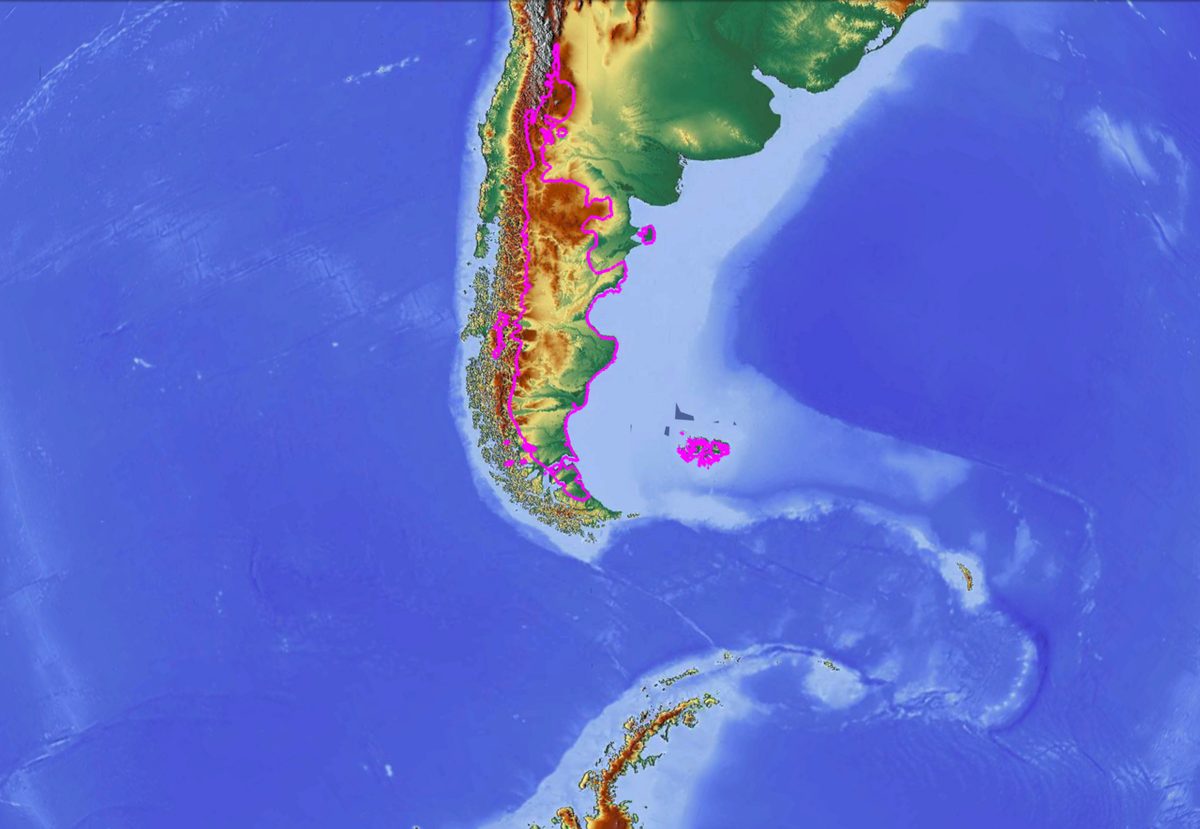
Patagonia sits between about 40 and 55 degrees south. That band of the planet has a nickname among sailors: the Roaring Forties, with the Furious Fifties just below. There is almost no land down there to slow the wind, so the westerlies that circle the globe arrive at Patagonia with very little in their way.
When that wind hits the Andes, two things happen, and they explain most of what you’ll feel on the ground.
First, the mountains wring the moisture out of the air. The Chilean, Pacific-facing side gets soaked: fjords, rainforest, glaciers, and the Southern Patagonian Ice Field. By the time the air spills over to the Argentine side, it is dry. That is why the eastern steppe is brown and arid while the western fjords are green and dripping, sometimes only a few dozen miles apart. This rain-shadow effect is the single most important thing to understand about Patagonia’s climate.
Second, the wind accelerates. Torres del Paine sits right in this firehose, and gusts there can top 100 km/h, occasionally pushing toward 120 km/h at the most exposed points in summer. Wind like that changes everything. A “warm” 14 C day can feel raw on an open ridge, and a calm forest trail can become a fight the moment you step into the open.
Then there is the cold air from Antarctica to the south, the icy breath off the glaciers and ice fields, and the cool ocean on both coasts. Mix all of that together and you get the famous Patagonian promise: four seasons in one day. Local guides say it constantly because it is constantly true.
One more thing that surprises people: the sun is fierce. One of the largest ozone holes on Earth sits over this region, and even on a cool day the UV can burn you fast. Sunscreen and lip balm are not optional here, even in the wind and cloud.
So when you read the months below, hold three ideas in your head: temperatures stay moderate and never tropical, wind is the variable that defines comfort, and the west is wet while the east is dry. Everything else is detail.
The Patagonia Year, Month by Month
These descriptions lean on the southern glacier zone, because that is where most travelers start. I’ll flag the bigger regional swings, then give each region its own section afterward.
January
January is high summer and the most popular month, and the weather largely earns its reputation. Daytime highs in the southern mountains sit around 17 to 22 C, with nights down near 6 to 9 C. Daylight is enormous, roughly 16 to 17 hours, so you can hike late into the evening.
The catch is wind. January is typically the windiest month of the year, and the gusts on exposed trails like the approach to the Torres base or the Fitz Roy viewpoints can be genuinely strong. Rain is usually light and passing rather than all-day, and many spots are relatively dry. Every main trail is open. If you want maximum access and the longest days, this is the month, as long as you respect the wind. For a day-by-day feel, the dedicated Patagonia in January guide goes deeper.
February
February feels a lot like January but often a shade calmer and, to me, a touch more pleasant. Highs run around 16 to 21 C with similar cool nights, and daylight is still generous at roughly 14 to 16 hours.
Wind remains strong, though the very peak of it often eases slightly compared with January. Rain stays in light-and-occasional territory in the south. Trails are fully open, and conditions are excellent for the W Trek, the O Circuit, and El Chalten day hikes. For many hikers, February is the sweet spot of the summer. The Patagonia in February guide covers it in detail.
March
March is where the year turns. Early March still hikes like summer, with highs around 13 to 18 C and around 12 to 13 hours of daylight, but you can feel autumn arriving as the month goes on. Nights get cooler, dropping toward 4 to 7 C, and the lenga forests start to turn red and gold.
The wind begins to ease, which is a real gift on exposed trails. Rain becomes a little more frequent. Most services are still running early in the month, but they start to taper toward the end, so a late-March trek needs a quick check on what’s still open. March is one of my favorite months here: good access, fewer people, softer light. See visiting in early autumn for the full picture.
April
April is beautiful and noticeably quieter, but it asks for flexibility. Highs slip to around 9 to 14 C, nights can touch freezing, and daylight shrinks to roughly 10 to 11 hours. The autumn color can be spectacular, especially around El Chalten, Bariloche, and Tierra del Fuego.
Wind calms further, but rain increases, and higher routes may see early snow. Some operators, refugios, and transport schedules begin reducing or closing for the season, so multi-day treks need verifying before you commit. April rewards travelers who want quiet beauty and can handle a colder, shorter, less certain day.
May
May is the doorway to winter, not a milder March. Highs sit around 6 to 11 C, nights hover around or just below freezing, and daylight is down to roughly 9 to 10 hours. In much of the south, May is one of the wettest months, with rain at lower elevations and snow higher up.
The wind is light, the towns are quiet, and the landscapes can be moody and gorgeous. But the classic trekking calendar no longer applies cleanly. Torres del Paine moves into its winter rules, El Chalten gets harsh, and many services close. May can be rewarding for photographers and quiet-seekers with the right gear and expectations.
June is early winter and the start of the calm, cold, short-day season. Highs around 4 to 8 C, nights down to roughly -2 to 1 C, and only about 8 to 9 hours of daylight, with the sun up around mid-morning and gone by early evening. Snow becomes common, often falling overnight.
Here is winter’s compensation: the wind nearly disappears. June can deliver mirror-still lakes and crisp, photogenic scenes that summer never offers. Ski areas around Bariloche and Ushuaia begin opening as snow builds, and Ushuaia throws its winter-solstice celebrations. Broad independent trekking in the south is largely off the table now, with restrictions and guide requirements in Torres del Paine.
July
July is the heart of winter. It is typically the coldest month, with highs around 3 to 7 C, nights down toward -3 to 0 C, and short days of roughly 8 to 9 hours. Snow and ice are normal, skies are often clear and brilliant for stargazing, and the wind stays low.
For skiing and snow, July is prime: Bariloche and Ushuaia are the natural bases, and domestic winter holidays can make those towns surprisingly busy. For classic hiking, July is the hardest month, with closed, restricted, or guide-only trails in the famous southern parks. Think like a winter traveler here, not a summer hiker chasing a cheap flight. Our Patagonia winter guide is built for exactly this.
August
August is still deep winter but with the days slowly lengthening, climbing back toward 9 to 10 hours by month’s end. Highs sit around 5 to 8 C, nights around -2 to 1 C, and ski conditions are often at their best of the season depending on snowfall.
Wind stays calm, snow continues, and crowds are thin outside the ski resorts. It’s a strong month for snow sports, winter photography, and travelers who specifically want Patagonia without summer’s pressure. The same caution holds: do not plan a broad independent mountain route without checking current access, guides, and road conditions.
September
September is early spring on the calendar, though winter still lingers in the mountains. Highs reach around 8 to 13 C, nights around 1 to 4 C, and daylight stretches back to roughly 11 to 12 hours. Snow can still fall, and high routes remain snowy or muddy.
The wind starts picking up again as spring takes hold, and rain is likely, especially early in the month. This is when the Atlantic wildlife coast wakes up and southern right whales arrive near Peninsula Valdes, which makes September a wildlife month more than a hiking month. Some hotels and operators in the south are just reopening after winter.
October
October is the month that tempts shoulder-season hikers. Highs around 11 to 15 C, nights around 3 to 6 C, and daylight climbing toward 12 to 14 hours. It is firmly shoulder season: fewer crowds, lower prices, and spring energy across the region.
But October can still hold snow, mud, cold snaps, and the returning wind. Many routes start to feel possible, and El Chalten’s broad season is generally considered open from October, but you should not expect January’s ease. With a flexible schedule, October can be excellent. With one short window and one dream hike, it is a gamble. The Patagonia in October guide weighs it out.
November is one of the best shoulder-season answers for the whole region. Highs reach around 14 to 18 C, nights around 4 to 7 C, and daylight is long again at roughly 14 to 16 hours. Spring is in full swing, services are mostly back, and crowds are lighter than peak summer.
The main watch-out is wind. November, along with December and January, sits in the windiest stretch of the year, and gusts can be strong. Higher trails may still hold snow, and opening schedules vary year to year. For many travelers, late November is stronger than early November, when the season is more fully mature.
December
December opens the high season. Highs around 16 to 20 C, nights around 5 to 8 C, and daylight near its yearly maximum at roughly 16 to 17 hours. Early December is especially attractive: strong daylight and broad access before the holiday rush fully lands.
Wind is strong and rain is usually light. Every main trail is open, making December excellent for the W Trek, El Chalten, glacier trips, Bariloche, and Ushuaia. Late December brings Christmas, New Year, and school-holiday demand, so book the trip-defining pieces early. It is a fantastic month to hike if you plan ahead.
Patagonia Weather by Region
Now the part most weather pages skip. “Patagonia” spans roughly 1,500 miles north to south and from wet Pacific fjords to dry Atlantic steppe. A forecast for one zone tells you almost nothing about another. Here is how the four main travel regions differ.
Southern Glacier Zone: Torres del Paine, El Calafate, El Chalten
This is the classic Patagonia of the postcards, and the numbers in the table above describe it best. It is dry, cold-ish, and windy. Visit Argentina describes El Calafate’s climate as dry, cold, and usually windy, with summer averages around 15 C and winter averages near -2 C, which is a useful reality check that even the warm season here is not warm.
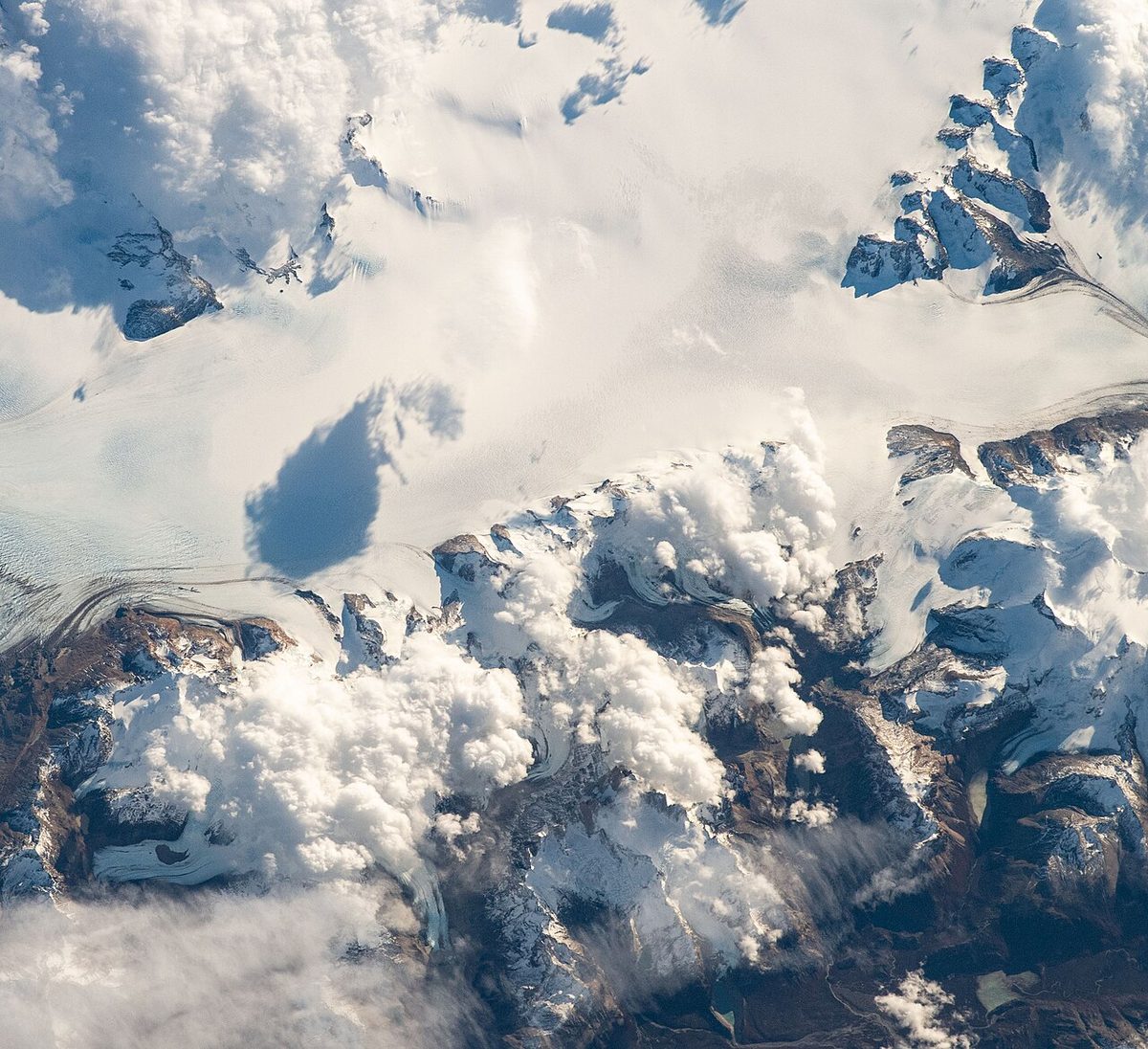
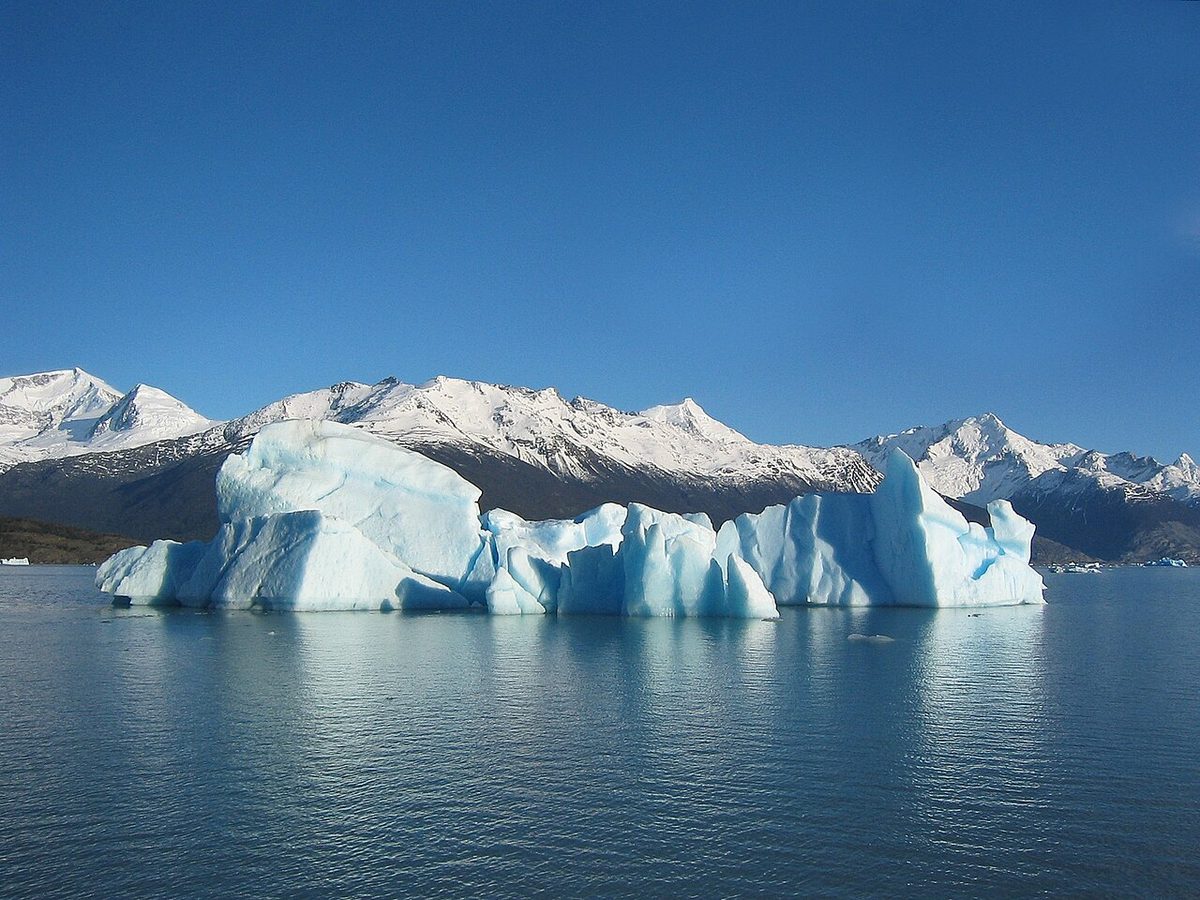
Summer highs run into the high teens and low twenties, winter highs hover near or just above freezing, and wind peaks from November to January. Torres del Paine, sitting right in the westerly firehose, gets the strongest gusts and the fastest weather changes; El Chalten and Fitz Roy hide behind cloud often enough that you should never give them just one day. El Calafate and the Perito Moreno Glacier are the most forecast-proof targets in the region, because the glacier is impressive in almost any weather.
Bariloche is the mildest mainstream Patagonia base and the one with two genuine seasons. Summers are warm and dry by Patagonian standards, with January averaging around 15 C and daytime highs reaching toward 19 to 20 C. Winters are cold, with July averaging only a couple of degrees above freezing and frequent sub-zero nights.
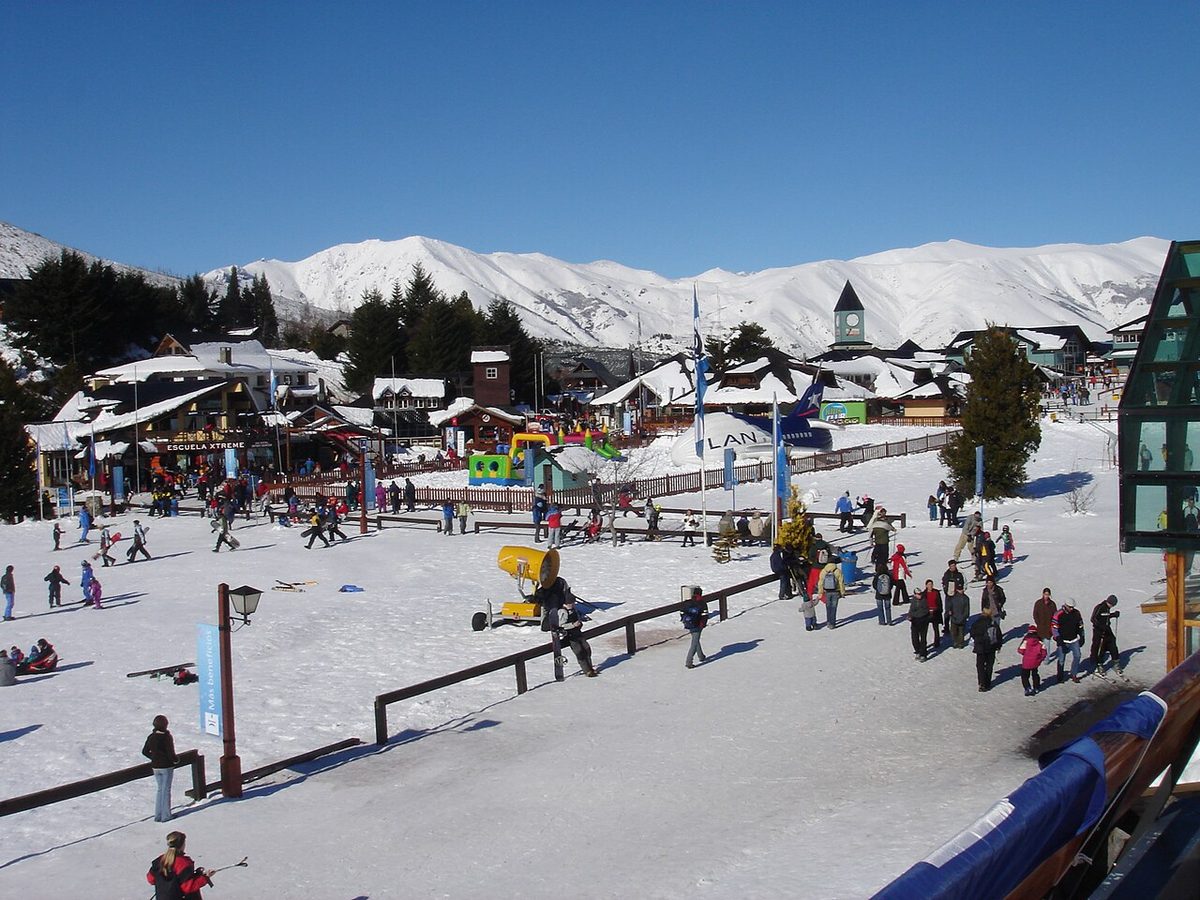
The Lake District is wetter than the southern steppe, with the rainiest stretch around early winter and roughly 120 cm of snow a year falling from about May to October. That snow is the whole point in winter: Cerro Catedral becomes one of South America’s main ski resorts. In summer, the same landscape is for lakes, kayaking, and hiking. Because Bariloche works in both summer and winter, it often rescues a trip when the southern trekking season doesn’t fit your dates. The guide to Bariloche and the Lake District has the seasonal detail.
Tierra del Fuego and Ushuaia
Ushuaia, the southernmost city, has a cool oceanic climate that stays chilly even in summer. The warmest month, January, averages only around 10 C, and the coldest, June, around 2 C. It rarely gets truly hot or truly frigid, but it is reliably cool, damp, and changeable, and snow can fall across much of the year, generally from April into November.
Summer brings long days, up to around 17 hours of daylight, which is why December to March is best for the Beagle Channel, Tierra del Fuego National Park, and pre- or post-Antarctica travel. Winter brings skiing at Cerro Castor and a true end-of-the-world atmosphere. Pack warm layers here in any season, including summer. The Ushuaia and Tierra del Fuego guide covers the far south.
Atlantic Wildlife Coast: Puerto Madryn and Peninsula Valdes
The Atlantic coast is the warm, dry surprise of Patagonia. Sitting lower in latitude and away from the mountain wind machine, the Puerto Madryn and Peninsula Valdes area is milder and far drier than the glacier zone. Summer days can be genuinely warm, and the comfortable shoulder months of March, April, October, and November often bring pleasant, mild conditions.
But here you should plan around animals, not temperature. Southern right whales typically arrive around June and stay into about October, sea lion and elephant seal colonies peak in spring, and the September-to-November window captures the broadest wildlife overlap. The weather is the easy part on this coast; the wildlife calendar is what matters. Use the Patagonia wildlife and whale watching guide to time it, and the best time to see wildlife in Patagonia sibling for a month-by-month species view.
The Wind Season: When It Howls and When It Rests
Wind deserves its own section because it shapes a Patagonia trip more than any temperature reading.
The windiest stretch runs through spring and early summer, roughly September to January, peaking around November to January. This is exactly when access, daylight, and hiking conditions are otherwise best, which is the central irony of Patagonia: the best months to hike are also the gustiest. On the most exposed trails, you may meet gusts strong enough to stop you in your tracks or knock you off balance, so trekking poles and a windproof shell earn their place.
The calmest season is winter, June to August. With the wind gone, lakes turn to mirrors, photography gets dramatic, and the cold feels more manageable than the raw, wind-driven chill of a gusty summer ridge. Autumn, particularly April and May, is the other calmer window, which is part of why autumn light is so prized here.
The practical takeaway: if wind is your main worry, autumn and winter are gentler, but you trade away daylight, warmth, and open trails to get there. If you come in the windy months, plan for it rather than hope it away. A 14 C forecast with a 60 km/h wind is a different day from a 14 C forecast that’s calm, and only one of them needs your warmest layers.
What Patagonia Weather Means for Packing
The weather here points to one packing philosophy above all: layers, and good ones. You are dressing for range and for change, not for a single temperature.
For any month, I’d build around a moisture-wicking base layer, an insulating mid-layer (fleece or light down), and a genuinely windproof, waterproof shell. That shell is the most important item in Patagonia in every season, because wind and sudden rain are the constants. Add a warm hat, gloves, and a buff or neck gaiter even in summer; exposed ridges get cold fast when the wind picks up.
For summer (December to February), you still want that full layering system, plus strong sun protection: high-SPF sunscreen, lip balm, and sunglasses for that fierce, ozone-thinned UV. Trekking poles help against the wind. For shoulder months (March to April, October to November), add warmth and expect more rain, with waterproof boots and a pack rain cover. For winter (May to August), bring serious cold-weather layers, traction for ice and snow if you’ll be on trails, and accept shorter outdoor days.
Whatever the month, waterproof footwear and a packable rain shell belong in your bag. For the full kit, including trekking-specific gear and safety considerations, see the Patagonia hiking, camping, gear and safety guide before you finish packing.
How to Pick Your Month Using the Weather
Here is the simple way I think about it, weather-first.
If you want the warmest, longest days and full trail access, and you can handle wind and book early, choose December, January, or February. If you want a strong balance of decent weather, fewer crowds, easing wind, and autumn color, choose March or early April. If you want the calmest air and dramatic snow scenery, and you’re building a winter-specific trip around skiing or photography, choose June, July, or August. If you want spring energy with longer days and accept gusty, variable conditions, choose October or November.
For wildlife on the Atlantic coast, ignore the hiking calendar and look at September to November for the broadest overlap, refining by species. For the calmest possible hiking conditions, autumn beats summer, but you give up daylight and some access. For the most reliable access, summer wins, but you pay with wind and crowds.
What is the best month to visit Patagonia for weather?
For the warmest, longest, most accessible days, December through February is best, with highs around 16 to 22 C and up to 16 to 17 hours of daylight. The trade-off is strong wind and crowds. March offers a calmer, quieter alternative with easing wind and autumn color. There is no perfect month; pick the trade-off that suits your trip.
What is the rainy season in Patagonia?
In the southern mountains, rain increases through autumn, and May is often the wettest month, with April close behind. Lighter rain is also common from November to January, though it tends to pass quickly. The Pacific-facing Chilean side stays wet most of the year, while the Argentine steppe is much drier thanks to the Andes rain shadow. Rain is possible in any month.
Is Patagonia cold in summer?
Patagonia is mild in summer but never hot. Southern mountain highs typically reach around 17 to 22 C by day and drop to roughly 6 to 9 C at night, and wind can make it feel much colder on exposed trails. Ushuaia stays cooler, averaging around 10 C even in January. Pack warm layers and a windproof shell even in summer.
How windy is Patagonia, and when is the wind season?
Very windy, and the wind is the defining feature of the climate. The strongest winds blow from roughly September to January, peaking around November to January, when gusts on exposed trails can top 100 km/h and occasionally approach 120 km/h. Winter (June to August) is the calmest season. Trekking poles and a windproof jacket are worth packing in the windy months.
Does it snow in Patagonia in summer?
At valley level and on the main trails, snow is uncommon during summer (December to February), though it can fall at higher elevations and in the mountains any time. Snow becomes common from about May through September in the south, and Ushuaia and Bariloche see snow across much of the year. Always expect cold, changeable conditions in the high country regardless of season.
What is the coldest month in Patagonia?
July is typically the coldest month. In the southern mountains, daytime highs sit around 3 to 7 C and nights drop toward -3 to 0 C, with short days of roughly 8 to 9 hours. Bariloche and Ushuaia are similarly cold, with frequent sub-zero nights. Winter is calm and snowy, but trail access in the famous southern parks is heavily restricted.
How many hours of daylight does Patagonia get?
Daylight swings hugely with latitude and season. Around midsummer (December and January) the southern parks get roughly 16 to 17 hours, with Ushuaia reaching about 17 hours. Around midwinter (June and July) it drops to roughly 8 to 9 hours, with the sun rising around mid-morning and setting in early evening. The far south sees the biggest extremes in both directions.
Final Thoughts
If there’s one mindset that makes Patagonia easier, it’s this: stop trying to predict the weather and start preparing for all of it. The travelers who have the best time here are not the ones who got lucky with a forecast. They are the ones who packed the windproof shell, gave Fitz Roy a buffer day, and treated a sudden squall as part of the experience rather than a ruined plan.
The month you choose absolutely matters. Summer buys you daylight and access at the cost of wind and crowds; autumn buys you calm and color at the cost of shorter days; winter buys you stillness and snow at the cost of closed trails; spring buys you energy and length at the cost of gusts and uncertainty. Pick the trade-off that fits the trip you actually want.
And then let Patagonia be Patagonia. The four-seasons-in-a-day thing isn’t a bug. After a few days down there, it starts to feel like the whole point.