Patagonia without hiking is absolutely possible. Glacier walkways, boat cruises, scenic drives, wildlife, easy walks, plus a 7-10 day no-trek itinerary.
By Patagonia Tourism Guide · First published 13 Jul 2026 · Updated 1 Aug 2026
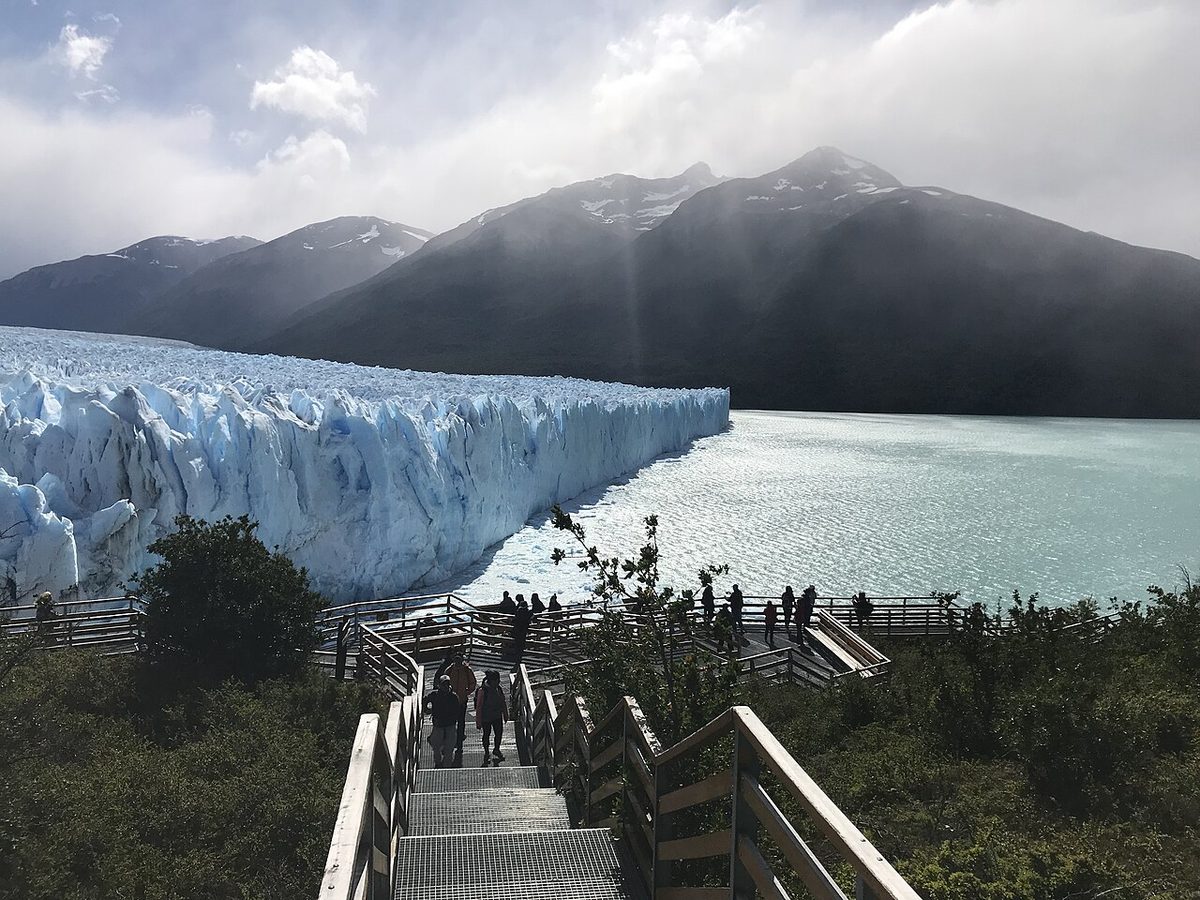
0 — 2 km Fig. 1 · Accessible boardwalk facing the Perito Moreno Glacier in Patagonia, ideal for travelers without hiking · Photo: Iscream icecream / CC BY-SA 4.0 via Wikimedia Commons
Almost every Patagonia article online is written for hikers. Open one and within two paragraphs you are reading about the W Trek, the climb to Laguna de los Tres, elevation gain, trekking poles, and refugio bookings. If you do not want to do any of that, it is easy to walk away thinking Patagonia is not for you.
It is. I promise it is. Patagonia without hiking is not only possible, it is genuinely wonderful, and I have watched plenty of people do exactly that. Some of the biggest, most jaw-dropping scenery here sits at the end of a flat boardwalk, a boat ramp, a chairlift, or a parking lot with a view. You do not have to earn every glacier with your knees.
Yes, you can absolutely experience Patagonia without hiking. The best no-trek version is built around glacier walkways and glacier boat cruises, scenic drives to famous viewpoints, lake and fjord cruises, wildlife watched from boats and shores, and easy short walks under an hour or two. You see the same icons. You just reach them differently.
This guide is for non-hikers by choice, for seniors and older travelers, for anyone with limited mobility, for families with small kids or strollers, and for anyone short on time who wants the payoff without the effort. It pairs with the main Patagonia itinerary planner, which covers every trip length and travel style.
Patagonia Without Hiking: At a Glance
Use this table first. It is the fastest way to see how much Patagonia opens up when you stop measuring it in trail kilometers.
Experience
Where
Effort level
Perito Moreno Glacier walkways
El Calafate, Argentina
Very easy; flat boardwalks, reduced-mobility access
Perito Moreno boat (catamaran)
El Calafate, Argentina
Very easy; boarding plus standing on deck
Lago Argentino / Upsala & Spegazzini cruise
El Calafate, Argentina
Very easy; full day onboard
Torres del Paine scenic drive + viewpoints
Puerto Natales, Chile
Easy; drive plus 30-90 min stops
Grey Glacier navigation
Torres del Paine, Chile
Easy-moderate; ~1 hr walk to the boat, then onboard
Beagle Channel cruise
Ushuaia, Argentina
Very easy; ~2.5-4 hrs onboard
Cerro Campanario chairlift
Bariloche, Argentina
Very easy; ~7 min chairlift, paved top
Circuito Chico scenic drive
Bariloche, Argentina
Very easy; drive with viewpoint stops
Peninsula Valdes whale watching
Puerto Madryn, Argentina
Easy; ~90 min boat, calm gulf
Easy short walks (Salto Grande, Lago Grey shore)
Various
Easy; 30-90 min, mostly flat
Swipe to see all columns
Table 1
The pattern is simple. The walls of ice, the granite towers, the turquoise lakes, the penguins and whales and sea lions, the chocolate-box mountain views, almost all of it is reachable with little or no walking. The hiking is optional. The scenery is not gatekept.
Can You Really Experience Patagonia Without Hiking?
Short answer: yes, and you would be in good company.
I have lost count of the travelers I have met who saw the greatest hits of Patagonia without doing a single “real” hike. Couples in their seventies. Families pushing strollers. People recovering from surgery. People who simply do not enjoy walking uphill for six hours and refuse to pretend otherwise.
Even the tour operators who sell hardcore trekking admit it. One of the better non-hiker guides online, from Quasar Expeditions, opens by saying you can get a front-row seat to Torres del Paine, iceberg-dotted Grey Lake, and the Perito Moreno Glacier “with no strenuous hiking or scaling any mountain peaks.” That matches what I have seen on the ground.
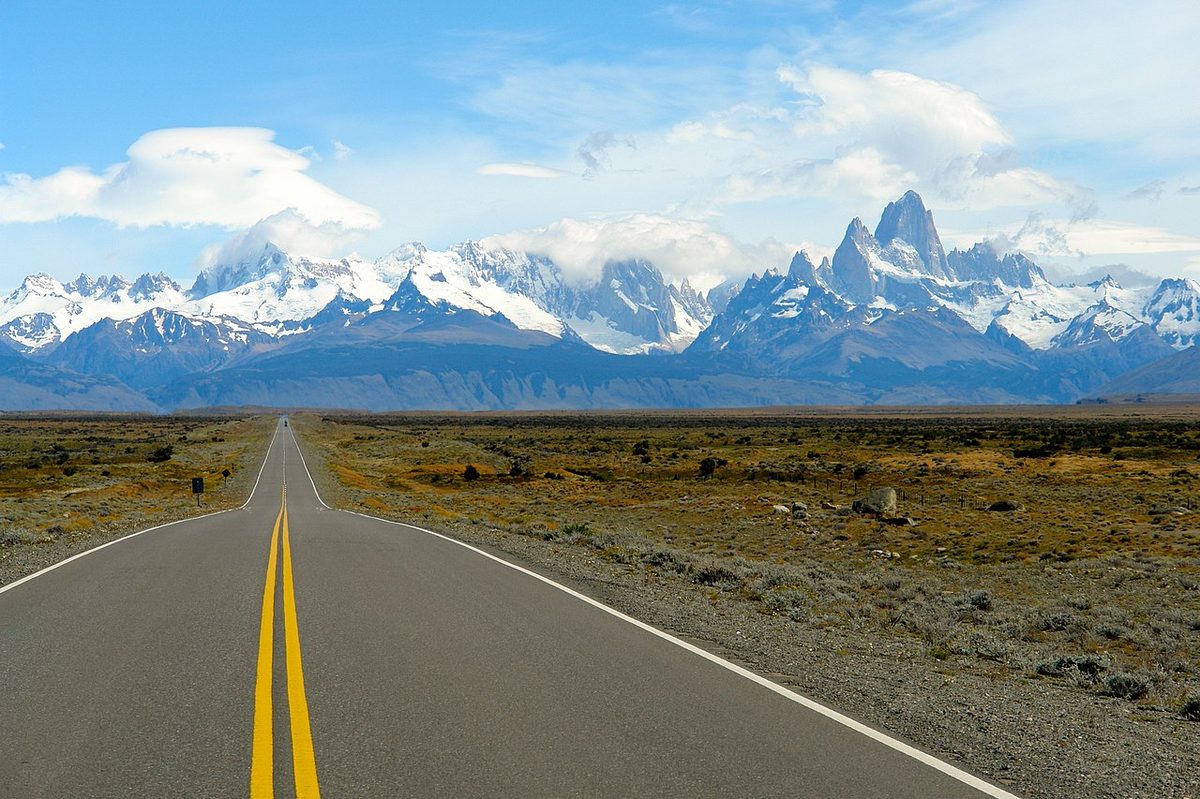
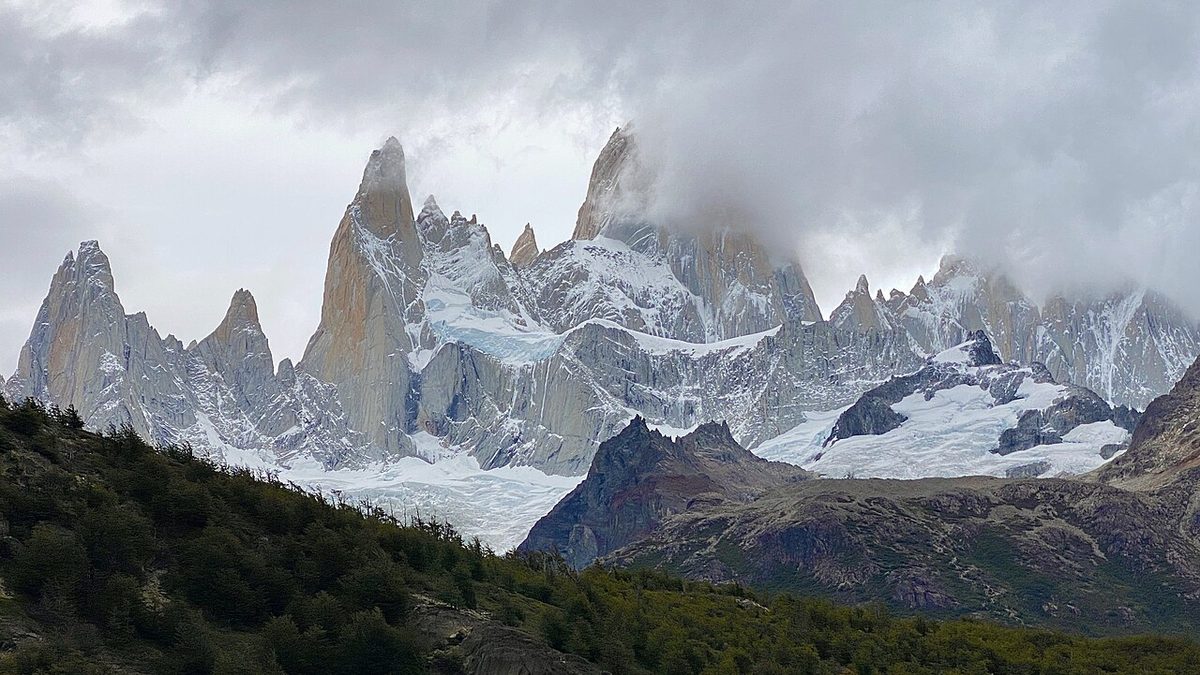
The honest catch is this: a couple of famous places are built almost entirely around hiking, and there is no point pretending otherwise. El Chalten is the clearest example. It is the trekking capital of Argentina, and if you take the hikes out, there is not a lot left except driving in, looking at Fitz Roy from the road, eating well, and driving out. For a non-hiker, El Chalten is usually a “drive through and admire” stop, not a base, and often a skip. I would rather tell you that now than have you book three nights there and feel cheated.
Everywhere else on the no-hiking circuit, the scenery does the heavy lifting and you do not.
The Best No-Hiking Experiences in Patagonia
Rather than march you through a list of trails you will not walk, here is how I think about the no-hiking trip: by the type of experience. Mix and match these into your route.
Glaciers and Glacier Boats
This is where Patagonia without hiking truly shines, and it starts with the Perito Moreno Glacier near El Calafate.
Perito Moreno is the easiest world-class glacier experience on Earth that I know of. Visit Argentina describes a circuit of several kilometers of walkways set at various heights, explicitly “accessible for persons with reduced mobility,” from which you watch the ice wall and wait for blocks to calve into the lake with a sound like thunder. You can spend a couple of hours there, sit on a bench, and let the glacier perform. The glacier is around 80 kilometers from El Calafate via Ruta Provincial 11, about 1 hour 30 minutes by car or tour bus.
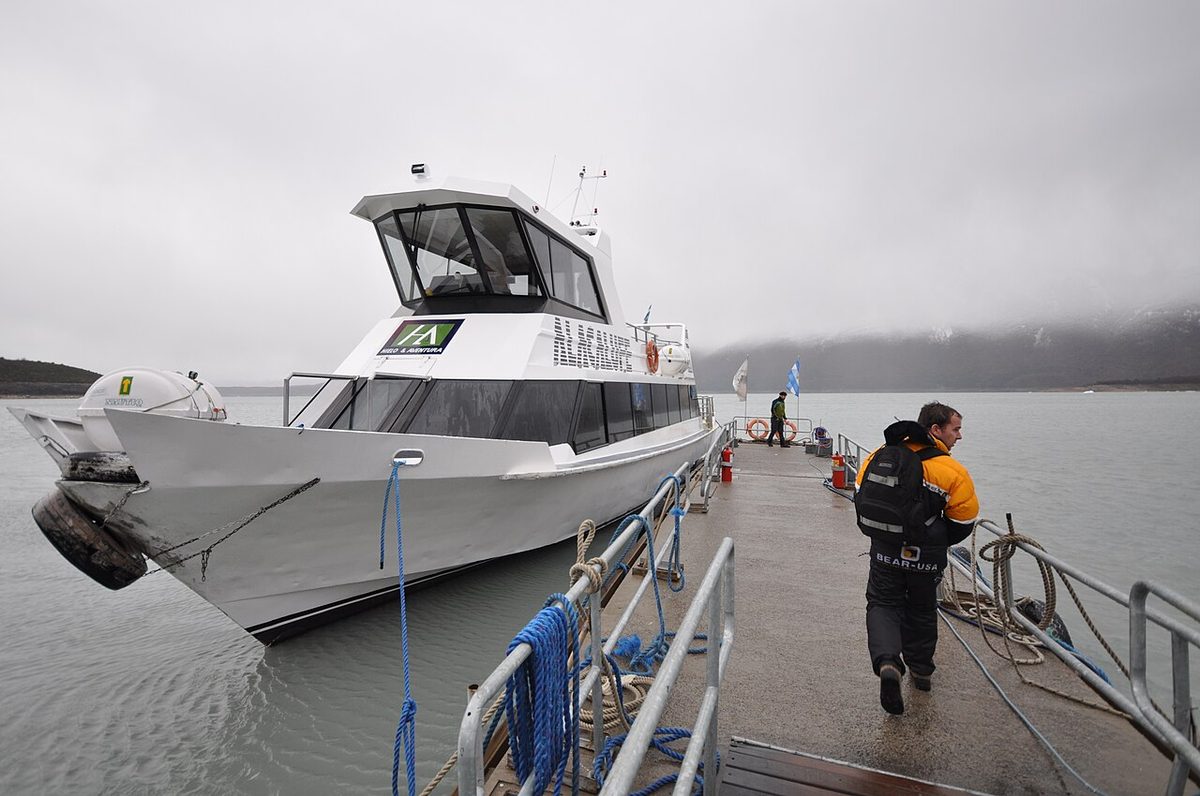
Want to get closer without ice trekking? Visit Argentina notes you can also watch the glacier from the water onboard a catamaran. These short boat trips run on the lake in front of the ice and ask nothing of you except boarding and standing on deck.
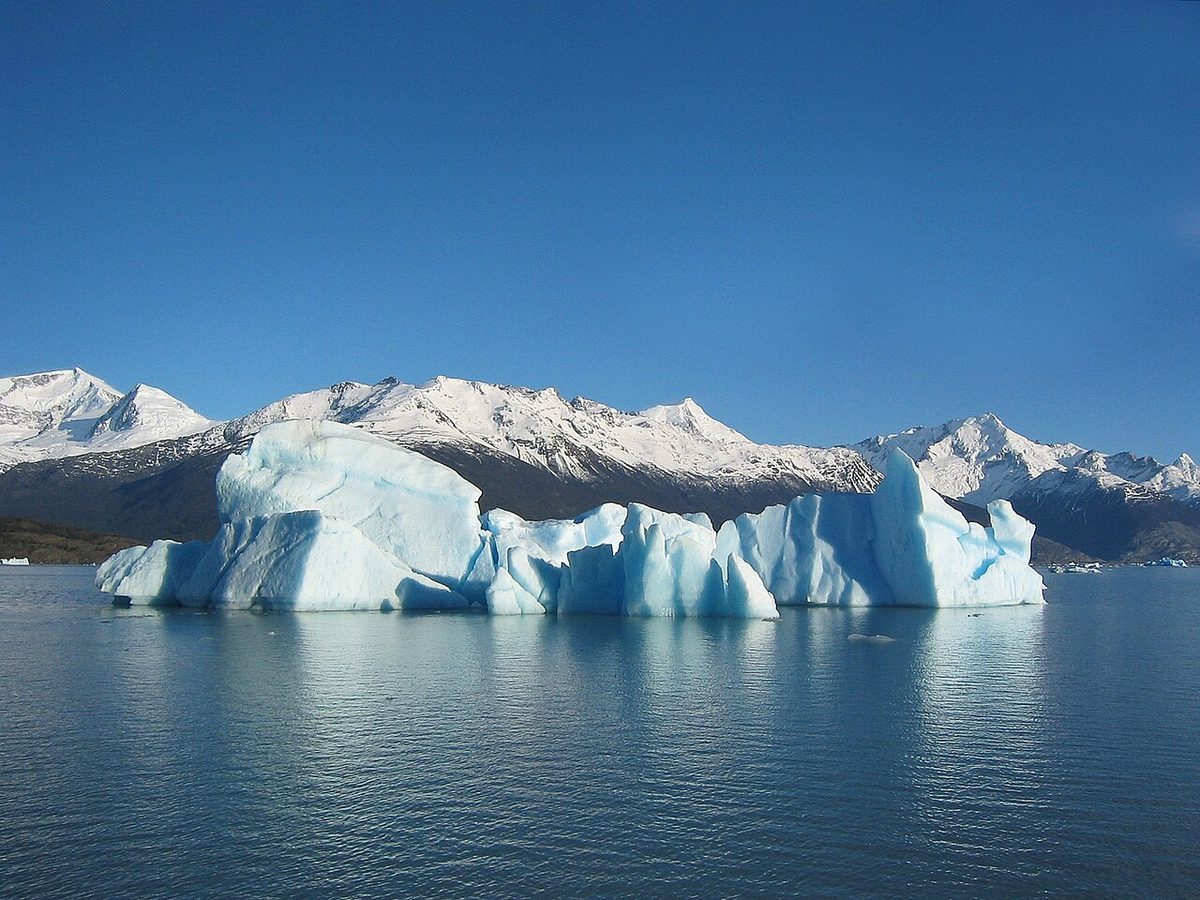
For a bigger day on the water, the Lago Argentino cruises out of El Calafate sail among icebergs to the faces of the Upsala and Spegazzini glaciers, which you cannot reach any other way. It is a full day sitting comfortably onboard while some of the largest glaciers in the region drift past the window.
Over in Chile, inside Torres del Paine, the Grey Glacier navigation is the equivalent. EcoCamp describes it as a roughly three-hour boat trip on Lago Grey to the glacier’s blue walls and floating icebergs, reached by an easy walk of around one hour round trip to get to the boat. From Puerto Natales, the Balmaceda and Serrano fjord cruise is another low-effort full day among glaciers and channels.
Some of the best Patagonia views are roadside. You park, you look, you gasp, you get back in the car.
In Torres del Paine, you do not have to set foot on the famous Base Torres trail to see the park. A scenic drive or guided day trip loops past Lago Pehoe, the Cuernos, Lago Nordenskjold, and a string of viewpoints. Quasar suggests stops like Laguna Amarga for the granite towers and short, easy overlooks; EcoCamp lists the Toro Lake viewpoint as a one-hour easy walk and Salto Grande waterfall as a 30-minute round trip. A Tripadvisor destination expert who has visited Patagonia five times put it plainly for a reader who could not walk more than three hours: stay at least three nights near Torres del Paine, because “the scenery there is so breathtaking, and you can walk a few very short and easy trails.” That is the park without the trek.
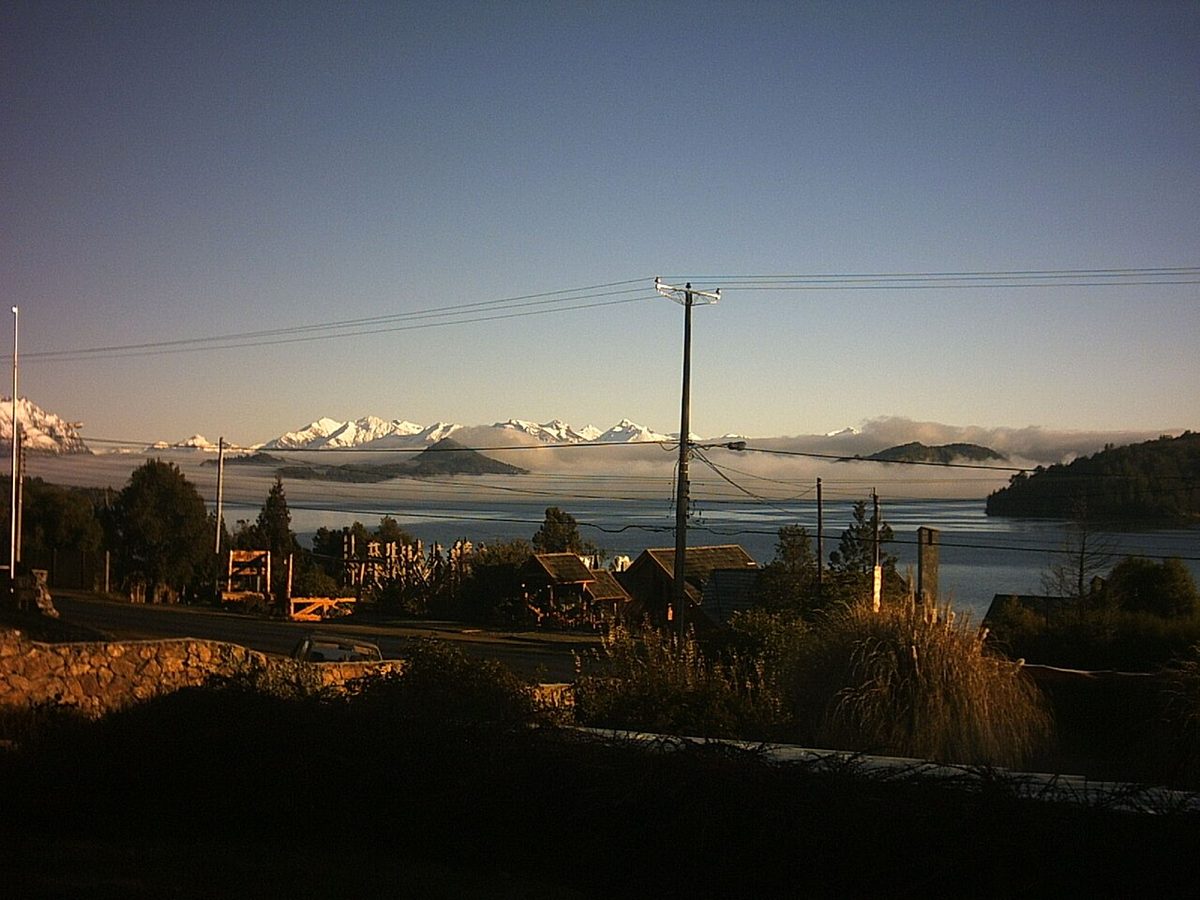
Up north around Bariloche, the Circuito Chico is one of the most rewarding scenic drives in Argentina. It loops past Lake Nahuel Huapi, the Llao Llao peninsula, and a series of lookouts, and you can do the whole thing as a relaxed half-day with photo stops. The classic Seven Lakes Route (Ruta de los Siete Lagos) runs further north between Villa La Angostura and San Martin de los Andes, threading past glacial lake after glacial lake, all from the comfort of the car.
The Bariloche region is the gentlest corner of Patagonia for non-hikers, which is exactly why I send mixed-ability groups there. The full picture is in the Lake District travel notes.
Chairlifts and Cable Cars
If there is one no-hiking trick I wish more people knew, it is that Patagonia has chairlifts and cable cars that haul you up to the kind of panorama people normally sweat for.
The star is Cerro Campanario, just outside Bariloche at kilometer 17.5 of the Circuito Chico. A chairlift carries you from around 770 meters up to about 1,050 meters in roughly seven minutes, and the 360-degree view over Nahuel Huapi, the Llao Llao peninsula, and the surrounding peaks is routinely called one of the best in the world. There is a cafe at the top. You can sit with a coffee at a view that, on foot, would be a real climb.
Bariloche has more of this: Cerro Otto has a cable car, and Cerro Catedral runs lifts in and out of ski season. In Ushuaia, a chairlift heads up toward the Martial Glacier area for big views over the Beagle Channel. These are the kind of “earn the view by buying a ticket” experiences that make a no-hiking trip feel just as rewarding as a trekking one.
Patagonia’s wildlife does not require hiking. Most of the best animal encounters happen from a boat deck, a viewing platform, or a beach.
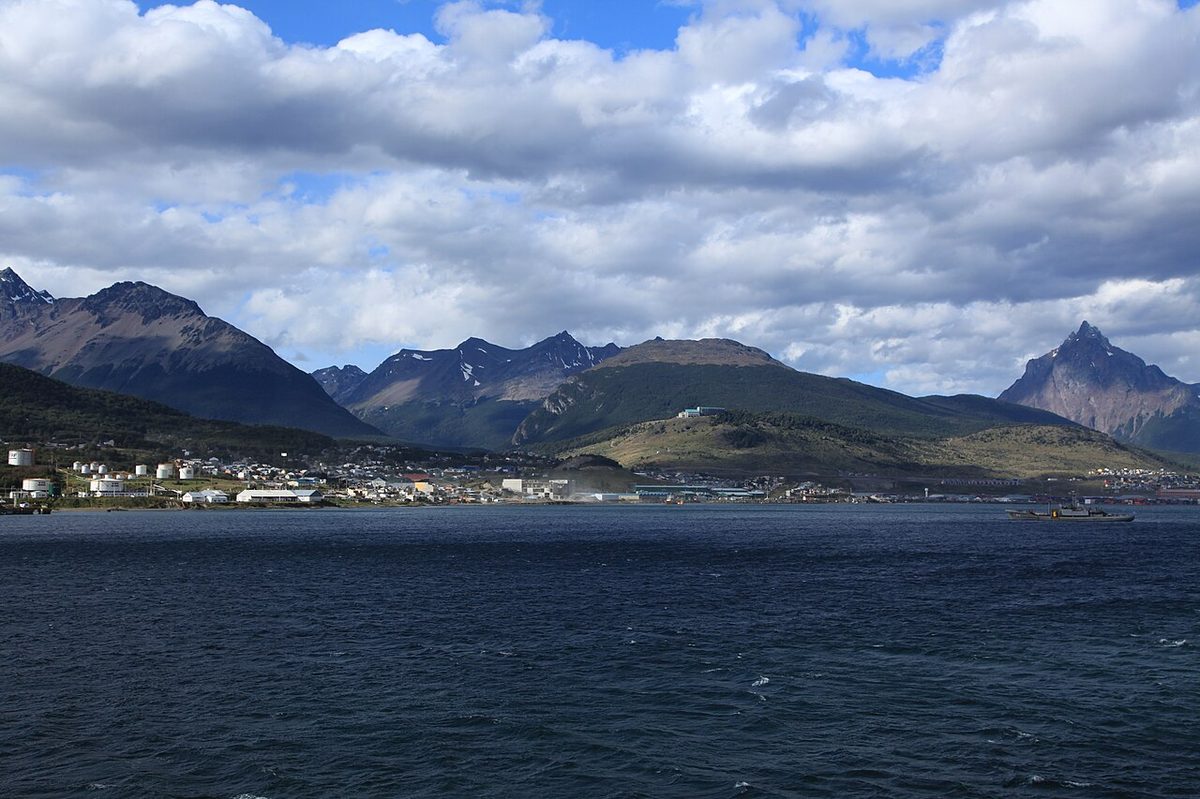
From Ushuaia, the Beagle Channel cruise is the easy classic. Half-day trips of around two and a half to four hours sail out to islands crowded with South American sea lions and cormorants and on to the Les Eclaireurs Lighthouse, all from a comfortable boat. Some longer routes add Magellanic penguins via Martillo Island. (Worth knowing: not every Beagle Channel route includes penguins, so check the itinerary before booking if penguins are the goal.) The far-south atmosphere is the whole point, and you get it sitting down. More in the Ushuaia and Tierra del Fuego guide.
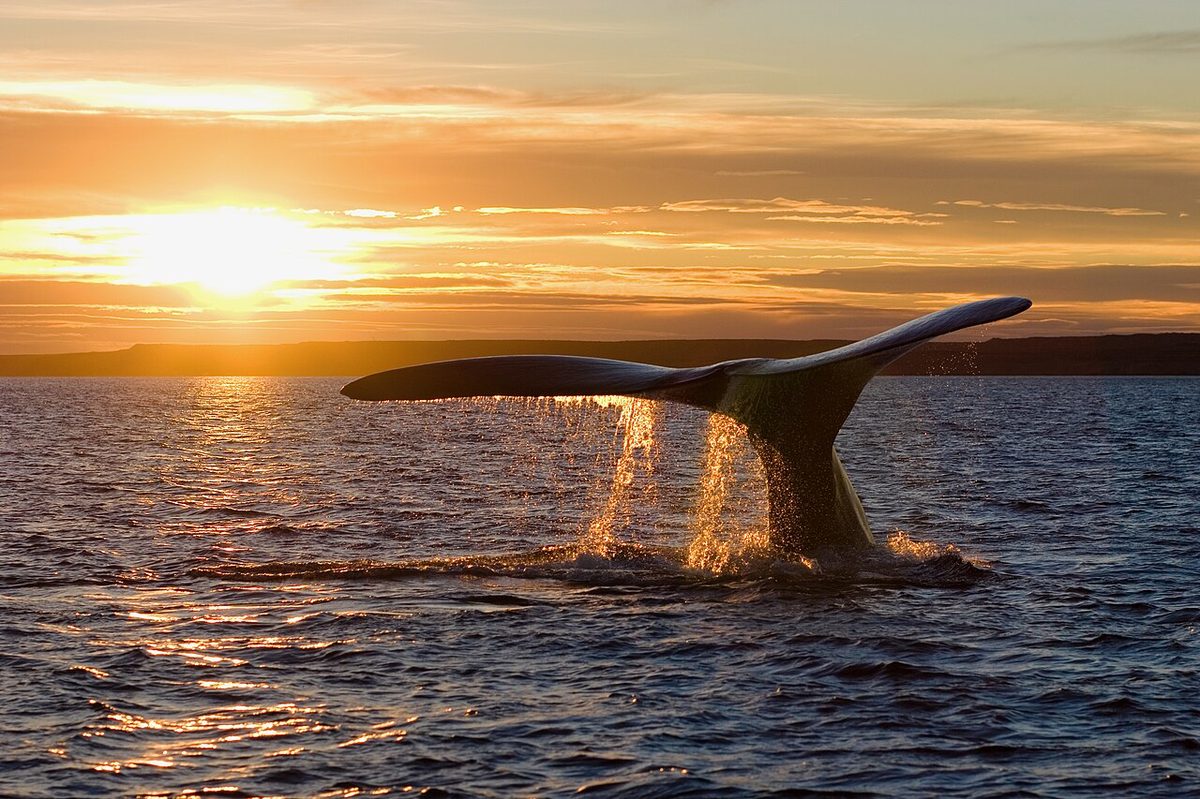
For the single best wildlife payoff with almost no walking, look at Peninsula Valdes near Puerto Madryn. Visit Argentina lists September through November as the ideal window, when southern right whales gather to breed and calve in the gulfs. Whale-watching boats out of Puerto Piramides run trips of around 90 minutes on relatively calm water, and you watch whales breach and roll right beside the boat. Elsewhere on the peninsula you can see penguins, sea lions, and elephant seals from the shore and from your vehicle. It is one of the great wildlife spectacles on the planet, and it asks nothing of your legs.
If you want Patagonia to come to you, a multi-day cruise is the ultimate no-hiking option. You unpack once, sleep onboard, and let the ship carry you through scenery you could never reach overland.
The marquee routes are the Chilean fjord cruises between Punta Arenas, Ushuaia, Cape Horn, and Tierra del Fuego, sailing past glaciers and channels over several nights. The Navimag ferry through the Chilean channels is a slower, more transport-first way to see the same coast. On most of these, any off-ship landings are optional, and the walking is usually a short, easy stroll to a viewpoint rather than anything strenuous.
Cruises are their own decision, with real trade-offs around cost, motion, and fixed dates. I would not book one without reading the Patagonia cruises, fjords and glaciers guide first.
Easy Short Walks
You do not have to do zero walking. You just do not have to do hard walking. Patagonia is full of short, flat or gentle strolls that deliver outsized views in under an hour or two.
A few that come up again and again from people who do not consider themselves hikers:
The Perito Moreno walkways themselves, which you can do as much or as little of as you like, with benches and reduced-mobility access.
Salto Grande in Torres del Paine, a roughly 30-minute round-trip walk to a powerful waterfall and a Cuernos panorama.
The Lago Grey shore walk over a low moraine out to a pebbly spit, easy and mostly flat, with icebergs offshore.
Mirador Nordenskjold in Torres del Paine, around 40 minutes to an hour with little elevation.
Short lakeshore and lookout walks around Bariloche, Lago Nahuel Huapi, and Tierra del Fuego National Park near Ushuaia (Bahia Lapataia and Laguna Negra).
The honest caveat: most of these trails are unpaved and can be uneven, rocky, or muddy, and Patagonian wind is real. They are easy for a reasonably steady walker but are not all suitable for wheelchairs or for someone who cannot manage uneven ground. More on that in the accessibility section below.
A Sample 7-10 Day No-Hiking Patagonia Itinerary
Here is a route I would genuinely recommend to a non-hiker who wants the southern icons without the trails. It runs about 7 to 10 days depending on the optional extension. As always with Patagonia, build in margin for weather and treat transfer days as real days, not filler.
Day 1: Arrive in El Calafate.
Settle in, walk the lakefront if you have energy, sort cash and confirm your glacier transport. Easy start.
Day 2: Perito Moreno Glacier walkways.
Spend the day on the boardwalks at your own pace. Sit, watch, wait for the calving. Add the short catamaran in front of the ice if it is running and the weather cooperates. This is the no-hiking highlight of the whole trip.
Day 3: Lago Argentino glacier cruise.
Take a full-day boat among the icebergs to the Upsala and Spegazzini glaciers, or use this as a slower El Calafate day with the Glaciarium ice museum if you would rather not be on the water two days running.
Day 4: Transfer to Puerto Natales (or stay Argentina-only).
This is your cross-border logistics day toward Chile and Torres del Paine. If you would rather keep things simple and skip the border, swap this for a flight north to Bariloche and follow the Bariloche days below instead.
Day 5: Puerto Natales and a fjord boat or easy day.
Recover from the transfer, eat well, and consider the Balmaceda and Serrano fjord cruise, a low-effort full day among glaciers and channels.
Day 6: Torres del Paine scenic drive.
Do a full-day guided drive or rental-car loop with viewpoint stops: Lago Pehoe, the Cuernos, Salto Grande (30-minute round trip), and the Lago Grey shore. You will see the park’s greatest hits without a single hard hike.
Day 7: Grey Glacier navigation, then depart or continue.
Take the easy walk to the boat and sail to the blue walls of Grey Glacier. Then either head home via Puerto Natales or Punta Arenas, or continue to one extension below.
Optional Days 8-10, choose one:
Ushuaia for the Beagle Channel cruise and the far-south, end-of-the-world atmosphere.
Bariloche for the Cerro Campanario chairlift, the Circuito Chico drive, lake views, and chocolate.
Puerto Madryn and Peninsula Valdes for whales (September to November) and penguins.
The same no-trek scenery suits different travelers in slightly different ways.
Seniors and Older Travelers
This is the biggest non-hiking audience, and Patagonia handles it well. Stick to the comfortable anchors: Perito Moreno walkways, glacier and lake cruises, the Beagle Channel, Cerro Campanario by chairlift, and Torres del Paine by scenic drive. Build in slower mornings and fewer one-night stays. A guided trip or private driver removes the stress of buses and borders, which for many older travelers is worth the cost. Plenty of operators run dedicated “Patagonia for seniors” trips precisely because the demand is there.
Mobility-Limited Travelers
Lead with the experiences that are genuinely low-impact: the Perito Moreno walkways (built with reduced-mobility access), boat cruises where you board once and stay aboard, chairlifts and cable cars, and scenic drives where the view is from or near the car. Be candid with yourself about the unpaved short walks, which are often uneven. See the accessibility note below, and verify specifics with operators before you commit.
Families
For families, fewer bases and shorter activities win. Bariloche, El Calafate, Ushuaia, and Puerto Madryn are the friendliest. Kids tend to love the glacier walkways, the boat trips, the penguins and sea lions, and the chairlifts far more than they would ever love a six-hour hike. The dedicated Patagonia family trip guide covers ages, pacing, and safety.
Time-Pressed Travelers
If you are short on days, the no-hiking circuit is actually efficient, because you are not spending whole days on long out-and-back trails. A focused El Calafate stay for Perito Moreno plus one cruise can deliver a huge Patagonia payoff in just a few days. Choose one region, do it well, and do not try to bolt on a trekking base you will not use.
Accessibility Notes
Let me be straight about access, because vague reassurance helps no one.
The genuinely strong news is Perito Moreno. Visit Argentina states the walkway circuit is “accessible for persons with reduced mobility,” and it is the most reliably accessible major sight in Patagonia. Glacier and lake cruises, the Beagle Channel, and Bariloche’s chairlift are also low-impact, though boarding boats and lifts still involves some steps and movement, so check each operator’s specifics.
The honest caution: most of Patagonia’s “easy” trails are natural paths, not paved. Surfaces can be gravel, root, sand, or mud, and the famous wind can make even flat ground tiring. Outside the Perito Moreno boardwalks, do not assume wheelchair access. If you use a wheelchair or have significant mobility limits, build the trip around the paved walkways, the boats, the chairlifts, and the scenic drives, and confirm vehicle transfers, boat boarding, and accommodation access directly with each provider before booking.
Two more practical notes. First, transfers and distances are large in Patagonia, so a private or guided vehicle often does more for comfort than any single activity choice. Second, weather changes plans here for everyone, hikers and non-hikers alike, so leave buffer days and book refundable where you can.
Best Season for a No-Hiking Patagonia Trip
The good news for non-hikers is that your season is a little more forgiving than a trekker’s, because you are less exposed to trail conditions. Still, timing matters.
The broad sweet spot is late spring through autumn, roughly November to March, when boats run, roads are open, and days are long. December to February gives you the longest daylight and full infrastructure. March brings autumn color and thinner crowds.
Two season notes specific to no-hiking experiences. Glacier cruising generally runs from around October to early April, so confirm boat operations if you travel at the shoulders. And if whales are on your list, Peninsula Valdes is a spring story: Visit Argentina flags September to November as the ideal window for southern right whales.
Winter is a different trip. It suits Bariloche skiing, snowy Ushuaia, and a quieter low-season feel, but several boats and some Torres del Paine access scale back. For the full month-by-month picture, read Best Time to Visit Patagonia and check CONAF for current Torres del Paine notices before you treat any winter route as available.
What to Book Ahead
A no-hiking trip has fewer scarce-permit headaches than a W Trek, but a few things still reward early booking.
Domestic flights into your gateways: El Calafate, Bariloche, Ushuaia, Puerto Natales or Punta Arenas, Trelew or Puerto Madryn.
Multi-day cruises (Chilean fjords, Lago Argentino full-day boats, Navimag), which sell out and run on fixed dates.
Peninsula Valdes whale-watching boats in the September to November peak, which fill fast.
Comfortable, well-located hotels in small towns, especially in high summer.
Private drivers or guided day tours if you want to skip buses and borders.
Specific glacier boats (Perito Moreno catamaran, Grey navigation, Balmaceda and Serrano), close to travel but not last-minute.
For the logistics of getting between these places, the Patagonia itinerary planner covers transport and booking order in depth.
No. Hiking is the most marketed way to experience Patagonia, but it is far from the only one. You can see the Perito Moreno Glacier from accessible walkways, cruise to glaciers and through fjords, drive to viewpoints in Torres del Paine, ride chairlifts above Bariloche, and watch whales and penguins from boats. The scenery is not reserved for trekkers.
Can you visit Patagonia without hiking at all?
Yes, comfortably. A strong no-hiking trip combines Perito Moreno walkways, glacier and lake cruises from El Calafate, a Torres del Paine scenic drive, the Beagle Channel cruise from Ushuaia, Bariloche’s chairlifts and lake drives, and Peninsula Valdes wildlife. The main place that does not work without hiking is El Chalten, which is best driven through or skipped by non-hikers.
Is Perito Moreno Glacier accessible for limited mobility?
Largely, yes. Visit Argentina describes the Perito Moreno walkway circuit as set at various heights and “accessible for persons with reduced mobility,” making it the most accessible major glacier viewing in Patagonia. You can also see the ice from a catamaran on the lake. Still confirm current conditions and transfer access with your operator, as some sections involve more walking than others.
Is Patagonia good for seniors?
Patagonia is well suited to seniors who plan around comfort. Glacier walkways, lake and fjord cruises, the Beagle Channel, chairlifts, and scenic drives deliver the big scenery with little physical strain. Many companies run dedicated senior trips. The keys are slower pacing, fewer one-night stays, and using guided transfers or a private driver to avoid stressful buses and border crossings.
Can you see Torres del Paine without hiking?
Yes. You can experience Torres del Paine by scenic drive, stopping at viewpoints over Lago Pehoe, the Cuernos, and the towers, with short easy walks like Salto Grande (about 30 minutes round trip) and the Lago Grey shore. The Grey Glacier boat reaches the ice with only a short walk to board. Plan at least two or three days to see the park comfortably without trekking.
What is there to do in El Chalten if you don’t hike?
Honestly, not much beyond admiring Fitz Roy from town and the access road, eating well, and taking very short viewpoint strolls. El Chalten is the trekking capital of Argentina and is built around its trails. Most non-hikers are better served treating it as a brief drive-through stop, or skipping it in favor of El Calafate, Torres del Paine, Bariloche, or the wildlife coast.
When is the best time for a non-hiking Patagonia trip?
Roughly November to March is the broad sweet spot, with long days and full boat and road access. December to February offers maximum daylight; March brings autumn color and fewer crowds. Glacier cruises typically run from around October to early April. If whales matter, target September to November at Peninsula Valdes. Always confirm seasonal boat and park operations before booking.
Final Thoughts
I think the “Patagonia is only for hikers” idea is one of the great myths of South American travel, and it keeps people away who would absolutely love the place.
The truth is that the things most travelers remember from Patagonia, the moment a slab of ice the size of a building crashes off Perito Moreno, the first time a whale rolls beside the boat at Peninsula Valdes, the 360-degree view from the top of a chairlift, the granite towers turning pink at dawn from a roadside lookout, almost none of those require a hard hike. They require showing up, in the right season, with a plan that fits how you actually want to travel.
So if you have been hesitating because you do not hike, or cannot, or simply would rather not, let that go. Build the no-trek route, take the boats and the boardwalks and the chairlifts, and let Patagonia do what it does best. When you are ready to fit it into a full plan, start with the Patagonia itinerary planner and the seasonal guide to Patagonia.