Plan Bariloche and Northern Patagonia with Circuito Chico, Cerro Campanario, Nahuel Huapi, hiking, skiing, Seven Lakes, and 2-7 day itineraries.
By Patagonia Tourism Guide · First published 9 Jun 2026 · Updated 1 Aug 2026
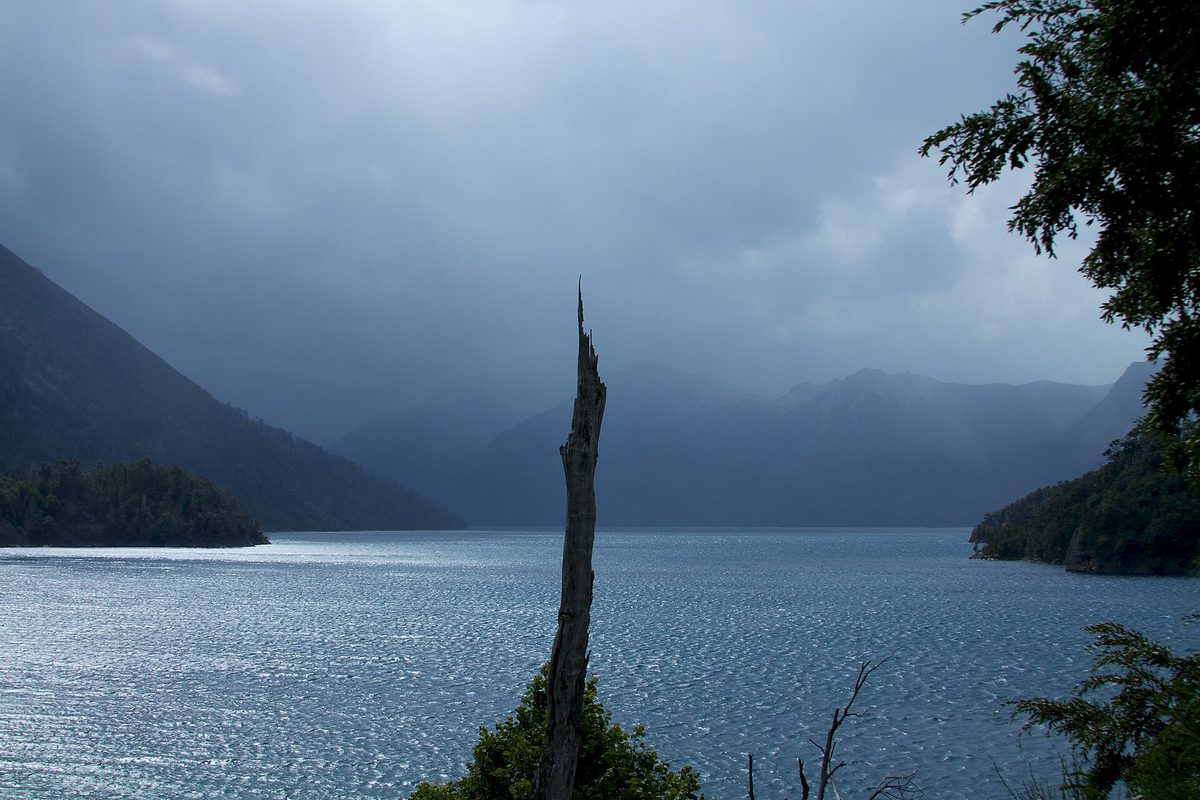
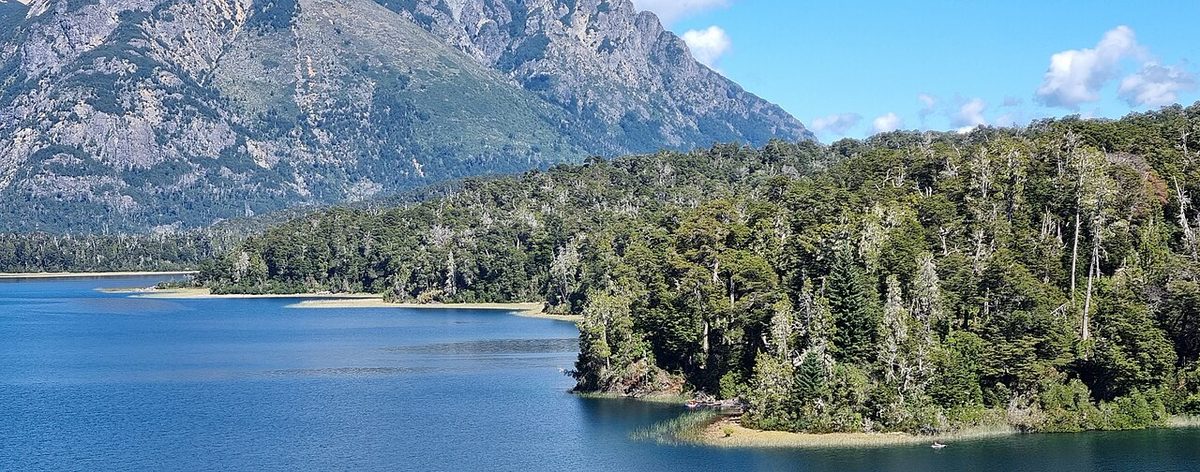
0 — 2 km Fig. 1 · Lakes and forests around Bariloche, northern Argentine Patagonia · Photo: Pepe Robles / Public domain via Wikimedia Commons
Bariloche is the Patagonia trip that people underestimate because it does not look difficult enough.
That sounds strange until you put it next to the rest of the region. Torres del Paine asks you to book refugios, buses, catamarans, park tickets, and weather windows. El Chalten asks you to gamble your best hiking days against cloud and wind. El Calafate makes you choose between glacier walkways, boats, and expensive ice treks. Ushuaia makes you decide whether the end-of-the-world feeling is worth the distance.
Bariloche, at first glance, feels easier. It has a real city center, an airport, chocolate shops, breweries, ski infrastructure, buses along the lake, rental cars, hotels for every budget, families walking the waterfront, and a famous scenic drive you can do before lunch if you are efficient. You can arrive tired from Buenos Aires, eat well, look at Lago Nahuel Huapi, and feel like the trip is already working.
That ease is real. It is also the reason people plan Bariloche badly.
The problem is not that there is nothing to do. The problem is that there is too much to do, and the choices are not all the same kind of trip. A quick Bariloche itinerary can be a mellow lake-and-chocolate break. A longer stay can become a hiking trip with mountain refuges, steep trails, and mandatory trekking registration. A winter trip can revolve around Cerro Catedral and snow. A road trip can stretch north through Villa La Angostura, the Seven Lakes Route, and San Martin de los Andes. Another road can run south through El Bolson, Lago Puelo, Esquel, Trevelin, and Los Alerces National Park.
That is why I do not think of Bariloche as just “a town in Patagonia.” I think of it as the most flexible base in Northern Patagonia.
It is not the wildest place in the region. It is not the quietest. It is not the place I would choose if I wanted every day to feel remote and hard-earned. But if you want a Patagonia stop that can handle first-time visitors, families, soft adventure, scenic drives, food, skiing, lake trips, serious hikes, and recovery days, Bariloche is unusually useful.
This guide will help you decide how many days to spend in Bariloche, what to do first, whether you need a rental car, how to plan Circuito Chico and Cerro Campanario, when to add Cerro Catedral, which hikes are worth your energy, how the Seven Lakes Route actually works, and when to extend into the wider Northern Patagonia lake district.
Quick Answer: How to Plan Bariloche and Northern Patagonia
For most first-time visitors, the best Bariloche plan is 3 to 5 nights.
With 3 nights, you can see the city and lakefront, do Circuito Chico with Cerro Campanario, and choose one bigger day: a lake excursion, Cerro Catedral, Refugio Frey, or the Seven Lakes Route.
With 4 or 5 nights, Bariloche starts to breathe. You can keep Circuito Chico, add one mountain or lake day, take a weather buffer, eat properly, and avoid turning every day into a long transfer.
With 7 nights or more, you can stop treating Bariloche as the only base. Add Villa La Angostura or San Martin de los Andes for the Seven Lakes Route, or go south toward El Bolson, Lago Puelo, Esquel, Trevelin, and Los Alerces National Park.
Here is the practical version:
If your trip style is…
Best Bariloche plan
Main tradeoff
First-time Patagonia sampler
3 nights in Bariloche
Enough for highlights, not deep hiking
Family or soft-adventure trip
4-5 nights in Bariloche, stay central or along Bustillo
Easier logistics, less remote feeling
Hiking-focused trip
4-6 nights with Refugio Frey, Cerro Lopez, Llao Llao trails, maybe Jakob
Weather, trail registration, and fitness matter
Winter ski trip
4-7 nights, base near town or Cerro Catedral
Snow and lift conditions drive the schedule
Seven Lakes road trip
5-7 days split between Bariloche, Villa La Angostura, and San Martin
Rental car and winter road rules matter
Longer Northern Patagonia route
8-12 days including El Bolson and Esquel/Los Alerces
More driving, fewer southern Patagonia icons
Southern Patagonia add-on
2-3 nights before or after El Calafate/El Chalten
Good contrast, but flights can consume time
Swipe to see all columns
Table 1
The best short first-time order is:
Day 1: Arrive, lakefront, Civic Center, chocolate, easy dinner.
Day 2: Circuito Chico, Cerro Campanario, Llao Llao area, Colonia Suiza if it fits.
Day 3: Choose one: Seven Lakes tour, Puerto Blest, Cerro Catedral, Refugio Frey, kayaking, or a slower food and viewpoint day.
Day 4: Leave, or stay longer and build a wider lake district route.
If you remember only one thing, make it this: do not use your only flexible day for the Seven Lakes Route unless you actually want a long road day. It is beautiful, but it is not the only worthy thing near Bariloche. Some travelers will get more from a slower Circuito Chico day, a lake navigation, or a hike that lets them be outside instead of looking through a windshield for 10 hours.
Why Bariloche Is Different from Southern Patagonia
Bariloche is Patagonia, but it is not the Patagonia many travelers imagine first.
If your mental picture is granite towers, glacier viewpoints, wind-scoured steppe, and long empty roads, you are probably thinking of southern Patagonia: Torres del Paine, El Chalten, El Calafate, and maybe Ushuaia. Bariloche belongs to a different rhythm. It sits in Argentina’s lake district, where the mountains are wooded, the lakes are deep and blue, and the tourism infrastructure has been built up over generations.
That changes the trip.
In southern Patagonia, the scenery often feels austere and exposed. In Bariloche, it feels layered: forest, lake, island, beach, mountain, town, ski village, brewery, trailhead, and road viewpoint. There is still weather. There are still serious hikes. There are still places where cell service drops and wind can turn a casual outing into a cold one. But the general feel is softer and more forgiving.
That softness is not a weakness. It is what makes Bariloche work for travelers who do not want every Patagonia day to be a test.
Bariloche is especially strong if you want:
A year-round Patagonia base.
A first Patagonia stop after Buenos Aires.
A lake district road trip.
Patagonia with kids or mixed fitness levels.
Skiing or snow activities in winter.
Chocolate, beer, trout, smoked foods, tea houses, and long dinners.
Viewpoints and easy scenic drives.
Hiking options that range from short forest walks to mountain refuges.
A less expensive or less logistically intense alternative to a full southern Patagonia circuit.
It is weaker if you want:
Immediate wilderness from the first step.
Empty trails in peak season.
A compact visit to only the most dramatic Patagonia icons.
The classic Fitz Roy or Torres del Paine hiking experience.
A trip where you never see traffic, school groups, tour buses, or city life.
This is why Bariloche should not be sold as “better” or “worse” than the south. It solves a different problem.
If you have 10 days and your dream is Fitz Roy, Perito Moreno Glacier, and Torres del Paine, Bariloche may be hard to justify unless flights line up neatly. Use the route planner for Patagonia to protect your route from too many transfers.
If you have 2 weeks or more, or if you want a gentler Patagonia trip, Bariloche becomes much easier to recommend. It gives the itinerary contrast. After the raw drama of El Chalten or the glacier day in El Calafate, Bariloche can feel like a place where you take off the expedition costume and remember that travel can also mean sitting by a lake with a good meal.
Where Is Bariloche and What Counts as Northern Patagonia?
San Carlos de Bariloche is in Rio Negro province, Argentina, on the southern shore of Lago Nahuel Huapi. It sits inside the wider Nahuel Huapi National Park area and near the border with Neuquen province.
Visit Argentina’s Bariloche page places it in Argentine Patagonia, by Nahuel Huapi National Park and the Andes. It highlights adventure tourism, chocolate, snow sports, sailing, kayaking, hiking, cycling, mountain activities, and a recommended stay of 2 to 7 days.
Argentina National Parks says Nahuel Huapi National Park protects more than 717,000 hectares across Rio Negro and Neuquen, including Patagonian forest, steppe, and high-Andes environments. It is also historically important: Perito Francisco Moreno’s 1903 donation helped create the first national-park seed in Argentina, later becoming Nahuel Huapi National Park.
For trip planning, “Northern Patagonia” usually includes Bariloche and the Argentine lake district around:
Bariloche.
Nahuel Huapi National Park.
Villa La Angostura.
Los Arrayanes National Park.
Villa Traful.
San Martin de los Andes.
Lanin National Park.
El Bolson and Lago Puelo.
Esquel, Trevelin, and Los Alerces National Park.
Ruta 40 and the lakes-and-forest corridor between these towns.
You may also see Chilean lake district routes paired with Bariloche, especially Puerto Varas, Puerto Montt, the Cruce Andino lake crossing, and the Cardenal Samore border pass. That can be excellent, but this guide focuses mainly on the Argentine side. For broader self-drive and border logistics, use Patagonia Road Trips, Ruta 40 and Border Crossings.
How Many Days in Bariloche?
The right number of days in Bariloche depends less on the town and more on what you want Bariloche to be.
If it is a scenic stop between Buenos Aires and southern Patagonia, 2 or 3 nights can work. If it is your main Patagonia base, 5 to 7 nights is not excessive. If it is the beginning of a Northern Patagonia road trip, think in towns and route sections, not just nights in Bariloche.
2 Nights in Bariloche
Two nights is a taste. It is enough if your goal is to see Lago Nahuel Huapi, eat well, walk around town, and do Circuito Chico with Cerro Campanario.
I would not try to force the Seven Lakes Route into a 2-night stay unless you are comfortable with a rushed trip. You will arrive, spend your only full day in a vehicle, and leave with a blurry sense that Bariloche was beautiful but oddly exhausting.
Best for:
A quick stop on a longer Argentina trip.
Travelers who want a softer Patagonia contrast.
People with limited time who do not plan to hike.
3 Nights in Bariloche
Three nights is the standard first-timer answer. You get two full days, which usually means one Circuito Chico day and one bigger choice.
That second choice is where you need honesty. Do you want a road trip? A lake navigation? A hike? A ski day? A food day? A kayak trip? Bariloche rewards choosing, not collecting.
Best for:
First-time visitors.
Buenos Aires plus Patagonia routes.
People connecting onward to El Calafate, El Chalten, Mendoza, or Buenos Aires.
4 to 5 Nights in Bariloche
Four or five nights is the sweet spot if Bariloche is more than a stopover. This gives you enough time for:
Circuito Chico and Cerro Campanario.
A lake excursion or kayaking day.
A mountain day at Cerro Catedral or Refugio Frey.
A weather buffer.
A slower food, chocolate, brewery, or beach afternoon.
It also lets you adjust. If the mountains are clouded in, you do not have to waste your one good day on the wrong activity. If you are tired from travel, you can start gently.
Best for:
Families.
Mixed hiking abilities.
Soft adventure.
Travelers who want Patagonia without constant movement.
7 Nights or More
Seven nights is where Bariloche becomes a regional base. You can either stay in one place and day trip widely, or split the route.
I usually prefer splitting once you pass 5 nights, especially if you have a rental car. Bariloche plus Villa La Angostura or San Martin de los Andes feels more relaxed than using Bariloche as the base for every long northern drive. For a southern extension, Bariloche plus El Bolson or Esquel opens a different side of the lake district.
Best for:
Seven Lakes road trips.
Ski weeks.
Hiking and refugio routes.
Slower family travel.
Travelers skipping southern Patagonia and building a full Northern Patagonia trip.
If you only have two or three days, keep the plan close to town and the lake. With five to seven days, the Seven Lakes Route, refugio hikes, winter skiing, or southern extensions start to make more sense.
Best Time to Visit Bariloche
Bariloche is a year-round Patagonia destination. That is one of its biggest advantages.
But “year-round” does not mean every activity works the same way in every month. A summer Bariloche trip and a winter Bariloche trip can feel like different destinations.
Summer: December to March
Summer is the easiest season for most first-time visitors. Days are longer, hiking is more accessible, lake activities are active, and road trips are simpler. This is the best broad period for Circuito Chico, Cerro Campanario, beaches, kayaking, rafting, lake navigation, mountain biking, and most hiking routes.
The tradeoff is crowding. Bariloche is popular with Argentine travelers, international visitors, families, and student groups. Accommodation can book out, rental cars can be expensive, restaurants can fill, and the main viewpoints can feel busy.
If you want easier weather and maximum activity choice, summer is strong. If you want quiet, it is not the magic answer.
Autumn: April and May
Autumn is beautiful in the lake district. Forest color can be excellent, the light softens, and Bariloche often feels less frantic than high summer.
The tradeoff is variability. Some services reduce frequency, mountain weather can turn, and higher hikes can become more conditional. Still, if you are flexible and not trying to force every trail, April can be one of the most pleasant times to travel.
La Ruta Natural specifically points to April and May for autumn colors along the Seven Lakes area. That is worth noting because Northern Patagonia’s forested landscapes respond to autumn in a way that the more exposed southern routes do not.
Winter: June to September
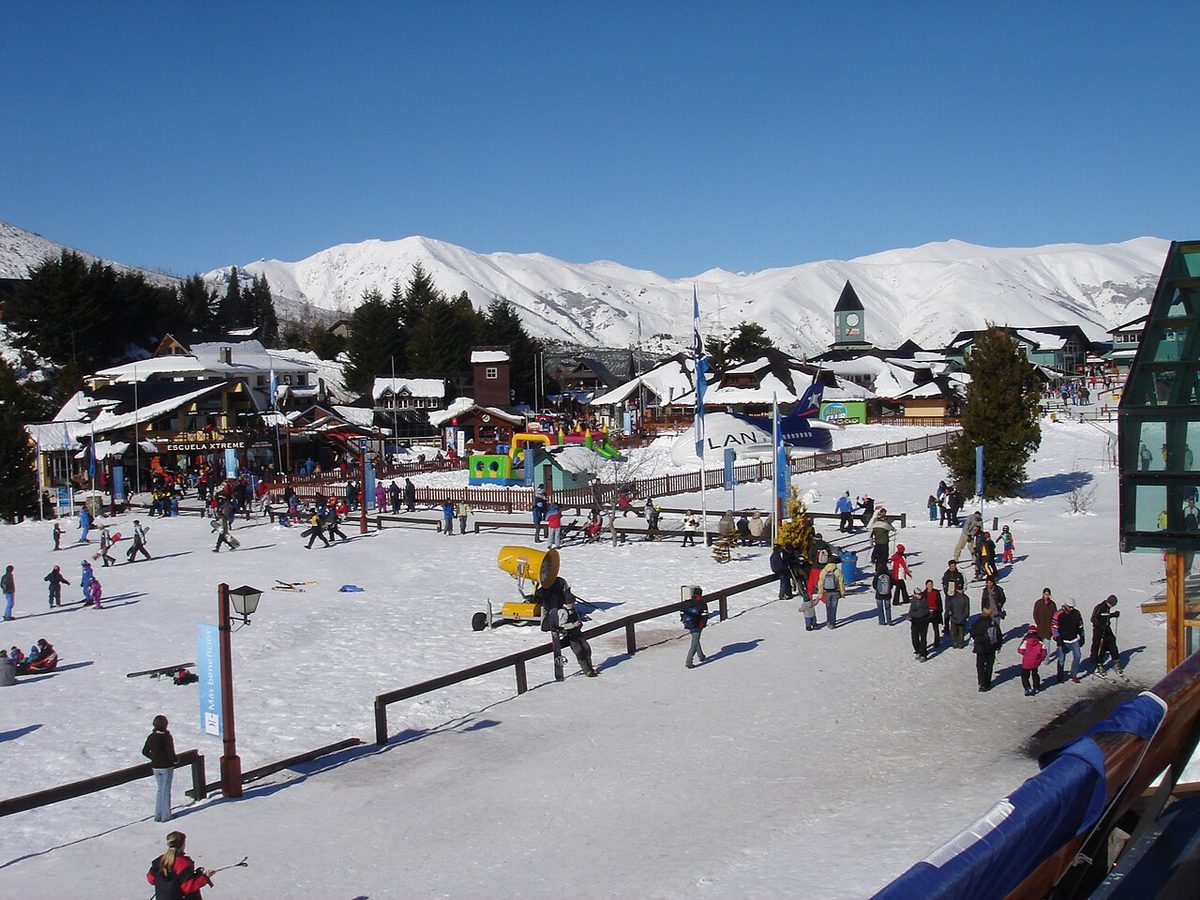
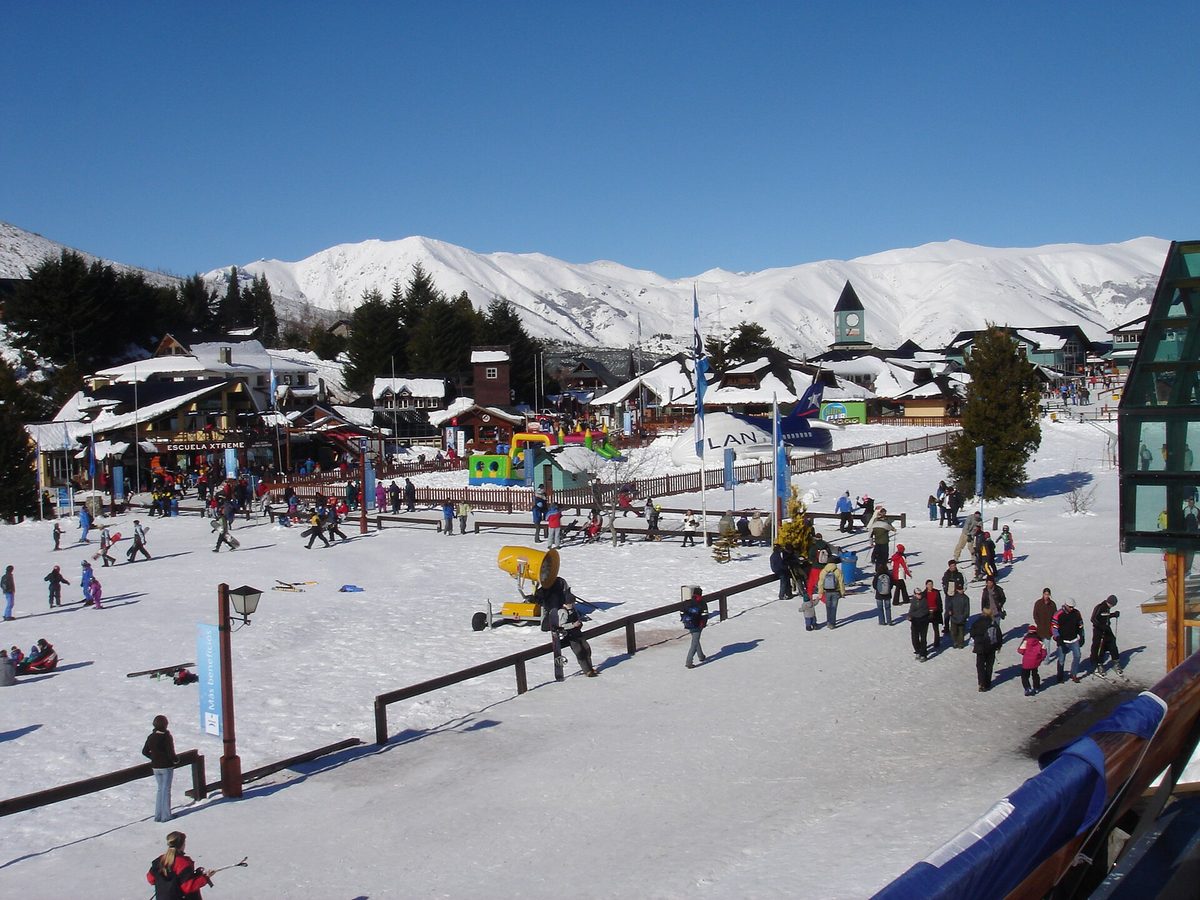
Winter is why Bariloche is not just a summer Patagonia town. Cerro Catedral brings skiing and snowboarding, snow activities expand, and the city takes on a mountain-resort feel.
This is also when road logistics get more serious. Snow, ice, chains, and closures can affect routes. La Ruta Natural says snow chains are mandatory on the Seven Lakes Route between May and September. Bariloche official tourism also advises winter-chain caution for routes such as El Bolson when snow or ice is possible.
Winter is best if you want skiing, snow, fireplaces, chocolate, and a different Patagonia mood. It is not the easiest season for a classic lake-and-hike trip unless you are prepared for winter conditions.
Spring: October and November
Spring is a transition. Snow may linger higher up, weather can be unsettled, flowers begin, and services ramp toward summer. It can be rewarding, but I would plan with flexibility and check current trail conditions more carefully than in midsummer.
If you are choosing dates for a broader Patagonia trip, read when to visit Patagonia before deciding. Northern Patagonia and southern Patagonia do not always share the same best month for the same traveler.
Bariloche is one of the easier Patagonia gateways because it has a major airport and long-distance bus connections.
Most international travelers reach Bariloche through Buenos Aires. Domestic flights commonly connect Buenos Aires and Bariloche, and seasonal or route-specific options can vary. Long-distance buses connect Bariloche with other Argentine cities, but Argentina is huge, so buses can be comfortable without being quick.
Bariloche’s airport is the cleanest option for most travelers with limited time. It saves long overland days and makes it easier to pair Bariloche with Buenos Aires, Mendoza, El Calafate, or other Argentine routes.
The main thing to watch is airport geography in Buenos Aires. Domestic flights may use Aeroparque or Ezeiza depending on the airline and itinerary. Leave real connection time if you are arriving internationally and flying onward.
Arriving by Bus
Buses can work well if you are traveling slowly through Argentina or connecting from nearby regions. Bariloche’s bus terminal connects with routes toward Buenos Aires, Neuquen, Mendoza, El Bolson, Esquel, San Martin de los Andes, and other destinations.
Use buses if time is not your biggest constraint. Do not use them because they look short on a map. Patagonia distances punish optimism.
Getting Around Without a Car
You can enjoy Bariloche without a rental car if you choose your base well.
Stay near the center if you want easy restaurants, shops, bus access, tour pickups, and evenings without taxis. Local buses run along key corridors such as Avenida Bustillo toward many lake attractions. Many travelers use a SUBE transit card, which is also used in Buenos Aires and other Argentine cities.
Without a car, you can still do:
The city center and lakefront.
Cerro Campanario by bus.
Parts of Circuito Chico by bus, taxi, bike, or tour.
Organized lake excursions.
Guided Seven Lakes tours.
Cerro Catedral by bus, transfer, or tour depending on season.
Some trailheads with public transport or transfers.
The compromise is timing. Buses can be crowded, schedules change, and you lose the freedom to stop at small beaches, viewpoints, tea houses, or trailheads whenever you want.
Renting a Car
A rental car is not mandatory, but it changes Bariloche.
It is most useful if you want:
A self-paced Circuito Chico day.
Multiple stops around Llao Llao and Colonia Suiza.
Villa La Angostura or Seven Lakes flexibility.
El Bolson or Lago Puelo.
Trailhead access outside the main bus routes.
A family trip with less waiting.
Lodging outside the center.
The downside is cost, parking, high-season demand, and winter responsibility. If you are driving between May and September, treat snow chains and road reports as part of the plan, not as a small detail.
For the area-by-area breakdown (Centro, Avenida Bustillo, Llao Llao, Villa Catedral), see where to stay in Bariloche.
Where you stay in Bariloche changes the trip more than people expect.
The town and lake corridor are spread out. A cheap place far from the center can become annoying if you are relying on buses or taxis. A beautiful lake hotel can feel isolated if you want to walk to dinner every night. A ski base can be perfect in winter and inconvenient if your plan is mostly downtown food and lake excursions.
Centro
Stay in the center if this is your first visit, you do not have a car, or you want the simplest logistics. You will be close to restaurants, chocolate shops, the Civic Center, agencies, lakefront walks, and bus connections.
The center is not the most peaceful part of Bariloche. It can be busy, commercial, and less dreamy than the photos suggest. But for a short stay, practical beats romantic more often than people admit.
Avenida Bustillo and Lakeside Areas
The Bustillo corridor runs west from the center along Lago Nahuel Huapi. This is where many lake-view hotels, cabins, and quieter stays become possible.
Stay here if you want better views and are comfortable with buses, taxis, or driving. It works especially well if you are focusing on Circuito Chico, Campanario, Llao Llao, Puerto Panuelo, and lake activities.
Llao Llao and Circuito Chico Area
The Llao Llao area is scenic and calm, with access to short hikes, lake views, Puerto Panuelo, and some of the most famous Bariloche landscapes. It is excellent for a retreat-style stay, romantic trip, or family trip with a car.
It is less convenient if you want nightlife, budget restaurants, or easy independent movement every evening.
Cerro Catedral
Stay near Cerro Catedral if skiing or mountain activities are the main reason for your trip. In winter, this can save time and simplify gear logistics. In summer, it can work for mountain biking or hiking, but it is not the best default for a first-time general Bariloche visit.
Villa La Angostura or San Martin de los Andes
These are not Bariloche neighborhoods. They are separate towns. But if your real goal is the Seven Lakes Route, consider sleeping outside Bariloche for part of the trip.
Villa La Angostura is a strong second base for a softer, smaller lake-town feel. San Martin de los Andes is useful if you want to complete the Seven Lakes corridor, visit Lanin National Park, or avoid doing the entire route as an out-and-back day trip.
If you have one full day in Bariloche, start with Circuito Chico and Cerro Campanario.
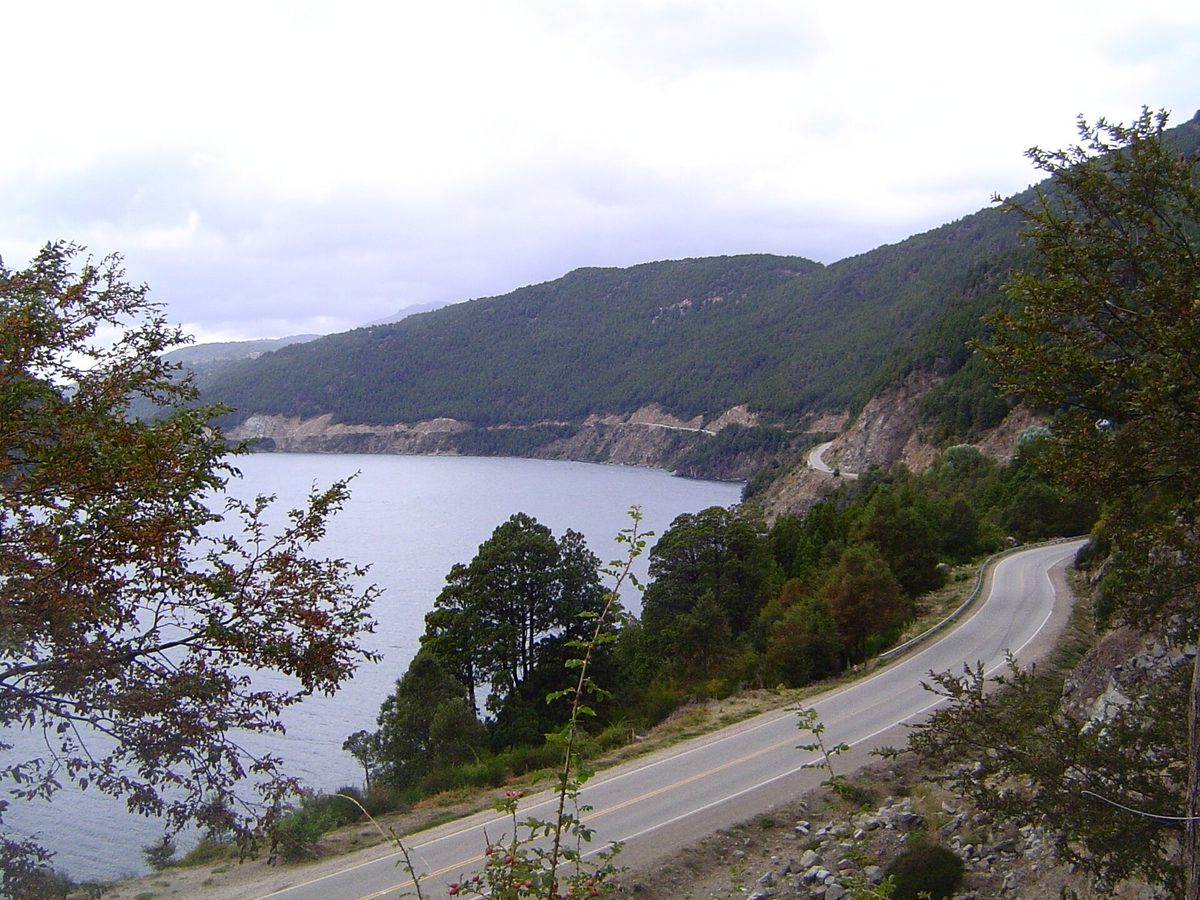
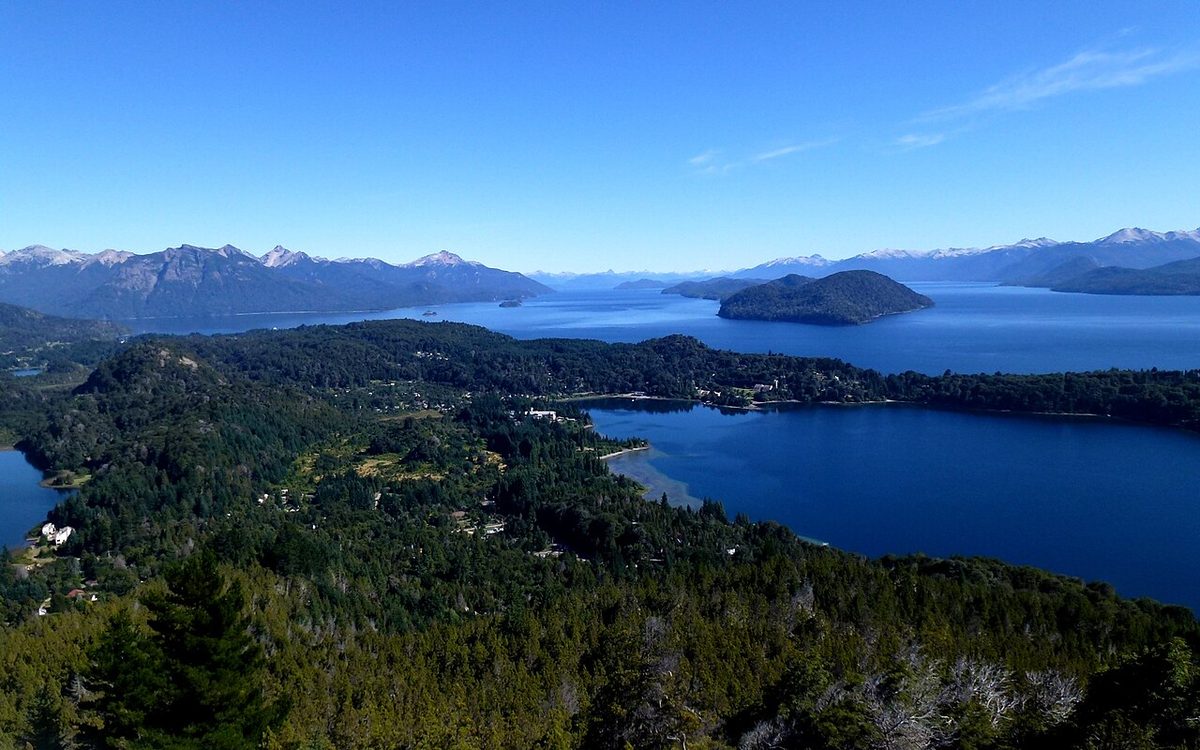
That is not because they are secret. They are not. It is because they orient you better than almost anything else. In a few hours, you understand the Bariloche formula: Nahuel Huapi, Moreno, forest, Llao Llao, small bays, viewpoints, tea houses, Puerto Panuelo, islands, mountain silhouettes, and the way the city stretches west along the water.
Bariloche official tourism says Circuito Chico is about 60 km from downtown Bariloche. A guided excursion usually takes 3.5 to 4 hours, while traveling independently can take all day. That is the key distinction. The route is short, but the experience can be as quick or as slow as you make it.
The classic stops include:
Avenida Bustillo lake views.
The Llao Llao area.
San Eduardo chapel.
Puerto Panuelo.
Parque Municipal Llao Llao walks.
Villa Tacul.
Lago Escondido.
Bahia Lopez viewpoints.
Punto Panoramico.
Colonia Suiza detour.
Cerro Campanario.
Cerro Campanario
Cerro Campanario is the most efficient viewpoint near Bariloche.
Official tourism notes that from the summit you can see Nahuel Huapi and Moreno lakes, El Trebol, San Pedro peninsula, Victoria Island, Otto, Lopez, Catedral, Capilla, Llao Llao, and Colonia Suiza. You can reach the base by car or bus along Bustillo at km 17.5. The chairlift takes about 7 minutes, and the forest trail up takes around 30 minutes for many able-bodied visitors.
If the weather is clear, I would prioritize Campanario early. Clouds can move in, and the view is the point. This is not a place where you need to prove anything by hiking if you would rather save your legs. Take the chairlift if that makes the day better.
How to Do Circuito Chico
You have four practical options:
Guided tour: easiest, efficient, low planning.
Rental car: best for flexible stops, families, photographers, and slow lunches.
Bike: beautiful but only for confident riders who understand traffic, hills, weather, and distance.
Bus plus walking: budget-friendly, but less seamless and more schedule-dependent.
My favorite version is not the fastest one. Start with Campanario if the sky is clear, then continue toward Llao Llao, walk one of the easier park trails, eat somewhere with a view, and leave time to stop when the lake looks too good to ignore. Circuito Chico should not feel like a checklist shouted from a van window.
If you are short on time, prioritize Cerro Campanario, Circuito Chico, one lakefront or forest walk, and one unhurried evening in town before adding longer excursions.
Bariloche’s best activities fall into categories. That is a better way to plan than ranking everything in a single list.
Viewpoints
Start with Cerro Campanario. Add Punto Panoramico, Cerro Otto, Cerro Catedral, Cerro Lopez, or Llao Llao trails depending on mobility and weather.
Viewpoints matter in Bariloche because the landscape is not one object. It is a pattern of lakes, peninsulas, islands, ridgelines, and forest. The more angles you get, the more the place makes sense.
Lakefront and City Center
The Civic Center and lakefront are worth a slow walk, especially on arrival day. This is not the deepest Bariloche experience, but it grounds you. You can see the alpine-influenced architecture, browse chocolate shops, buy supplies, and adjust to the fact that Patagonia can look like a mountain town instead of an expedition poster.
Chocolate, Breweries and Food
Bariloche is famous for chocolate, and it is not just a tourist gimmick. The center has a cluster of chocolate shops, ice cream counters, cafes, and sweets that make the town especially good for a low-effort evening.
Food is part of the Northern Patagonia experience. Expect trout, lamb, smoked meats, cheeses, berries, beer, tea houses, and mountain-style cooking. You do not need to turn this into a food crawl, but do not treat meals as an afterthought here.
Summer opens the water. Kayaking, stand-up paddleboarding, rafting, fishing, beach time, and lake excursions all become part of the decision set.
If you are a hiker, do not dismiss a water day. One of Bariloche’s strengths is that you can experience Patagonia from lake level instead of always chasing a summit.
Family and Soft Adventure
Bariloche is one of Patagonia’s strongest family bases because the activity ladder is wide. You can choose chairlifts, short walks, lake beaches, chocolate shops, boat trips, gentle viewpoints, ski lessons, or more serious hikes depending on ages and energy.
This is one of the reasons I like Bariloche for mixed groups. A person who wants a hard hike and a person who wants a scenic lunch are not automatically in conflict.
Bariloche Hiking and Mountain Refuges
For trail-by-trail detail and the refugio circuit, see the Bariloche trail guide guide.
Bariloche hiking ranges from easy forest walks to long mountain days. Do not put all of it in the same mental category.
Some trails feel casual because they start near tourist corridors. Others are real mountain outings with exposure to weather, limited cell service, and route conditions that change by season.
Nahuel Huapi’s official trekking guidance says trekking registration is mandatory and free. It also emphasizes choosing a route that matches your ability, staying on marked trails, not walking alone when possible, respecting the declared itinerary, checking weather and trail closures, expecting limited cell signal, carrying proper gear, and not making fire on mountain trails.
That is not bureaucracy to ignore. It is part of hiking in this park.
Easier Walks and Viewpoint Hikes
Good easier options include:
Cerro Campanario trail if you want to hike instead of taking the chairlift.
Llao Llao municipal park trails.
Sendero de los Arrayanes in the Llao Llao area.
Lago Escondido area.
Short lakefront and beach walks.
These are useful for arrival days, families, mixed fitness groups, and cloudy weather. They are also a reminder that not every Bariloche day has to be big to be good.
Refugio Frey
Refugio Frey is one of the classic Bariloche hikes. It is often the first serious trail travelers hear about because it combines accessible logistics with a mountain-refuge payoff.
Do not treat it as a casual stroll. It is a real day hike, and depending on season it may require snow/ice awareness, registration, and current condition checks. If you are doing only one harder hike near Bariloche and conditions are good, Frey is a strong candidate.
Cerro Lopez, Laguna Negra, Jakob and Longer Routes
Bariloche’s refugio system and mountain routes can become a trip of their own. Cerro Lopez, Refugio Italia / Laguna Negra, Refugio Jakob, and multi-refuge traverses attract hikers who want more than viewpoint tourism.
This is where the gap between “Bariloche travel guide” and “Bariloche mountain trip” becomes important. If you plan to sleep in refuges, cross high passes, or link routes, use current local resources, official trail reports, Club Andino information, and weather checks. Do not rely only on a travel blog paragraph.
Bariloche Lake Trips: Puerto Blest, Victoria Island and Arrayanes
Lake excursions are a major part of Bariloche. They are especially useful if you want scenery without a hard hike, if the weather is not ideal for summits, or if you want to understand Nahuel Huapi as more than a backdrop.
Puerto Blest and Cascada de los Cantaros
Bariloche tourism says Puerto Blest departures begin at Puerto Panuelo on the Llao Llao peninsula. The route crosses Nahuel Huapi’s Blest branch, reaches Cascada de los Cantaros, passes through lush Valdivian rainforest, and can include Frias lake, whose green water is connected to glacial sources near Mount Tronador.
This is a good choice if you want a full-feeling nature day without driving all the way to Seven Lakes or committing to a hard trail. It can be half-day or full-day depending on operator and add-ons.
Victoria Island and Arrayanes Forest
Victoria Island and the Arrayanes Forest are another classic lake excursion. The appeal is not just the boat ride. It is the combination of island landscapes, forest, walkways, and a sense of entering the lake rather than circling it by road.
If you are choosing between Puerto Blest and Victoria/Arrayanes, think about mood. Puerto Blest feels greener, wetter, and more rainforest-like. Victoria and Arrayanes feel more iconic for the lake-island-forest circuit and pair naturally with Puerto Panuelo and Llao Llao planning.
Cruce Andino and Chile Connections
The Andean lake crossing between Argentina and Chile is a bigger travel product, not a casual Bariloche activity. It can connect Bariloche with Puerto Varas through lakes and overland segments.
It is beautiful when it fits the route. It is also expensive and time-consuming if you are simply trying to “add something.” Consider it when your itinerary genuinely includes Chile’s lake district, not as filler.
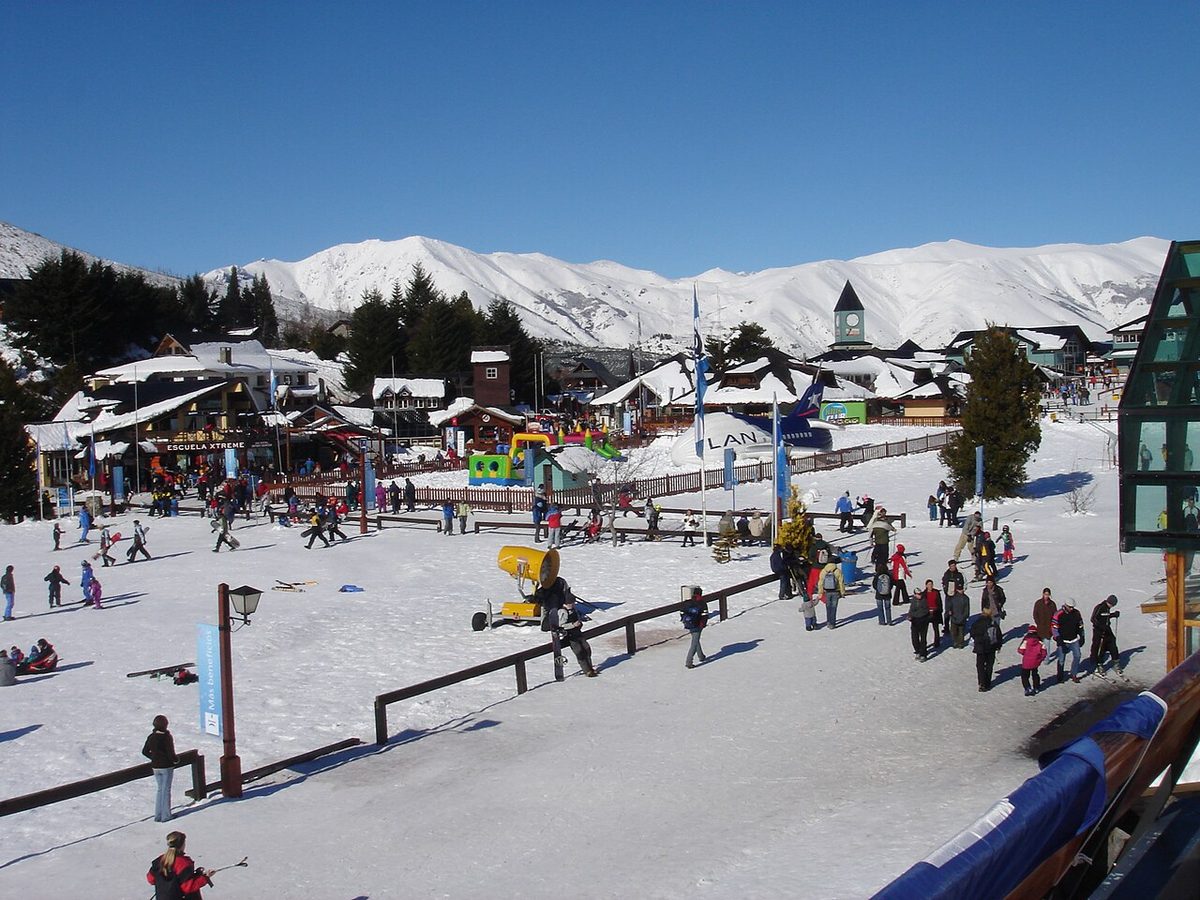
Cerro Catedral is the center of Bariloche’s winter identity.
Bariloche official tourism says Cerro Catedral is the largest ski resort in the southern hemisphere, with 120 km of slopes across 600 hectares and 32 lifts. It also operates year-round, with summer activities such as hiking, mountain biking, climbing, rappelling, and family adventure options. The site lists about 40 km round trip from downtown Bariloche.
For winter travelers, this changes the whole destination. Bariloche becomes less about “what day trip should I take?” and more about snow conditions, lift operations, ski rentals, lessons, transfers, and where to sleep.
Should You Stay at Cerro Catedral or in Town?
Stay near Cerro Catedral if skiing is the point of the trip and you want easier morning logistics.
Stay in town if you want restaurants, nightlife, chocolate shops, lakefront walks, and more varied non-ski options. You can still get to the mountain by transfer, bus, taxi, or car depending on conditions.
For mixed groups, town is often safer. The skiers can go up the mountain, and non-skiers are not stranded in a base area that may or may not match their idea of a vacation.
Bariloche Winter Caveat
Winter is not just summer with snow in the photos. Roads can be icy, chains may be required, trail access changes, and some lake or mountain activities depend on weather and operation schedules. If you are visiting from June through September, verify conditions close to travel.
Winter can be a strong reason to choose Bariloche, but only if the trip is built around snow conditions, ski demand, and road safety rather than summer-style sightseeing.
For the stop-by-stop drive, see the dedicated Seven Lakes Route guide.
The Seven Lakes Route is one of the most searched Bariloche side trips, and it is also one of the easiest to misunderstand.
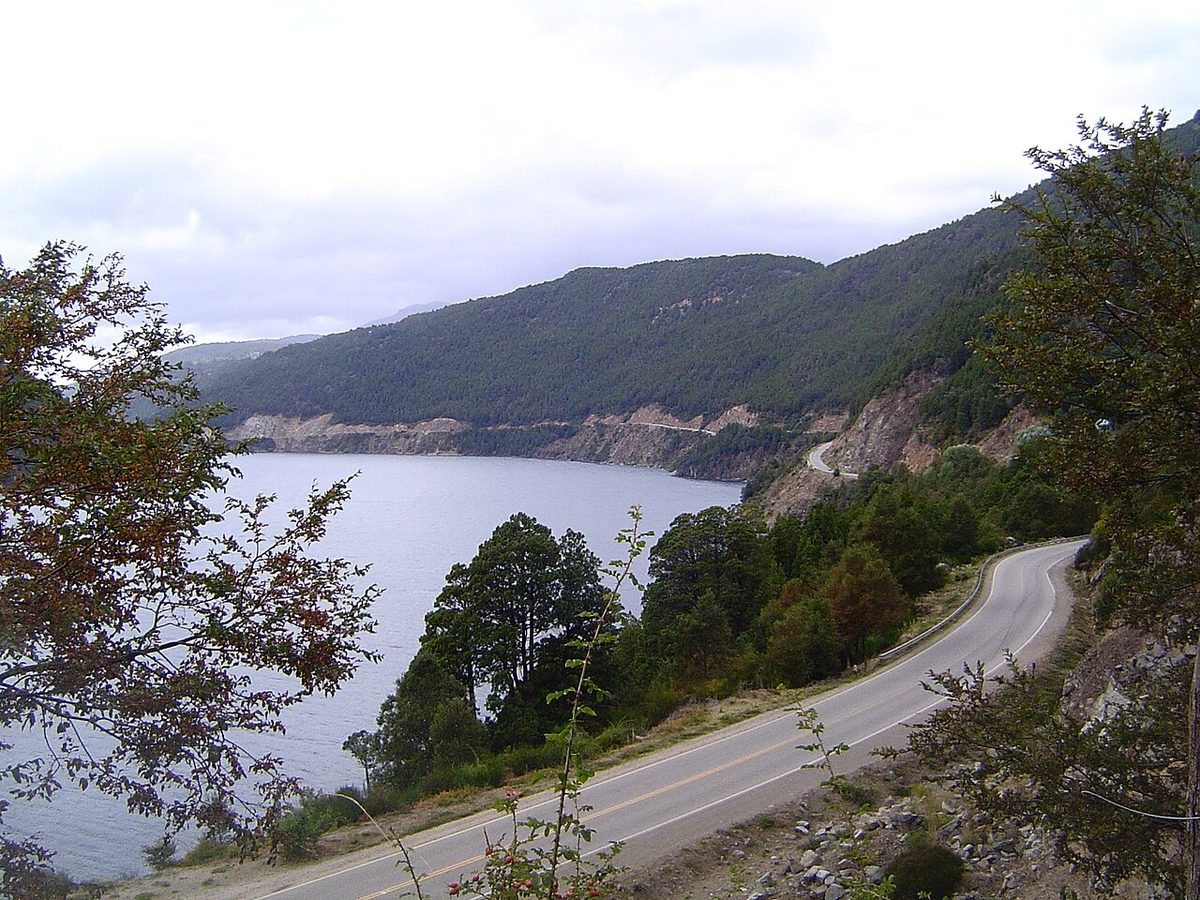
The classic Route of the Seven Lakes is not technically “from downtown Bariloche.” La Ruta Natural describes it as a 110 km stretch of National Route 40 between San Martin de los Andes and Villa La Angostura, crossing Lanin and Nahuel Huapi national parks. It says the whole stretch can take around 2 hours without long stops, but the point is to stop at viewpoints, lakes, side roads, beaches, and camping areas.
When travelers say they are doing the Seven Lakes Route from Bariloche, they usually mean a longer day that starts in Bariloche, passes Villa La Angostura, continues through the Seven Lakes section, reaches San Martin de los Andes, and returns.
Bariloche official tourism says Bariloche to San Martin de los Andes is about 185 km one way. It lists several return options:
Same Seven Lakes road out and back: about 370 km paved.
Return via Paso Cordoba: about 350 km total, with around 70 km unpaved.
Return via Junin de los Andes and La Rinconada: about 440 km paved.
It also says authorized tours usually take 10 to 11 hours, and that weather may restrict access. Winter chains are recommended by Bariloche tourism and La Ruta Natural says chains are mandatory from May to September.
Should You Do Seven Lakes as a Day Trip?
Yes, if:
You love scenic drives.
You do not want to rent a car.
You are happy with a long guided day.
You have at least 3 nights in Bariloche.
You understand that much of the day is transport.
No, or maybe not, if:
You only have one full day in Bariloche.
You get restless in vehicles.
You want to hike or kayak more than drive.
You are visiting in winter and do not want road-condition stress.
You can split the route with nights in Villa La Angostura or San Martin.
My honest take: Seven Lakes is better as a road trip than as a trophy day trip. The day-tour version is still beautiful, but the road deserves time. If your itinerary allows it, sleep in Villa La Angostura or San Martin de los Andes and let the lakes be places, not stops.
If the Seven Lakes Route is a priority, build the night stops first. That usually leads to a better trip than forcing the whole corridor into one long day.
Bariloche can be the whole trip, but it is often better as the hinge of a wider Northern Patagonia route.
Villa La Angostura
Villa La Angostura is smaller, calmer, and more resort-like than Bariloche. It sits near the entrance to the Quetrihue peninsula and Los Arrayanes National Park, and it works well as a base for a slower lake district stay.
Add it if you want:
A quieter overnight between Bariloche and San Martin.
Easier access to the southern end of the Seven Lakes Route.
A polished mountain-village feel.
A break from Bariloche’s city energy.
San Martin de los Andes and Lanin
San Martin de los Andes sits at the northern end of the Seven Lakes Route on Lago Lacar. It is a natural base for Lanin National Park, scenic drives, lake activities, and a more relaxed end to the Seven Lakes corridor.
If you only visit San Martin for an hour on a day tour, you will see the setting but not the pace. If you have time, stay at least one night.
Villa Traful
Villa Traful is a quieter detour, often used by travelers with cars who want a more remote lake-town feel. It fits better into a self-drive route than a first-time short Bariloche stay.
El Bolson and Lago Puelo
El Bolson is south of Bariloche on Ruta 40. Bariloche tourism says it is about 129 km from Bariloche and highlights the craft fair, local products, Lago Puelo National Park, El Maiten’s La Trochita steam train, nearby viewpoints, and weather or snow-chain caveats.
El Bolson has a different personality: more alternative, craft-oriented, valley-based, and slower. It is a good extension if you want markets, hikes, Lago Puelo, beer, farms, or a less polished feel than Bariloche.
El Bolson and Lago Puelo work best when you want a slower southern extension, not when you are trying to squeeze one more name into a short Bariloche stay.
Esquel, Trevelin and Los Alerces National Park
Farther south, Esquel and Trevelin open the door to Los Alerces National Park. This is one of the most worthwhile extensions if you want Northern Patagonia to become a real trip rather than a Bariloche add-on.
Visit Argentina’s Los Alerces page describes access from Esquel and Trevelin and recommends visiting between November and April. The park is known for turquoise lakes, Valdivian forest, old alerce trees, and a quieter feel than the most famous southern Patagonia icons.
Add Esquel and Trevelin if:
You have at least 8 to 12 days for Northern Patagonia.
You enjoy road trips.
You want a less crowded national park experience.
You are interested in Welsh-Patagonian culture around Trevelin.
You want to pair Bariloche with something more understated.
This is a better choice for travelers with time to slow down than for first-time visitors trying to combine every Patagonia highlight in one route.
These itineraries are starting points. Adjust for weather, season, whether you have a car, and how much you actually enjoy long days.
2 Days in Bariloche
Day 1: Arrive, settle in, walk the lakefront, visit the Civic Center, buy chocolate, and have a proper dinner.
Day 2: Circuito Chico and Cerro Campanario. If you have a car, go slowly and add Llao Llao walks, Colonia Suiza, and viewpoints. If you are taking a tour, use the remaining afternoon for town, the lakefront, Cerro Otto, or a relaxed meal.
This is a good “taste” itinerary. Do not overload it.
3 Days in Bariloche
Day 1: Arrive, lakefront, Civic Center, chocolate, dinner.
Day 2: Circuito Chico, Cerro Campanario, Llao Llao area, Colonia Suiza if timing works.
Day 3: Choose one bigger day:
Seven Lakes guided tour or self-drive.
Puerto Blest lake excursion.
Victoria Island and Arrayanes Forest.
Cerro Catedral, especially in winter.
Refugio Frey or another hike if conditions and fitness fit.
Kayaking, rafting, or a soft-adventure day.
This is the best basic first-time plan. The success of the trip depends on choosing Day 3 honestly.
5 Days in Bariloche
Day 1: Arrive, city, lakefront, food.
Day 2: Circuito Chico and Cerro Campanario.
Day 3: Lake excursion, kayaking, or Puerto Blest.
Day 4: Hiking day, Cerro Catedral, Refugio Frey, or winter ski day.
Day 5: Flexible day for weather, Colonia Suiza, Cerro Otto, a slower food day, or departure.
This is the plan I prefer for travelers who want Bariloche to feel generous without renting a car for a full regional route.
7 Days in Bariloche and Seven Lakes
Day 1: Arrive in Bariloche.
Day 2: Circuito Chico and Cerro Campanario.
Day 3: Lake excursion or hike.
Day 4: Drive or transfer to Villa La Angostura, sleep there.
Day 5: Seven Lakes Route to San Martin de los Andes, sleep there.
Day 6: San Martin de los Andes, Lanin area, lake time, or return slowly.
Day 7: Return to Bariloche or continue north/south.
This is much better than doing every lake as a hurried day trip from Bariloche. It also gives the towns identities instead of turning them into lunch stops.
10 to 12 Days in Northern Patagonia
Use this if you are building a full Northern Patagonia trip:
3 nights Bariloche.
1 or 2 nights Villa La Angostura.
2 nights San Martin de los Andes.
1 or 2 nights El Bolson or Lago Puelo.
2 or 3 nights Esquel/Trevelin for Los Alerces.
This is not the classic first Patagonia itinerary. It is a lake district route, and that is the point. If you also want El Chalten, El Calafate, or Torres del Paine, you need more time or sharper priorities.
Tickets, Costs and Booking Notes
Bariloche can be cheaper than the most expensive parts of southern Patagonia, but it is not automatically budget travel. Costs vary sharply by season, lodging style, rental car availability, ski plans, and tour choices.
Do not assume every Bariloche-area activity is free.
Nahuel Huapi’s fee page says access charges are collected in areas such as Mascardi on the way to Cerro Tronador, Puerto Panuelo when taking excursions to Arrayanes, Victoria Island and/or Puerto Blest, and the entrance to Quetrihue peninsula.
The Argentina National Parks fee page, checked May 27, 2026, listed Nahuel Huapi daily, Flexipass 3-day, and Flexipass 7-day options. APN also announced on May 15, 2026 that Resolution 132/2026 updates access fees from June 1, 2026 for parks including Nahuel Huapi, Los Arrayanes, Los Alerces, Lanin, and Lago Puelo.
The practical advice is simple: check the official fee page close to travel, especially if your trip includes multiple national parks. Argentina park fees can change, and old blog posts age quickly.
Tours
Common paid tours include:
Circuito Chico.
Seven Lakes.
Puerto Blest.
Victoria Island and Arrayanes.
Cerro Tronador.
Kayaking.
Rafting.
Horseback riding.
Winter snow activities.
Tours are most useful when logistics would eat the day, when weather or roads are uncertain, or when you do not want to drive. They are least useful when you mainly want freedom to stop, linger, and move at your own pace.
Rental Cars
Book early in peak summer and winter. Do not assume you can arrive and find a good last-minute price.
If you are driving in winter or shoulder season, ask about chains, insurance rules, road restrictions, and whether your rental contract allows any intended gravel or border segments. For cross-border driving into Chile, you need specific permission and documents. Do not improvise that at the counter.
Restaurants and Lodging
High season changes Bariloche. Book lodging early for January, February, winter ski dates, holidays, and major events. For dinner, reservations can matter at popular restaurants.
If you are traveling on a budget, stay central, use buses, choose a few paid activities carefully, and do not build the trip around long private transfers.
Safety, Trekking Registration and Responsible Travel
Bariloche’s infrastructure can make the mountains feel tamer than they are. That is a mistake.
The lake district has fast-changing weather, cold water, forest fire risk, winter road hazards, limited cell signal in some areas, and trails that range from easy to serious.
Trekking Registration
Nahuel Huapi official guidance says the trekking registration is mandatory and free. Complete it before mountain outings and follow current instructions on the official park site or local information centers.
Because the park ties registration to weather and trail conditions, do it close to the outing rather than weeks ahead. Some official guidance says registration should be made within 48 hours because conditions change.
Fire
Fire risk is not abstract in Patagonia. Follow posted rules, use only authorized areas if fire is allowed, and understand that many mountain trail areas prohibit fire and allow only stoves.
This matters in Bariloche because forests are part of what you came to see.
Weather and Clothing
Bring layers even in summer. Visit Argentina notes that summer nights can drop in temperature, and Bariloche’s high-mountain climate means cool temperatures and significant variation.
For day trips, carry:
Wind layer.
Warm layer.
Rain protection.
Sun protection.
Water.
Snacks.
Trail map or offline map.
Headlamp for longer hikes.
Proper footwear.
Trash bag.
For winter, add real cold-weather gear, traction awareness, and road-condition checks.
Respect the Place Beyond the View
Bariloche is not just scenery. It has local communities, Indigenous history, working neighborhoods, conservation pressures, student tourism, housing and crowding issues, and a long tourism economy. Spend money locally when you can, follow park rules, stay on trails, do not feed wildlife, and do not turn quiet places into photo props at everyone else’s expense.
Bariloche pairs well with southern Patagonia if you give the route enough time.
The cleanest combinations are:
Bariloche + El Calafate + El Chalten.
Bariloche + Buenos Aires + Mendoza.
Bariloche + El Calafate + Ushuaia.
Bariloche + Chilean lake district.
Bariloche + a full Northern Patagonia road trip.
For a first Patagonia trip of 10 days or less, I would be cautious. Bariloche is far from El Calafate and El Chalten. Flights make it possible, but every connection still consumes time. If you try to include Bariloche, Perito Moreno Glacier, Fitz Roy, Torres del Paine, and Ushuaia in one short trip, you will spend too much of Patagonia in transit.
Use Bariloche when it has a job:
It adds lake district scenery.
It provides a softer start or finish.
It gives non-hikers more options.
It supports a winter ski trip.
It anchors a Northern Patagonia route.
It replaces, rather than merely competes with, a southern stop.
If your route continues south, these guides will help:
Yes, Bariloche is worth visiting if you want lakes, forests, viewpoints, chocolate, skiing, soft adventure, road trips, or a more flexible Patagonia base. It is especially strong for families, winter trips, and travelers who want Patagonia scenery without making every day logistically intense.
Is Bariloche in Patagonia?
Yes. Bariloche is in Argentine Patagonia, in Rio Negro province, on Lago Nahuel Huapi near the Andes. It is part of the Northern Patagonia lake district, which feels different from southern Patagonia destinations such as El Chalten, El Calafate, Torres del Paine, and Ushuaia.
How many days do you need in Bariloche?
Most first-time visitors should spend 3 to 5 nights in Bariloche. Two nights is enough for a quick taste, 3 nights works for Circuito Chico plus one bigger activity, and 5 nights gives you a more relaxed mix of lake trips, hikes, food, and weather flexibility.
What is the best thing to do in Bariloche?
For most visitors, the best first thing to do in Bariloche is Circuito Chico with Cerro Campanario. It gives you the clearest introduction to the lake, forest, mountain, Llao Llao, and viewpoint landscapes that define the area.
Do you need a car in Bariloche?
You do not need a car if you stay central, use buses, and book tours for longer excursions. A car is useful for Circuito Chico, Llao Llao, Colonia Suiza, Seven Lakes, El Bolson, trailheads, family travel, and lodging outside the center.
Is the Seven Lakes Route worth it from Bariloche?
The Seven Lakes Route is worth it if you enjoy scenic drives and have enough time. It is better as a multi-day road trip with Villa La Angostura or San Martin de los Andes than as a rushed day trip, but guided day tours from Bariloche can still be worthwhile.
Can you do Bariloche without hiking?
Yes. Bariloche works well without hiking. You can do lakefront walks, Cerro Campanario by chairlift, Circuito Chico by car or tour, boat excursions, chocolate shops, breweries, Cerro Catedral lifts, beaches, kayaking, scenic drives, and winter activities.
Is Bariloche good for families?
Yes. Bariloche is one of Patagonia’s best family bases because it has a wide range of activity levels, strong tourism infrastructure, lake scenery, short walks, chairlifts, chocolate shops, ski lessons, and day trips that do not require wilderness logistics.
What is the best month to visit Bariloche?
January and February are best for summer activity choice but are busy. March and April can be excellent for milder crowds and autumn color. July to September is best for skiing and winter atmosphere. October and November are spring shoulder-season months with more variability.
Is Bariloche better than El Chalten?
Neither is better for every traveler. Bariloche is better for lakes, food, winter skiing, families, soft adventure, and road trips. El Chalten is better for iconic hiking around Fitz Roy and Cerro Torre. Many longer Patagonia trips can include both if transport and time allow.
Can you combine Bariloche and El Calafate?
Yes, but it usually requires a flight or a long overland route. Bariloche and El Calafate pair well if you have enough time and want both lake district scenery and Perito Moreno Glacier. For short trips, be careful not to lose too much time to transfers.
Is Bariloche expensive?
Bariloche can be moderate or expensive depending on season and style. Ski trips, lake-view hotels, rental cars, and tours raise costs quickly. Staying central, using buses, choosing fewer paid excursions, and traveling outside peak dates can make it more manageable.
Do you need trekking registration in Bariloche?
For hikes in Nahuel Huapi National Park, official guidance says trekking registration is mandatory and free. Check the official park site before hiking, register close to your outing, and verify weather and trail conditions.
Can you visit Bariloche in winter?
Yes. Bariloche is one of Patagonia’s strongest winter destinations because of Cerro Catedral skiing, snow activities, food, and city infrastructure. Winter travelers need to plan around snow, ice, road conditions, chains, lift operations, and colder weather.
Official Sources and Image License Notes
This article uses official destination, national park, route, fee, and safety sources for planning facts:
Images are sourced from Wikimedia Commons under their respective licenses (CC BY, CC BY-SA, or public domain). Each photo links to its source page and author on Wikimedia Commons. Hero image: Pepe Robles / Public domain via Wikimedia Commons.
Also on this pillar — Bariloche and Northern Patagonia9 sheets · See all