Patagonia Travel Guide: How to Plan Your First Trip to Argentina and Chile
Plan your first Patagonia trip: where to go, when to visit, routes, costs, transport, hiking, wildlife, and mistakes to avoid.
By Patagonia Tourism Guide · First published 2 Jun 2026 · Updated 1 Aug 2026
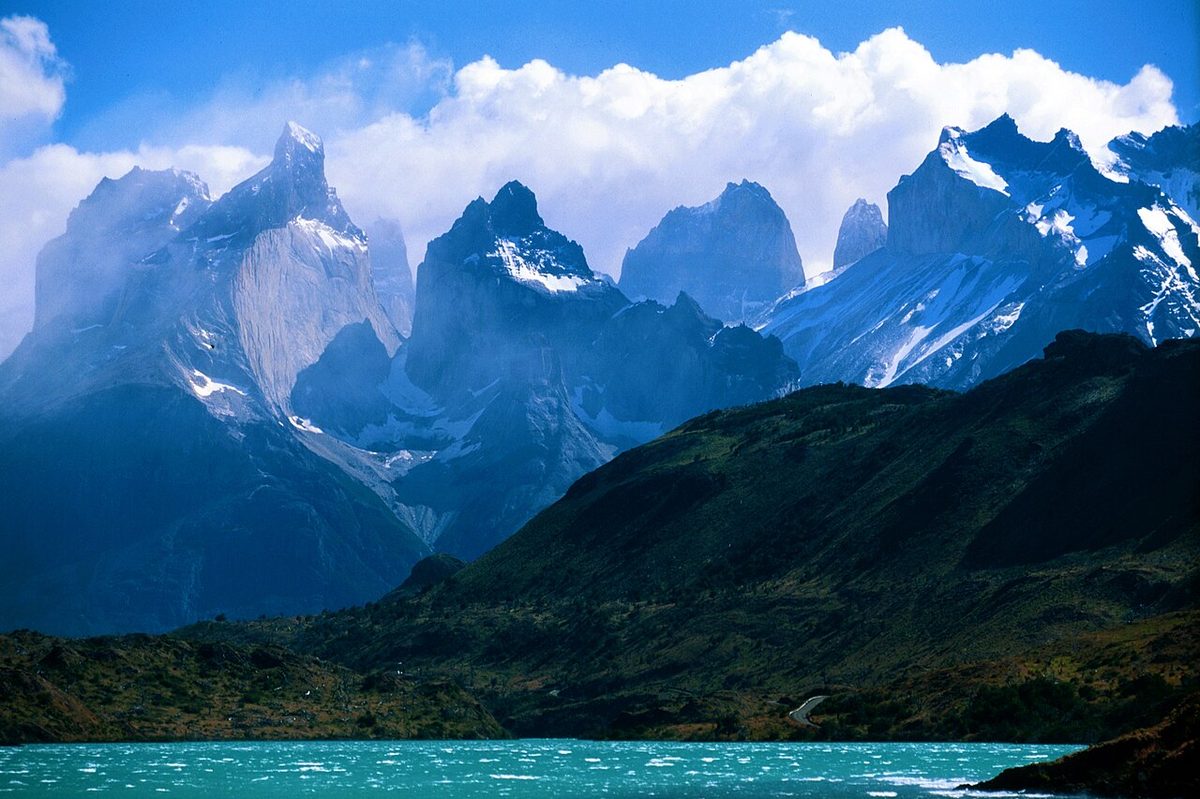
0 — 2 km Fig. 1 · Dramatic mountains in Torres del Paine, Chilean Patagonia · Photo: Winky from Oxford, UK / CC BY 2.0 via Wikimedia Commons
Patagonia is the kind of place that makes trip planning feel like a second job. You start with one photo of jagged mountains, blue ice, or a road disappearing into empty steppe. A few searches later, you have 40 tabs open, two countries to understand, four airports to compare, a trek that requires reservations, a glacier you do not want to miss, a bus route that crosses a border, and a weather forecast that seems to change its mind for sport.
This Patagonia travel guide is for that exact moment.
If you are planning your first Patagonia vacation, the most important thing to understand is that Patagonia is not one destination. It is a huge region shared by Argentina and Chile, with different landscapes, gateway cities, seasons, travel styles, costs, and logistics. A good trip starts by choosing the right Patagonia for the time you actually have.
For most first-time visitors, the classic choice is southern Patagonia: Torres del Paine in Chile, plus El Calafate and El Chalten in Argentina. That route gives you the granite towers, Perito Moreno Glacier, Fitz Roy hikes, glacier lakes, wind, wilderness, and the feeling of having reached the far end of the map. If you have more time, Bariloche and the Lake District, Ushuaia and Tierra del Fuego, the Carretera Austral, or the wildlife coast around Peninsula Valdes can turn a good trip into a much deeper one.
This guide will help you decide where to go, when to visit, how long to stay, how to get around, what to book first, and how to avoid the most common mistake: trying to see all of Patagonia in one rushed trip.
Quick Answer: The Best Way to Plan a Patagonia Trip
If this is your first trip to Patagonia, plan around one clear route, not a list of every place you have heard of.
For 7 days, choose one region. Good choices are El Calafate and El Chalten, Torres del Paine, Bariloche and the Lake District, or Ushuaia and Tierra del Fuego.
For 10 to 14 days, choose the classic southern Patagonia corridor: El Calafate, El Chalten, Puerto Natales, and Torres del Paine. This is the best route for first-timers who want the big icons with manageable logistics.
For 3 weeks or more, you can add Bariloche, Ushuaia, the Carretera Austral, or Peninsula Valdes without turning the trip into a blur of buses and airports.
The best overall travel season is October through April. December through March gives the longest days and the most reliable access for hiking, but also the highest demand. October, November, March, and early April can be excellent if you like fewer crowds and can accept more weather uncertainty. Winter trips are possible, especially for Bariloche skiing and some Ushuaia activities, but they require a different plan.
If you remember only one thing, make it this: Patagonia rewards spare days. Build in weather buffers. A perfect 10-day itinerary on paper can fall apart when wind, rain, trail closures, ferries, or a late bus decide otherwise.
Patagonia sits at the southern end of South America and is shared by Argentina and Chile. It is not a country, and it does not have a single neat political border. In travel terms, Patagonia usually means the far-southern regions of both countries, from lake country and volcanic forests in the north down to Tierra del Fuego near the end of the continent.
Visit Argentina explains Argentine Patagonia as a vast region across six provinces: La Pampa, Neuquen, Rio Negro, Chubut, Santa Cruz, and Tierra del Fuego. The Argentine side includes the Andes, glacier country, steppe, Atlantic coast wildlife, Bariloche, El Calafate, El Chalten, Ushuaia, Puerto Madryn, and much more.
Chile Travel describes Chilean Patagonia through fjords, forests, rivers, ice fields, Torres del Paine, the Carretera Austral, Punta Arenas, Puerto Williams, and some of the southernmost cities and routes in the world.
That sounds romantic, but it matters practically. A trip to Patagonia might mean hiking the W Trek in Torres del Paine. It might mean staring at Perito Moreno Glacier from walkways near El Calafate. It might mean a road trip on Chile’s Carretera Austral, a lake-and-chocolate week in Bariloche, whale watching near Puerto Madryn, or a Beagle Channel cruise from Ushuaia.
Those are all Patagonia. They are not all close to each other.
If you are still mapping the region in your head, start by thinking in zones: northern lake country, the southern glacier-and-hiking corridor, Chilean fjords and road-trip routes, Tierra del Fuego, and the Atlantic wildlife coast.
Argentina vs Chile Patagonia
One of the first planning decisions is whether to visit Argentine Patagonia, Chilean Patagonia, or both.
I would not frame this as “which side is better.” That question usually leads to vague answers because both sides are spectacular. A more useful question is: which side gives you the trip you want with the time, budget, and effort you have?
Argentine Patagonia is often easier for first-time independent travelers. The classic hubs are connected by flights from Buenos Aires, buses are common on popular routes, and towns like El Calafate, El Chalten, Bariloche, and Ushuaia work well as bases. The landscapes are varied: glaciers, steppe, lakes, forests, wildlife coast, ski areas, and trekking towns. If you want a self-guided trip with day hikes, comfortable towns, and less complicated accommodation logistics, Argentina is a strong starting point.
Chilean Patagonia can feel more remote and logistically layered. Torres del Paine is world-famous for a reason, but park accommodation, refugios, campsites, tickets, and seasonal rules need attention. The Carretera Austral is one of South America’s great road trips, but it involves long distances, gravel sections, ferries, limited services, and weather. Chilean Patagonia is a dream for travelers who want fjords, forests, park-to-park routes, dramatic mountains, and a wilder road-trip feel.
The classic first-time trip combines both: fly into El Calafate or Punta Arenas, visit Perito Moreno Glacier, hike in El Chalten, cross to Puerto Natales, then spend several days in Torres del Paine. It works because the southern highlights are close enough to connect by bus or car, even though they sit in different countries.
Use this quick filter:
If you want…
Start with…
Why
Iconic hiking and big mountain scenery
Torres del Paine + El Chalten
The strongest first-time trekking combination
Glacier access without major hiking
El Calafate
Perito Moreno is accessible by road and walkways
Easy town bases and day hikes
Argentine Patagonia
Bariloche, El Chalten, El Calafate, and Ushuaia work well as hubs
A remote self-drive adventure
Chilean Carretera Austral
Long scenic route, ferries, forests, rivers, and small towns
Wildlife seasons
Peninsula Valdes and Puerto Madryn
Whales, sea lions, penguins, orcas, and coastal wildlife
Winter snow sports
Bariloche or Ushuaia
Ski areas and winter infrastructure
The classic first-time Patagonia trip
Both Argentina and Chile
El Calafate, El Chalten, Puerto Natales, Torres del Paine
You can visit Patagonia in a week. You cannot see Patagonia in a week.
That distinction saves trips.
The region is huge, weather can slow you down, and transportation often runs through gateway cities rather than direct lines between every beautiful place. The better your trip is paced, the more Patagonia feels wild in a good way instead of exhausting in a bad way.
7 Days
With one week, choose one compact region. Do not try to combine Bariloche, El Chalten, Perito Moreno, Torres del Paine, and Ushuaia unless your real hobby is transit.
Best 7-day choices:
El Calafate and El Chalten for glacier access plus Fitz Roy hikes.
Torres del Paine and Puerto Natales for Chile’s most famous park.
Bariloche and the Lake District for lakes, short hikes, food, and easier logistics.
Ushuaia and Tierra del Fuego for southern landscapes, Beagle Channel, winter trips, or Antarctica add-ons.
10 to 14 Days
This is the sweet spot for a first Patagonia trip. You can build a strong southern route without needing to rush every day.
A classic 10 to 14 day trip often includes:
El Calafate for Perito Moreno Glacier.
El Chalten for Fitz Roy and day hikes.
Puerto Natales as the base for Torres del Paine.
Torres del Paine for day hikes, viewpoints, or a multi-day trek.
If you hike the W Trek, the route needs more careful planning because those trek days are fixed. If you do day trips or stay in Puerto Natales, you gain flexibility.
3 Weeks
Three weeks opens the door. You can add one major extension without ruining the pace:
Bariloche and the Lake District for northern Patagonia.
Ushuaia and Tierra del Fuego for the far south.
Peninsula Valdes for wildlife.
A section of the Carretera Austral.
This is also where self-drive trips start to make more sense, because you have enough days to absorb road distances and weather.
4 Weeks or More
With a month, Patagonia becomes less like a checklist and more like a region you can actually experience. You can combine northern lakes, the southern classic route, a wildlife coast, and either Ushuaia or the Carretera Austral. You still will not see everything, but you can stop treating every transfer day like a failure.
The best places in Patagonia depend on what kind of trip you want. Some travelers want hard hiking. Some want glacier views without sleeping in a tent. Some want wildlife. Some want a beautiful road, a quiet lodge, or a first taste of the region without complicated logistics.
Here is the planning-level version.
Torres del Paine, Chile
Torres del Paine is the image many people have in mind when they picture Patagonia: granite towers, turquoise lakes, wind-bent landscapes, glaciers, guanacos, condors, and the famous W Trek.
CONAF’s official Torres del Paine page is the source to check for park conditions, notices, tickets, and seasonal rules. This matters because access can change. As of the current CONAF notice checked on May 26, 2026, winter restrictions and guide requirements affect certain activities and routes, including Base Torres during specified dates, and the W/O circuits have seasonal closures or restrictions. Always verify before you publish or travel.
Torres del Paine works for several travel styles:
Multi-day hikers can plan the W Trek or O Circuit.
Day hikers can base in Puerto Natales or inside/near the park.
Non-hikers can still enjoy viewpoints, wildlife, boat trips, short walks, and scenic drives.
Photographers and wildlife travelers can spend days in and around the park without doing the W Trek.
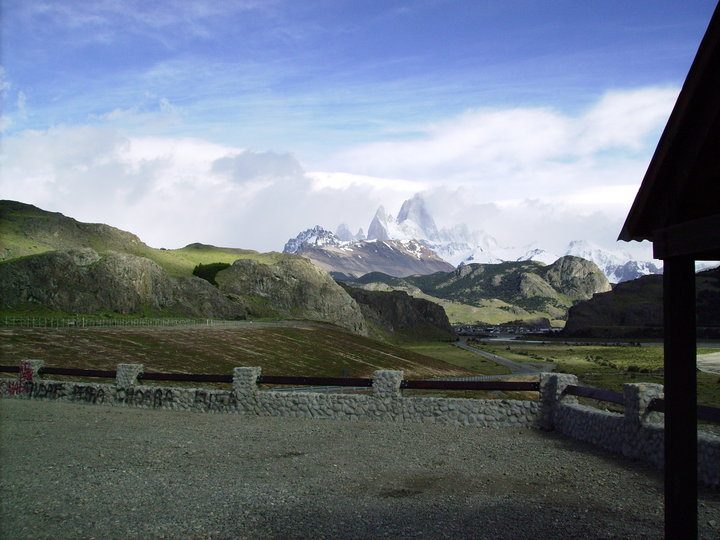
El Chalten is Argentina’s trekking capital, and it deserves the reputation. The town sits near the northern section of Los Glaciares National Park, with famous trails toward Laguna de los Tres, Laguna Torre, Laguna Capri, and viewpoints of Mount Fitz Roy and Cerro Torre.
Visit Argentina’s El Chalten guide highlights the area’s trail options, October to April as the main season for milder conditions, and access from El Calafate, about 215 kilometers away.
El Chalten is one of the easiest places in Patagonia to build a simple hiking trip because many routes start from town. That does not mean it is always easy. Weather is the boss here. Clouds can hide Fitz Roy all day. Wind can make a moderate walk feel harder. A smart El Chalten plan includes extra nights so you can wait for a better weather window.
Best for: day hiking, Fitz Roy views, independent travelers, mountain photography, flexible backpackers, people who want big scenery without a complicated trek reservation system.
El Calafate is the gateway to Perito Moreno Glacier, one of the most accessible glacier experiences in South America. The glacier sits inside Los Glaciares National Park, and Visit Argentina notes that it is about 80 kilometers from El Calafate by Ruta Provincial 11, roughly 1 hour and 30 minutes by car.
This is one of Patagonia’s best choices if you want a huge natural wonder without committing to a long hike. Walkways give broad views from different levels, boat trips bring you closer from the water, and ice-trekking tours are available for travelers who want a more active experience. Visit Argentina also describes the glacier area as suitable for a 3 to 5 day stay and notes that spring and summer, September through March, are ideal, though the area can be visited year-round.
El Calafate itself is not the wildest-feeling town in Patagonia, but it is useful. It has an airport, hotels, restaurants, tours, and bus connections to El Chalten and Puerto Natales.
Bariloche is Patagonia for travelers who want beauty with infrastructure. Think lakes, forests, viewpoints, chocolate shops, kayaking, rafting, skiing, scenic drives, and day hikes. It is in northern Argentine Patagonia, so it does not combine neatly with Torres del Paine or El Chalten unless you have extra time or flights.
Visit Argentina describes Bariloche as a year-round destination near Nahuel Huapi National Park, with adventure tourism, chocolate, winter and summer travel, lake activities, snow sports, and 2 to 7 days as a recommended stay range.
Bariloche is one of the best Patagonia bases for families, soft adventure, food, road trips, and travelers who want dramatic scenery without the remoteness of southern Patagonia. It is also a strong winter option, especially if skiing is part of the trip.
Best for: lake scenery, family trips, winter skiing, food, road trips, moderate hiking, first Patagonia taste with easier logistics.
Ushuaia sells itself as the end of the world, and while that phrase is used heavily, the location really does feel different. The city sits in Tierra del Fuego, with access to the Beagle Channel, Tierra del Fuego National Park, Martial Glacier, lakes, forests, winter sports, and Antarctica cruise departures.
Visit Argentina’s Ushuaia page notes air access through Malvinas Argentinas Ushuaia International Airport, Beagle Channel tours, Cerro Castor skiing, Tierra del Fuego National Park, and 2 to 4 days as a recommended stay.
Ushuaia is worth adding if you have a clear reason: Antarctica, winter activities, Beagle Channel wildlife, a far-south road trip, or a desire to experience Tierra del Fuego. It is less ideal as a rushed add-on to an already full El Chalten and Torres del Paine trip.
Best for: far-south atmosphere, Beagle Channel, winter travel, Antarctica connections, forests and coastal scenery.
The Carretera Austral is not a quick scenic detour. It is a full road-trip project through Chilean Patagonia. Chile Travel describes Route 7 as more than 1,200 kilometers from Puerto Montt toward Villa O’Higgins, passing forests, glaciers, rivers, fjords, towns, national parks, and barge crossings.
This route is magic for the right traveler and frustrating for the wrong one. If you like self-driving, ferries, loose plans, smaller towns, and a sense of remoteness, it can be the highlight of Patagonia. If you only have 10 days and want to see Torres del Paine and Perito Moreno too, save the Carretera Austral for another trip.
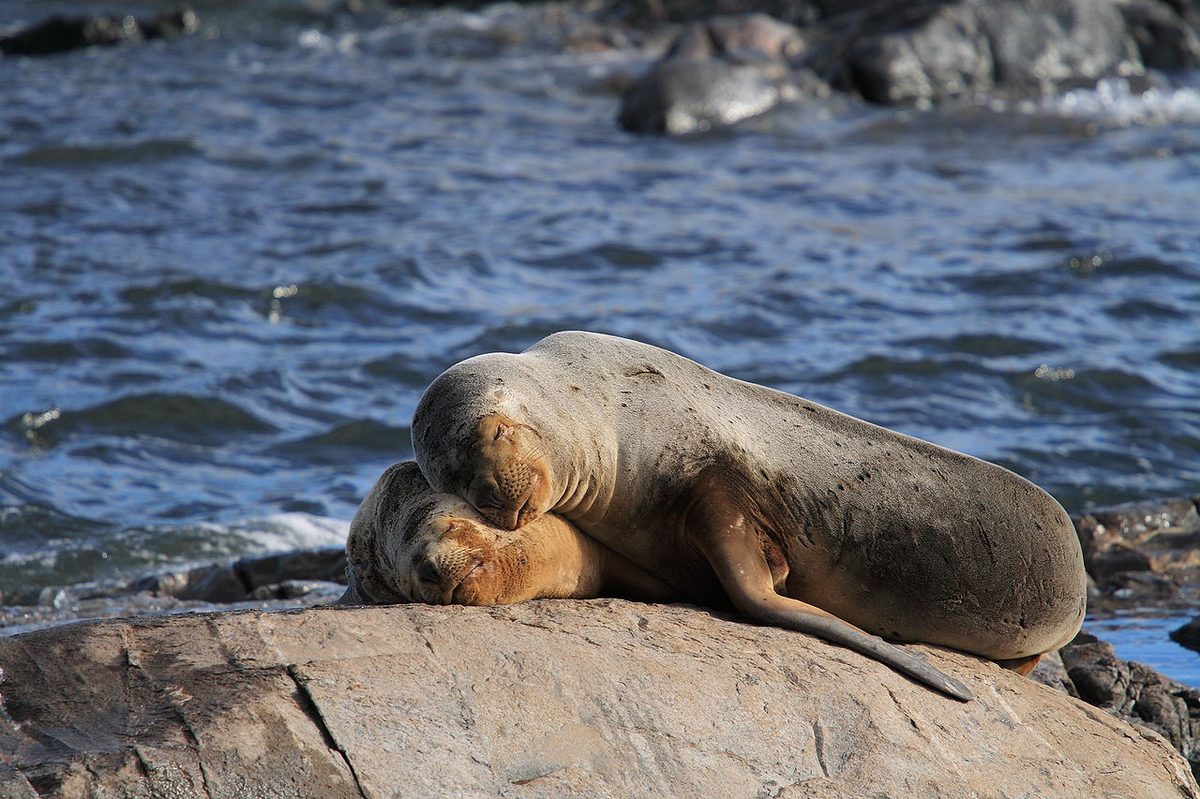
Patagonia is not only mountains and glaciers. The Atlantic coast has some of the region’s best wildlife experiences. Visit Argentina’s Peninsula Valdes page highlights southern right whales, penguins, sea lions, elephant seals, orcas, dolphins, guanacos, and birdlife, with Puerto Madryn and Trelew as access points.
The timing matters. Visit Argentina notes southern right whales are usually seen from June to October, sea lion colonies from September to November, and orcas are more likely from February to May. Wildlife is never guaranteed, but matching the season to the species is the difference between a good plan and a wish.
Best for: wildlife, families, photographers, non-hiking trips, shoulder-season extensions.
The best time to visit Patagonia depends on what you want to do.
For hiking, classic sightseeing, road trips, and first-time travel, October through April is the main season. December through March has the longest daylight and the most active travel infrastructure, but it is also the busiest and often the most expensive. January and February are peak summer. March is a favorite for many travelers because the days are still useful, the crowds begin to soften, and autumn color starts to appear in some areas.
November can be excellent for spring energy and slightly lower crowds, but trail and service openings vary. April can be beautiful, especially for autumn landscapes, but weather becomes more fragile and some services begin winding down.
Winter, roughly June through August, is not “bad.” It is simply a different trip. Bariloche and Ushuaia can be strong winter choices. Some hiking routes are closed, guided-only, snowbound, or more serious. Torres del Paine in winter requires close attention to official park rules and closures, especially because CONAF publishes seasonal requirements and notices.
Think by activity:
Travel goal
Best general timing
Notes
First-time hiking trip
November to March
Long days, peak access, book early
W Trek or O Circuit
Main summer trekking season
Reservations and seasonal rules matter
El Chalten day hikes
October to April
Add weather buffers for Fitz Roy views
Perito Moreno Glacier
Year-round, best Sept to March
Walkways make it accessible without major hiking
Bariloche lakes and hiking
November to April
Winter is better for skiing
Wildlife coast
Depends on species
Whales, penguins, sea lions, orcas have different seasons
Fewer crowds
October, November, March, April
More weather variability
Winter snow trip
June to August
Focus on Bariloche or Ushuaia, not broad hiking
Swipe to see all columns
Table 2
Two practical notes: Patagonia wind is not a rumor, and summer does not mean warm in the way many northern hemisphere travelers imagine. Even official destination pages for places like El Calafate and Bariloche warn that temperatures can drop, winds can be strong, and layers matter.
Most international travelers reach Patagonia through Buenos Aires or Santiago, then take domestic flights into regional hubs. There are exceptions, but this is the usual shape of the trip.
Common Argentine Patagonia airports:
Bariloche (BRC) for northern Patagonia and the Lake District.
El Calafate (FTE) for Perito Moreno Glacier and El Chalten.
Ushuaia (USH) for Tierra del Fuego and Antarctica departures.
Trelew (REL) or Puerto Madryn (PMY) for Peninsula Valdes wildlife.
Neuquen (NQN), Esquel (EQS), Rio Gallegos (RGL), and others for specific routes.
Common Chilean Patagonia gateways:
Punta Arenas (PUQ) for southern Chilean Patagonia and Puerto Natales connections.
Puerto Natales (PNT) for Torres del Paine, with seasonal/limited flight patterns that need checking.
Balmaceda (BBA) for Coyhaique and the central Carretera Austral.
Puerto Montt (PMC) for the northern Carretera Austral and Chilean lake/forest routes.
For most first-time travelers, the big planning choice is whether to start in Argentina or Chile. If your route is El Calafate, El Chalten, and Torres del Paine, compare flights into El Calafate, Punta Arenas, and Puerto Natales, then build the trip around actual schedules rather than a map fantasy.
There is no single best way to get around Patagonia. The right choice depends on your route.
Buses
Buses are useful on classic routes: El Calafate to El Chalten, El Calafate to Puerto Natales, Punta Arenas to Puerto Natales, Puerto Natales to Torres del Paine, Bariloche to nearby towns, and some long-distance Argentine routes. They are often comfortable, but they take time. Book early in peak season and double-check cross-border schedules.
Rental Cars
Rental cars are useful when you want flexibility, scenic stops, and access to places where buses are limited. They are especially helpful around Bariloche, parts of the Carretera Austral, Tierra del Fuego, Peninsula Valdes, and some southern Patagonia routes.
But rental cars are not magic. One-way rentals can be expensive or unavailable. Cross-border permits may be required. Gravel roads, wind, limited fuel, ferries, and insurance restrictions matter. If you want to drive across Argentina and Chile, read Patagonia Road Trips, Ruta 40 and Border Crossings and the rental terms before you build the route.
Domestic Flights
Flights save time between distant regions. Bariloche to El Calafate, Buenos Aires to Ushuaia, Santiago to Punta Arenas, and similar legs can make a broader trip possible. The downside is that Patagonia flight routes often connect through hubs, and schedules vary by season.
Ferries and Boats
Ferries are part of some Chilean Patagonia routes, especially the Carretera Austral. Boat trips also operate as experiences: Beagle Channel cruises, glacier navigation from El Calafate, Grey Glacier boat trips, and fjord cruises. Treat transport ferries as logistics and sightseeing boats as activities. They have different planning rules, so use the Patagonia Cruises, Fjords, Lakes and Glacier Trips guide if water-based experiences are becoming a major part of the route.
Guided Tours and Transfers
Guided tours can be worth it for remote hikes, puma tracking, winter conditions, glacier trekking, limited-time travelers, and anyone who does not want to manage every transfer. Independent travel is possible in many parts of Patagonia, but a guided option can be the difference between a smooth short trip and a tired one.
Patagonia is not the cheapest part of South America. Costs vary wildly by season, country, exchange rates, travel style, and how much trekking or remote transport you add.
Budget travelers can reduce costs with hostels, camping, buses, grocery shopping, and free day hikes. Mid-range travelers usually spend most on flights, lodging, tours, park fees, and cross-border transport. Luxury travelers can spend heavily on lodges, private transfers, guided hikes, cruises, and all-inclusive stays near national parks.
The main cost drivers are:
International and domestic flights.
Peak-season lodging in small towns.
Torres del Paine refugios, campsites, or in-park hotels.
Guided treks and glacier activities.
Rental cars, especially one-way or cross-border rentals.
Park entrance fees and tickets.
Remote route logistics such as ferries or private transfers.
For a first-time southern Patagonia trip, I would not build the budget around the cheapest possible number you find online. Build it around the trip you actually want. If the W Trek, Perito Moreno ice trekking, and in-park Torres del Paine lodging are non-negotiable, your cost profile is different from someone taking buses, day hiking El Chalten, and staying in hostels.
Use the Patagonia Trip Cost and Budget Guide before booking. Also check the official park and ticket sources linked from each destination guide because fees can change.
What to Book First
The order matters. In Patagonia, the scarcest pieces can shape the whole trip.
Book or verify these first:
International flights into Buenos Aires or Santiago.
Domestic flights to your Patagonia gateway.
W Trek, O Circuit, Torres del Paine refugios, campsites, or in-park lodging if applicable.
High-demand lodging in El Chalten, El Calafate, Puerto Natales, Torres del Paine, Bariloche, or Ushuaia during peak season.
Rental car and cross-border permit if driving between Argentina and Chile.
Ice trekking, puma tracking, penguin trips, or small-group specialty tours.
Cross-border buses and ferries where schedules are limited.
Park tickets and official passes close to travel date, following current rules.
Do not book a nonrefundable chain of tight connections if the trip depends on weather. For example, hiking in El Chalten is more rewarding when you have a spare day. Driving the Carretera Austral is calmer when you have buffer time for ferries and road conditions. Torres del Paine is easier when your first and last nights around the park are not squeezed.
The rule is simple: protect the days that matter most. The more weather-dependent the activity, the less tightly you should stack the surrounding transfers.
What to Pack for Patagonia
Patagonia packing is less about owning fancy gear and more about being ready for change. You can get sun, wind, rain, cold, and calm weather in a short window. Even in summer, official destination pages for places like El Calafate and Perito Moreno recommend warm layers, wind protection, gloves, sun protection, and waterproof or windproof outerwear.
Start with:
A real windproof or waterproof shell.
Warm mid-layer, such as fleece or lightweight down/synthetic insulation.
Base layers for hiking days.
Comfortable hiking shoes or boots that are already broken in.
Hat, gloves, and buff or neck gaiter.
Sunglasses and sunscreen.
Daypack with rain cover or dry bags.
Refillable water bottle.
Offline maps and backup battery.
Trekking poles if you like them, especially for steep or windy hikes.
Sleep gear only if camping or trekking independently.
If you are doing the W Trek, O Circuit, Huemul Circuit, winter hiking, or remote road trips, packing becomes more specific. Use planning a trek in Patagonia before finalizing your list.
Sample Patagonia Routes for First-Timers
These are not full day-by-day itineraries. Think of them as route shapes. The detailed daily versions belong in the Patagonia itinerary planner.
7 Days: El Calafate and El Chalten
Best for first-time travelers who want glaciers and hiking without crossing into Chile.
Route:
Fly to El Calafate.
Visit Perito Moreno Glacier.
Transfer to El Chalten.
Spend 3 to 4 nights hiking and waiting for weather windows.
Return to El Calafate for departure.
Why it works: simple logistics, huge scenery, no border crossing, good payoff for limited time.
What you miss: Torres del Paine, Chilean Patagonia, Ushuaia, Bariloche, wildlife coast.
10 to 14 Days: Classic Southern Patagonia
Best for first-time travelers who want the iconic Argentina plus Chile combination.
Route:
El Calafate for Perito Moreno Glacier.
El Chalten for Fitz Roy hikes.
Puerto Natales as the Torres del Paine base.
Torres del Paine for day hikes or the W Trek.
Depart via El Calafate, Puerto Natales, or Punta Arenas depending on flights.
Why it works: this is the strongest first-time route because it combines the glacier, Fitz Roy, and Torres del Paine without forcing northern Patagonia or Ushuaia into too little time.
What to watch: cross-border transport, W Trek reservations, park notices, weather buffers.
10 Days: Torres del Paine Focus
Best for hikers who want to prioritize Chile.
Route:
Fly to Punta Arenas or Puerto Natales.
Prepare in Puerto Natales.
Trek the W, do day hikes, or stay in/near the park.
Add a buffer night before departure.
Why it works: less transit, deeper park time, better for serious hikers.
What you miss: Perito Moreno and El Chalten unless you add days.
2 Weeks: Bariloche and Southern Patagonia
Best for travelers who want lakes plus the classic south.
Route:
Start in Bariloche for lakes, viewpoints, food, and short hikes.
Fly or connect south to El Calafate.
Visit El Calafate and El Chalten.
Add Puerto Natales and Torres del Paine if timing allows.
Why it works: more variety than a purely southern trip.
What to watch: internal flights and transfer days. Do not pretend Bariloche is next door to El Chalten.
2 to 3 Weeks: Wildlife and Mountains
Best for wildlife travelers and photographers.
Route:
Puerto Madryn or Trelew for Peninsula Valdes.
Fly/connect to El Calafate.
El Chalten for hiking.
Puerto Natales and Torres del Paine.
Why it works: adds coastal wildlife to the mountain/glacier icons.
What to watch: species timing. Wildlife seasons are not interchangeable.
3 to 4 Weeks: Deep Patagonia
Best for travelers who want a broader, slower, more satisfying trip.
Route:
Bariloche and the Lake District.
El Calafate and El Chalten.
Torres del Paine and Puerto Natales.
Ushuaia or Peninsula Valdes, depending on interests.
Optional Carretera Austral section if you are road-trip focused.
Why it works: you can stop rushing and let Patagonia breathe.
What to watch: cost, route logic, and not adding a destination just because it is famous.
Where to Stay in Patagonia
Patagonia accommodation is not just about hotel quality. It affects your route.
Common base towns:
El Calafate: best for Perito Moreno Glacier and airport access.
El Chalten: best for Fitz Roy hikes and independent trekking.
Puerto Natales: best gateway town for Torres del Paine.
Inside or near Torres del Paine: best for park access, but more expensive and limited.
Bariloche: best northern Patagonia base with broad infrastructure.
Ushuaia: best for Tierra del Fuego, Beagle Channel, winter, and Antarctica.
Puerto Madryn or Puerto Piramides: best for Peninsula Valdes wildlife.
Coyhaique, Puyuhuapi, Puerto Rio Tranquilo, Chaiten, or Villa O’Higgins: Carretera Austral route bases.
For a first trip, I usually prefer fewer bases and more nights in each. Changing towns every night feels efficient on a spreadsheet and tiring on the ground. If you have three nights in El Chalten, you have a real chance of catching a clear Fitz Roy window. If you have one night, you have a plan, not a chance.
Use booking beds for peak season before booking hotels, refugios, campsites, cabins, or lodges, because the right base can change the whole route.
Is Patagonia Safe?
Patagonia is generally one of the safer-feeling travel regions in South America for mainstream tourist routes, but the risks are more environmental than urban. The things to respect are weather, distance, exposure, road conditions, remote trails, cold water, wind, and changing park rules.
Practical safety habits:
Check official park notices before hiking or driving into protected areas.
Tell someone your route when hiking outside busy trails.
Carry layers even when the morning looks calm.
Do not drive long rural distances at night unless you know what you are doing.
Keep fuel topped up on remote roads.
Download maps offline.
Do not underestimate wind on exposed trails or roads.
Give wildlife space.
Follow fire, camping, drone, and trail restrictions.
Patagonia is best for travelers who like landscapes more than nightlife, weather more than certainty, and movement more than resort-style ease.
It is excellent for:
Hikers and trekkers.
Wildlife watchers.
Photographers.
Road-trippers.
Couples and honeymooners who want a big trip.
Families with older kids or outdoorsy routines.
Solo travelers who choose established routes.
Travelers who like planning, or who are willing to pay someone good to plan the hard parts.
It is less ideal if:
You want guaranteed warm weather.
You dislike wind, rain, or changing plans.
You only have a few days but want to “do all of Patagonia.”
You need nightlife-heavy cities.
You want a low-budget trip with no compromises.
You are not willing to book scarce pieces early in peak season.
None of that means you should not go. It means you should choose the right version of Patagonia.
The Best Patagonia Trip Is Usually the One You Do Not Overpack
The internet makes Patagonia look like a highlight reel. It is easy to believe that a good trip must include Torres del Paine, the W Trek, Fitz Roy, Perito Moreno, Bariloche, Ushuaia, Peninsula Valdes, the Carretera Austral, and a spontaneous border-crossing road trip.
That is not a trip. That is a geography exam with luggage.
The best first Patagonia trip is usually simpler:
Pick one main route.
Add one optional extension.
Protect the weather windows.
Book the scarce pieces.
Leave a little blank space.
Blank space matters in Patagonia. It gives you the morning when the clouds finally lift over Fitz Roy. It gives you time to sit by the glacier instead of photographing it and running back to the bus. It lets you take the earlier ferry because the afternoon wind looks bad. It lets a big place feel big.
Patagonia is in both Argentina and Chile. Argentine Patagonia includes destinations such as Bariloche, El Calafate, El Chalten, Ushuaia, Puerto Madryn, and Peninsula Valdes. Chilean Patagonia includes Torres del Paine, Puerto Natales, Punta Arenas, the Carretera Austral, fjords, forests, and southern island routes.
What is the best month to visit Patagonia?
There is no single best month for every traveler, but January, February, and March are the most popular for hiking and first-time sightseeing because they offer long daylight and broad travel access. November and March can be especially attractive shoulder-season choices. Winter is better for snow-focused trips in places like Bariloche and Ushuaia than for broad trekking.
How many days do you need in Patagonia?
You need at least 7 days for one region, 10 to 14 days for the classic southern Patagonia route, and 3 weeks or more for a broader trip with northern Patagonia, Ushuaia, wildlife, or the Carretera Austral. If you have less than a week, choose one base and do not try to cross the whole region.
What is the best first-time Patagonia itinerary?
The best first-time Patagonia itinerary for most travelers is El Calafate, El Chalten, Puerto Natales, and Torres del Paine over 10 to 14 days. It combines Perito Moreno Glacier, Fitz Roy hiking, and Chile’s most famous national park without requiring a month.
Is Patagonia expensive?
Patagonia can be expensive compared with many South American destinations, especially in peak season and in remote areas. Flights, lodging, guided treks, park fees, rental cars, and Torres del Paine accommodation are major cost drivers. Budget travel is possible with hostels, buses, camping, groceries, and free day hikes, but the cheapest version is not always the most practical for a short trip.
Do you need a guide for Patagonia?
You do not need a guide for every Patagonia trip. Many day hikes and town-based routes can be done independently with preparation. Guides are strongly recommended or sometimes required for specific treks, winter conditions, glacier activities, puma tracking, remote routes, and travelers who want to reduce logistics. Always check official park rules before hiking.
Can you visit Patagonia without hiking?
Yes. Patagonia without hiking can still include Perito Moreno Glacier walkways, scenic drives in Torres del Paine, boat trips on the Beagle Channel or Lago Argentino, Bariloche lake viewpoints, wildlife watching in Peninsula Valdes, estancias, food, photography, and short walks. You will miss some trail-only viewpoints, but you do not need to be a serious trekker to have a strong trip.
Is Patagonia good for families?
Patagonia can be excellent for families if the route is paced carefully. Bariloche, El Calafate, Ushuaia, Puerto Madryn, and some Torres del Paine viewpoints work better for many families than a fast multi-day trekking itinerary. Build in rest days, choose lodging carefully, and avoid routes with too many one-night stops.
What should I book first for Patagonia?
Book scarce and route-defining items first: domestic flights, Torres del Paine refugios or campsites, in-park lodging, peak-season hotels, rental cars with any required cross-border permissions, specialty tours, and key buses or ferries. Park tickets and official passes should be checked close to travel date because rules and fees can change.
Official Sources and Image License Notes
This article uses official destination and park sources for planning facts:
Images are sourced from Wikimedia Commons under their respective licenses (CC BY, CC BY-SA, or public domain). Each photo links to its source page and author on Wikimedia Commons. Hero image: Winky from Oxford, UK / CC BY 2.0 via Wikimedia Commons.
Also on this pillar — Trip Planning9 sheets · See all